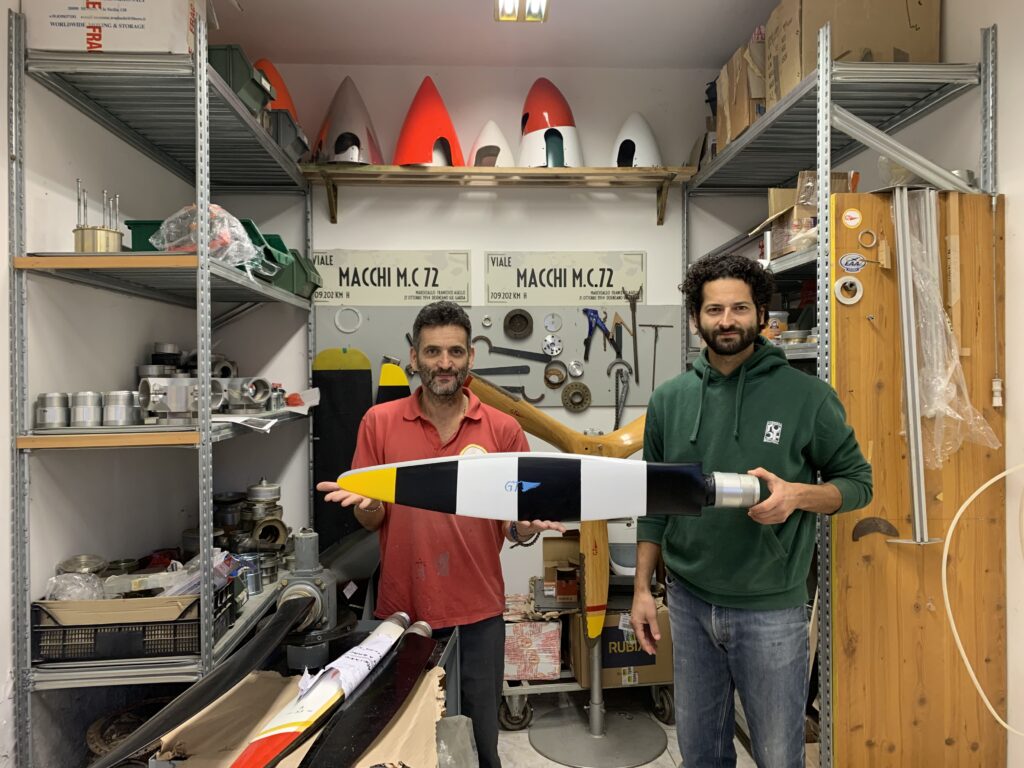

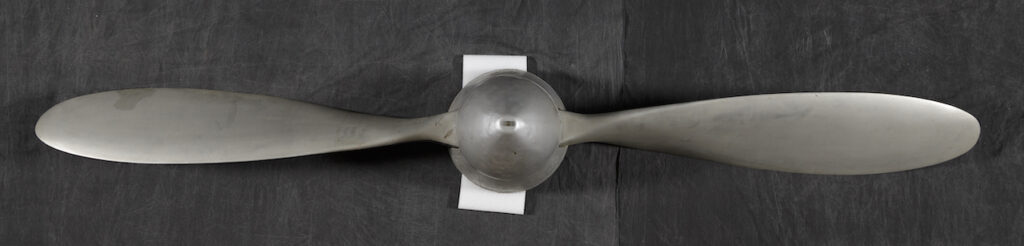
Just over a year after Vintage Aviation News reported on the revival of the historic Fairey Reed propeller brand in Italy, the project has reached a significant milestone. The first production-version Fairey Reed/GT propeller designed for the de Havilland DHC-1 Chipmunk has successfully completed its initial flight testing, marking an important step toward providing operators with a modern replacement for one of the rarest vintage propellers in aviation. Developed by Italian manufacturer GT Propellers, the new propeller faithfully recreates the appearance, dimensions, and weight of the original fixed-pitch Fairey Reed metal propeller introduced for the Chipmunk in the late 1940s. While visually indistinguishable from the historic original, the new design incorporates advanced composite construction and a ground-adjustable pitch system, bringing modern performance and maintainability to a classic aircraft.
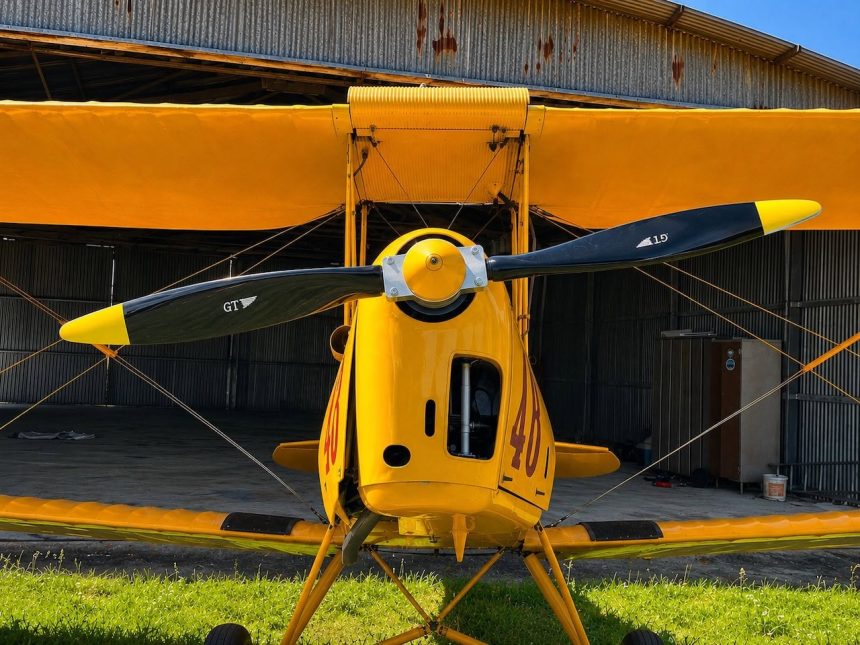
Because no Chipmunks were available locally during the initial testing phase, GT Propellers turned to an unlikely but effective flying testbed—the de Havilland Tiger Moth. Powered by the same Gipsy Major engine family used in the Chipmunk, the Tiger Moth allowed engineers to evaluate the new propeller in real-world operating conditions before installation on its intended aircraft. More than 12 flight hours were accumulated on the Tiger Moth test aircraft before the first Chipmunk evaluation flights took place. According to the experienced test pilot, the difference was immediately noticeable.
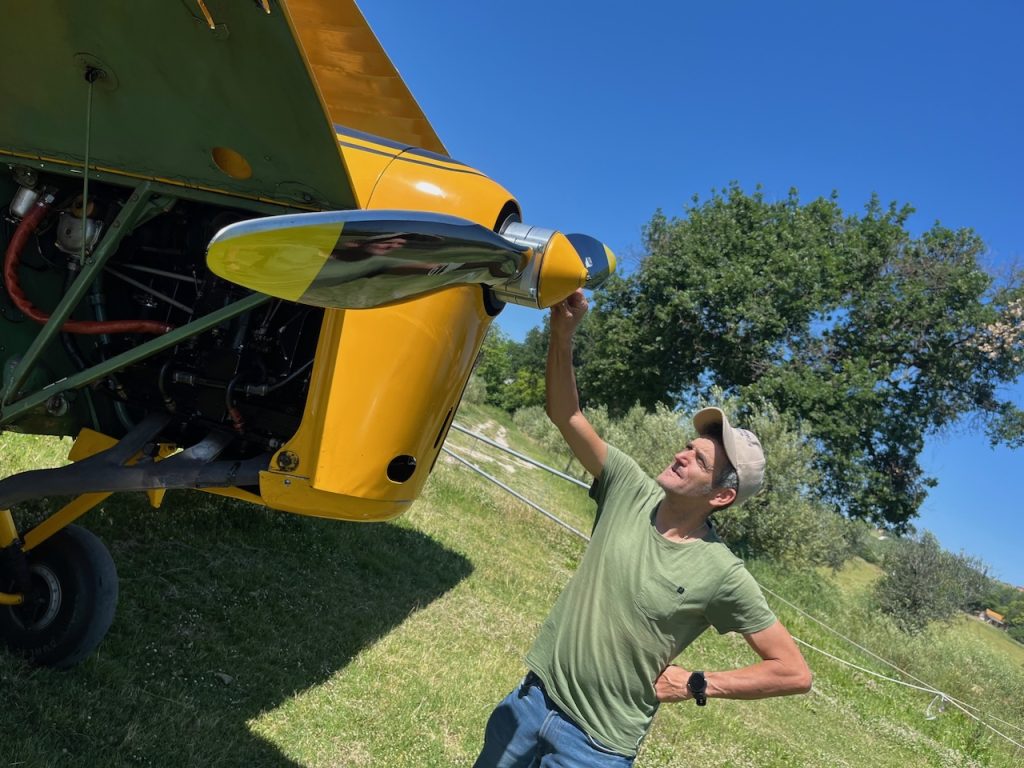
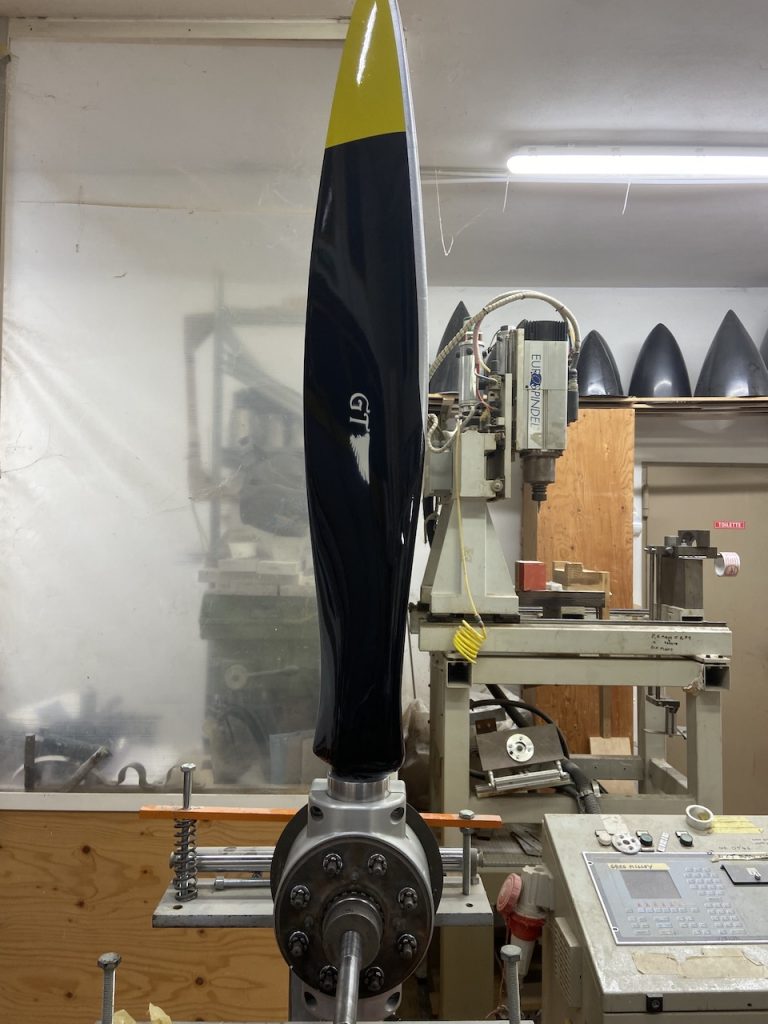
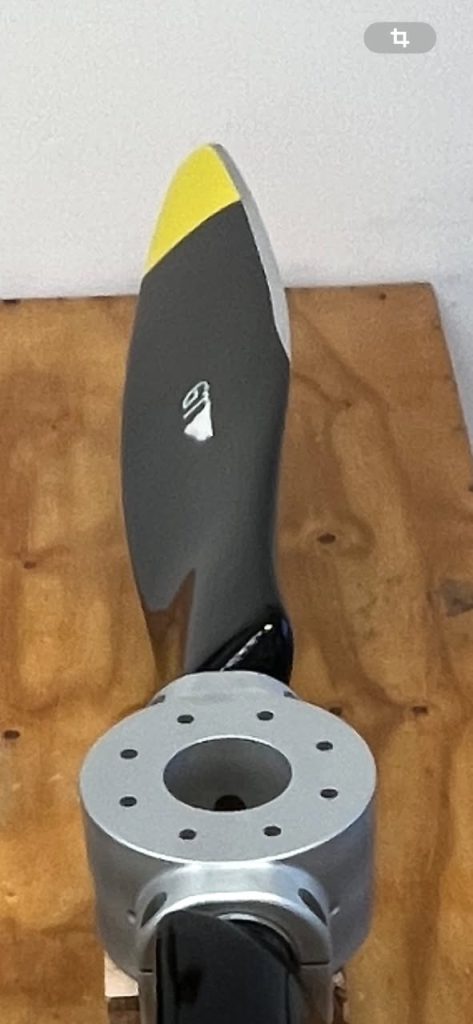
“It feels like flying a completely different aircraft,” he reported, citing the propeller’s increased mass characteristics and the ability to easily adjust blade pitch to optimize static RPM and overall performance. The new propeller represents far more than a simple reproduction. GT engineers began with the original Fairey Reed drawing A6675X1 and created an exact aerodynamic duplicate using a blend of natural and synthetic composite materials. The result is a two-blade, ground-adjustable propeller featuring composite blades, a CNC-machined aerospace-grade aluminum hub, and a carbon-fiber spinner that replicates the original Fairey Reed design. Significantly, the complete assembly matches the weight of the original metal installation, eliminating the center-of-gravity concerns often encountered when replacing metal propellers with lighter wooden alternatives.
(Image credit: GT Propellers)
The propeller has been engineered primarily for Chipmunks equipped with the Gipsy Major Type 8 and related engines, although GT Propellers notes that the design may be adaptable to other aircraft using the same powerplant. The assembly features a maximum diameter of 80 inches (203 centimeters) and incorporates metal leading-edge protection to improve durability. Beyond simply replacing an increasingly scarce original component, the new design offers several operational advantages. Composite construction provides superior vibration damping, helping to reduce cockpit vibration while improving overall smoothness. The blades are repairable following foreign object damage and are not subject to the finite fatigue life associated with many vintage metal propellers. Ground-adjustable pitch settings allow owners to optimize performance for specific missions, whether emphasizing climb, cruise, or training operations. According to GT Propellers, pitch adjustments can be completed in approximately 10 minutes without the need to change propellers entirely.
(Image credit: GT Propellers)
The development may prove especially valuable for Chipmunk operators who have spent years searching for serviceable Fairey Reed propellers. Original examples have become exceptionally difficult to locate, and suitable replacements often require compromises in performance, weight, or authenticity. The GT unit aims to solve those challenges while preserving the aircraft’s iconic appearance. Perhaps more importantly, the project demonstrates a pathway for reproducing other historic propellers that have become unobtainable. GT Propellers believes the same manufacturing techniques used on the Fairey Reed recreation can be applied to a wide range of vintage wooden and metal propeller designs found on warbirds and historic aircraft worldwide. For owners, museums, and restoration shops struggling to keep rare aircraft flying, that possibility may be just as significant as the successful testing of the Chipmunk propeller itself. As flight testing continues, the Fairey Reed revival stands as an example of how modern engineering can preserve aviation heritage—not by replacing history, but by making it fly again. For more information about GT Propellers, visit www.gt-propellers.com.