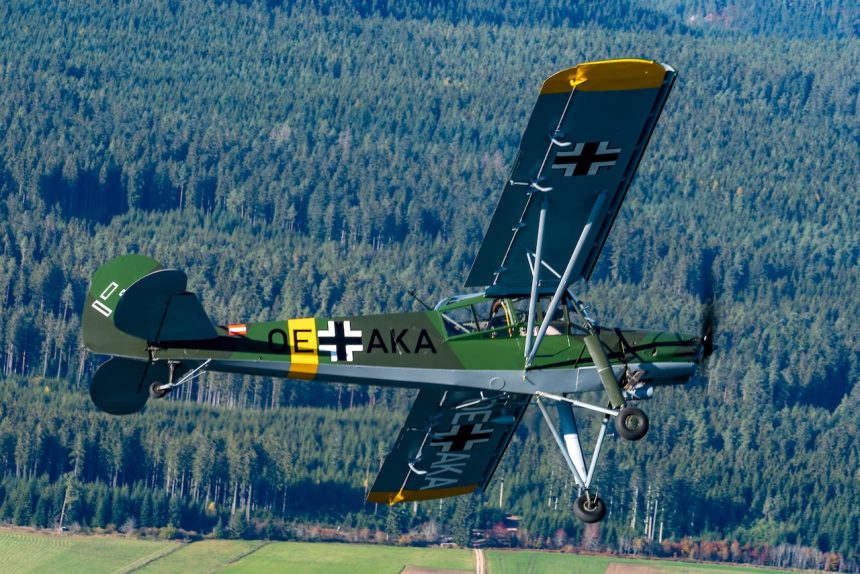

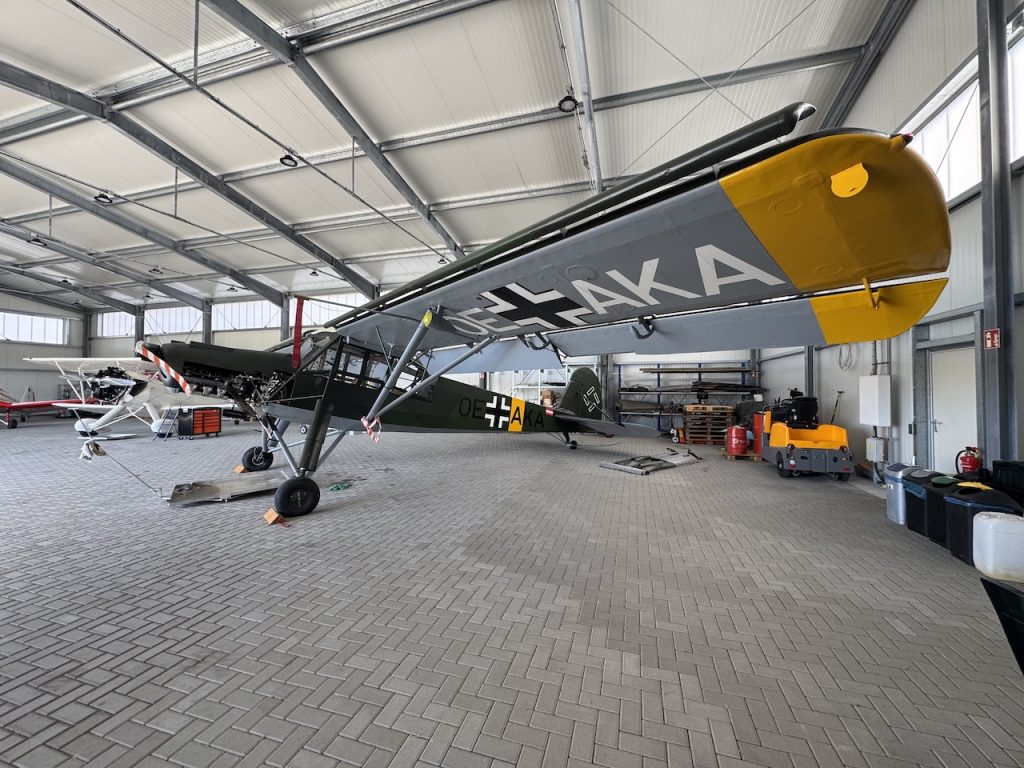
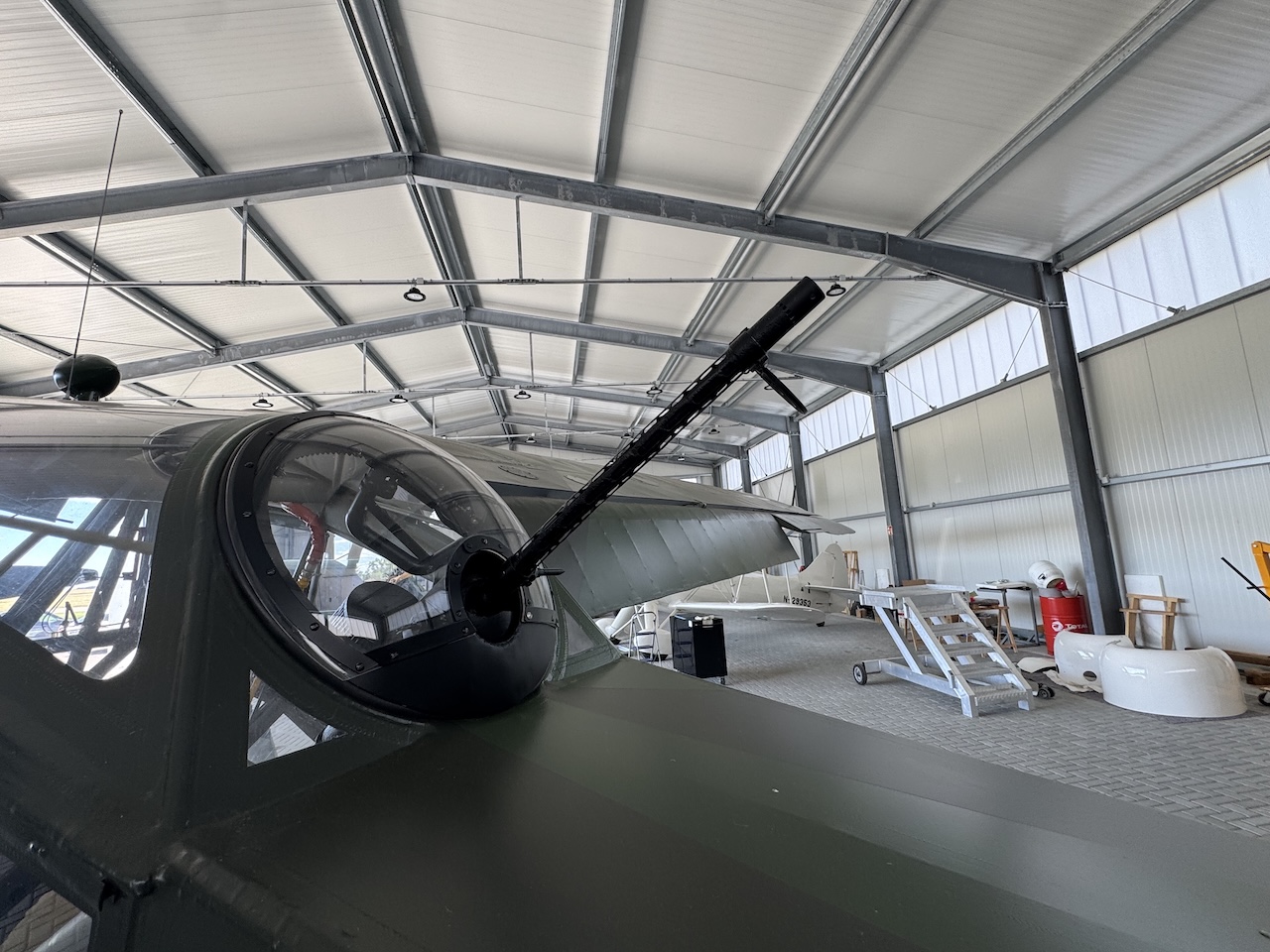
Aircraft brokerage company Boschung Global has listed a rare 1943 Fieseler Fi 156 Storch for sale on its platform. The wooden-wing aircraft is the only flying German Storch that was built in Kassel. It never had any accidents or damage and contains components sourced from other Storch aircraft. The aircraft was delivered by Fieseler to the Swedish Army in spring 1943 and was officially commissioned in July 1943. In February 1938, the Swedish Air Administration ordered two Fieseler Fi 156 Storch aircraft for testing. The Fi 156 was primarily designed for military tasks such as reconnaissance, artillery spotting, and communication. A unique feature of this aircraft was its very short takeoff distance, which was about 50 meters (164 feet) with a headwind. Both aircraft arrived in June and were named P 4. In June and July 1938, both P 4s were assigned to Flygflottilj F 3 (Wing F 3), which focused on army reconnaissance. They were mainly used to test their effectiveness as artillery spotting aircraft. In January 1940, the aircraft were renamed S 14 (S for Spaningsflyg, meaning reconnaissance aircraft).
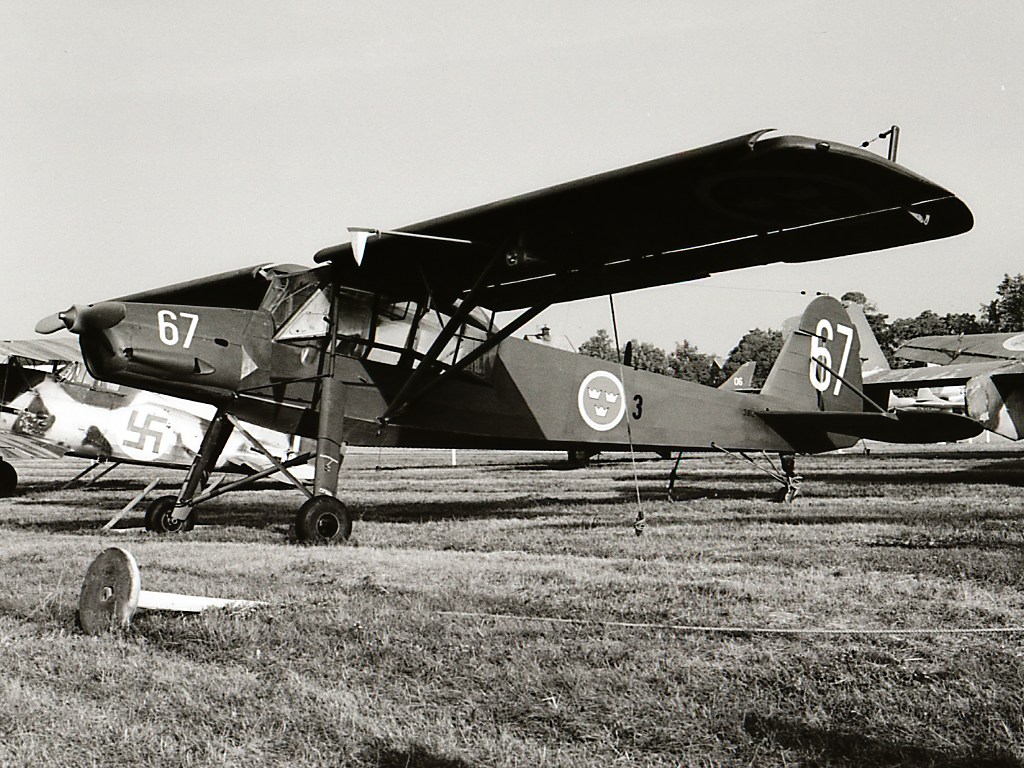
It followed the order of eight more Fi 156 (S 14A) aircraft in November 1939. Six of these planes arrived at F 3 in April and May after being assembled at CVM (Central Aircraft Workshop in Malmslätt). However, the last two aircraft were never delivered. In June 1941, a new contract was signed to deliver 12 additional Fi 156s. However, due to the German campaign against Russia, it took the Germans a while to release these planes. In July 1943, 12 refurbished Fi 156 aircraft were transferred to F 3. The Swedes made some changes to the Storches, adding three seats for a pilot and two passengers, enlarging the rear window, and improving the Argus engine’s performance.
(Image credit: Boschung Global Ltd.)
Some S 14Bs were loaned to Bomber Wing F 4 and Fighter Wing F 9, where the commanders used them. In May 1945, three planes went to Reconnaissance Wing F 11. Bomber Wing F 17 received three in November, and Reconnaissance Wing F 21 got one. The aircraft from F 11 had special markings and were known by the F 11 name. The S 14 Storches became well-known for helping in rescue operations at the end of 1944, moving refugees from Norway to Lapland. In 1948 and 1949, six German Fi 156 aircraft that had made emergency landings in Sweden during WWII were refurbished and returned to service at F 11.
(Image credit: Boschung Global Ltd.)
By 1950, the Swedish Air Force had 21 Fi 156s remaining. The last of these aircraft was retired in January 1961. Eleven of them were sold to Austria through AeroContact Handels- und Lufttransport GmbH in Vienna, either complete or for spare parts. Eight were later registered in Austria. Two more Fieseler Fi 156 Storchs were sent to the Alpine Gliding School in Unterwössen, Germany, and one to the Technical College in Kassel. Today, ten Swedish Storches still exist worldwide.
(Image credit: Boschung Global Ltd.)
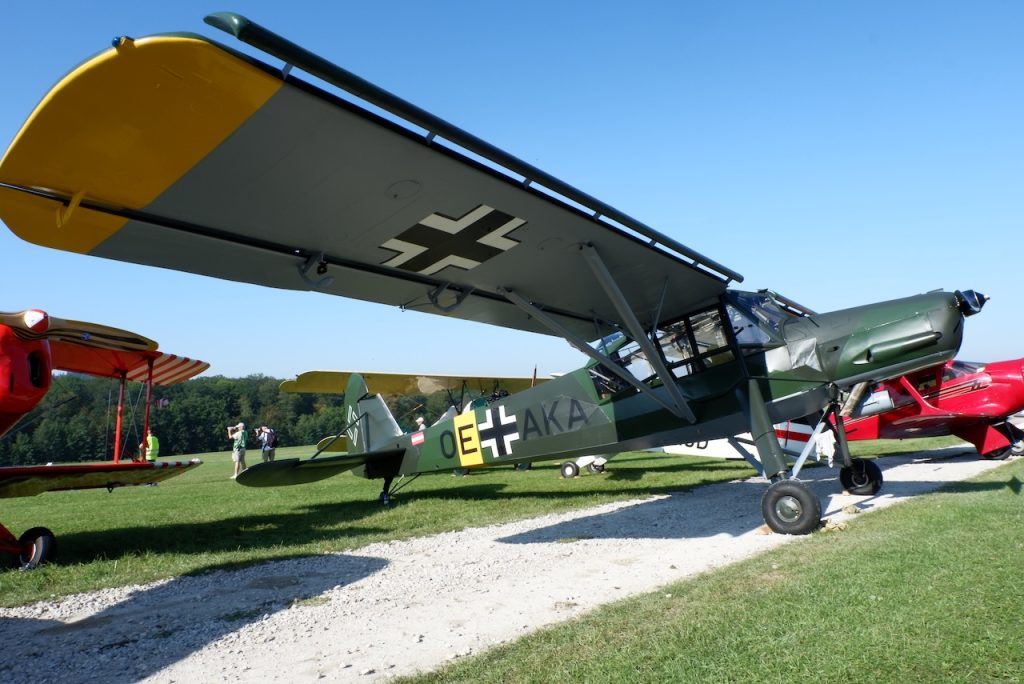
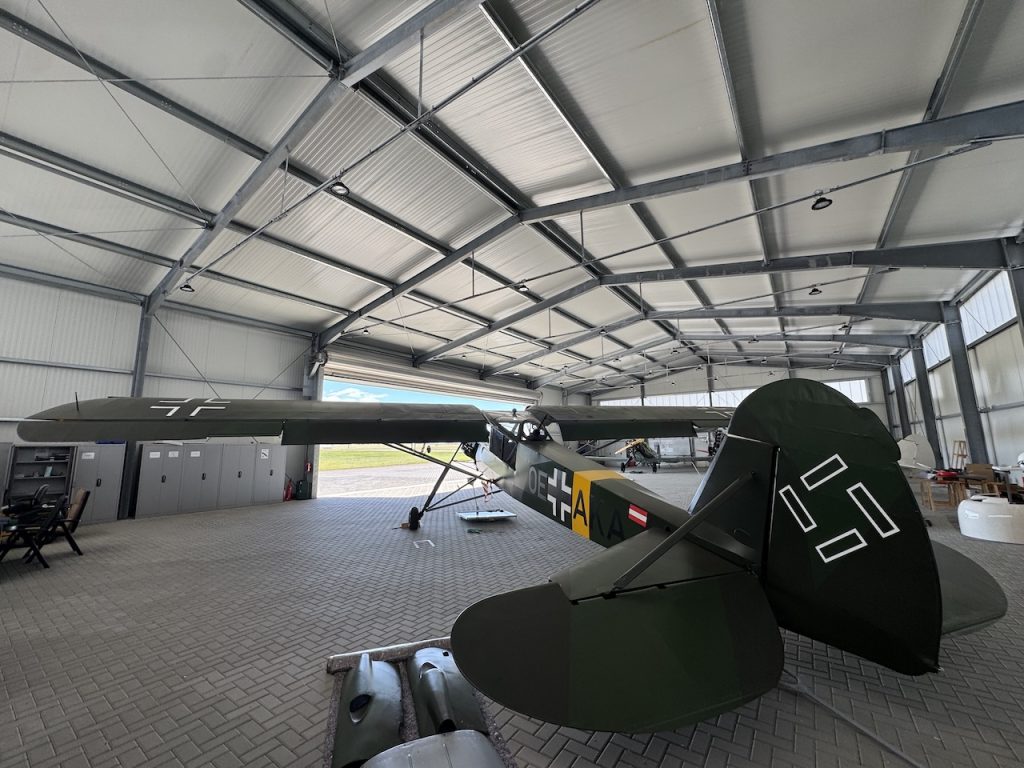
The Fieseler Fi 156 Storch on sale served in the Swedish Air Force under tail numbers 3-59 and later 3-90, which was later changed to 3-2 in 1944. It then went to Flygflottilj F 9, tail number 9-97. The aircraft was decommissioned in 1961 and sold to Austria. It underwent a major overhaul and was registered as OE-AKA in Austria in 1961. In 2019, this Fieseler Fi 156 Storch was sold to Germany. The aircraft has a total time of 1,801 hours on the airframe. The engine is an Argus AS10C Series 3. The propeller is an MT 256 R140-6AB, and the avionics include a Becker RT 3209 radio, a Becker BXP6400 transponder, and an Artex 3000 ELT.
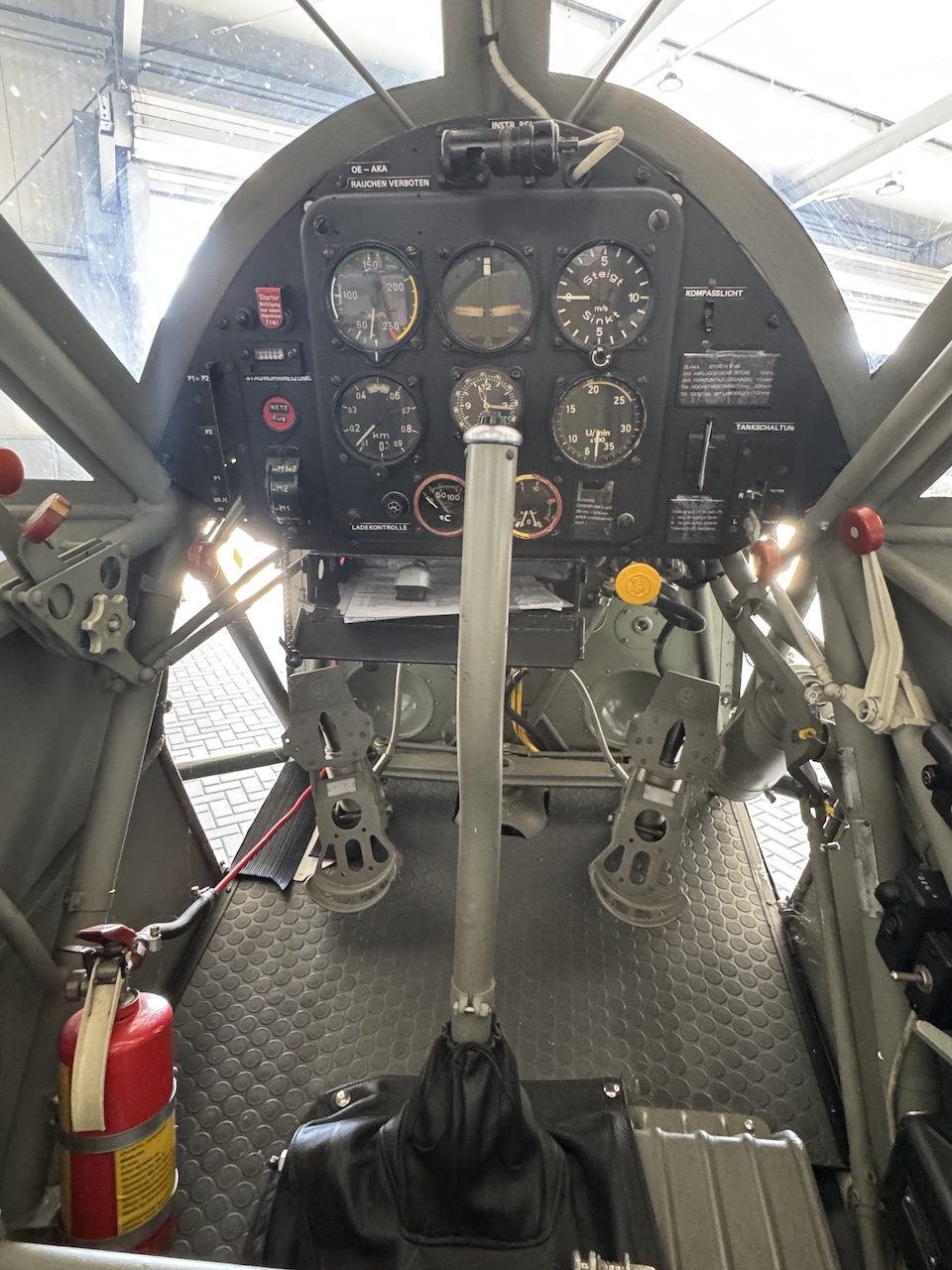
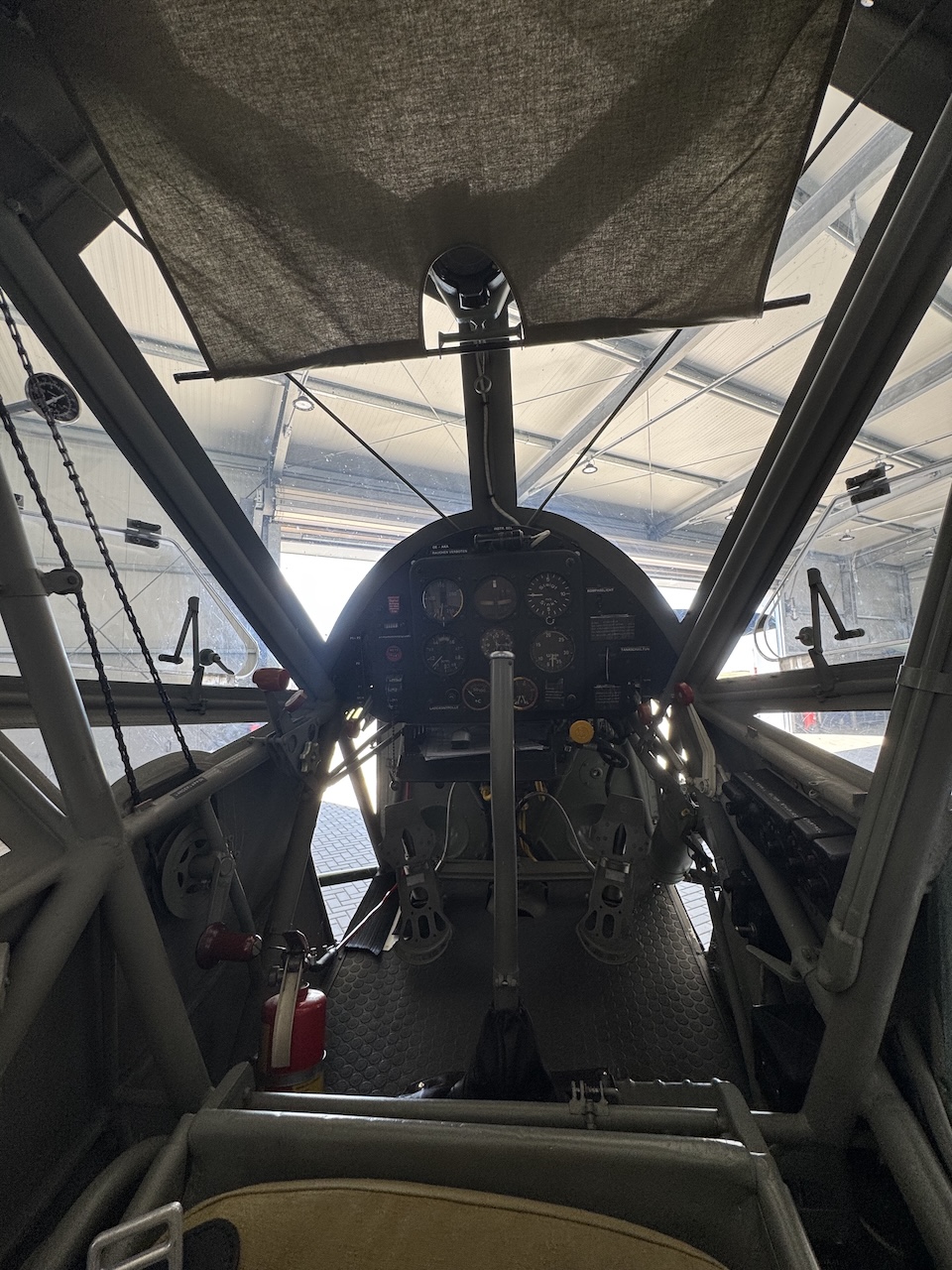
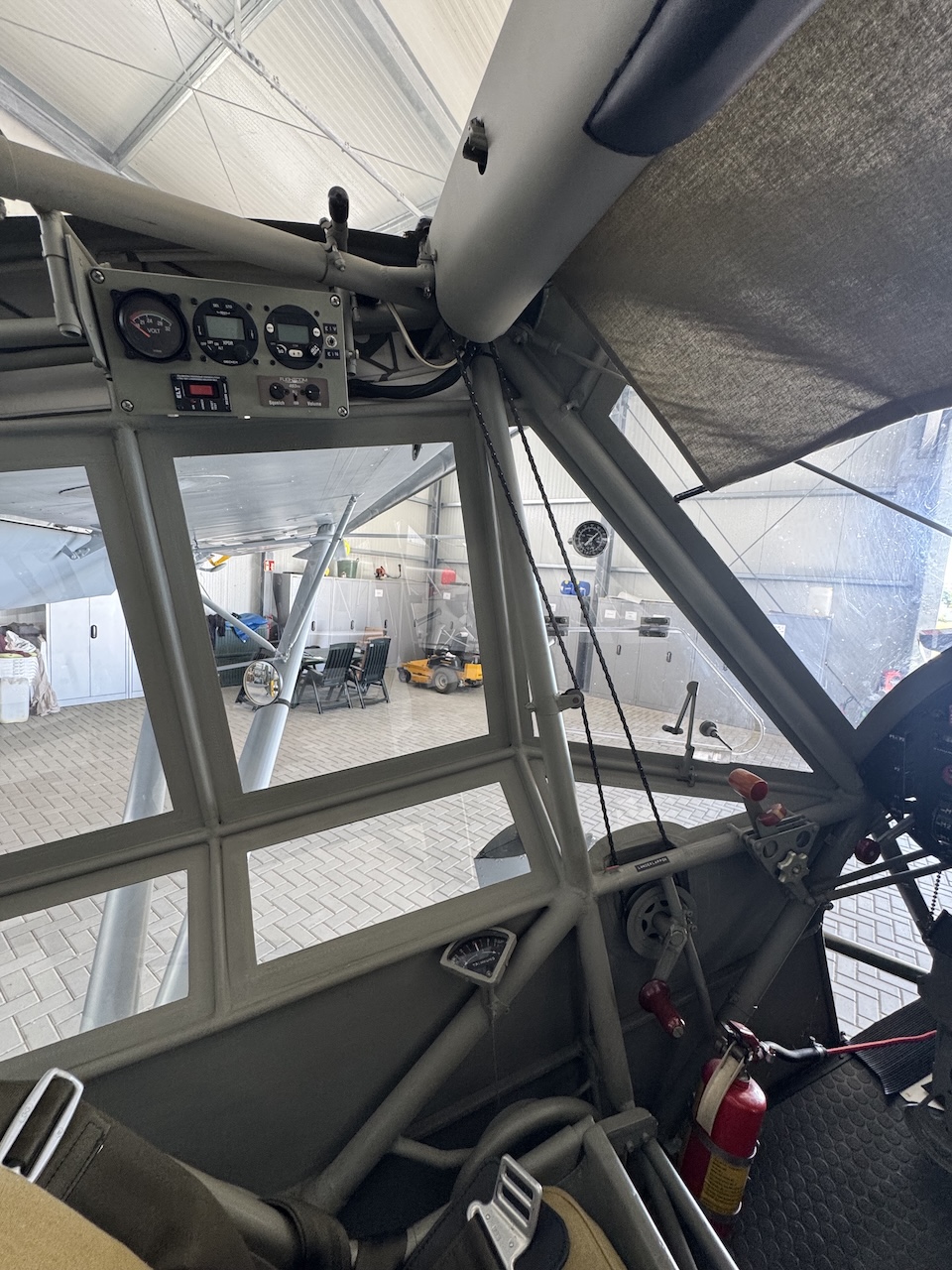
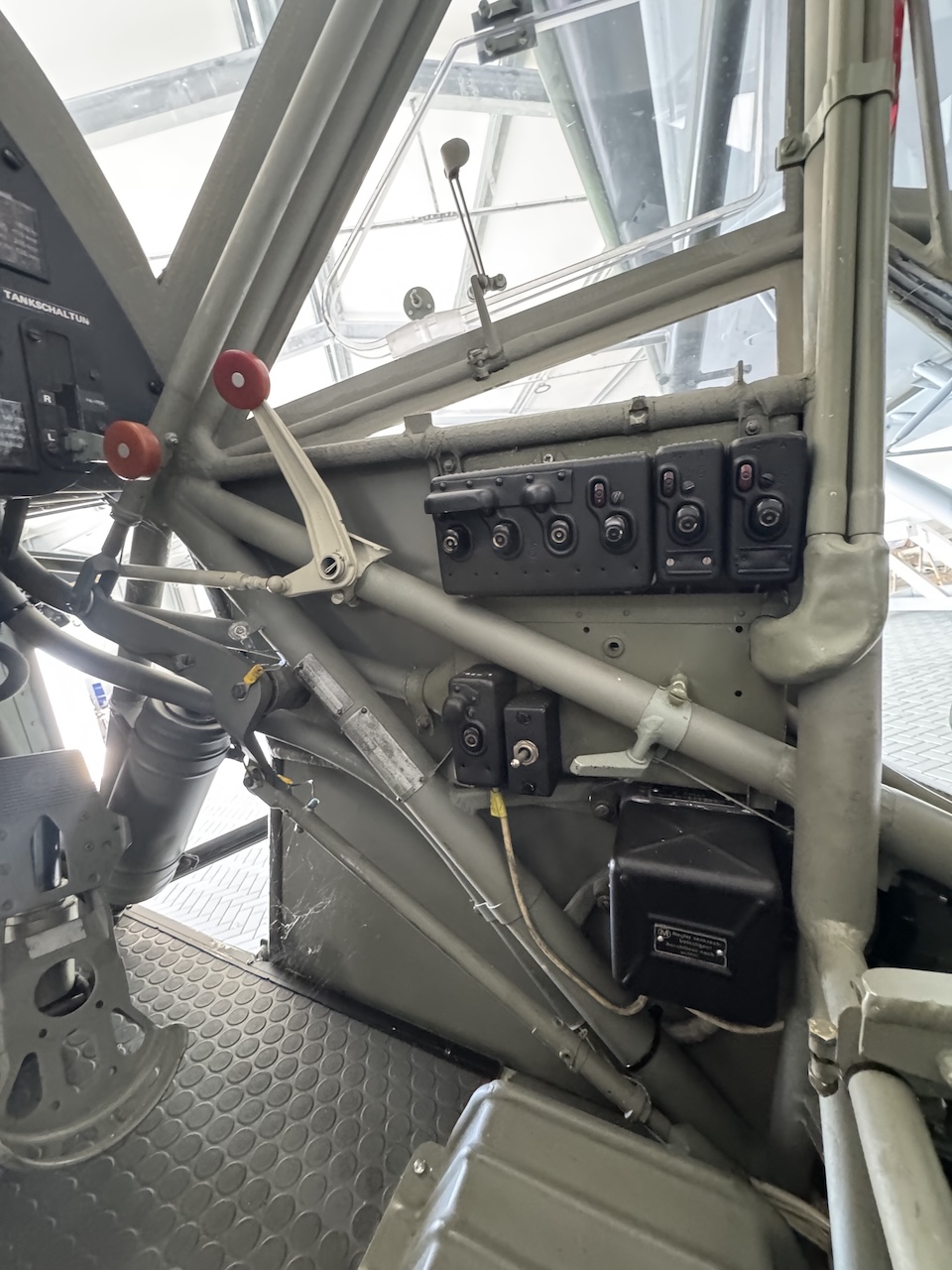
According to Boschung Global, the Fieseler Fi 156 Storch on sale is in excellent condition, and no more original Storch aircraft will be available, as the existing ones are in museums. For more information about the aircraft on sale, visit https://www.boschungglobal.com/.
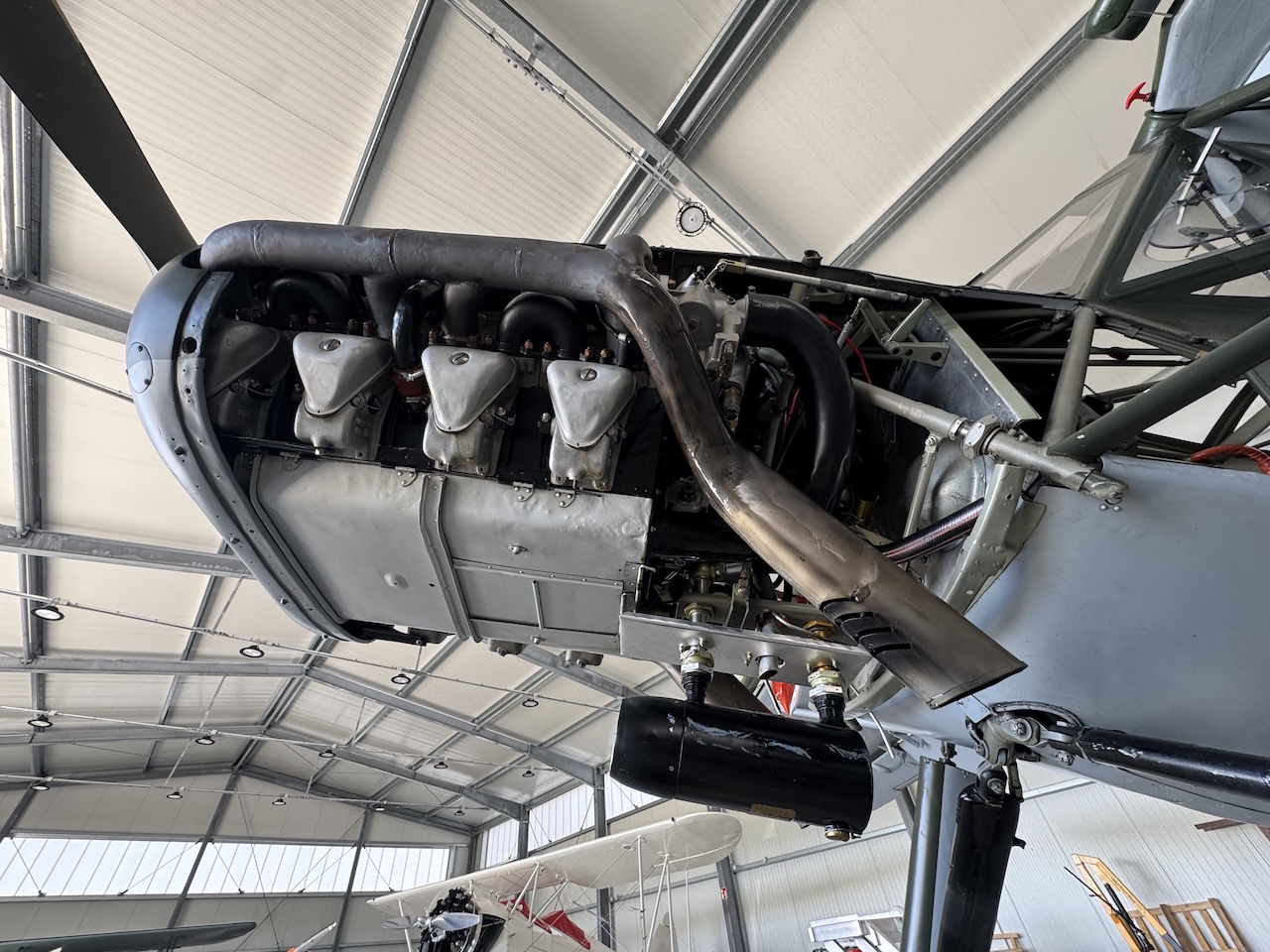
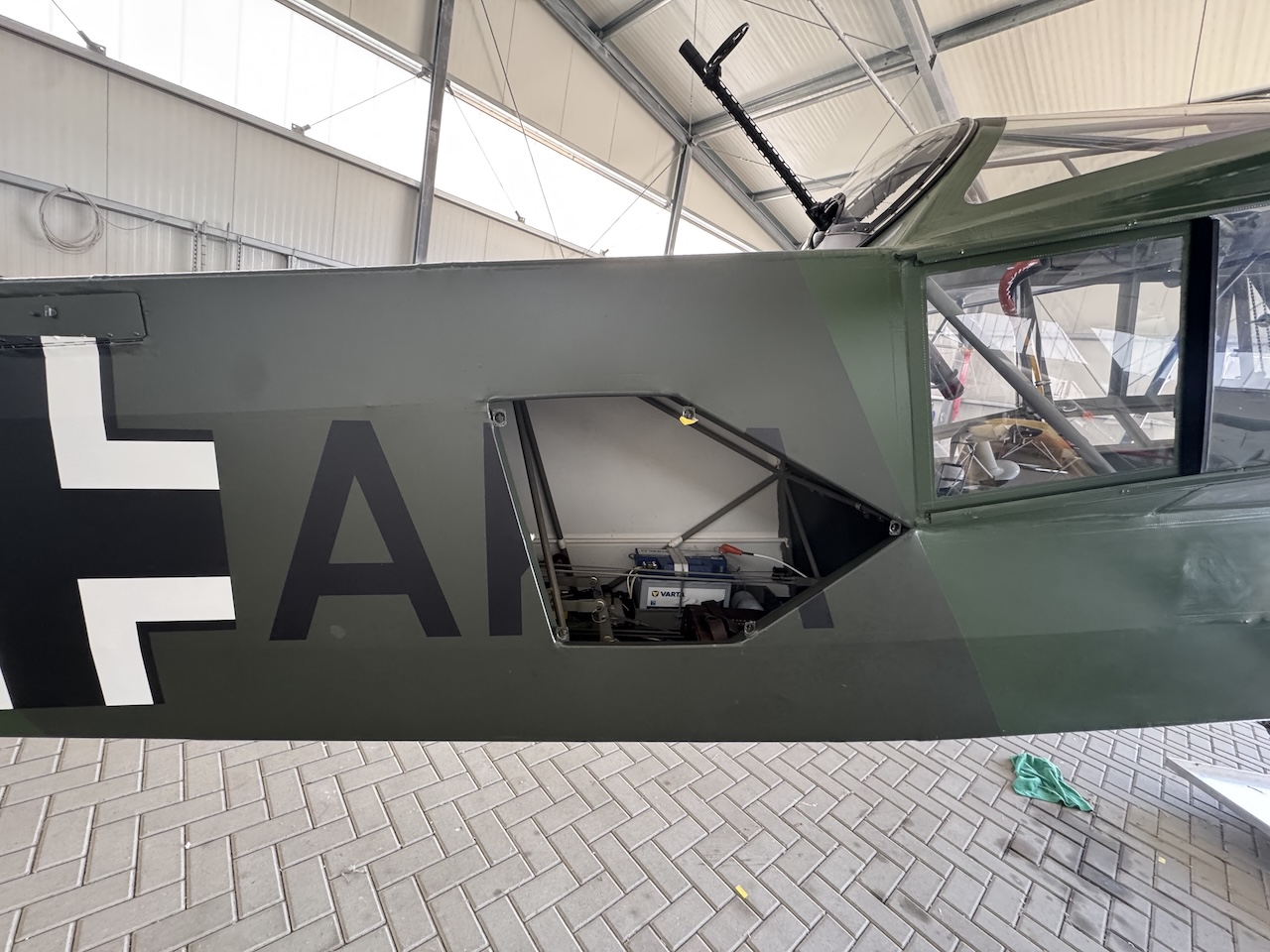
(Image credit: Boschung Global Ltd.)