

Volunteer engineer Connor Sykes has provided the latest update on Avro Vulcan XH558, with encouraging news on ongoing maintenance efforts and a closer look at recent electrical system challenges. The Vulcan, a sophisticated aircraft for its era, relies on two primary power supplies: 28v DC for starting engines, lighting, and avionics, and 200v AC for systems such as airbrakes, Powered Flying Control Units (PFCUs), and fuel pumps. When operating on the ground, these supplies are provided externally by a Houchin Ground Power Unit (GPU). Strict pre-power checks in the cockpit are necessary to ensure systems remain in a neutral and safe state before voltage is applied.
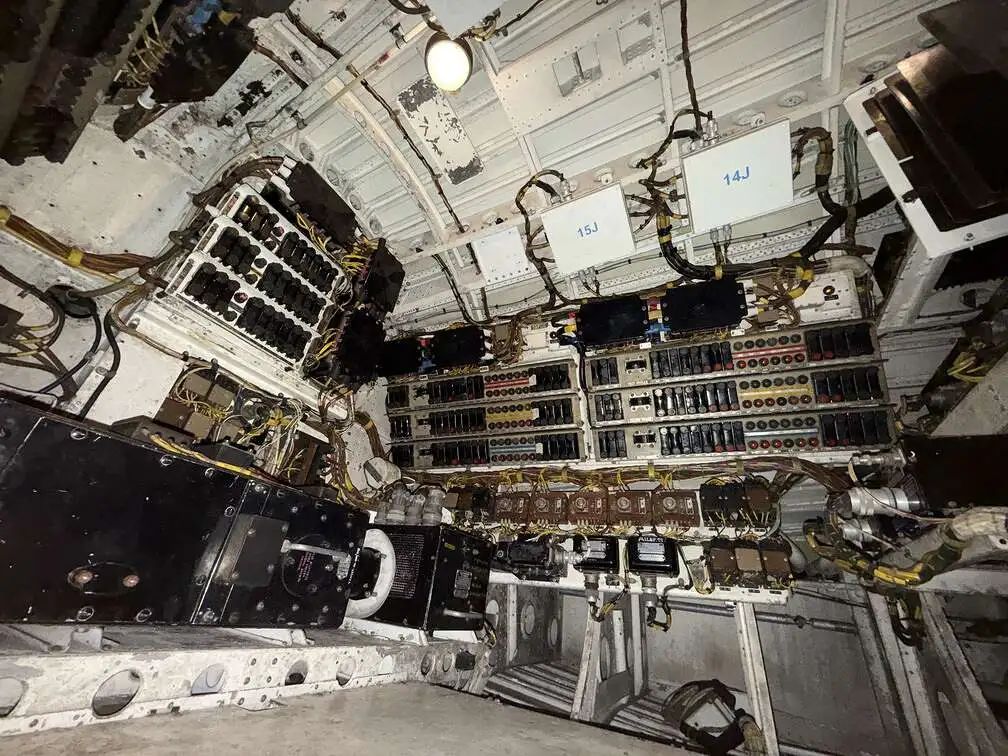
On August 10, during routine checks, the engineering team identified an issue with the 200v AC system, with the aircraft receiving only 60 volts instead of the expected 200. This prevented functional testing of flight control surfaces and other critical components. Initial inspections confirmed that the GPU was operating correctly, narrowing the fault to the aircraft itself. Investigations are now focused on the distribution system, particularly the No.4 busbar (61P) and related load distribution pathways. While further diagnostic work is required, the inspection process has provided reassurance: XH558’s electrical system overall remains in remarkably good condition, a vital factor in the Trust’s preservation efforts.

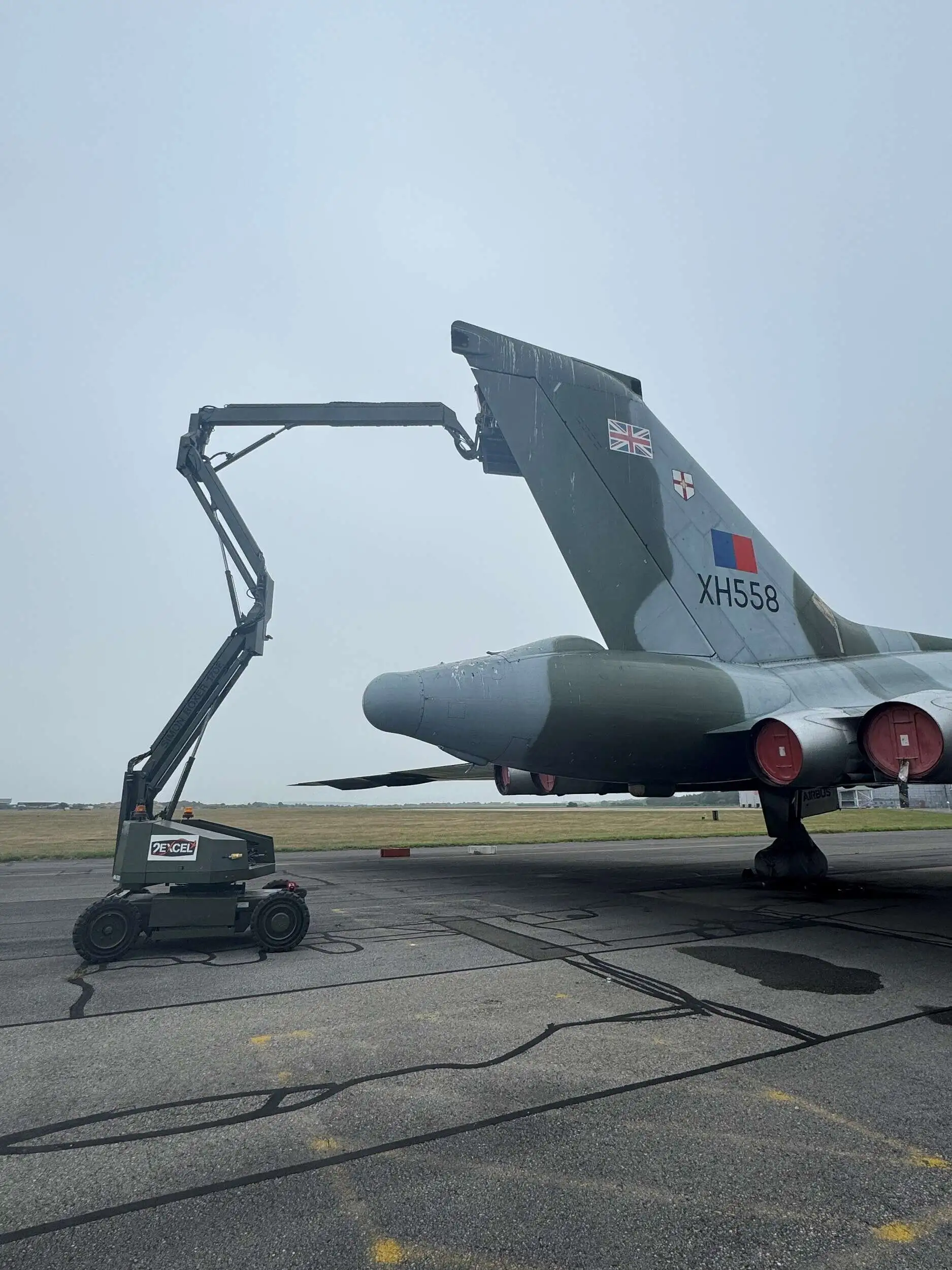
Elsewhere, progress continues across several other areas. A replacement Airborne Auxiliary Power Plant (AAPP) has been connected to a test rig and will soon be installed on the aircraft. The No.6 starboard fuel pump has been replaced, with the fault traced to a seized unit that caused relay failure—both of which are now being repaired to ensure operational spares are available. Discussions are also underway to service and refill the aircraft’s fire bottles. Additionally, preventative measures have been introduced to deter birds from perching on the tail, protecting the vertical stabiliser from corrosion, with the tail cleaned following installation.
Overall, engineering work on Vulcan XH558 is advancing steadily, thanks to the dedication of the volunteer team and the support of the public. Visitors to the aircraft this season are encouraged to engage with the engineers, who are always willing to discuss the ongoing preservation of this historic Cold War icon. To support the Vulcan to the Sky Trust, www.vulcantothesky.org