






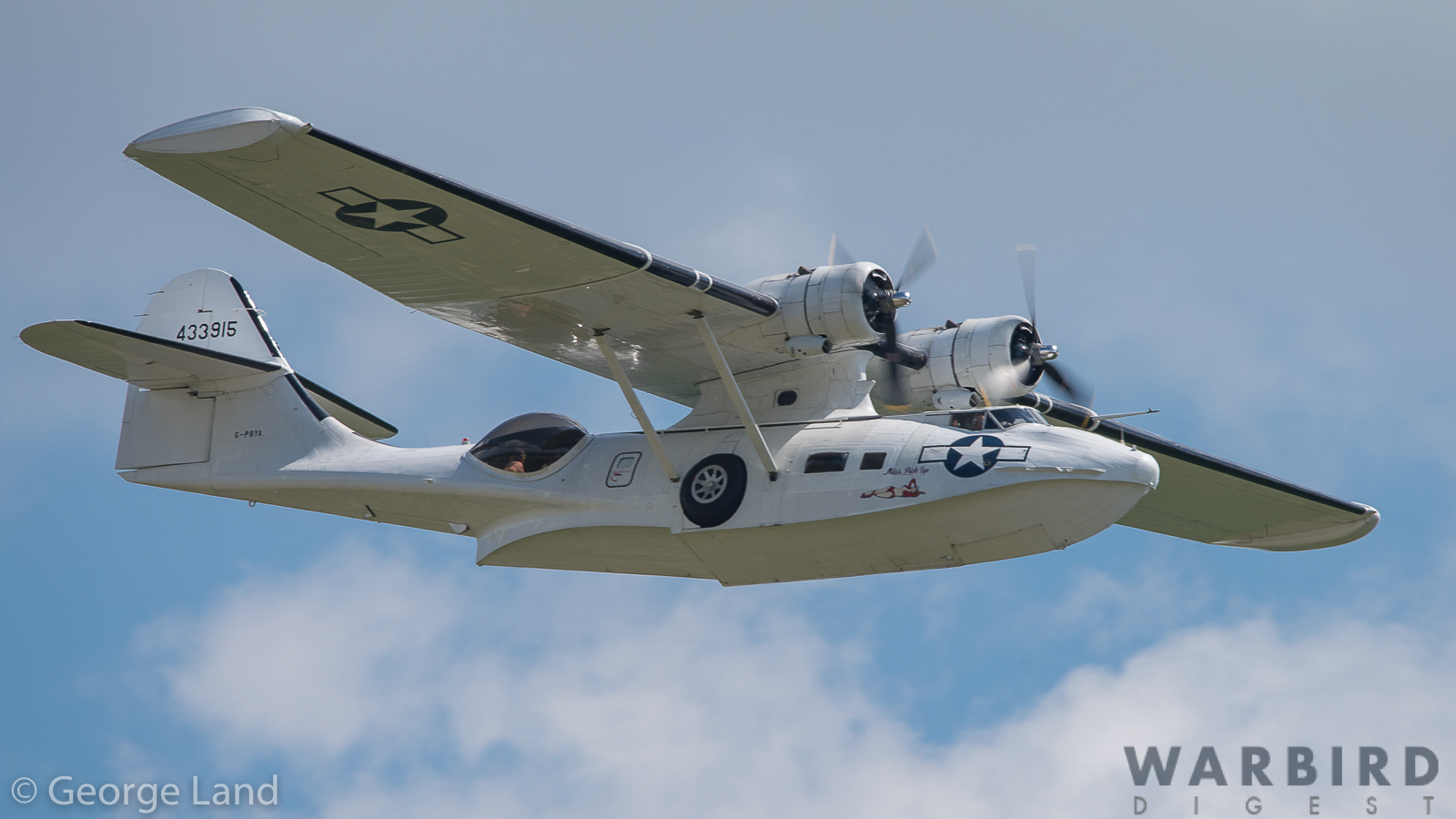

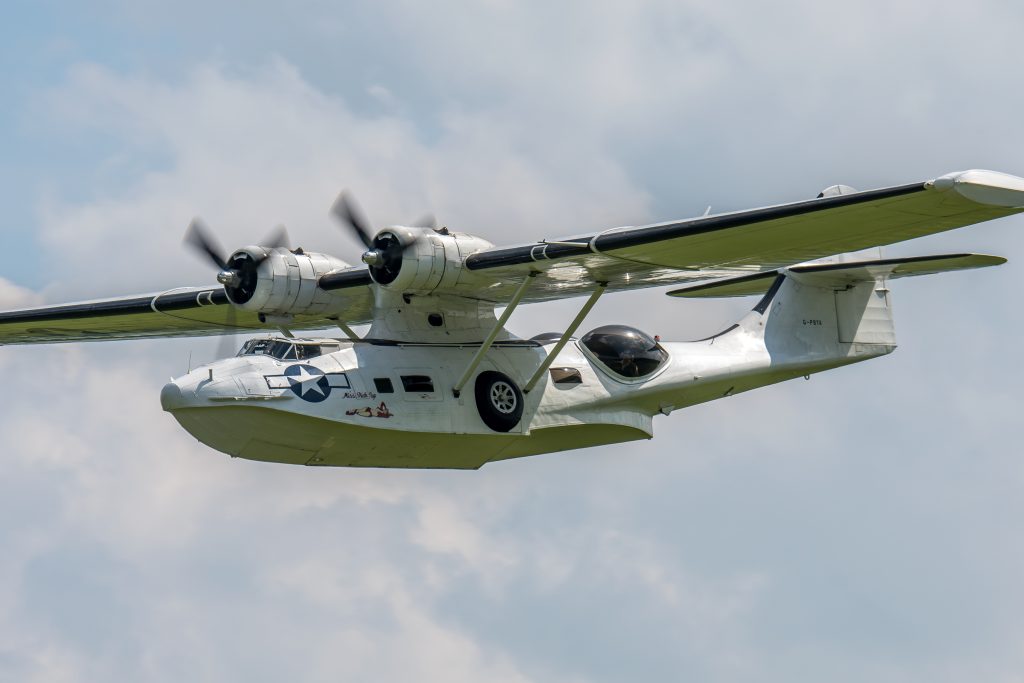
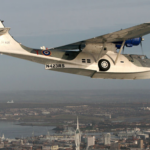
PBY-5A Catalina G-PBYA, better known as “Miss Pick Up”, is an 82-year-old WWII-era flying boat owned by Catalina Aircraft Limited (CAL), operated by Plane Sailing Air Displays Limited (PSADL), and proudly supported by The Catalina Society. Based at the Imperial War Museum Duxford near Cambridge, UK, she remains the last airworthy Catalina flying outside the Americas—a living tribute to the legacy of those who flew and maintained these iconic aircraft.
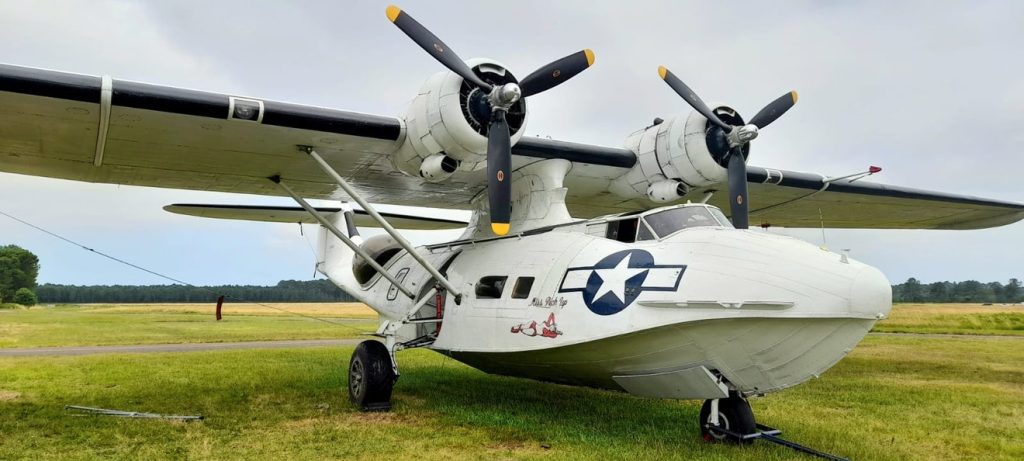
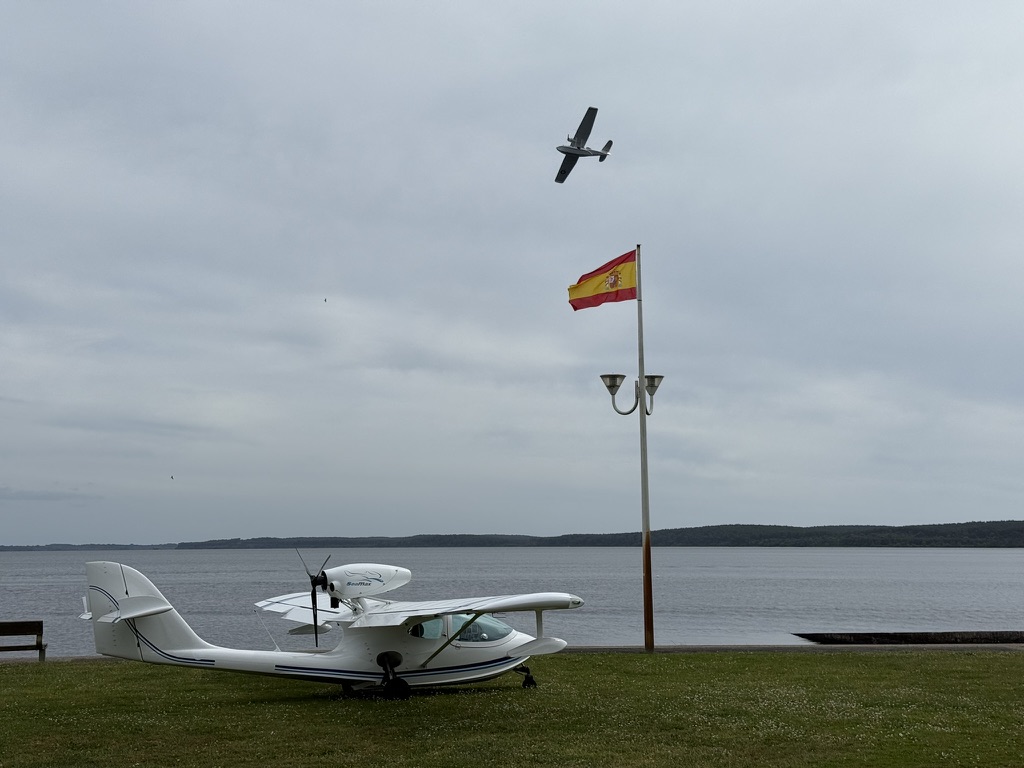
In late May, Miss Pick Up journeyed to Biscarrosse in southwest France, where she conducted a week of training operations on the adjacent freshwater lake, a designated seaplane training area. The intensive program saw two type rating examiners renew their qualifications, a new type rating instructor certified, two new pilots earn their initial sea ratings, and five more renew their existing ones. Alongside the training, several scenic flights were flown for shareholders and invited guests. However, just before the weekend airshow, the crew encountered a mechanical issue. On Friday afternoon, the starboard engine emitted a few puffs of smoke and a strange noise. Despite all indicators remaining within normal parameters, the crew made the cautious decision to return to the airfield rather than land on water. Upon inspection, engineers discovered a loose bracket and leads, but a persistent rhythmic noise prompted further investigation—revealing a serious issue: the number 7 piston had broken away from its connecting rod.
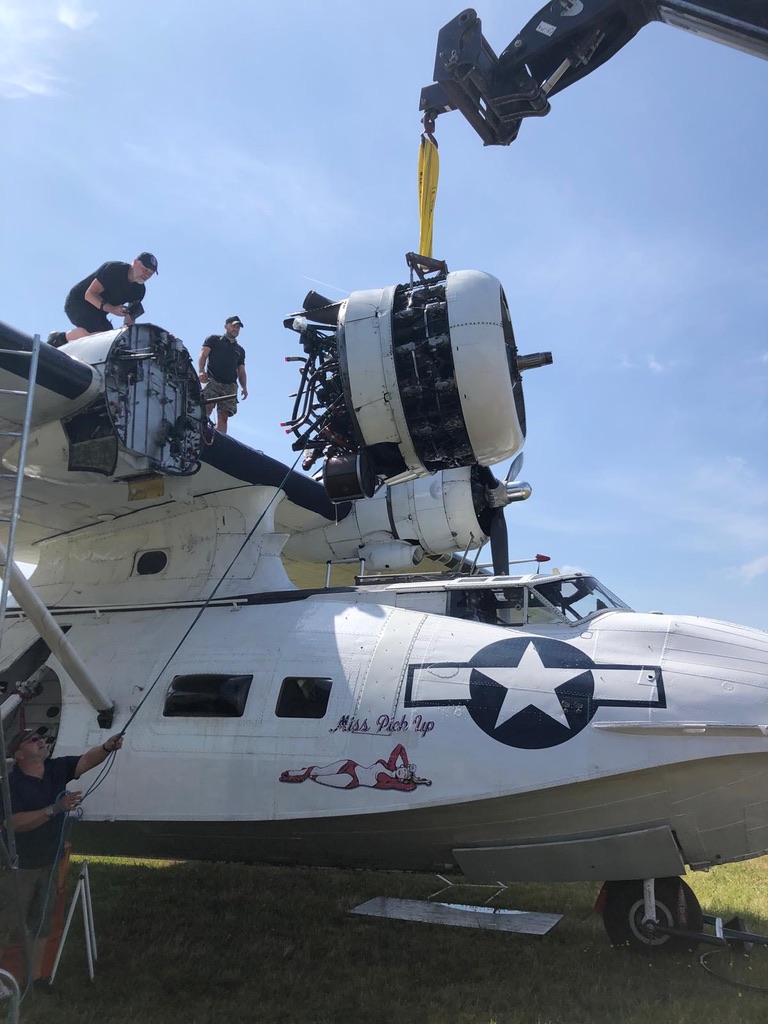
With the problem diagnosed, another field engine change was required—the second such event for Miss Pick Up, the first occurring in 2020 following an engine failure over Loch Ness. This time, the repair proved more straightforward. A spare engine was transported overnight from Duxford, and Chief Mechanic Chris Hodson, assisted by other volunteers and helpful locals from Biscarrosse, completed the installation.
Yet another hiccup emerged during post-maintenance checks when the starboard propeller failed to feather. Chief Engineer Garry Short identified the fault—a failed distributor—which was promptly replaced with a spare from the aircraft’s inventory. Once resolved, Chief Pilot Phill Petitt and co-pilot Jeff Boyling flew Miss Pick Up back to Duxford via Caen on Tuesday, July 1. With the issue behind her, Miss Pick Up is now preparing for her next round of airshow appearances in Belgium and France this weekend. As the only Catalina flying outside the Americas, she continues to be a vital and visible link to aviation history. To help keep Miss Pick Up flying and to honor the brave Catalina crews of WWII, supporters are encouraged to donate via The Catalina Society at www.catalina.org.uk.











Toward the end of the 1970s I was employed at a finance company in ( at the time) Salisbury -Rhodesia.
The company financed the purchase of 2 Catalina flying boats for use flying tourists around the region. Lake Kariba, Victoria Falls and further afield Malawi, Botswana, South Africa.
I left ScotRho and thought no more about it a Zimbabwe was born, the terrorist war ended and we all carried on with our lives.
A few years ago, at the Farnborough Air Show, I was talking to the pilot of Lady Pick-Up, and he revealed that she is one of those same two Catalina’s, that had been ‘spirited’ out of the country as no-one knew what the new ‘Marxist’ government was likely to do.
They had apparently been flown out to Mozambique and then further afield.
The fate of the second one is uncertain.