
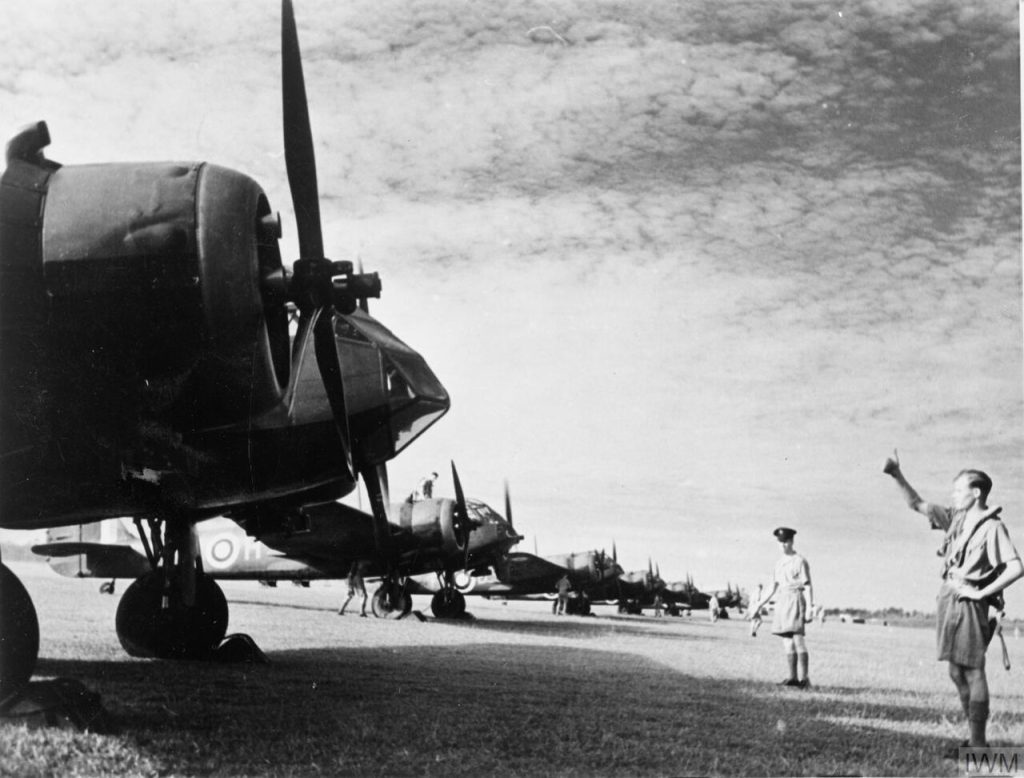
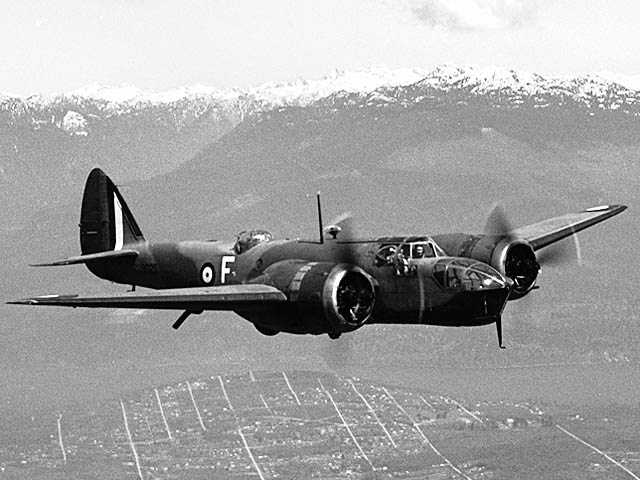
On the day Britain declared war on Germany, the first British fighter to cross the coast of Germany was not a soon-to-be hero of the Battle of Britain, Hurricane or Spitfire, but a Bristol Blenheim Mk.IV (N6215) flown by Flying Officer Andrew McPherson. The mission was that of high-altitude reconnaissance of the Wilhelmshaven area. The following day, 15 Blenheims from three squadrons launched a maritime strike mission in the same area. The mission was deemed a failure, but the aircraft that drew first blood in Germany was a twin-engine light bomber flown by crews that fought valiantly in the first two years of the war before being overshadowed by better-known types. The Blenheim entered service with the Royal Air Force (RAF) in March 1937, and Bristol produced over 4,400 examples, but the type was ultimately replaced by the Beaufighter and retired before the end of the war.
If the Blenheim was relatively unknown in WWII history, then it would not be surprising if all but the most ardent historians had never heard of its cousin from across the pond—the Bristol Fairchild Bolingbroke, which was built under license for the Royal Canadian Air Force (RCAF). Produced between 1939 and 1943, the Bolingbroke served primarily as a trainer and maritime patrol aircraft, and just 626 airframes rolled off the line at Fairchild Aircraft Ltd. in Longueuil, Quebec, Canada. Unlike the Blenheim, which saw combat in nearly every theater of the war with no less than sixteen air forces from Australia to Poland to Yugoslavia, the Bolingbroke served only in Canada in training, bombing, and gunnery schools. Therefore, it should come as no surprise that just a single Blenheim has survived to the present day, while nearly twenty Bolingbrokes can be found in Belgium, Canada, the United Kingdom, and the United States.
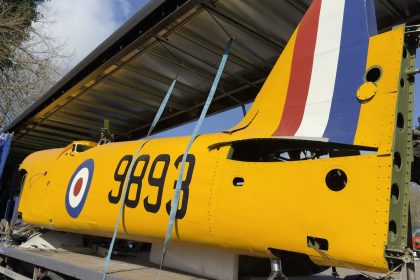
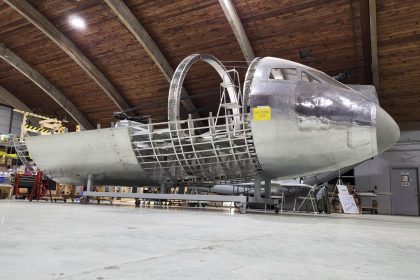
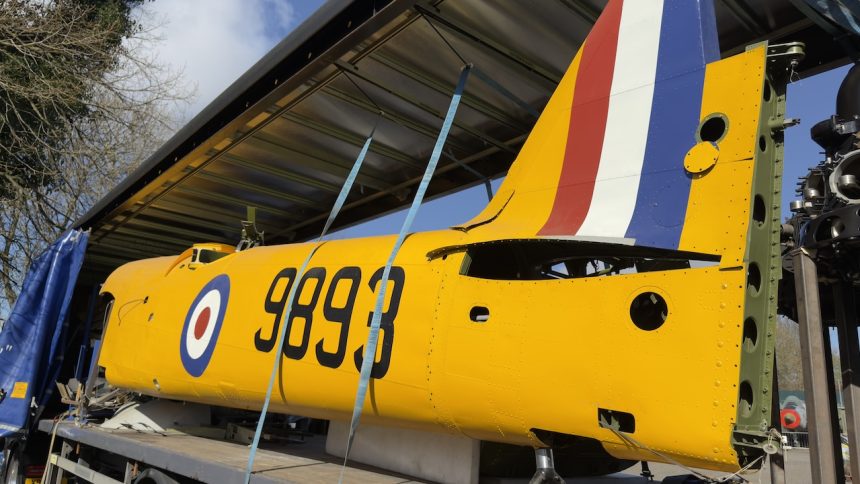
On April 8, 2026, the South Yorkshire Aircraft Museum (SYAM) announced it had received Fairchild/Bristol Bolingbroke Mk. IVT 9893 from the Imperial War Museum (IWM) Duxford as a long-term restoration project. Built in 1942, 9893 served primarily with No. 8 Bombing and Gunnery School in Lethbridge, Alberta. Its service, however, was short.
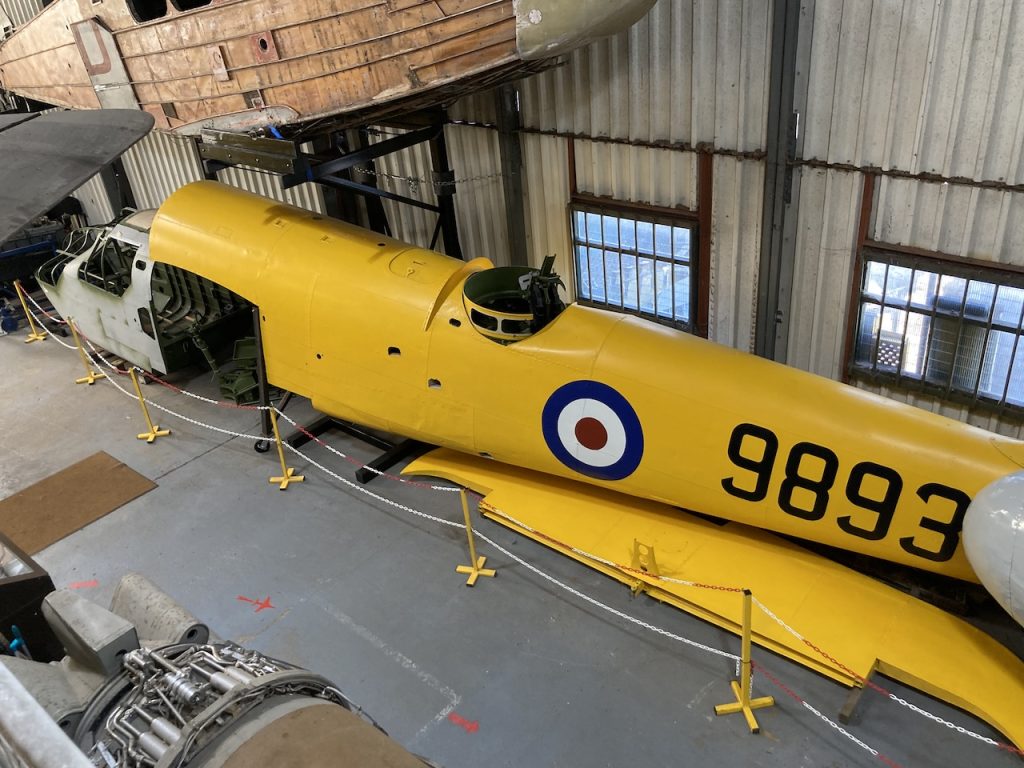
On December 19, 1942, the newly married Pilot Officer J. D. Heacock took off from Lethbridge on a ferry flight, but a few minutes later, the left engine failed, forcing Heacock to make an off-airport landing. During roll-out, the aircraft was substantially damaged after striking a telephone pole. This accident likely saved the aircraft because it was set aside in reserve but never repaired and subsequently sold in 1946. Sadly, Heacock did not survive the war, for on July 18, 1943, he died in the crash of Bolingbroke 9906. The crash also took the lives of Corporal W. A. Newell, Leading Aircraftman C. S. Wise, and Aircraftman 1st Class H. M. Pattison.
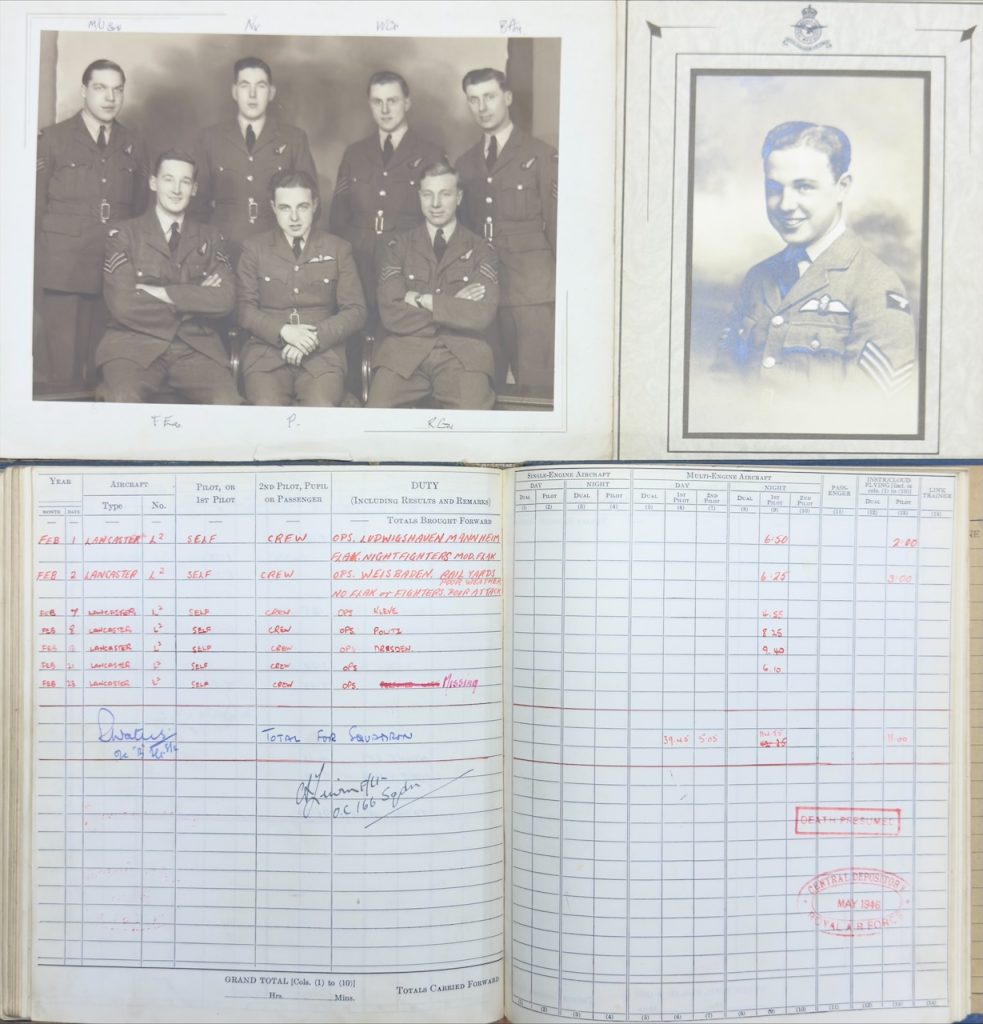
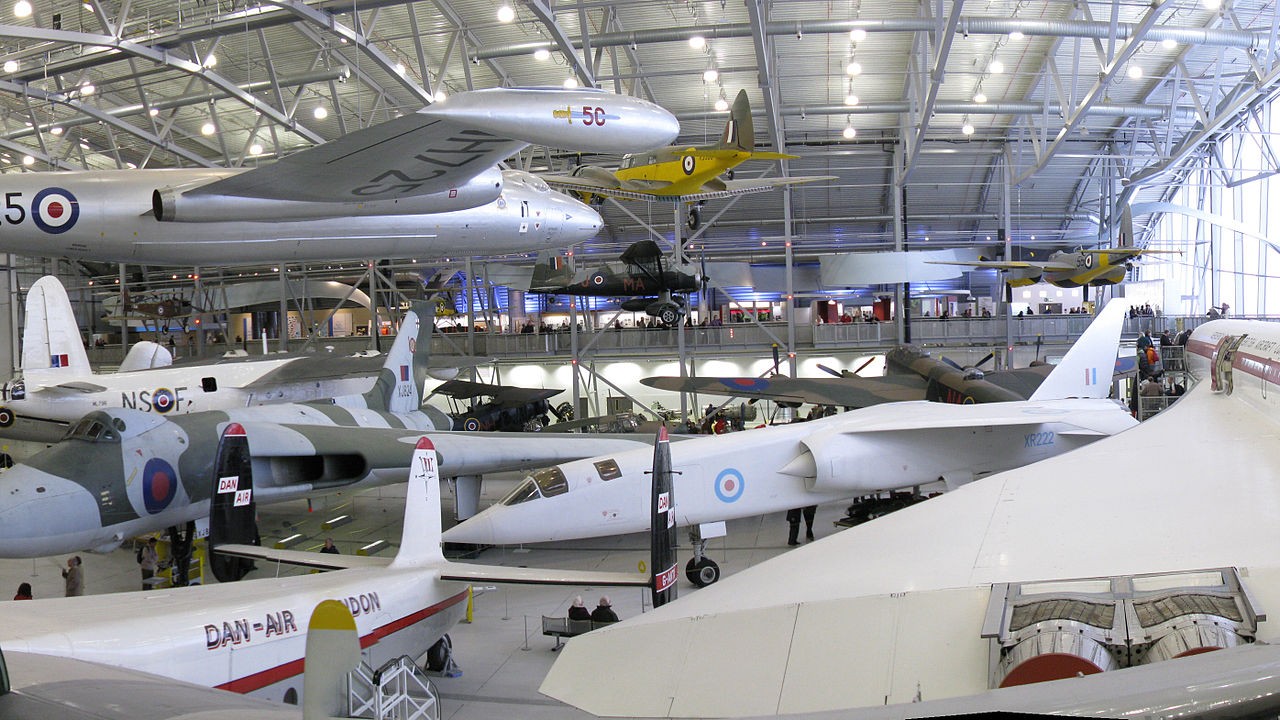
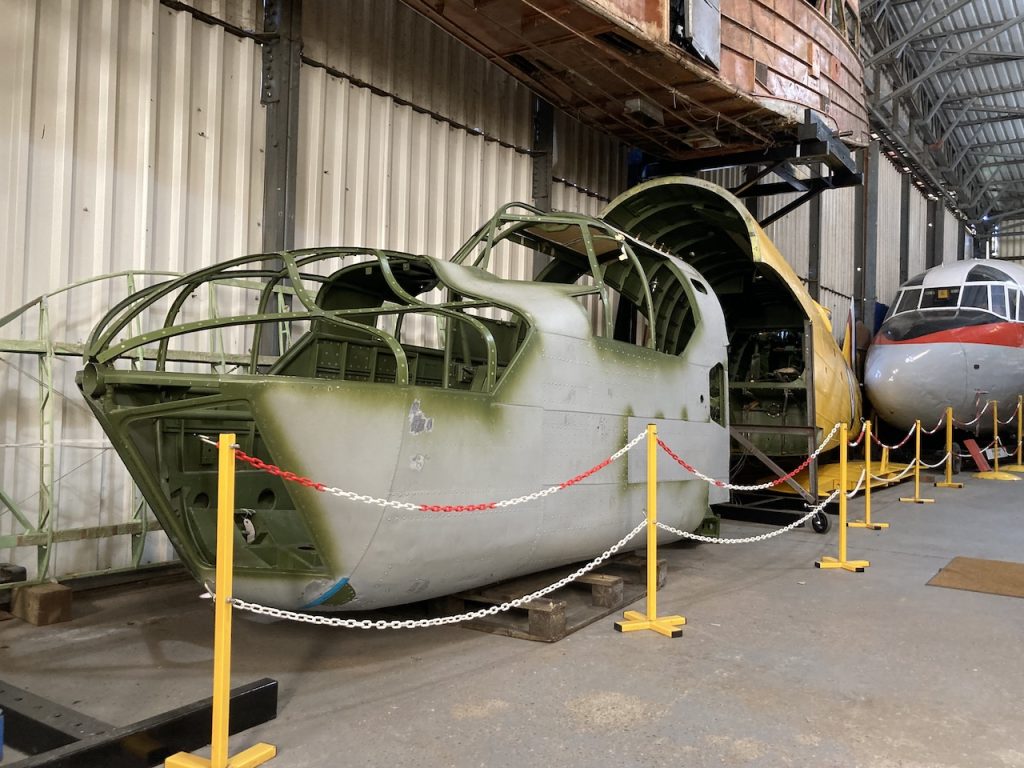
The Bolingbroke was acquired by IWM Duxford in the 1980s with the long-term intention of a full restoration. This was partially accomplished, as the rear fuselage was restored and painted in the brilliant Trainer Yellow that was applied to most British Commonwealth Air Training Plan (BCATP) aircraft. On Thursday, April 2, the aircraft was formally transferred to SYAM and placed on display in the museum’s main hangar.
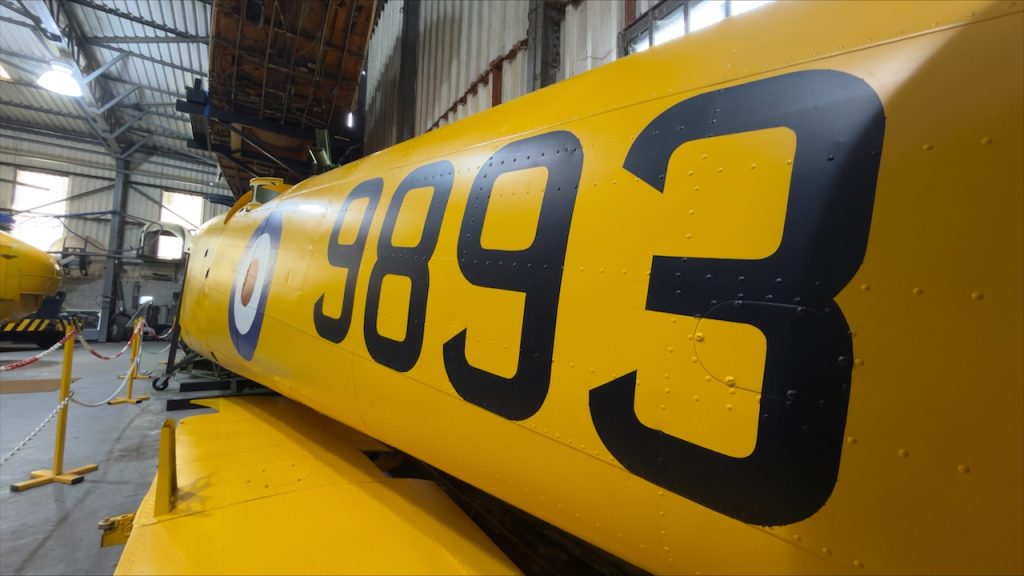
In speaking of the project, South Yorkshire Aircraft Museum trustee Sam Scrimshaw said, “The opportunity to acquire a genuine Second World War-era aircraft isn’t one that is often available…”. As with any warbird, flying or static, the most important story is that of the people who built, maintained, and flew them in the defense of freedom, and this Bolingbroke is no different. Scrimshaw said displaying 9893 will afford SYAM the opportunity to share the story of Flying Officer Ernest Lewis Ellis, a Sheffield man who completed his flight training in Canada through BCATP, logging time in over 40 different Bolingbrokes.
Upon completion of his training, Ellis joined 166 Squadron and flew Lancasters from RAF Kirmington. Like FO Heacock, however, Ellis did not live to see the end of the war. On February 23, 1945, he and his crew failed to return from a bombing raid on Pforzheim. When the Bolingbroke is completed, the museum will display Ellis’ logbook and personal letters alongside the aircraft. In closing, Scrimshaw said, “We would also like to thank IWM Duxford for the opportunity to take 9893 and for giving us the opportunity to share Ernest’s story with our visitors, the role of ‘The Plan’ in supporting the war effort, and the bravery shown by the men of RAF Bomber Command throughout the Second World War.”
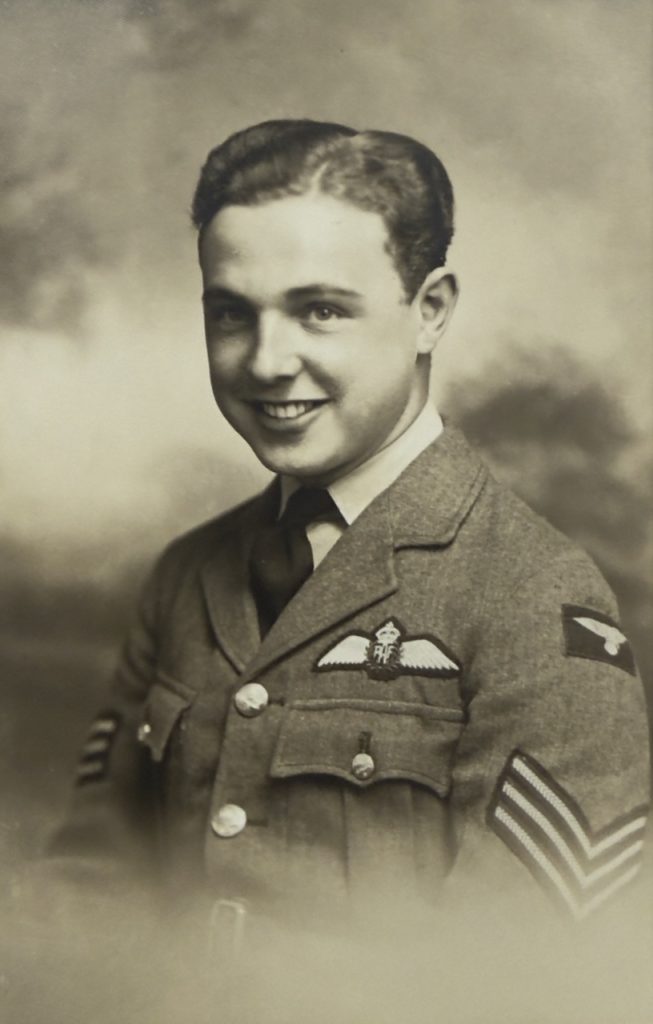
A Bolingbroke that served as a trainer far from the frontlines may not have the same aura as a combat veteran Spitfire or Lancaster, but that does not make it any less important. For if it wasn’t for the existence of this aircraft, the names J. D. Heacock, W. A. Newell, C. S. Wise, H. M. Pattison, and E. L. Ellis would be lost to history. For more information about the South Yorkshire Aircraft Museum (SYAM), visit www.southyorkshireaircraftmuseum.org.uk.