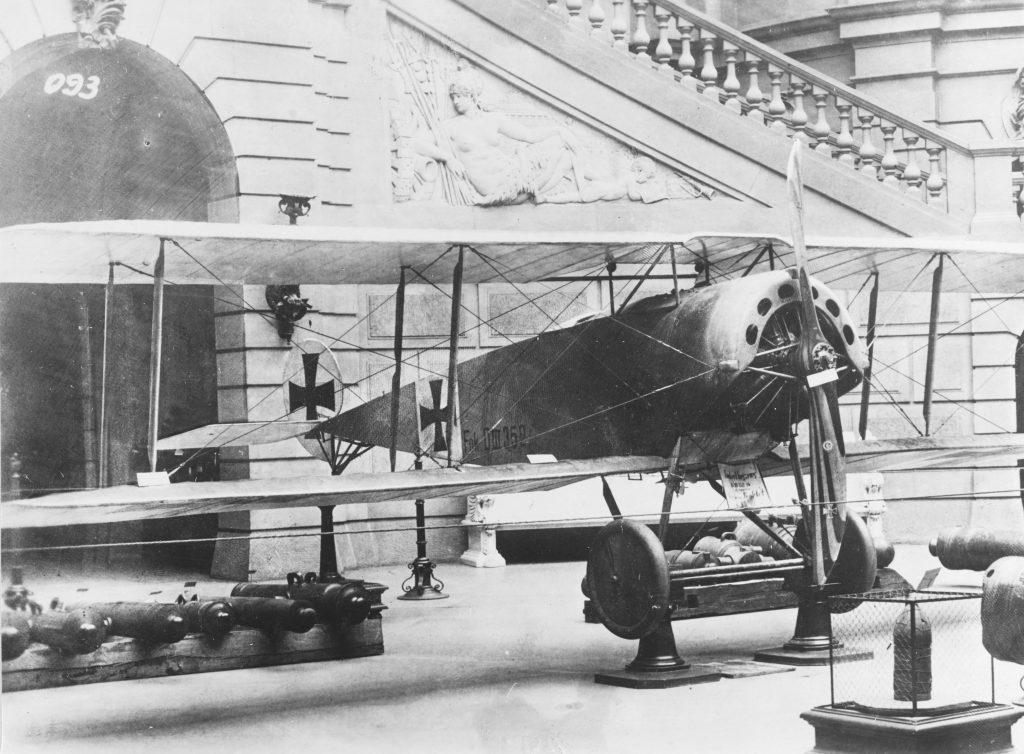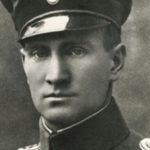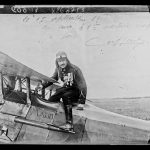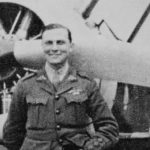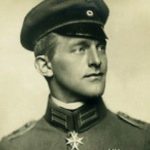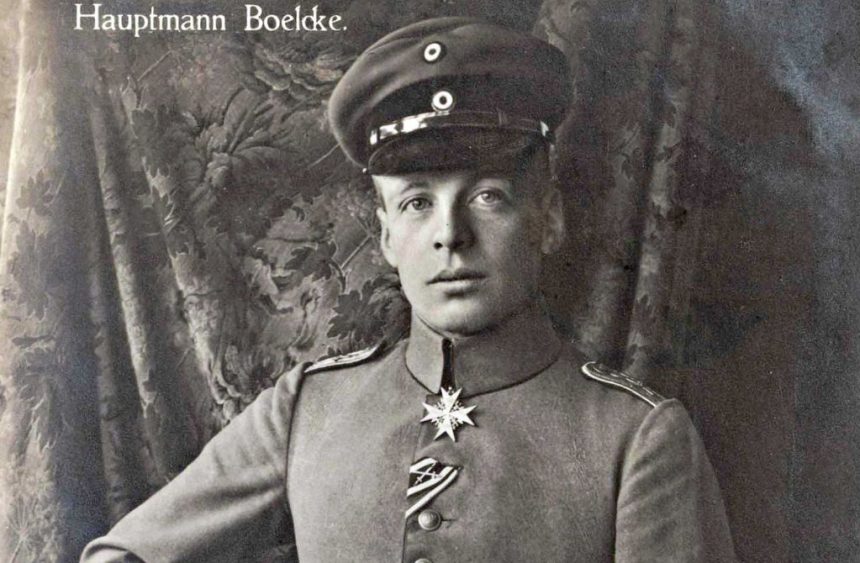

In the early years of WWI, air combat had no clear rules. Pilots flew alone or in small groups and learned to combat by trial and error. One such pilot was Oswald Boelcke, an officer who would shape air combat and was called the father of the German Air Force. Born on May 19, 1891, in Giebichenstein, German Empire, he was the son of a schoolteacher. As a student, he showed interest in both sports and studies, particularly in mathematics and physics. He later chose a military career and joined the German Army in 1911. He developed an interest in aviation before WWI began. In 1914, as the war began, he trained as a pilot and was first assigned as an aerial observer. He later moved on to fly combat aircraft by joining the Flieger-Abteilung 62 (FA 62) unit on the Western Front in mid-1915. In this unit, he flew the Fokker Eindecker, an early single-seat aircraft with synchronized machine guns that allowed pilots to fire forward through the propeller arc.
Ace Journey of Oswald Boelcke
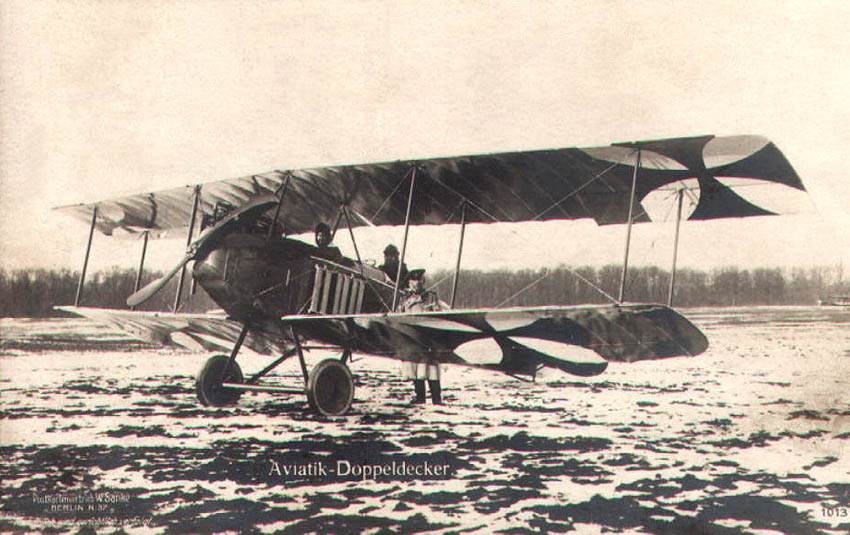
Oswald Boelcke scored his first victory on July 4, 1915, when he shot down a Morane Parasol aircraft to become one of the first German fighter pilots. More importantly, at the time, there were no established air combat tactics, and pilots developed their own methods during engagements. His second victory came in August, followed by two in September 1915. On October 16, 1915, he shot down a Voisin biplane and officially became an ace. Boelcke flew alongside other early German pilots, including Max Immelmann. Both became among the first to be recognized as German flying aces. He scored his last victory of 1915 on October 30 to reach a personal score of 6. By then, the fighter planes were also improving, and a new Eindecker model, the Fokker E.IV, was developed, with a better engine and more firepower. In November, Oswald Boelcke was awarded the Royal House Order of Hohenzollern, and in December, he received a Prussian Lifesaving Medal. Oswald Boelcke began 1916 on a high note, with his first victory coming on January 5, when he shot down a B.E.2c. His eighth victory came on January 12, and on the same day, he was awarded the Orden Pour le Mérite to become one of the first pilots to receive Prussia’s highest award for bravery. Further, he scored four victories in March, one in April, four in May, and one in June, to reach a total of 19 victories. After his 19th victory, he was removed from front-line flying and assigned to staff duty. During this time, he studied his combat experience and created a set of rules for aerial combat. These rules, called the Dicta Boelcke, explained how pilots should fight in the air and included suggestions to keep flying at higher altitude, attack from above or behind, shoot only when the enemy is close and in view, and work together with other pilots. The Dicta was distributed across the German air service. It became the first formal set of fighter tactics used by an air force.
Death and Legacy
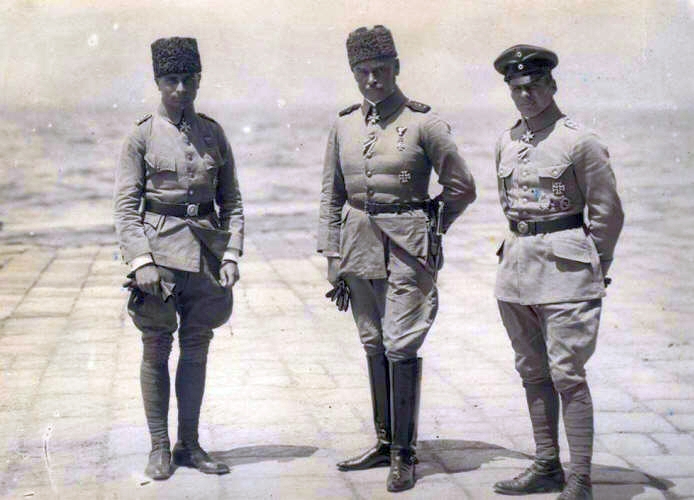
In August 1916, Oswald Boelcke was given command of one of Germany’s first dedicated fighter units, Jagdstaffel 2. He selected his pilots personally and trained them using his tactical principles. Among the pilots he selected was Manfred von Richthofen, also known as The Red Baron, who would go on to become the highest scoring ace of WWI with 80 confirmed victories. The unit trained in formation flying and coordinated attacks to improve their combat effectiveness. In September and October 1916, Boelcke flew combat missions while leading the squadron. In September, Oswald Boelcke downed 10 aircraft, following 11 victories in October, the final of which came on October 26. On October 28, 1916, Boelcke led a formation against British aircraft. During the engagement, his Albatros D.II collided with another German aircraft flown by Erwin Böhme. The crash damaged Boelcke’s wing, causing his plane to crash and resulting in his death. At the time he died, Oswald Boelcke was the top-scoring ace of WWI with a personal score of 40. His squadron continued to operate, later with a motto, “I will be like Boelcke.” His influence was important in military aviation, as pilots adopted the tactical principles he created. These principles were included in training manuals. Boelcke’s work created a structured method for air combat when none existed before. His methods shaped the development of fighter aviation during the war and in the years that followed. Richthofen said, “Whatever Boelcke told us was taken as Gospel!” In the Aces series, Oswald Boelcke stands out as an ace who initiated aerial fighting, which remains active to this day. The time has changed, but his ideas on how to fight in aerial combat remain the same. Read about other Aces HERE.