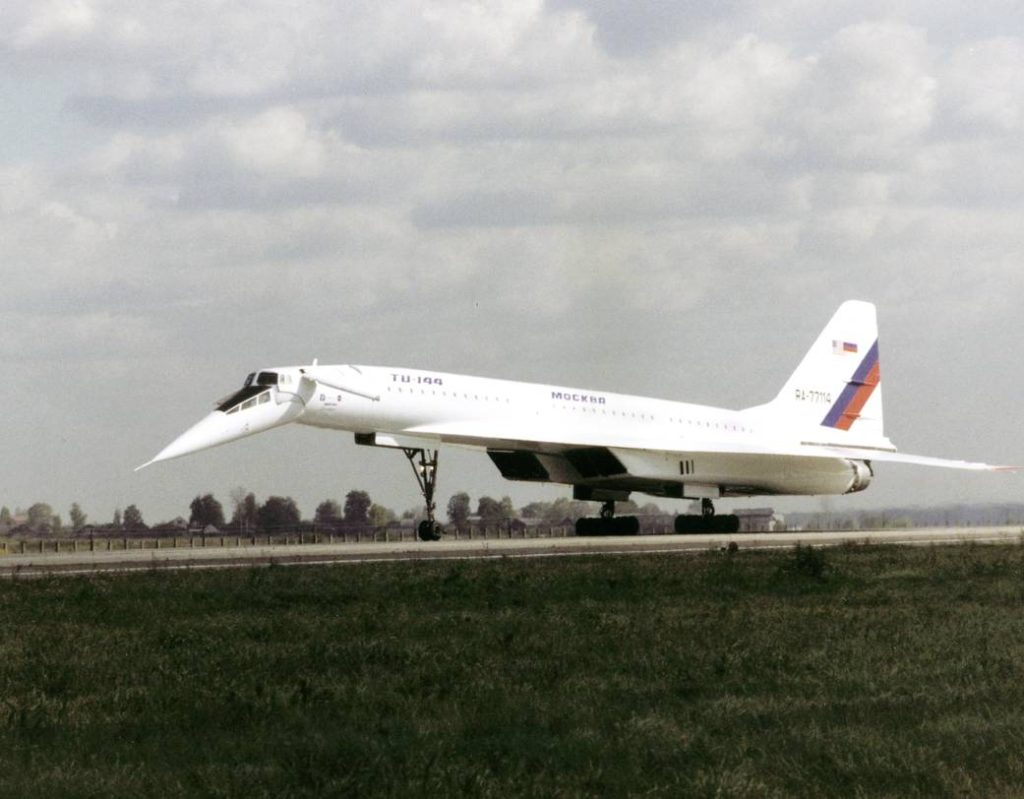
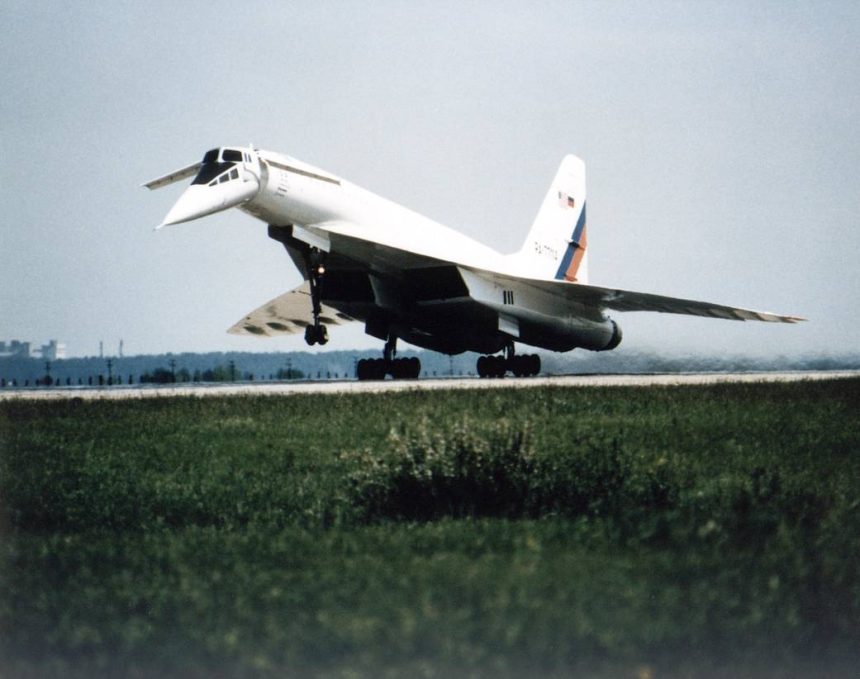

In the 1990s, NASA initiated a five-year research program with Russian aerospace companies to develop new technologies for a proposed second-generation supersonic airliner. The engineers used a modified Russian supersonic jet, the Tupolev Tu-144LL, as a test aircraft to collect flight data to help design future supersonic airliners in the 21st century. The Tu-144 was one of the first supersonic transport planes. It was developed under the leadership of Russian engineer Andrei N. Tupolev and made its first flight on December 31, 1968, just two months before the Concorde. The aircraft began limited service with Aeroflot in 1977, but its operational time was short. It faced range and technical issues, and passenger flights stopped in 1978 after completing just over 100 flights. A total of 17 Tu-144 planes were built, including prototypes and production models.
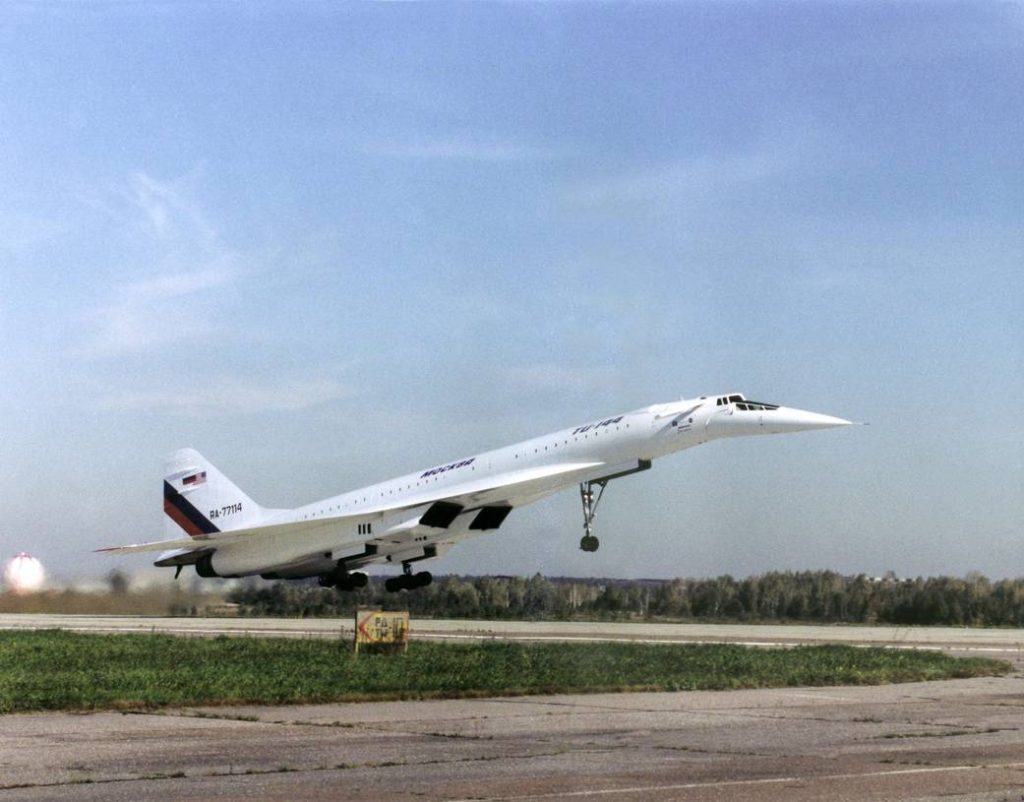
A Tu-144D, tail number 77114, built in 1981, was selected for modification for research. It was converted into a flying laboratory and designated Tu-144LL. The project was part of NASA’s High-Speed Research program in collaboration with the U.S. aerospace companies and the Russian industry. The agreement for this project was signed in 1994 between the United States and Russia. To support the research program, the Tu-144LL was upgraded by replacing its original engines with more powerful Kuznetsov NK-321 turbofan engines, originally developed for the Tupolev Tu-160, thereby improving the aircraft’s performance and range. The Tupolev Tu-144LL’s analog system was replaced with a new Damien digital data collection system. The aircraft was equipped with new sensors, such as thermocouples, pressure probes, microphones, and skin-friction gauges, to measure the aerodynamic boundary layer.
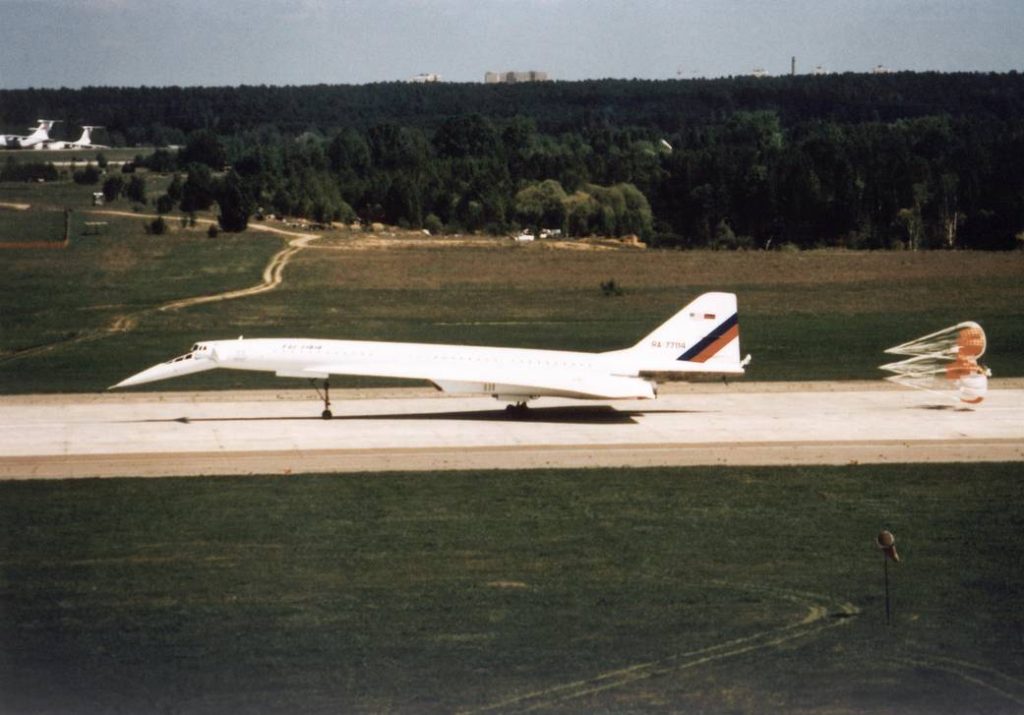
In the second phase of the program, additional sensors were added to measure angle of attack, sideslip, and structural deflection during flight. The research flights took place at the Zhukovsky Air Development Center near Moscow, Russia. The first phase started in June 1996 and ended in February 1998, during which the aircraft completed 19 research flights. The second phase of research flights from September 1998 to April 1999 added more experiments to the program. The flight program included six main flight tests and two ground-based engine studies. An experiment to measure in-flight deflections of the wing and fuselage was conducted, in which the researchers installed American-supplied sensors and transducers to measure angle of attack, nose boom pressures, and sideslip angles with greater accuracy. Researchers also looked at various aspects of the Tupolev Tu-144LL supersonic flight to collect data on how the aircraft behaves at high speeds. In structural studies, sensors tracked how the aircraft’s structure responded to forces and temperature changes.
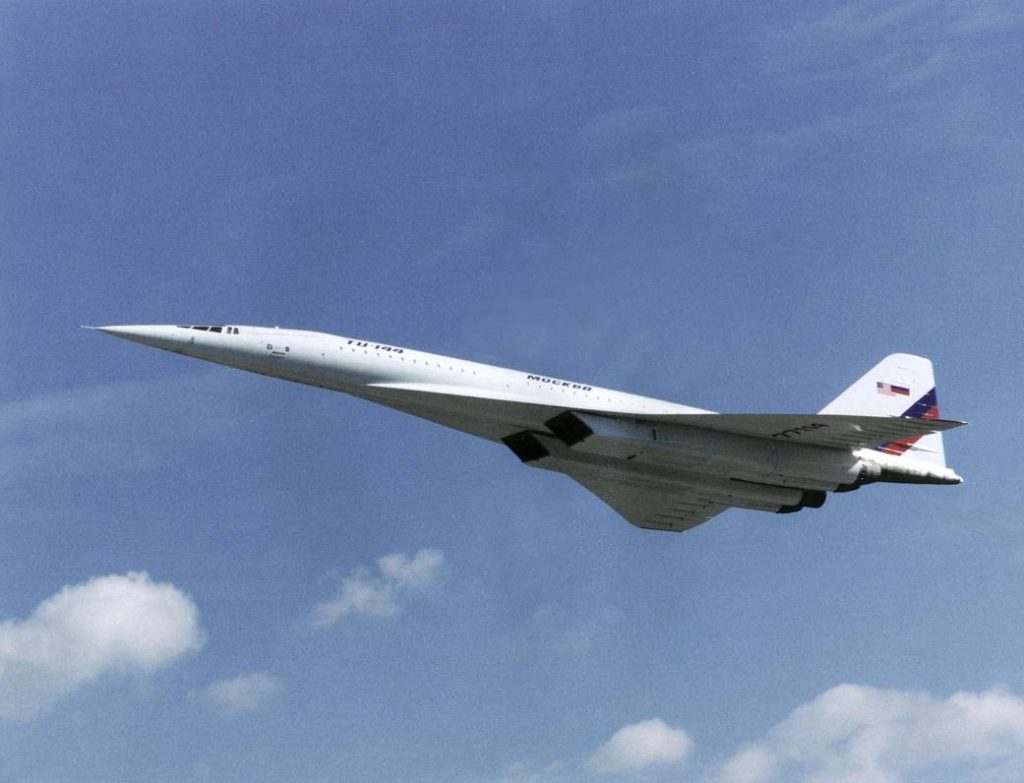
The Tupolev Tu-144LL program included acoustic measurements, in which researchers recorded noise levels inside and outside the aircraft, data intended to help design future supersonic aircraft. The program also studied the effects of air inlet structures on airflow entering the engine when supersonic shock waves rapidly change position. NASA research pilots Robert Rivers and Gordon Fullerton flew the aircraft to assess the Tupolev Tu-144LL’s handling qualities at subsonic and supersonic speeds. The Tupolev Tu-144LL had a similar shape to the original Tu-144D. The aircraft had a double-delta wing and was 215 feet long, 42 feet high, with a wingspan of about 94 feet. A 12-degree drooping nose helped the pilots see better during takeoff and landing, and retractable canards were used to enhance control at low speeds. The aircraft had a maximum cruising speed of about Mach 2.3, a fuel capacity of 224,000 pounds, and a maximum takeoff weight of about 410,000 pounds.
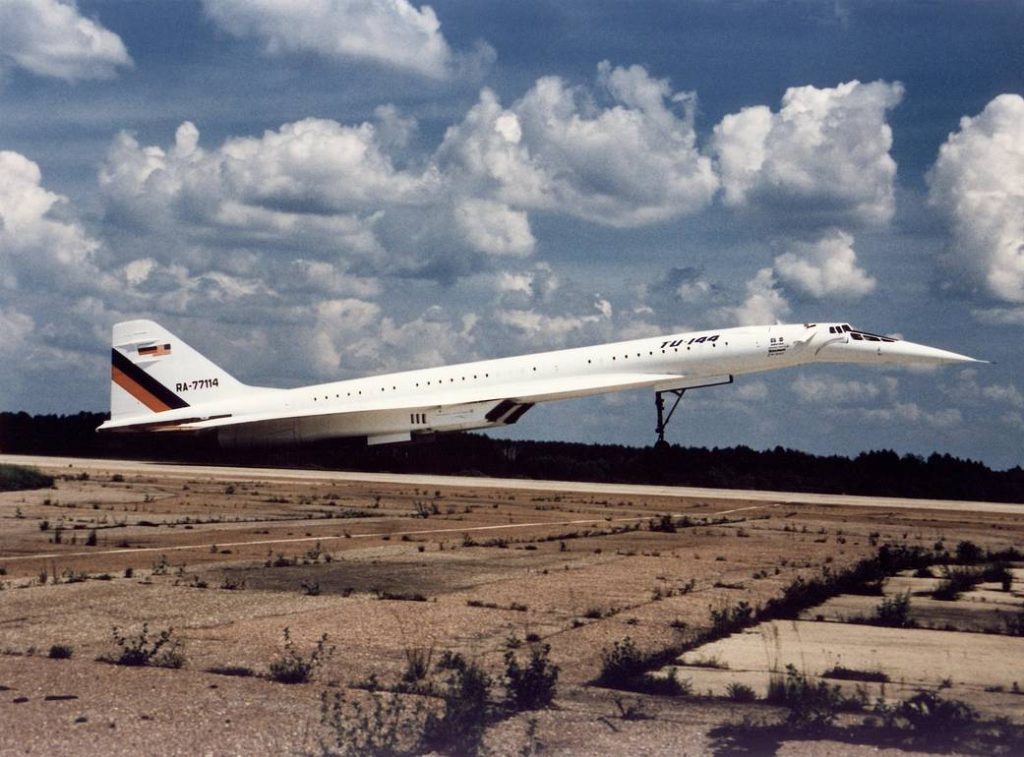
The Tupolev Tu-144LL program gathered important flight data that could not be obtained from wind tunnel tests alone. Engineers compared this data with computer models and smaller tests. The information supported research for the next generation of supersonic transport aircraft. The new aircraft were expected to carry more passengers, fly farther, and have a lower environmental impact. In the Flight Test Files series, the Tupolev Tu-144LL showed how an existing aircraft could be used for advanced research. It provided valuable information on supersonic flight under real conditions. The work done in this program enhanced the understanding of high-speed transport aircraft and supported the foundation for future supersonic aviation. Read more Flight Test Files articles HERE.