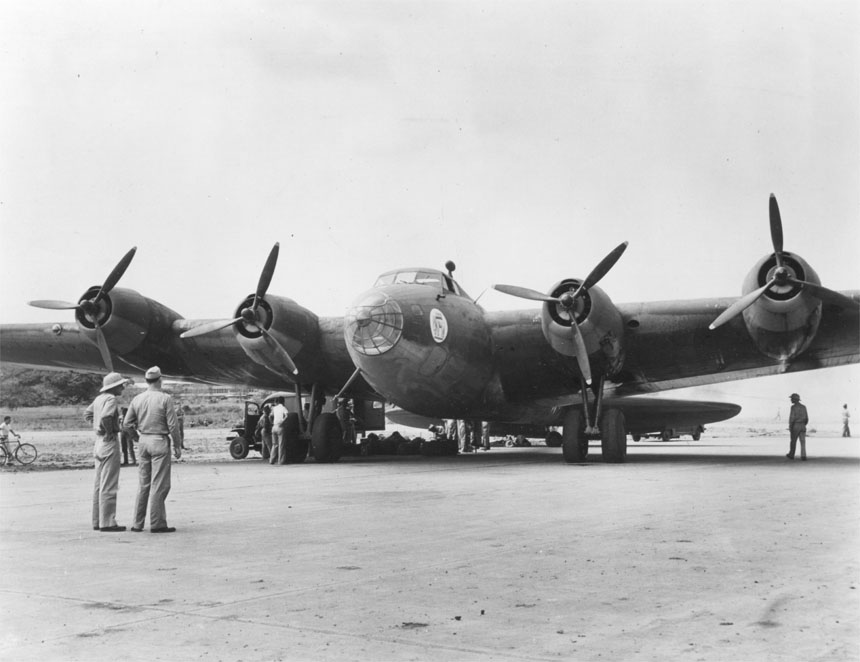
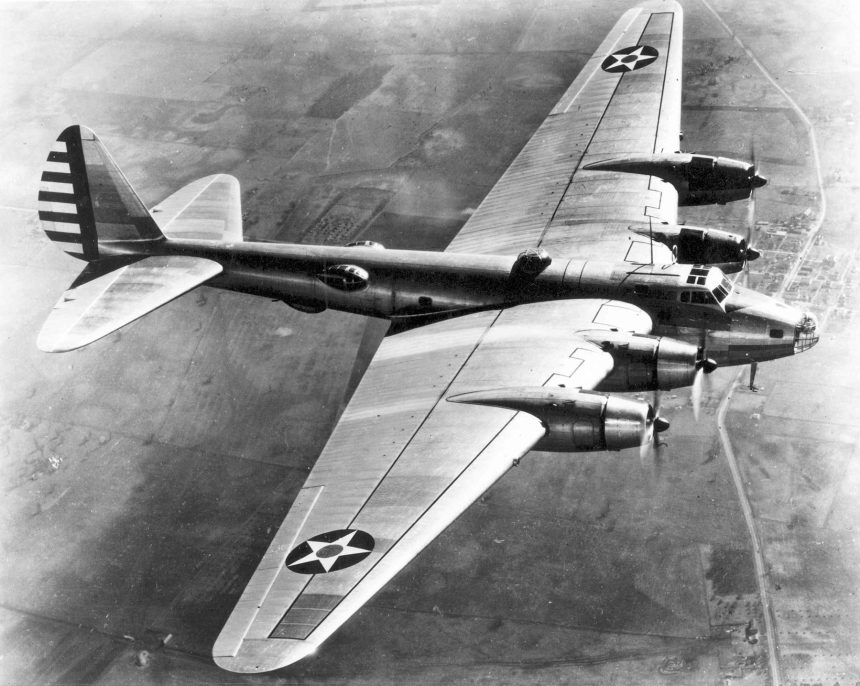


The Boeing B-17 Flying Fortress was considered one of the best bombers that the US used in WWII. Due to its high payload, some sources claim it dropped more bombs than any other US bomber during the war. But there was another four-engine bomber that Boeing developed in the 1930s, the Boeing XB-15, which was even larger than the B-17. The Boeing XB-15 program began in 1933, a year before the B-17, but the aircraft flew two years after the B-17. The Boeing XB-15 was developed in response to a U.S. Army Air Corps (USAAC) requirement for a bomber capable of carrying a 2,000-pound payload at 200 mph over 5,000 miles. The Boeing XB-15 was envisioned with four Allison V-3420 liquid-cooled engines, each producing 2,600 horsepower. But the intended engine was not ready, and as a result, Boeing used Pratt & Whitney R-1830 Twin Wasp air-cooled radial engines, each producing 850 horsepower.
Boeing XB-15 Design
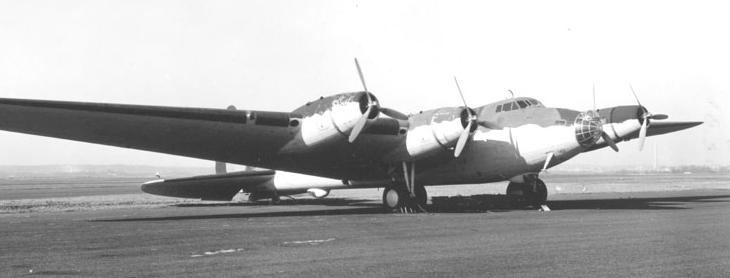
Often called the “super bomber,” the Boeing XB-15 was almost half again as large as the B-17, which began development in August 1934. The B-17 was intended to replace the Martin B-10 bomber and first flew in July 1935. However, the engine issues and difficulties in developing a large aircraft like XB-15 delayed its progress. In September 1937, the construction of the aircraft was completed, and the prototype made its first flight on October 15, 1937. In December 1937, it flew from Seattle to Wright Field in Ohio for testing by the USAAC. The XB-15 had an autopilot and two gasoline generators to be used as backup power units for its 110-volt electrical system. The main engines could be repaired in flight through an access tunnel in the wing. With a crew of 10, the aircraft also had an area with bunk beds, a kitchen, and a bathroom. The Boeing XB-15 was 87.7 feet long, 25.10 feet high, with a wingspan of 149 feet and a wing area of 2,780 square feet. Its empty weight was 37,709 pounds, and the maximum takeoff weight was 70,706 pounds. Its range was 5,130 miles, and its service ceiling was 18,900 feet. However, powered by an underpowered engine, the XB-15 could reach only 197 mph when empty, and with a 2,000-pound payload, its maximum speed was further reduced to 145 mph, falling short of the USAAC’s 200 mph requirement. However, it could carry an 8,000-pound payload, which no other aircraft at the time could, but it was canceled due to its low speed for combat.
The Legacy
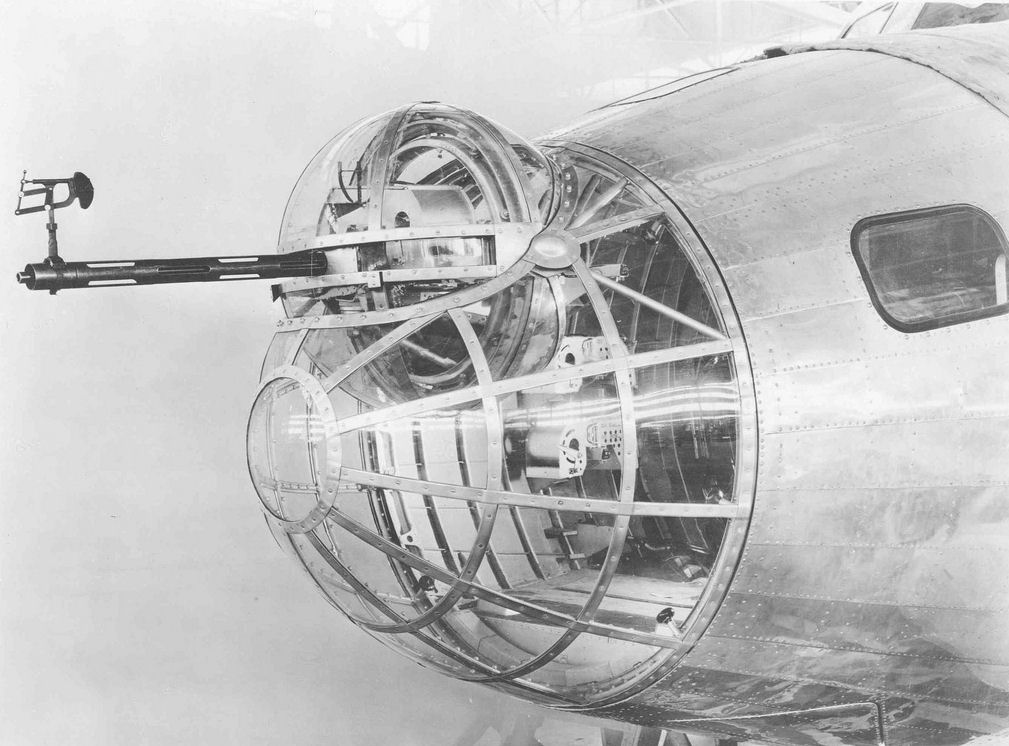
The single prototype of Boeing XB-15 was then assigned to the 2nd Bombardment Group at Langley Field, Virginia. After the Chillán earthquake in Chile on January 24, 1939, the prototype flew on a relief mission to deliver medical supplies. The aircraft carried 3,250 pounds of emergency supplies from the American Red Cross to Santiago. On July 30, 1939, the XB-15 set two load-to-altitude world records by carrying a payload of 22,046 pounds to an altitude of 8,228 feet and 31,164 pounds to 6,561.6 feet. The XB-15 was not the fastest bomber, but it was the fastest aircraft capable of carrying such heavy loads over long distances. On May 6, 1943, the U.S. Army Air Corps converted the aircraft into a transport plane and redesignated it XC-105 to transport goods around the Caribbean during WWII with the 6th Air Force. Over eight years, the Boeing XB-15 carried more than 5,200 passengers, 440,000 pounds of cargo, and 94,000 pounds of mail. It completed 70 cargo trips and 60 missions, including anti-submarine patrol, before being scrapped in 1945. The XB-15 was a good aircraft, but it lagged due to the unavailability of a powerful engine. But even after cancellation, it continued to break records while serving as a transport plane for the forces. Moreover, it helped Boeing to develop other projects. The XB-15 had many design challenges due to its large size, but Boeing learned valuable lessons that they later applied to the Model 314 flying boat. The Model 314 used the XB-15’s wing design and featured four powerful Wright Twin Cyclone fourteen-cylinder engines. Boeing’s internal modifications to the aircraft helped develop the iconic Boeing B-29 Superfortress. In the Grounded Dreams series, the Boeing XB-15 stands as one of the aircraft that proved valuable even after its cancellation. Read more Grounded Dreams articles HERE.