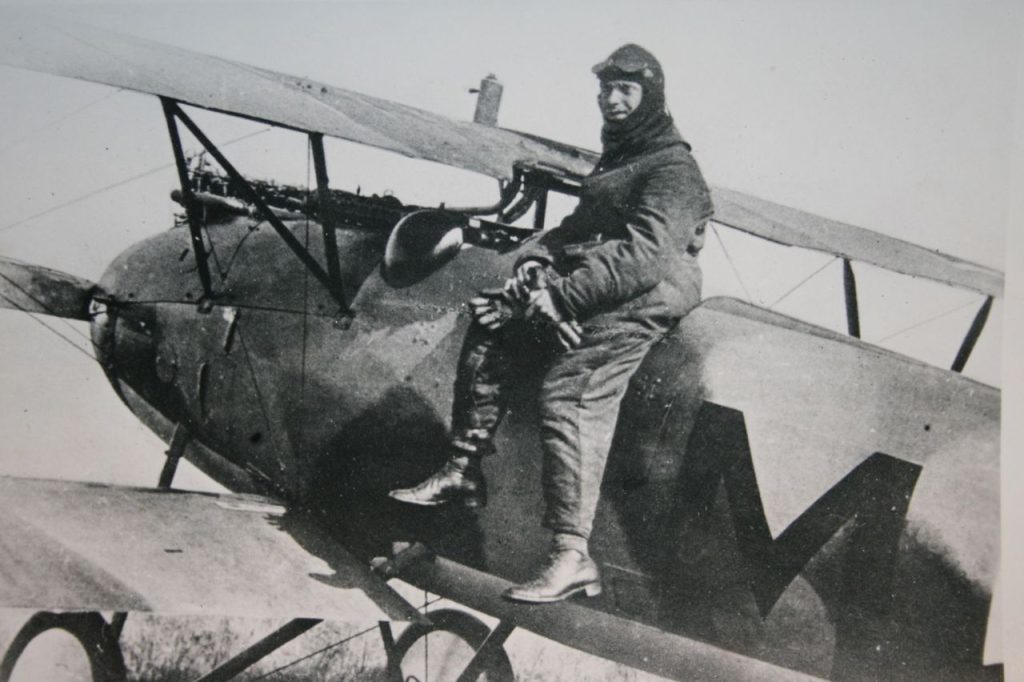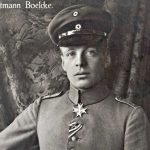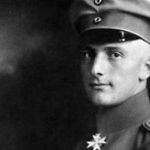
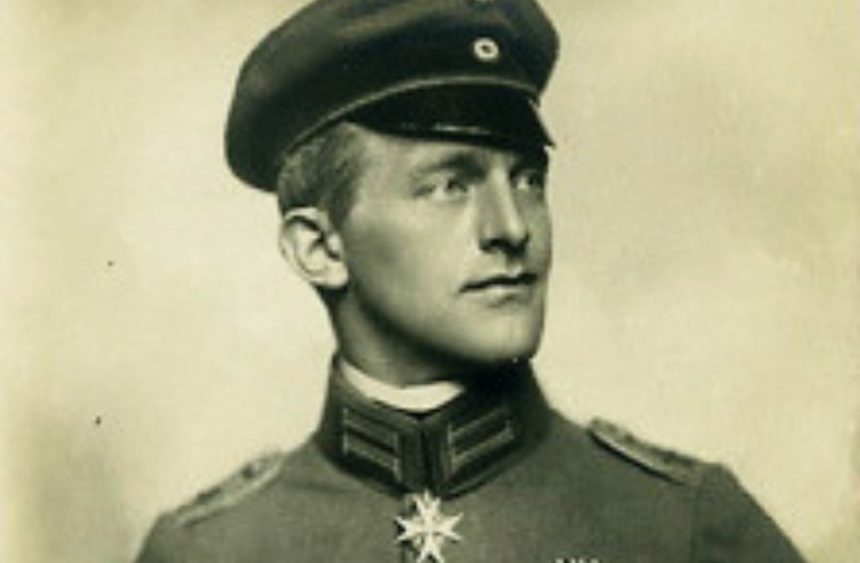

In WWI, most aces were young or had started flying in their early years. However, some were at an age where adopting new skills was difficult. One such ace was Carl Menckhoff. Born on April 14, 1883, at Herford in the Kingdom of Prussia, he was one of the oldest pilots in the German Air Service and was in his 30s when the war began. He began his military service in 1903 as a one-year volunteer, but had to leave early due to poor health. In 1914, when WWI began, he was 31 and enlisted as an infantryman to serve on the Western Front against France. Wounded several times, by the end of 1914, he was awarded both the Iron Cross, First Class and Second Class for his brave actions. Due to injuries, he had to leave the infantry and requested a transfer to the German Air Service. His request was accepted, and he joined pilot training in February 1915. He completed his training in October 1915 and was sent to the Western Front, where he was wounded again in aerial combat in January 1916. After recovery, he was transferred to the Eastern Front in 1916, where he gained experience in flying aircraft in combat. In mid-1916, he went to Warsaw for fighter pilot training, and in January 1917, he was sent back to the Western Front to join the German fighter squadron, Jagdstaffel 3. In this unit, he flew an Albatros D.III aircraft.
Ace Journey of Carl Menckhoff
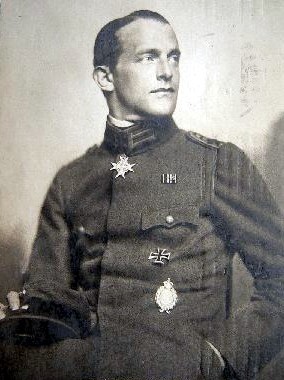
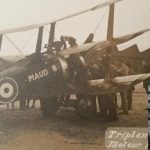
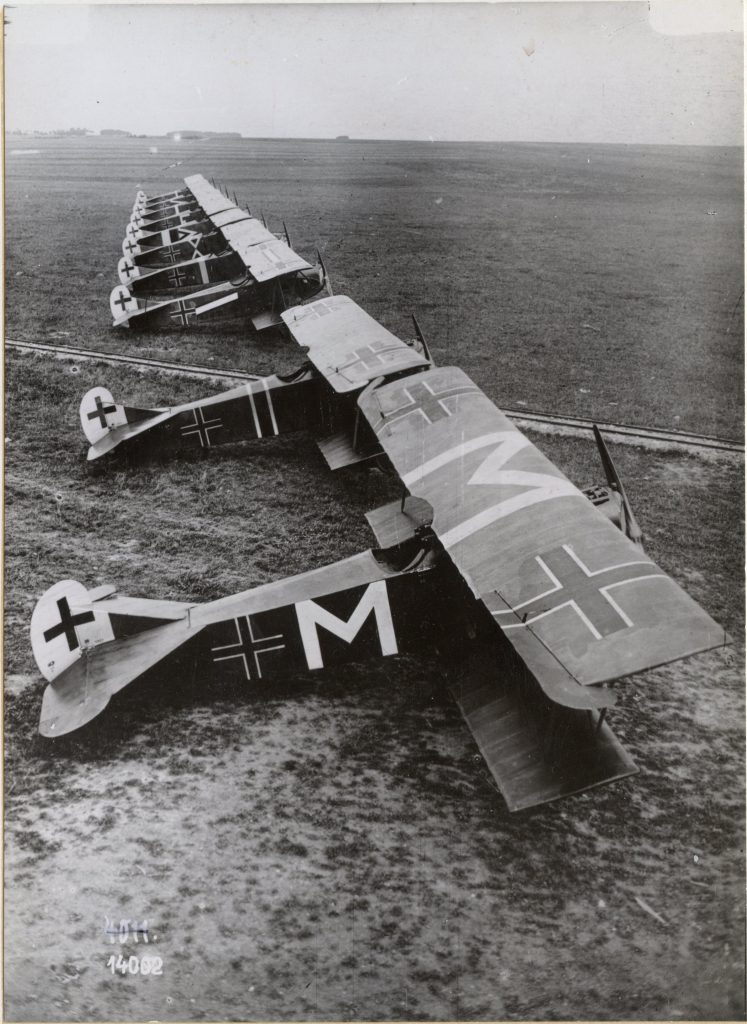
Carl Menckhoff’s first victory came on April 5, 1917, when he shot down a Nieuport 23, followed by another victory on April 6 and a third victory on April 30. After scoring another victory on May 7, he shot down a Sopwith Triplane on May 9 to complete his five victories to officially become an ace. He scored a victory in July and two in August to reach a score of 8. He scored four more victories in September, and on September 23, 1917, he was shot down while trying to assist Werner Voss in his famous dogfight with 56 Squadron. Menckhoff and Voss were both shot down during the same engagement in which Voss was killed by Arthur Rhys Davids. Five days later, Menckhoff was shot down again by 56 Squadron. Despite a few setbacks, he returned and scored two victories in October, one in November, and two in December to end his 1917 at a personal score of 18. He was awarded the Hohenzollern House Order, Knight’s Cross 2nd Class with Swords in December. He achieved one victory in January 1918, followed by another in February to reach a personal score of 20. On February 11, he was transferred to command Jagdstaffel 72. He received a new Fokker D.VII in this unit and scored five victories in April, three in May, and six in June. He shot down five aircraft in July, with the last victory coming on July 19, to reach a personal score of 39.
Life After WWI
On July 25, 1918, Carl Menckhoff was shot down by the U.S. Air Service’s Lieutenant Walter Avery with the 95th Aero Squadron, and he was captured. He remained a prisoner of war until August 1919, when he escaped and managed to reach Switzerland after eight days. He returned to Germany and settled in Herford. In 1920, he moved to Berlin, where he became the manager of an airline called Deutsche Luft Lloyd. However, this airline failed in 1922-1923, and in the late 1920s, he started a heating company, Caliqua Wärmegesellschaft MBH, which became successful and expanded internationally into France and Switzerland. He set up a second home in Switzerland. However, in October 1938, while crossing the German-Swiss border at Basel, he was caught carrying an illegal quantity of Swiss francs. The Nazi customs authorities arrested him, and he spent more than eight months in custody. During this time, he had to give up many of his business shares and patents, and he was released in May 1939. In the autumn of 1939, he moved to Switzerland. Carl Menckhoff died after surgery on January 11, 1949, and was buried in Wolfgottesacker in Basel. In the Aces series, Carl Menckhoff stands out as one of the oldest German aces who, in addition to his fighting skills, demonstrated strong leadership while commanding Jagdstaffel 72. Under his leadership, the unit shot down 60 aerial targets and lost only one pilot, showcasing his careful style of mentoring. Read stories about more Aces HERE.