
By Randy Malmstrom
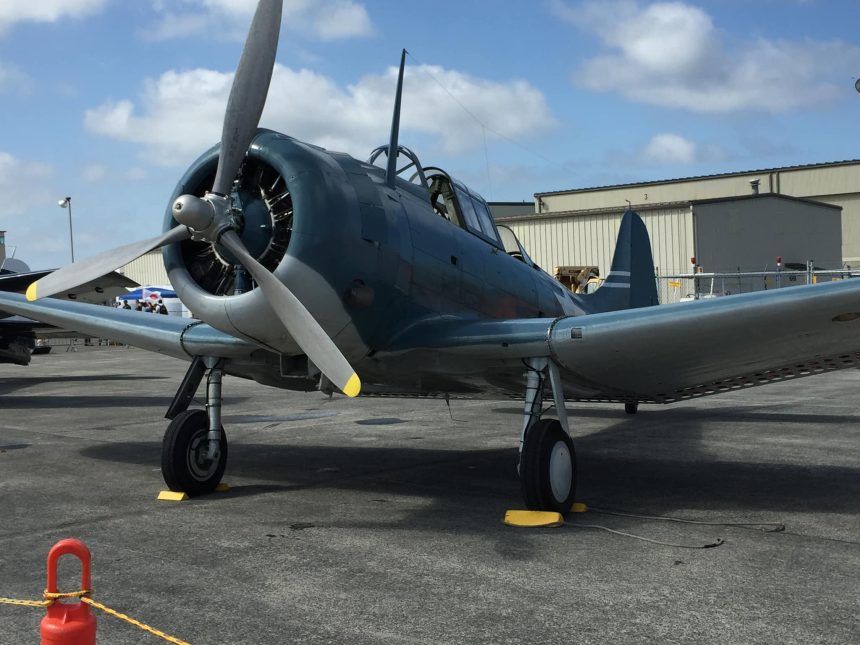
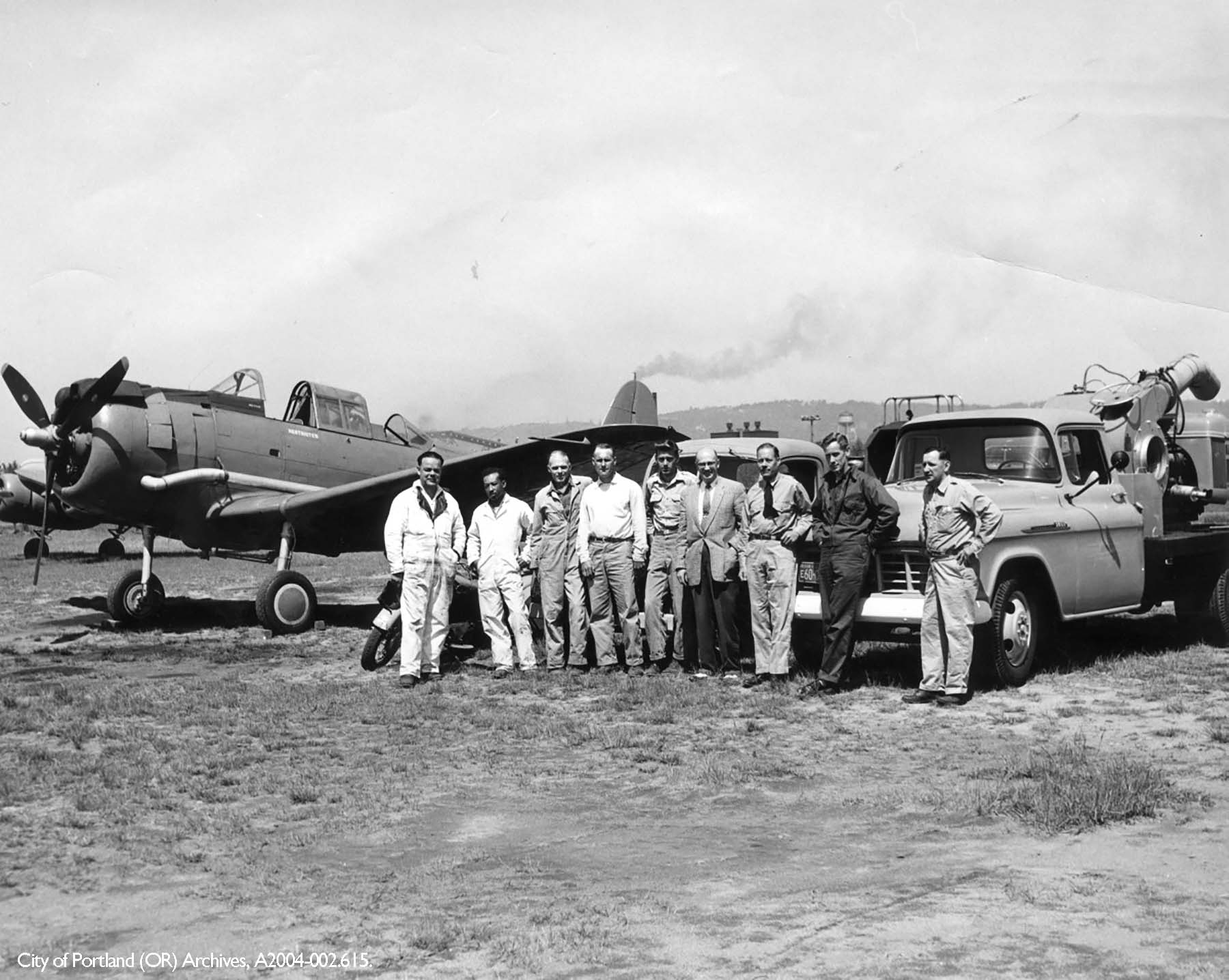
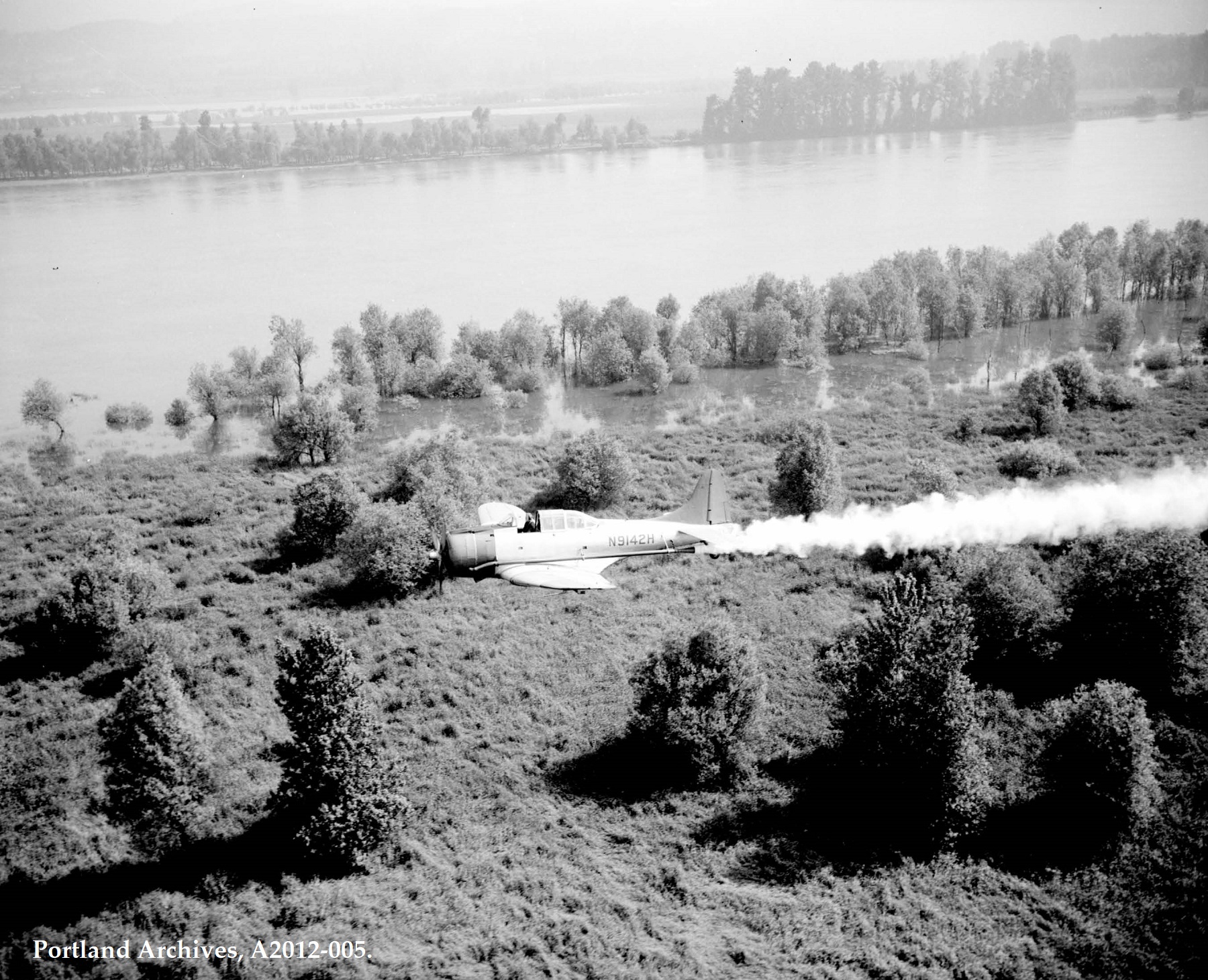
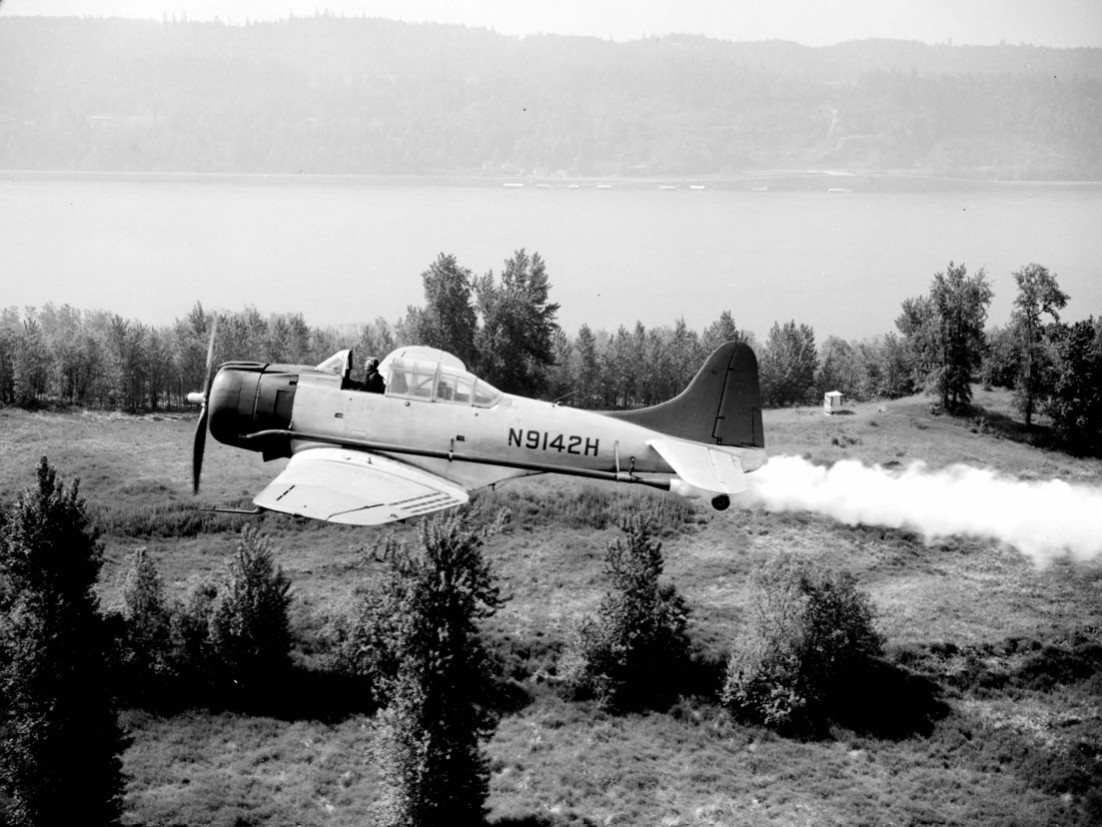
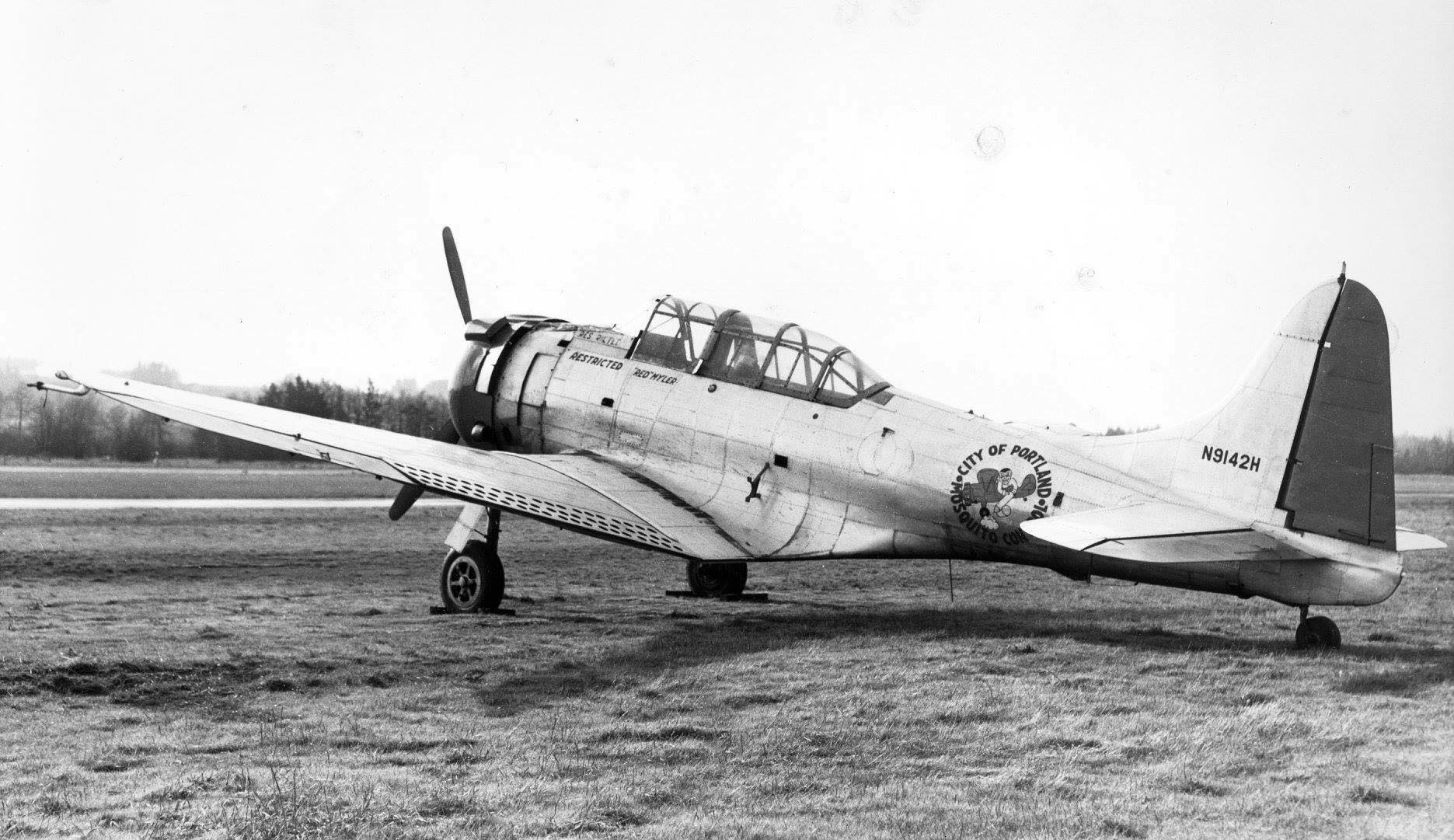
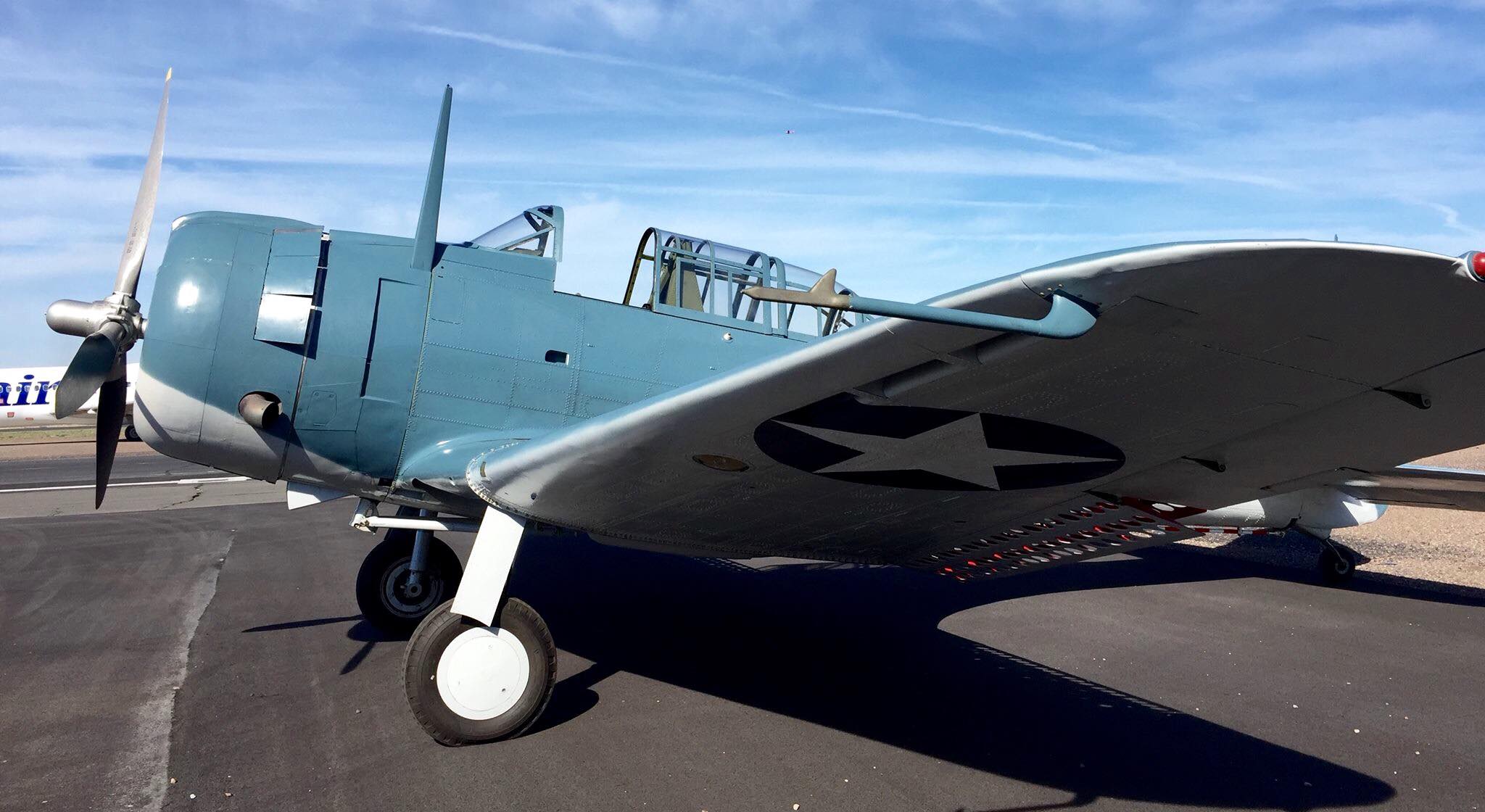
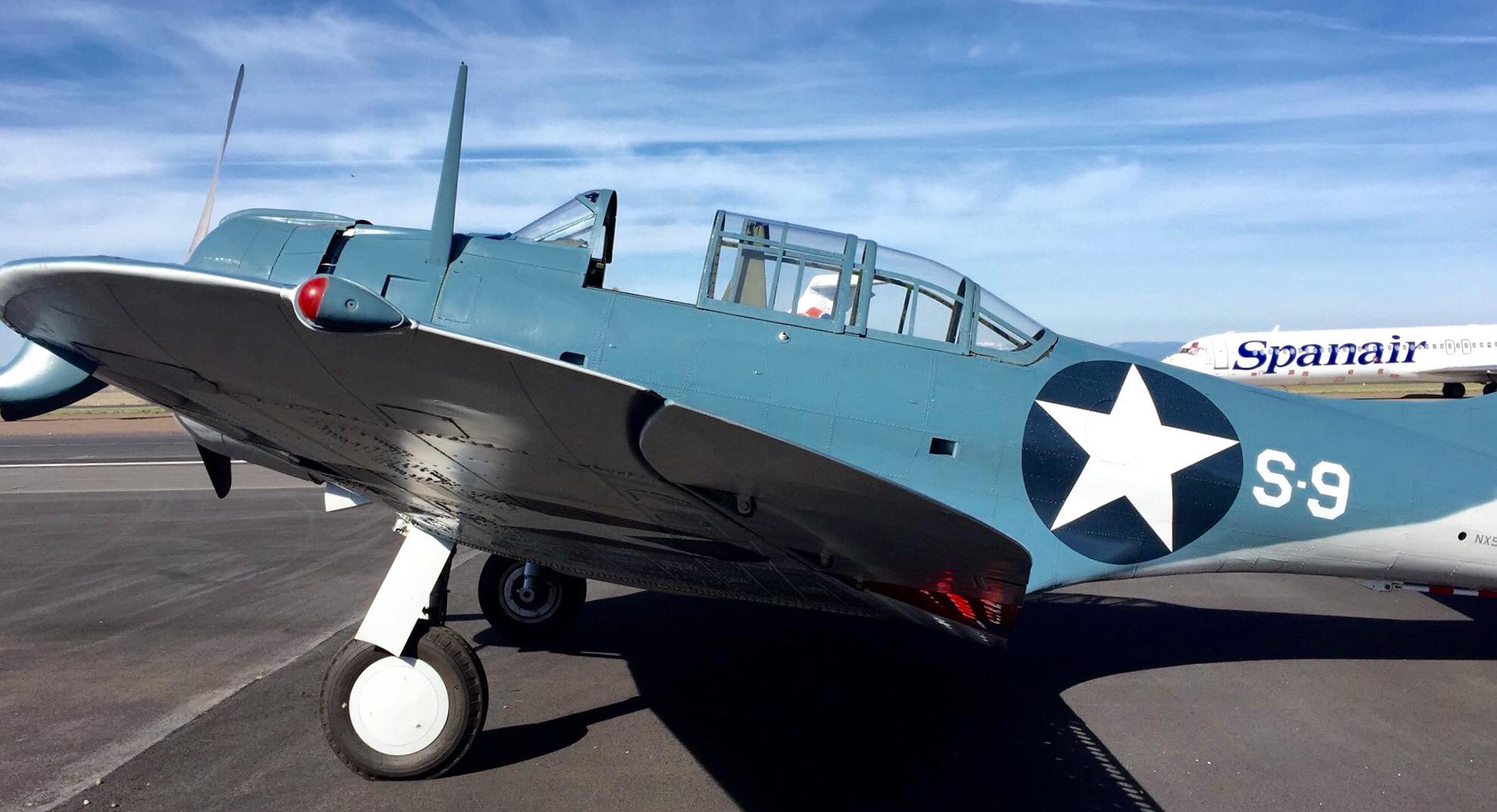
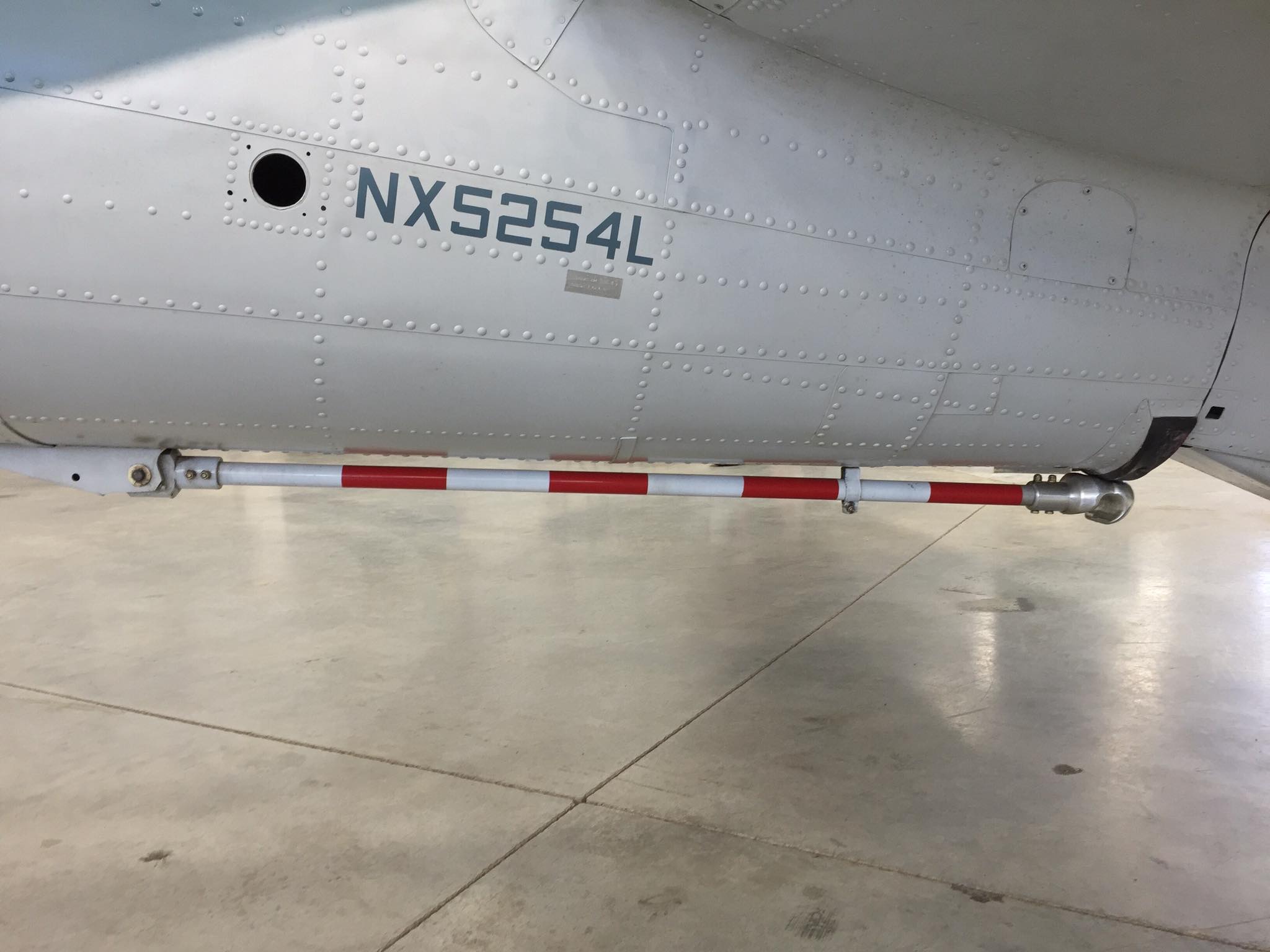
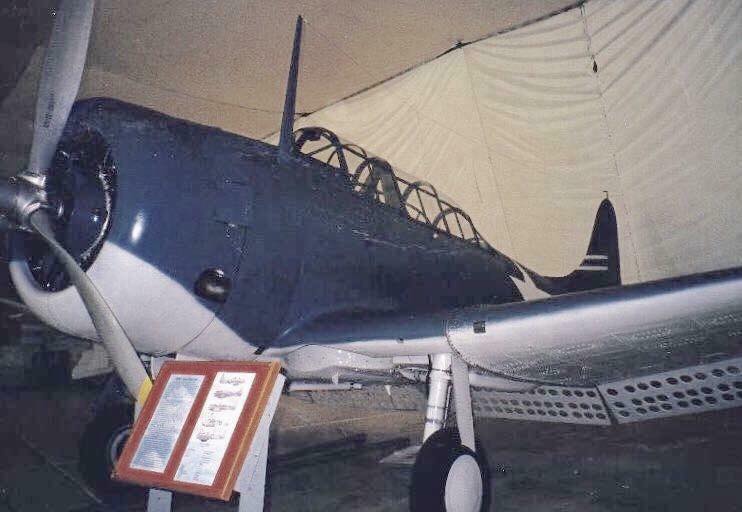
Douglas A-24A-DE Banshee, s/n #42-60817, N5254L. This particular aircraft was built at the Douglas Aircraft Company’s El Segundo, California, plant as an A-24A-DE Banshee and delivered to the U.S. Army Air Forces at Lakefield Airfield, Florida, in January 1943, where it served as a gunnery target tow. After being declared surplus, it became one of two A-24 aircraft, those being N9142H (now this aircraft, N5254L) and N4488N (later, N17421), as part of a group of aircraft including AT-6A’s that flew for the City of Portland, Oregon Bureau of Insect Control during the 1960’s and 1970’s as anti-mosquito sprayers and based at the Troutdale airport just east of Portland where the A-24’s (at least) were maintained under contract with the City by Chief Engineer E. A. Fletcher of Aero Flite, Inc., an air tanker business founded by Robert M. Sturges (who was involved in the acquisition of a number of aircraft, some of which I have written about elsewhere: P-40E, P-40M, B-25K, B-17G).
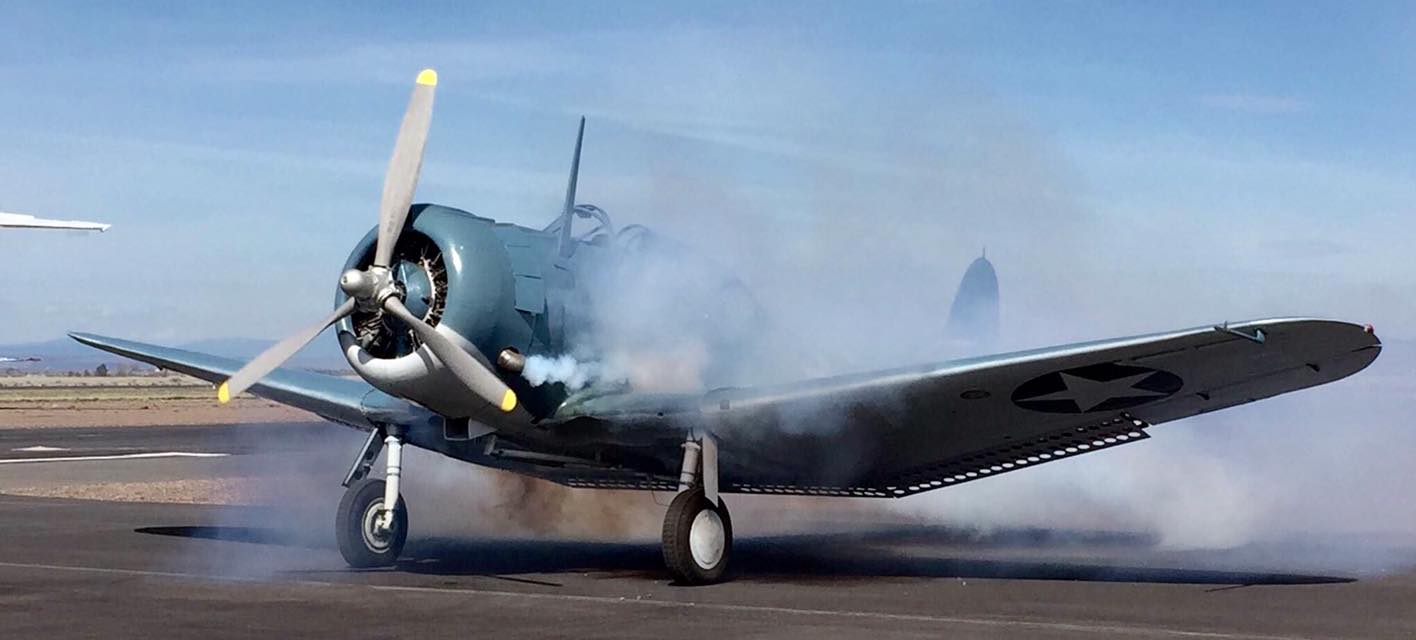
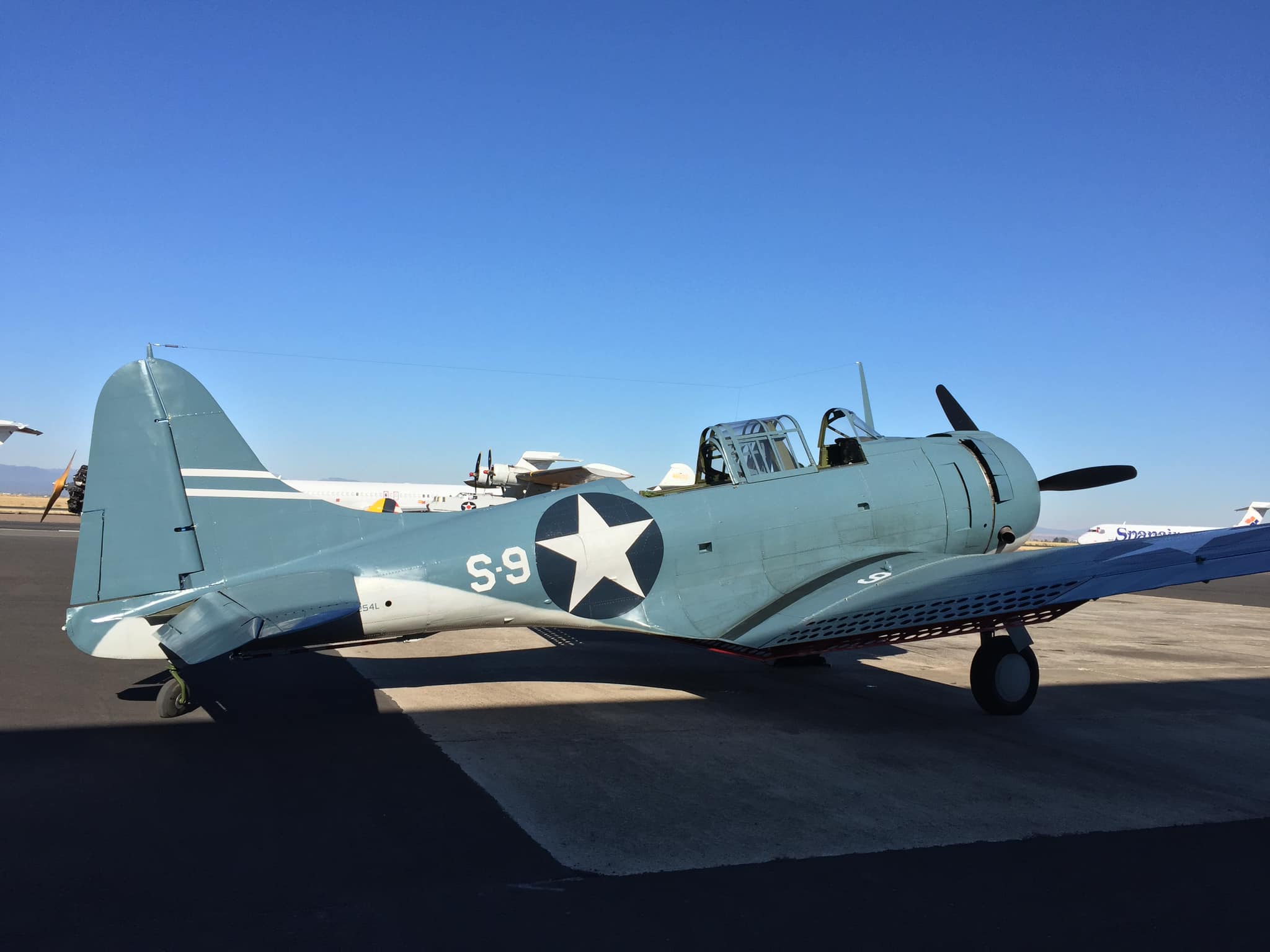
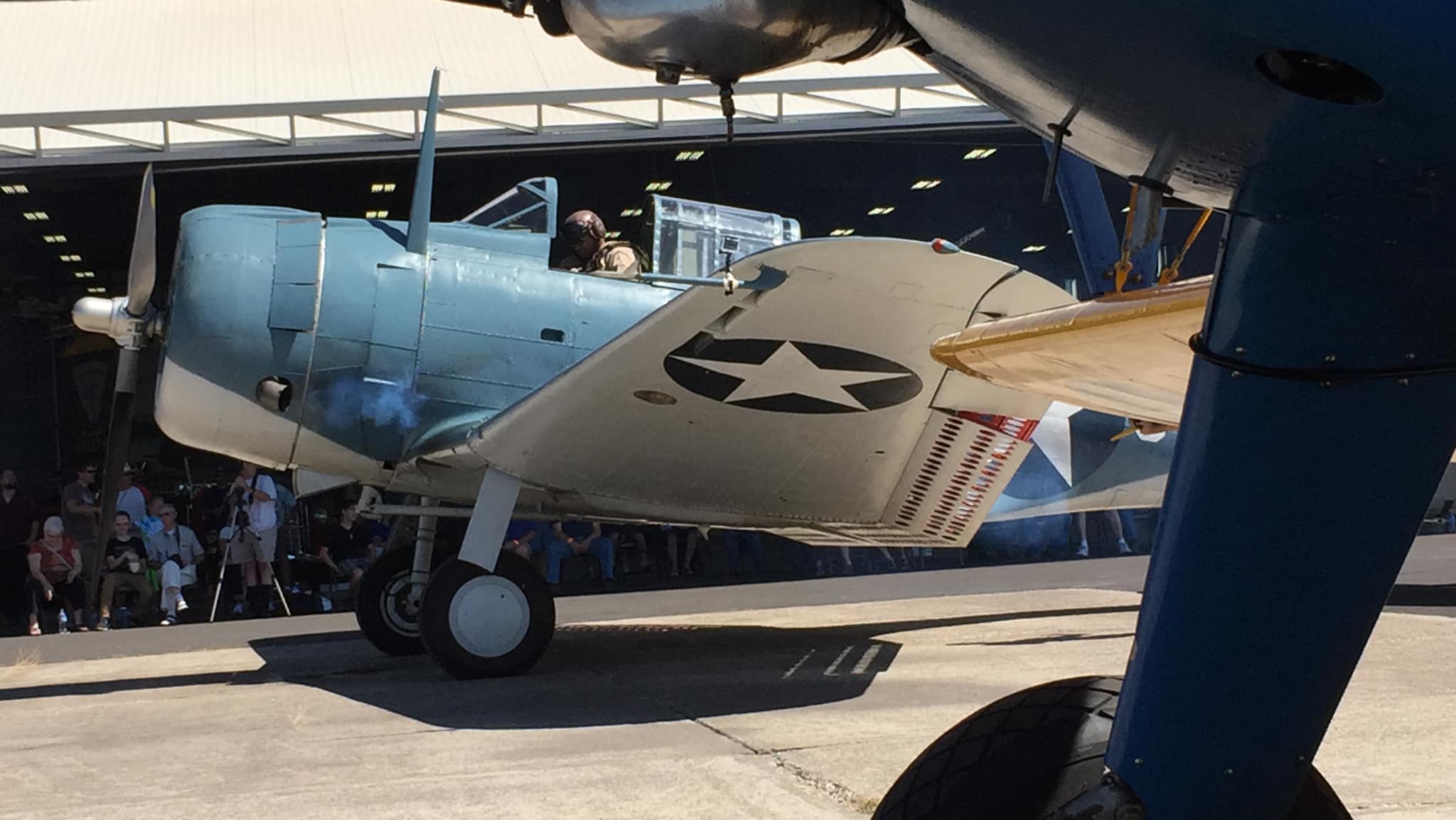
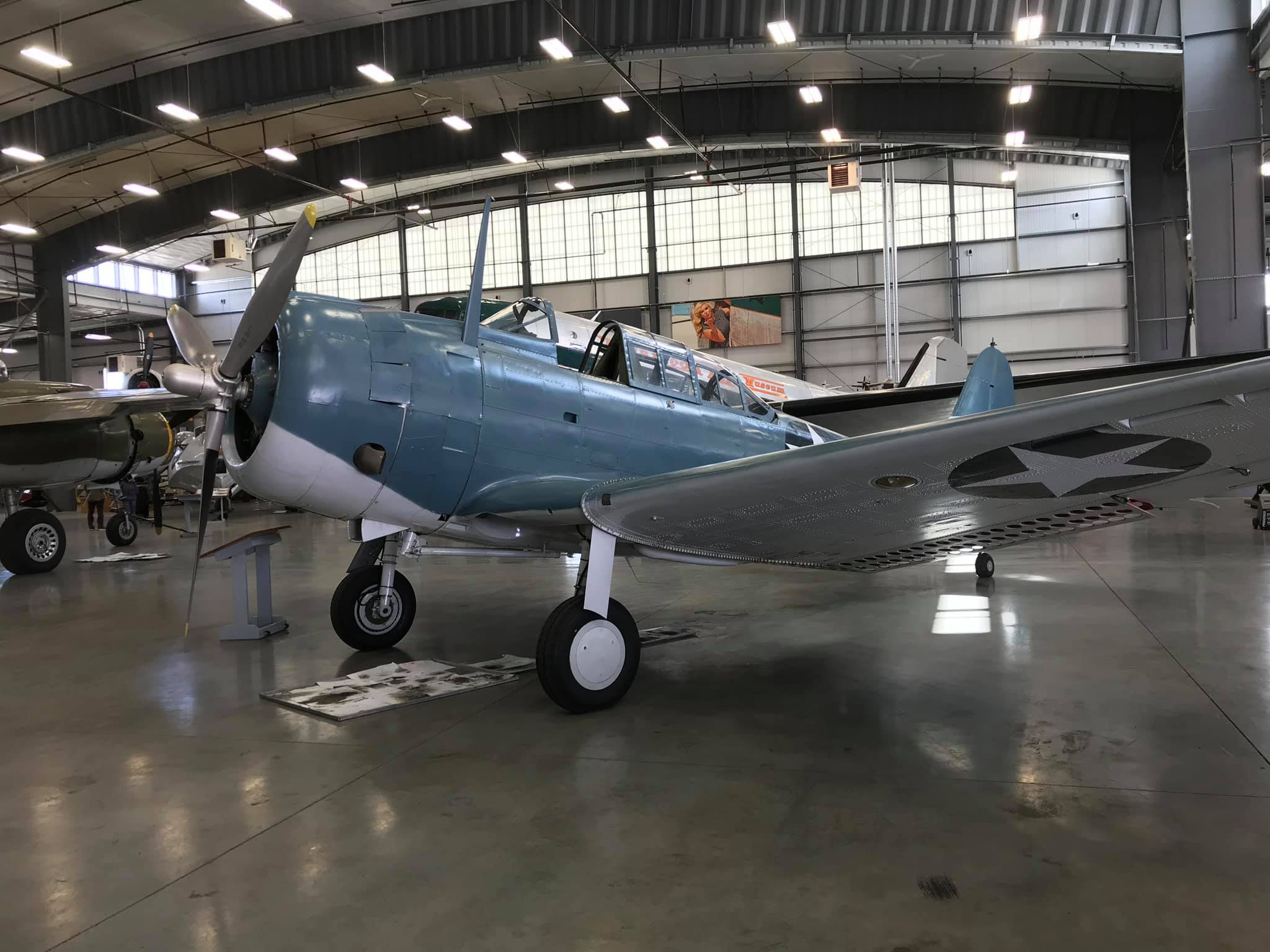
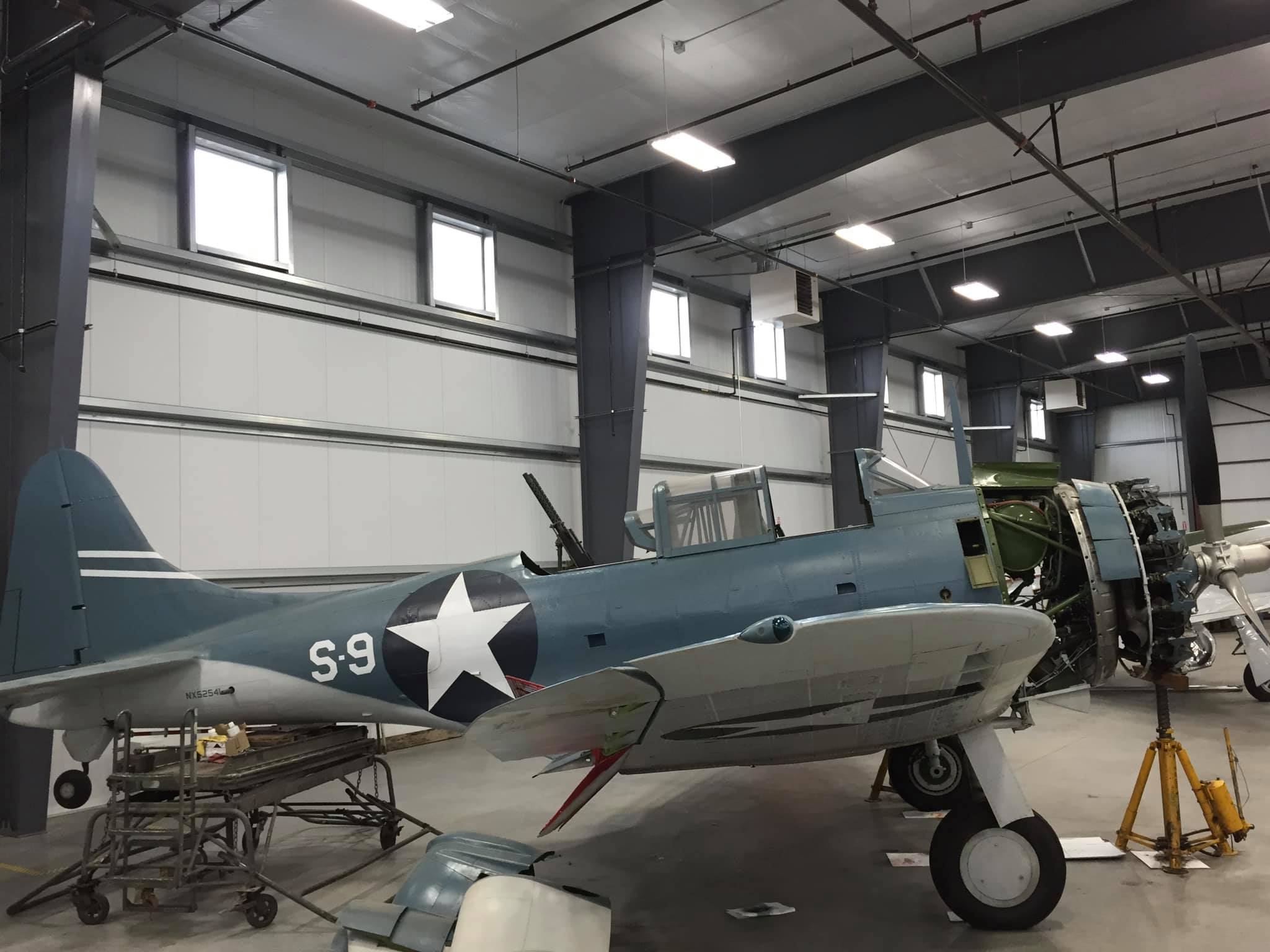
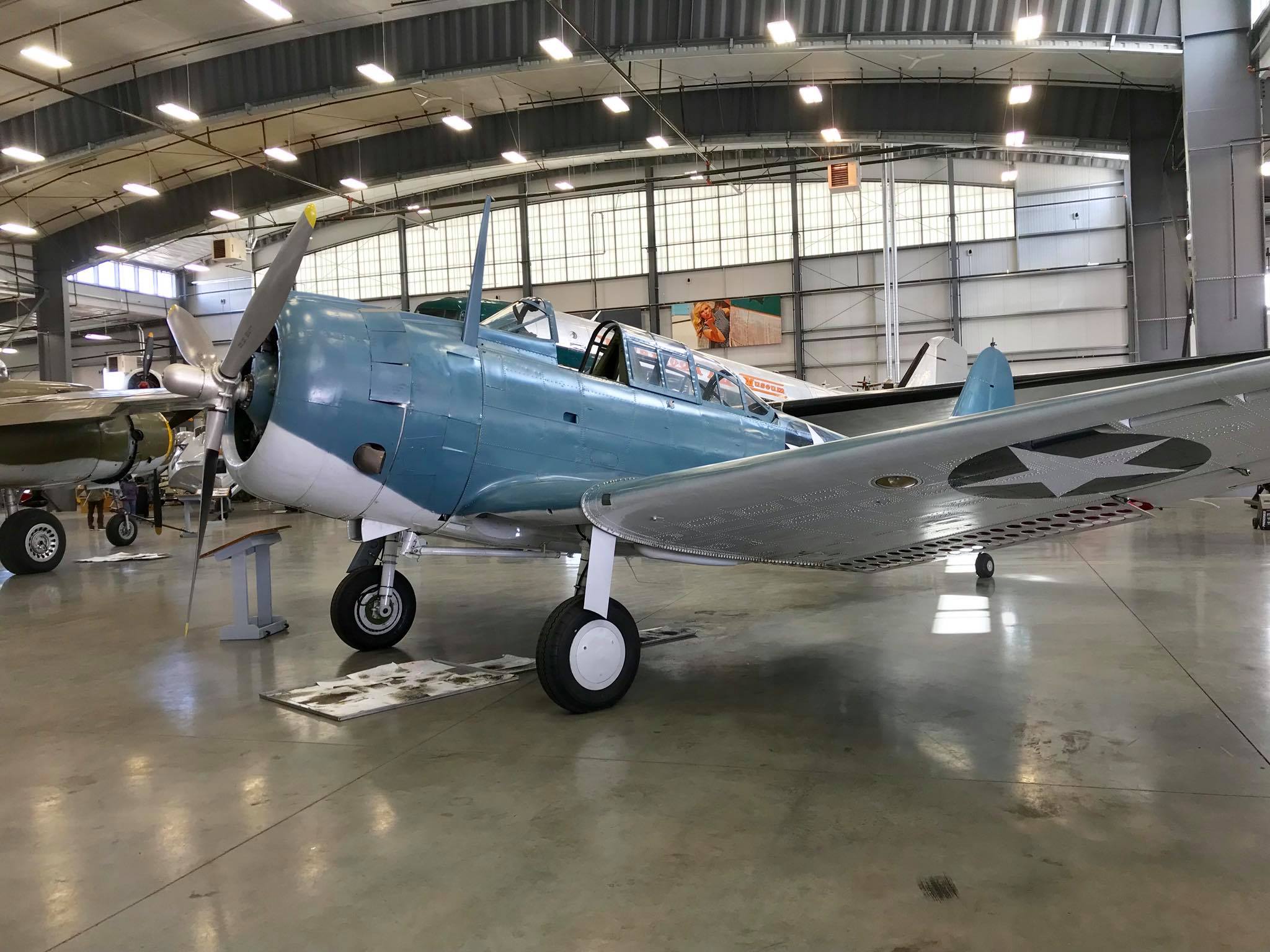
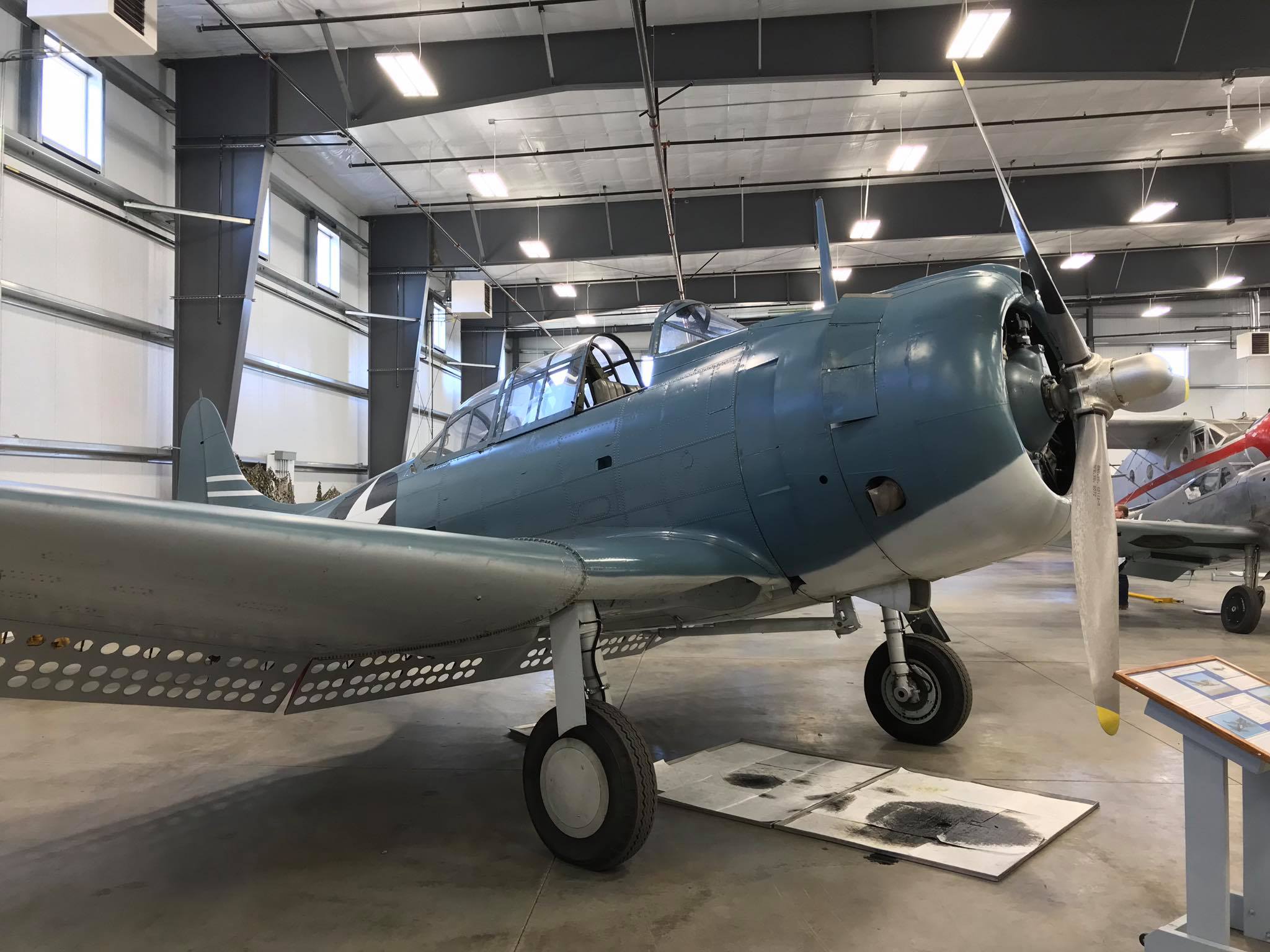
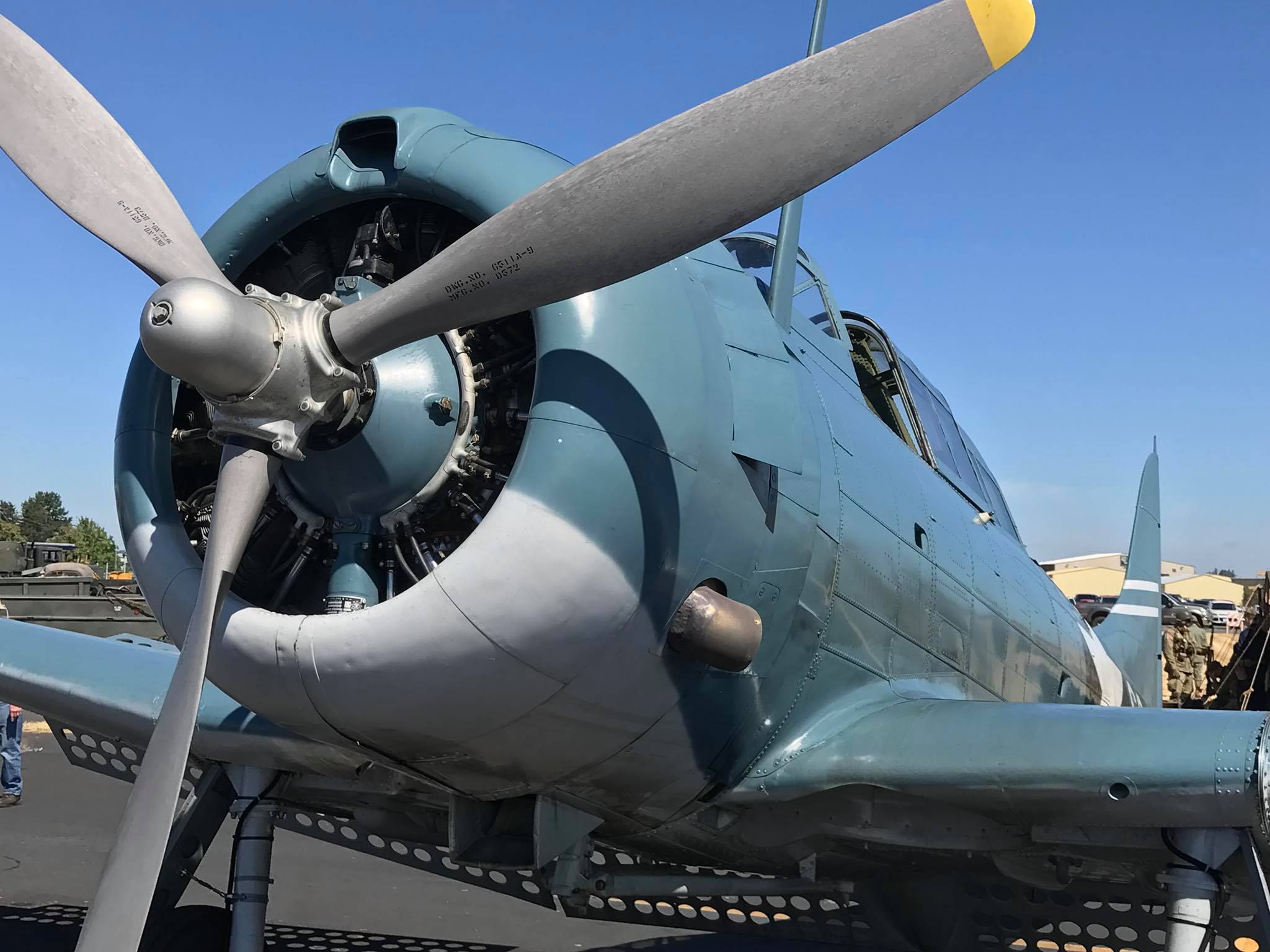
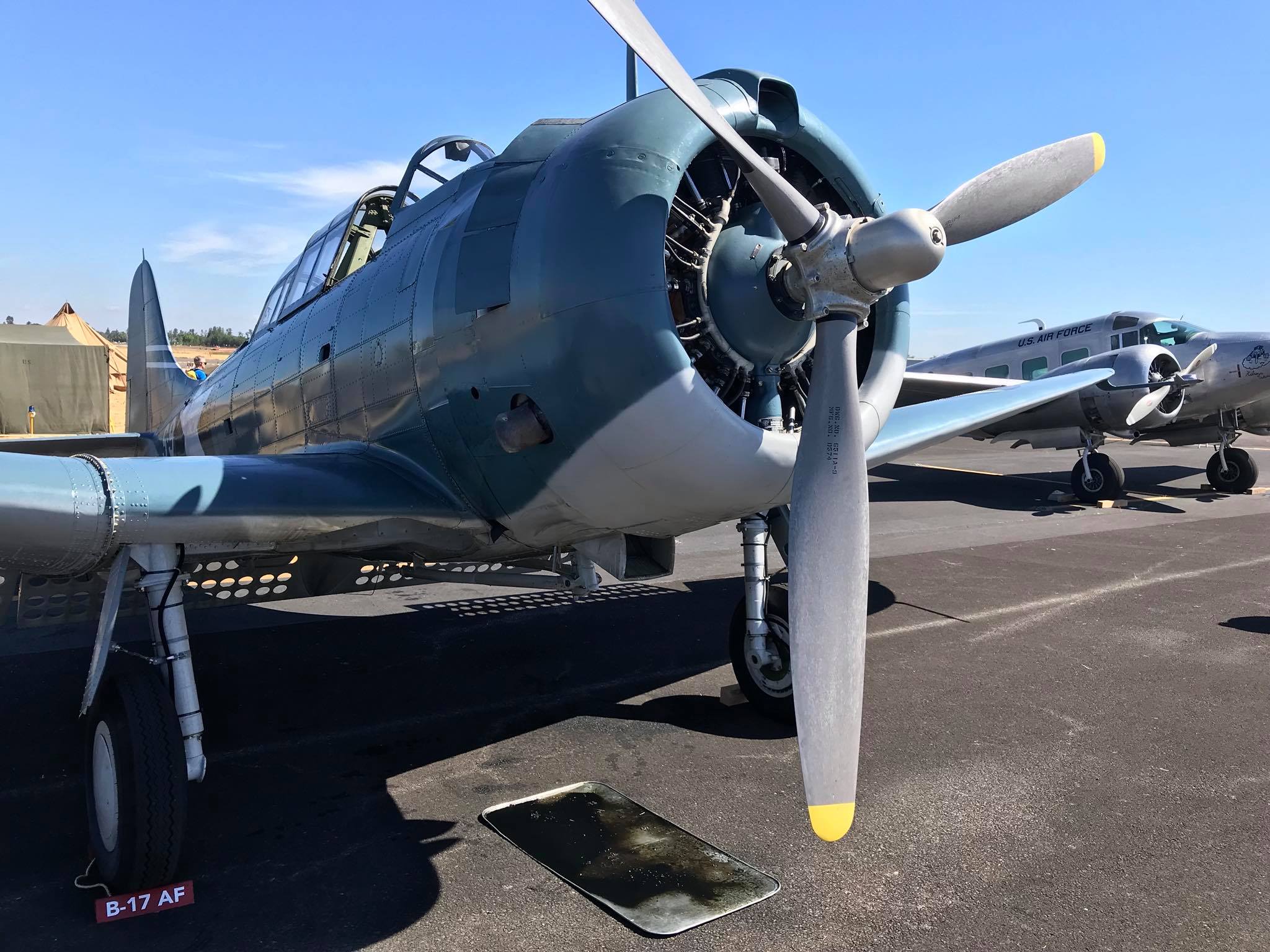
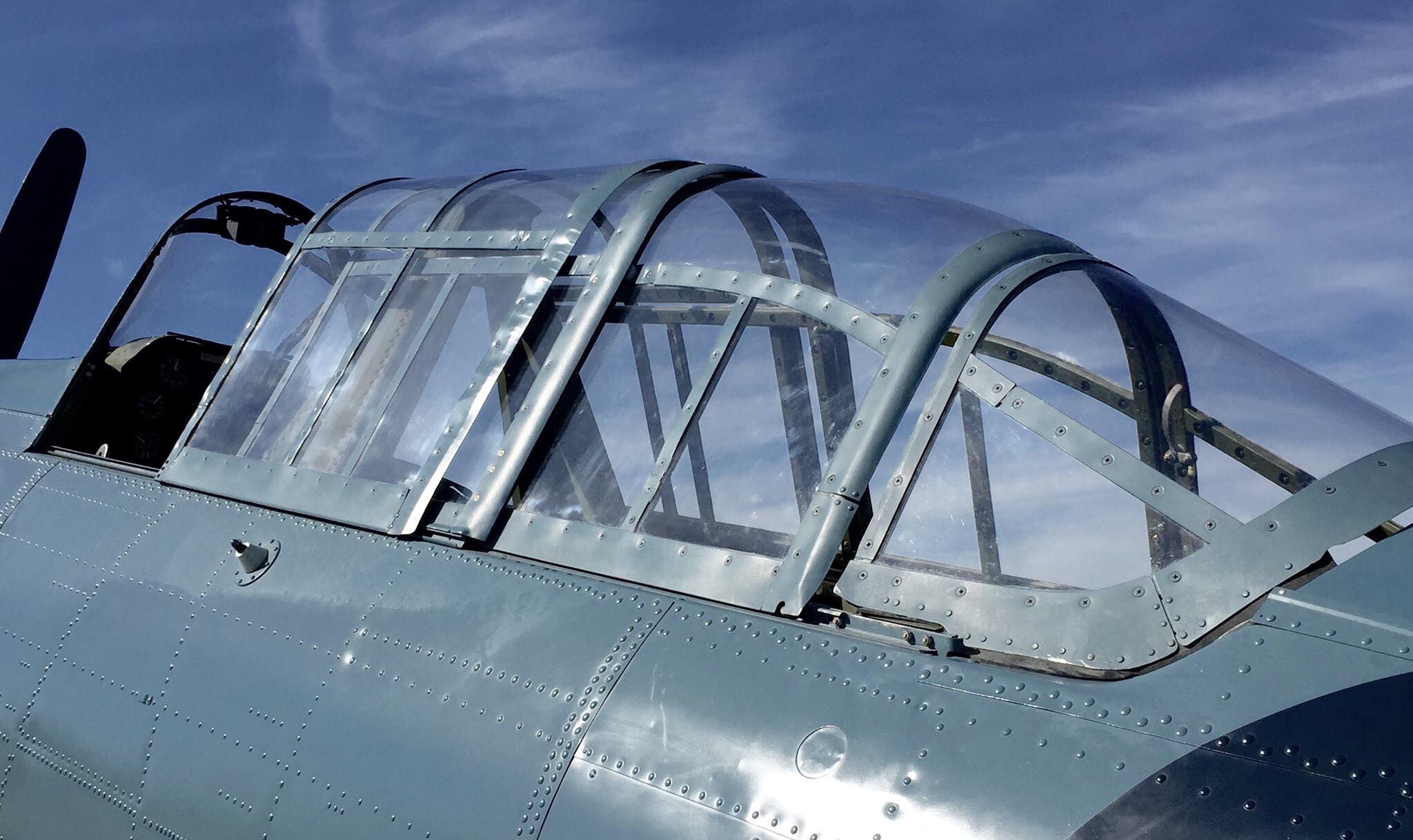
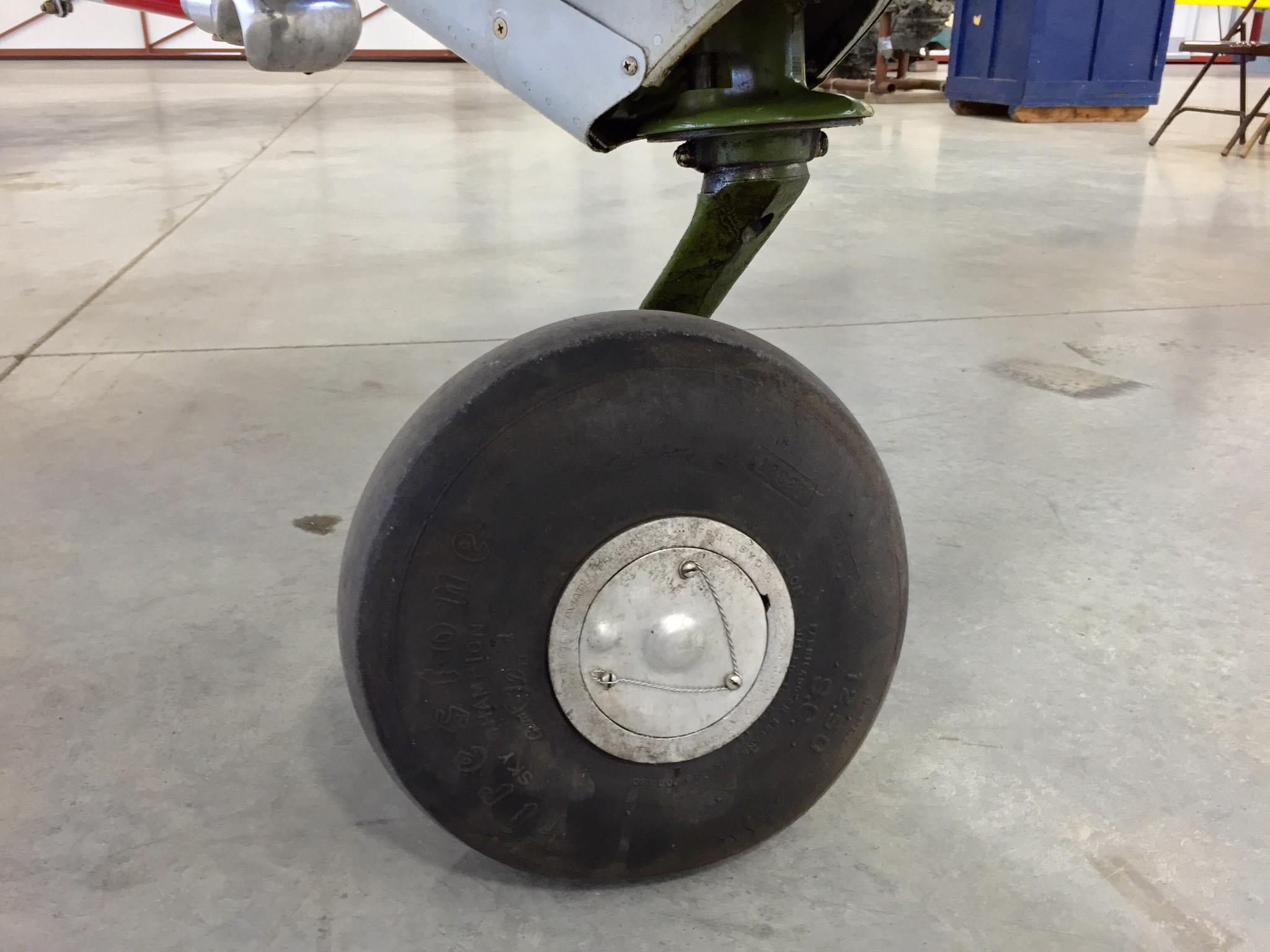
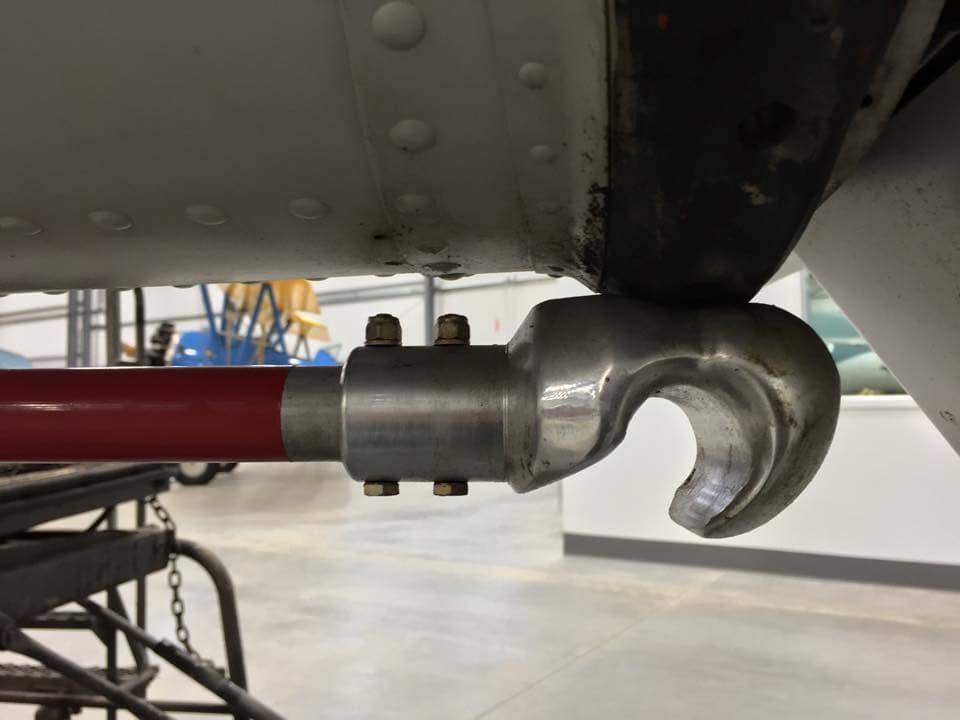
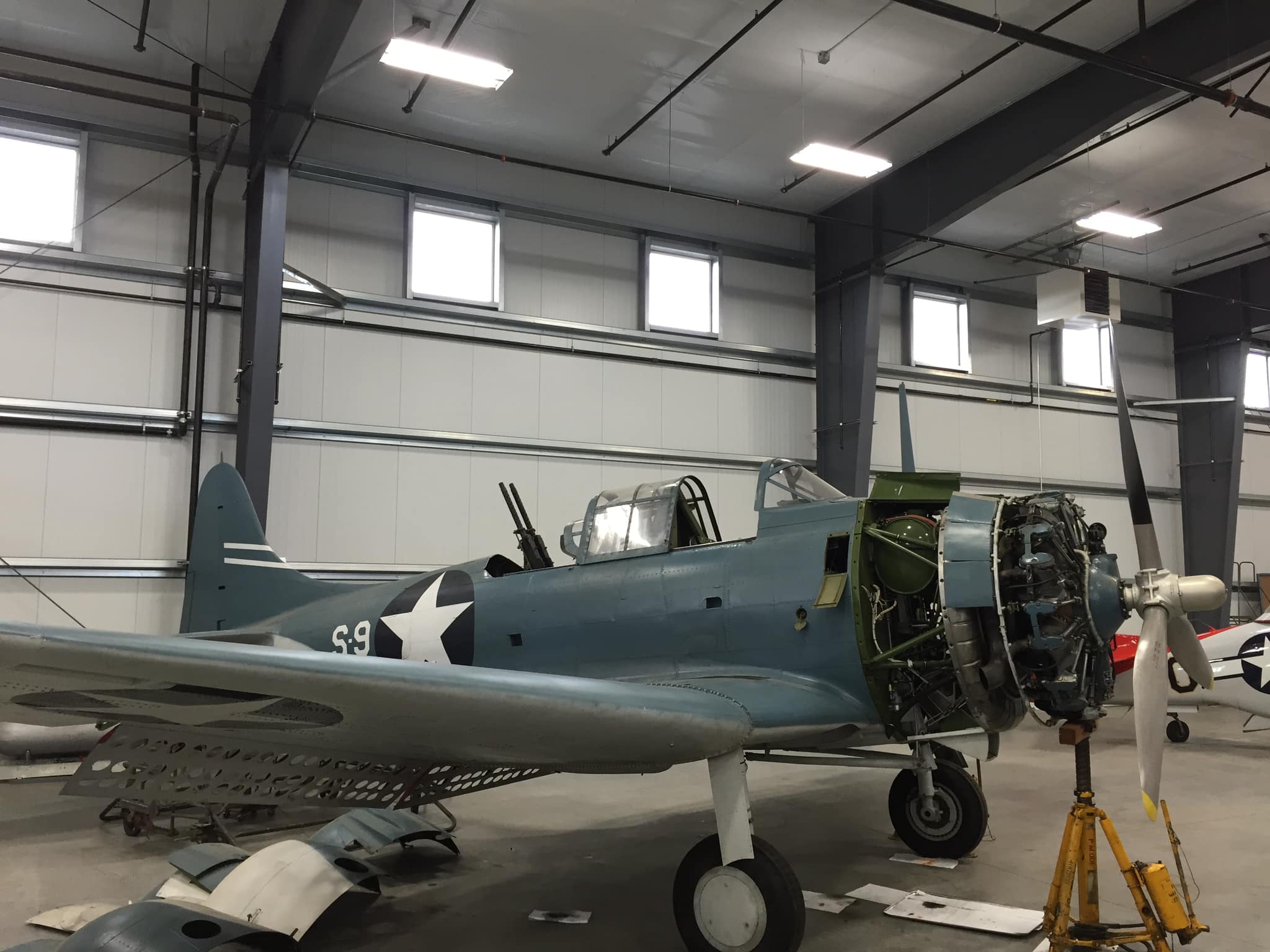
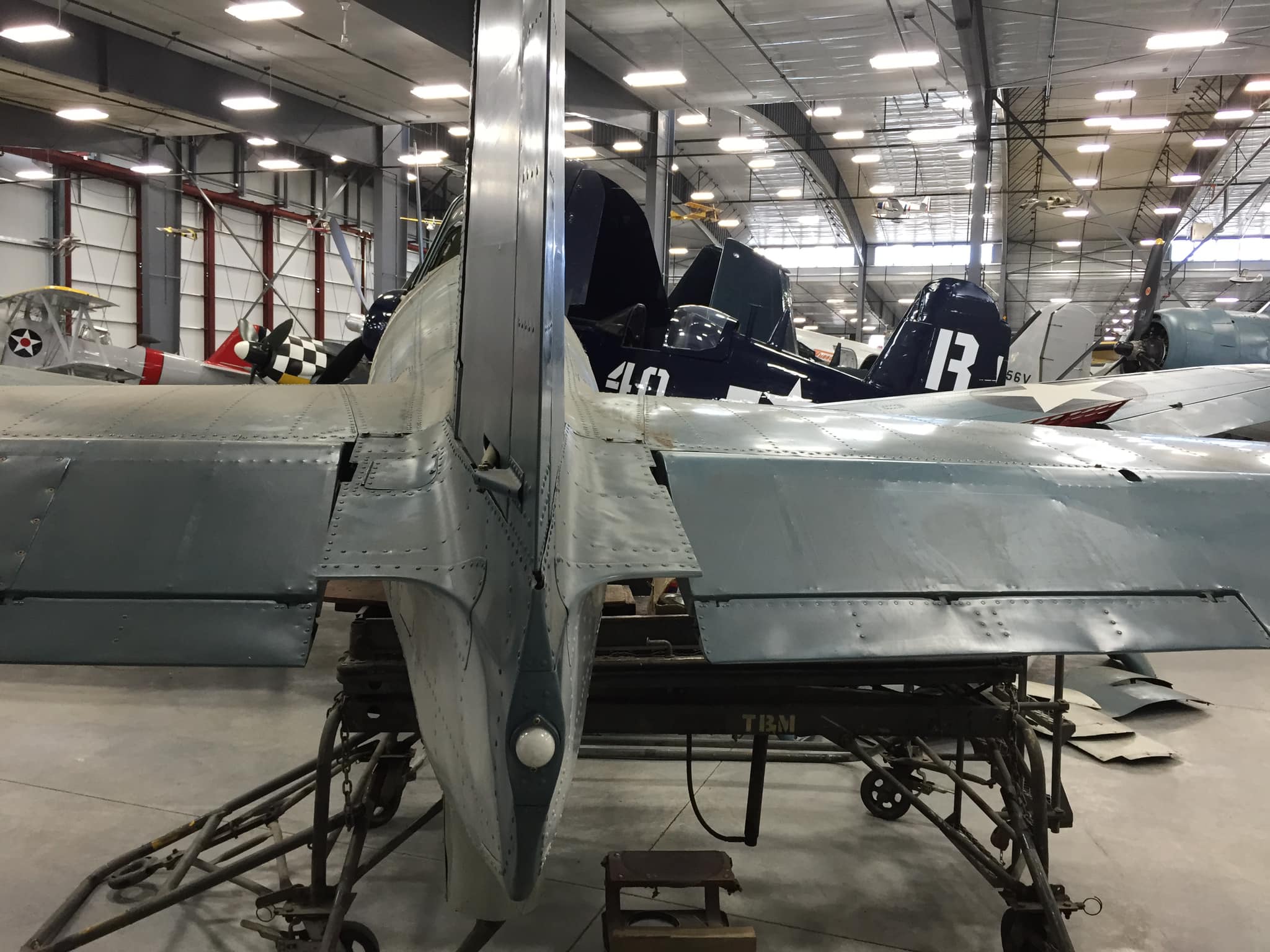
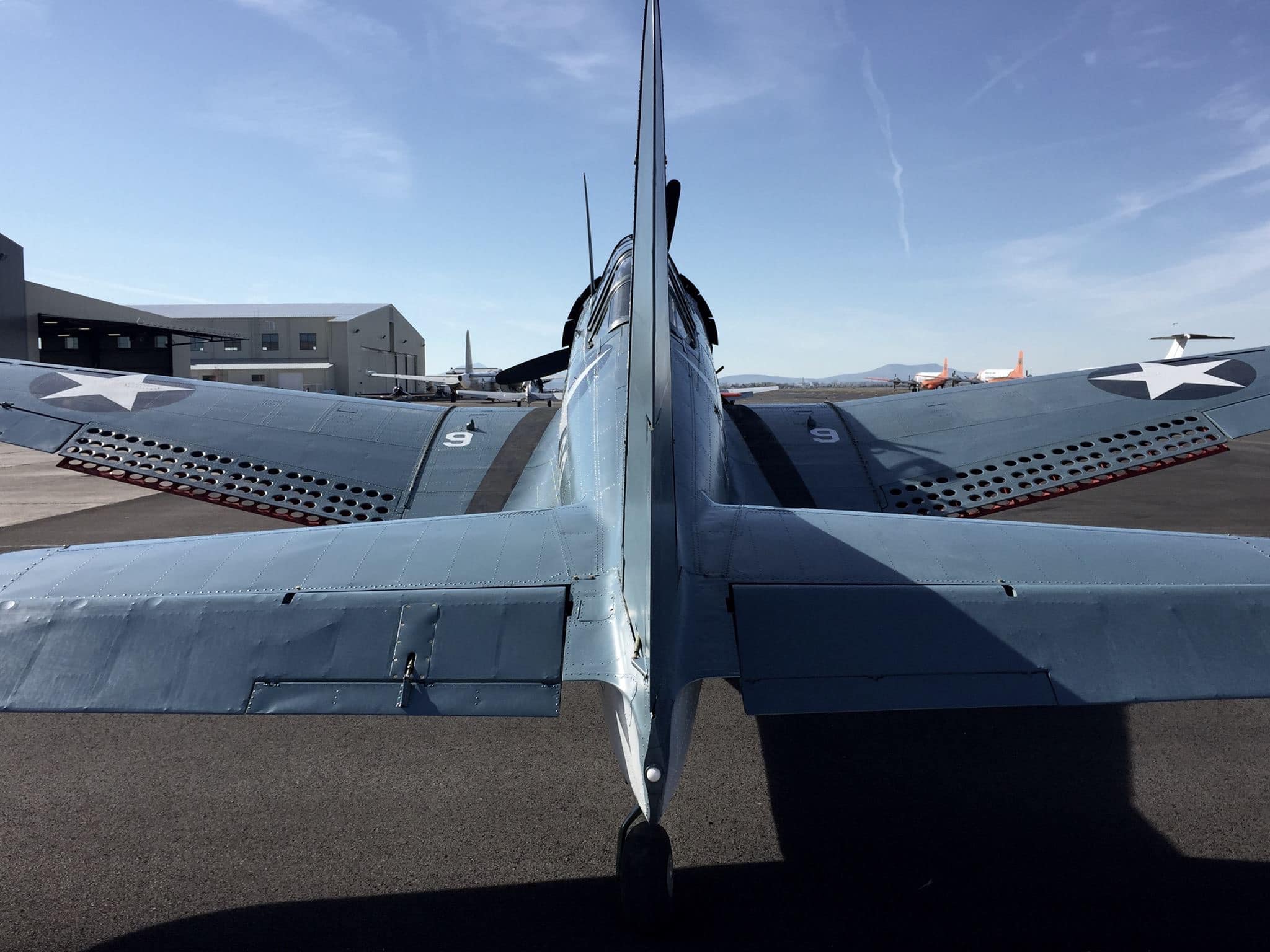
It went on display at the U.S. National Museum of the Marine Corps at Quantico, Virginia, and then at the U.S. National Naval Air Museum at Pensacola, Florida, where it, as I understand it, received a 1941-42 color scheme and markings. In 1994, it was acquired by Jack Erickson and is now owned by his P51 Mustang LLC and is part of the Erickson Aircraft Collection located on Madras Municipal Airport in Madras, Oregon. It has been restored as an SBD-3 Dauntless with arrestor and catapult hooks but retaining a pneumatic tail wheel of the A-24 for ground-based flying since it is airworthy and flies off a paved runway. It is painted with fuselage code “S-9” of VS-5 (Scouting Squadron 5), which was stationed aboard the USS Yorktown (CV-5) until its sinking at the Battle of Midway in June 1942. My photos and YouTube clips. (During World War II, the Madras airfield was a U.S. Army Air Corps training base for B-17, P-38, and P-39 aircrews, and the North Hangar is on the National Register of Historic Places)
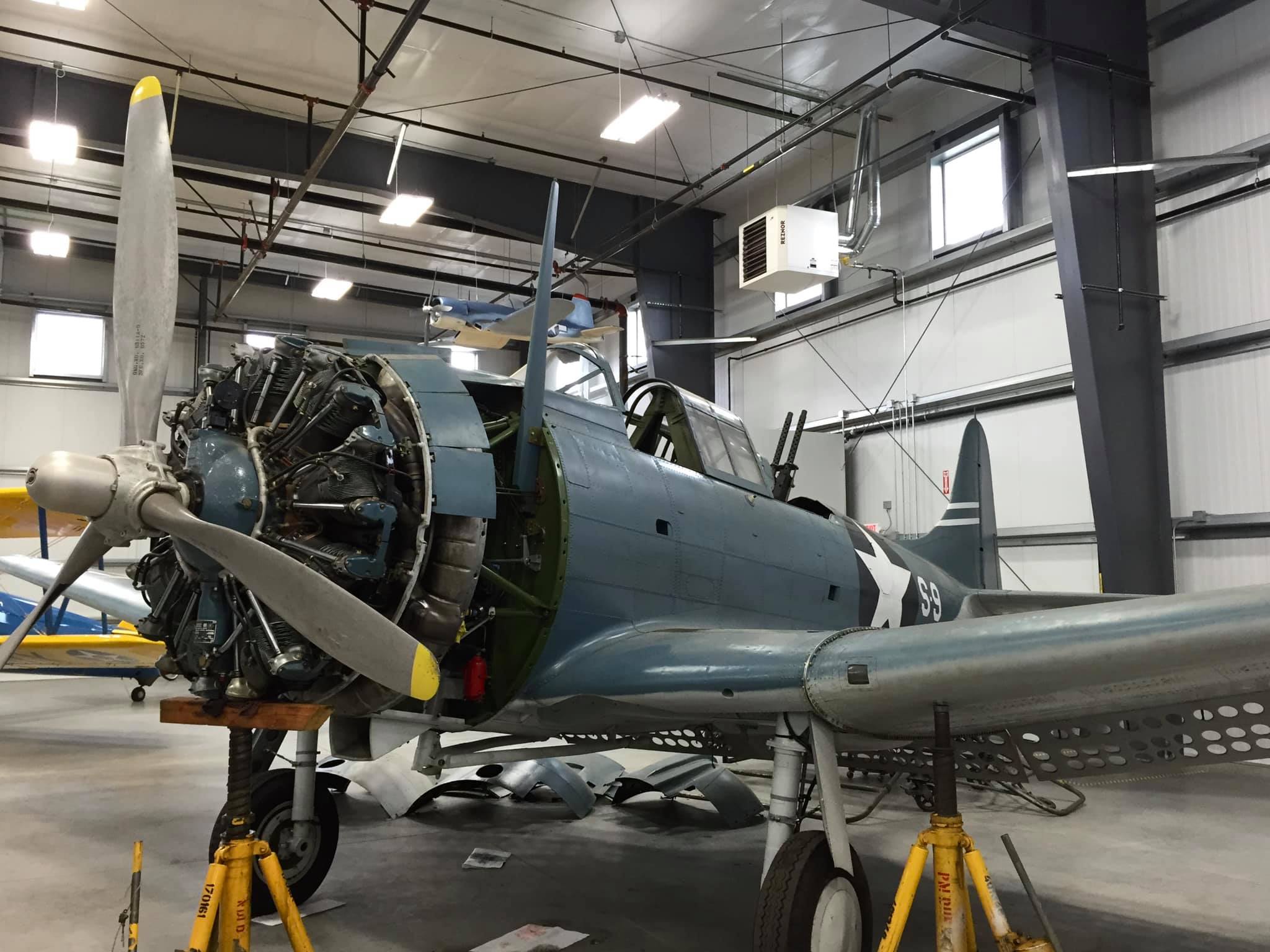
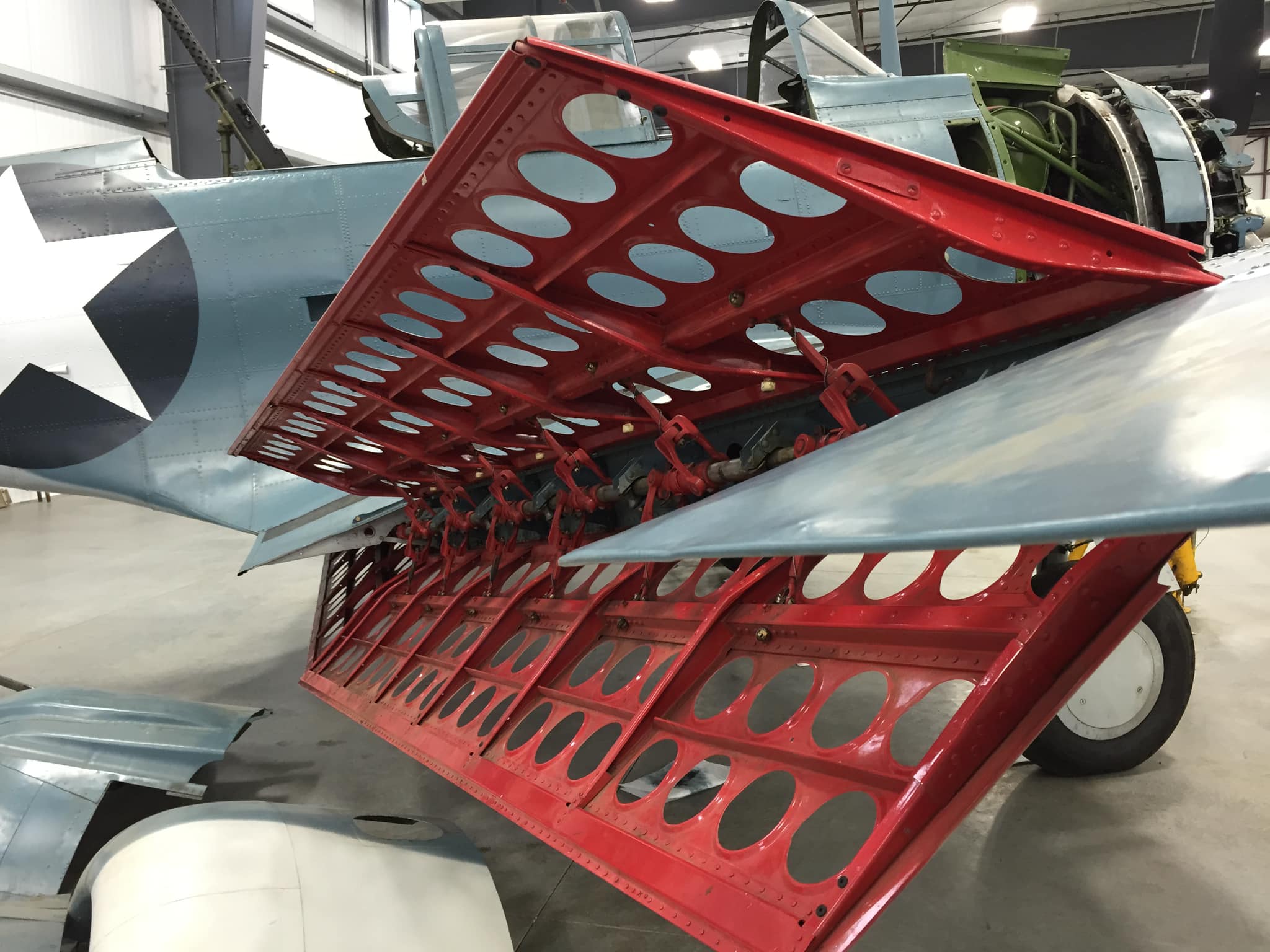
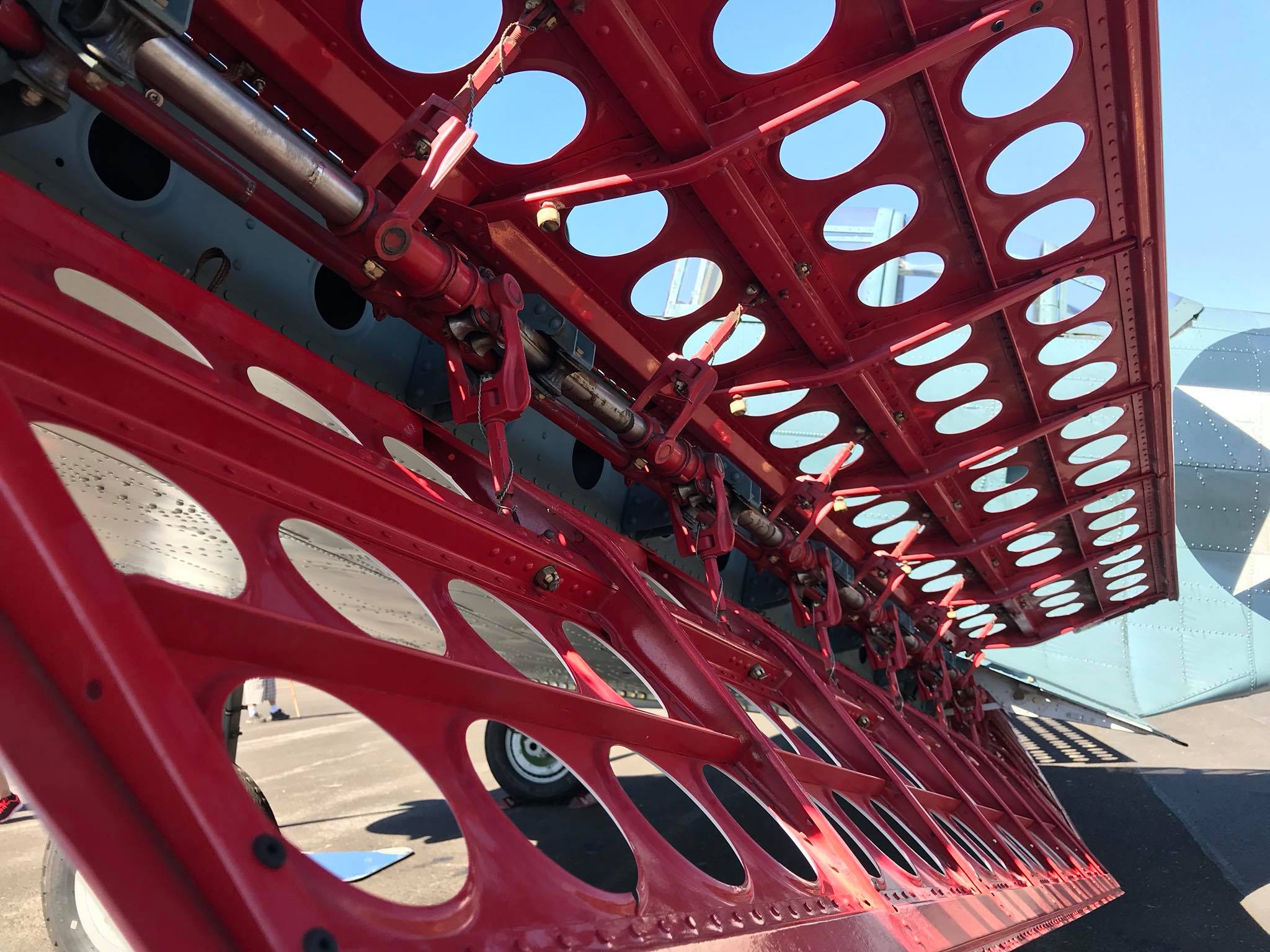
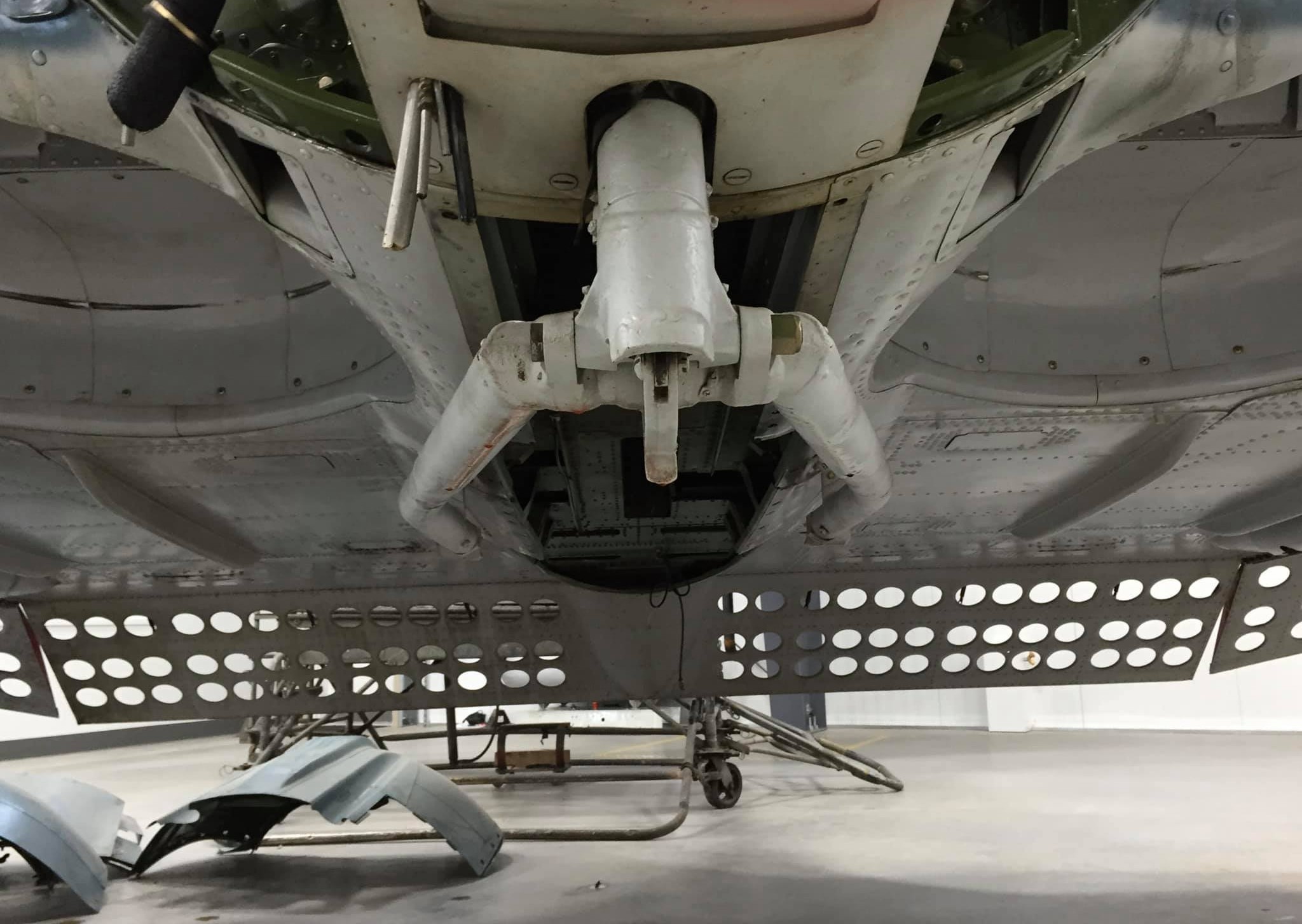
This is by no means a complete description of the aircraft type, but the Dauntless SBD (Scout Bomber, Douglas), nicknamed “Slow-But-Deadly” and “Barge” and “Clunk” and “Speedy-3” and “Speedy-D,” was designed and built by Douglas Aircraft Company after the Northrop Corporation’s BT-1 (when Northrop was a subsidiary of Douglas). The first “Dauntless” was a modified Douglas XBT-2 and first flew on April 22, 1938. The Dauntless was put into service in 1941 with the U.S. Navy as a carrier-based dive bomber and scout aircraft. The U.S. Army Air Corps acquired them with the designation “A-24 Banshee” and had a pneumatic rather than solid tail wheel, and did not have an arrester tailhook. The first enemy ship sunk by a U.S. Navy aircraft is credited to a Dauntless from the USS Enterprise (CV-6). Its operations of 42 aircraft from bases in Australia against Japanese-held locations in Java and New Guinea resulted in it being regarded as “too slow, too short-ranged and too poorly armed.” It was fitted with perforated “Swiss Cheese” hydraulically operated dive brakes, with 3-inch holes to slow the drop in a diving attack. These are covered with two coats of the anti-corrosive Zinc Chromate (in a 1942 written directive, the U.S. Navy specified that the second coat of Zinc Chromate be applied with added Indian Red or Lamp Black to make it obvious that a second coat had been applied).
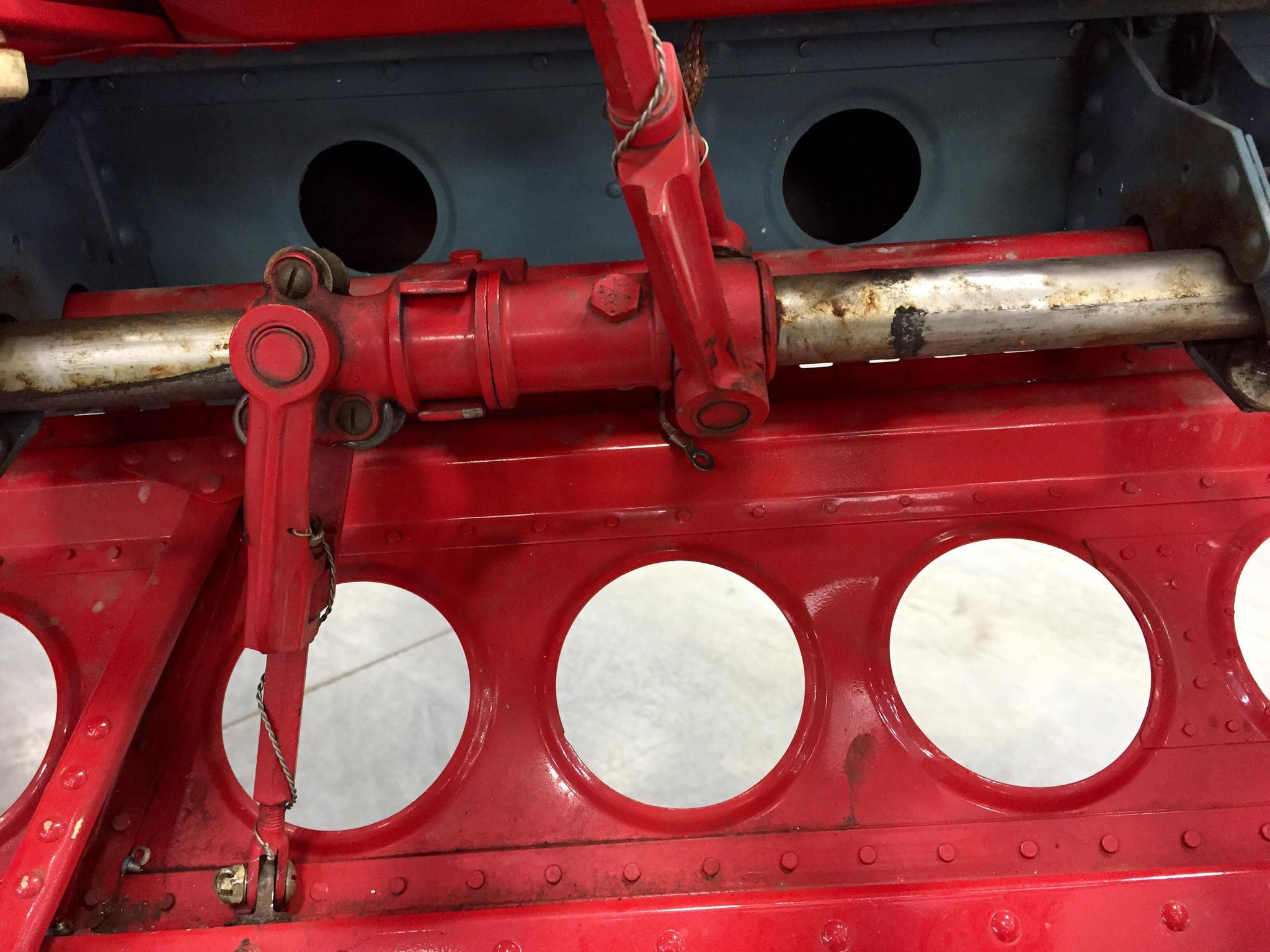
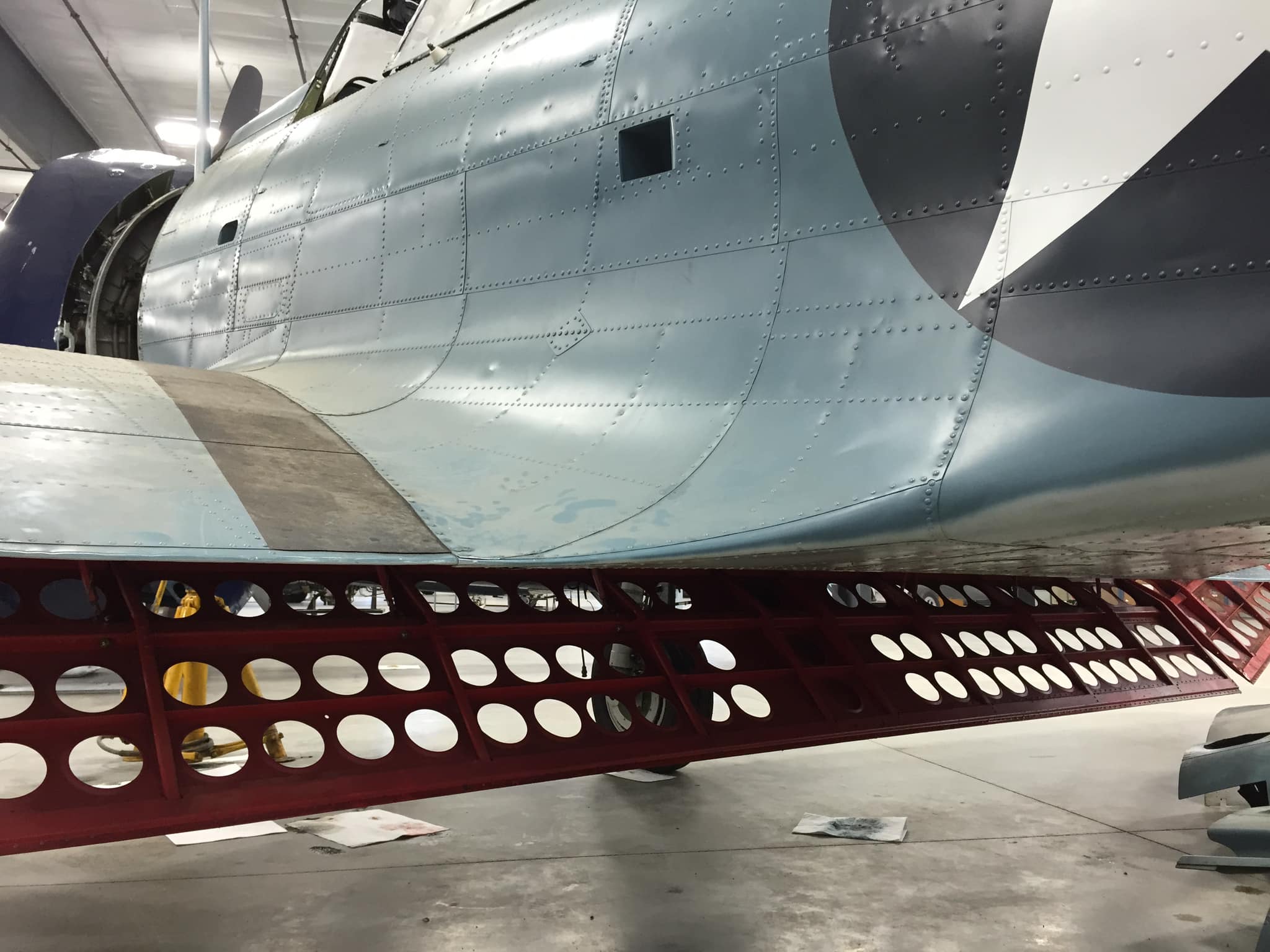
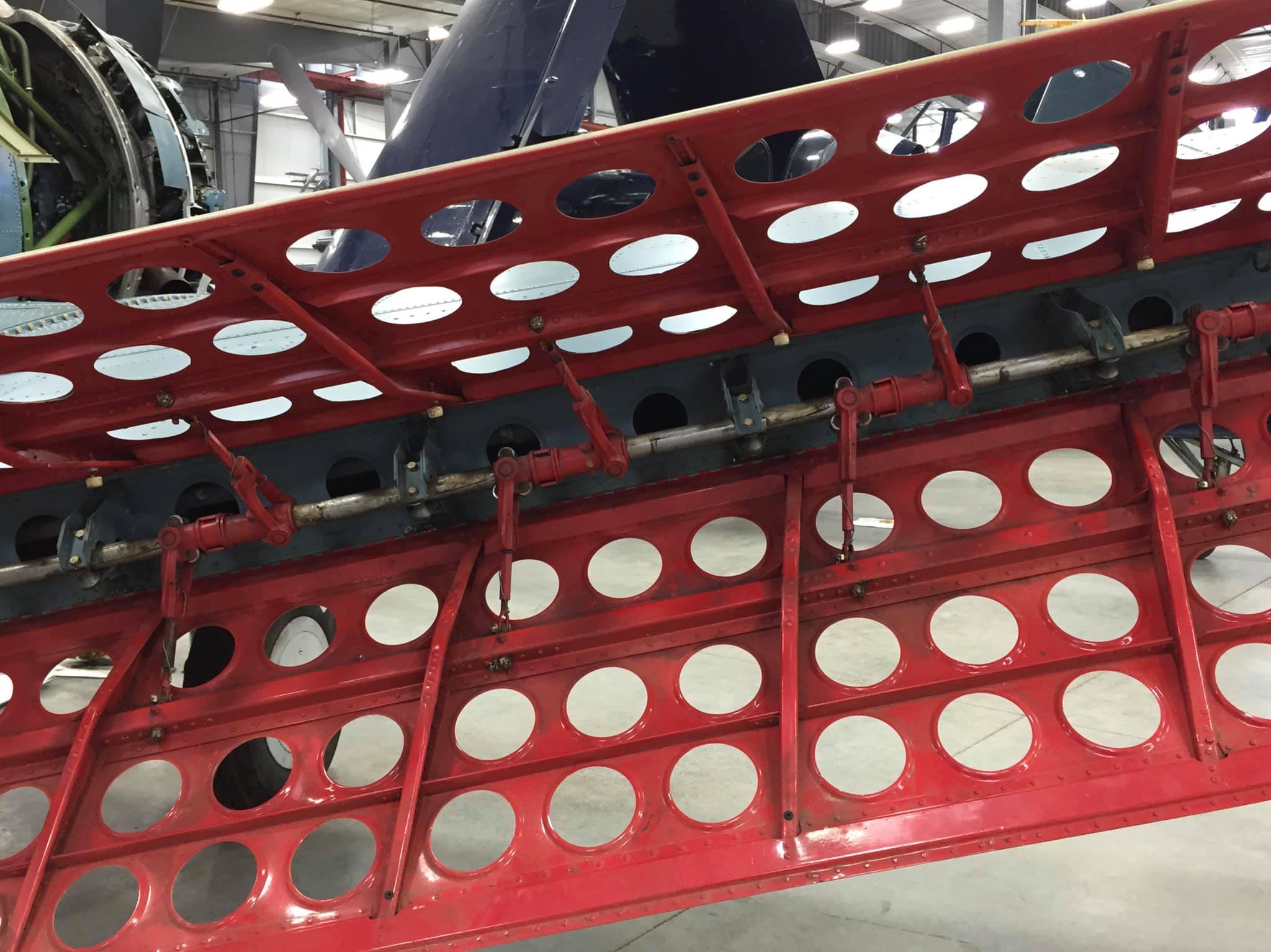
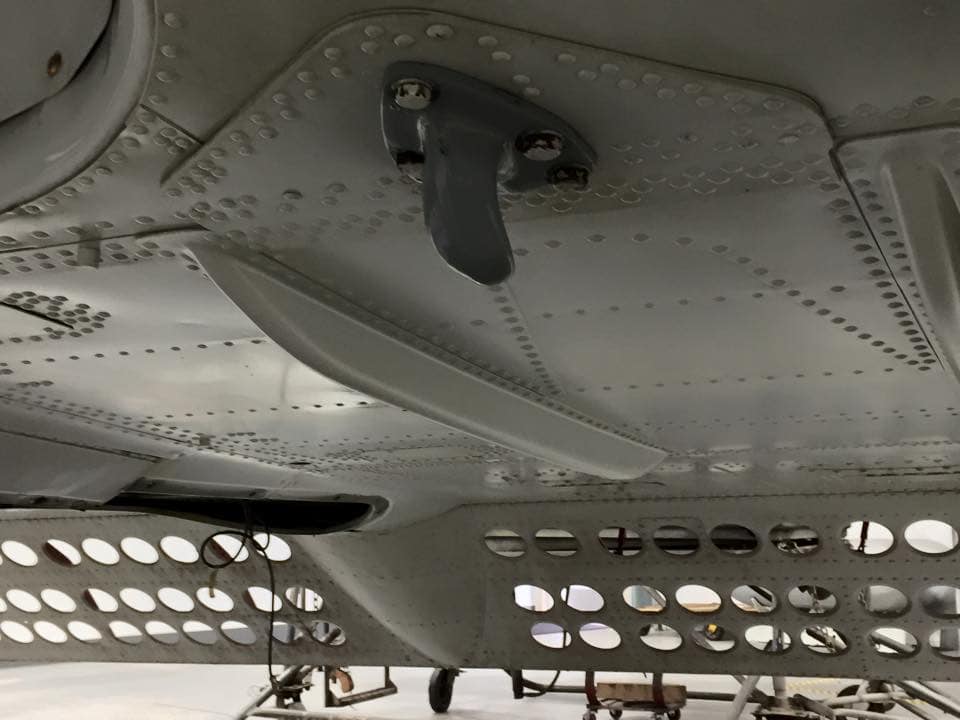
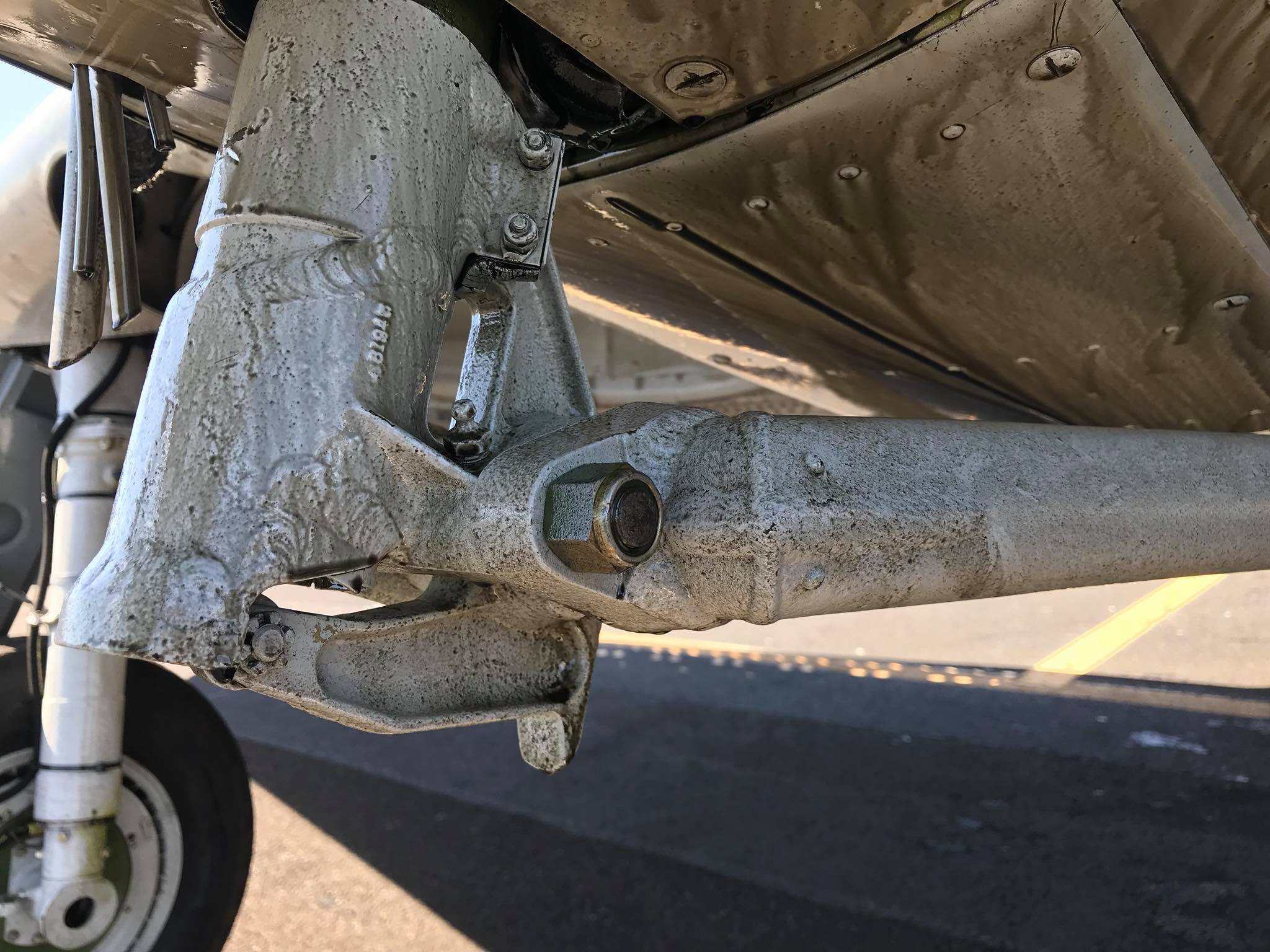
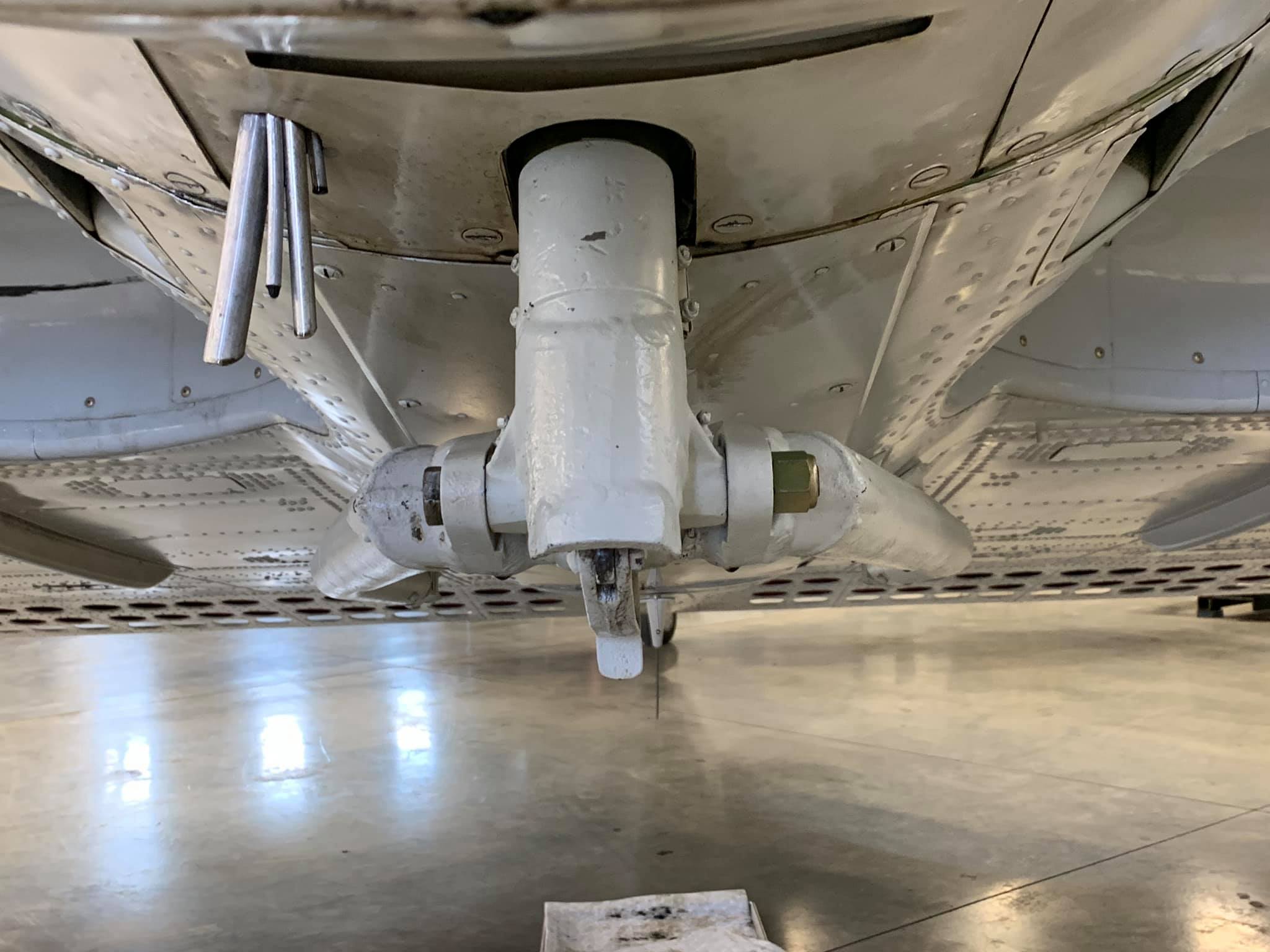
The two-man crew of the SBD-3/A-24 sat in a partially dual-control, tandem cockpit with a telescoping canopy, and consisted of a pilot who fired the two forward-facing fixed .50 cal. cowling-mounted machine guns and released the bomb(s), and a radio operator/rear gunner who fired the rear-facing flexible twin-mount .30 cal. machine guns mounted in a tub. The wings could be fixed with hard points for 100 lbs. of ordnance and have letter-box anti-stall wing slots just under the leading edges to improve the plane’s stability when approaching the 78-knot stall speed during takeoff and landing. The center-line bomb (up to 1,600 lbs.) was mounted under the fuselage on a bomb displacement gear consisting of a wishbone-shaped swinging release cradle on a center crotch pivot that swung down upon release by the pilot to avoid the propeller arc in a dive, with just 12 inches of clearance. The displacement gear has a latch assembly to hold the bomb in place and a spring to return it to its retracted position once the bomb has been released. A typical dive bomb run was at 70 degrees until reaching an altitude of 3,500 ft., when the pilot would pull the stick back, look through the telescopic (or reflector) gunsight, and pull the bomb release at 1,000-2,000 ft.
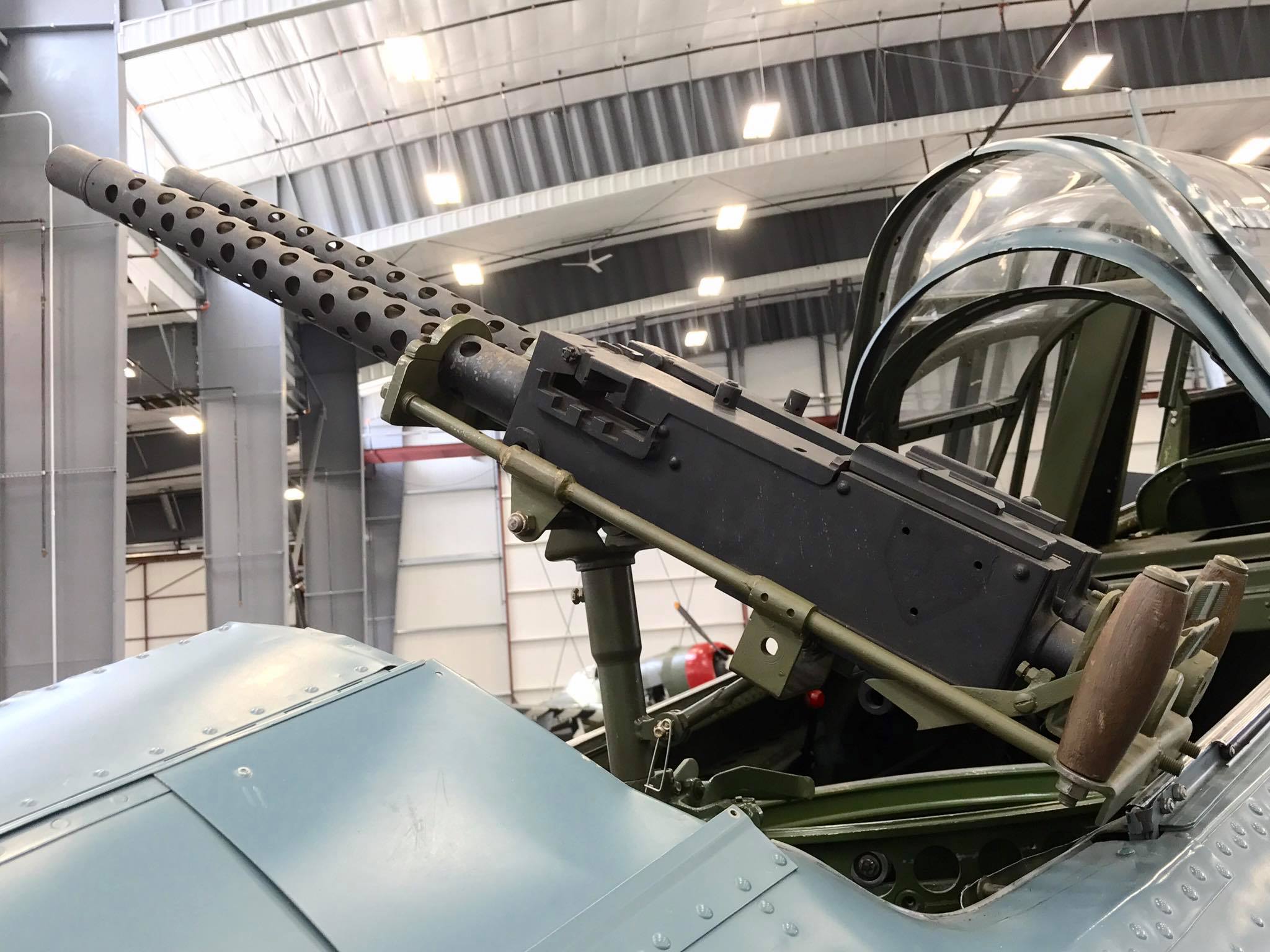
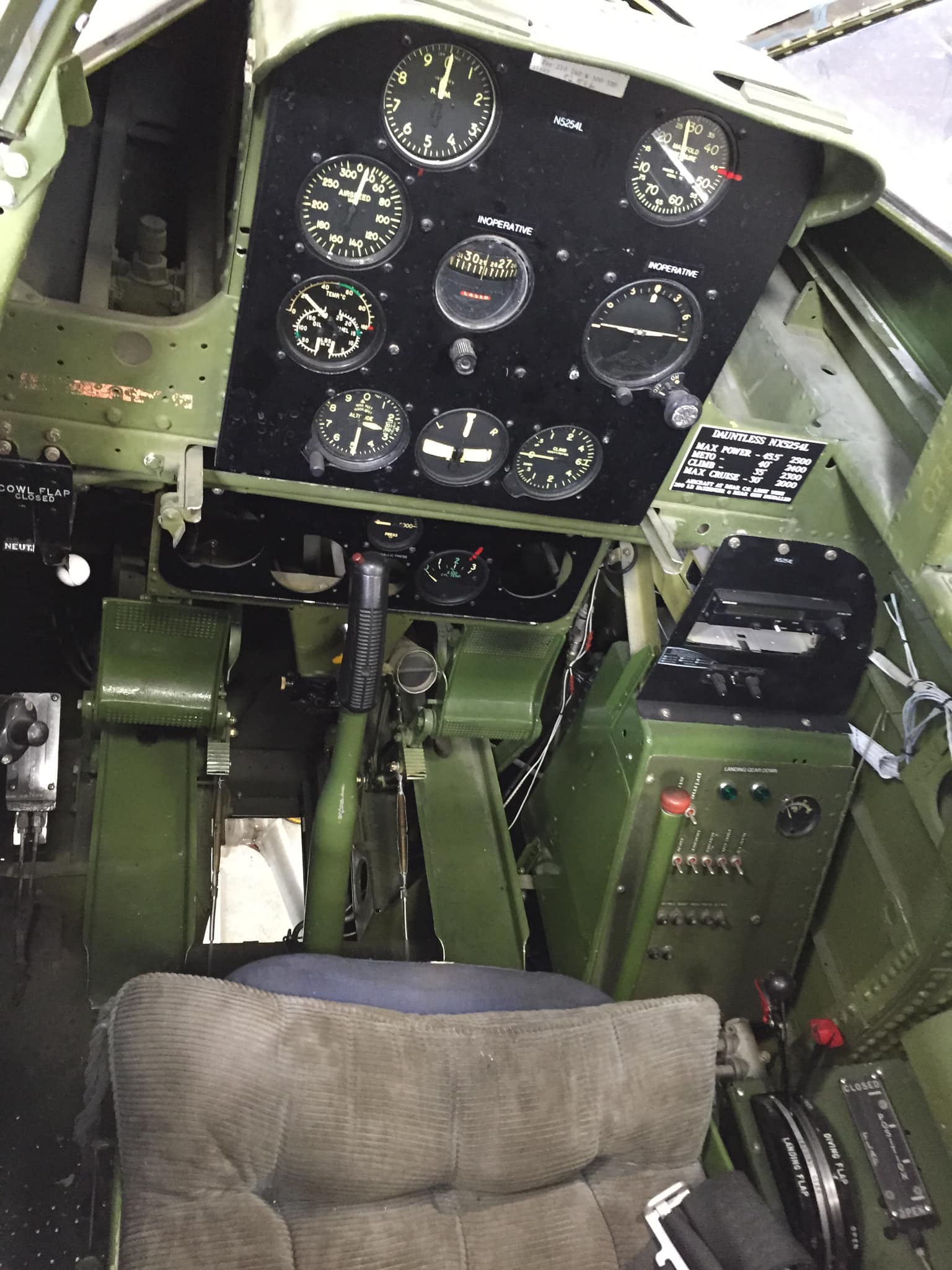
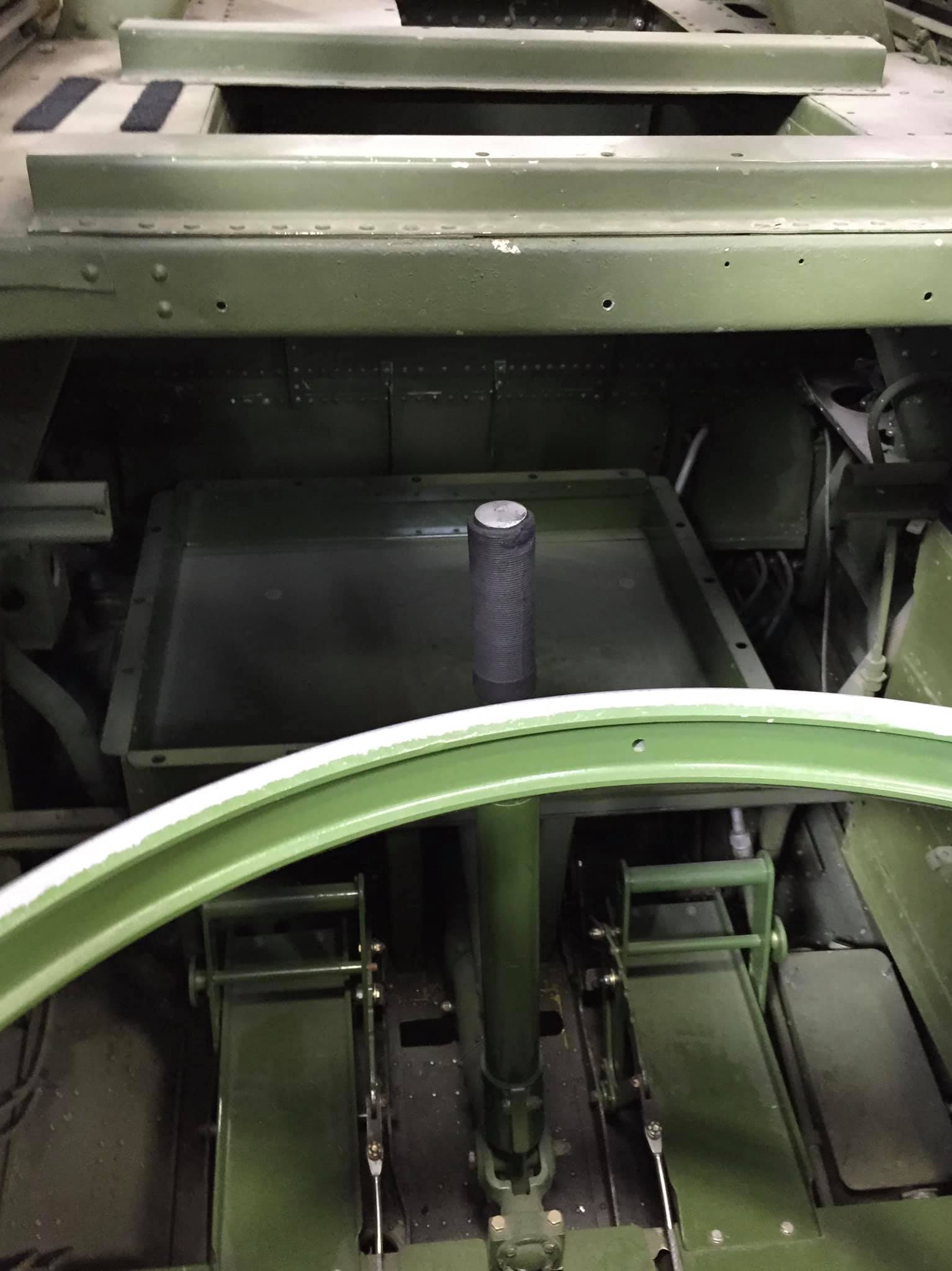
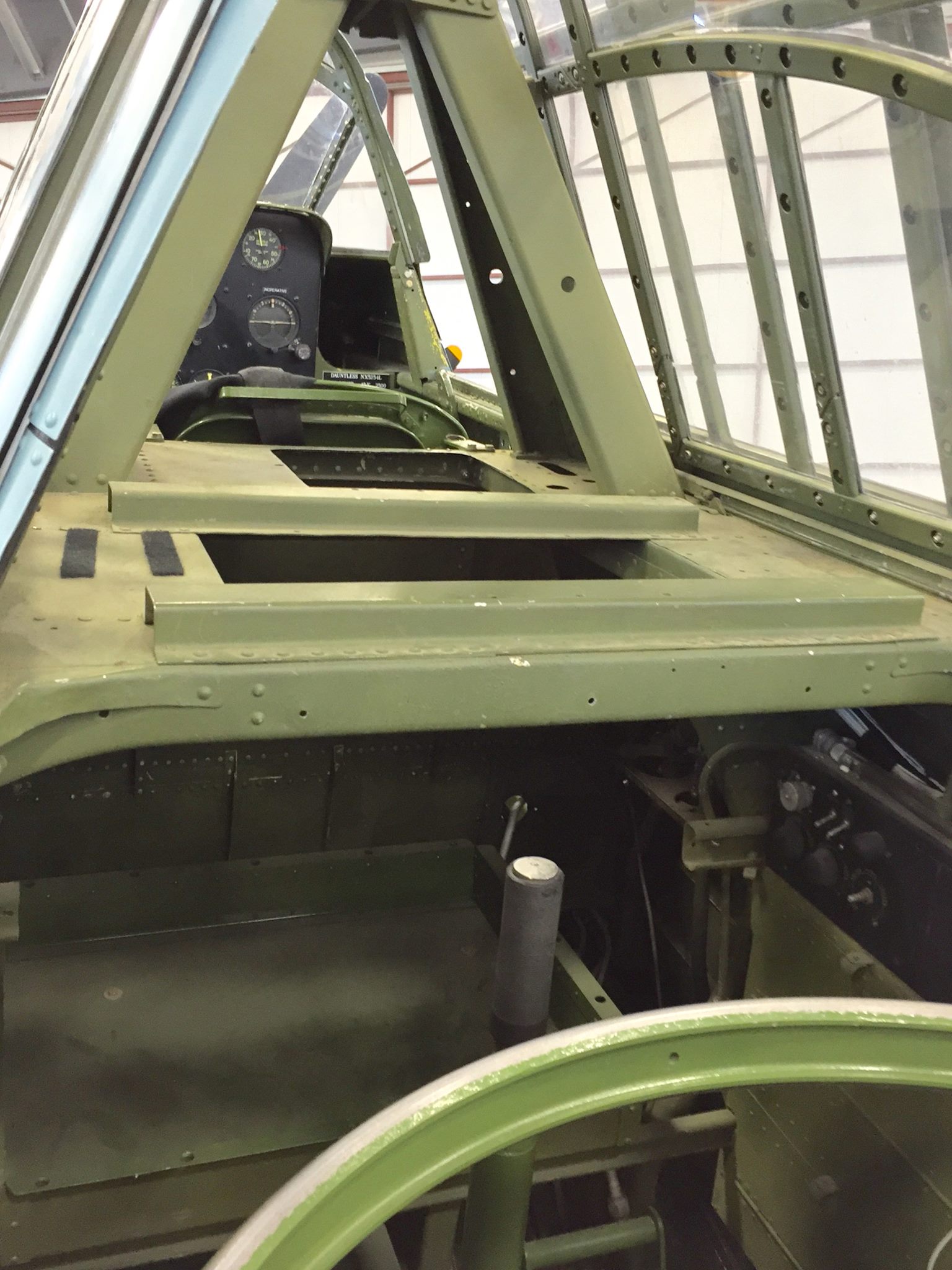
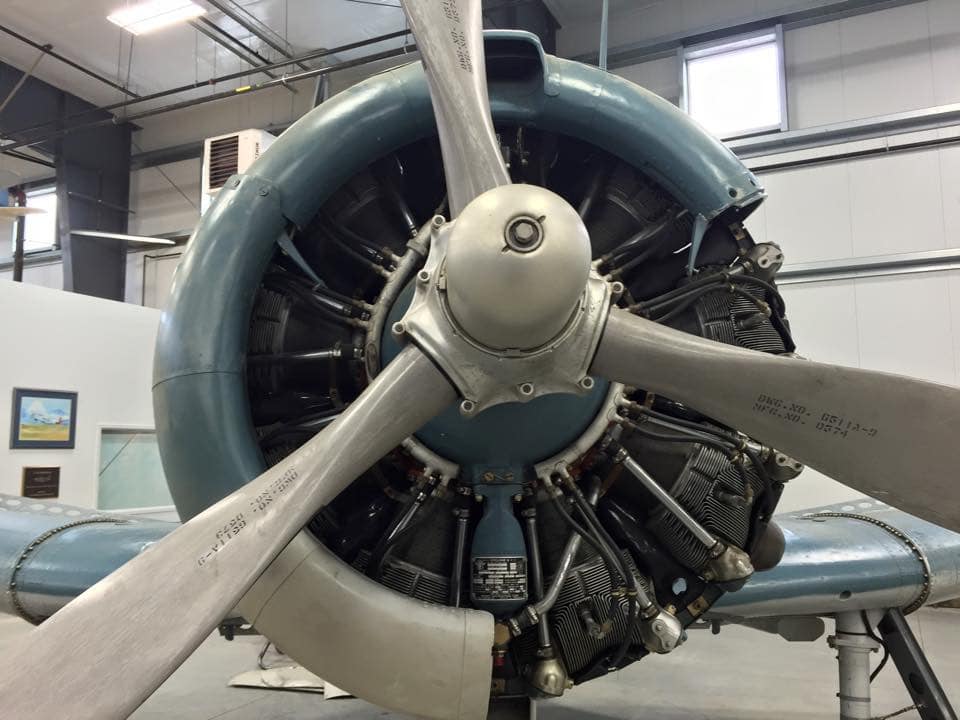
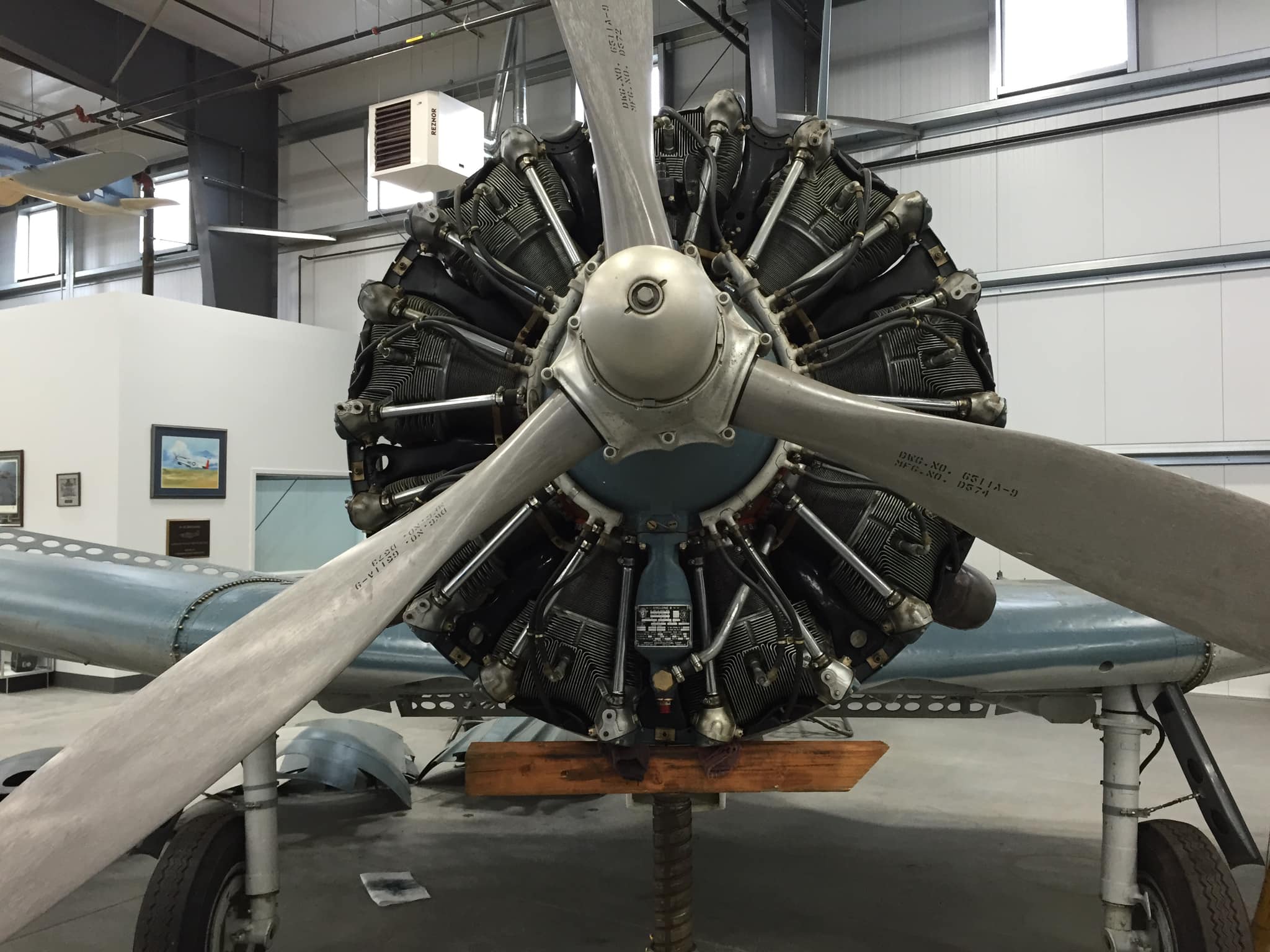
It was built of all-metal construction except for the control surfaces and powered by a Wright Cyclone R-1820-60 9-cylinder engine running a Hydromatic constant-speed propeller. A simple note here that the SBD-3 variant — about which it is stated in various sources that the design was either requested by, or first orders were placed by, l’Aéronavale, the air wing of the French Navy (evidence points more to the latter) — featured upgrades including a bulletproof windscreen, self-sealing fuel tanks, improved armor protection, armament improved to the series standard of 2 x 12.7mm machine guns (forward-fixed) and 2 x 7.62 mm guns at the rear, and the Wright R-1820-60 powerplant and better fuel capacity.
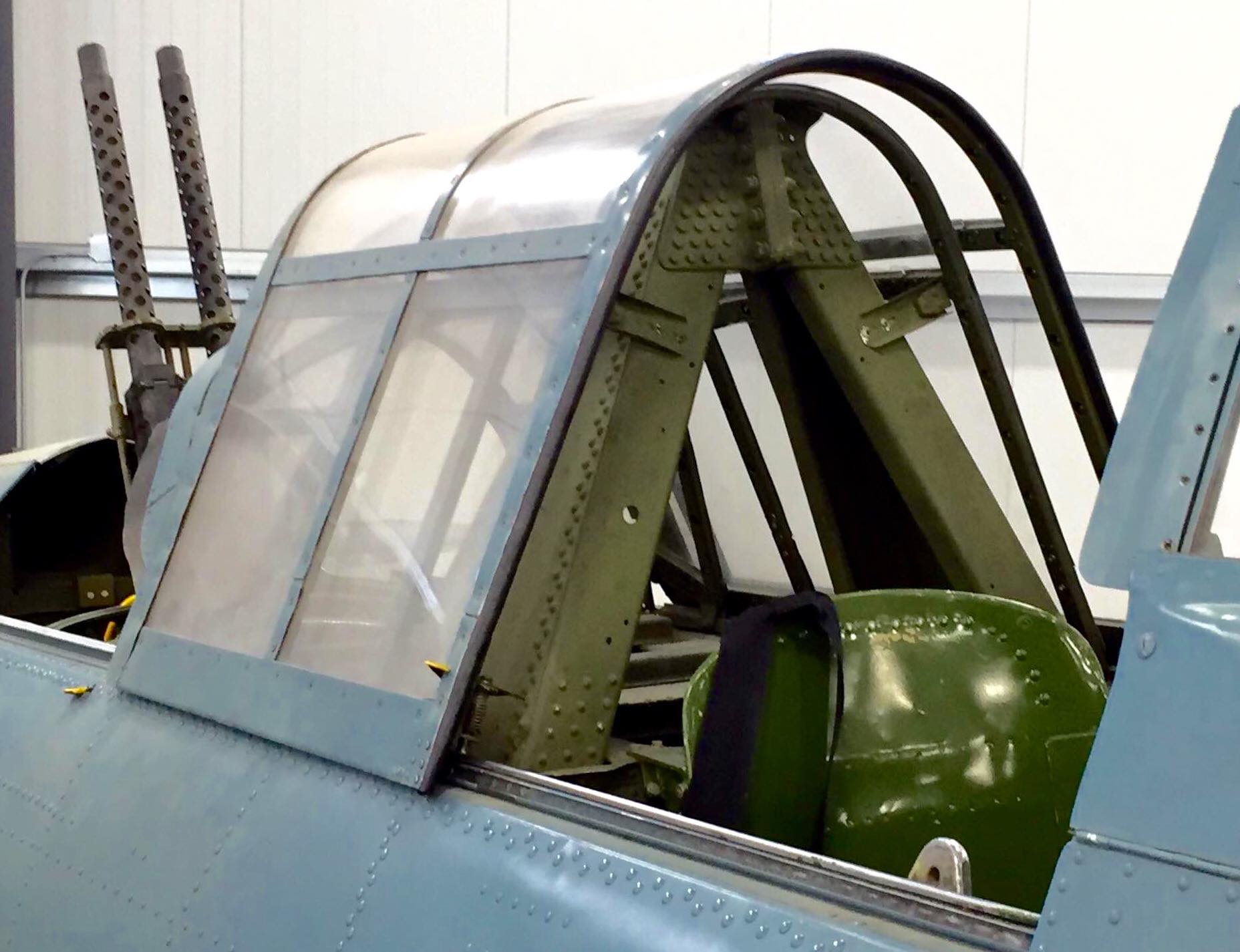
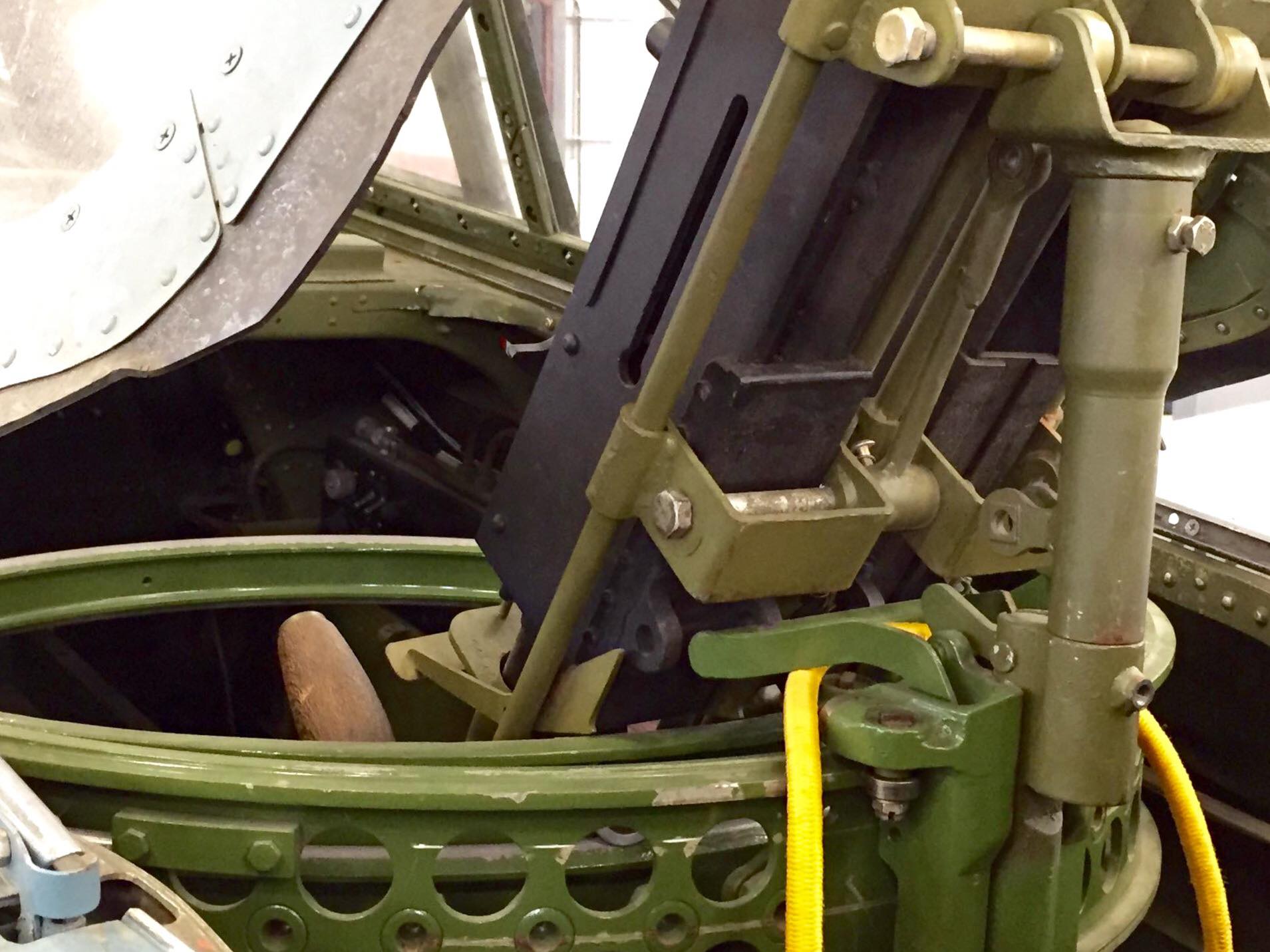
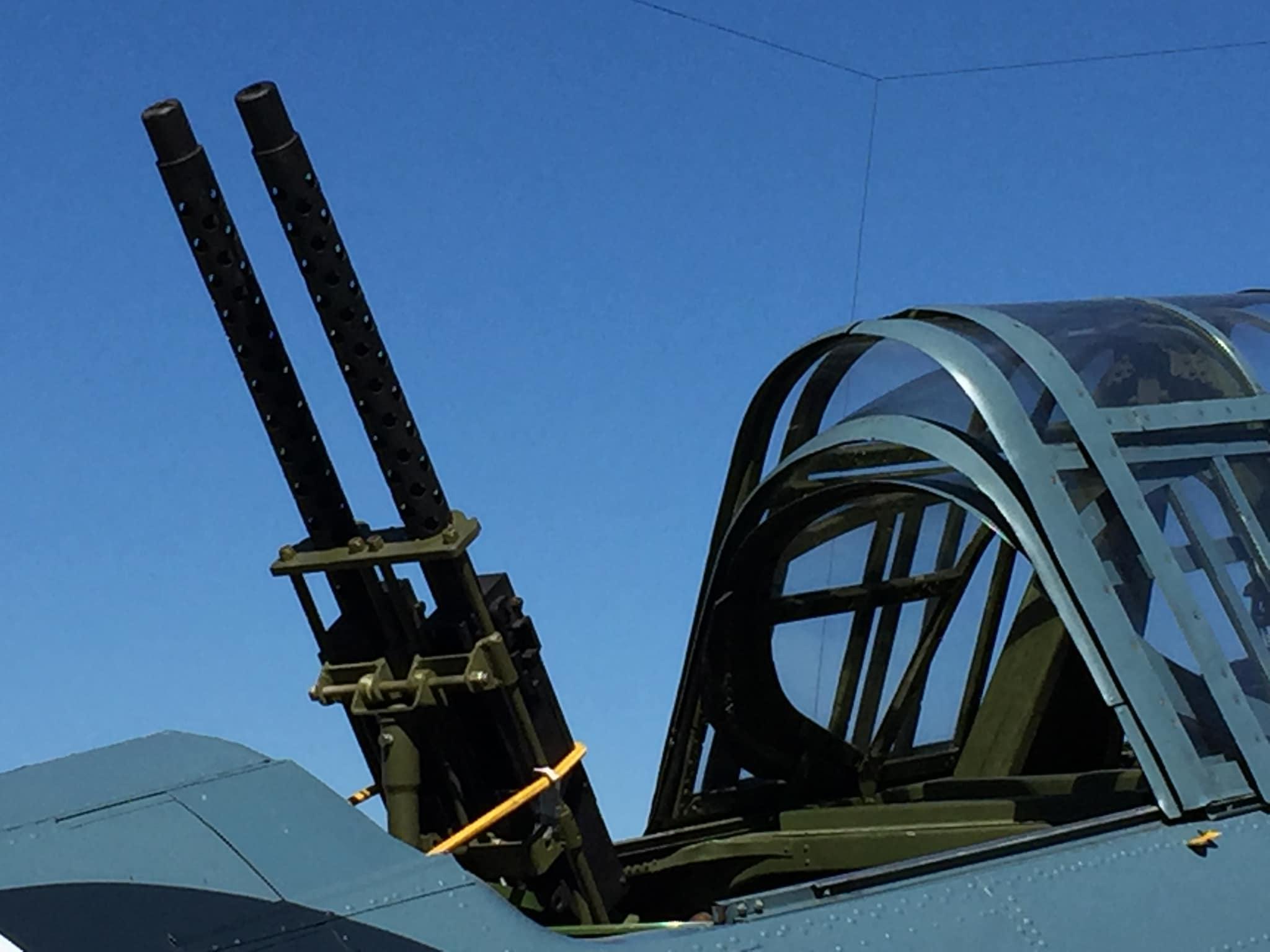
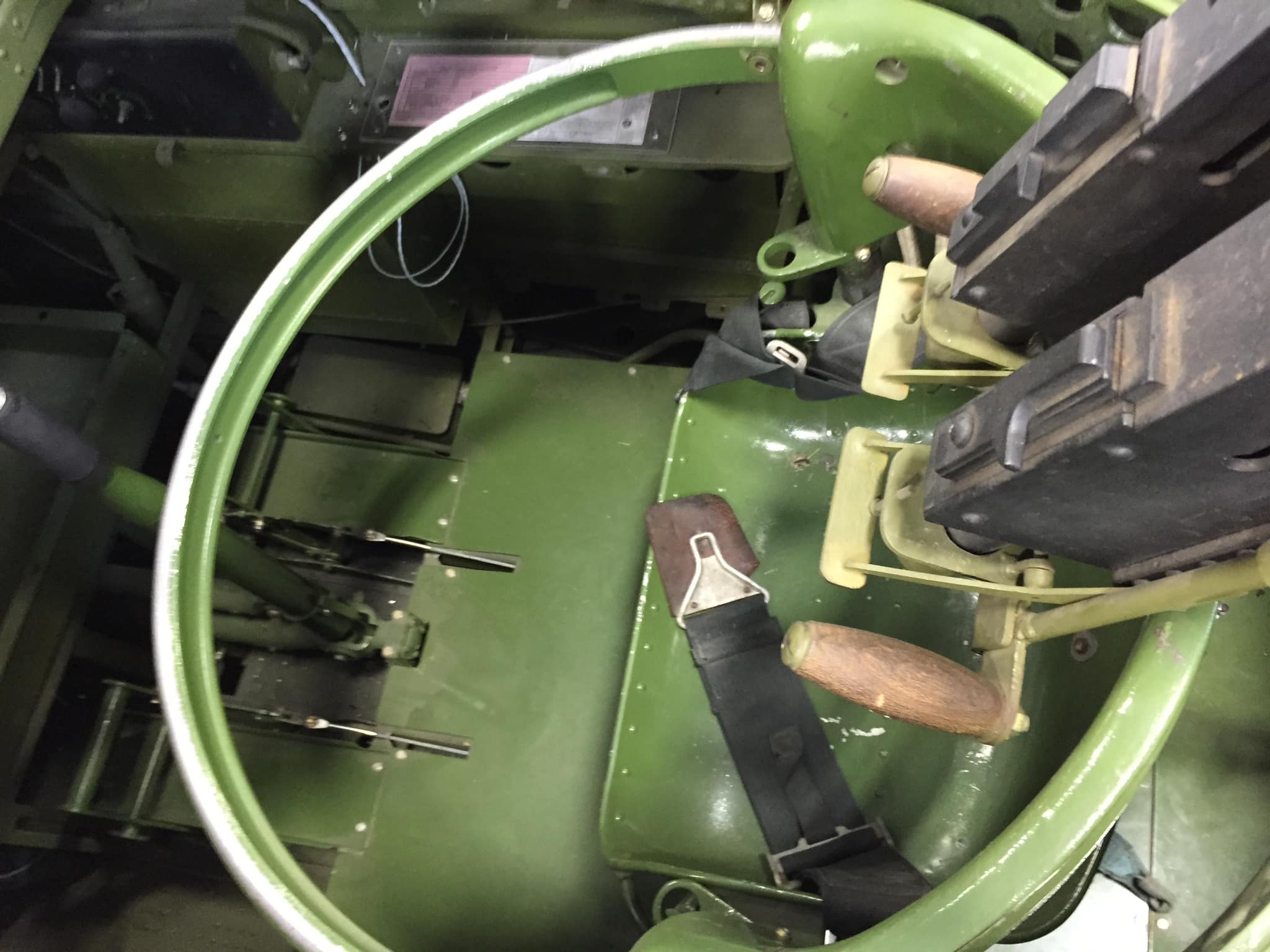
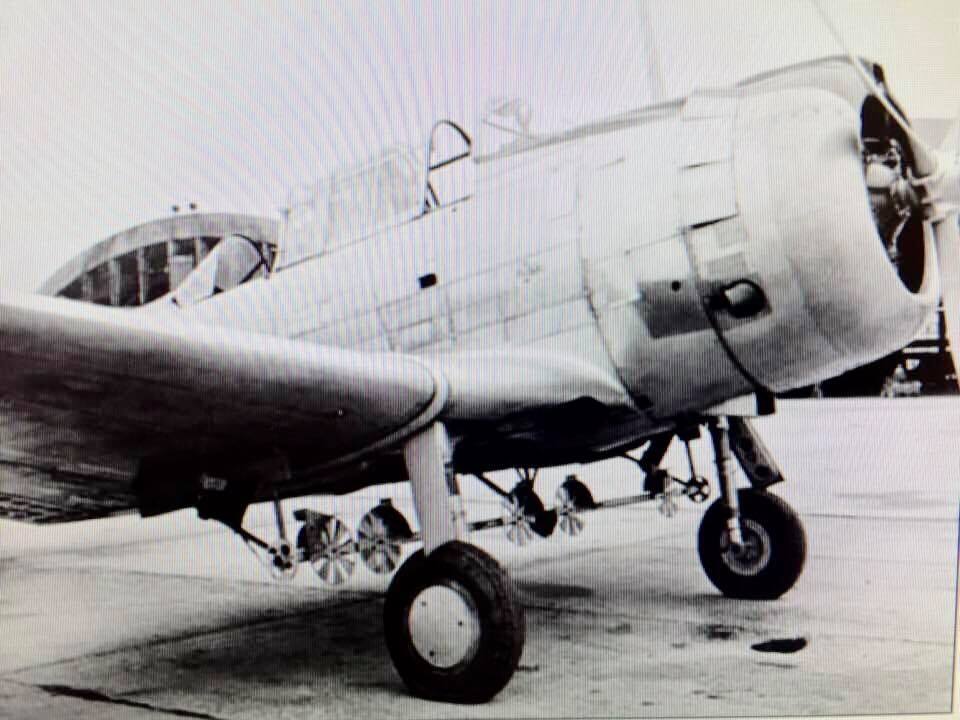
Chrysler Mechanical tested a mechanical siren on the A-24 Banshee fitted under the wings and designed to make a sound such as that of the Jericho-Trompete sirens fitted to the Junkers Ju-87 Sturzkampfflugzeug (“Stuka” itself being inspired by U.S. dive-bombers like the Curtiss F8C). (The Jericho-Trompete were attached to the leading edges of the main landing gear legs of the Ju-87 and were electrically engaged by a solenoid by the pilot and had a brake or clutch that kept them from engaging until the dive brakes were engaged, and were known to remain engaged even after the dive brakes were released, leaving them on all the way back to base). The Chrysler siren, looking a bit like a ski pole, was never deployed (see historic photo of one being tested on an A-24). During World War II, Chrysler was building the “Chrysler-Bell Victory Siren” designed by Bell Telephone Laboratories for use in major U.S. cities as an anti-aircraft warning system. They were so powerful that they were utilized to disperse fog by the U.S. Navy during World War II; the drawback was the eardrum-shattering sound the sirens produced, leaving operators dazed and nauseated.
About the author 
Randy Malmstrom grew up in a family steeped in aviation culture. His father, Bob, was still a cadet in training with the USAAF at the end of WWII, but did serve in Germany during the U.S. occupation in the immediate post-war period, where he had the opportunity to fly in a wide variety of types that flew in WWII. After returning to the States, Bob became a multi-engine aircraft sales manager and, as such, flew a wide variety of aircraft; Randy frequently accompanied him on these flights. Furthermore, Randy’s cousin, Einar Axel Malmstrom, flew P-47 Thunderbolts with the 356th FG from RAF Martlesham Heath. He was commanding this unit at the time he was shot down over France on April 24th, 1944, and spent the rest of the war as a prisoner of war. Following his repatriation at war’s end, Einar continued his military service, attaining the rank of Colonel. He was serving as Deputy Wing Commander of the 407th Strategic Fighter Wing at Great Falls AFB, MT, at the time of his death in a T-33 training accident on August 21, 1954. The base was renamed in his honor in October 1955 and continues to serve in the present USAF as home to the 341st Missile Wing. Randy’s innate interest in history in general, and aviation history in particular, plus his educational background and passion for WWII warbirds, led him down his current path of capturing detailed aircraft walk-around photos and in-depth airframe histories, recording a precise description of a particular aircraft in all aspects.