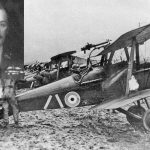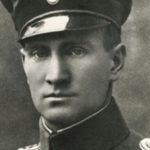
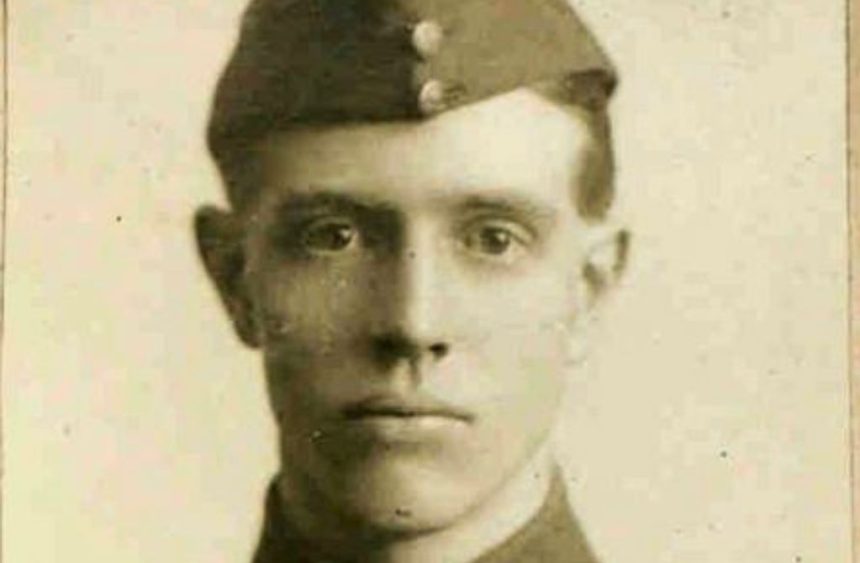

In WWI, a few individuals started their careers not as pilots but as mechanics, and only got a chance to fly in the final years of the war. But still, they proved themselves as good pilots by becoming flying aces. One among them was Percy Jack Clayson. Born on June 7, 1896, in London, Clayson joined the Royal Navy in 1914. He was part of the Royal Naval Air Service (RNAS) and served with the Pembroke III and President II shore-based establishments as an Air Mechanic. In May 1917, he was discharged from the RNAS to become a fighter pilot with the Royal Flying Corps. He completed the training in September and joined the service to become a second lieutenant. In October, he joined No. 1 Squadron, where he flew an S.E.5a.
Ace Journey of Percy Jack Clayson
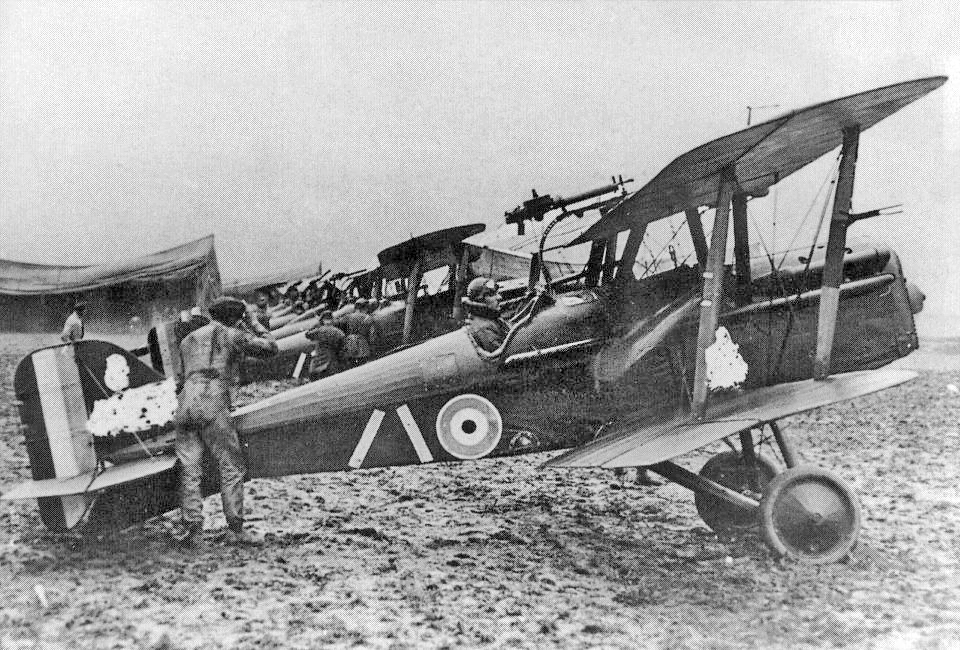
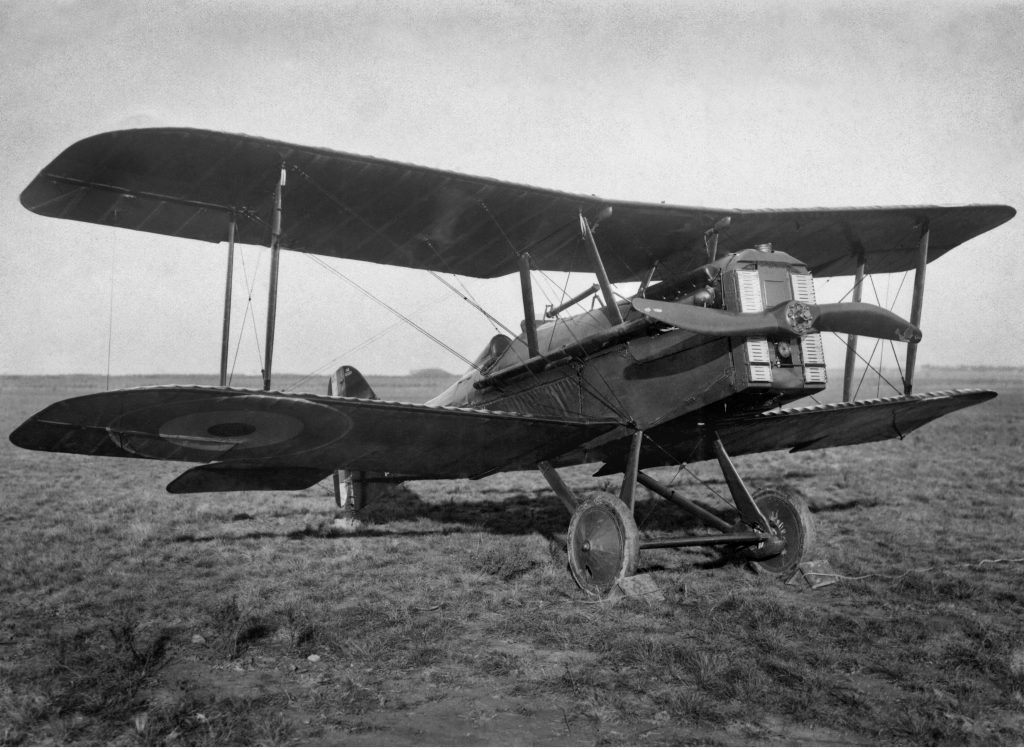
Percy Jack Clayson’s first victory came on February 16, 1918, when he shot down an Albatros D.V, followed by another victory on February 28. After shooting down two aircraft on March 11 and 13, he claimed his fifth victory on March 27 to become a flying ace officially. He shot down two aircraft in April, nine in May, and 10 in June, reaching a personal score of 26. On June 22, for his “conspicuous gallantry and devotion to duty,” Percy Jack Clayson was awarded the Military Cross with a citation, “When on low-flying offensive patrol, he engaged an enemy scout and shot it down, with the result that it crashed to earth. He has brought down several hostile machines, one of which he forced to land in our lines, and has engaged massed enemy troops and transport from very low altitudes with machine-gun fire, inflicting heavy casualties. He has displayed the most marked determination, courage, and skill.” Percy Jack Clayson shot down three more aircraft in July to reach a personal score of 29. He scored all 29 of these victories flying the S.E.5a, with 18 of them achieved while flying a single S.E.5a, tail number C1114. Out of all his victories, eight were Albatros D.Vs, seven were Pfalz D.IIIs, four were C-type aircraft, three were Fokker D.VIIs, two were DFW C, and one each was Halberstadt C, LVG C, Fokker Dr.I, and Hannover C. He shot down a balloon, too.
WWII and Beyond
On August 3, he was awarded the Distinguished Flying Cross (DFC), with a citation, “A patrol leader of great skill, and a skillful marksman, whose personal fighting successes have proved of much value to his squadron. Captain Clayson’s patrol frequently encountered enemy formations in superior numbers, but invariably succeeded in inflicting serious losses.” In August 1918, Percy Jack Clayson was transferred back to England, ending his run in the combat. After WWI, he continued to serve with the Royal Air Force in various squadrons, including in Iraq. He retired from the service due to poor health in 1929 and became a civil flying instructor at the Bristol Aeroplane Company. During WWII, Clayson returned to active duty with the Royal Air Force Volunteer Reserve. Percy Jack Clayson was appointed as a flying officer in the Administrative and Special Duties Branch on December 20, 1941. He was promoted to flight lieutenant on January 1, 1944. Clayson stayed in the Air Force Reserve of Officers until he ended his commission on February 10, 1954. Percy Jack Clayson began flying late in WWI, became an ace, served in the interwar period, and finally served in WWII, joining the elite list of a few pilots who served in both wars. In the Aces series, Percy Jack Clayson stands out as an ace who witnessed the defining events of modern human history firsthand, with bravery and courage. Read more about other Aces HERE.