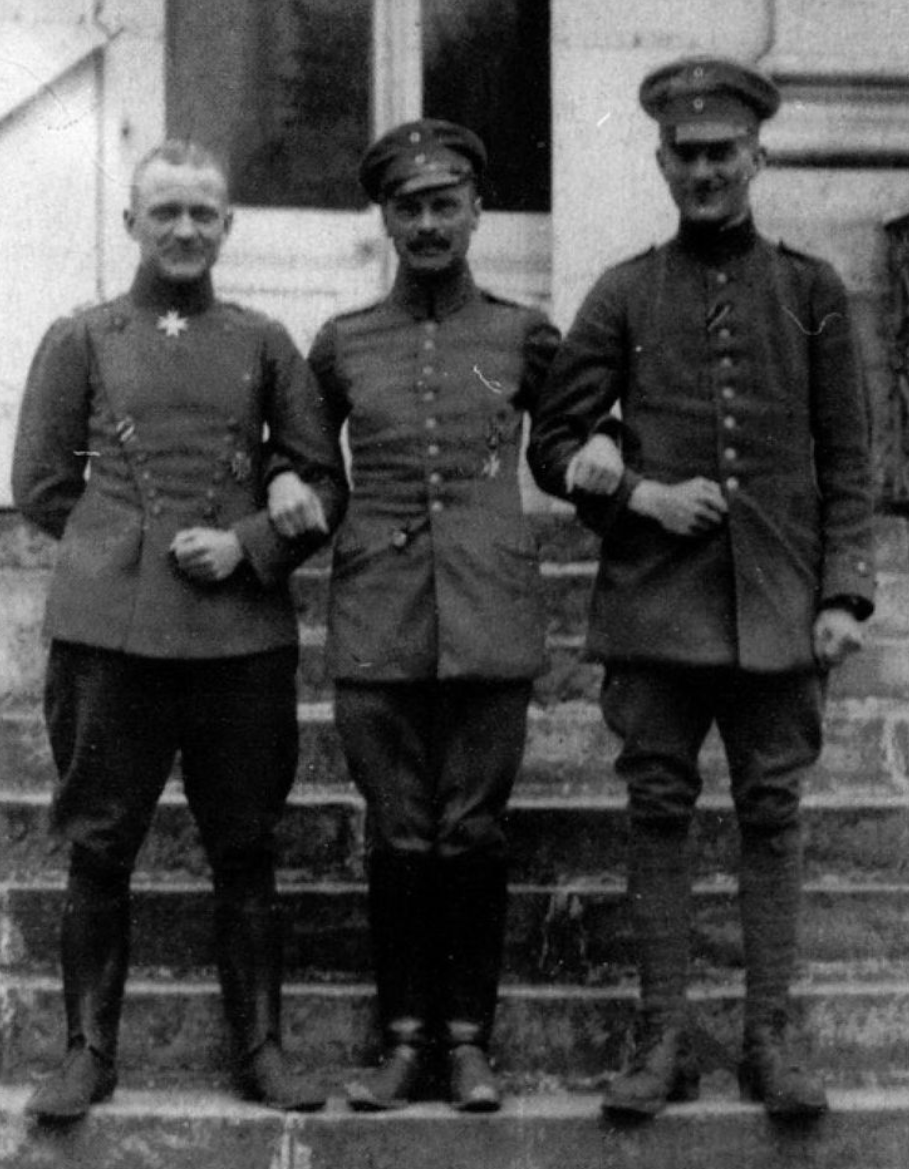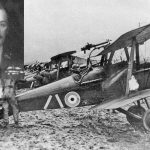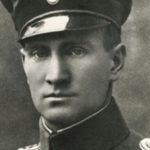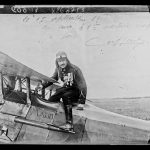
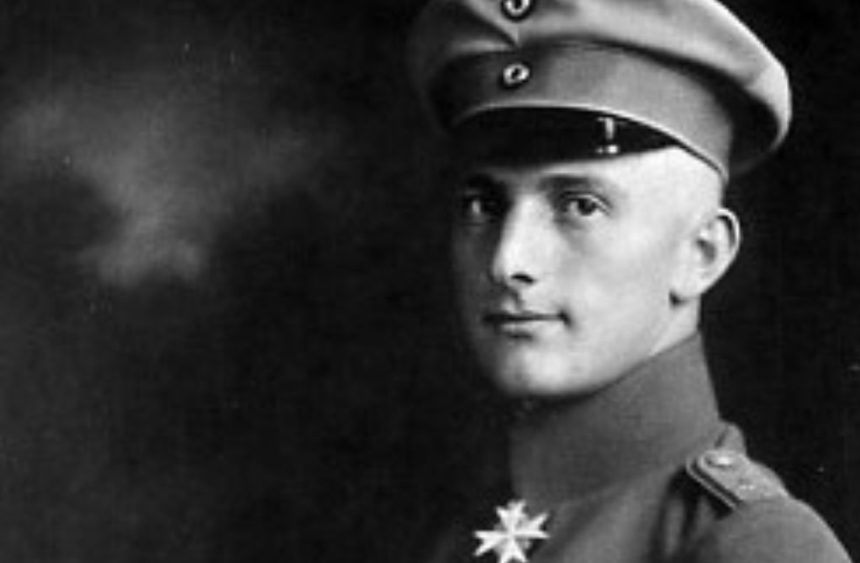

While flying as a pilot, many aces received recognition for their accomplishments. Some of them, however, fade away among their fellow pilots, friends, and even family, in the case of Lothar von Richthofen. Whenever people hear the name “Richthofen,” they often think of Manfred von Richthofen, the Red Baron, the most famous WWI ace with 80 confirmed aerial victories. But what people often miss is his brother, Lothar von Richthofen. Credited with 40 victories in WWI, Lothar von Richthofen was born on September 27, 1894. He began his military career as a cavalry officer and was awarded the Iron Cross 2nd Class for valor in mid-October 1914. Inspired by his brother, Manfred, Lothar requested a transfer to the German Air Service in early 1915, and by late 1915, he joined the service. He was initially a part of the Jagdstaffel 23 squadron as an observer.
Ace Journey of Lothar von Richthofen
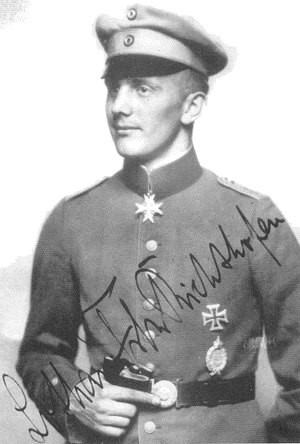
Lothar von Richthofen’s flying journey began in March 1917, when he joined Jasta 11, the same squadron as his brother. He initially flew the Albatros D.III plane in this unit. He didn’t waste much time, and on March 28, he scored his first victory when he shot down a British F.E.2b. In April 1917, he, along with his brother, was part of the German Air Force’s peak dominance in the war, often called Bloody April. On April 11, Lothar shot down two aircraft, followed by two more on April 13, to become a flying ace officially. He continued his exceptional run in April and destroyed 11 more aircraft, bringing his personal score to 16, 15 of which were gained in April. In the absence of his brother, Manfred, Lothar also commanded Jasta 11. He continued his good run in May, with eight confirmed victories by May 13, including downing the British top ace at the time, Albert Ball. His total score reached 24 in just 47 days, and on May 13, 1917, while involved in a dogfight with a B.E.2e, he crash-landed his aircraft, leading him to spend nearly five months out of the combat. On May 14, Lothar von Richthofen was awarded the Pour le Mérite. He recovered and assumed command of Jasta 11 on September 24, 1917, when his unit was provided with new Fokker Dr. I triplanes. He claimed two more victories in November to end his 1917 with a personal score of 26. He had to take some time off combat in early 1918 due to an ear infection and returned to the field in February 1918. On March 11 and 12, he shot down three Bristol F.2b. On March 13, he crash-landed his Fokker Dr. I, leading him to be hospitalized for more than three months.
40 Victories
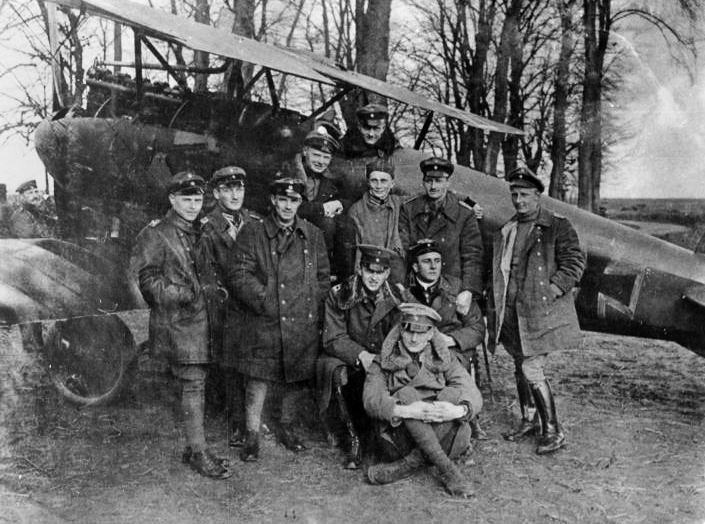
Lothar von Richthofen was still recovering when he got the news of his brother’s death on April 21, 1918. In July 1918, he returned to Jasta 11, flying Fokker D.VII this time. He shot down a Sopwith Camel on July 25, followed by 10 more victories until August 12, bringing his personal score to 40. On August 13, a Sopwith Camel shot down his Fokker D.VII plane, and he was wounded for the third time in the combat. As a result, he did not see combat before the war ended in November, and his personal score remained 40. Post-war, he entered civilian life and, after marrying in 1919, became a commercial pilot. He died on July 2, 1922, when Lothar was killed in a crash of his LVG C.VI due to engine failure on a flight from Berlin to Hamburg. Lothar von Richthofen wasn’t killed on the battlefield like his brother, and he wasn’t the top scorer in WWI. In comparison to his brother, Manfred, who was calculative and cool-headed, Lothar was an impulsive and aggressive pilot. But all of this doesn’t diminish his legacy or the 40 aerial victories he scored. In the Aces series, Lothar von Richthofen stands as an ace who was less known than his brother, but did his job whenever needed. He destroyed eight Bristol F.2s, five B.E.2s, four each of F.E.2s, R.E.8s, Nieuports, SPAD VIIs, and D.H.9s, three each of S.E.5s and Sopwith Camels, and one Sopwith Pup. He was a very different kind of ace from his brother, but he shared his brother’s temperament and courage. Read about more Aces HERE.