







By Randy Malmstrom (with research from Adam Estes)
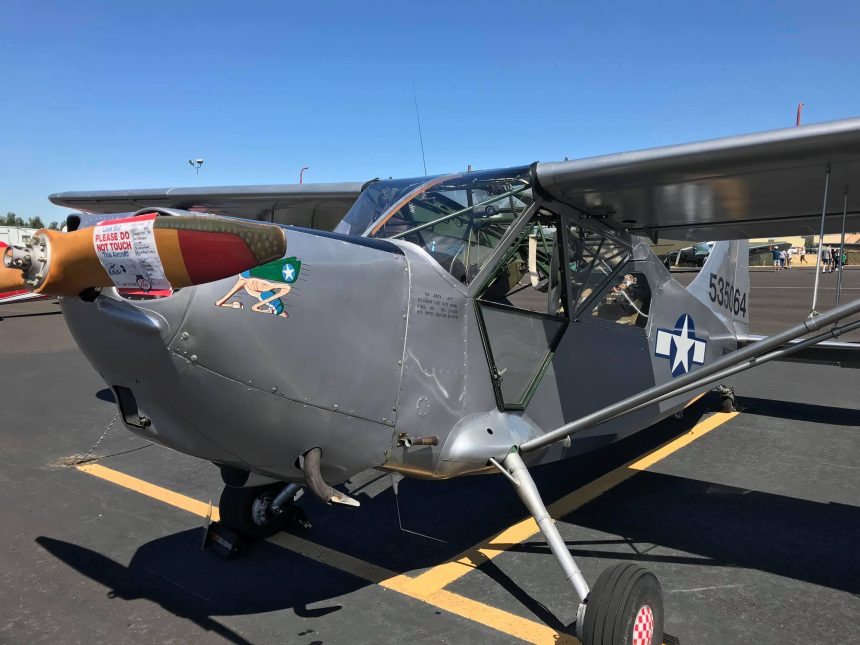
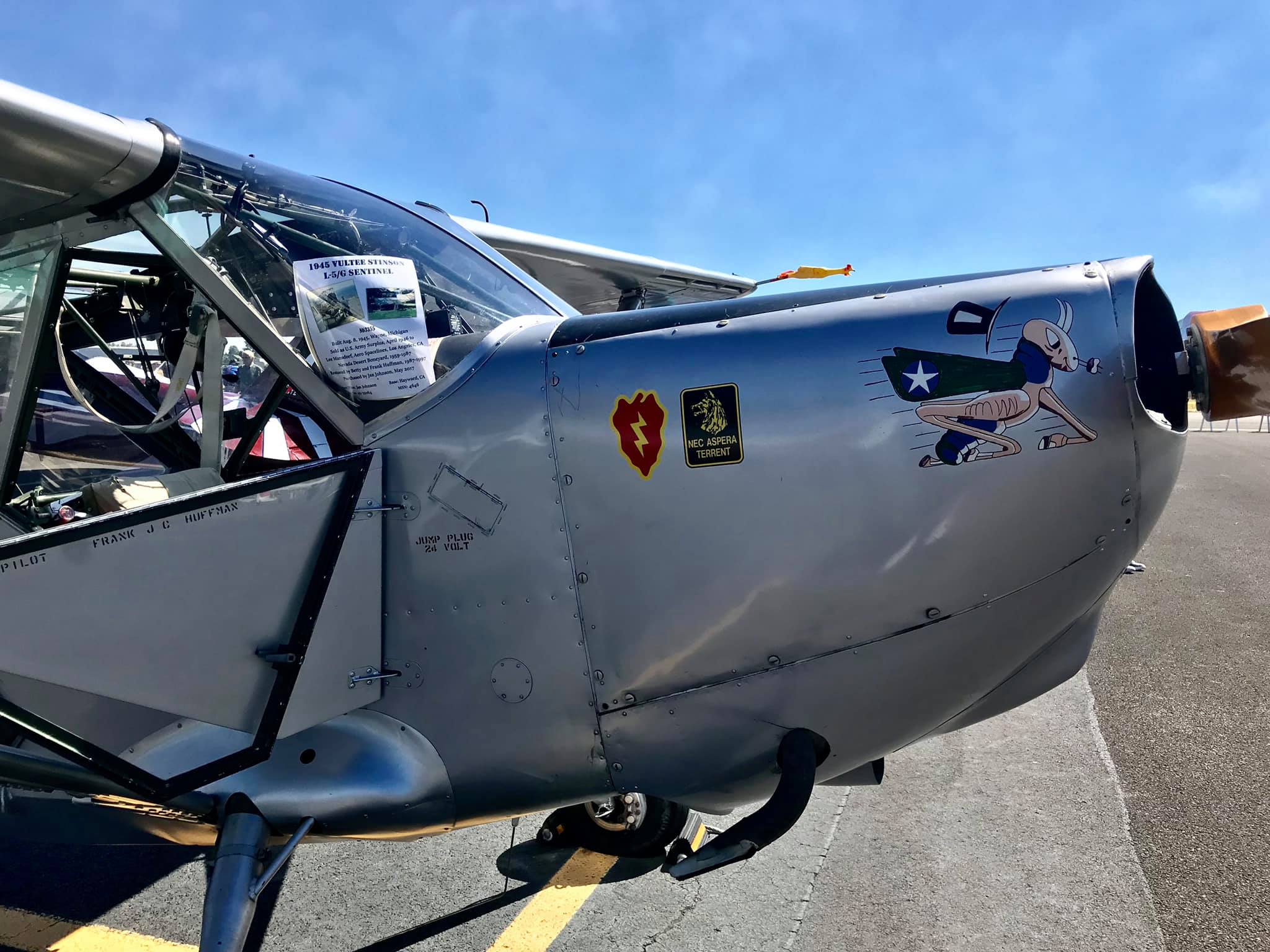
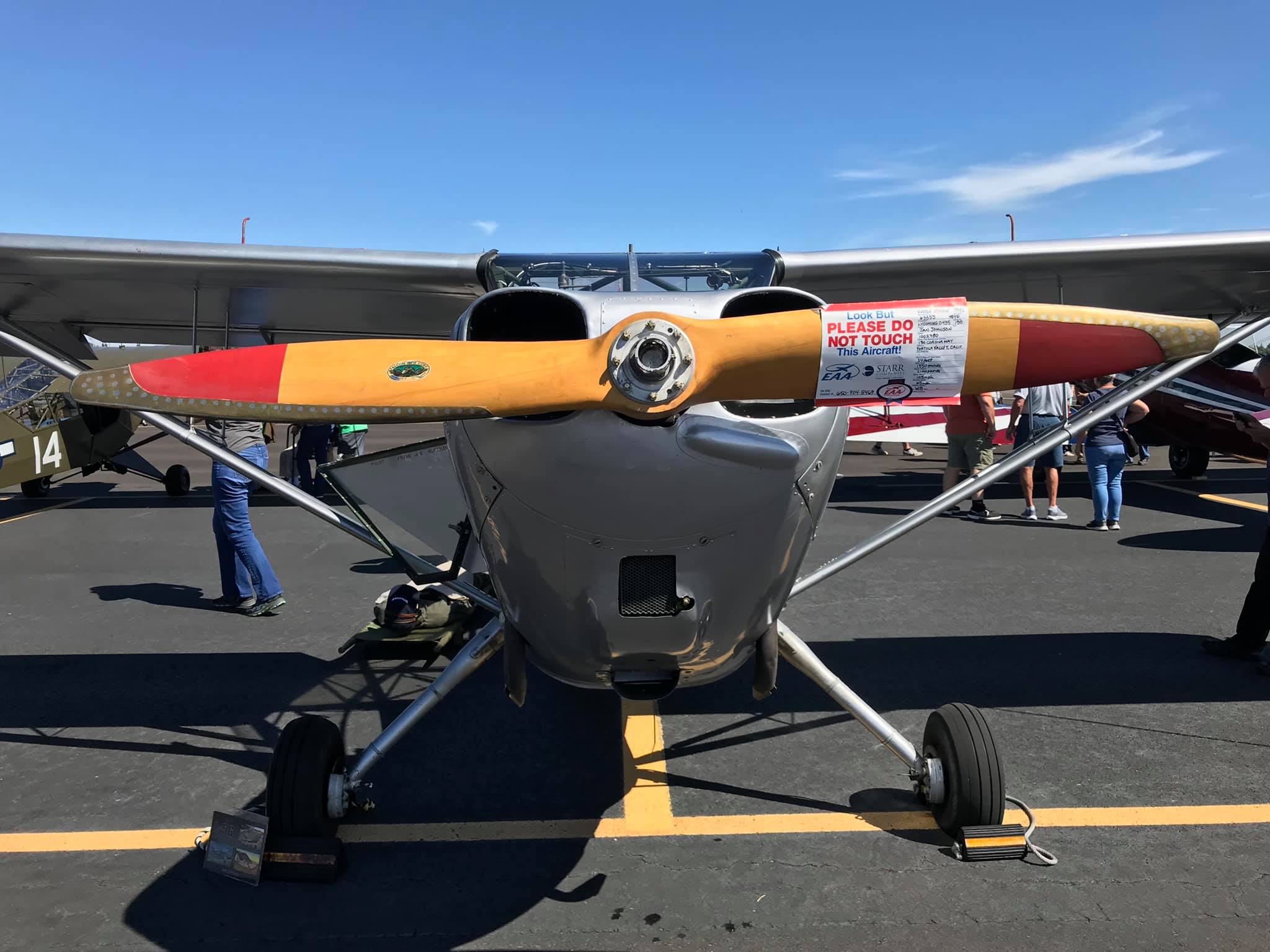
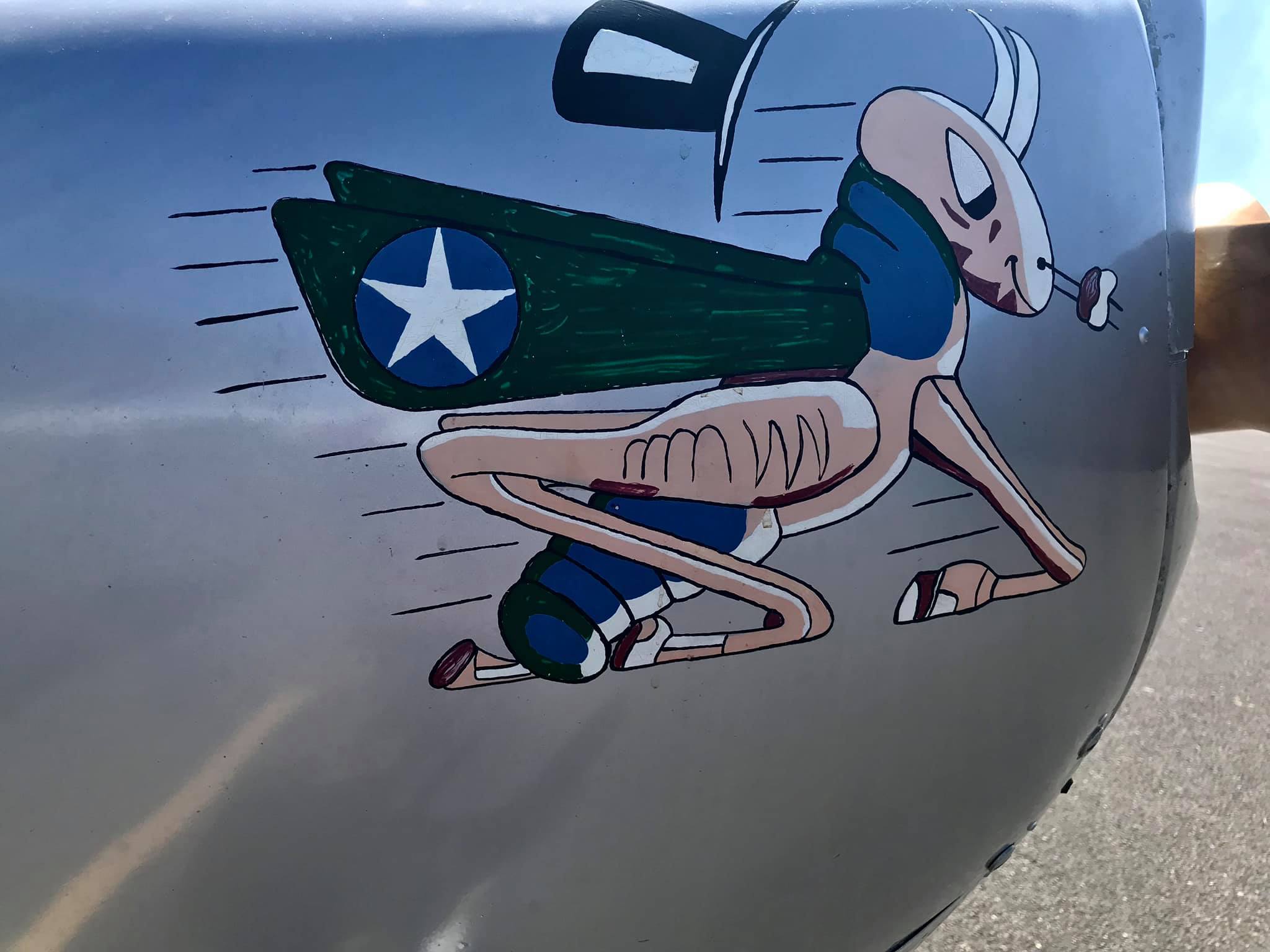
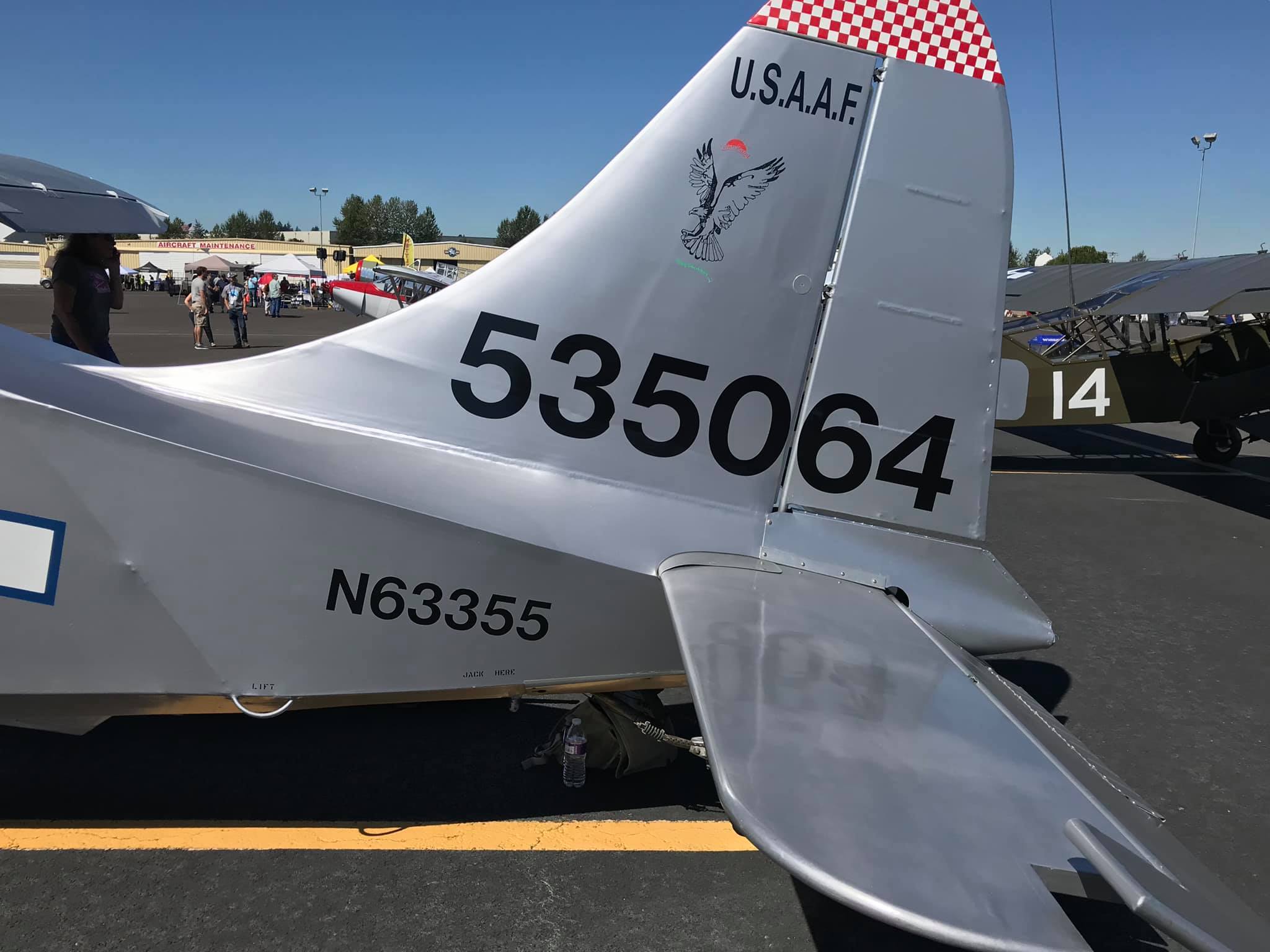
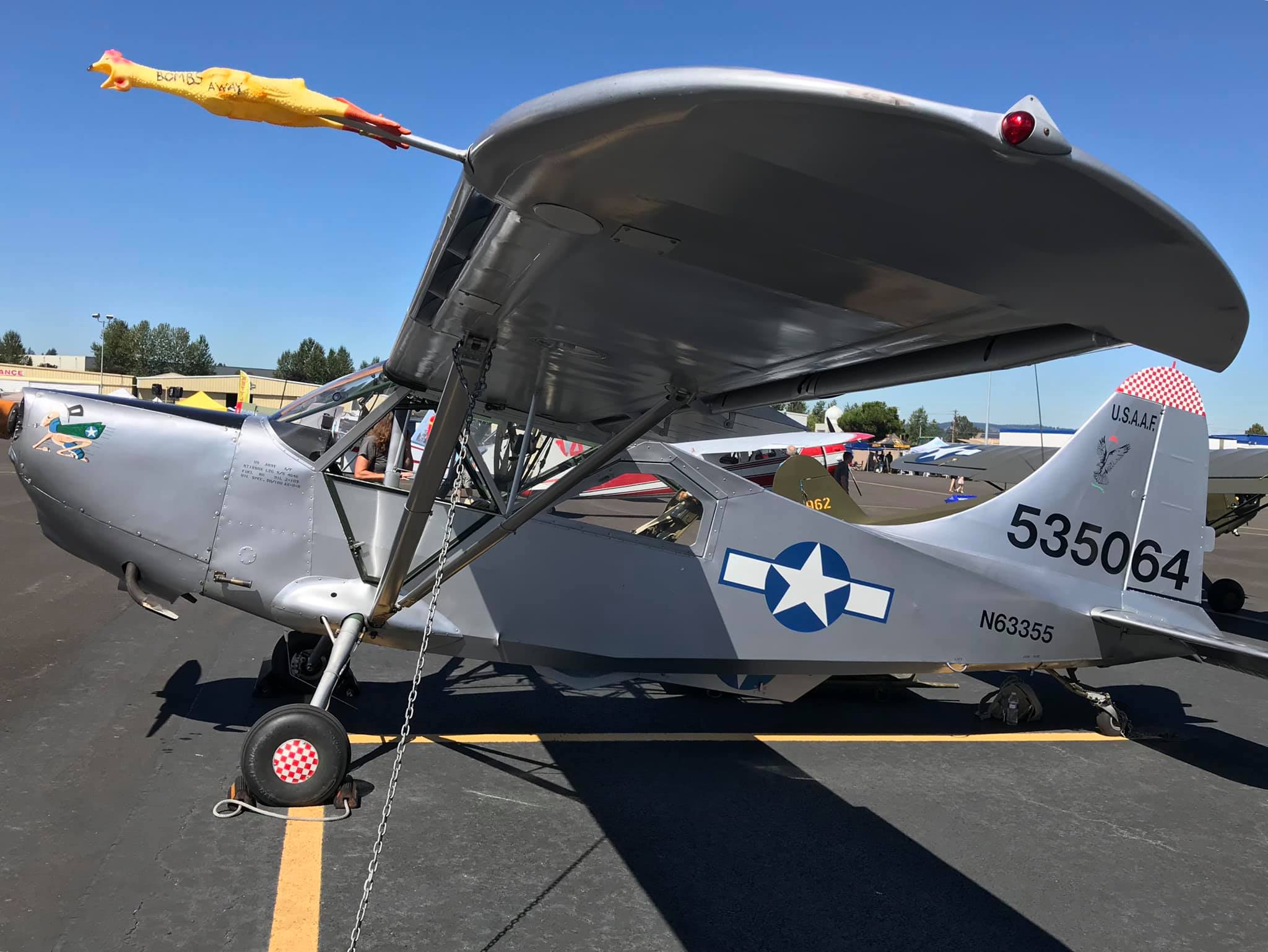
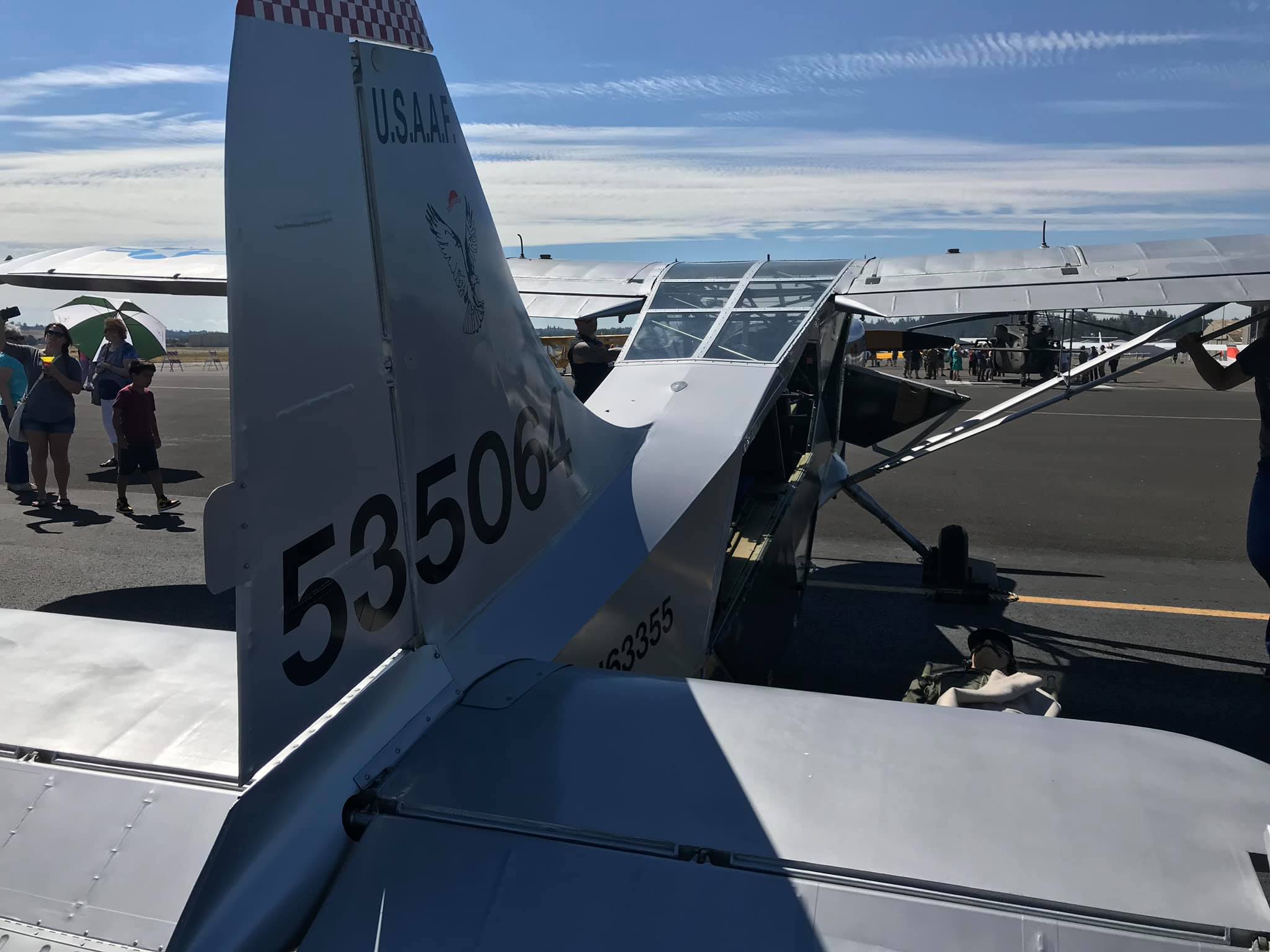
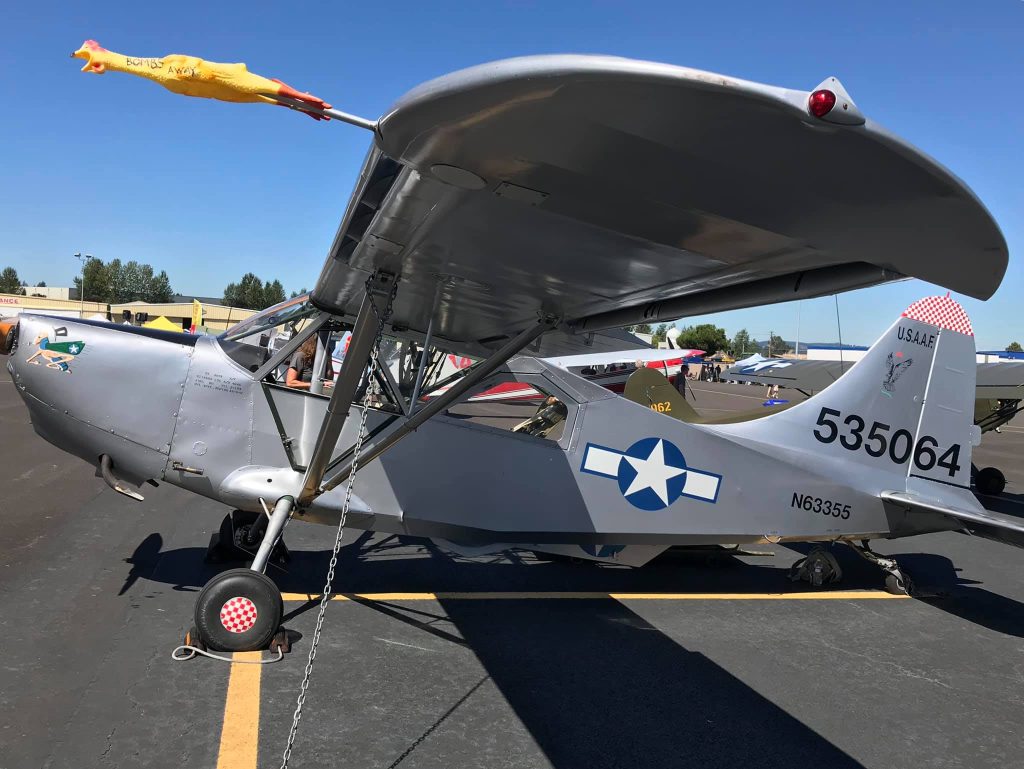
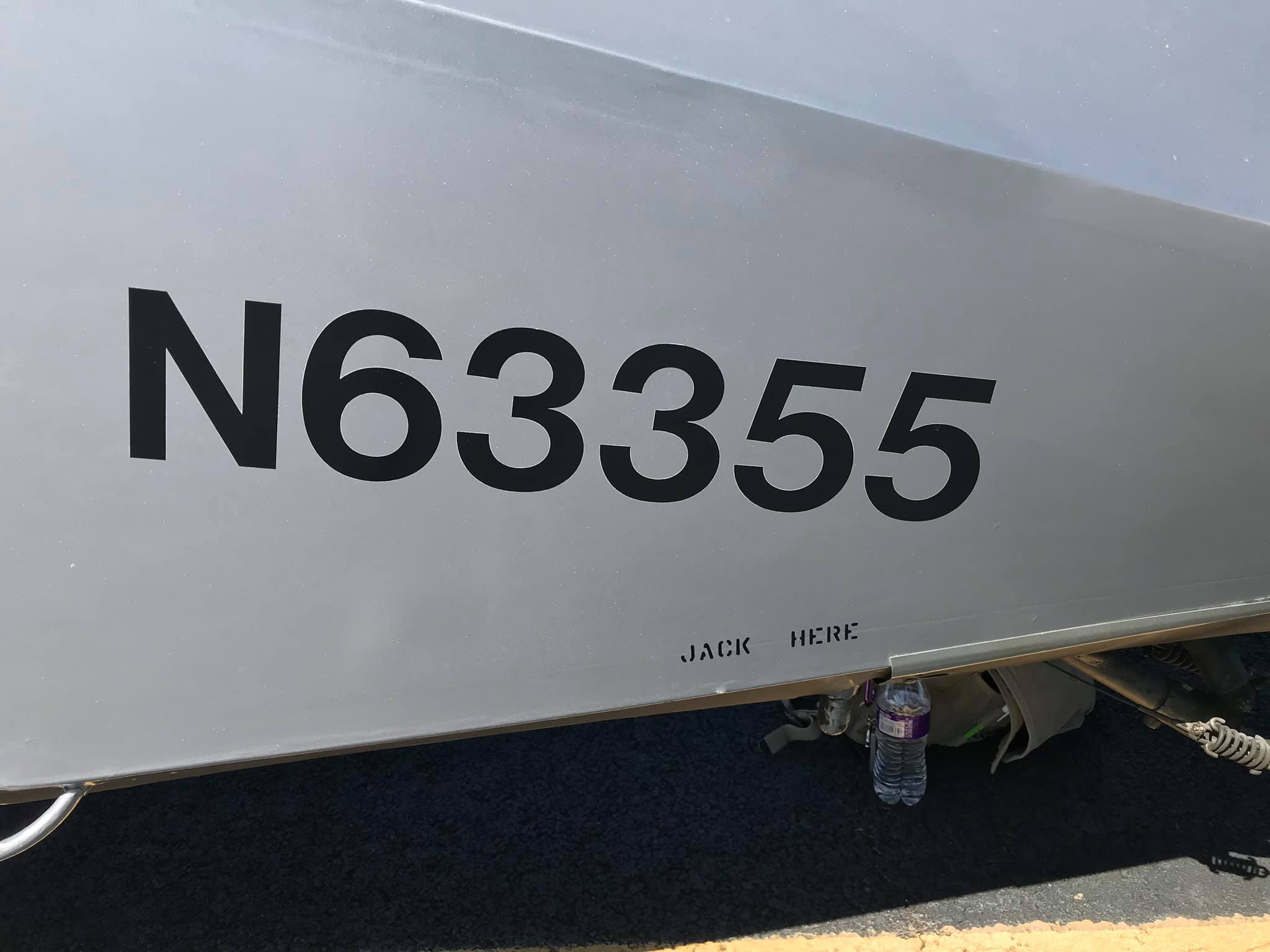
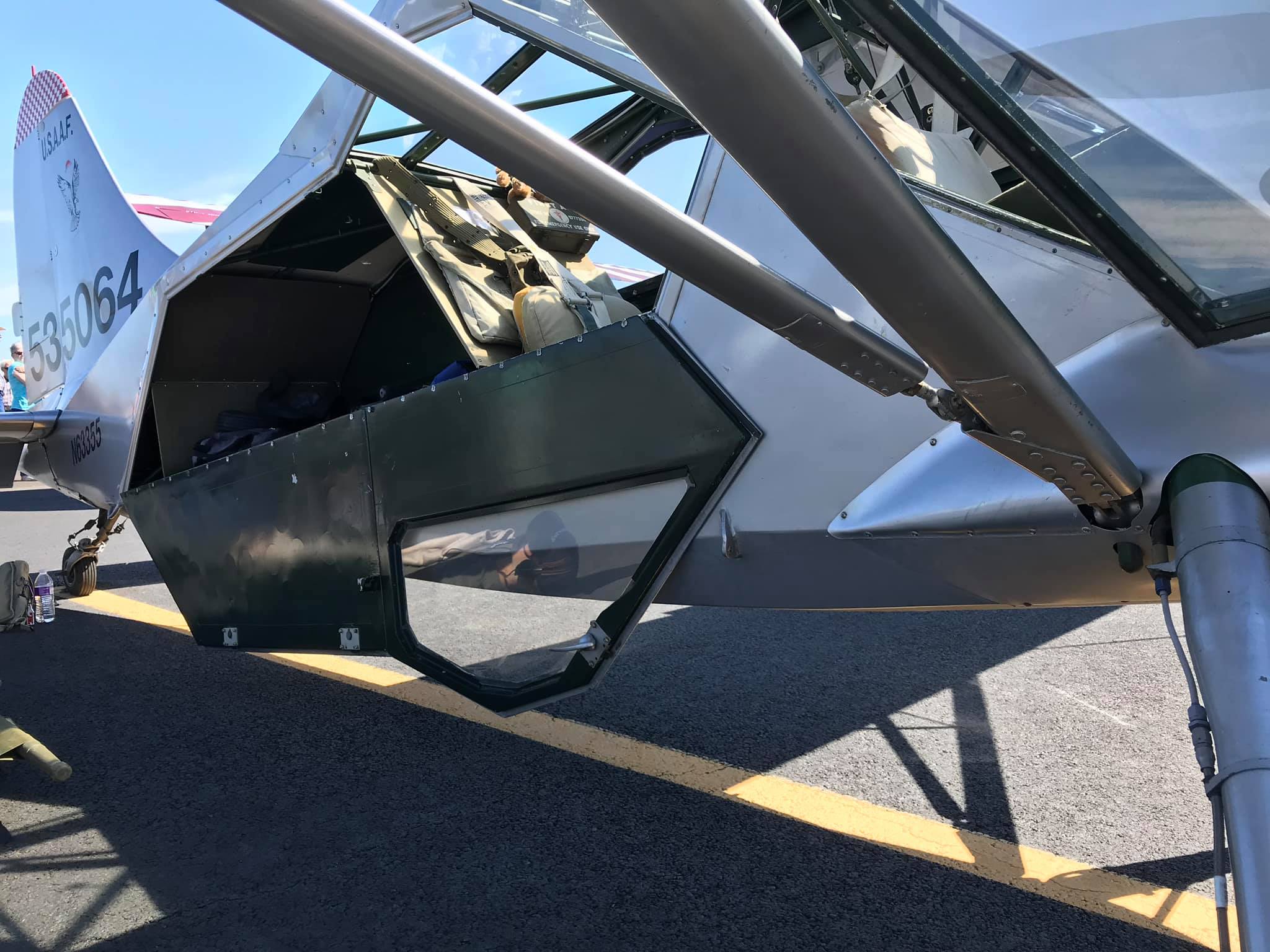
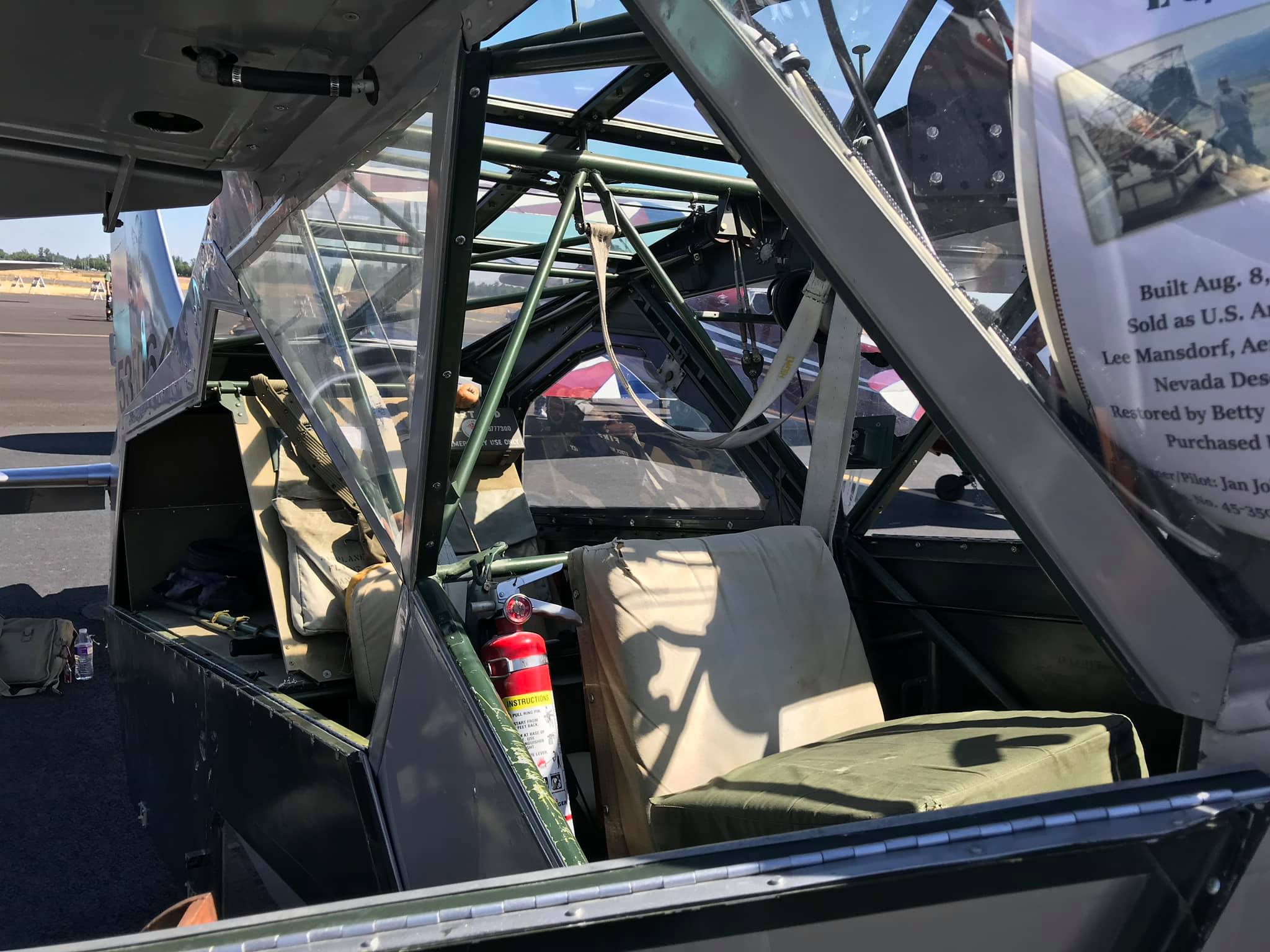
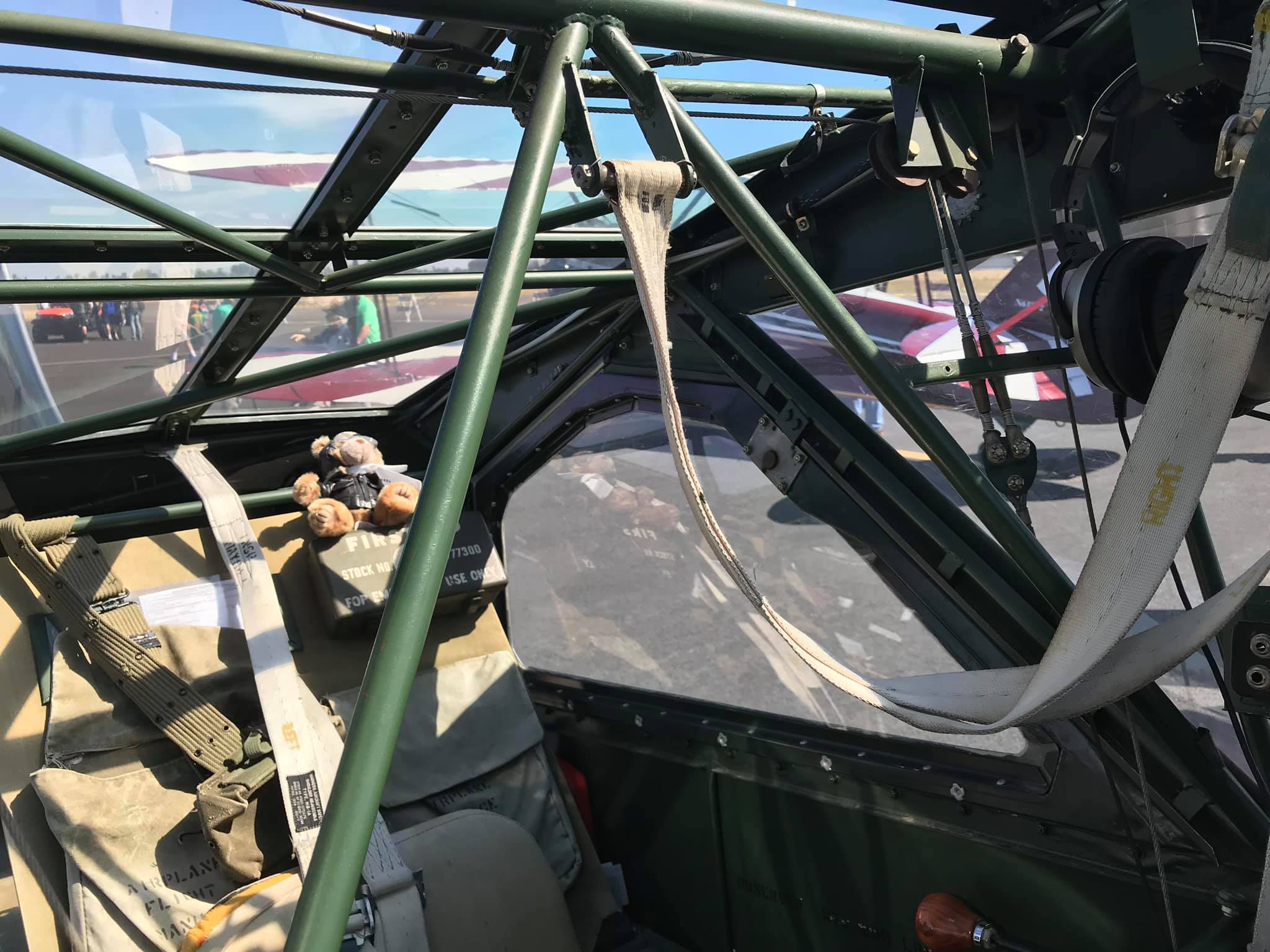
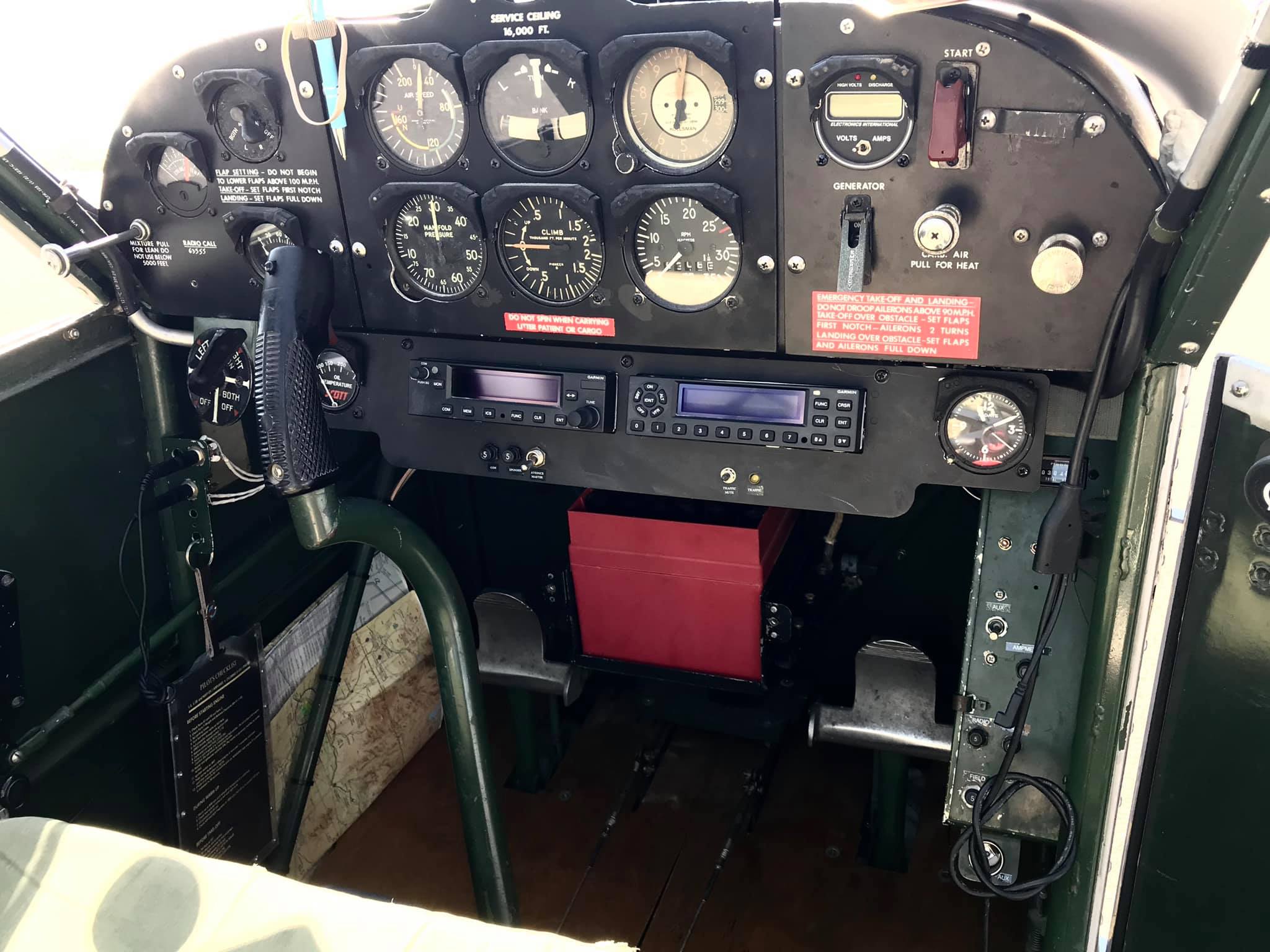
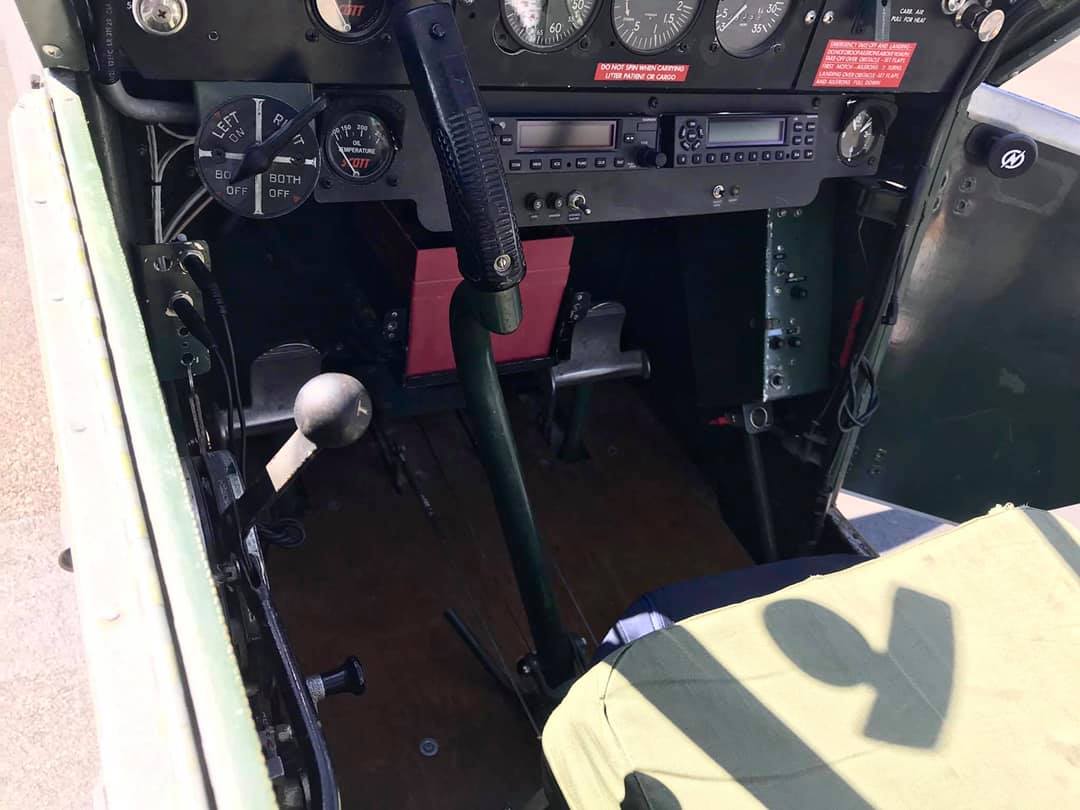
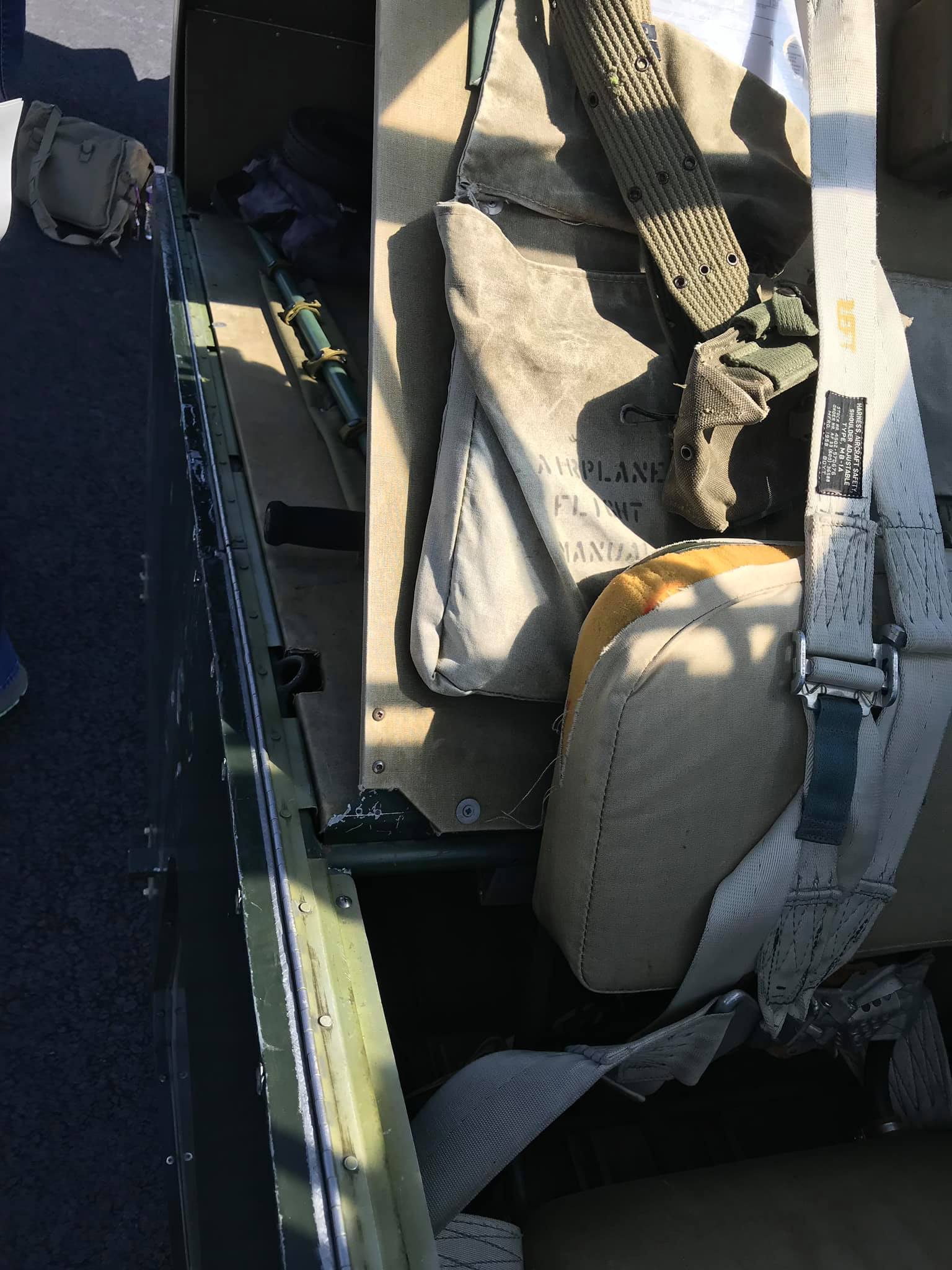
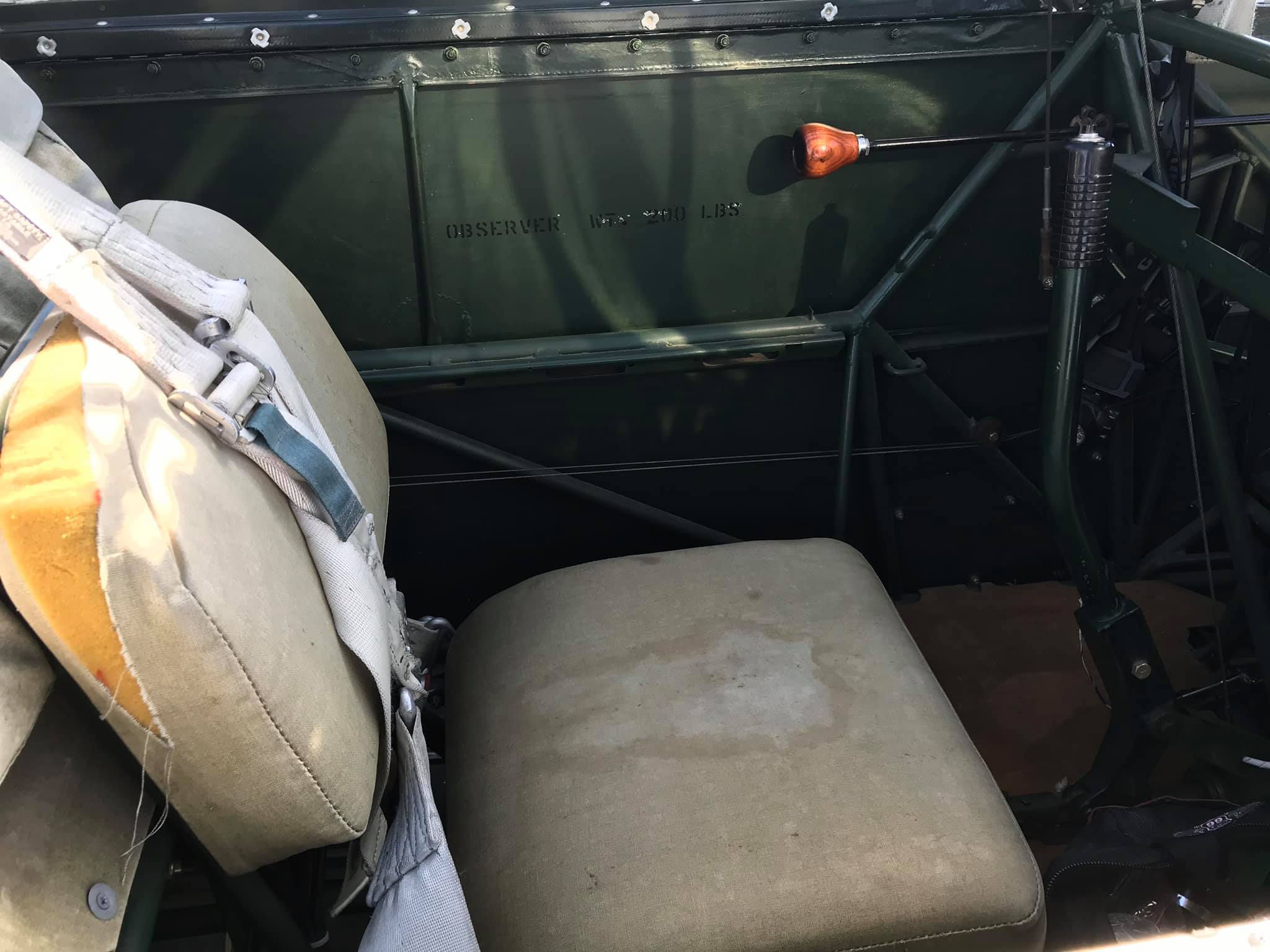
Stinson L-5 “Sentinel” s/n 4646. According to the owner’s records, this particular aircraft was built by the Stinson Division of Consolidated Vultee in Wayne, Michigan, and completed on August 8, 1945. In April 1946, the aircraft was acquired by Lee Mansford of Aero Specialties (Los Angeles). Between 1959 and 1987, it was sitting in the boneyard in Nevada. It was acquired and restored by Betty and Frank Huffman during the period of 1987-97. Jan Johnson (Hayward, California), the current owner, acquired it in 2017. My photos.
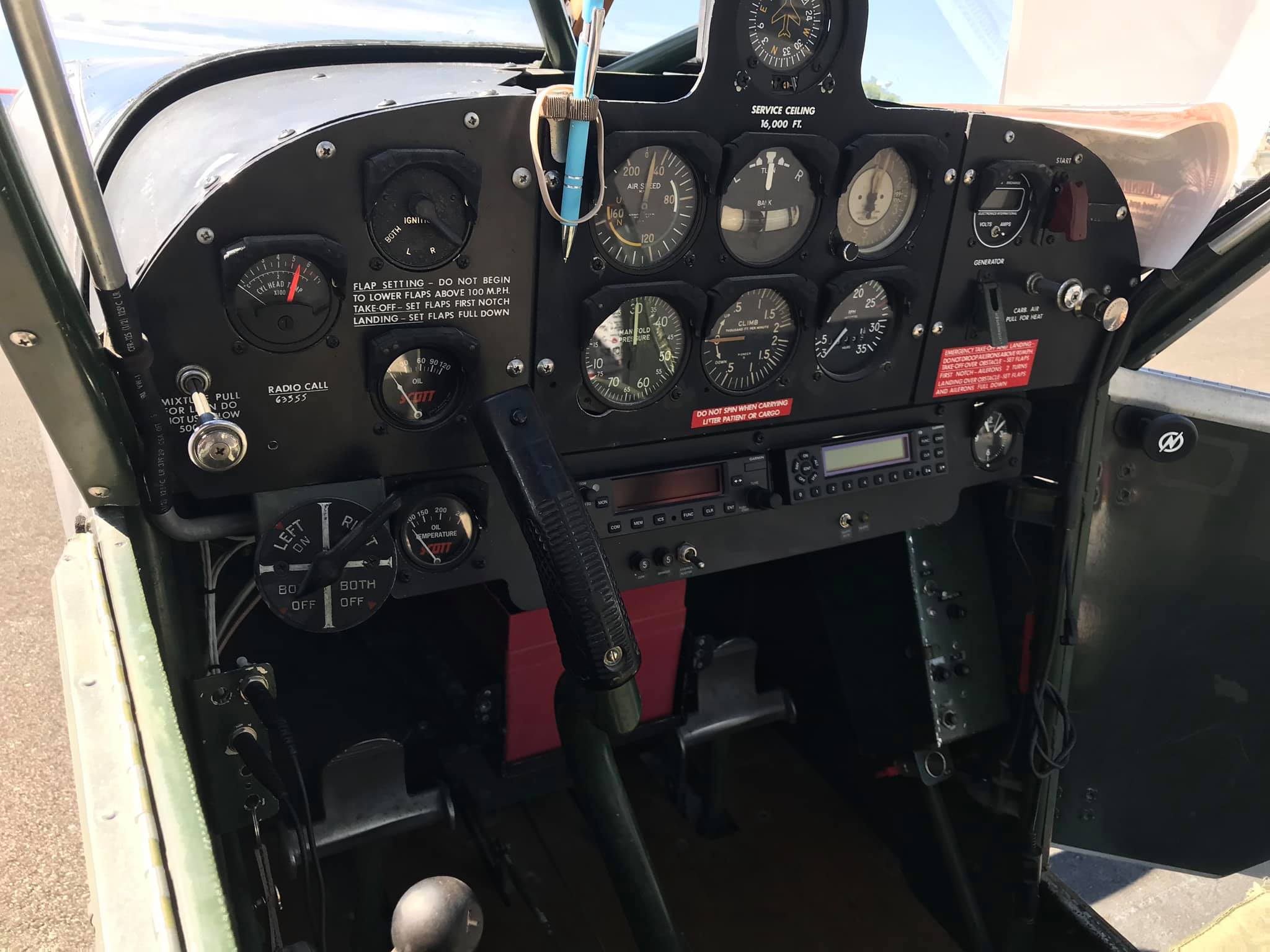
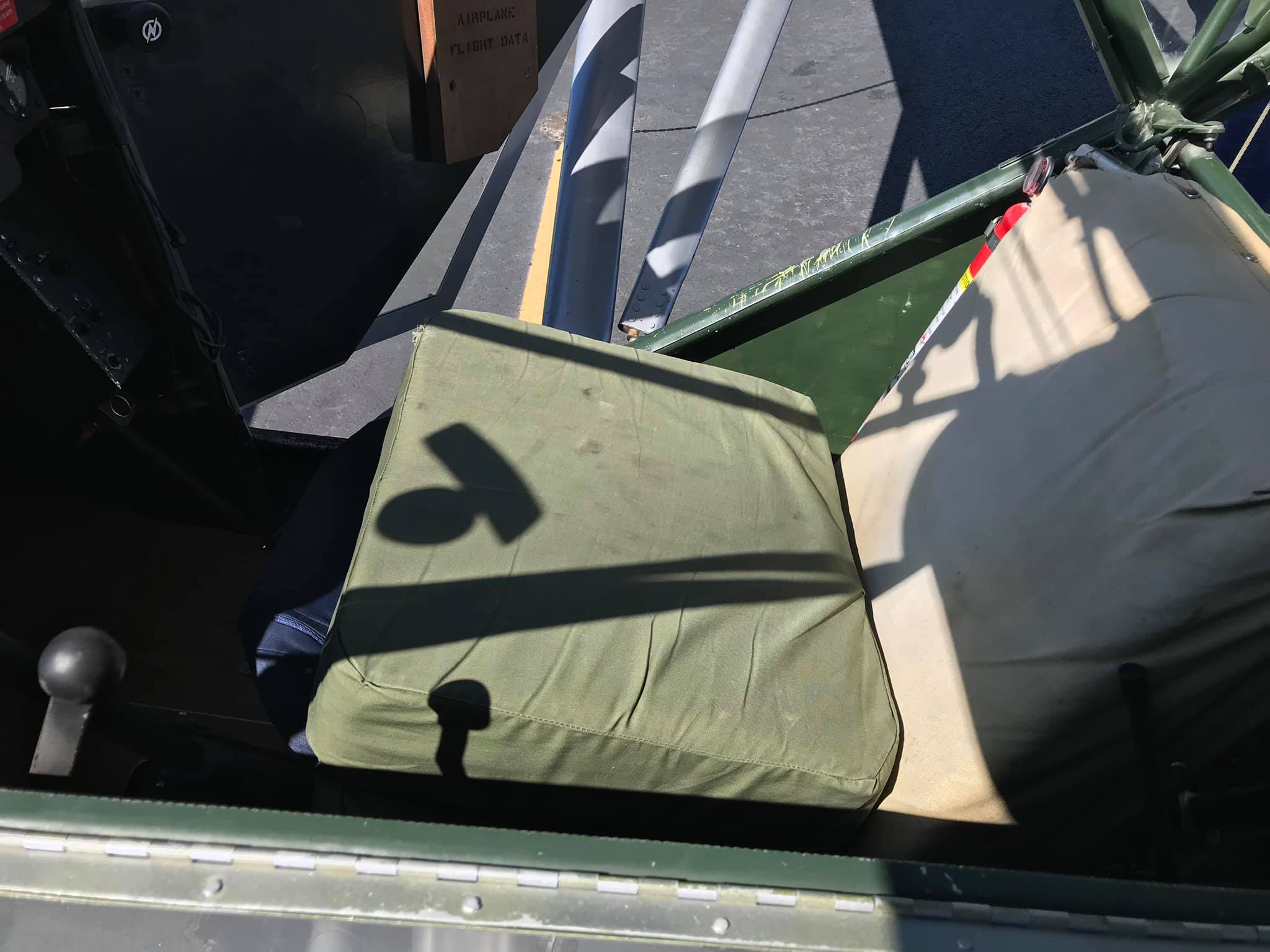
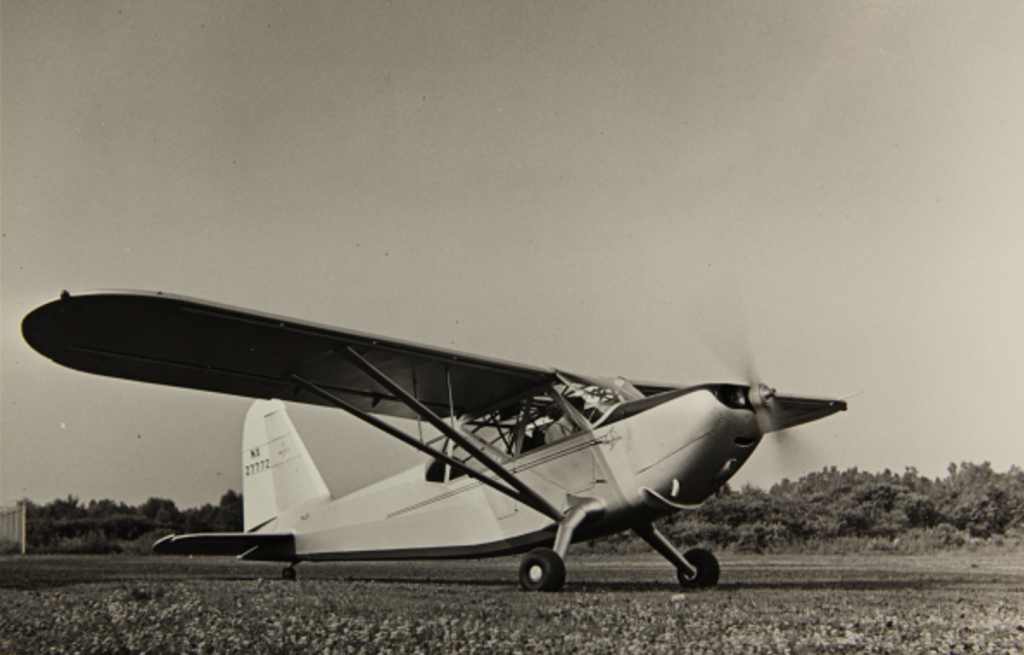
Editor’s notes: The development of the Stinson L-5 Sentinel begins with the introduction of a series of utility monoplanes built for the general aviation market, namely the Stinson HW-75/Model 105 (introduced in 1939), followed by the Model 10 in and the Model 10A Voyager in 1941, both of which featured a side-by-side seating arrangement for one or two pilots to fly the aircraft, plus a third seat in the back, facing sideways. Stinson then manufactured a tandem-seat aircraft called the Model 75B/V-75B. After the Stinson Aircraft Company was acquired by Vultee Aircraft, the Model V-75B was modified to become the V-75C. This aircraft went through military trials, but despite good handling, it was deemed to be underpowered and too lightly constructed for the U.S. Army Air Corps’ needs. With this in mind, the designers at Stinson built a new aircraft called the Model 76, with a more powerful engine, more flaps, and more rugged construction. The Stinson Model 76 first flew on June 23, 1941, with test pilot Al Schramm at the controls. In September of that year, the Model 76 completed its military trials, and the U.S. Army Air Force issued a production contract in January 1942 for the Model 76, which was to be designated the O-62 observation aircraft. Before a single delivery was made, though, the designation was changed to L-5 to stand for liaison in April 1942, and it was to be named the Sentinel. The first Stinson L-5 Sentinels were delivered in November 1942 and were powered by the Lycoming O-435 6-cylinder air-cooled horizontally opposed piston engine with an output of 185 hp.
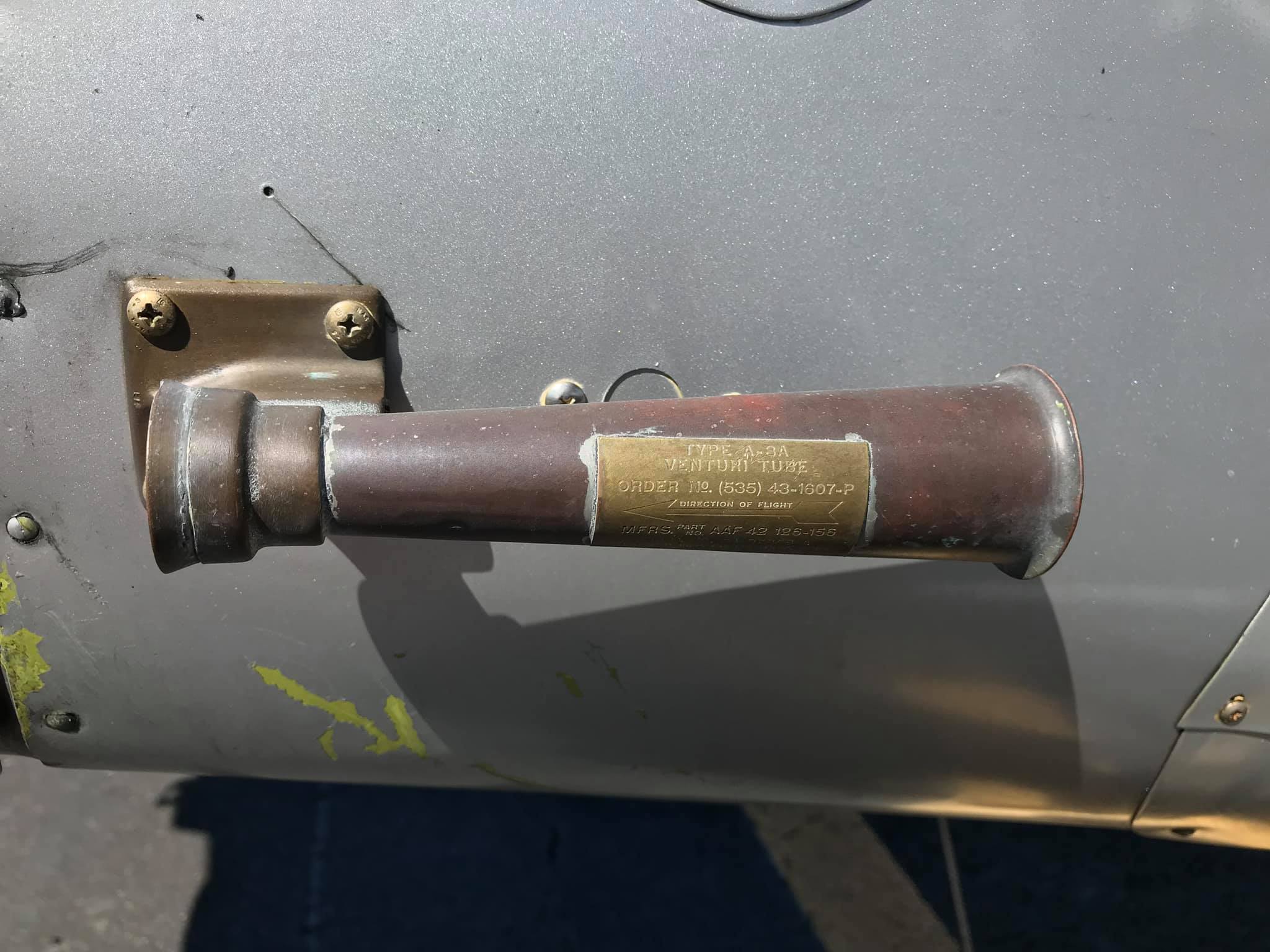
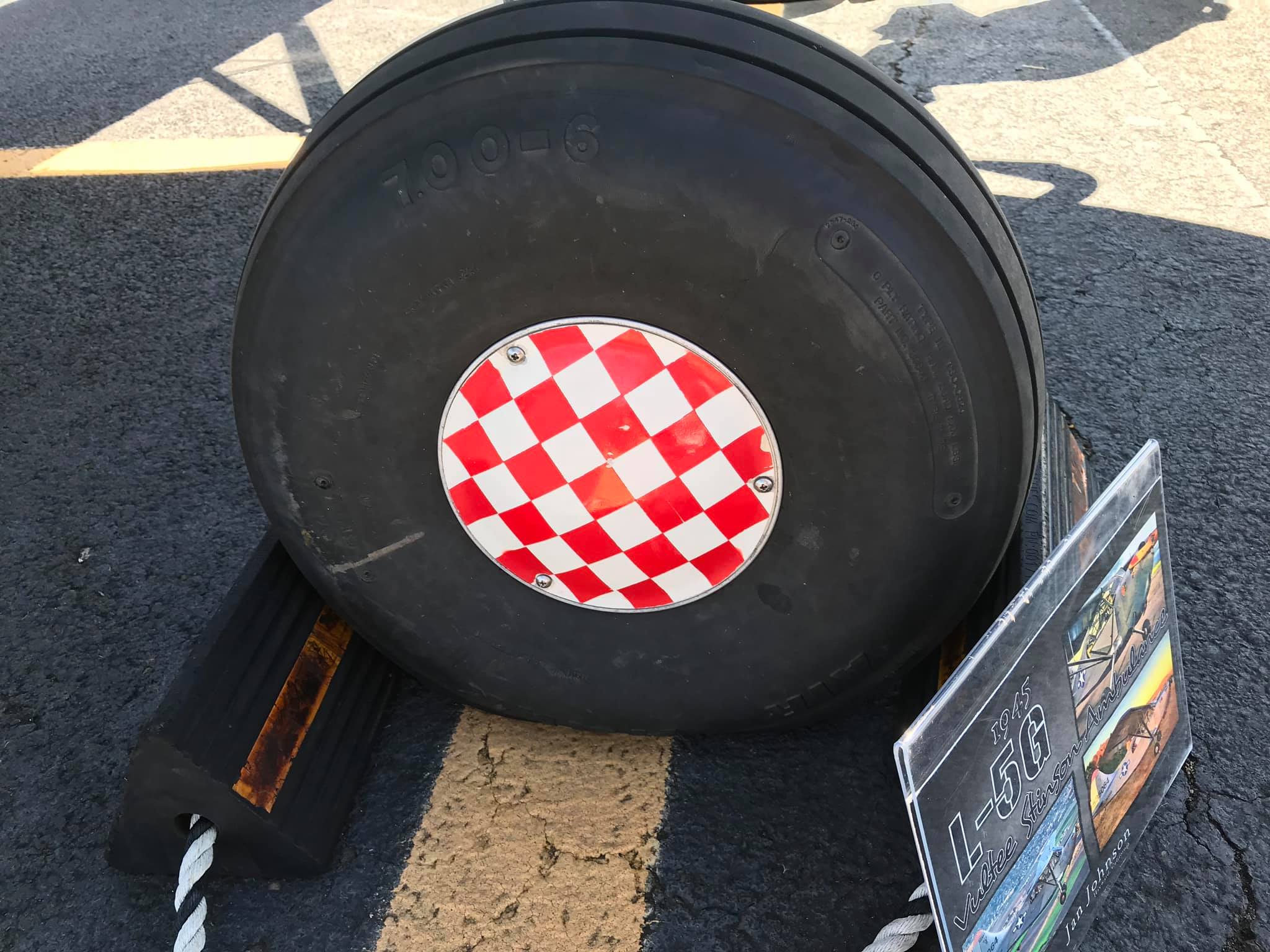
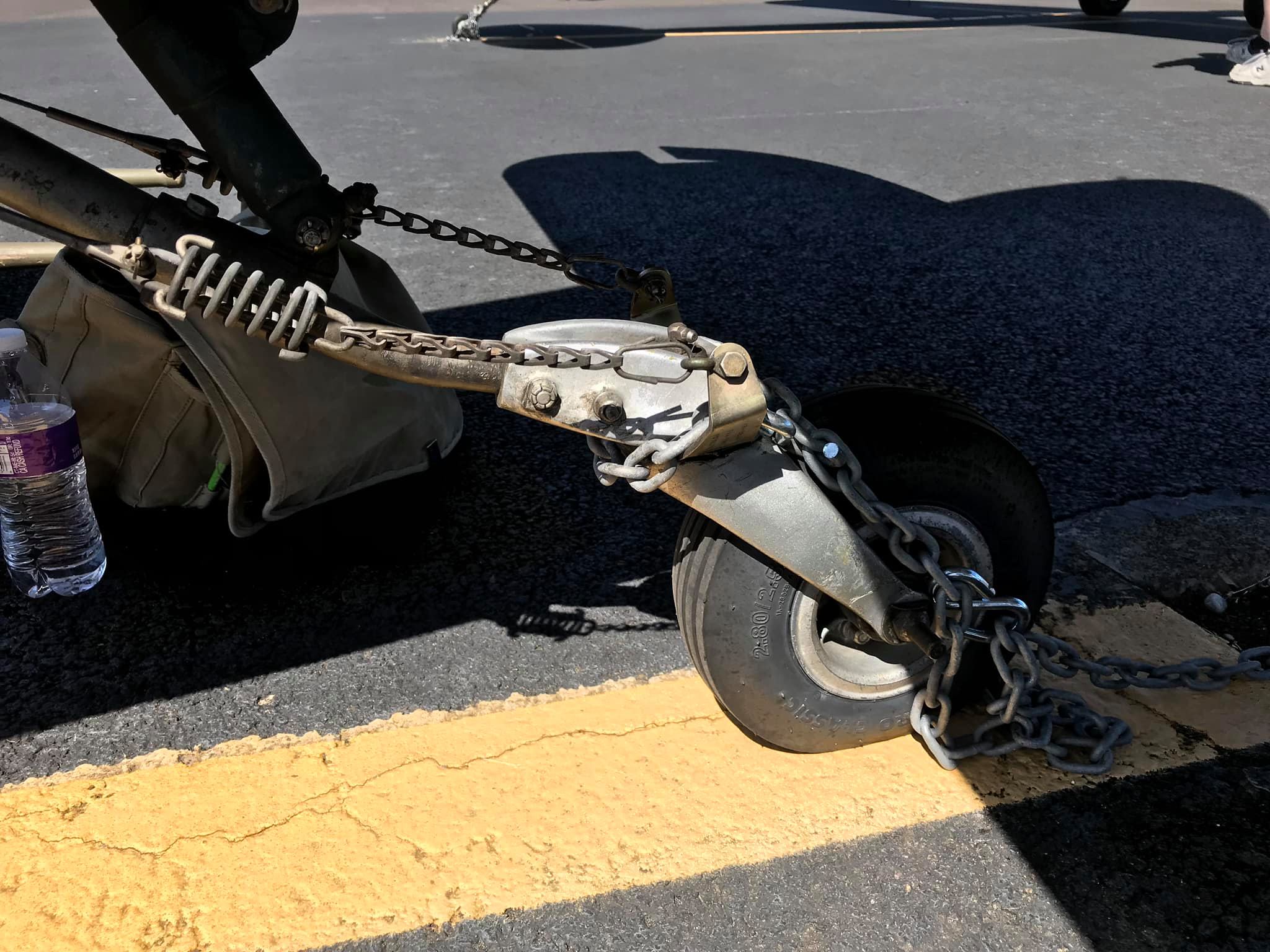
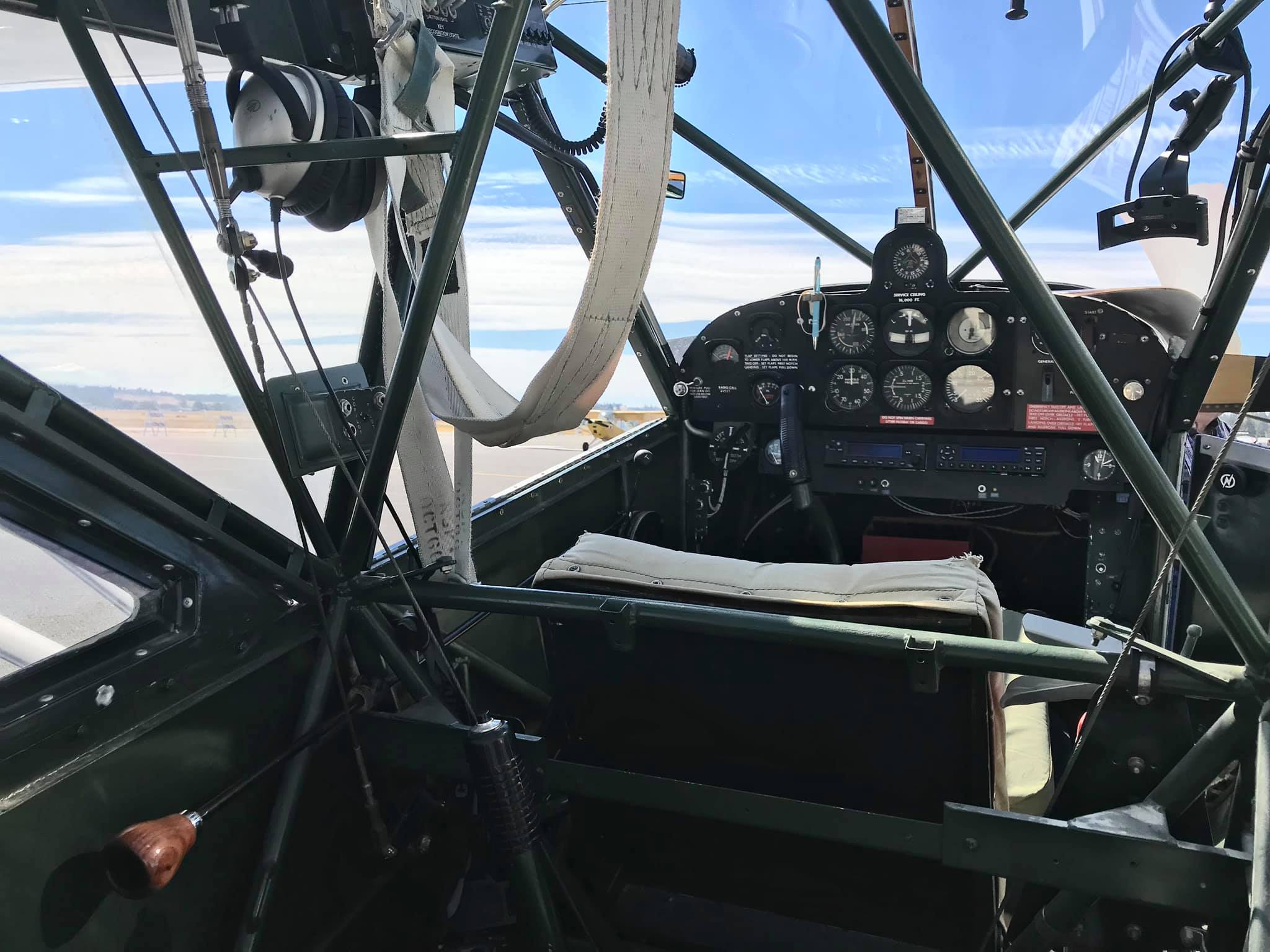
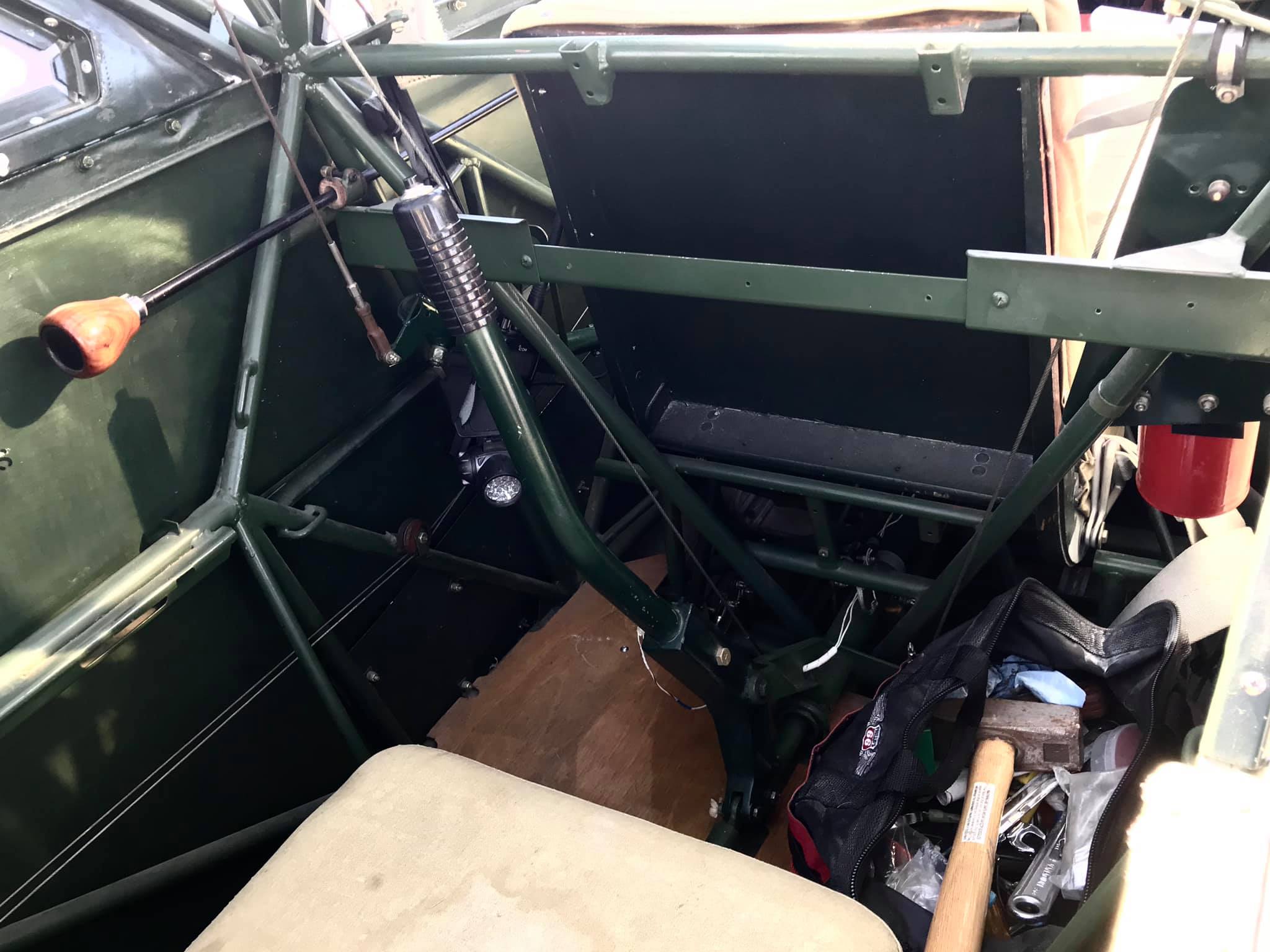
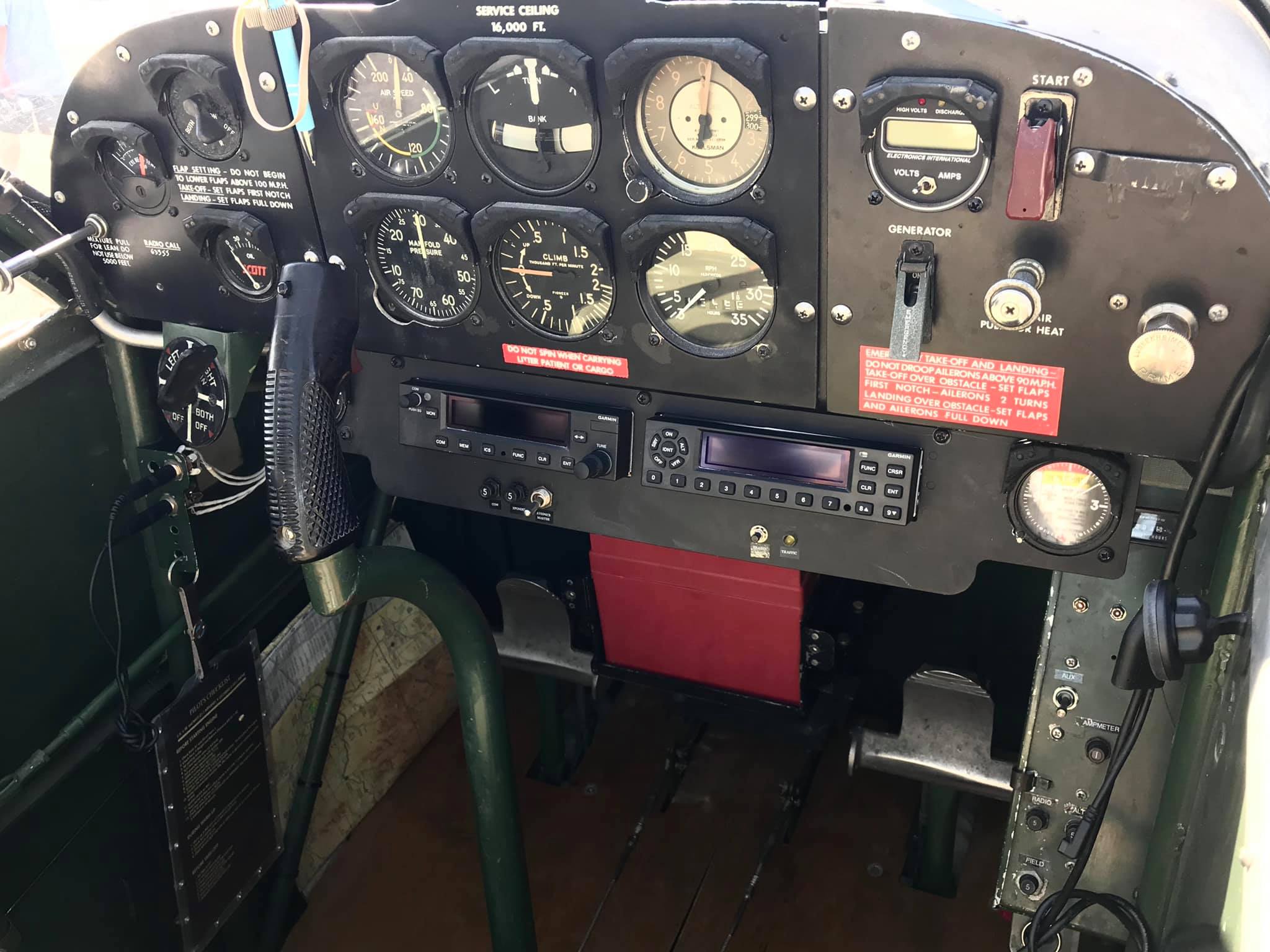
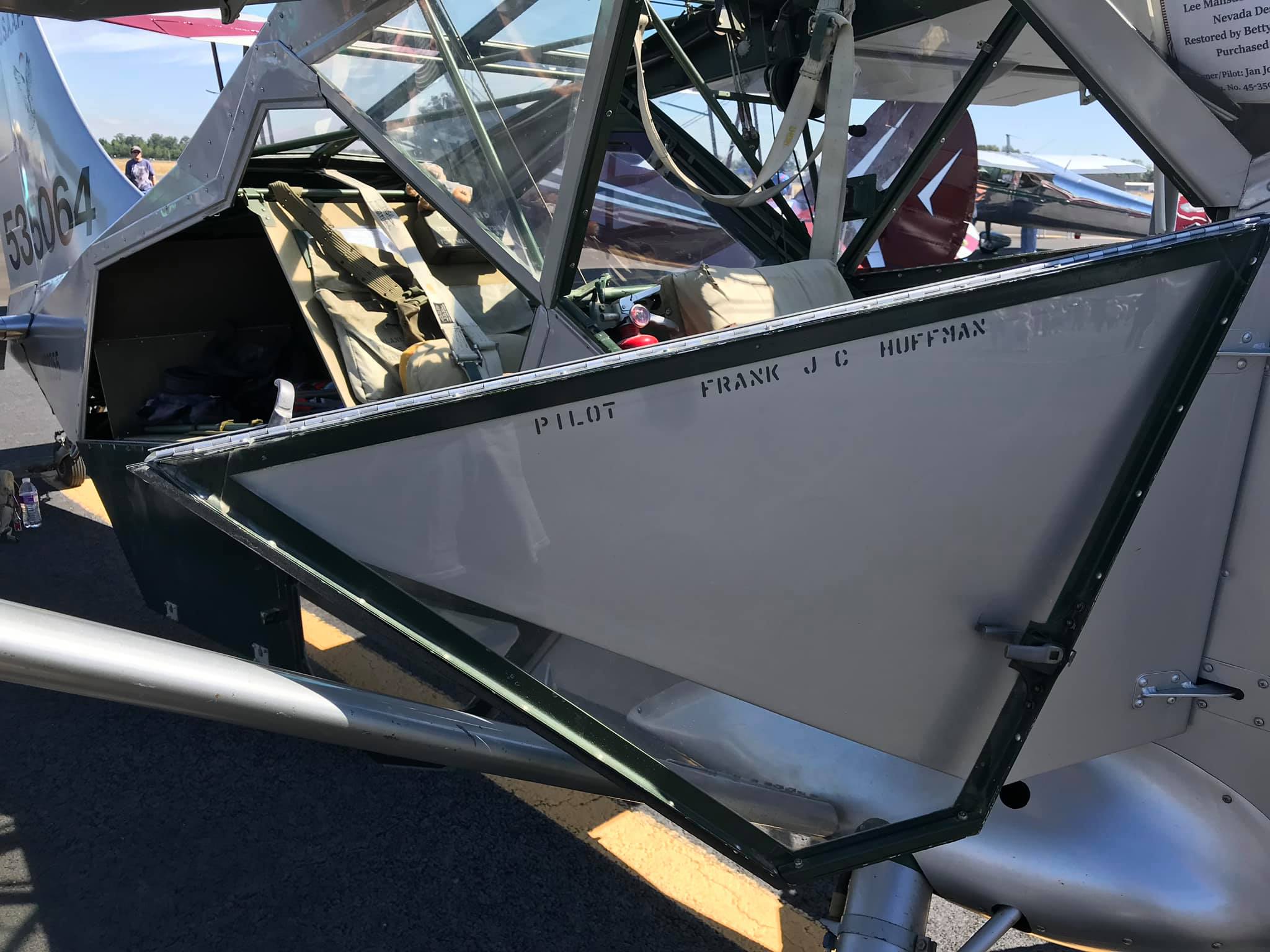
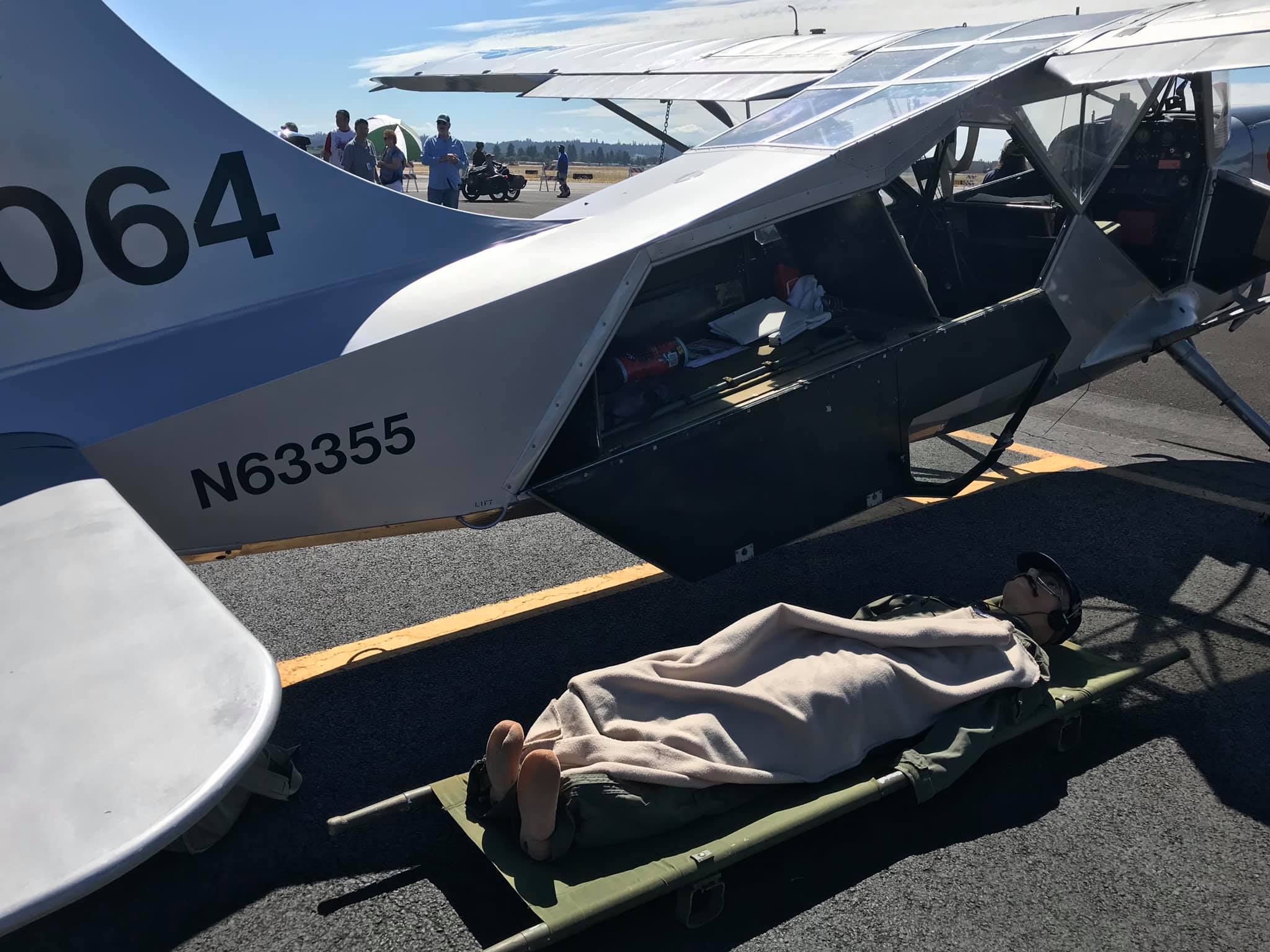
The Stinson L-5 Sentinel proved to be a valuable aircraft for forward-operating units of the USAAF, being able to make short takeoffs and landings from small airstrips in open fields or reclaimed jungle. They were used to provide artillery spotting, relaying coordinates to artillery gunners from their aerial vantage points, could fly high-ranking officers from headquarters to the frontlines and back, and could be outfitted to load a stretcher with a wounded soldier onboard to be airlifted for medical treatment at field hospitals at the rear. They were flown by USAAF pilots across Western Europe, in Italy, the Philippines, New Guinea, and the China-Burma-India theater of operations. In addition to flying in the U.S. Army Air Force as L-5s, the Stinson Model 76 was flown by the U.S. Marines as the OY-1, with these seeing extensive combat during the Island-Hopping campaign of the Pacific, with them being used as medical transports and scouting aircraft during the Battles of Iwo Jima and Okinawa.
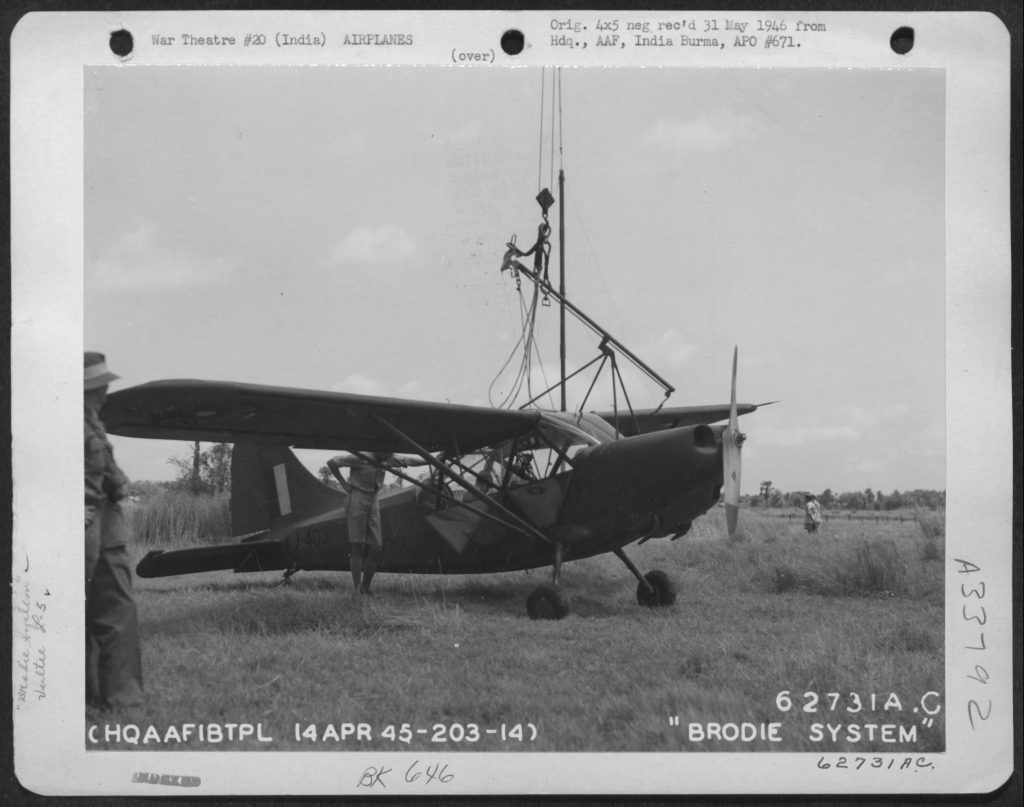
Some examples were even modified to be launched and recovered by a novel device called the Brodie system. Designed by a U.S. Army Ordinance Officer named Lt. James Brodie, the system involved the use of a cable strung between two masts with a braked carriage to snag an arrestor hook mounted to the top of a light airplane. Brodie felt that this device could be used to operate scouting aircraft from conventional merchant ships in order to spot German U-boats. Though the concept was successfully demonstrated at Moisant Field, New Orleans (now Louis Armstrong New Orleans International Airport) in September 1943 and three months later, between December 7 and 17, 1943, the Brodie system was tested onboard the cargo ship City of Dalhart (later commissioned as USS City of Dalhart) using a Stinson L-5 Sentinel flown by Staff Sergeant Raymond A. Gregory. During the Battle of Iwo Jima, Marine Stinson OY-1s were transported by escort carriers (CVEs) and flown from the ships to the airfields on the island seized from the Japanese. Marine OY-1s were also used during the Battle of Okinawa alongside U.S. Army Piper L-4 Grasshoppers. More on this unique landing system in this video here: Stinson L-5 Sentinel with Brodie System.
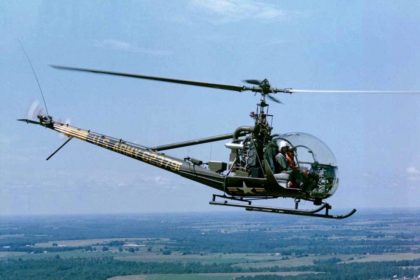
After WWII came to an end, many Stinson L-5 Sentinels were sold as surplus to the civilian market, while others remained in service not only with the U.S. military but also with the armed forces of many nations around the world. Another variant, the OY-2, would see combat in Korea alongside new liaison aircraft such as the Cessna L-19 (later O-1) Bird Dog and helicopters such as the Bell H-13 Sioux and the Sikorsky H-19 Chickasaw. Additionally, up to 100 L-5s were flown by the Civil Air Patrol for use in search and rescue missions, with another handful being flown by the U.S. Coast Guard. Many were also flown by state law enforcement, forestry, and Fish & Wildlife departments, especially in the remote stretches of Alaska. Foreign operators of the type included Australia, Greece, India, Indonesia, Italy, Japan, Mexico, Somalia, South Korea, Pakistan, the Philippines, the Republic of China (Taiwan), the People’s Republic of China, Thailand, and the United Kingdom.
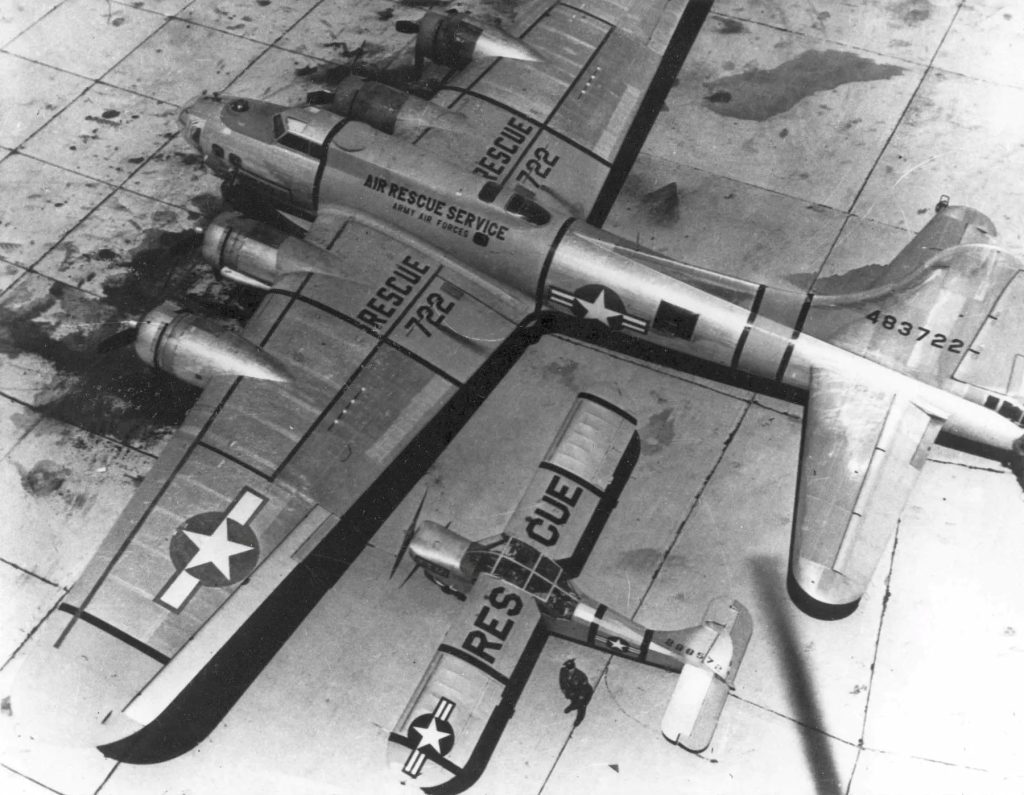
According to the late aviation historian Joe Baugher, this aircraft, attributed as being L-5G s/n 45-35064, was part of a cancelled contract of L-5s that were sold as surplus to the civilian market to become N63355. As clarified by James Gray, Founder and President of the Sentinel Owners & Pilots Association, “L-5G Serial number 4646 was never delivered to the military and was one of approximately 50 Sentinels in various stages of completion at the factory that were cancelled when the war ended,” and that “N63355 was sold directly to the civilian market by Consolidated-Vultee.”
Today, the aircraft has been repainted as a U.S. Air Force L-5 in Search and Rescue (S&R) colors and is currently being listed on the site AircraftForSale. More on that listing HERE. Additionally, a video of this aircraft can be found here: USAAF 1945 Stinson L-5/G Sentinel L-Bird First Start Lycoming O-435.
Further notes: Special thanks to James Gray, Founder and President of the Sentinel Owners & Pilots Association for corrections made to this article.About the author 
Randy Malmstrom grew up in a family steeped in aviation culture. His father, Bob, was still a cadet in training with the USAAF at the end of WWII, but did serve in Germany during the U.S. occupation in the immediate post-war period, where he had the opportunity to fly in a wide variety of types that flew in WWII. After returning to the States, Bob became a multi-engine aircraft sales manager and, as such, flew a wide variety of aircraft; Randy frequently accompanied him on these flights. Furthermore, Randy’s cousin, Einar Axel Malmstrom, flew P-47 Thunderbolts with the 356th FG from RAF Martlesham Heath. He was commanding this unit at the time he was shot down over France on April 24th, 1944, and spent the rest of the war as a prisoner of war. Following his repatriation at war’s end, Einar continued his military service, attaining the rank of Colonel. He was serving as Deputy Wing Commander of the 407th Strategic Fighter Wing at Great Falls AFB, MT, at the time of his death in a T-33 training accident on August 21, 1954. The base was renamed in his honor in October 1955 and continues to serve in the present USAF as home to the 341st Missile Wing. Randy’s innate interest in history in general, and aviation history in particular, plus his educational background and passion for WWII warbirds, led him down his current path of capturing detailed aircraft walk-around photos and in-depth airframe histories, recording a precise description of a particular aircraft in all aspects.




Hi Randy,
Good effort, but there is more than a little misinformation in this article. A few items are mistakes which can be attributed to the owners knowledge, at least one was my doing in an article I wrote some years ago, while the rest are common errors and misconceptions that have existed in popular literature for decades. Here they are in order of appearance:
(1) L-5G Serial number 4646 was never delivered to the military and was one of approximately 50 Sentinels in various stages of completion at the factory that were cancelled when the war ended. It was therefore not declared “Army surplus” and the actual completion date is in doubt. Government records show that the last Sentinel accepted and delivered was 45-35025, Stinson s/n 76-3591. N63355 was sold directly to the civilian market by Consolidated-Vultee.
(2) The Stinson HW-75/Model 105 and Model 10 were not called Voyagers. That name only applies to the Model 10A which was built under a separate Type Certificate and hit the market in late 1941, more than four months after the L-5 prototype Model 76 was first flown. “Voyager” was also used in the Stinson 108 series of airplanes.
(3) The tandem-seat Model 75B project was initiated in February 1940, six months before Stinson became a Division of Vultee in August 1940. It was modified with a more powerful engine after Vultee took over, becoming the V-75C.
(4) The first L-5’s were accepted and delivered to the military in November 1942, not December.
(5) NX2772, the Model 76 was the second – and successful – prototype. The first was the rejected Model 75B/75C, NX27711.
(6) While the L-5 was initially adopted with artillery spotting in mind, it was withheld from the Field Artillery’s Air Observation Post (AirOp) program and only saw limited use in that role, especially in Europe. Except in the hands of the Marines in the Pacific as the OY-1, by far its most common role was courier and short-range transport (air taxi) work, followed by medical evacuation after the L-5B was introduced.
(7) No OY-1s or OY-2s were operated by the U.S. Navy during WWII. All were delivered to the USMC.
(8) Lt. James Brodie was not an artillery officer. He was an Army Ordinance officer when he conjured his idea. He later transferred to
(9) An L-2 was not used in any of the Brodie development and field trials. Only L-4s and L-5s were used.
(10) OY-1s only were carried and launched one-way by LST-776 at Iwo Jima. Only L-4s were carried, launched and recovered at Okinawa. Only one other Brodie-equipped LST became operational in 1945 and it never left Florida waters.
All the Best,
James H. (Jim) Gray, Founder and President
Sentinel Owners & Pilots Association, est. 2001
http://www.sentinelclub.org
Hi James, thank you for the clarifications and corrections you provided. I have since edited the article to better present this new information.