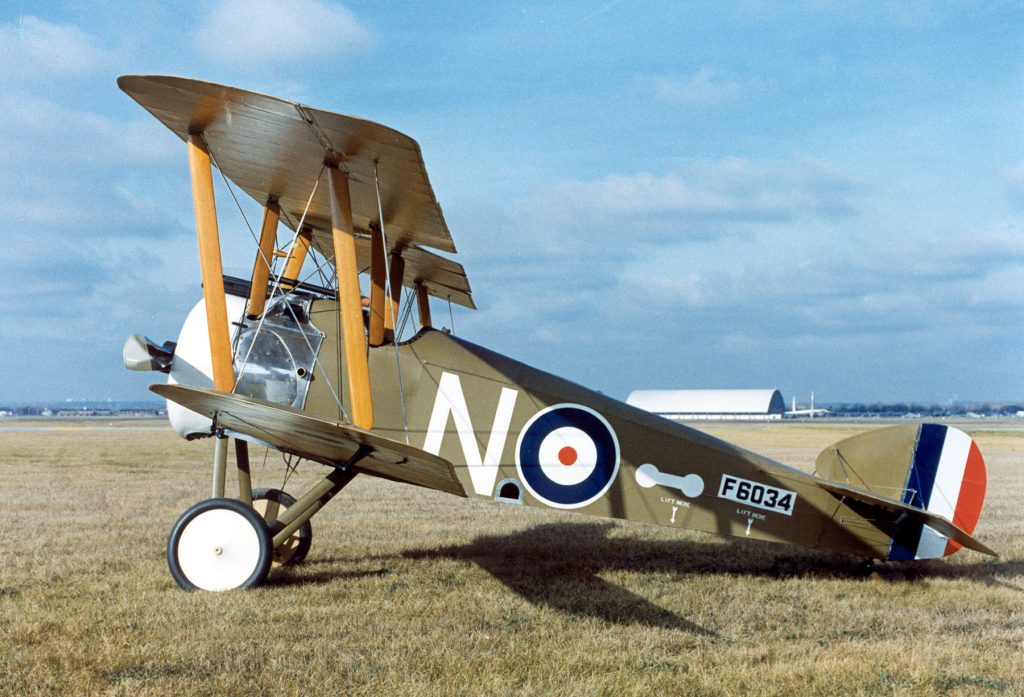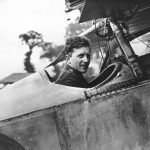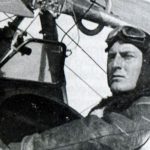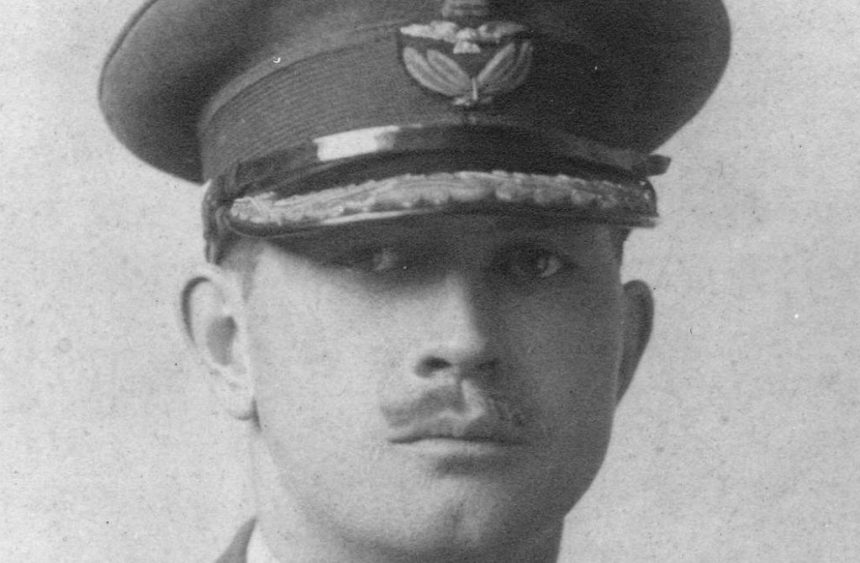

Canadian flying aces had a unique history in WWI. By 1918, nearly 25% of all Royal Air Force pilots were of Canadian origin. The top two flying aces of Canada who participated in WWI were Billy Bishop, with 72 victories, and Raymond Collishaw, who scored 60 aerial victories, whose stories we have already covered. Today, we focus on another Canadian top ace, Donald MacLaren. Born on May 28, 1893, in Ottawa, he moved with his family to Calgary in 1900. MacLaren attended public schools and Western Canada College. In 1911, he moved to Vancouver, and from 1912 to 1914, MacLaren studied at McGill University in Montreal, but left because he became ill. He returned to Vancouver, completed a surveyor’s course and worked as a fur trapper with his father for several years. In 1916, Donald MacLaren’s family gave up their trading post to support the war effort, and he joined the Royal Flying Corps. After initial training in Canada, he was sent to England to the No. 43 Training School in Ternhill. He was then sent to No. 34 Training School for his final fighter training on the Bristol Scout and Sopwith Camel. He completed nine hours of solo flight on the Camel, and on November 23, 1917, he went to France and joined No. 46 Squadron. All his victories would come in this squadron, flying a Sopwith Camel.
Ace Journey of Donald MacLaren
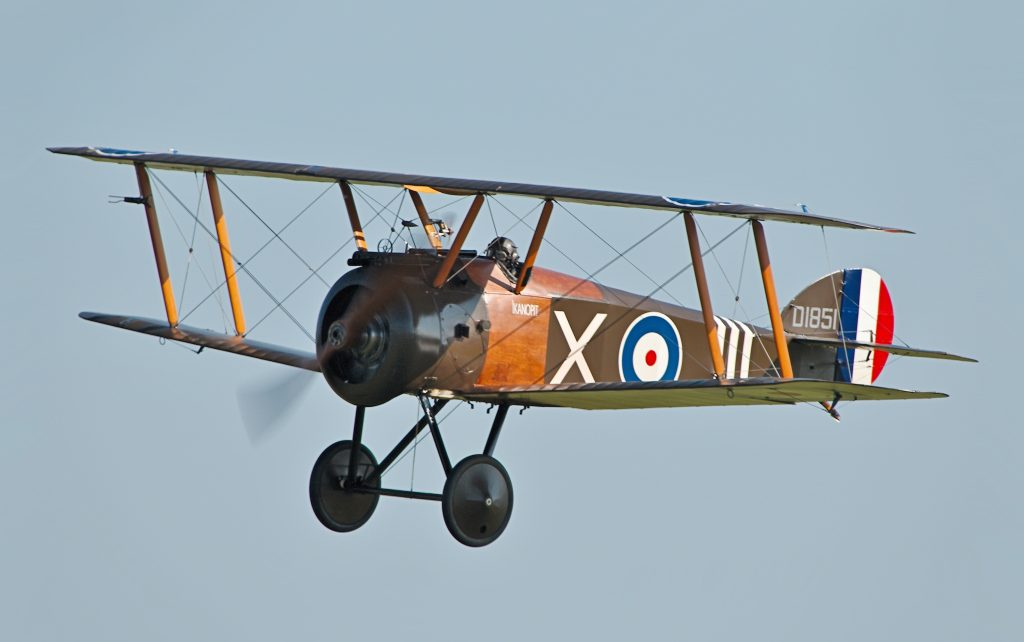
Donald MacLaren’s first confirmed victory came on March 6, 1918, when he shot down a Hannover C, followed by another victory on March 10. He shot down three more aerial targets on March 21 in a single day to officially become an ace. For his efforts on March 21, he was awarded the Military Cross, with a citation, “For conspicuous gallantry and devotion to duty. On one occasion, when on low bombing work, he bombed a long-range enemy gun 9,000 yards behind the lines, obtaining from a height of 200 feet two direct hits on the gun truck and two on the railway track alongside. When returning to our lines, he encountered a hostile two-seater machine, which he shot down, crashing to earth. He then attacked a balloon, which burst into flames, and finally, observing another enemy two-seater plane, he engaged it and eventually succeeded in crashing it to earth. He has set an excellent example of gallantry and skill to his squadron.” MacLaren further shot down eight more aerial targets in March, bringing his personal score to 13. He destroyed three more aerial targets in April, 16 in May, two in June, seven in July, four in August, and seven in September to reach a personal score of 52.
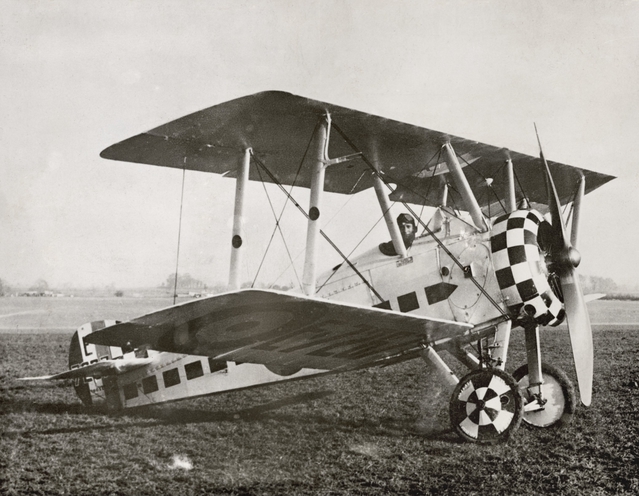
In September, Donald MacLaren was awarded the Distinguished Flying Cross, with a citation, “Accompanied by two other pilots, this officer attacked four enemy aeroplanes; all of these were destroyed; he himself fought two down to within 200 feet of the ground, destroying both. The two pilots who were with him each accounted for one of the remaining two. It was a well-conceived maneuver ably carried out, reflecting credit on all concerned. This officer has, in four and a half months, accounted for 37 hostile aircraft and six balloons, displaying great resolution and exceptional tactical ability.” After shooting down a Fokker D.VII on October 2, his last victory came on October 9. In late October, MacLaren broke his leg during a friendly wrestling match with a fellow squad member, despite not being injured in combat. He returned to England on November 6 and was in the hospital when the Armistice was announced.
The Legacy
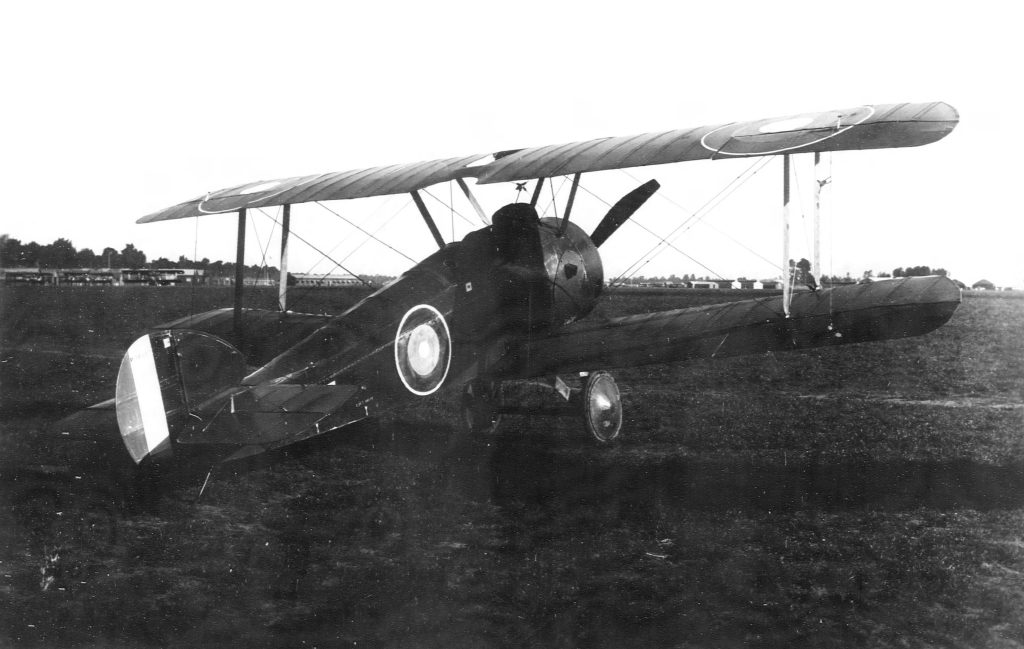
For his contributions in WWI, MacLaren was awarded the Distinguished Service Order, with a citation, “Bold in attack and skilful in manoeuvre, Captain MacLaren is conspicuous for his success in aerial combats. On September 24, he and his patrol of three machines attacked a formation of six enemy scouts, although the latter were protected by sixteen other enemy aircraft at a higher altitude. Firing a burst at point-blank range, this officer shot down one in flames. In all, he has accounted for forty-eight enemy machines and six kite balloons.” After the Armistice, Donald MacLaren joined the newly formed Royal Canadian Air Force (RCAF) and managed Canadian pilots in England as they were integrated into the new organization. The British Air Ministry provided 112 aircraft to help set up the RCAF. MacLaren went to Canada in late 1919, then returned to England in February 1920, but resigned from the RCAF later that year.
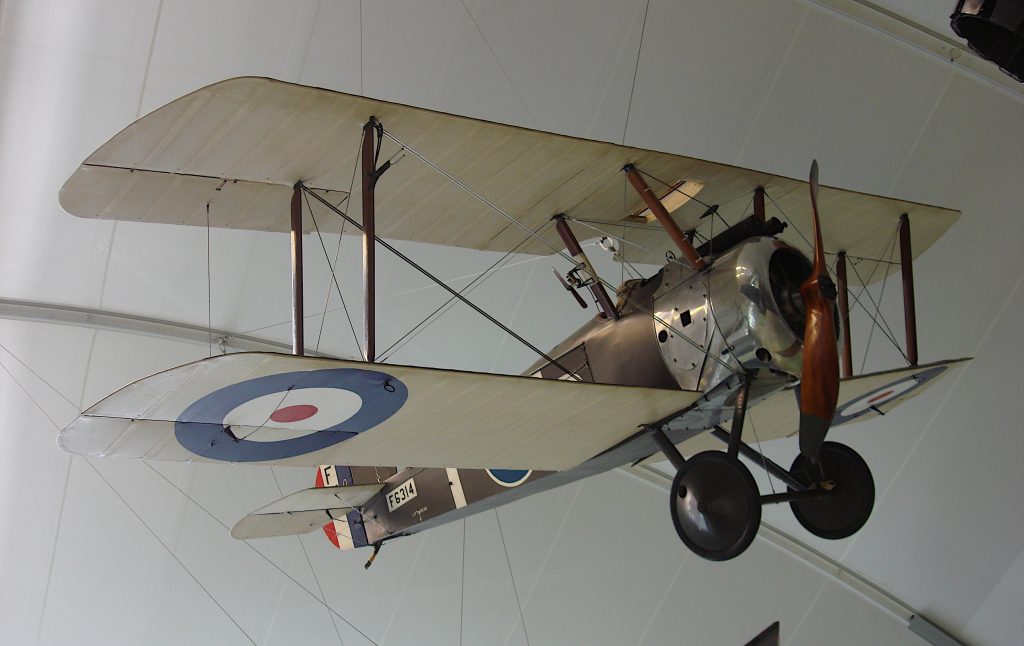
In 1922, MacLaren returned to Canada, and in 1924, he started the first flying service on the West Coast. By 1926, he formed Pacific Airways, which Western Canada Airways later bought. In the early 1920s, he began planning a seaplane base at Jericho Beach in Vancouver. He also suggested building an airport on Sea Island, which opened in 1931. By 1940, the RCAF used it as a seaplane base after moving from Jericho, and the airport eventually became what we know today as Vancouver International Airport. MacLaren became the superintendent of Canadian Airways and was named Assistant to the Vice-President in charge of operations for Trans-Canada Airlines in 1937. He also helped found the Air Cadet League of Canada and was honored in Canada’s Aviation Hall of Fame in 1977. MacLaren passed away on July 4, 1988, at the age of 95. In the Aces series, MacLaren was a Canadian ace who showed perfect leadership and flying skills. Read stories about more Aces HERE.