
(Image credit: VAN)
On this day in aviation history, 75 years ago (August 9, 1950), Alexander John “Al” Lilly became the first Canadian pilot to break the sound barrier. Born on July 19, 1910, in Moose Jaw, Saskatchewan, Lilly developed a fascination with aviation as a teenager in the late 1920s. He left university to pursue his passion for flying, joining the Royal Canadian Mounted Police (RCMP) in 1932. While stationed at Meadow Lake, Saskatchewan, he advocated for replacing the RCMP’s traditional dog teams and canoes with aircraft equipped with skis and floats. His efforts paid off, helping to usher in an era where bush planes became a vital tool for the “Mounties.”
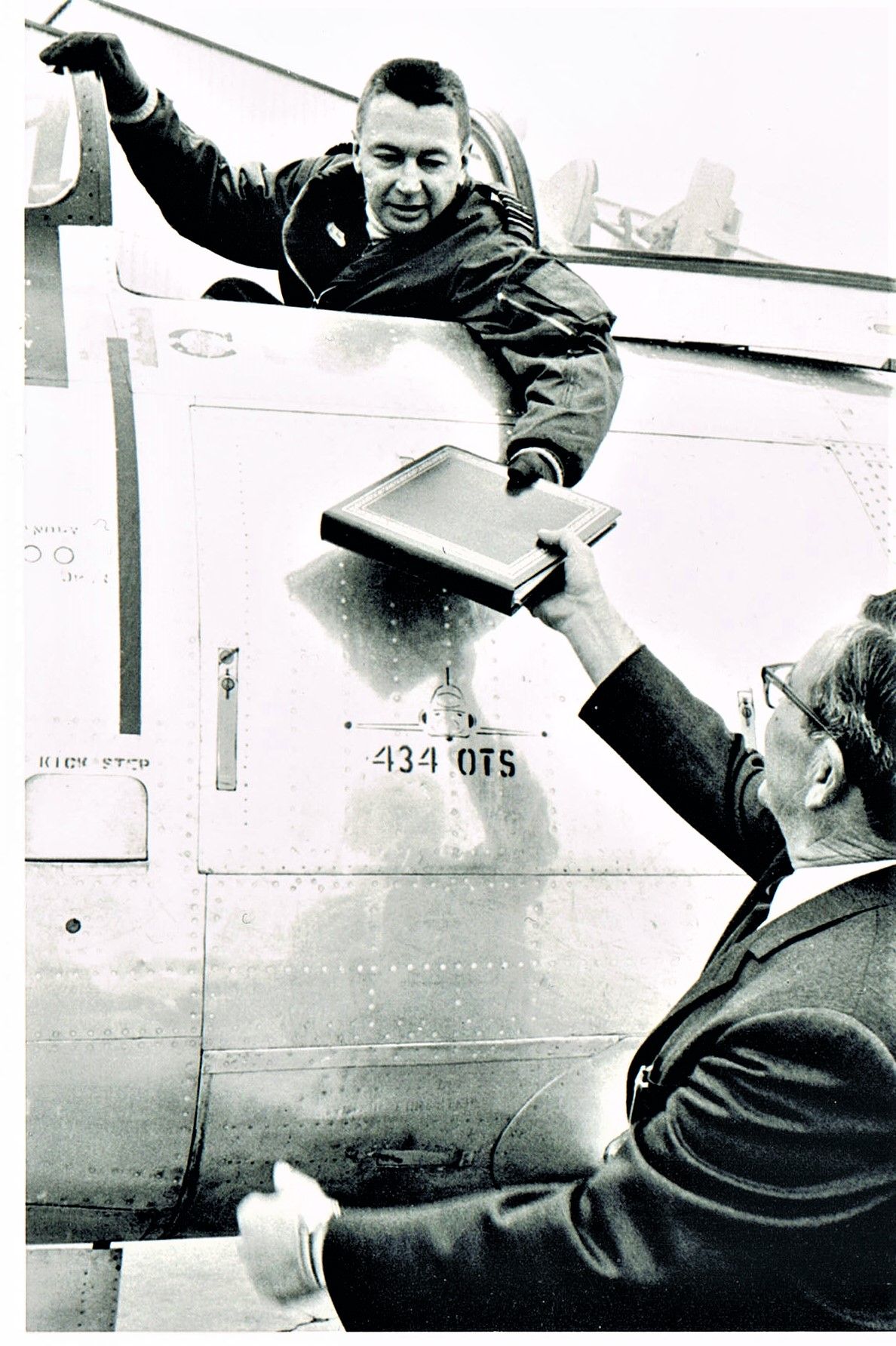
Lilly later transferred to Moncton, New Brunswick, where he gained better access to flight training at Moncton Airport. He played a key role in revitalizing the airport’s flying club, even securing a de Havilland Tiger Moth from St. John’s to facilitate pilot instruction. This allowed him to complete his training and earn his commercial pilot’s license. Reassigned to Ottawa, Lilly chose to resign from the RCMP and travel overseas, where he joined Imperial Airways in England. During the Second World War, he returned to Moncton to serve as Chief Flying Instructor at the British Commonwealth Air Training Plan (BCATP) station. He also ferried aircraft for the war effort, becoming the first Ferry Command pilot to deliver six Lockheed Hudsons to Prestwick, Scotland, and was among the first to fly supply missions in North Africa in a Consolidated LB-30.
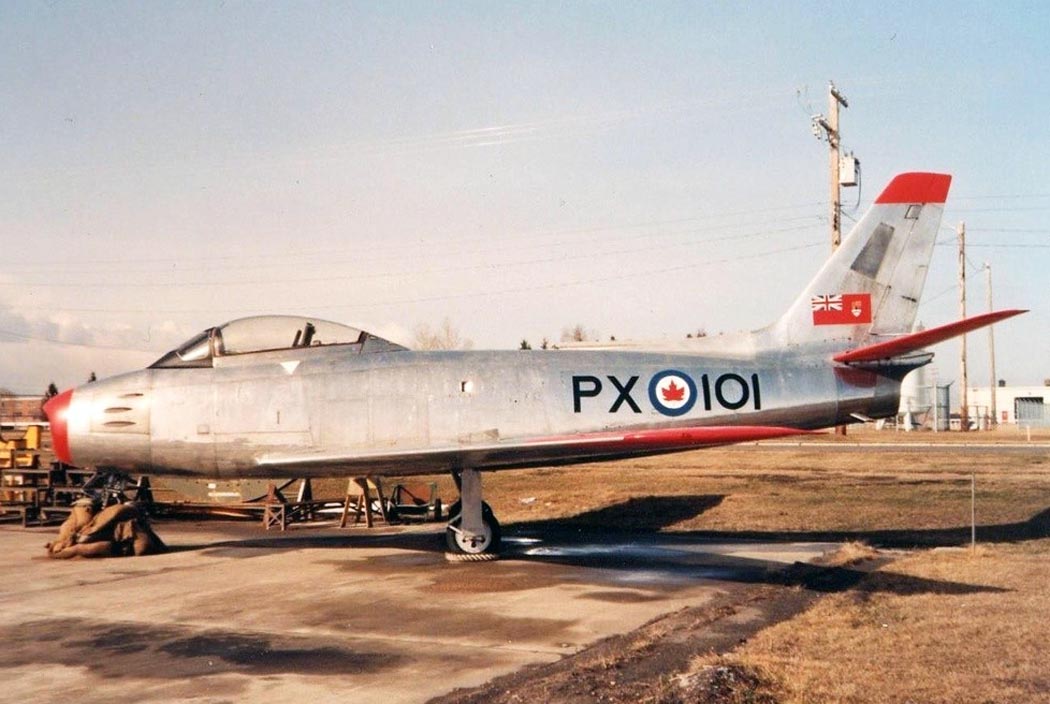
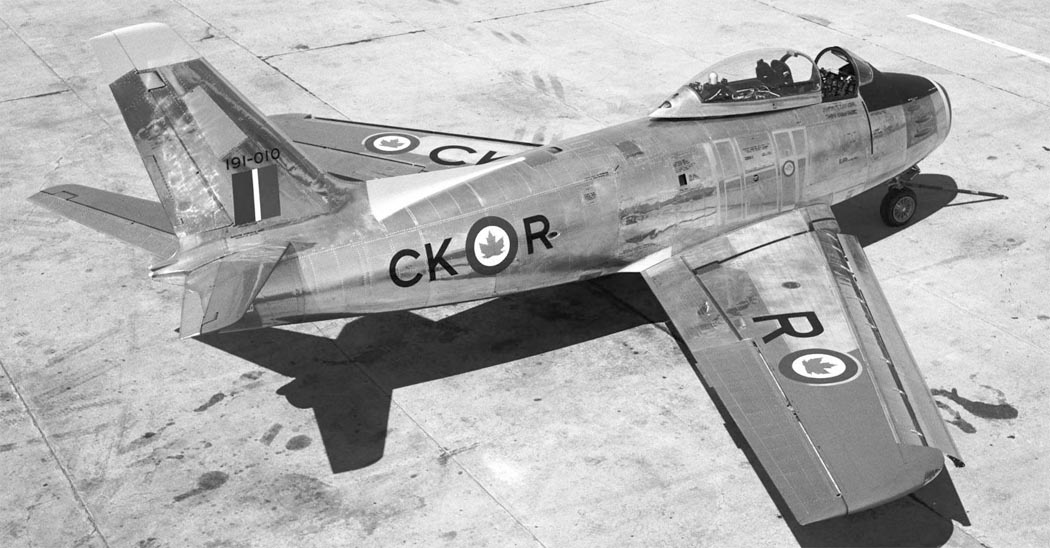
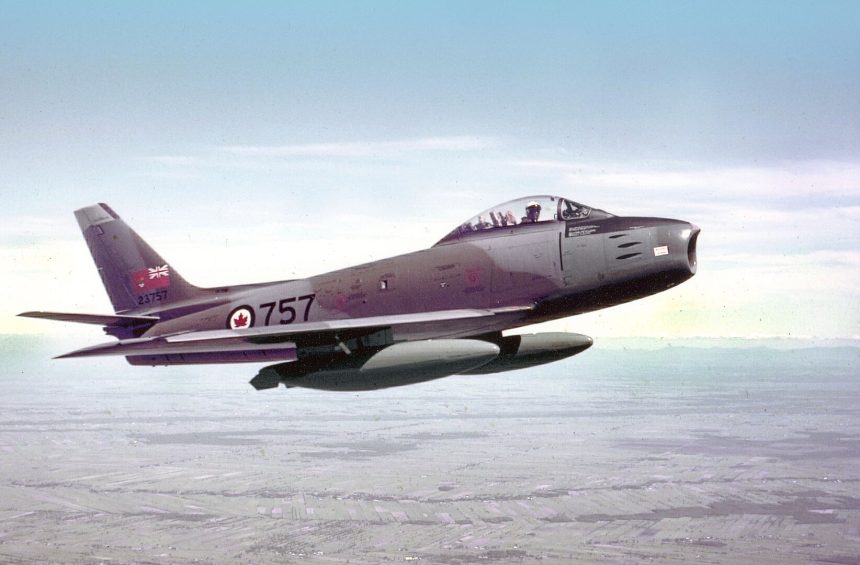
After the war, Lilly became a test pilot for the Canadair DC-4M North Star—a variant of the Douglas C-54 Skymaster fitted with Rolls-Royce Merlin engines. This role eventually placed him in the cockpit of a Canadian-built Canadair F-86 Sabre on August 9, 1950. On that historic day at Dorval, Quebec, Lilly took the first Canadian-manufactured Sabrejet into a steep dive, coaxing out the final few kilometers per hour needed to break the sound barrier. The maneuver carried considerable risk in the early jet age, but it succeeded—making Lilly the first Canadian pilot to achieve supersonic flight. He continued his career as a test pilot with Canadair, retiring with 35 years of flying experience. Alexander John Lilly passed away on November 21, 2008, at the age of 98, leaving behind a proud legacy as a trailblazer in Canadian aviation history.