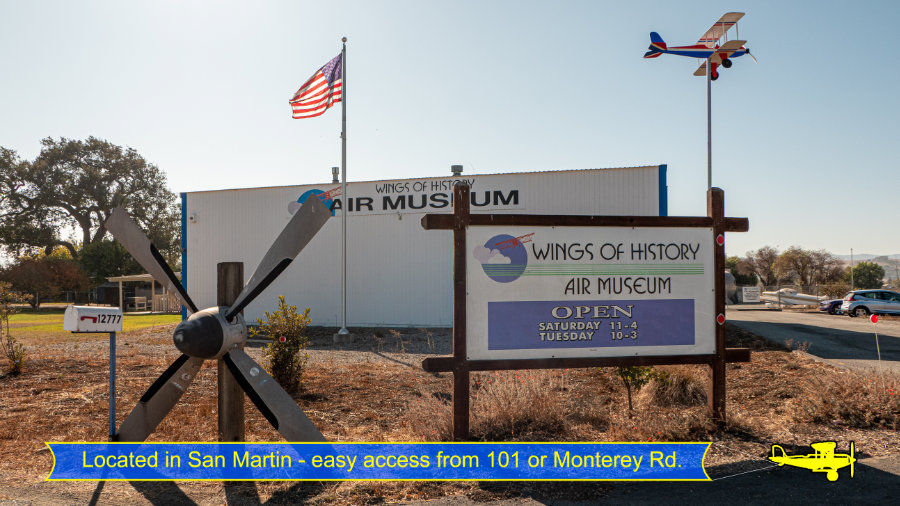
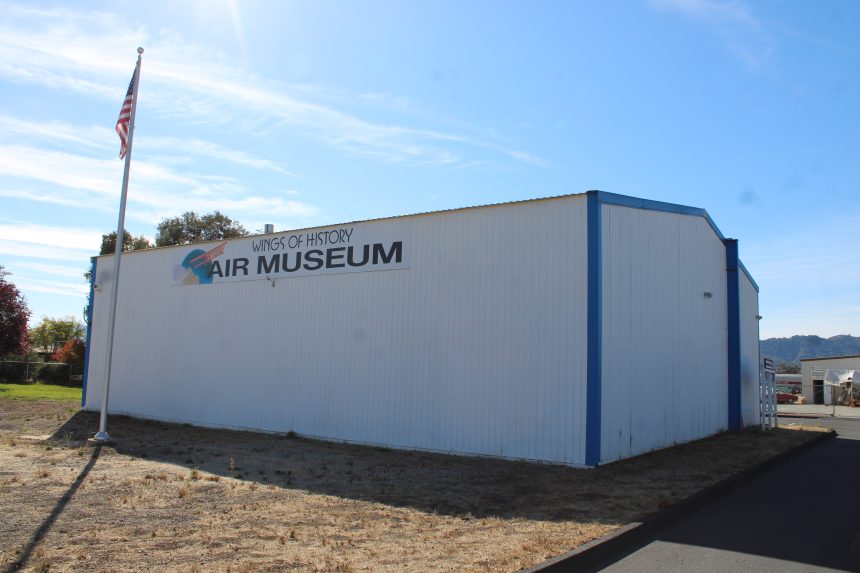

Across the United States, there are numerous local museums staffed by volunteers, preserving a slice of history for posterity, and at the southern end of California’s Santa Clara Valley, just over an hour’s drive south of San Francisco, lies one such museum; the Wings of History Air Museum in San Martin. While only open for two days out of the week (Tuesdays and Saturdays), this quaint museum is packed to the rafters with aviation history and houses a fine collection of vintage general aviation types, alongside some unusual types as well.
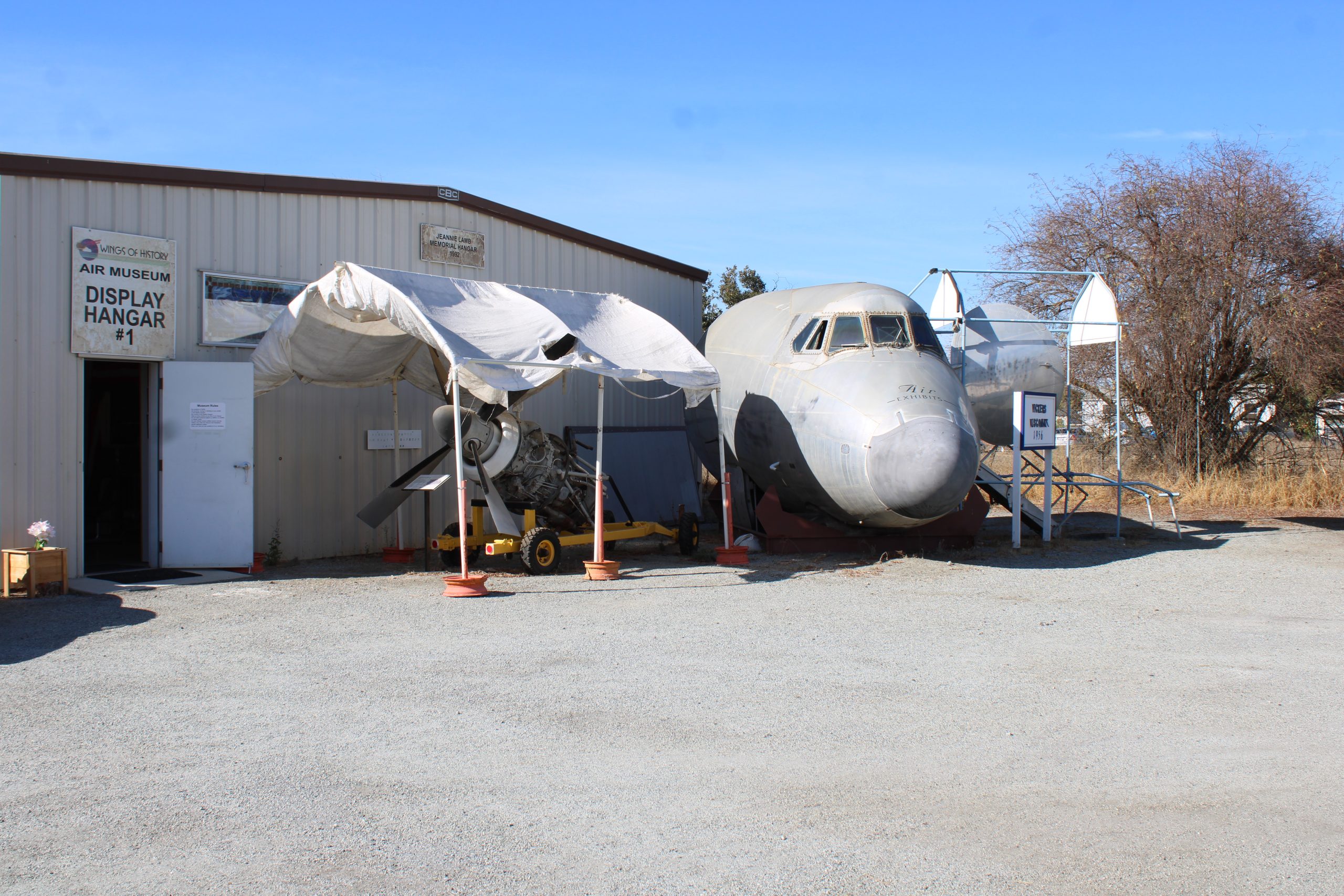
Like many air museums, the Wings of History Air Museum is located at an airport, namely the San Martin Airport, which borders the southbound section of U.S. Route 101, which goes from Los Angeles to Olympia, WA, and is the main artery of the California Central Coast. Upon arriving at the museum, where visitors are greeted by the four-bladed propeller off a Vickers Viscount placed beside the museum’s mailbox, you arrive at the museum’s Harold C. Bosshardt Restoration Shop to pay the suggested donation of $10.
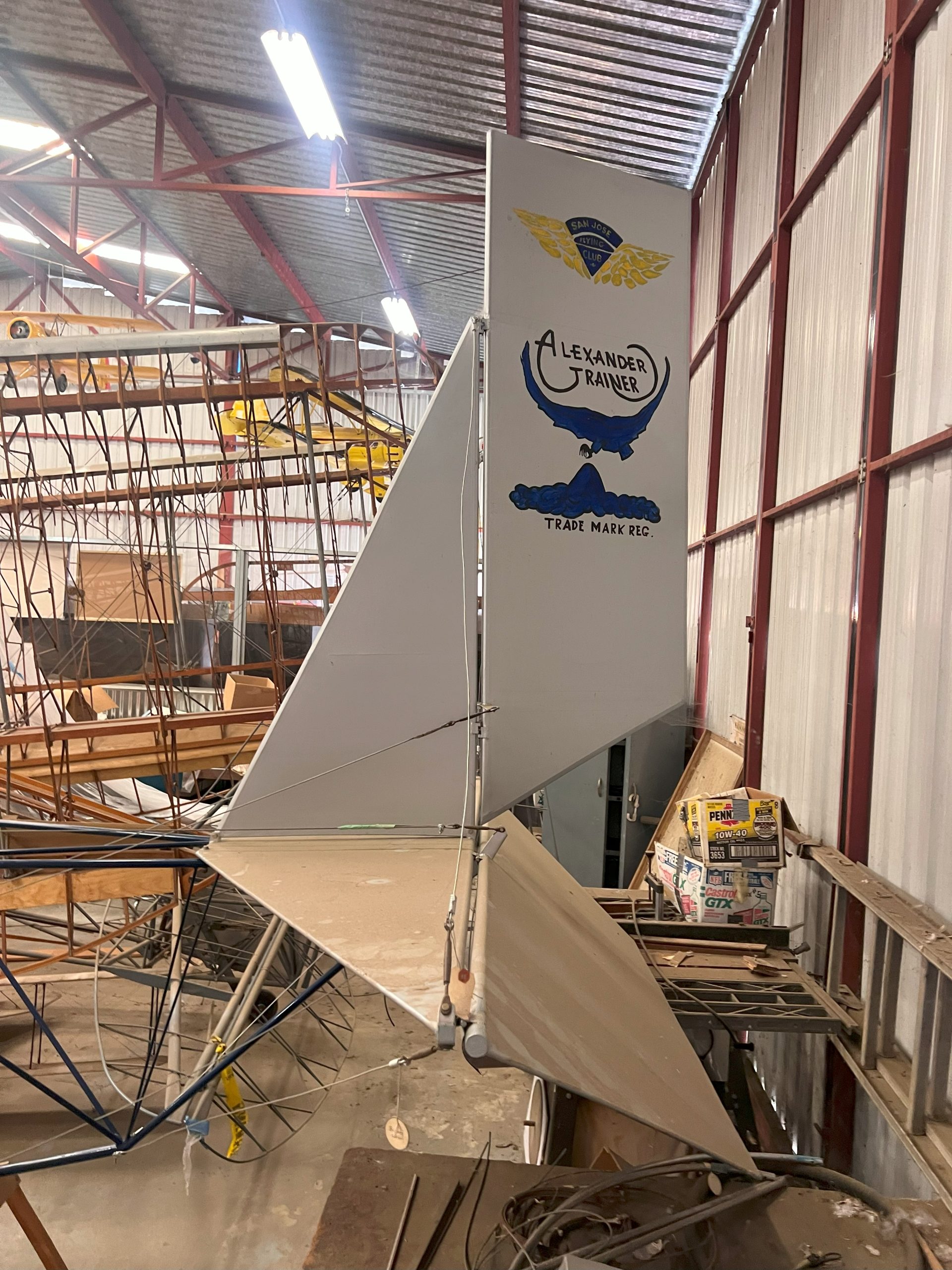

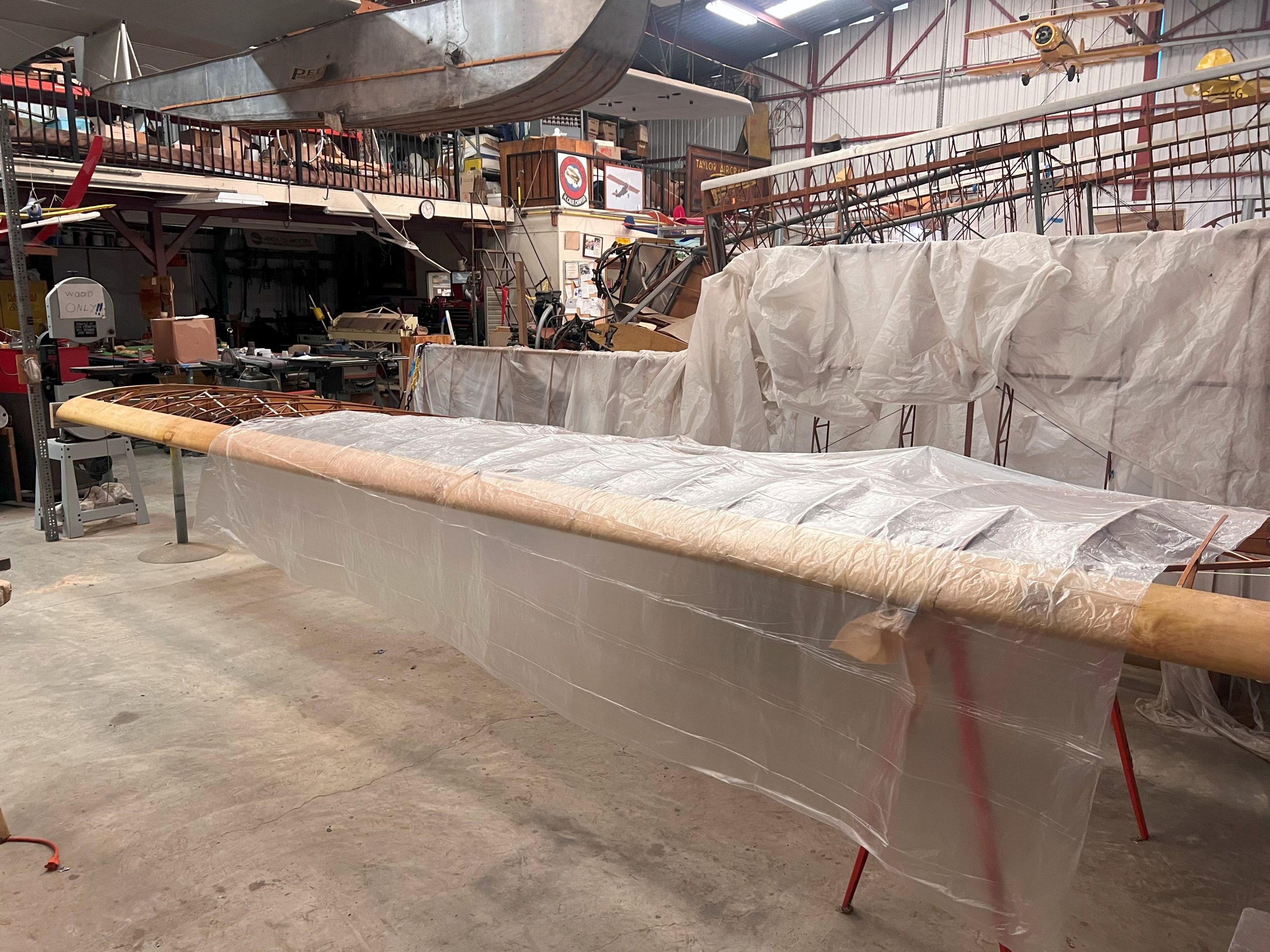
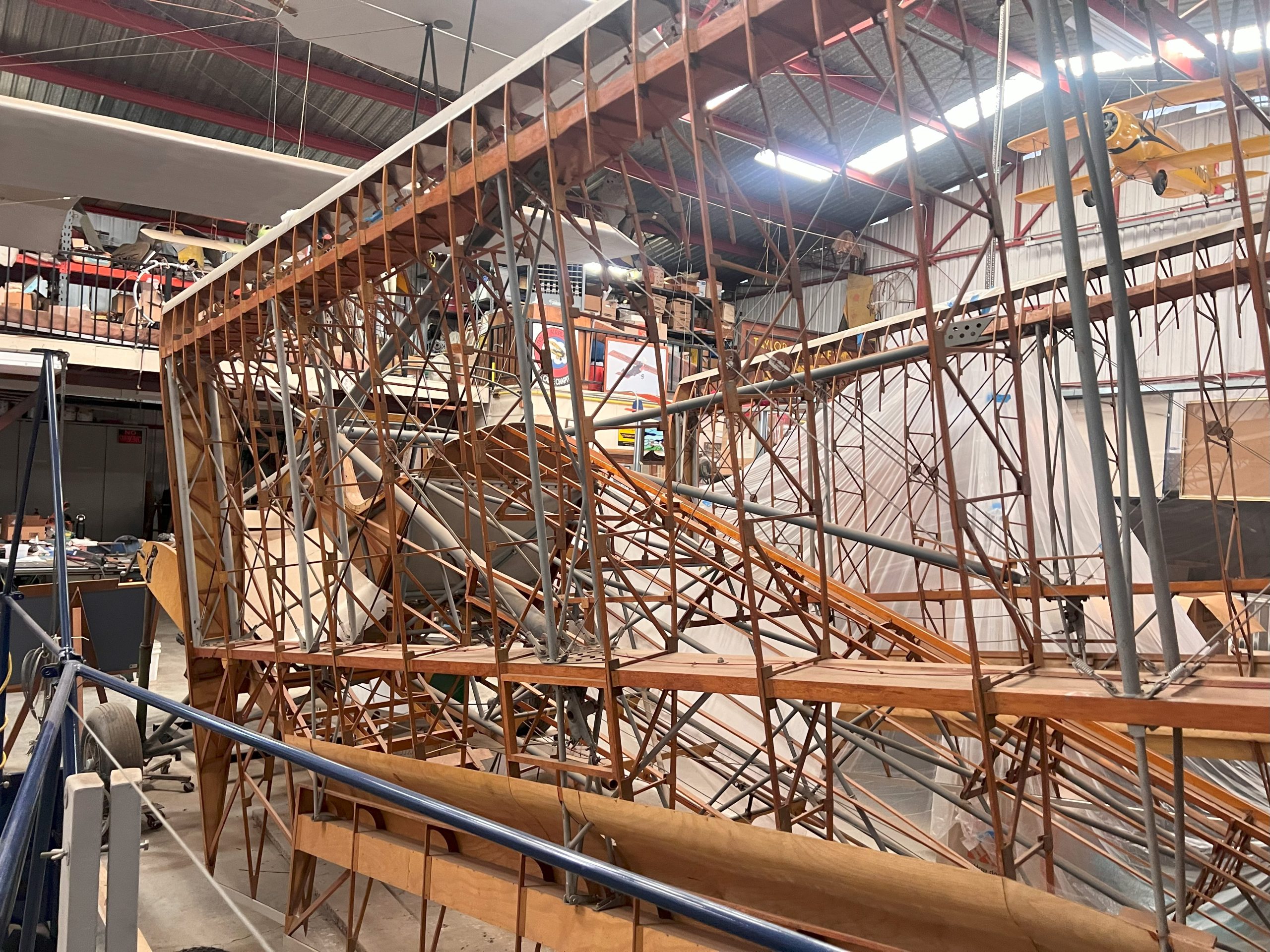
Inside the shop, the museum has an Alexander Primary Glider, a design popular in the 1920s and 1930s that provided an inexpensive route for young aviation pioneers to get their first taste of flight. While primary gliders were constructed all over Europe and North America, this particular glider was constructed by the Alexander Aircraft of Englewood, which from 1928 to 1929 was briefly the world’s largest aircraft producer, famed for its Eaglerock biplane, before going defunct in 1932 as a result of the Great Depression. Currently, the museum’s volunteers have restored the frame, seat, and tail of their Alexander Glider, but have yet to dope the fabric for the glider’s wings.
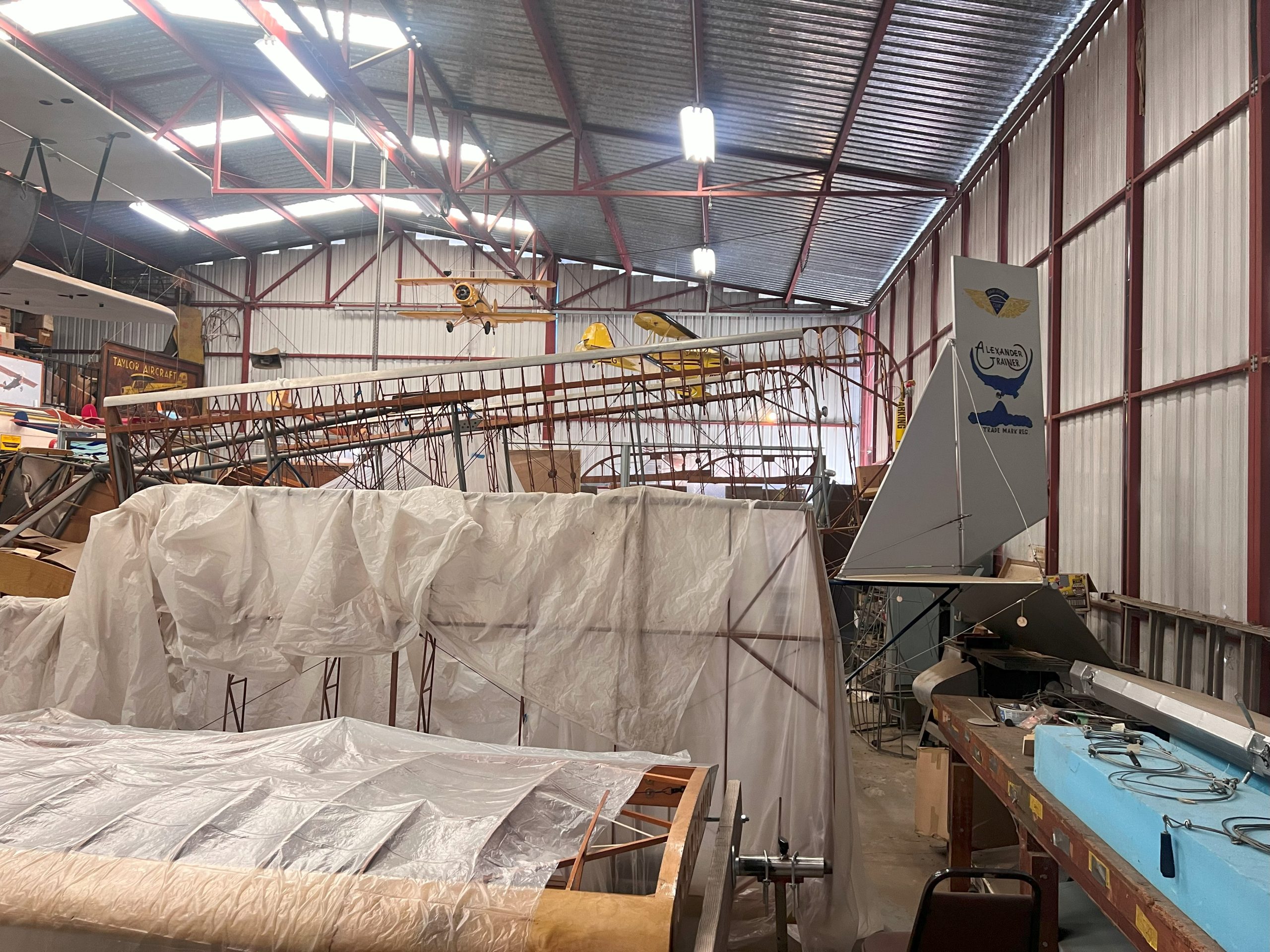
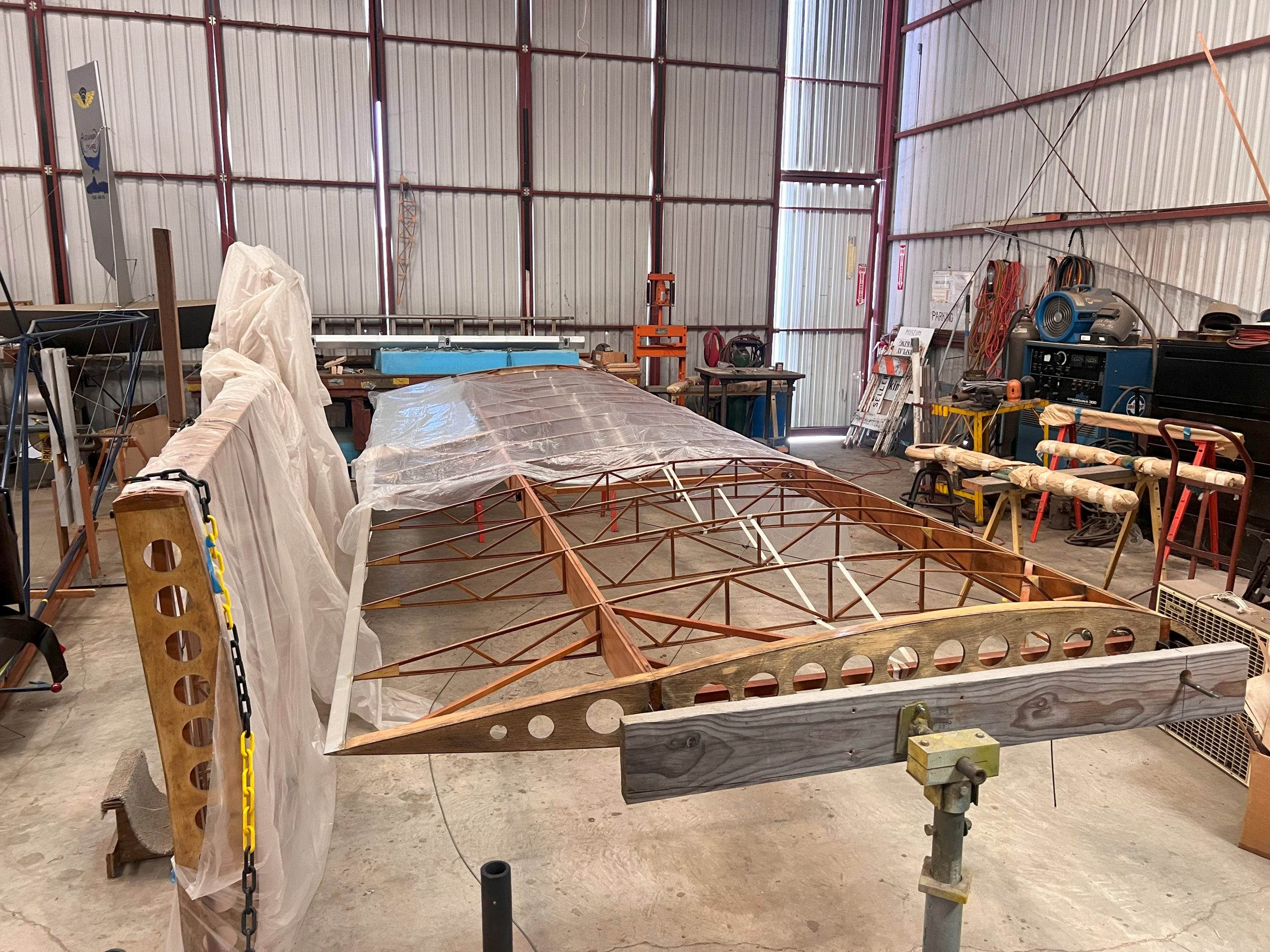
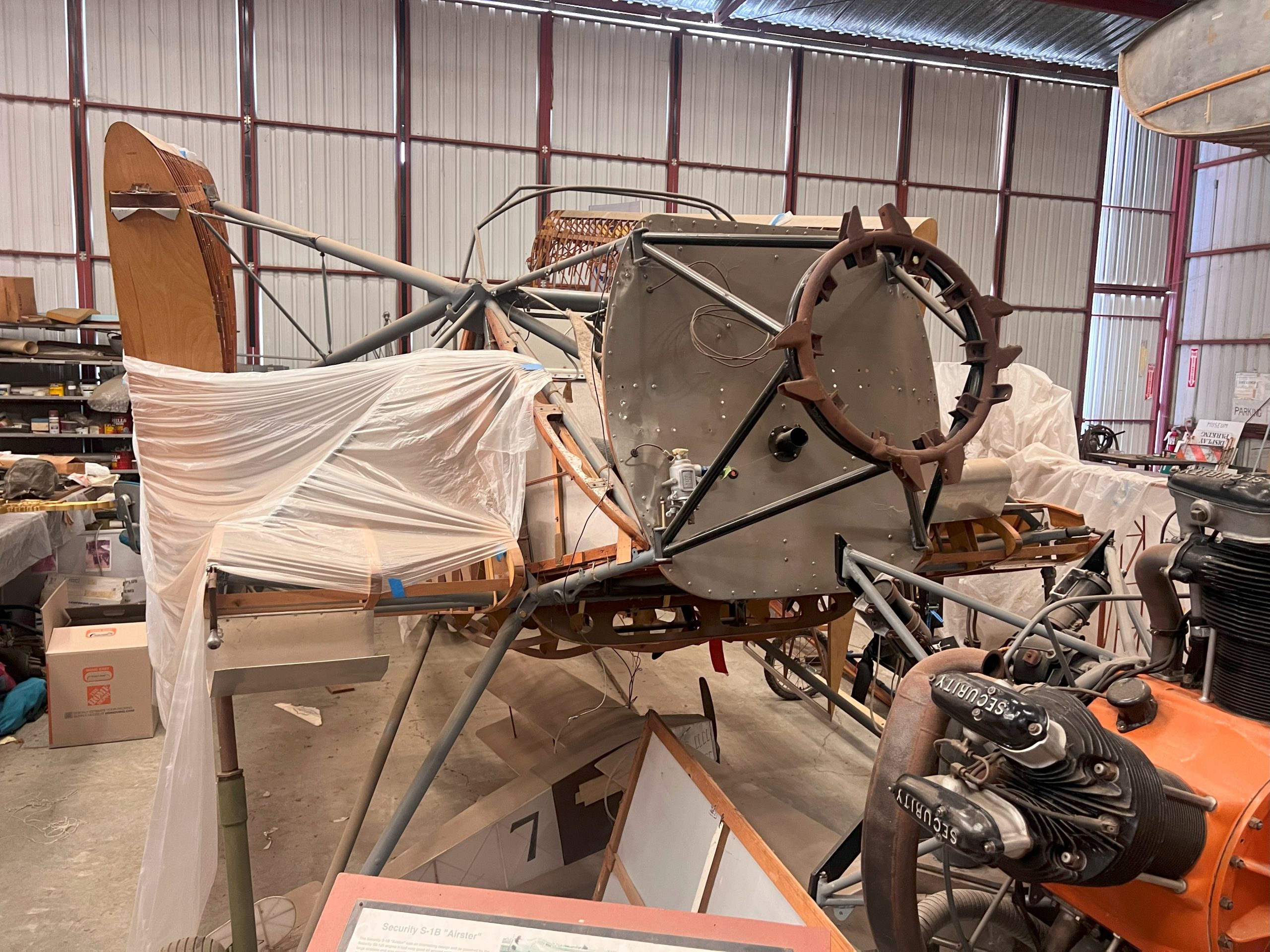
Alongside the Alexander is an even rarer aircraft, the Security Airster S-1. The Airster was the product of the Security National Aircraft Corporation (later the American Aircraft Corporation), which was founded by pilot and aircraft/engine builder Bert Kinner. The Airster had a side-by-side cockpit for a pilot and passenger, was powered by a Kinner K-5 five-cylinder radial engine and was designed with folding wings to be stored in small hangars. Initial production of the S-1A model began after the type’s first flight in 1933, but was halted just two years later after only 15 aircraft were built during the economic hardship of the Great Depression. In 1939, Kinner introduced the revised S-1B model, powered by a Security S5-125 engine, another five-cylinder engine designed by Kinner. However, times remained hard for aircraft builders such as Kinner, and after the attack on Pearl Harbor, the need for military aircraft was at an all-time high, and only 19 Security Airsters were ever built. The museum’s example is S-1B NC15536, and along with its original S5-125 engine, the aircraft will be restored to airworthy condition.

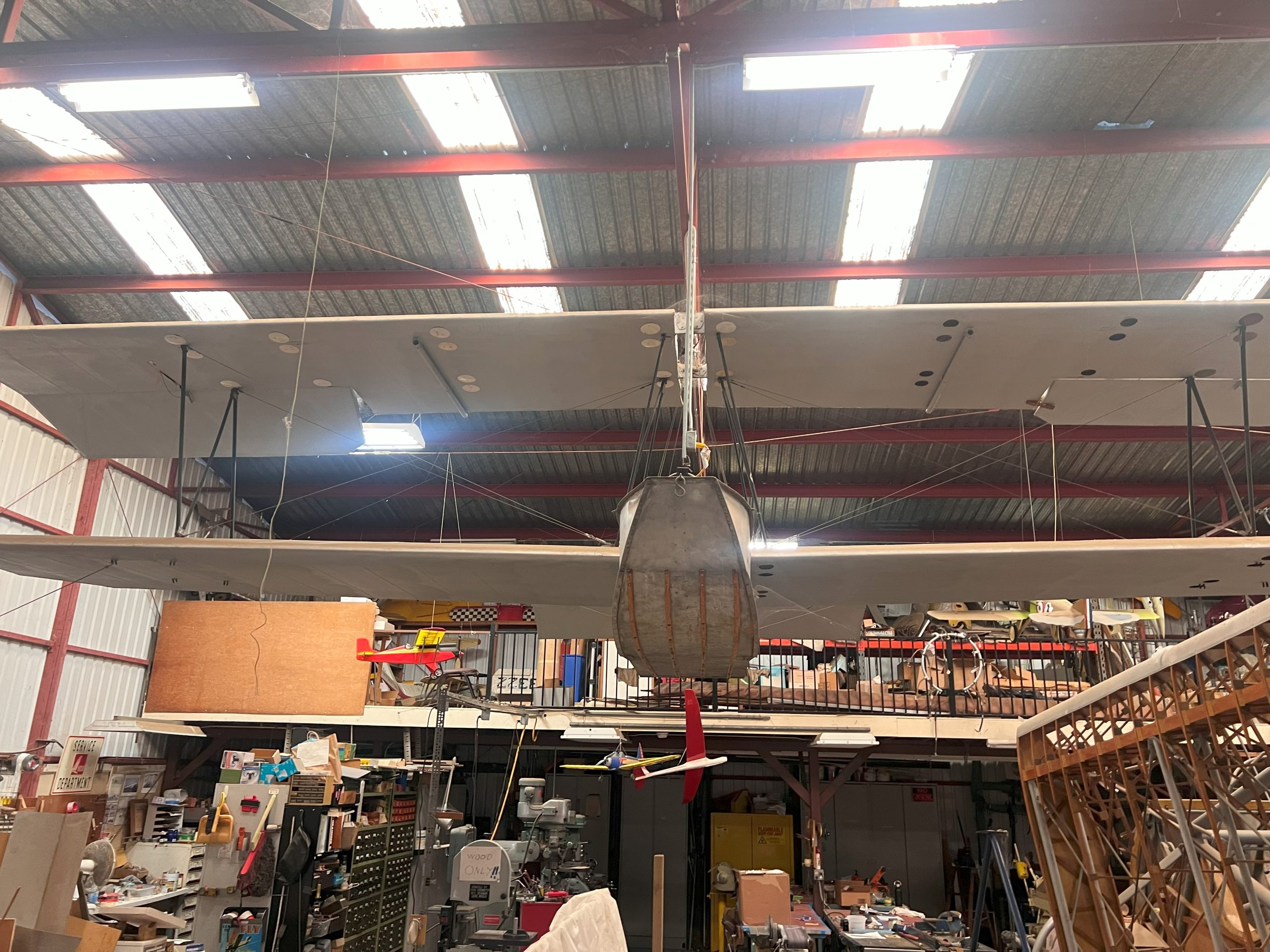
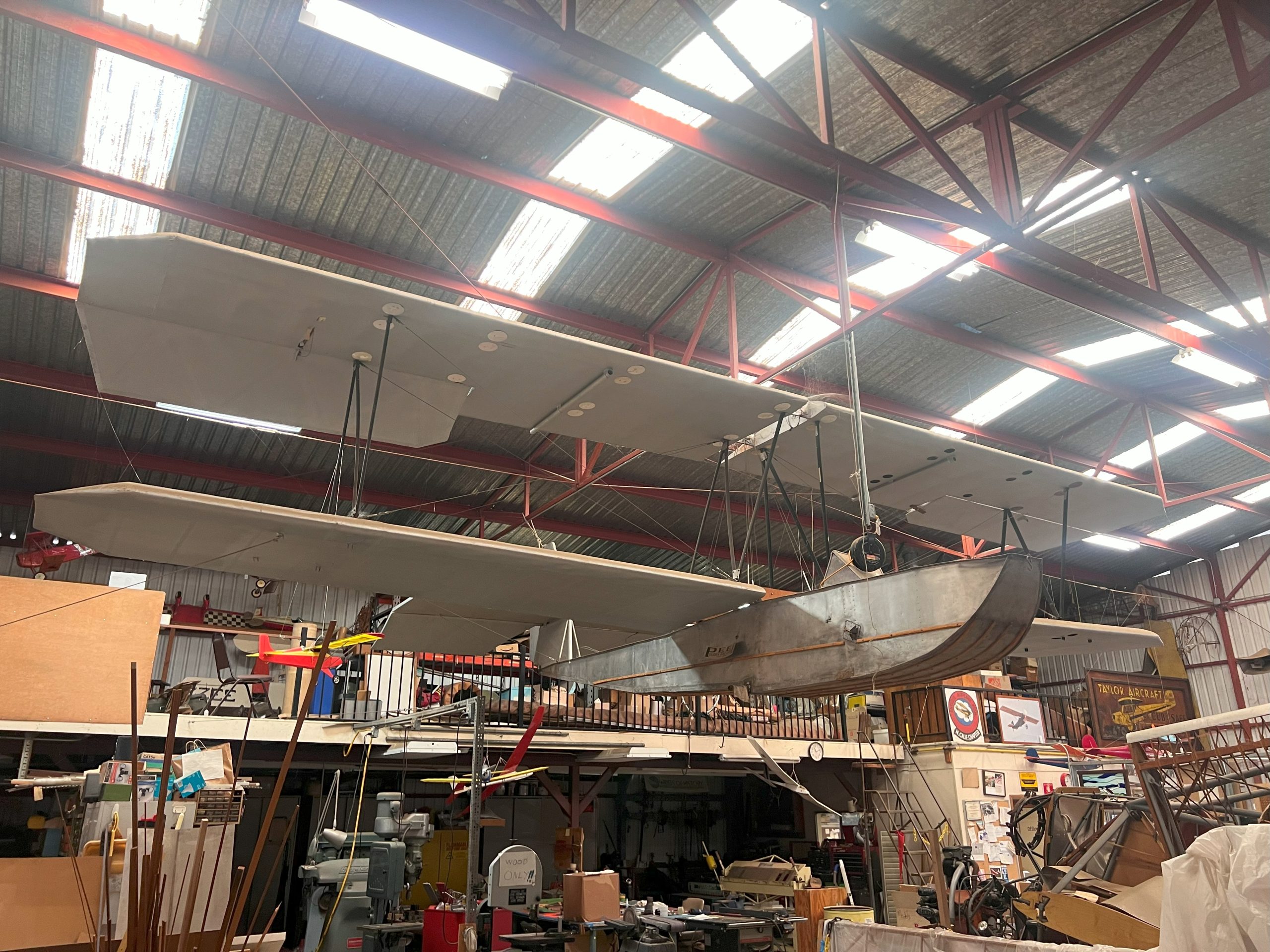
Lastly, hanging from the rafters of the hangar above the Airster and the Alexander Glider is a Peel Z-1 Glider Boat. Amazing though it may seem, the interest in gliders during the 1920s and 1930s not only extended to taking off from land, but from the water as well. Charles Lindbergh’s 1927 flight had captured the attention of the American public like no other flight had before, and gliders/sailplanes became a way for people who could not afford an airplane to experience the thrilling sensation of flight. One company that sought to profit from this interest was the Peel Glider Boat Company, located in College Point, Queens, NY. The Z-1 would be towed by a motorboat that would accelerate to allow the glider to take flight. Upon reaching an altitude of 1,000 feet, the towline would be released, and the pilot would bring the Z-1 back onto the water. However, at a cost of $595 per aircraft, the Peel Glider Boat Company became one of the many aircraft companies to fold during the Great Depression after producing only 30 Z-1 glider boats. Today, the Wings of History Air Museum boasts having one of the few surviving examples on display, which is on loan from the National Soaring Museum in Elmira, NY, while another example can be found on the East Coast at the Cradle of Aviation Museum on New York’s Long Island in Garden City.

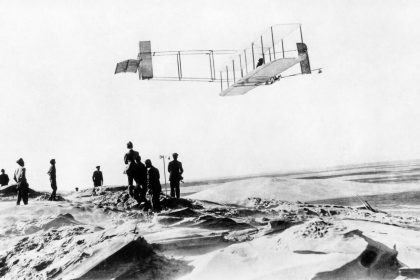
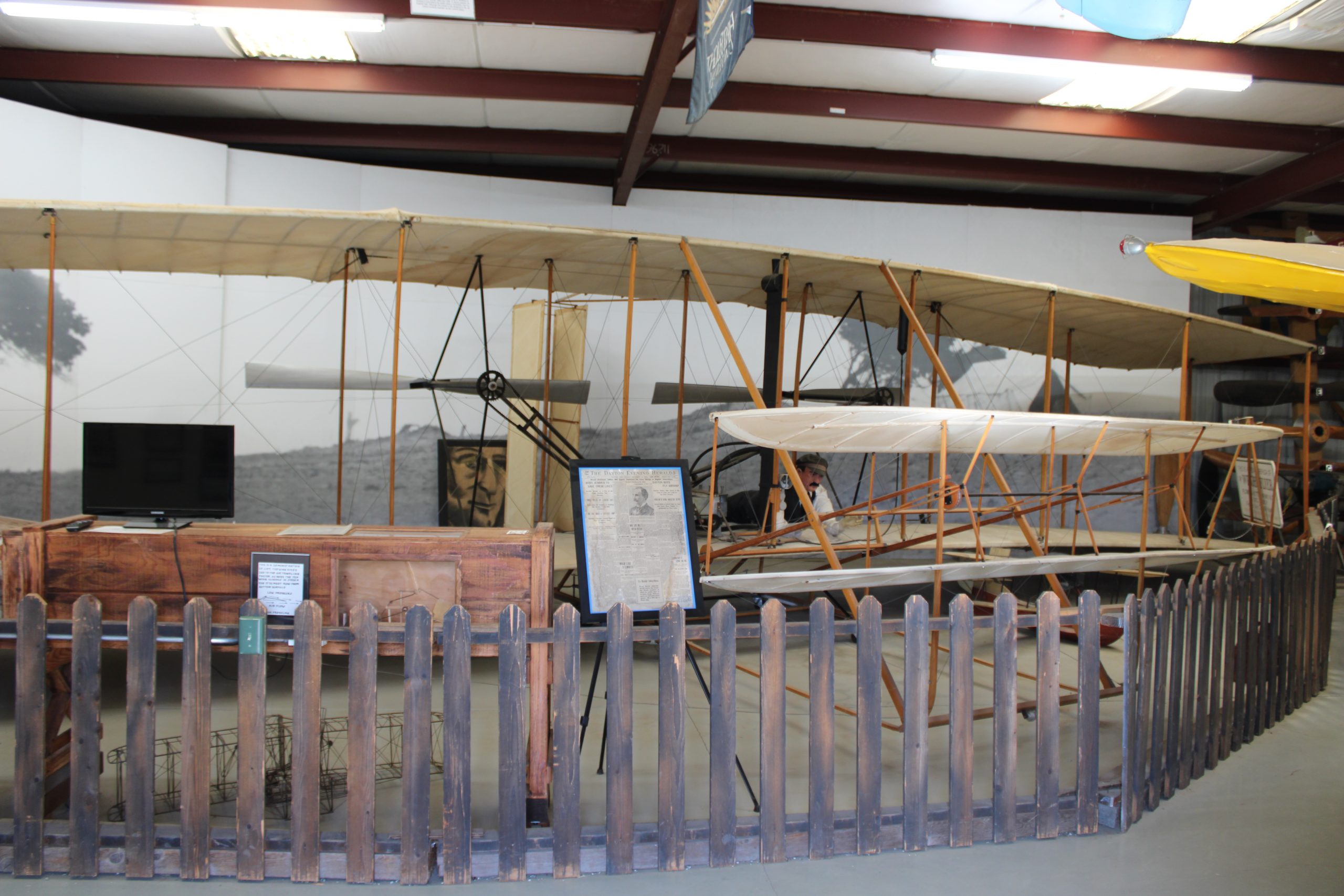
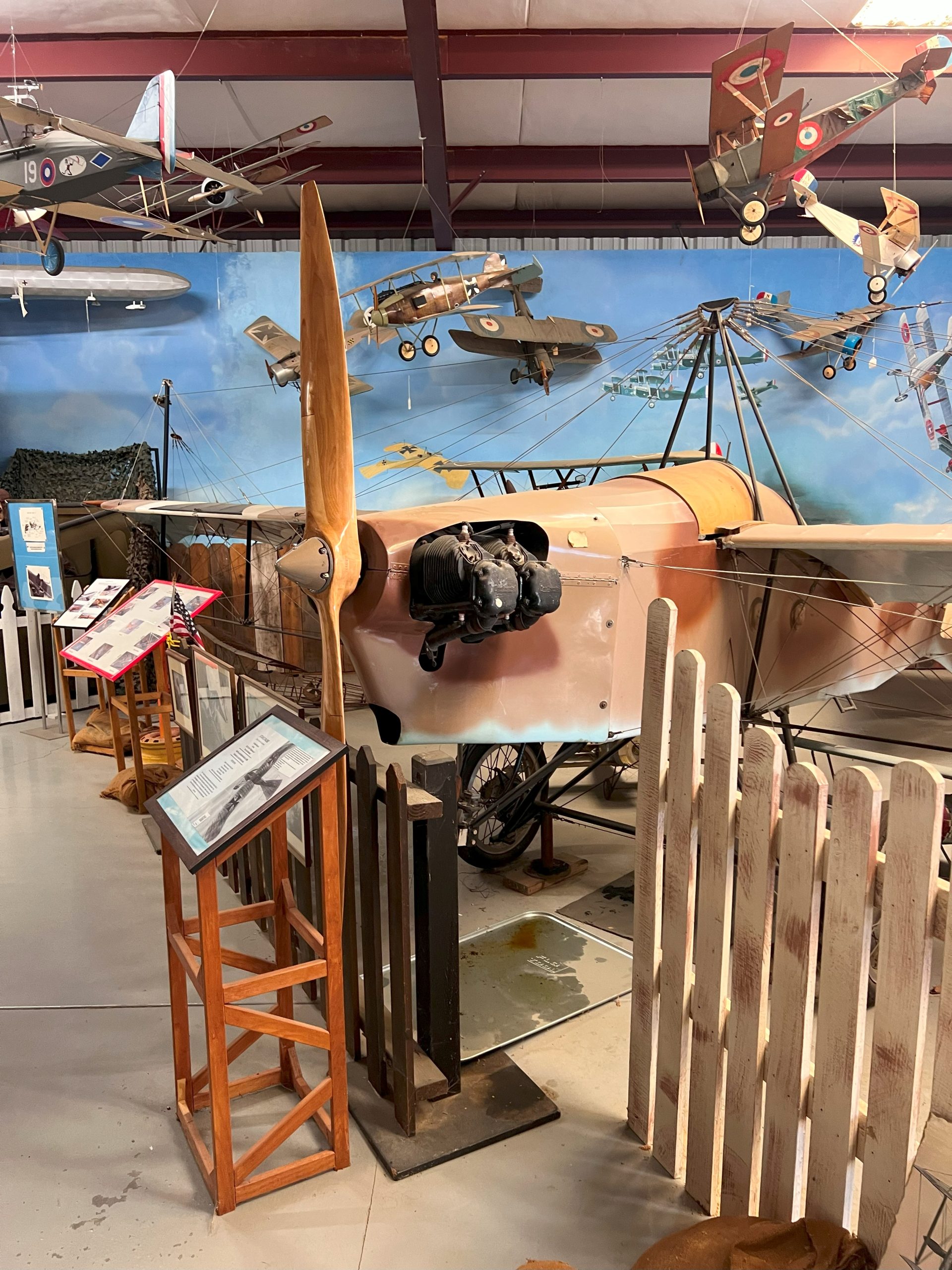
On the other end of the parking lot are the museum’s two display hangars. In Display Hangar 1 (the Jeannine Lamb Memorial Hangar), the Wings of History Air Museum displays a replica of the 1903 Wright Flyer, along with a display of WWI aviation, featuring a replica of the nose gunner’s compartment of a Handley-Page 0/400 bomber, and a 3/4 scale replica of a German Stahltaube (Steel Dove). Developed by Austrian aviation pioneer Igo Etrich as the Taube (dove), the Stahltaube refers to the version of the aircraft built with a tubular steel frame doped in fabric, and which were among the first airplanes to see combat during the Italo-Turkish War and the opening months of World War One before their obsolesce in frontline units relegated them to training units. The 3/4 scale replica in San Martin is powered by a four-cylinder Continental A-80 engine as opposed to the original’s Mercedes D.I inline engine and was built by pilot Joel Marketello in 1980. Maketello later donated his Stahltaube replica to the Wings of History Air Museum, where it serves as the centerpiece of the museum’s WWI exhibit.


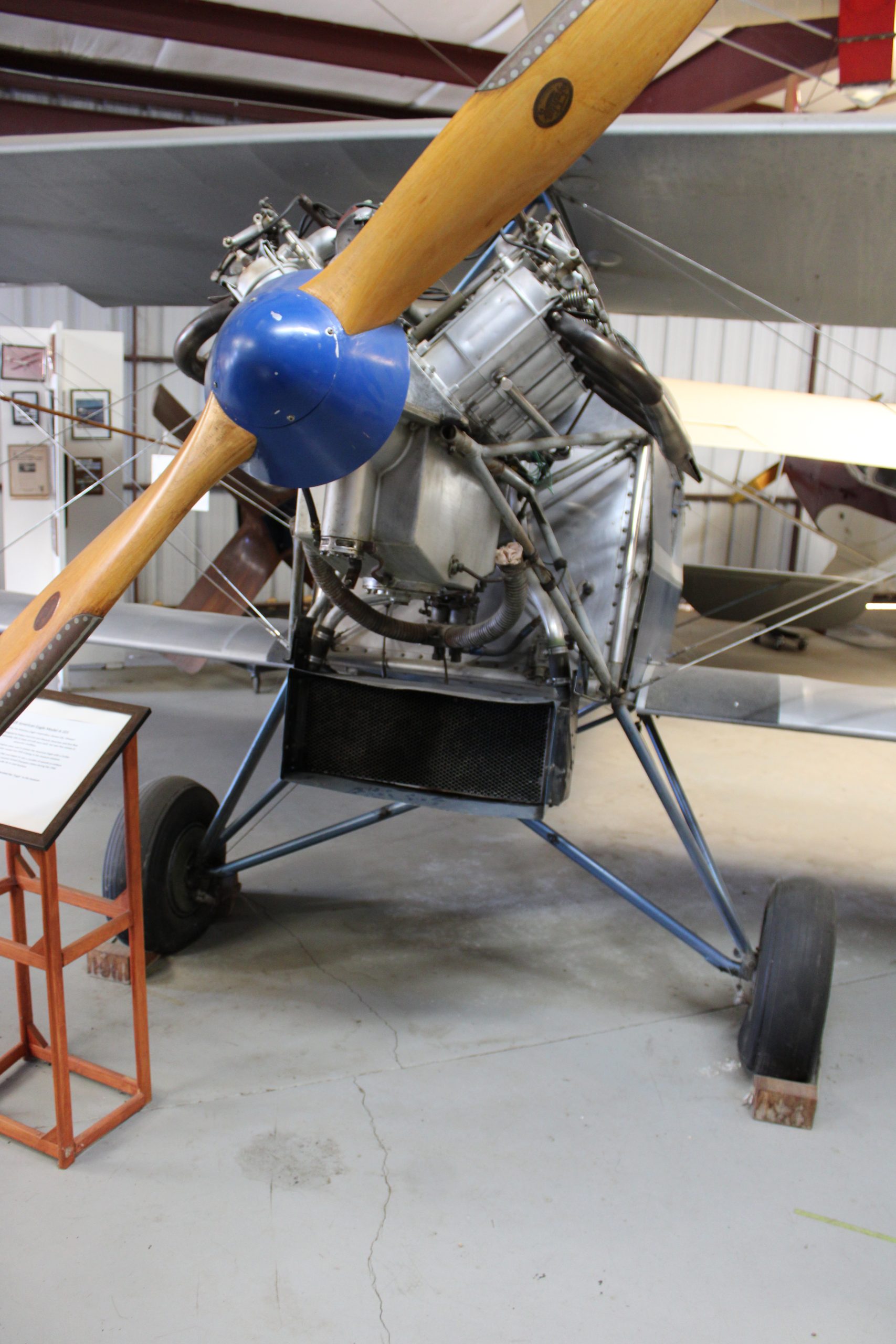
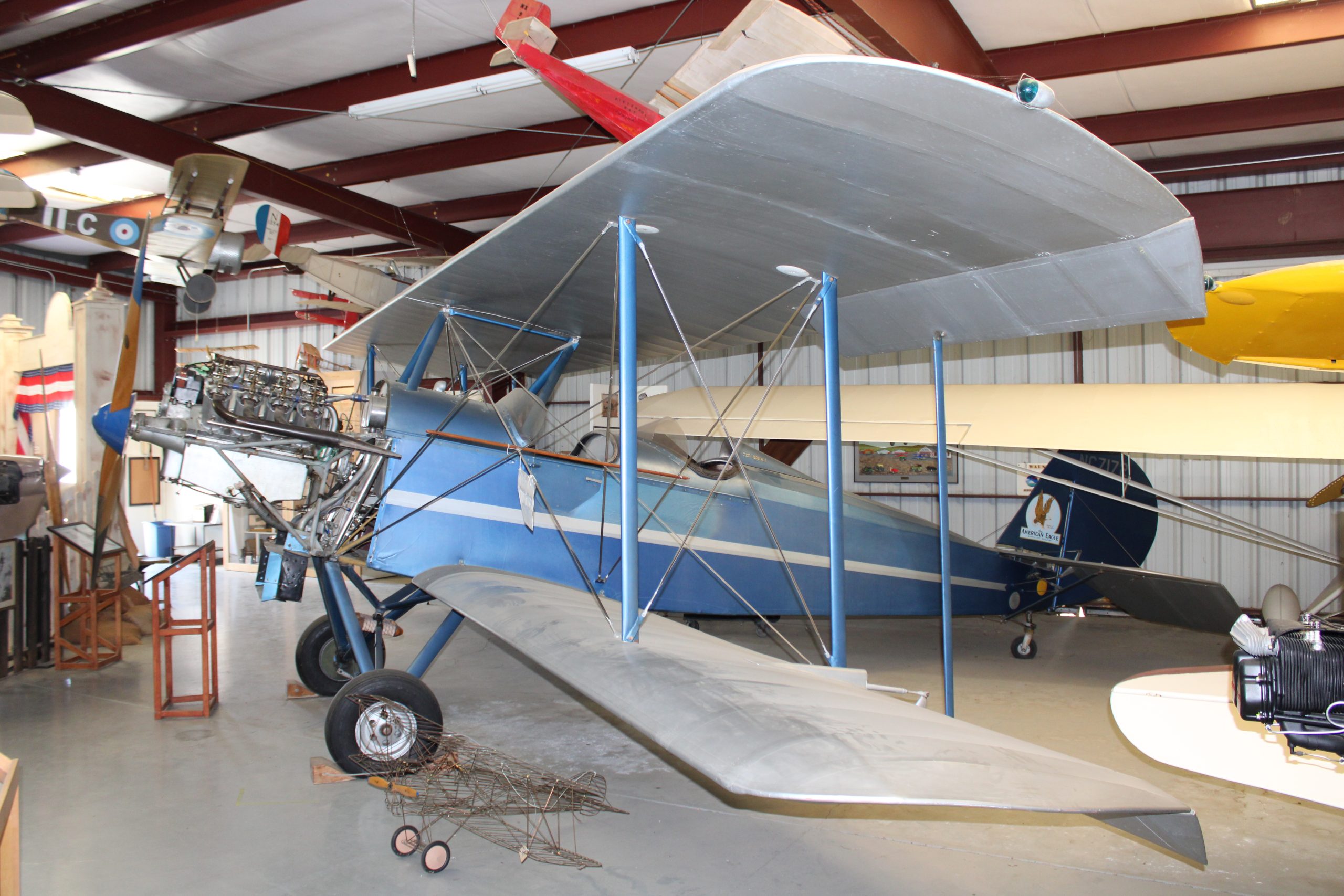
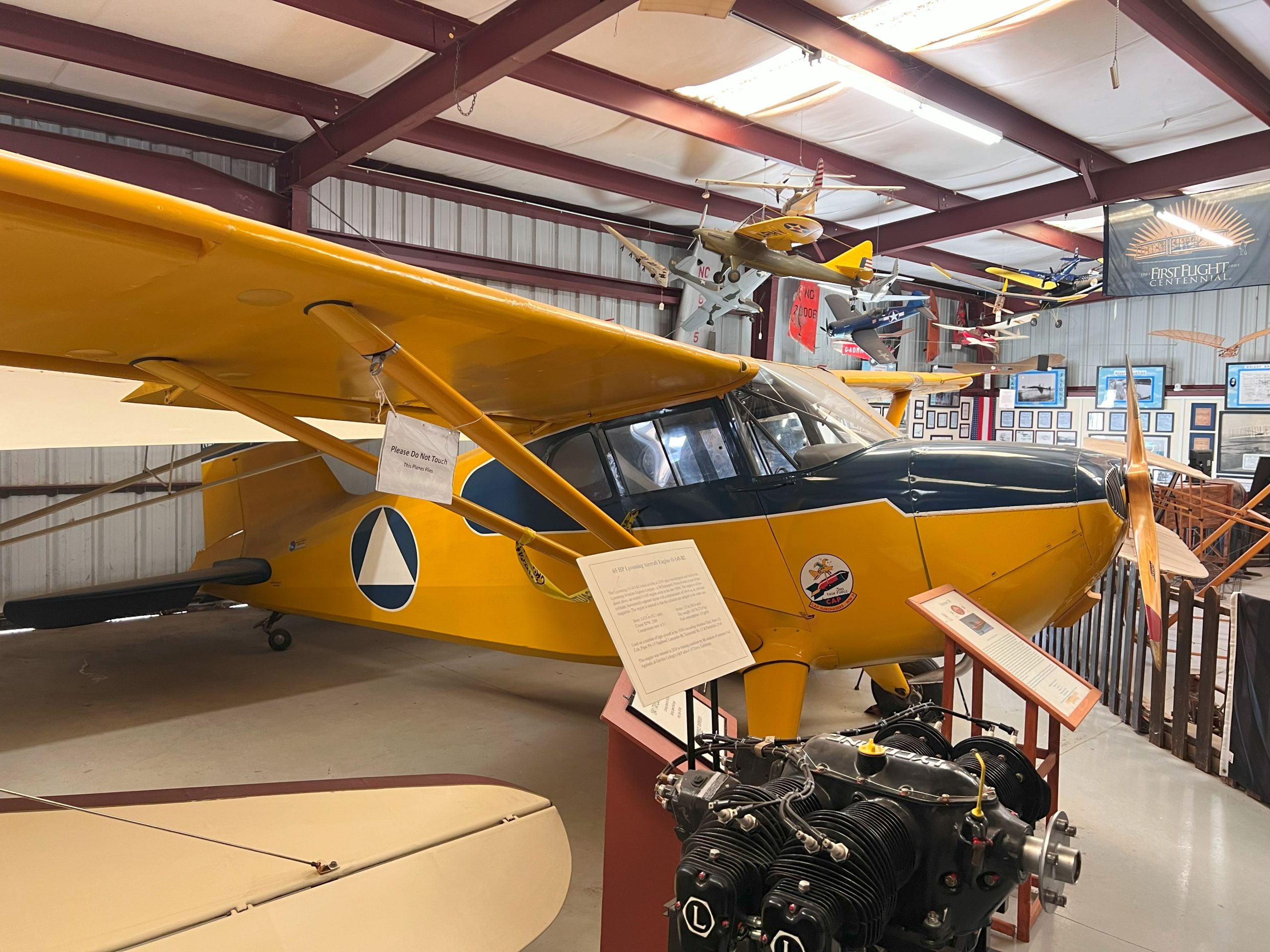
This hangar is also home to a Taylorcraft BC-12, Stinson 10 Voyager painted in the colors of the Civil Air Patrol, and a rare American Eagle A-101 biplane. Powered by the same Curtiss OX-5 90 hp V8 engine used on the Curtiss Jenny of WWI fame, the American Eagle A-101 was introduced in 1925 and could carry a single pilot and up to two passengers. A favorite of flying schools and barnstormers, about 300 examples of the A-1 and A-101 variants were built before the Great Depression caused the American Eagle Aircraft Corporation to close its doors in 1931. This aircraft, NC7172, was restored in 1962 by Ted Homan, a captain for Western Airlines, who then won acclaim in the vintage aviation community for his restoration at antique fly-ins held in Merced and Watsonville, CA, before the aircraft was donated by Homan to the Wings of History Air Museum.

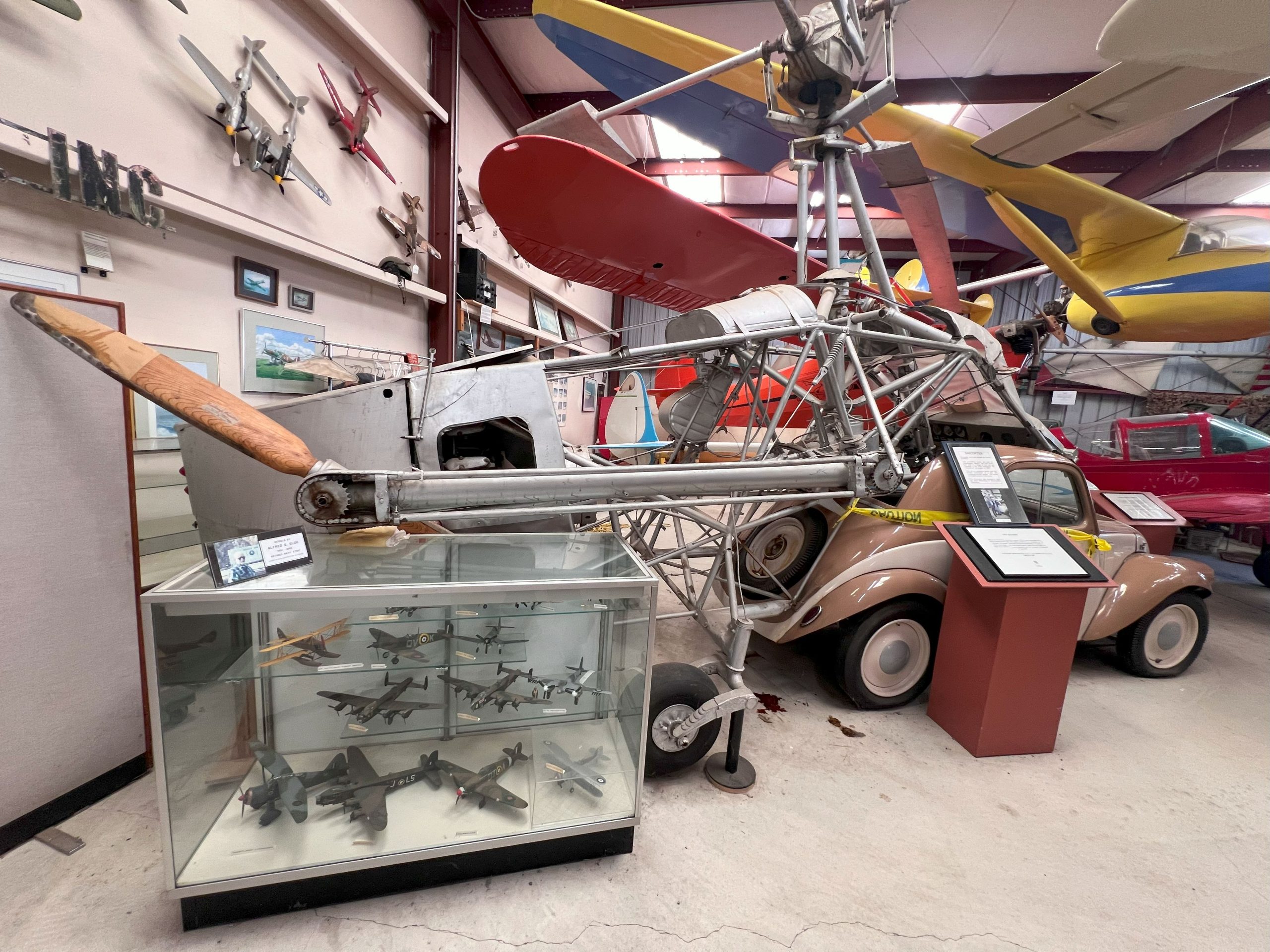
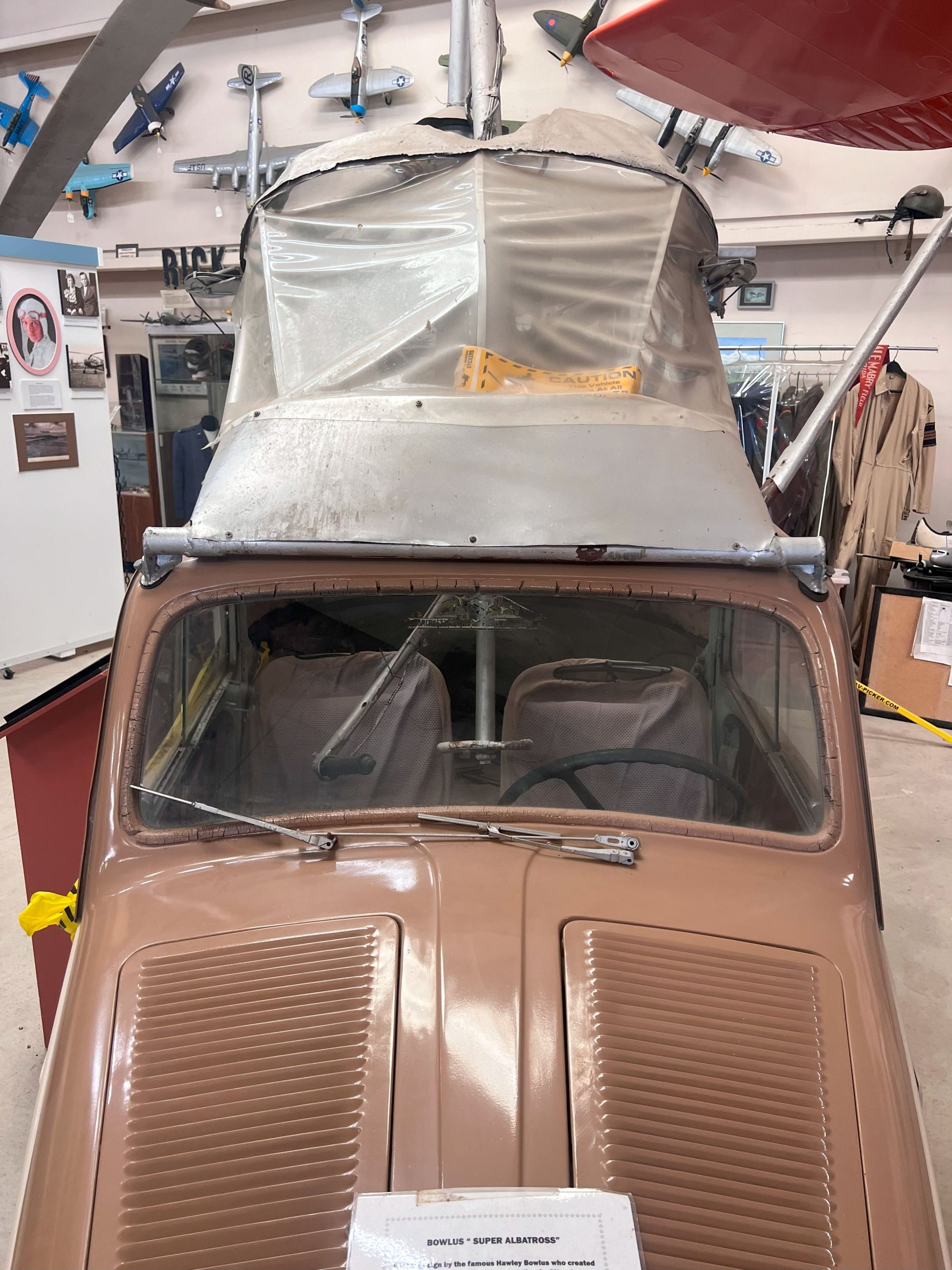
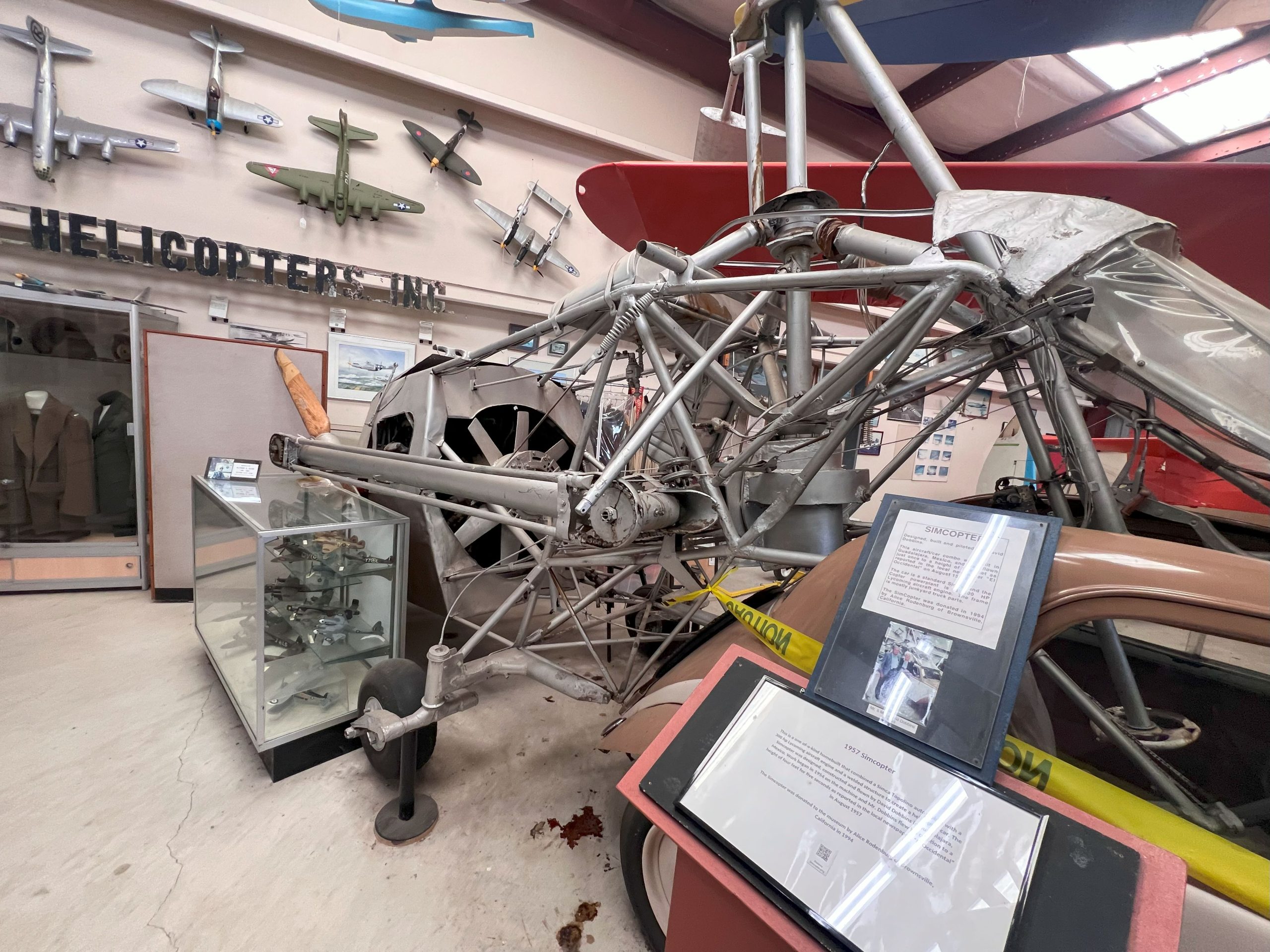
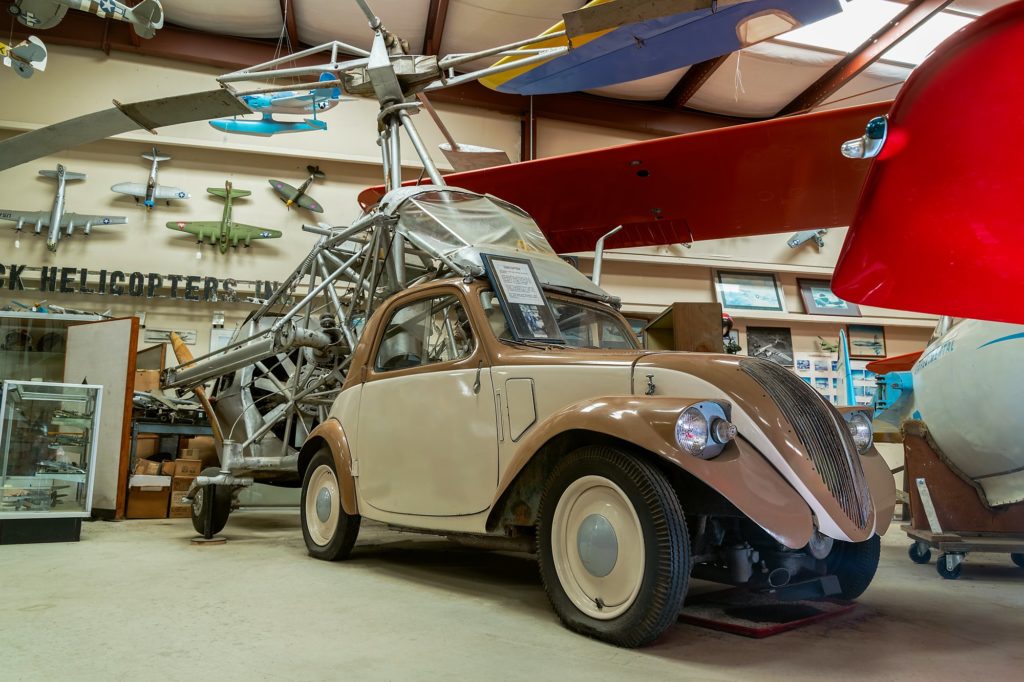
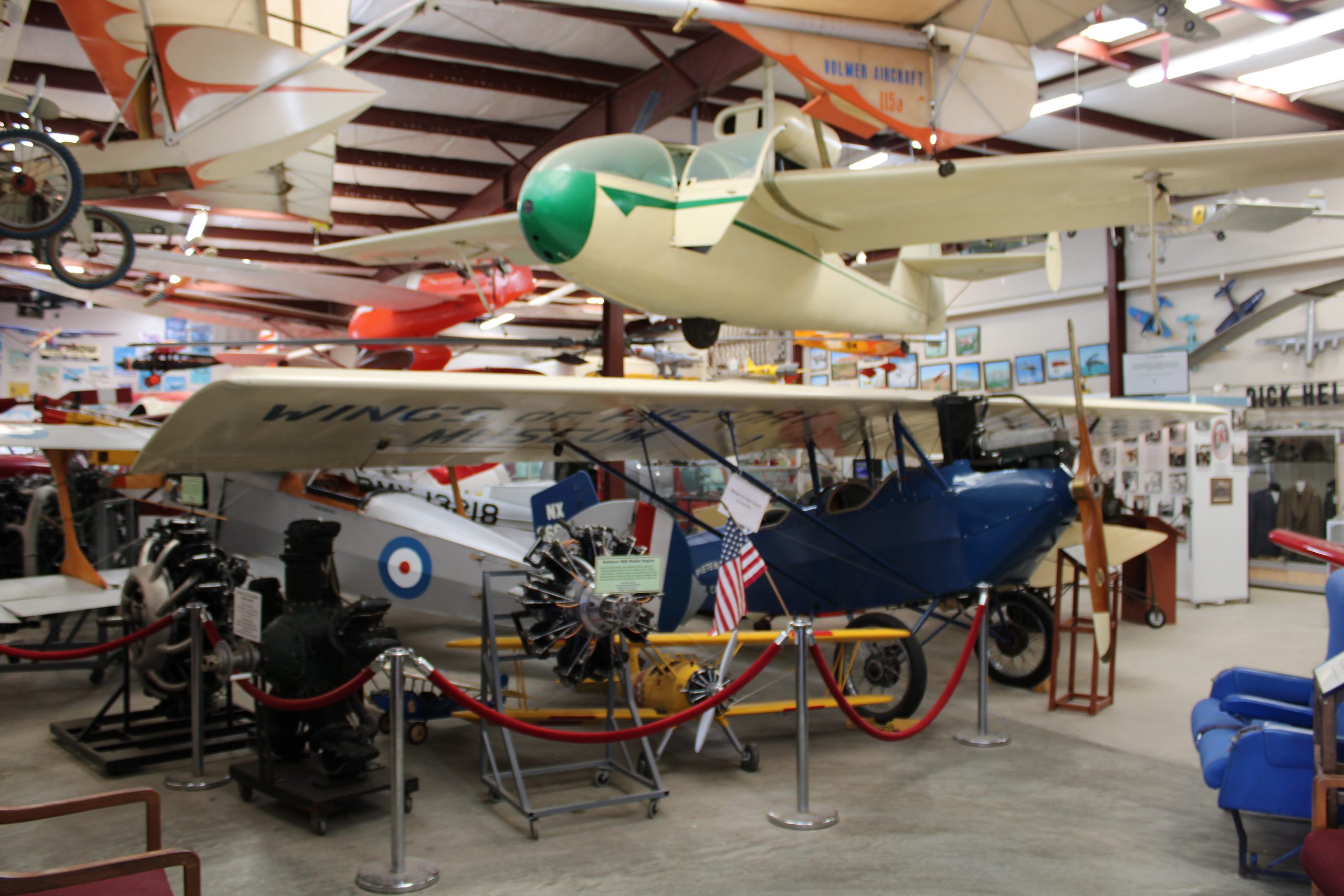
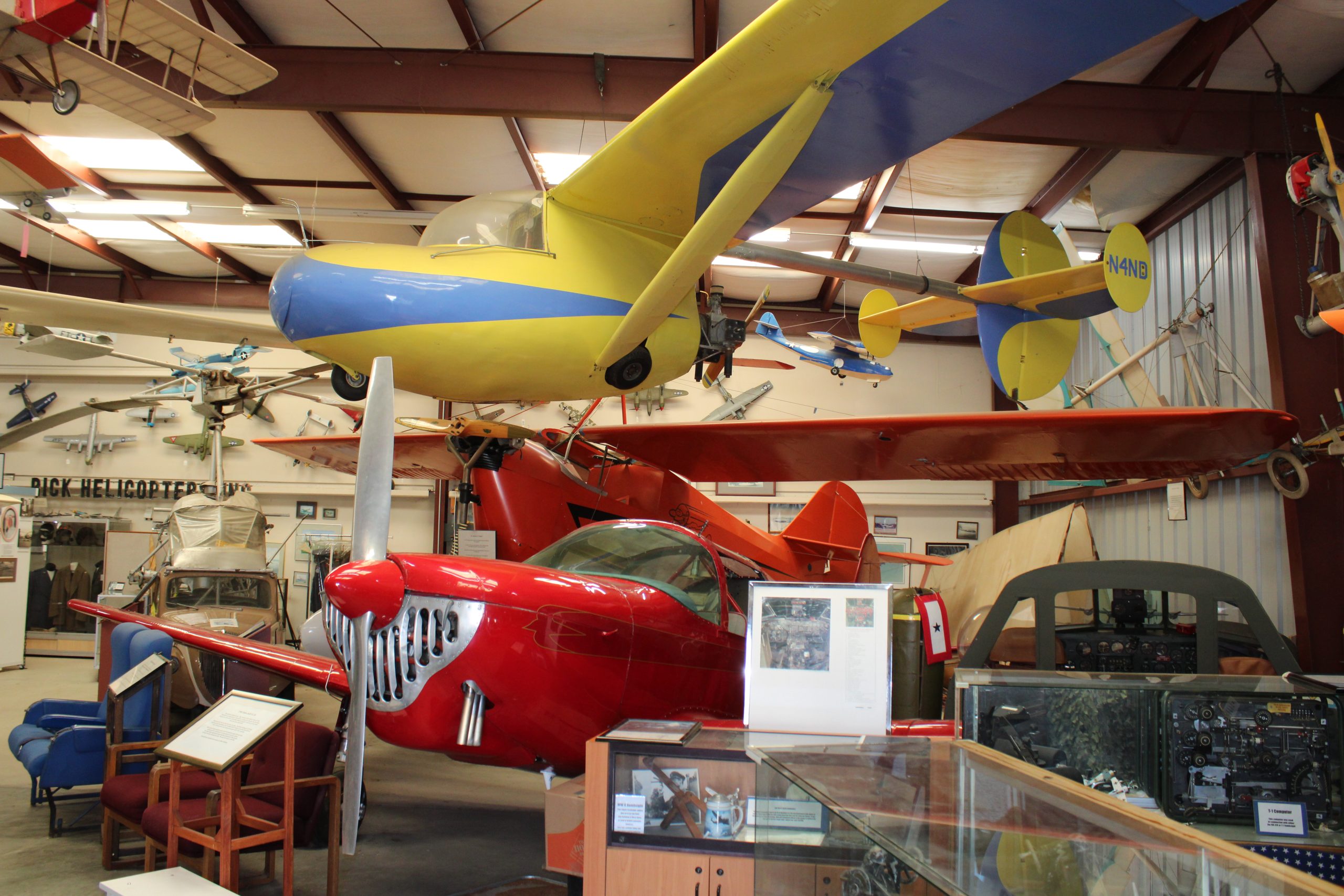
In the adjacent Display Hangar 2 (the Lionel and Marianne Mattos Hangar), the Wings of History Air Museum houses a mix of airplanes, gliders, helicopters, and engine displays. Among these is the unusual and unique Dobbins Simcopter. The Simcopter was developed in Mexico during the 1950s by American aviation enthusiast David Dobbins, who was working as a math teacher in the American School in Guadalajara when he decided to build a flying car. Taking the body and chassis of a French Simca 5, he added a 300hp Lycoming R-680 radial engine to the rear of the car and added both a 42-foot main rotor and a tail rotor to the contraption. According to an article published by El Occidental newspaper in Guadalajara in August 1957, Dobbins was able to briefly hover the Simcopter at a height of four feet for five seconds. However, Dobbins was unable to surpass this feat, but the odd Simcopter survived long enough to be donated to the Wings of History Air Museum in 1994.
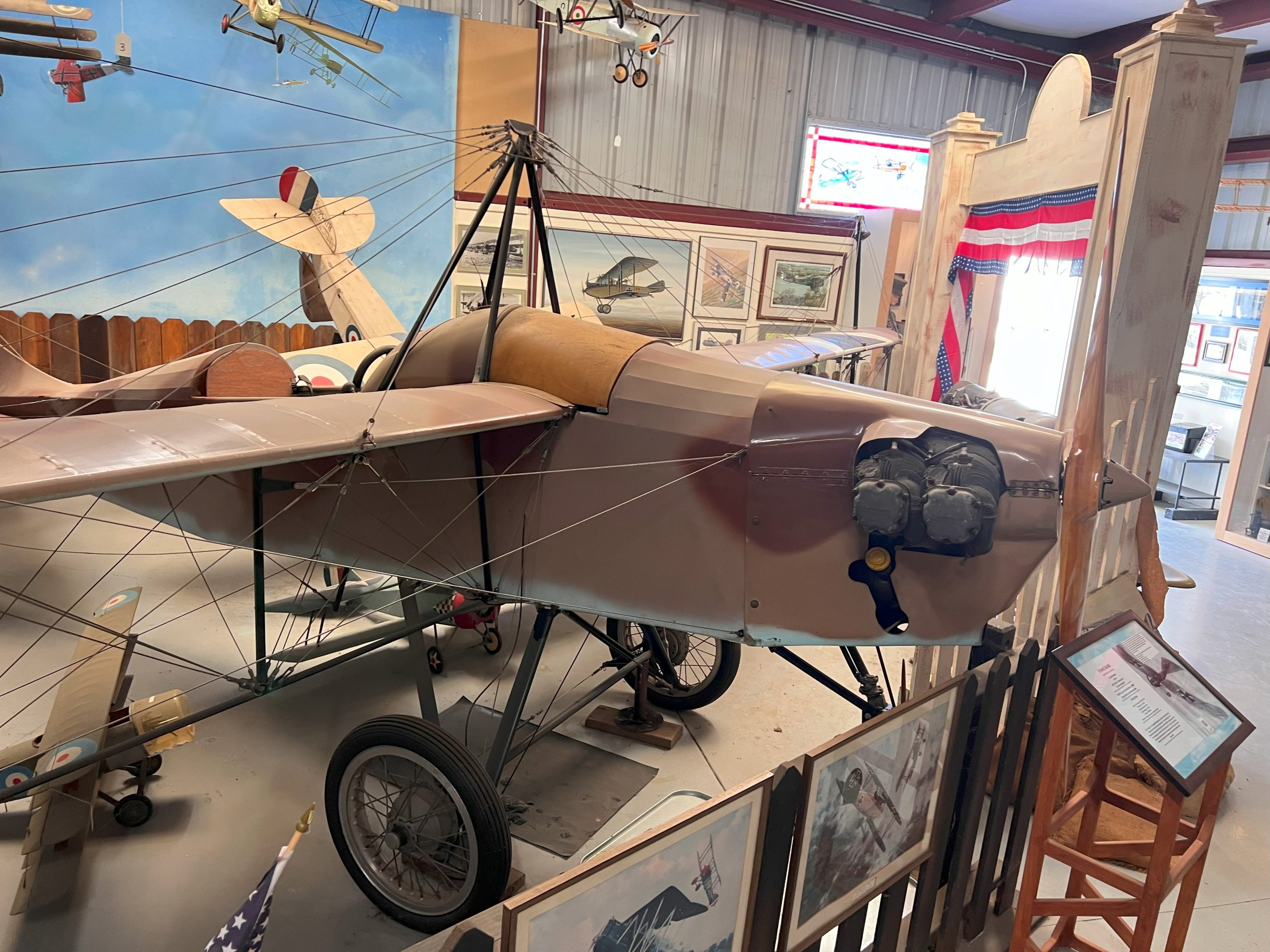
Another curious aircraft inside Hangar 2 is the Penguin, an airplane that, like its avian namesake, was never designed to fly. Instead to give student pilots a feel for how an aircraft would perform in a high-speed taxi run without the aircraft leaving the ground. While the most famous of this kind of aircraft were employed for training during WWI, the model seen in San Martin is the VJ-16 Penguin, which was constructed by sailplane builder and pilot Volmer Jensen. Additionally, the museum has other examples of aircraft designed by Jensen, such as the VJ-21 powered glider, VJ-23 powered hang glider, and VJ-24W powered hang glider.
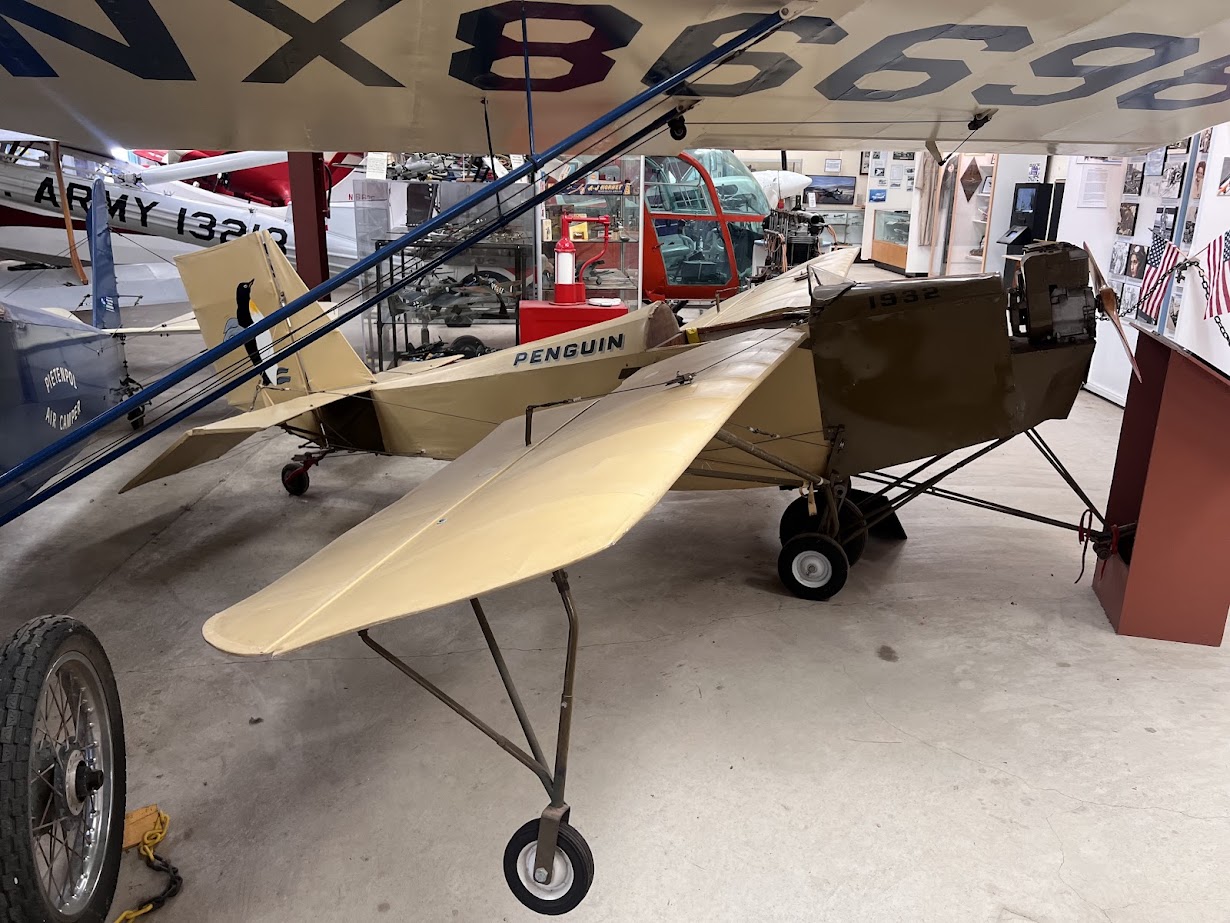
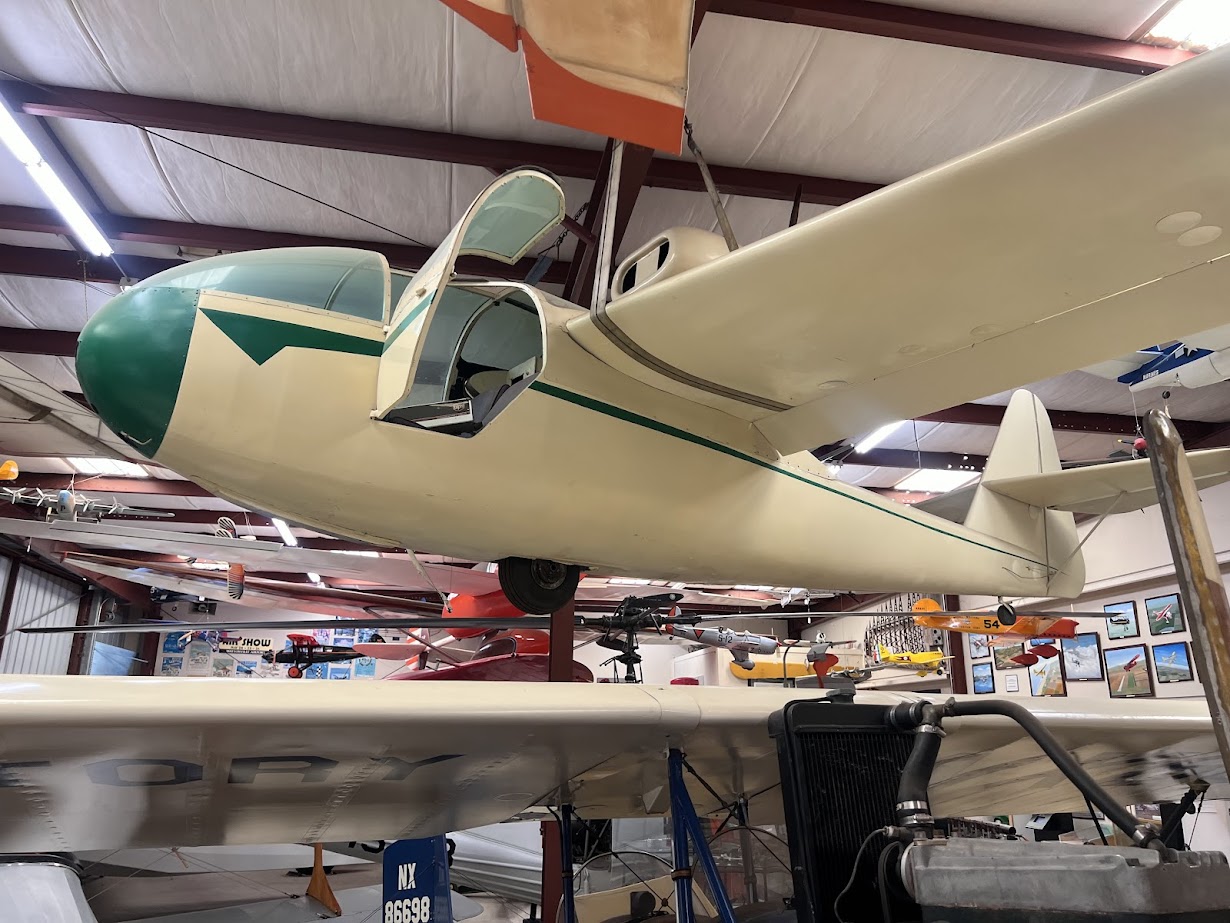
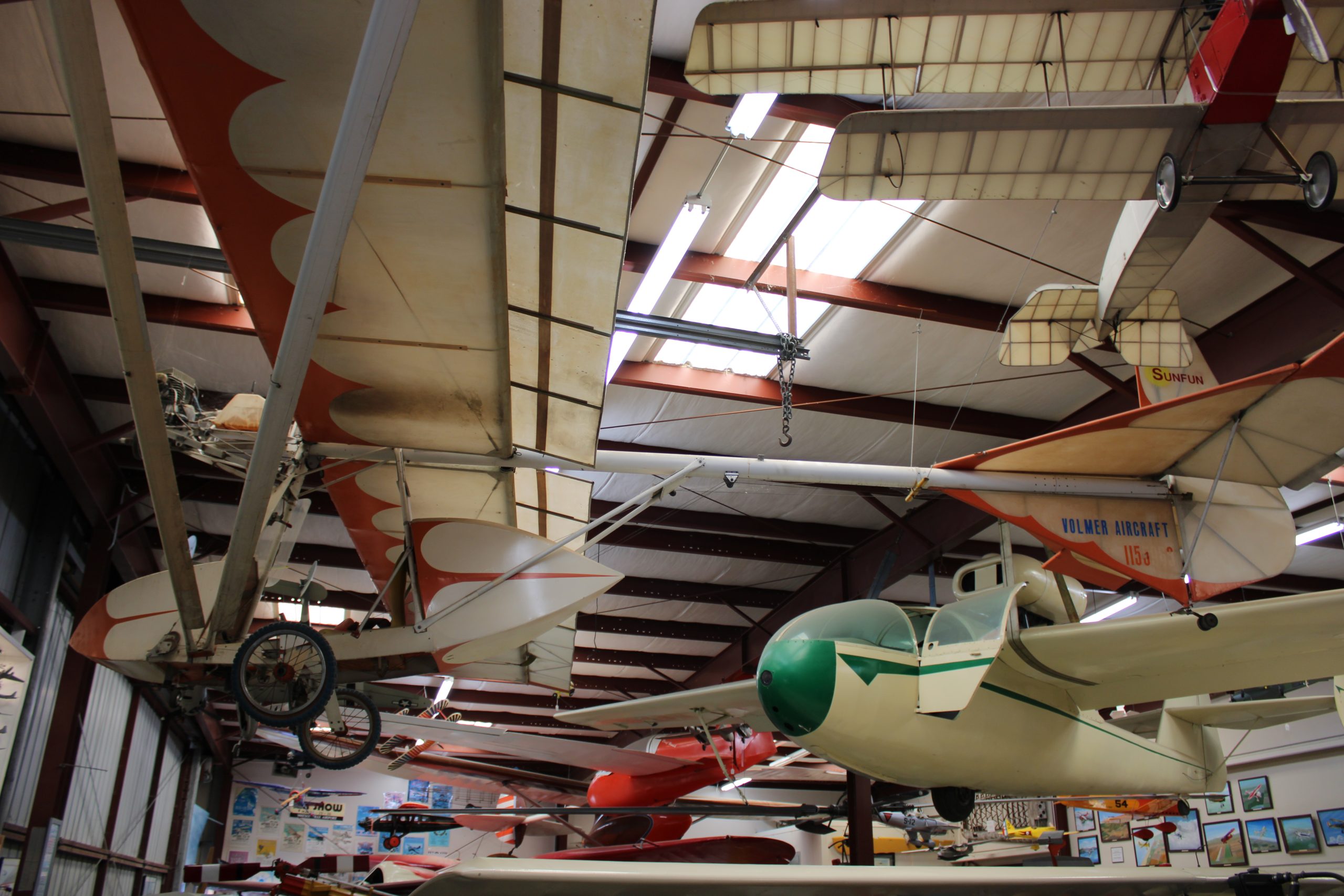
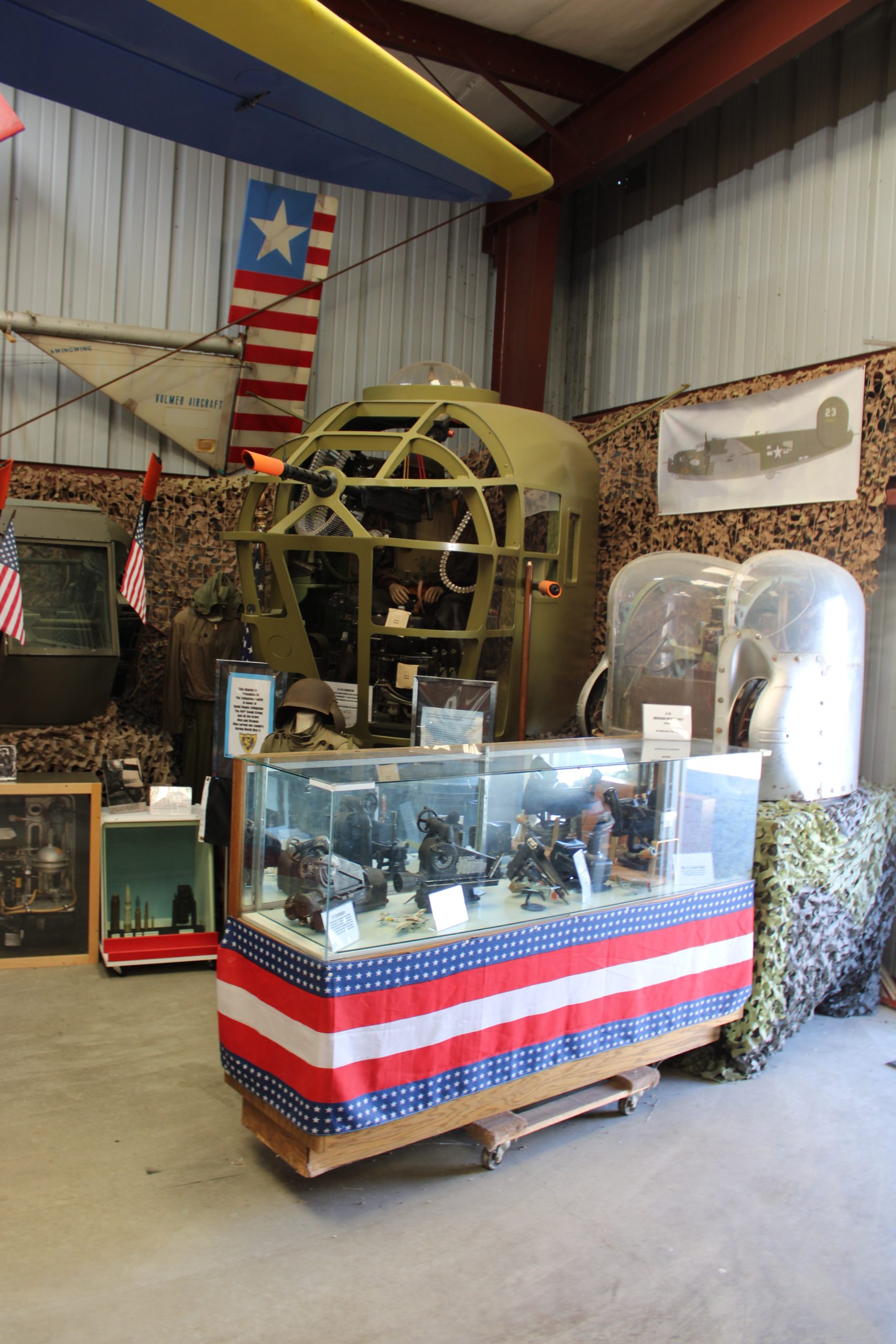
Hangar 2 also features a number of exhibits on certain aspects of aviation history. These include displays on the history of flying boats, women in aviation, WWII identification models, and a display area dedicated to the 449th Bomb Group, which features a replica of the nose section of a Consolidated B-24D Liberator.
Other airplanes inside the hangar include an Aeronca C-3, Aeronca 7AC Champ, Bowlus BA-100 Baby Albatross, Bowlus BS-100 Super Albatross (one of only two constructed), Christen Eagle, Globe Swift, Hiller UH-12E4 helicopter (on loan from the Hiller Aviation Museum in San Carlos, California), Marske Pioneer II glider, Pietenpol Air Camper homebuilt kit aircraft, Pitts Special, Stinson SR-9 Reliant, and a Wolf W-11 Boredom Fighter homebuilt kit aircraft.

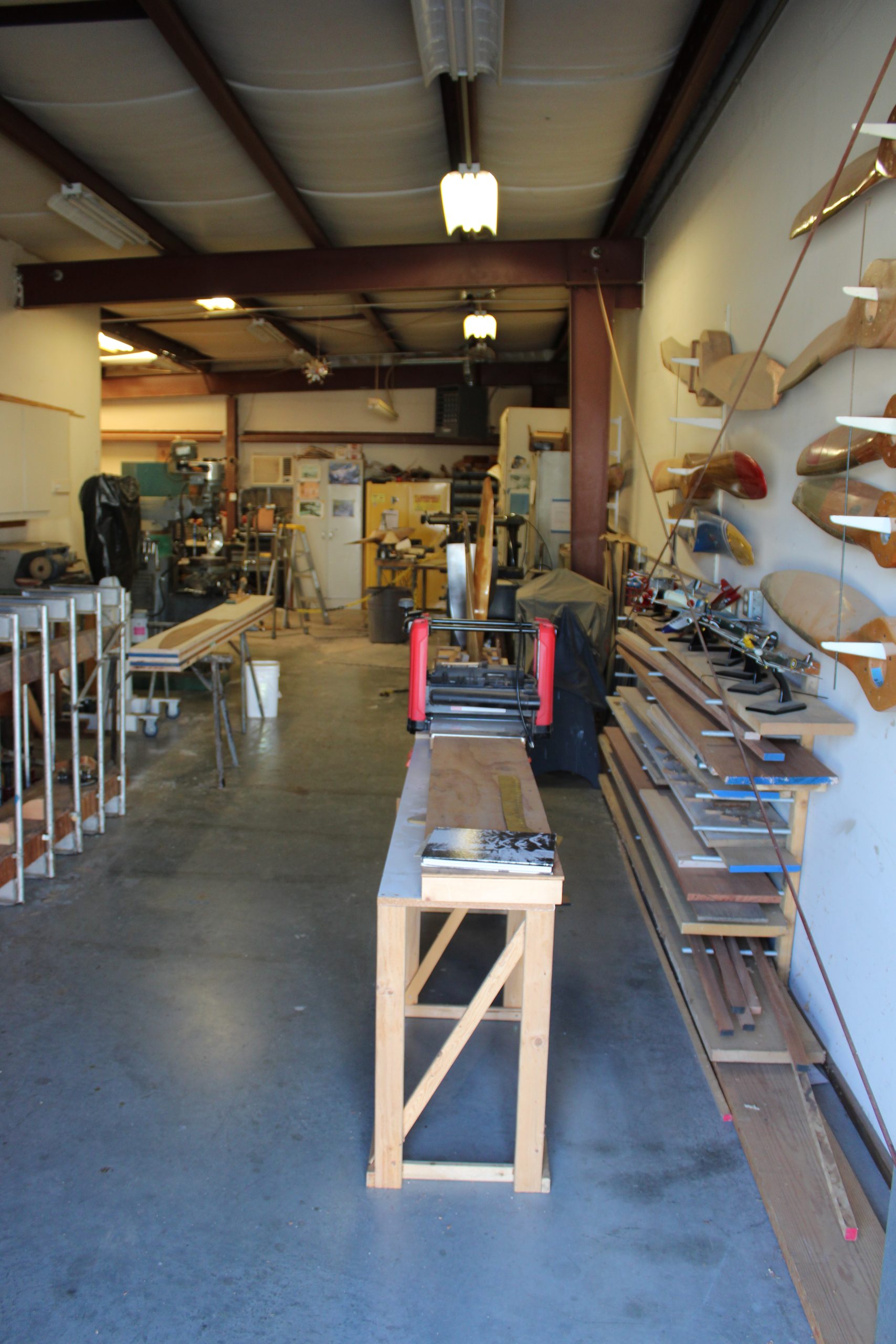
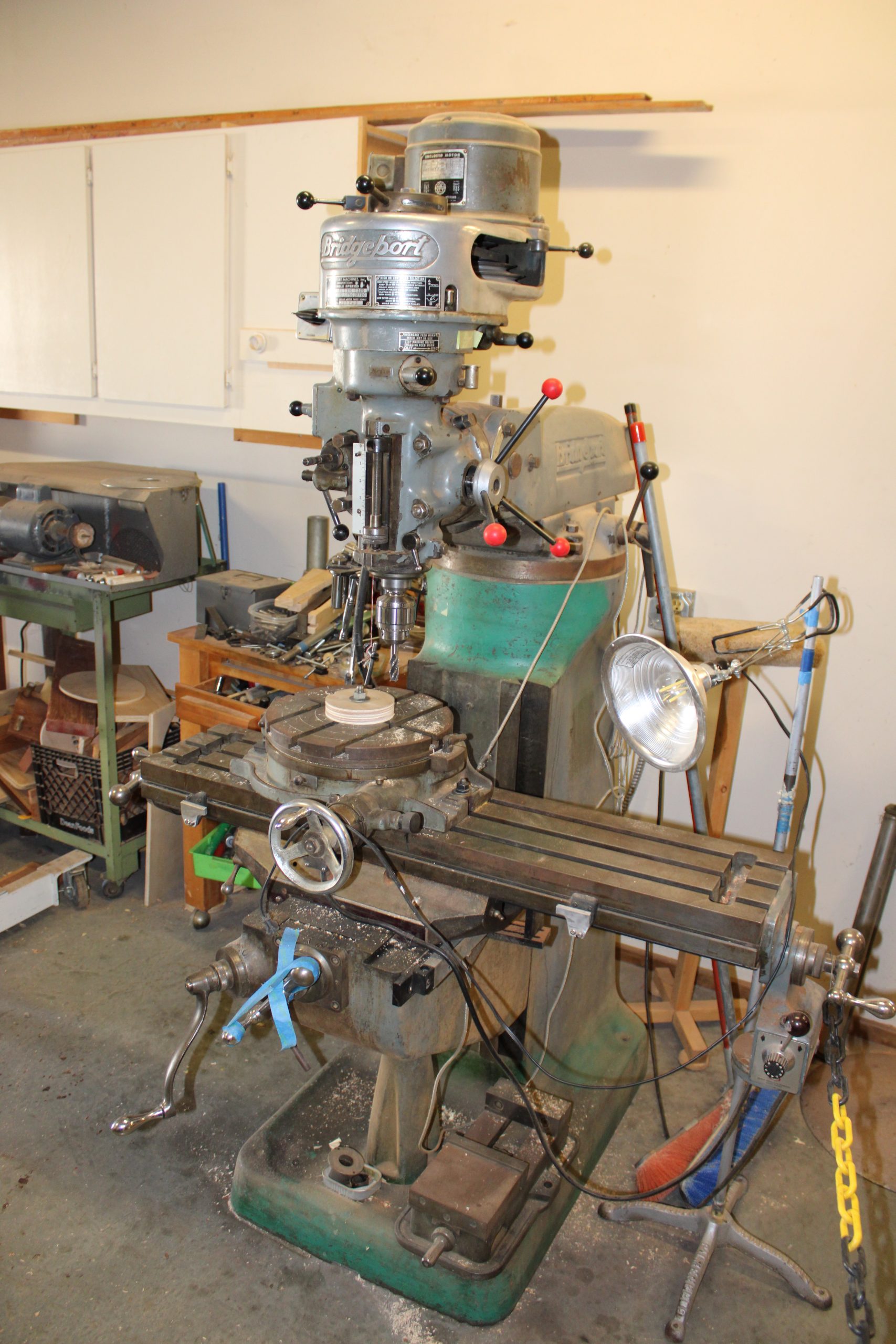
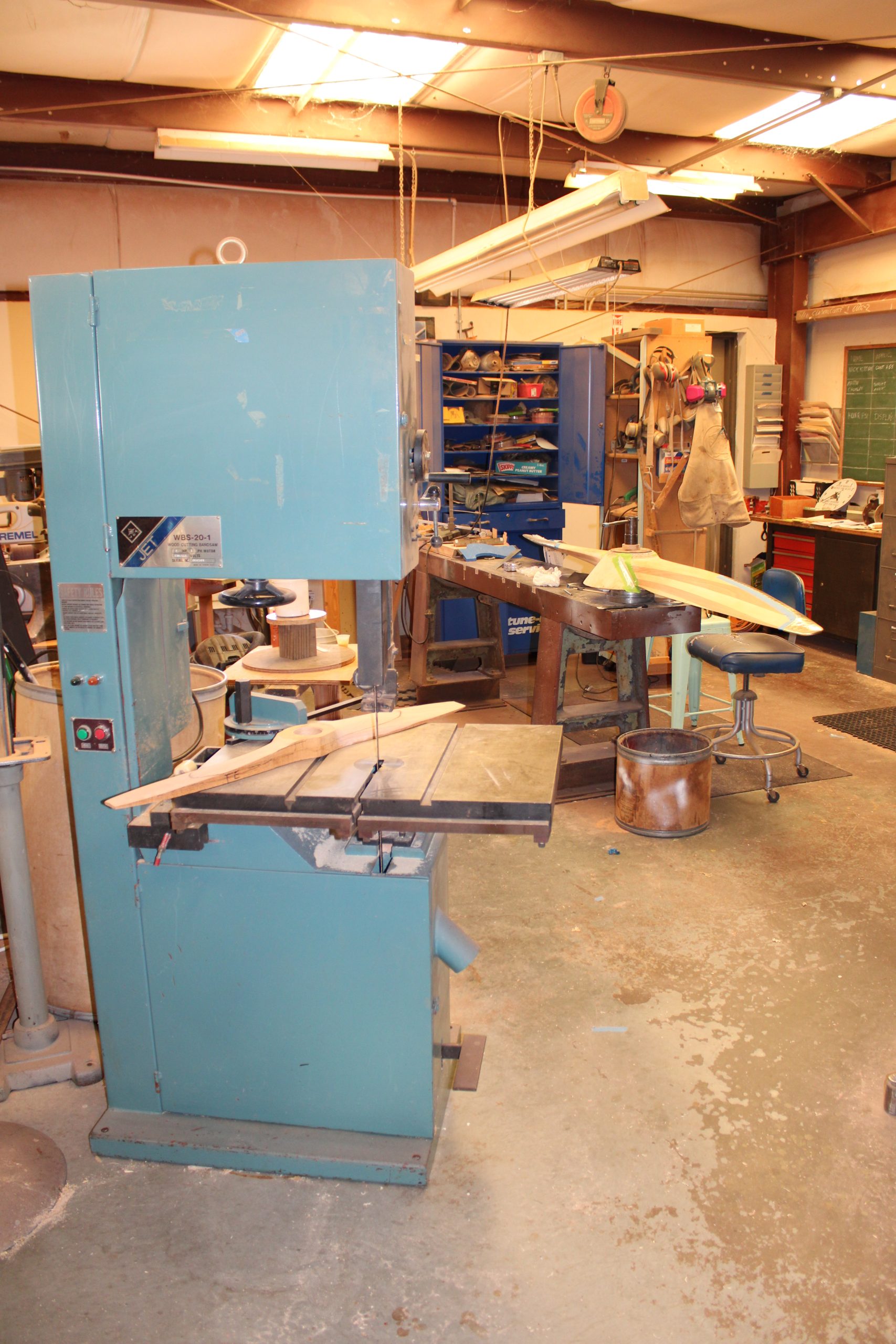
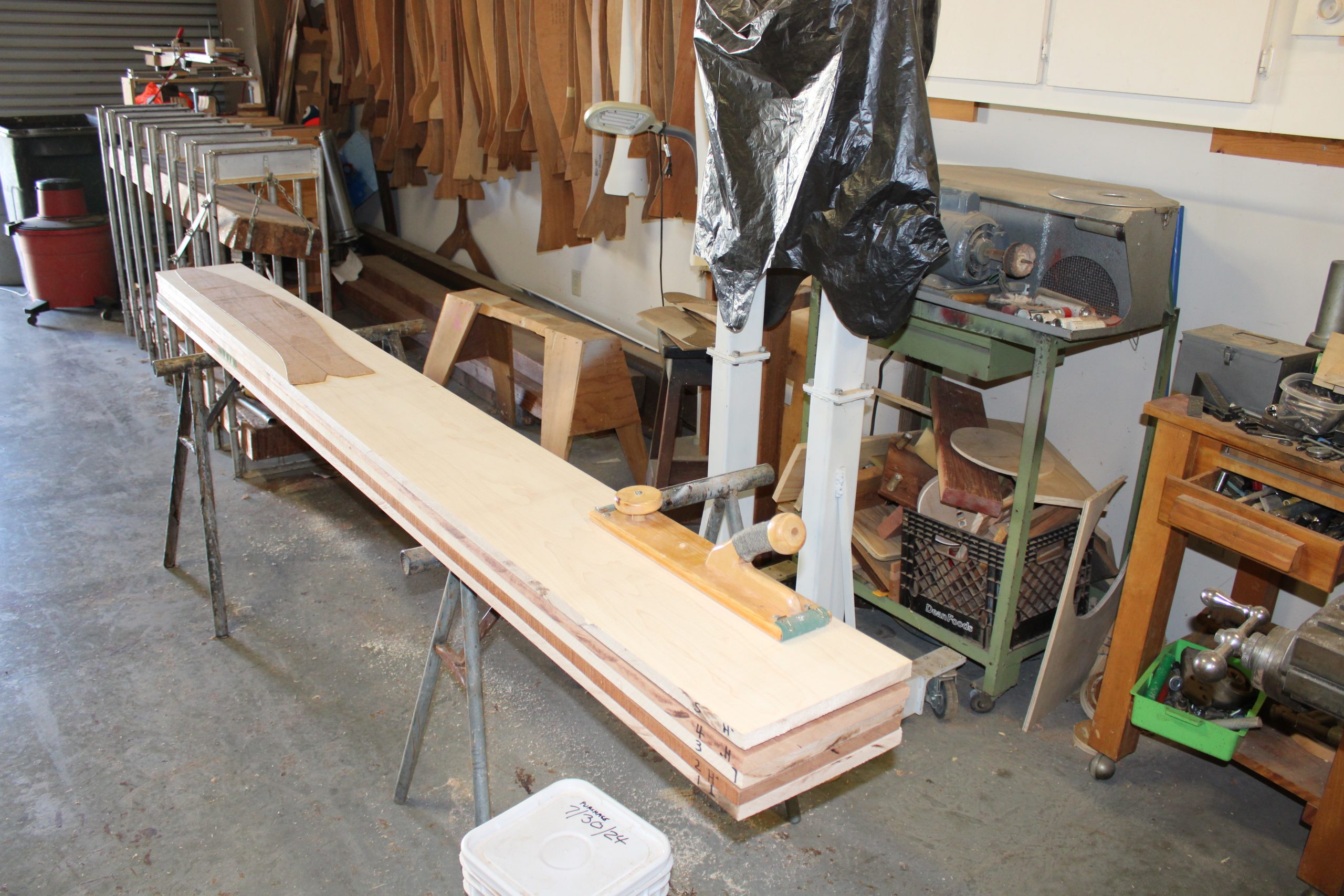
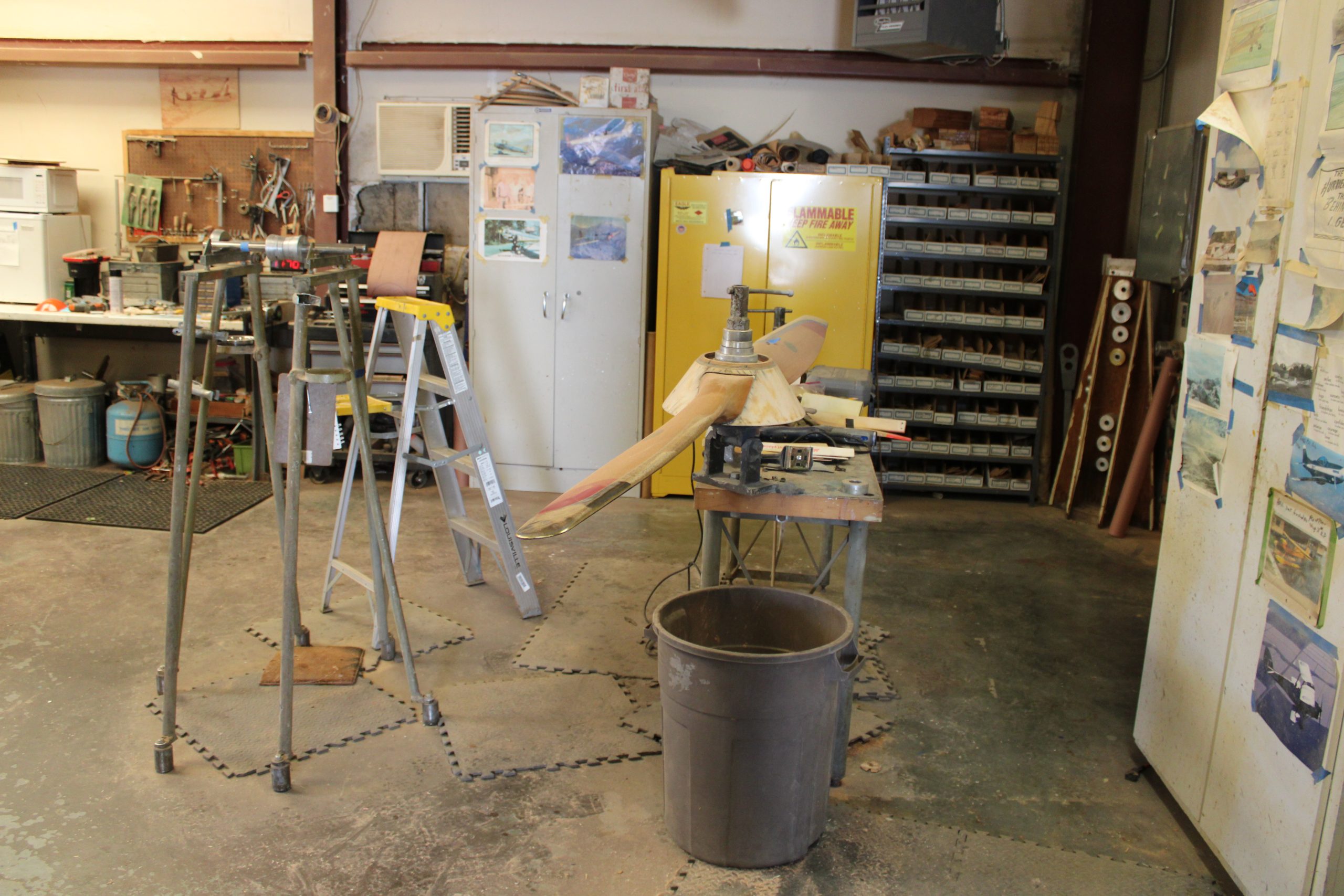
One of the most unique features of the Wings of History Air Museum is the Ole Fahlin Memorial Propeller Shop, which carves wooden propellers for vintage airplanes and is the only FAA Authorized Repair Station for wooden propellers west of the Mississippi River, meaning that it serves many museums and restoration shops on the West Coast. The shop takes its name from Swedish American propeller designer Olaf “Ole” Fahlin, who came from Sweden in 1923 and established a reputation for his wooden propellers, which were applied to everything from Curtiss Jennies to Thompson Trophy racers and WWII trainers and liaison aircraft. Though Fahlin had worked primarily in Columbia, Missouri, he moved to the Santa Clara Valley in California in 1962 and worked there for the rest of his life until he passed away in 1992. Yet Fahlin’s legacy lives on at the shop that bears his name, with much of the tools and equipment being the same ones used by Fahlin himself. The museum also takes requests from across the western United States to repair or build propellers, and an example of their work can be seen in the mahogany propeller mounted on a Bleriot XI reproduction at the Western Antique Aeroplane and Automobile Museum in Hood River, Oregon.

In addition to the aircraft exhibits on display, the Wings of History Air Museum also sells surplus items as an additional stream of revenue. These include entire airplanes, propellers, aircraft instruments, aircraft seats, and other items that can be found on this page of the museum’s website: Surplus Items For Sale – Wings Of History Air Museum While it may be a small museum, the Wings of History Air Museum presents a great array of vintage aircraft in a charming location that is an hour away from other attractions in Santa Cruz and Monterey. The museum is open on Tuesdays from 10:00 AM–3:00 PM and Saturdays from 11:00 AM–4:00 PM, so be sure to plan your visit accordingly. For more information, visit the museum’s website here: Wings Of History Air Museum – For those who love aviation and flying