
(Image credit: VAN)
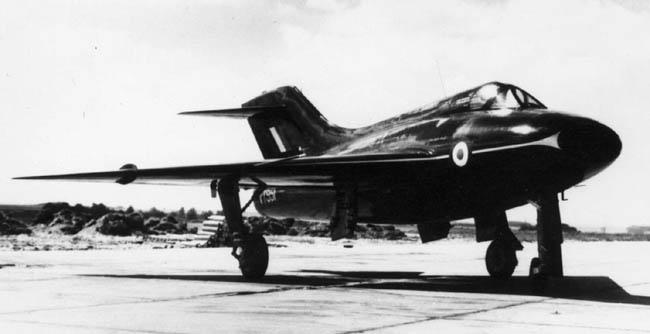
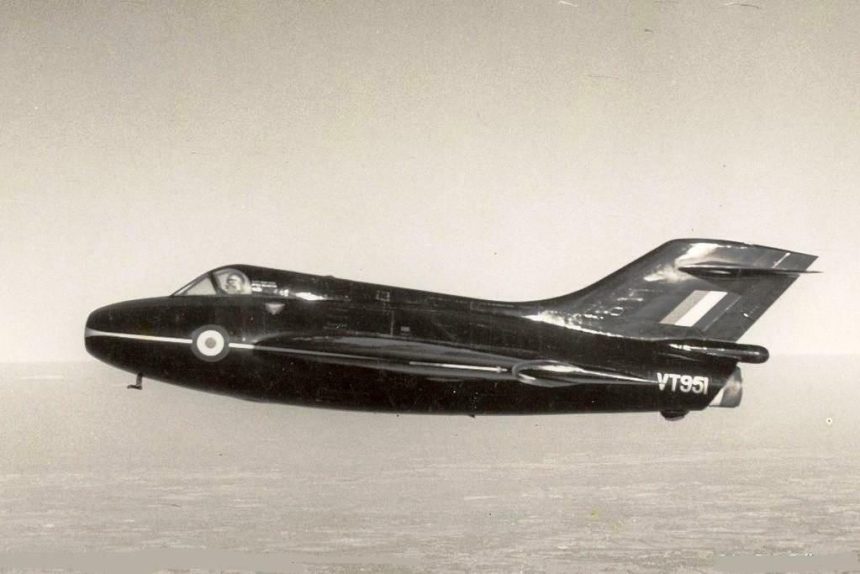
Seventy-three years ago, on August 6, 1952, the Boulton Paul P.120 took to the skies for the first time. Built as an experimental research aircraft, it was the last airframe produced by Boulton Paul to fly. The P.120 was developed to investigate the aerodynamic properties of the delta wing, a design that would later play a significant role in British aviation. Test pilot “Ben” Gunn made the maiden flight from RAF Boscombe Down. The takeoff proved challenging at first, as the tailplane incidence was insufficient for lift-off within the available runway distance. Despite this, the aircraft went on to log 11 hours of flight time, during which it demonstrated stable and predictable handling—especially at higher speeds—outperforming its predecessor, the P.111.
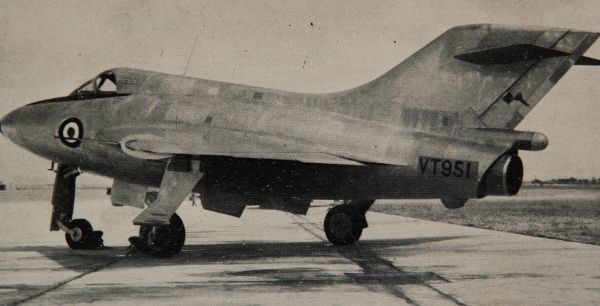
Powered by a Rolls-Royce Nene RN.3 turbojet producing 5,100 pounds of thrust, the P.120 had a wingspan of 33 feet 5.5 inches, a length of 29 feet 7.5 inches, and stood 9 feet 6.5 inches tall. Exact performance figures remain unclear, likely due to its limited testing career. Painted in a distinctive black finish, the aircraft earned the ominous nickname “Black Widowmaker.”
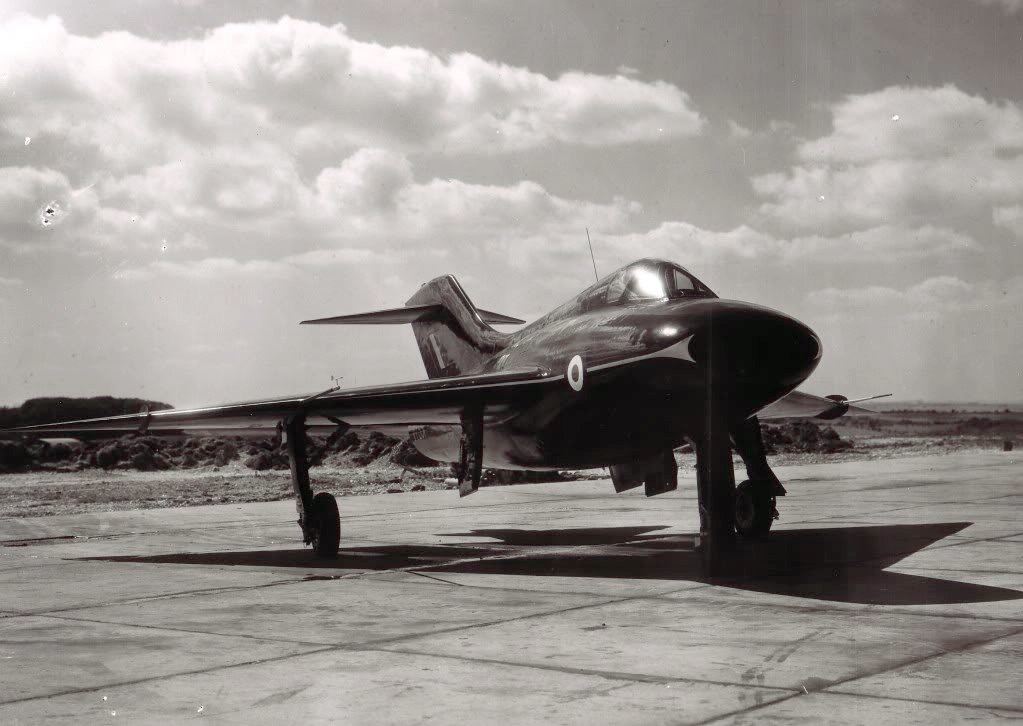
Tragedy nearly struck on August 28, 1952, when Gunn experienced severe flutter during a test flight. The violent vibration caused the complete loss of the port-side elevon. With no tactile feedback from the power controls to diagnose the problem, Gunn made the decision to eject—becoming the first pilot in history to do so from a delta-wing aircraft. He survived uninjured, but the sole P.120 was destroyed in the incident. With the airframe lost, further development of the P.120 was abandoned. Even so, the data gathered contributed to Britain’s future delta-wing designs, most notably the Avro Vulcan, which went on to serve with distinction during the Cold War.