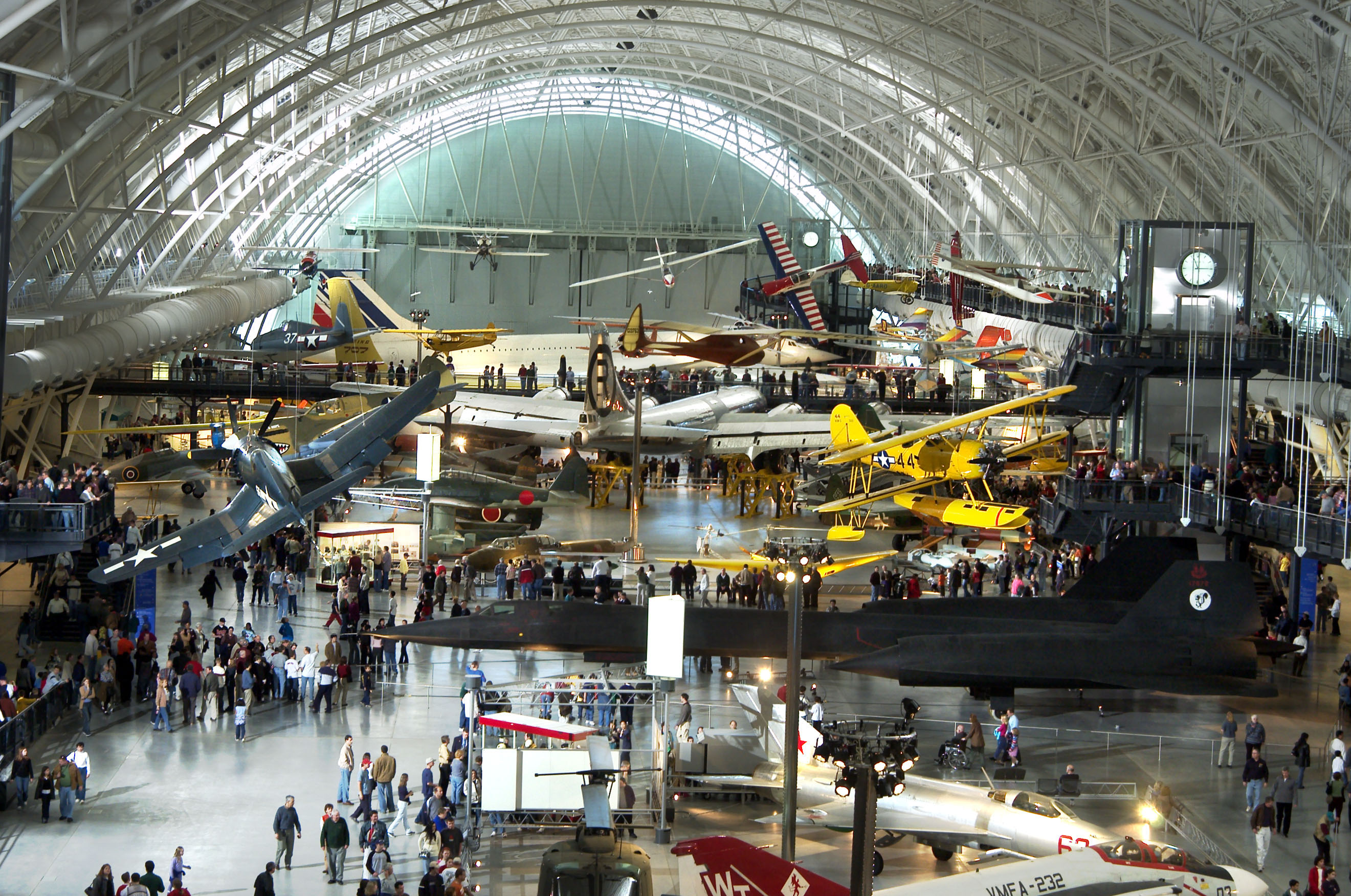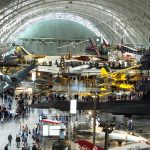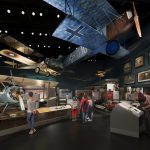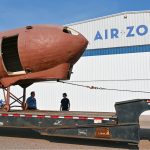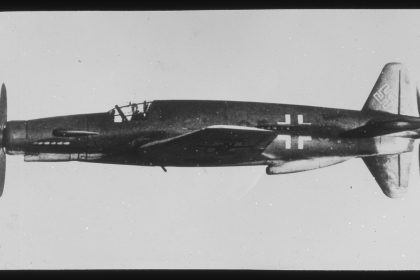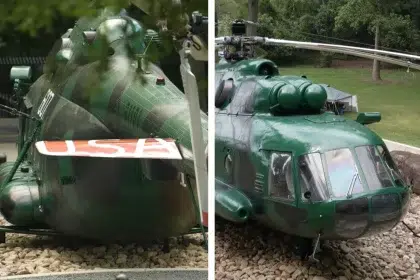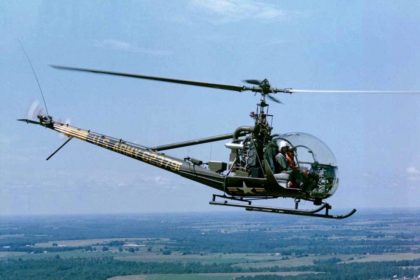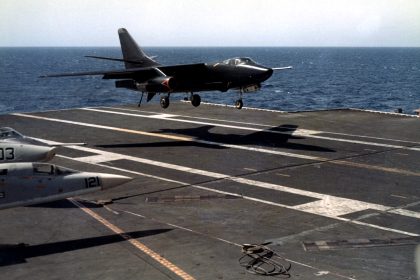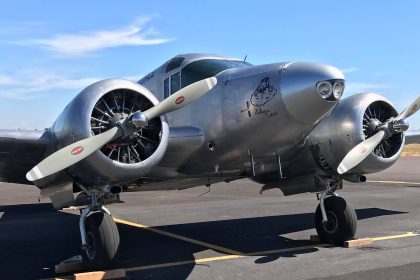
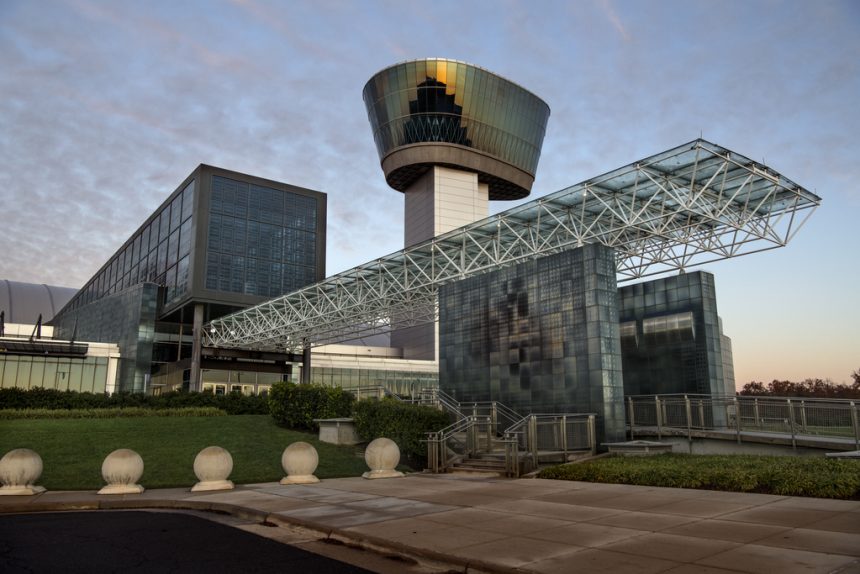

Over the past several years, the National Air and Space Museum has been in the process of renovating its campus on the National Mall in downtown Washington, D.C. (which we have covered in previous articles HERE), with the last remaining galleries set to open on July 1, 2026, the 50th anniversary of the museum’s opening in 1976. Now, the museum has officially announced that its Steven F. Udvar-Hazy Center at Dulles Airport near Chantilly, Virginia, will also see some extensive changes that will result in its expansion, allowing for the inclusion of more aircraft, including ones that have spent decades in storage at the Paul E. Garber Preservation, Restoration and Storage Facility in Suitland, Maryland.
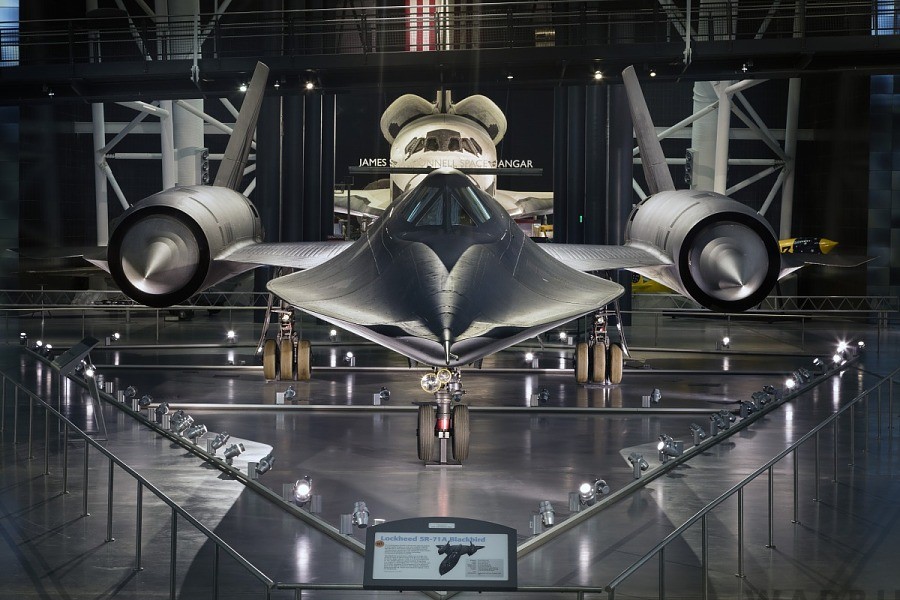
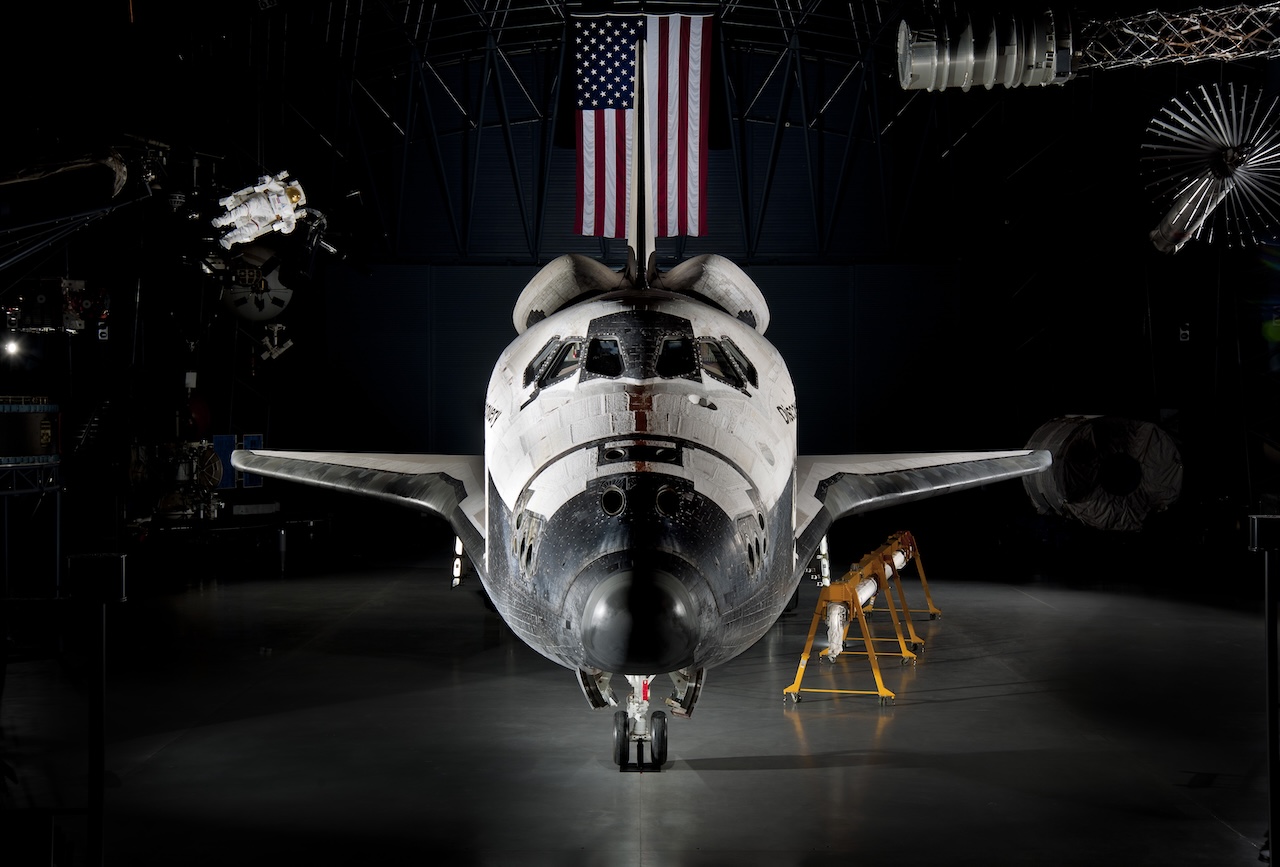
Since the opening of the Steven F. Udvar-Hazy Center on December 15, 2003, during the centennial celebrations of the Wright Brothers’ first flight at Kittyhawk, North Carolina, the Udvar-Hazy Center has seen millions of visitors pass through its doors, and features hundreds of aircraft and spacecraft, such as the Langley Aerodrome A built by secretary of the Smithsonian Samuel P. Langley to the Boeing B-29 Superfortress Enola Gay, the Concorde, and the Space Shuttle Discovery. 2011 would see the completion of the Udvar-Hazy Center’s archival and conservation facilities, as well as the Mary Baken Engen Restoration Hangar, where visitors can view ongoing restoration projects on a daily basis. But in recent years, even the 293,707-square-foot Boeing Aviation Hangar has begun to run out of space, both for the museum’s newest acquisitions, and for items held in storage for nearly 80 years. Consequently, the Boeing Aviation Hangar will have its size increased by 20% with the addition of a further 44,000 square feet of space on the north end of the Boeing Aviation Hangar.
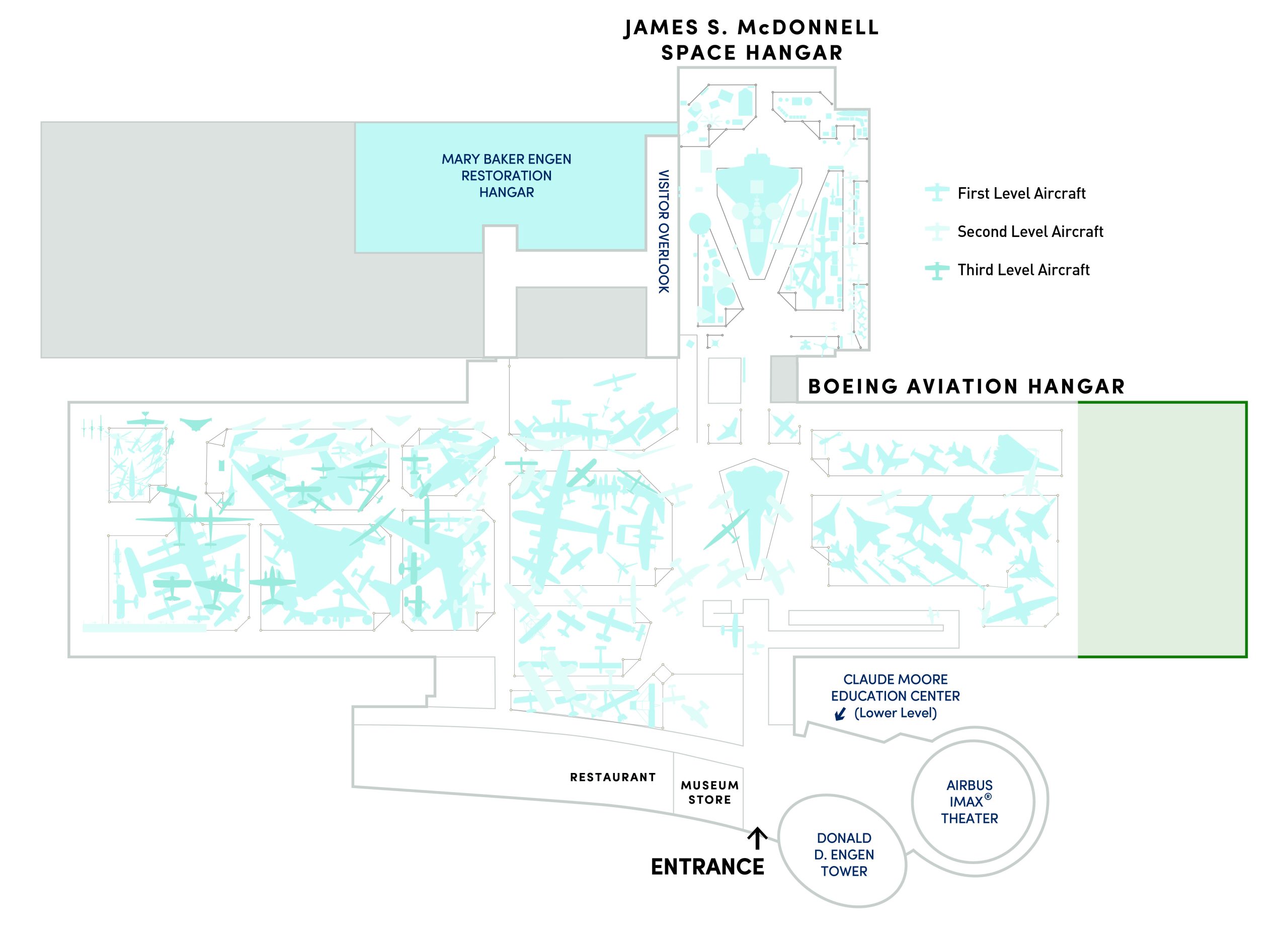
This will be the first major construction to add to the Udvar-Hazy Center’s public spaces since the Center’s opening in 2003. Current estimates place the finalization of these additions at the end of 2028, with plans to raise funds through private donations to this expansion. The Steven F. Udvar-Hazy Center itself was itself built by private funds and is named for its biggest benefactor, Hungarian-American aviation businessman Steven F. Udvar-Házy.
Museum director Chris Browne offered the following statement regarding the expansion of the Udvar-Hazy Center, “We are excited for this expansion of our world-class facility in Virginia. Adding on to the Udvar-Hazy Center will allow us to offer even more to the public and will give us a chance to make major changes to the arrangement of artifacts in the entire center, enhancing the experience for our visitors.”
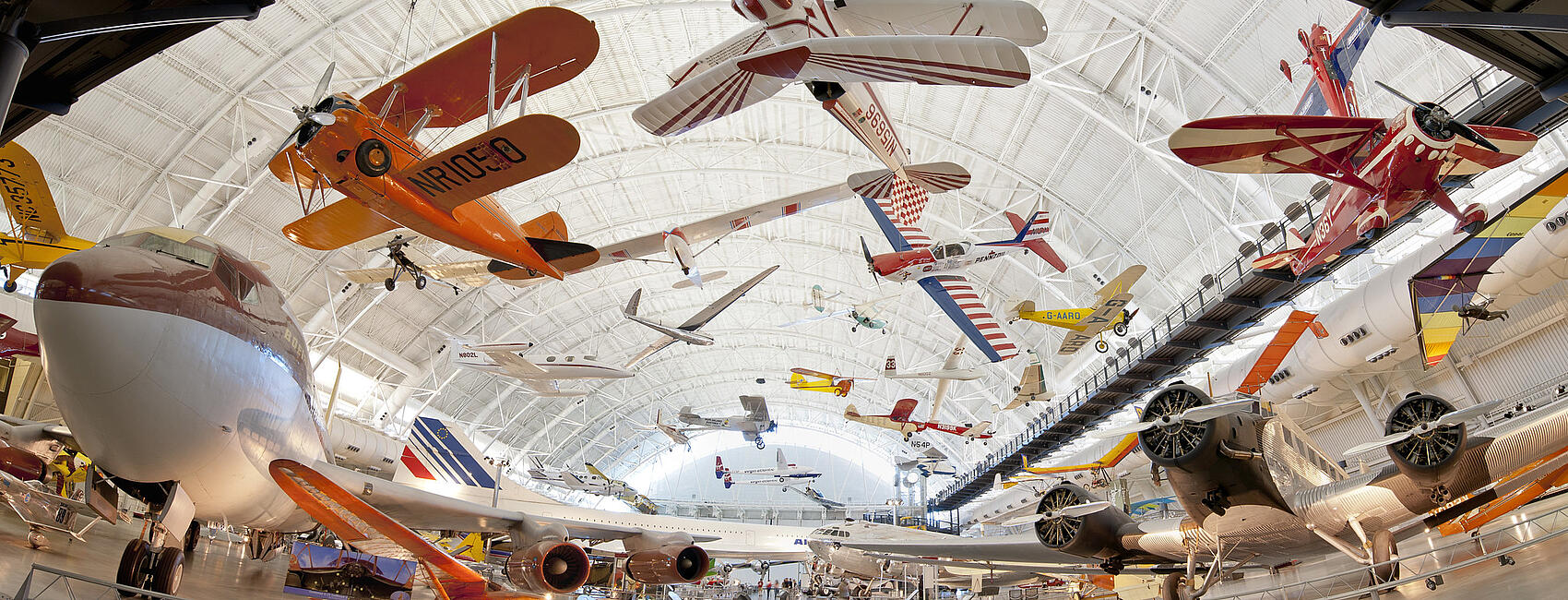
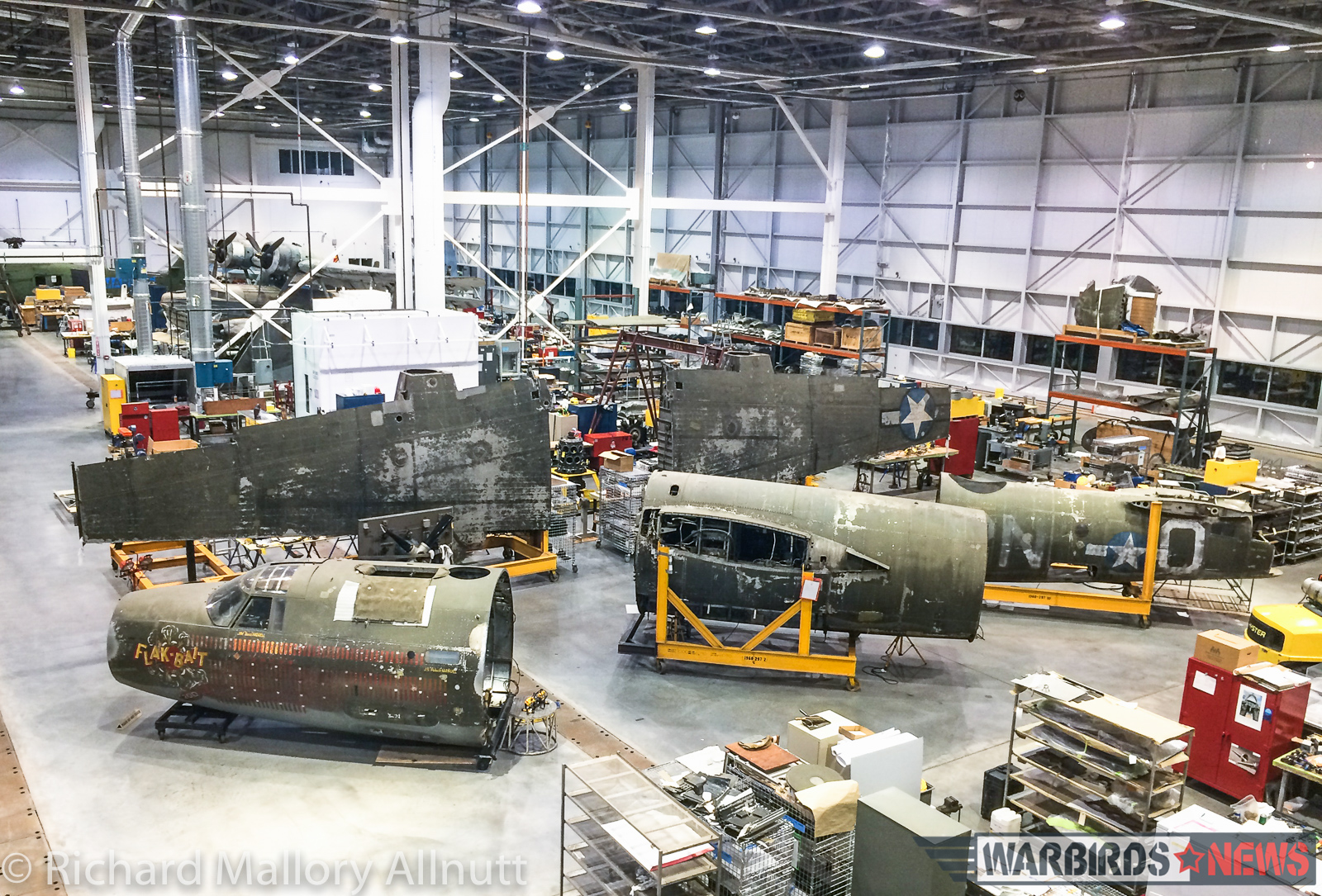
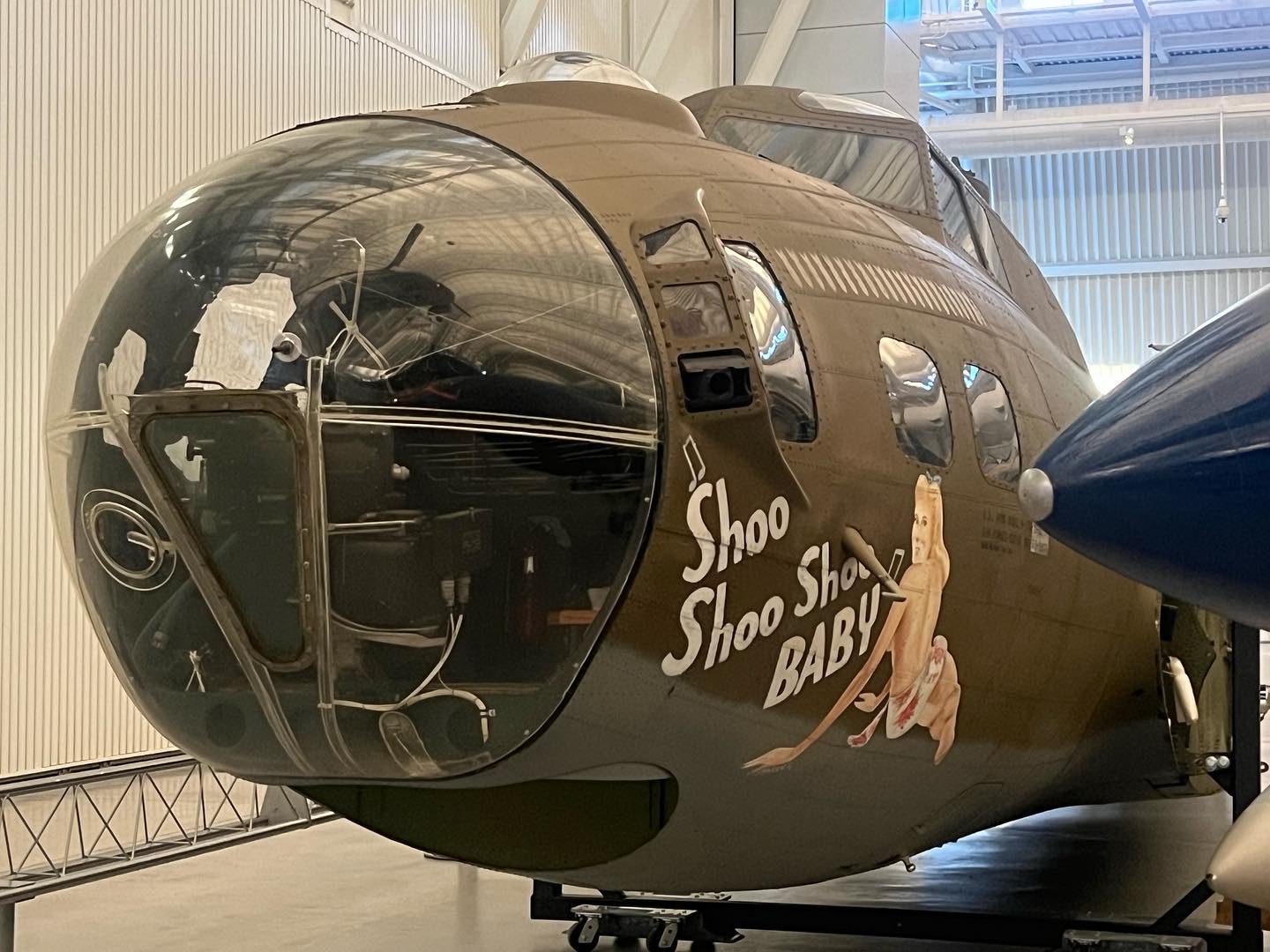
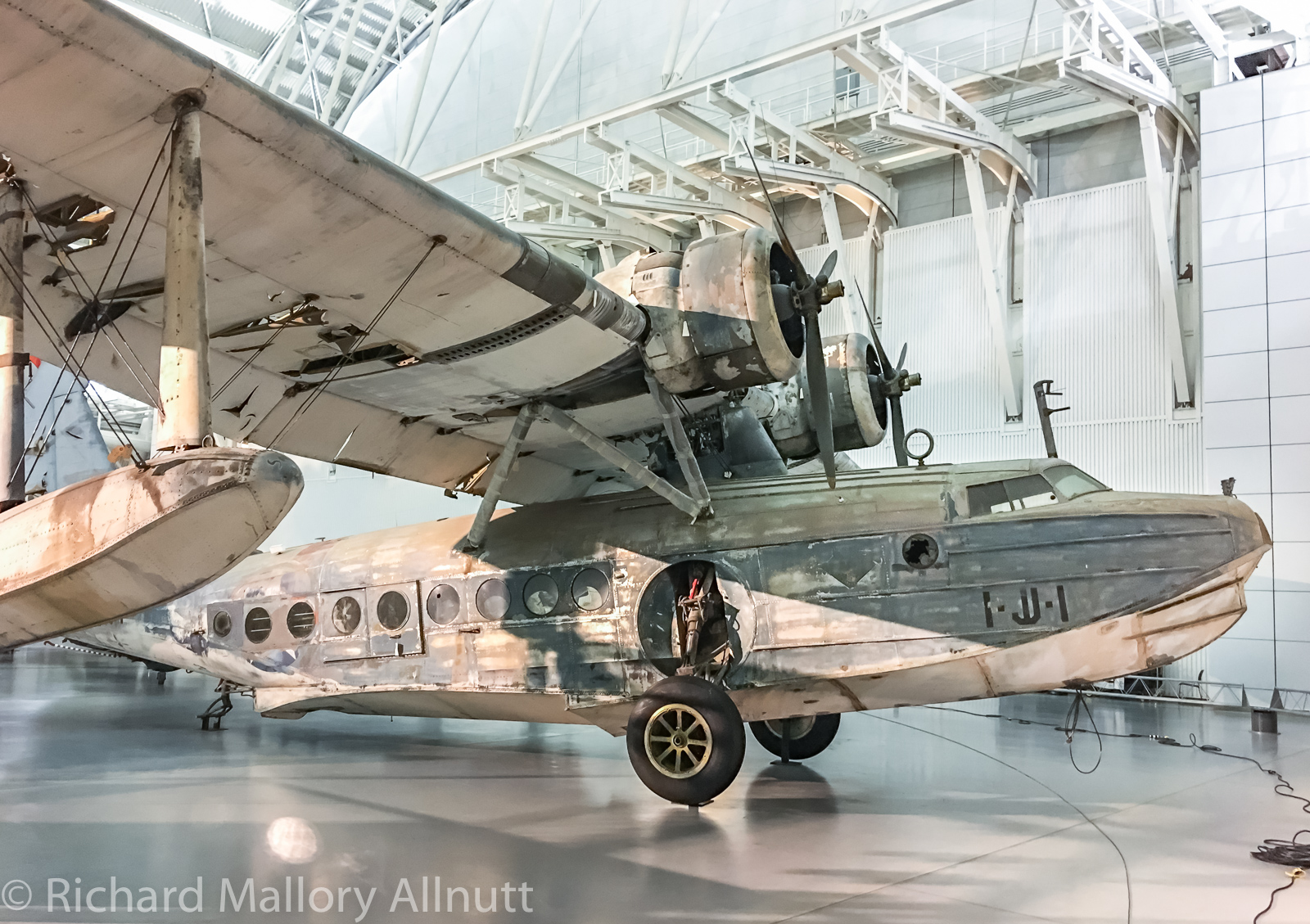
With the planned expansion of the Boeing Aviation Hangar, the National Air and Space Museum plans to rearrange the Udvar-Hazy Center’s floor plan to place new acquisitions on display. The Udvar-Hazy Center’s WWII Aviation section is set to be at the center of many of the new arrangements. The Martin B-26B Marauder “Flak-Bait”, which flew more missions than any other individual American bomber aircraft of WWII and which arrived at Udvar-Hazy in 2014, is set to be reassembled and displayed in the center of the Udvar-Hazy Center. Other large WWII aircraft set to be moved will be the Boeing B-17G Flying Fortress “Shoo Shoo Baby”, which was transferred from the National Museum of the United States Air Force in Dayton, Ohio to the Smithsonian in 2023 (see the history of the Shoo Shoo Baby HERE), and the Sikorsky JRS-1 flying boat, the only aircraft in the National Air and Space Museum’s collection to have survived the attack on Pearl Habor on December 7, 1941, and is set to be restored as it appeared during the attack.
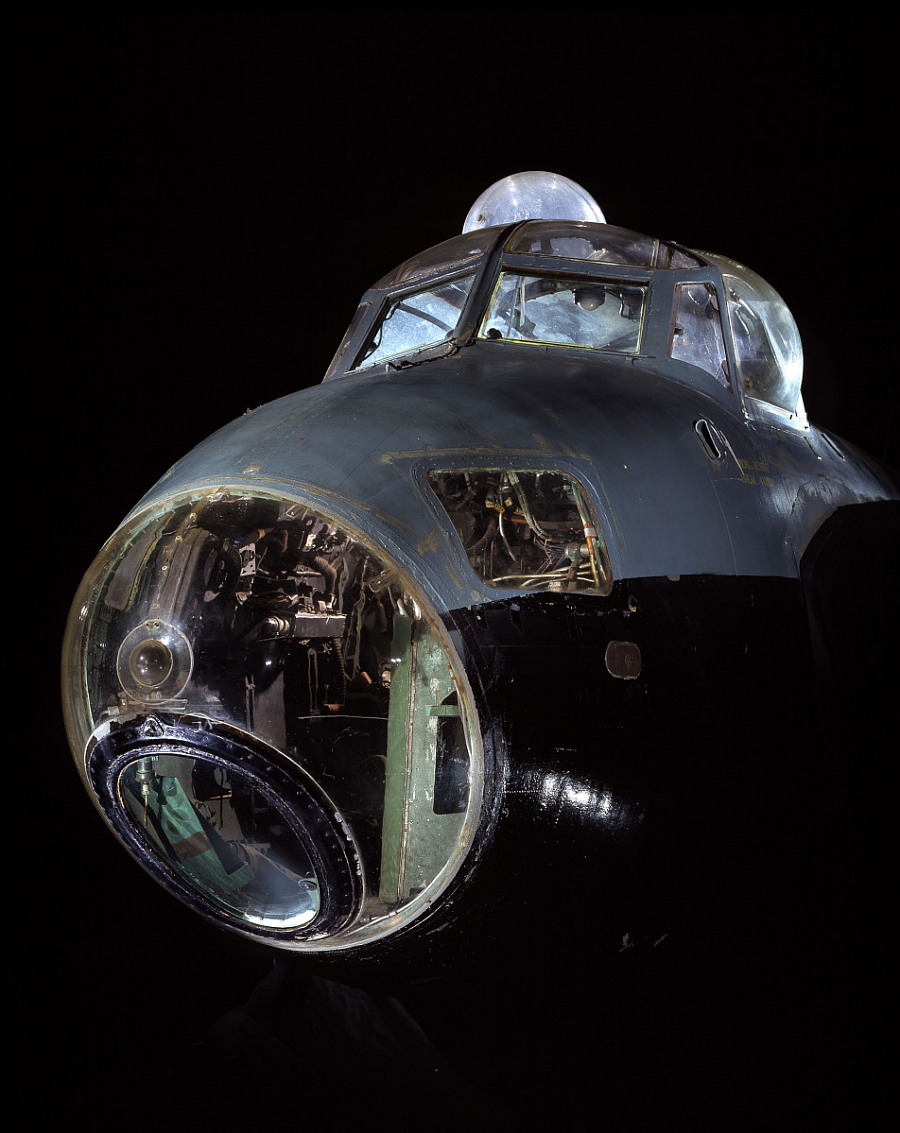
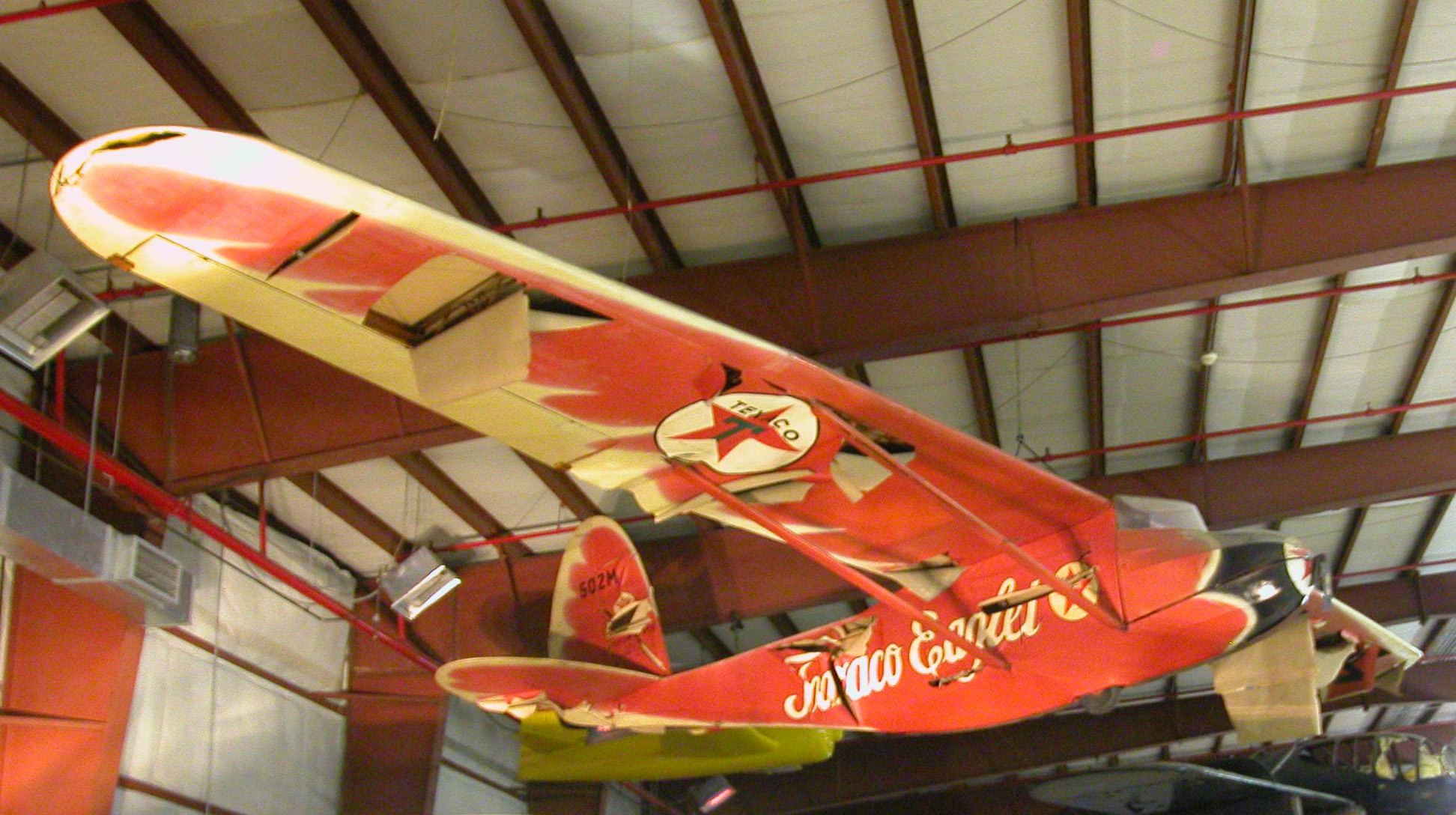
The museum also hopes to have aircraft previously tucked away in storage brought on display for the public to see. Among these includes the museum’s de Havilland DH.98 B/TT. Mark 35 Mosquito, RAF serial number TH998, which was acquired from the Royal Air Force on August 17, 1962, and been in storage ever since. Another aircraft currently held in long-term storage that the museum has announced will be displayed in the expanded Udvar-Hazy Center will be the Franklin “Texaco Eaglet” glider. Between March 30 and April 6, 1930, the Texaco Eaglet, flown by famed pilot Frank Hawks, was towed behind Waco 10 NC608N “Texaco 7” from San Diego to New York on the first transcontinental glider flight, with intermediate stops in Arizona, Texas, Oklahoma, Missouri, Indiana, and Ohio. On December 8, 1930, Frank Hawks landed the Texaco Eaglet on the National Mall in Washington, D.C. to donate the cross-country glider to the Smithsonian.
In order to fund this expansion, the National Air and Space Museum has embarked on a $60 million campaign to acquire the necessary funds. So far, the museum has already received financial support from Steven and Christine Udvar-Hazy, Charles and Lisa Simonyi, Sarah and Ross Perot Jr., the Thomas W. Haas Foundation, and the Air Lease Corp. For more information, visit the National Air and Space Museum’s website HERE.