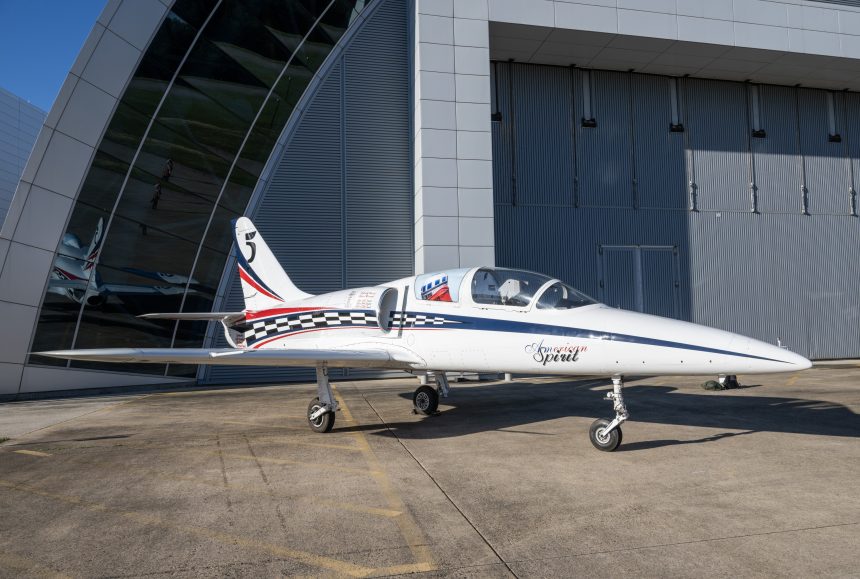

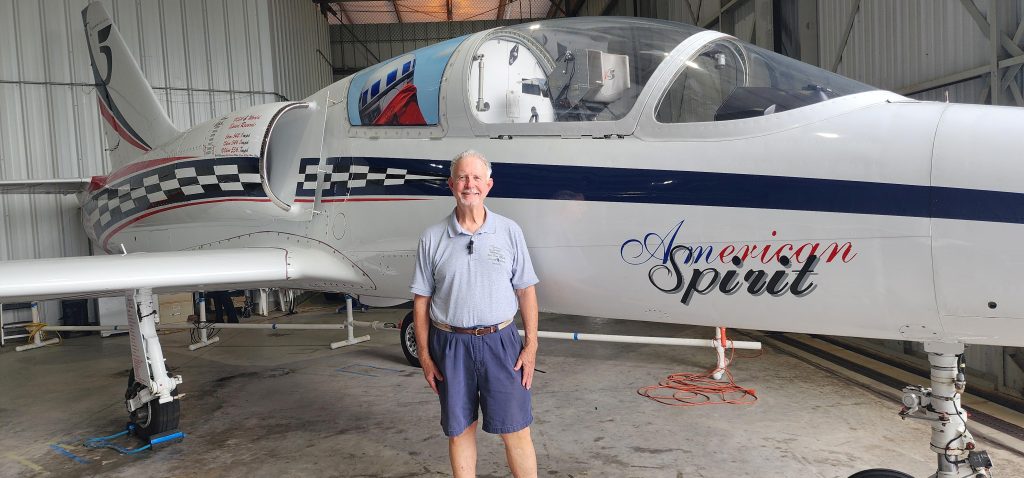
The Smithsonian’s National Air and Space Museum, Washington, DC, has acquired the Aero L-39C Albatros jet racer American Spirit, adding one of the most successful aircraft in modern air racing to the museum’s national collection. The aircraft was donated by owner Ed Noel and the Noel Air Race Team (NART). The formal transfer took place June 13 at the Smithsonian’s Steven F. Udvar-Hazy Center in Chantilly, Virginia, during the museum’s annual Innovations in Flight event. The aircraft is expected to go on display at the facility later this summer. During its racing career between 2002 and 2024, American Spirit recorded eight first-place finishes, nine top-five finishes, and three closed-course speed records. The aircraft became a familiar competitor in the Jet Class at the National Championship Air Races and was widely regarded as one of the class’s most successful entries. “Acquiring ‘American Spirit’ will allow the museum to tell significant stories,” said Jeremy Kinney, associate director for research and curatorial affairs at the museum. “It is a surplus Warsaw Pact trainer and foreign-built warbird enjoyed by many Americans in the late 20th and early 21st centuries. It is also the most common example of a jet used for air racing competition, which has not been represented in the National Collection. Additionally, this specific L-39 has an exceptional and unsurpassed competition history.“
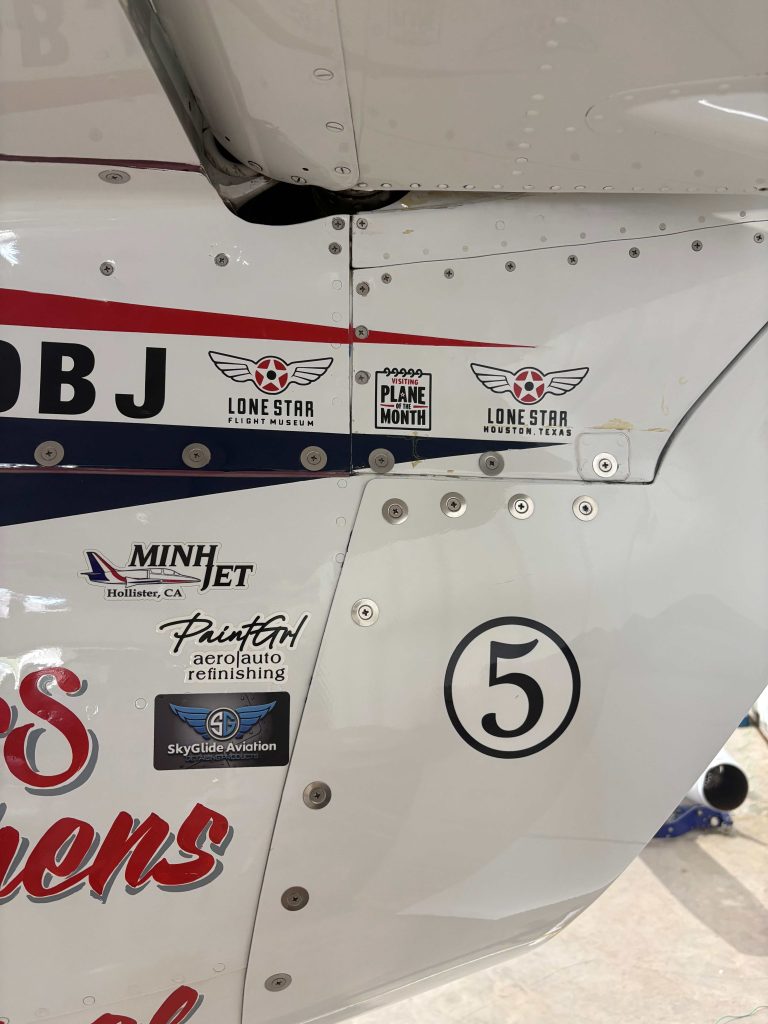
The Aero L-39 Albatros was developed by Czech manufacturer Aero Vodochody as a military jet trainer and remained in production from 1971 to 1996. After the end of the Cold War, many surplus aircraft entered private ownership, particularly in the United States, where the type became popular among warbird operators and air racers. When the Jet Class was introduced at the National Championship Air Races in 2002, the L-39 quickly became one of its most common competitors. Noel purchased American Spirit in 2007 and established the Noel Air Race Team. Over the following years, the aircraft underwent a series of modifications intended to improve racing performance. Changes included aerodynamic refinements to the tail and wingtip areas, the replacement of heavier components with lighter materials, and the installation of a water injection system. According to the team, the modifications reduced the aircraft’s weight by approximately 1,100 pounds.
“It is the greatest recognition of an aircraft’s contribution to flight, pilot’s skills and the race team’s efforts for ‘American Spirit’ to join the collection with the Wright brothers’ Flyer,” Noel said. “I view this event with the same wonderment and excitement of my first visit to the Smithsonian at the age of 9 in 1962.” The addition of American Spirit fills a gap in the museum’s collection by representing jet air racing, a category that had not previously been documented through a dedicated competition aircraft in the National Collection. For more information and to support the Smithsonian National Air and Space Museum, click on this link: airandspace.si.edu.