
PRESS RELEASE
The Smithsonian’s National Air and Space Museum is heading to Oshkosh for EAA AirVenture 2025, bringing its renowned expertise, engaging talks, and unique aviation and space artifacts for an immersive, hands-on experience. Located at booth 328, the museum’s tent will offer visitors the opportunity to learn from curators and conservators, handle real pieces of aviation and space history, and take home resources for preserving their own family heirlooms.
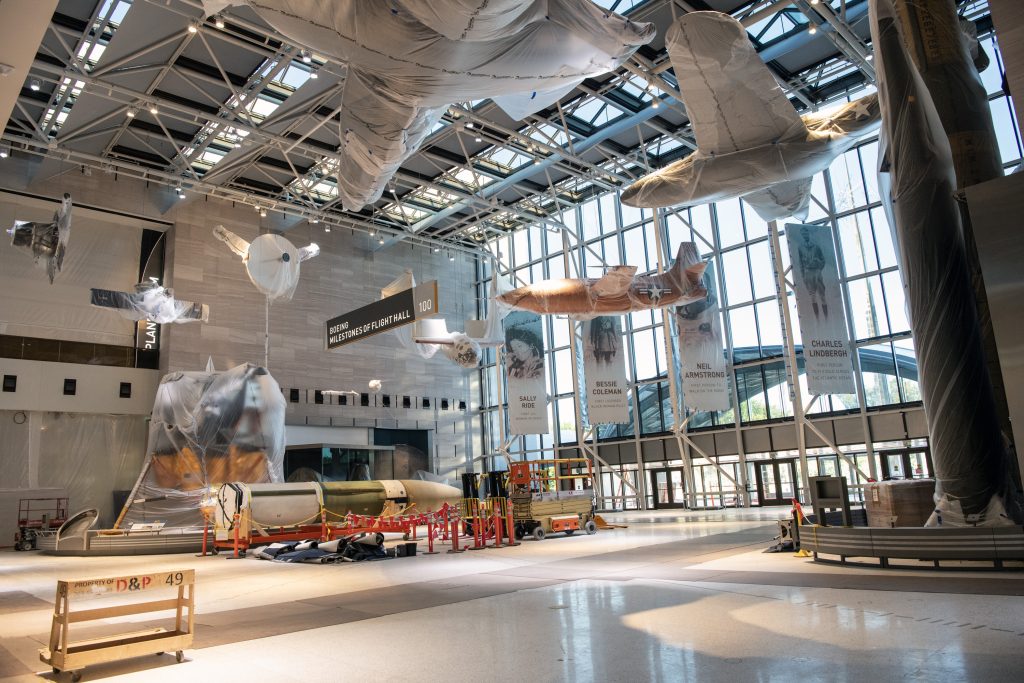
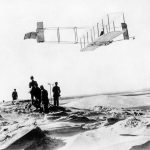
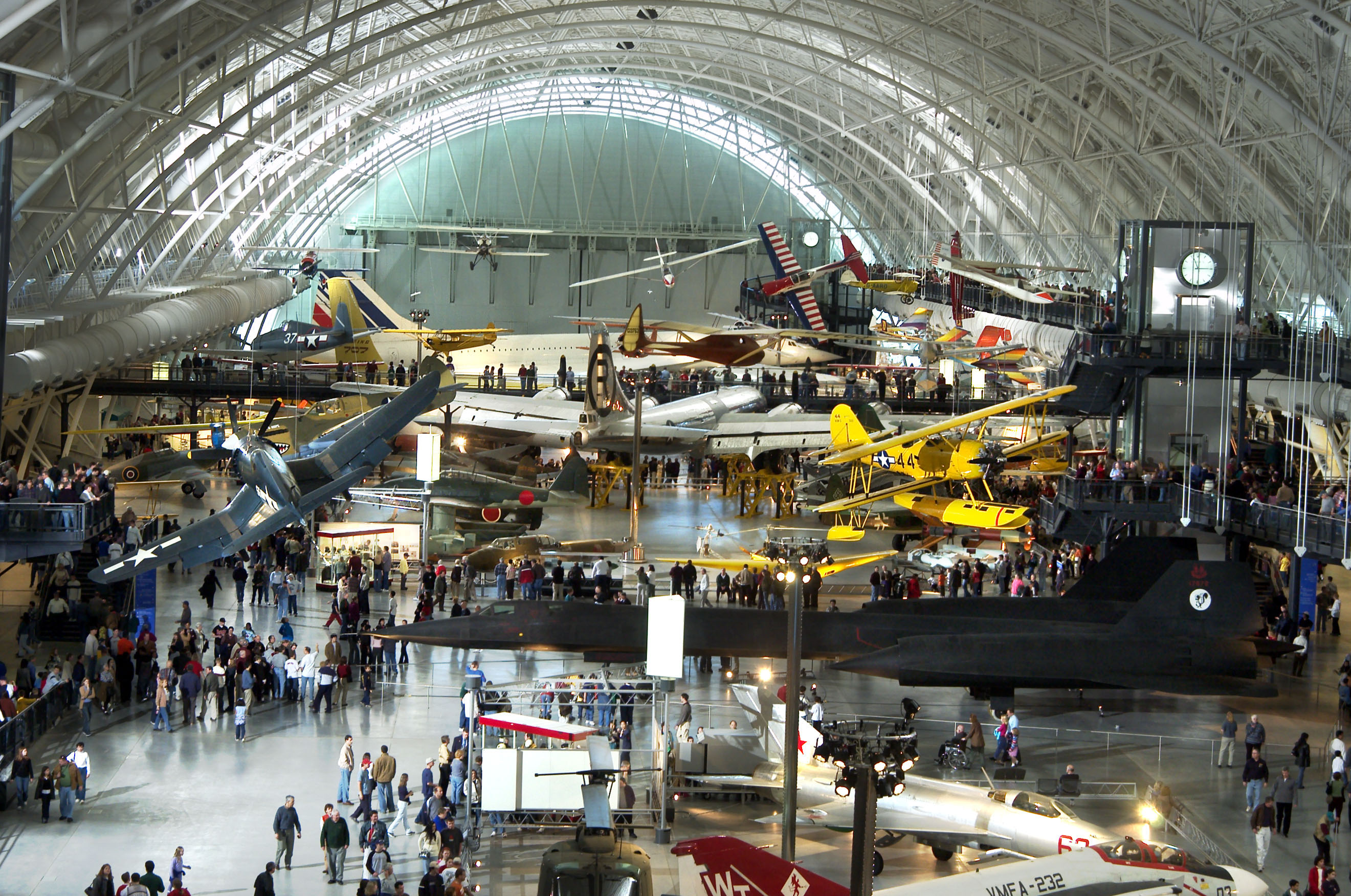
Representing both of its locations—on the National Mall in Washington, D.C., and at the Steven F. Udvar-Hazy Center near Dulles International Airport—the museum will showcase how it protects and presents the national air and space collection. This includes such world-famous treasures as the Wright Flyer, which made the first powered flight; the Bell X-1, which broke the sound barrier; and the Space Shuttle Discovery, a veteran of 39 missions.
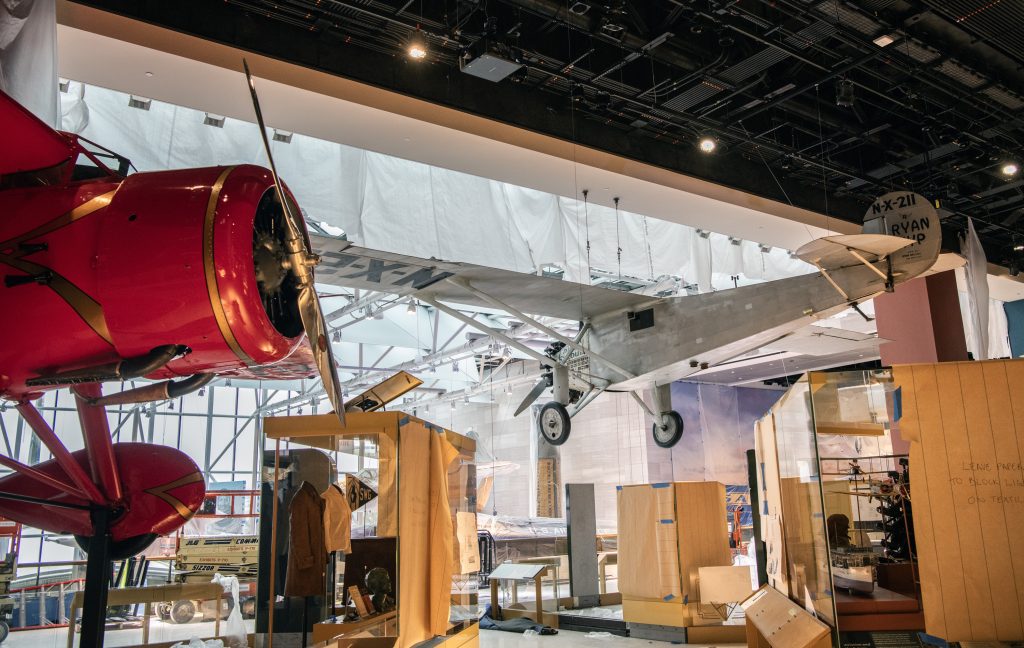
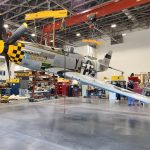
Throughout the week, museum experts will be on hand to talk about their efforts to preserve, restore, and conserve these national treasures. Visitors can also gain practical guidance on how to protect family keepsakes—such as photographs, military medals, and historical documents—ensuring that their own stories can be passed down for generations.
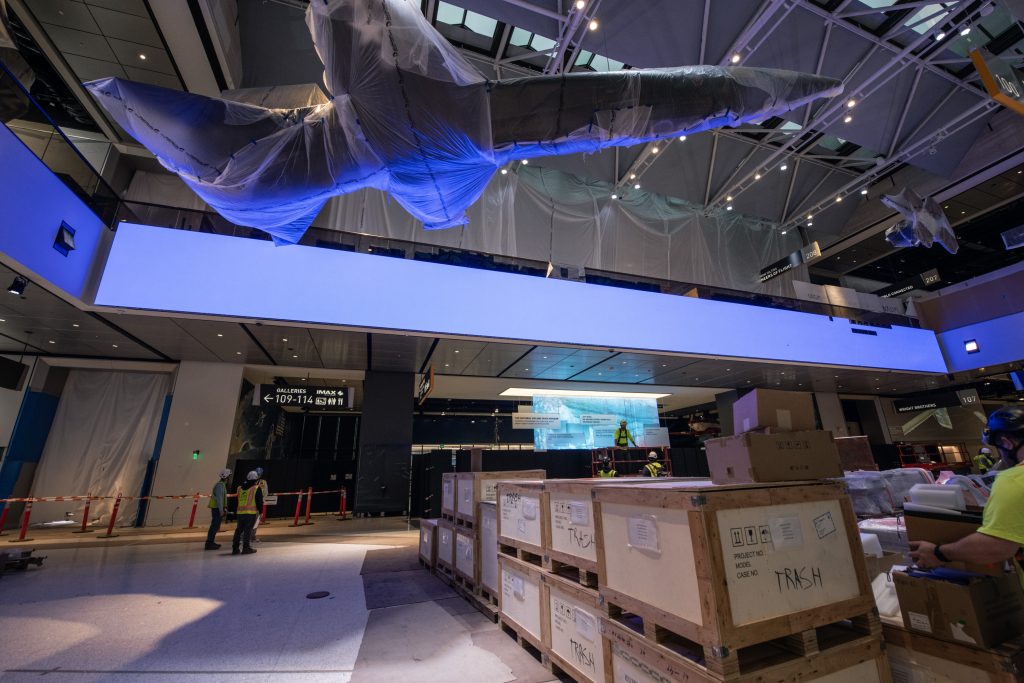
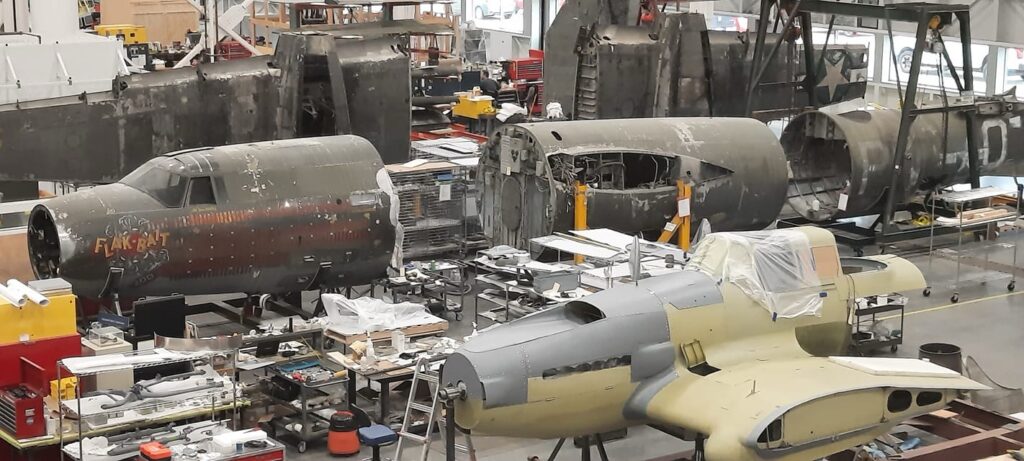
Each day at 10:00 a.m. and again at 12:30 p.m., the museum team will host 30-minute talks covering topics ranging from the restoration of the B-26B Flak Bait, the only American aircraft to survive over 200 missions in World War II, to the complex process of relocating large aircraft and rockets within the museum’s facilities. Other talks will explore traditional techniques used to repair the delicate fabric that once covered early airplanes. Attendees will be encouraged to ask questions during and after each session.
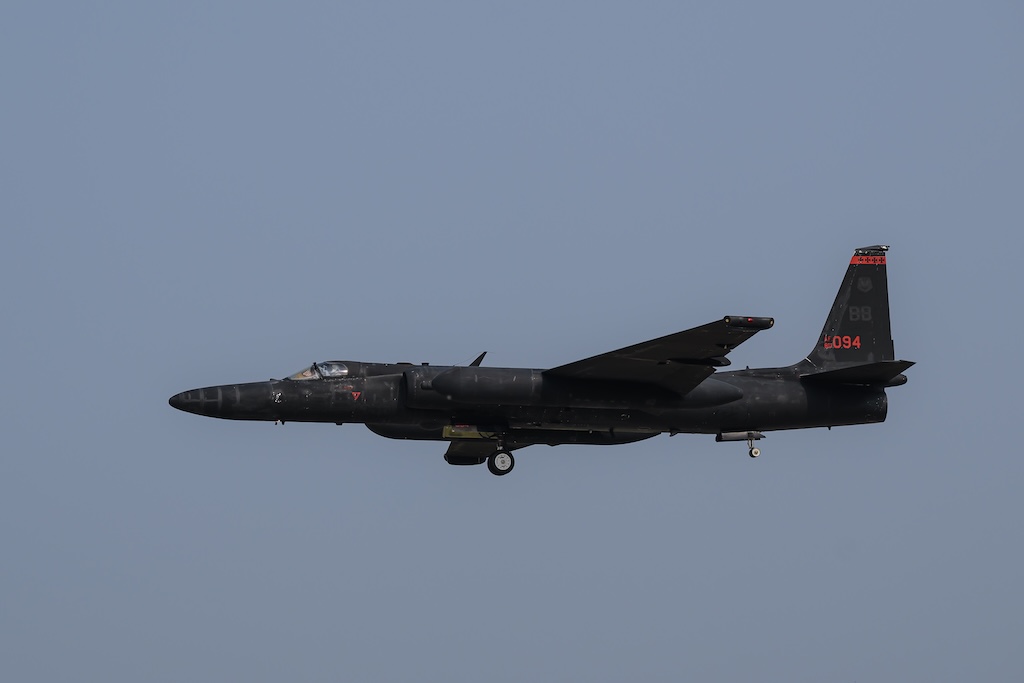
In addition to these talks, visitors will have the rare chance to get hands-on with authentic aviation and spaceflight artifacts. On display and available for interaction will be a pair of space shuttle gloves and heat-resistant tiles, a U-2 pilot’s pressure suit, U.S. Air Force flight helmets, complex components used in restoring historic aircraft, and examples of early aircraft fabric along with the tools and methods used to repair it.
“AirVenture is unmatched in its scale and enthusiasm for aviation, making it the perfect venue for us to connect with fellow enthusiasts,” said Chris Browne, John and Adrienne Mars Director of the National Air and Space Museum. “We’re excited to share the stories behind historic aircraft and spacecraft and help visitors preserve their own legacies.”
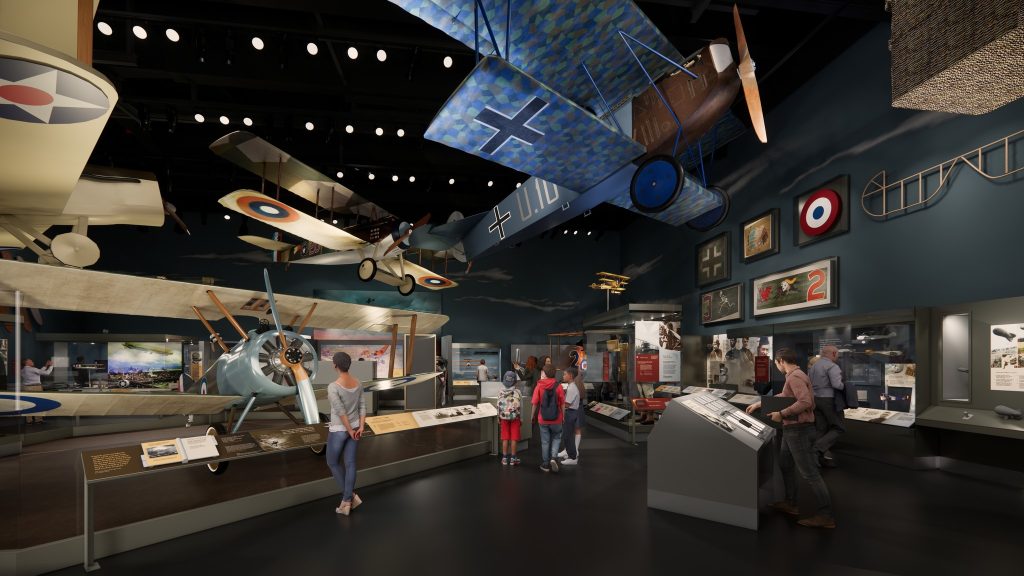
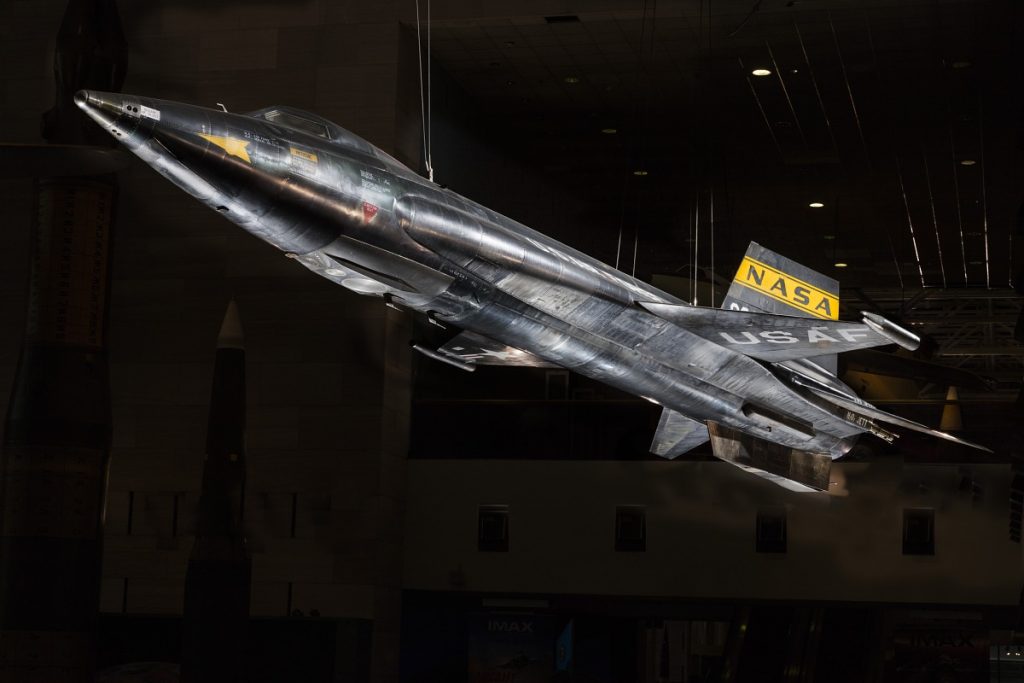
This year’s presence at AirVenture comes just days ahead of a major milestone: the reopening of the next phase of the museum’s multi-year renovation at its flagship location in Washington, D.C., on July 28. Thousands of artifacts will return to public display, including crowd favorites such as the Spirit of St. Louis, the North American X-15, John Glenn’s Friendship 7 Mercury capsule, Apollo Lunar Module 2, and the museum’s famous touchable moon rock. Several new additions to the museum floor will include a Sopwith F.1 Camel from World War I, a mockup of Blue Origin’s New Shepard crew capsule, Virgin Galactic’s RocketMotorTwo engine, and a 1935 A-series rocket developed by Robert Goddard.
Timed-entry passes are required to visit the museum’s Washington location, and reservations for the July 28 reopening and future dates can be made via the museum’s website. The final phase of the museum’s transformation will debut on July 1, 2026, coinciding with the 50th anniversary of the museum on the National Mall and the 250th anniversary of the United States. The museum’s extensive renovation includes a complete redesign of all 20 exhibition galleries, new exterior cladding, upgrades to outdated mechanical systems, and the construction of a new entrance vestibule. The first phase, which opened in October 2022, introduced eight new exhibitions along with the planetarium, the museum store, and the Mars Café. Since then, nearly five million visitors have explored the updated space. More information about the museum’s transformation and its participation in AirVenture 2025 can be found at airandspace.si.edu.