






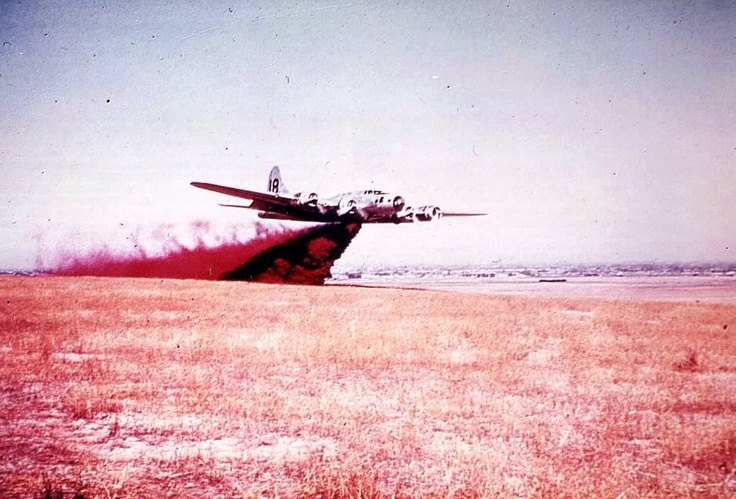
Right after WWII, several thousand aircraft were sent to boneyards across the country after serving in combat, while others—some fresh from the factory—were placed into storage or sold to foreign air forces. The vast majority of these airplanes, unfortunately, were scrapped. There were simply too many, and they were quickly becoming obsolete as aviation technology advanced. Luckily, some clever individuals saw the potential for these airplanes in civilian life, leading to a wide variety of uses. Following WWII, thousands of surplus military aircraft were repurposed, with the War Assets Administration selling trainers for as little as $450 and heavy bombers for around $13,750. While many were scrapped for aluminum, others found new roles in commercial aviation. B-17s were converted into fire bombers and mosquito control sprayers, while TBM Avengers became small but efficient fire suppression aircraft.
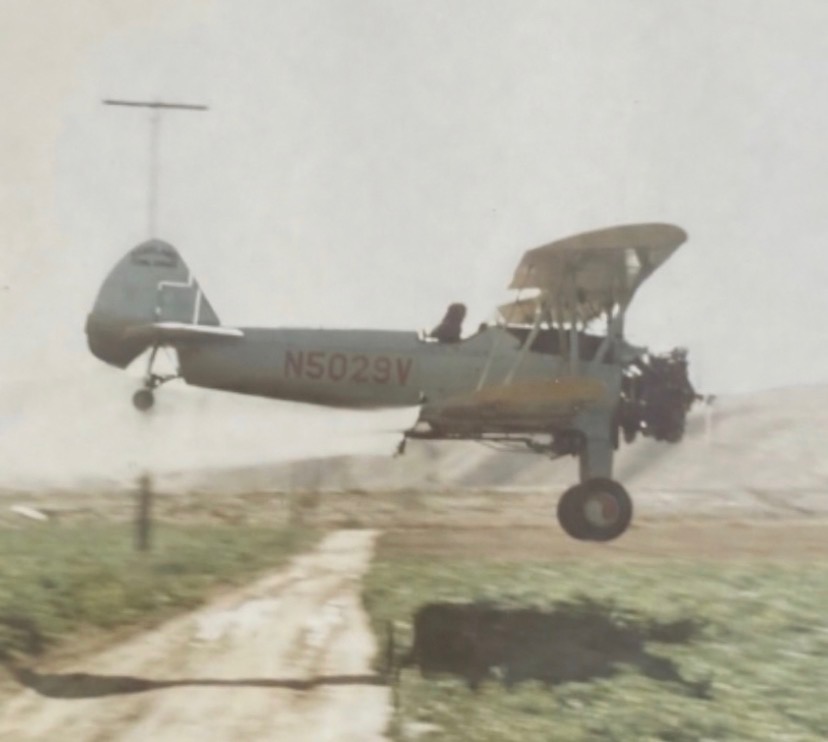
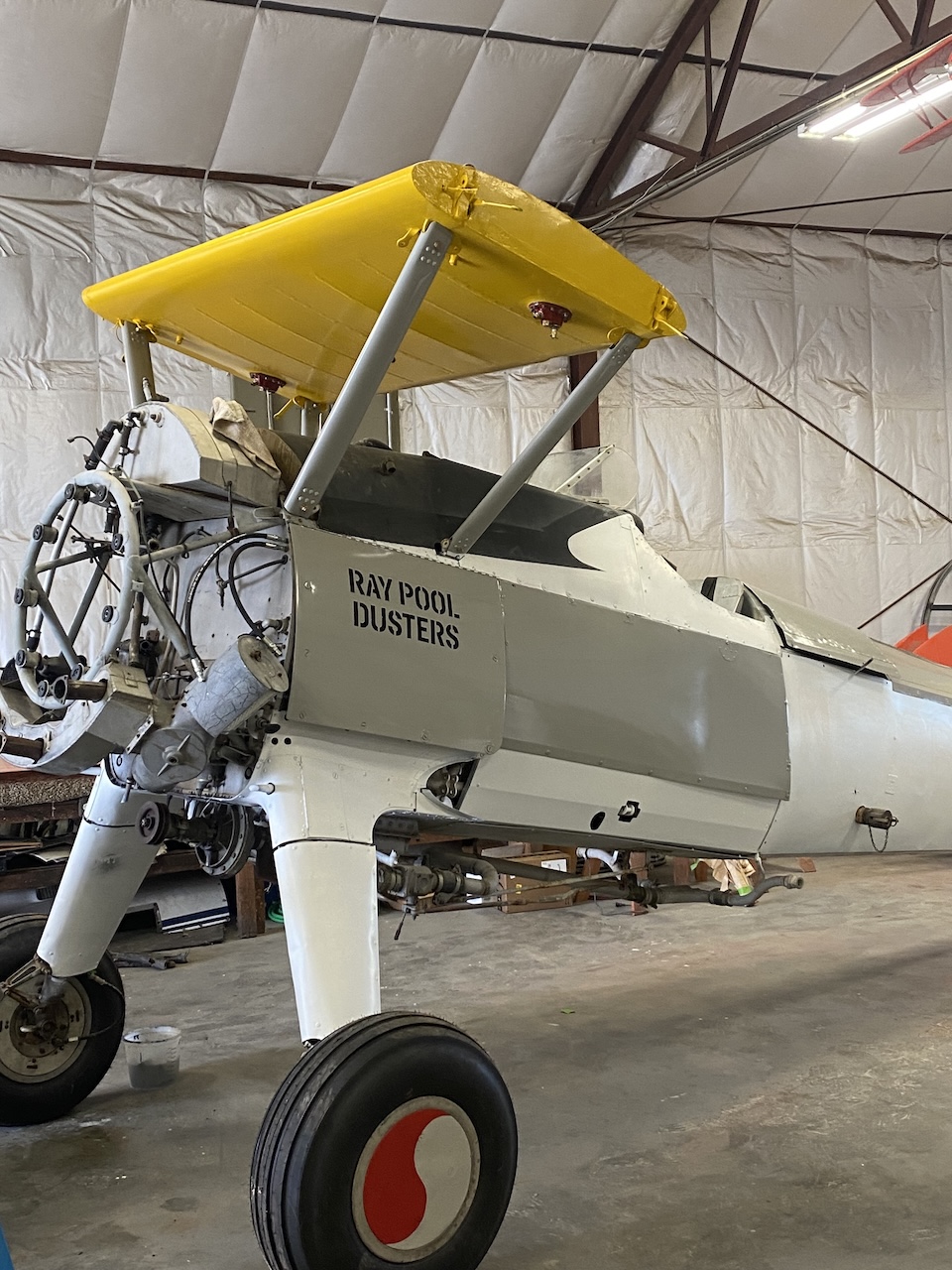
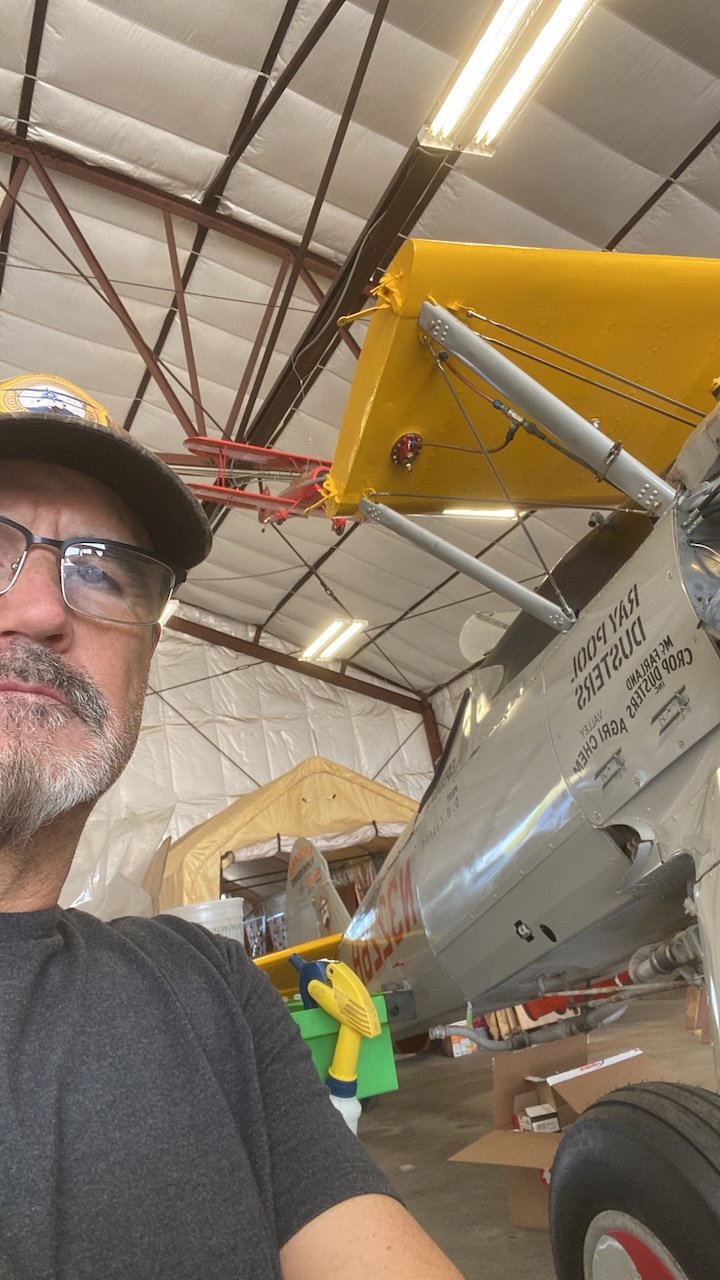
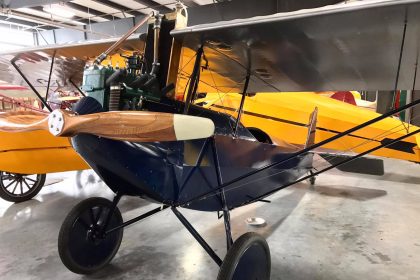
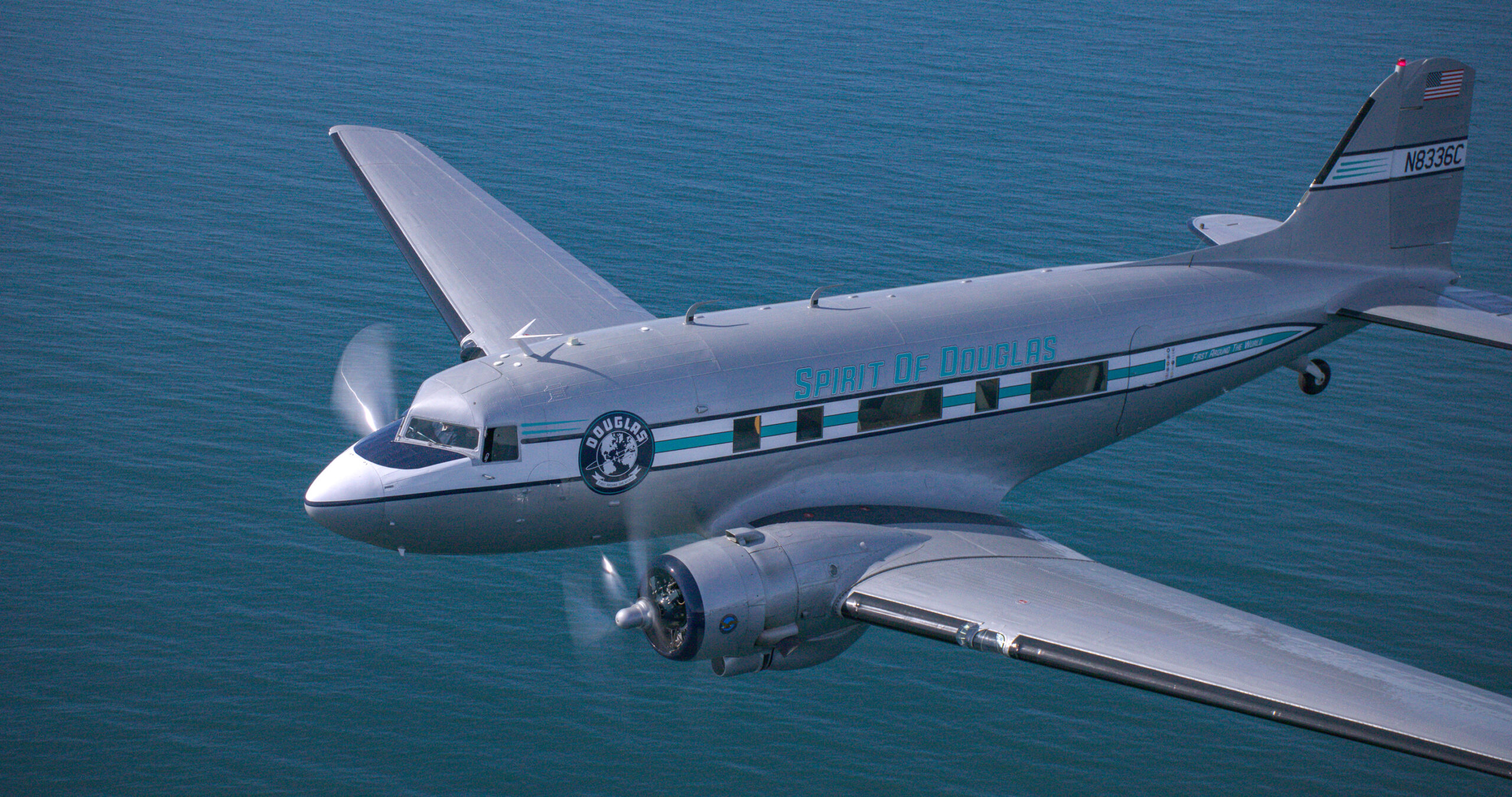
The Douglas C-47 Skytrain (DC-3), the backbone of military transport, transitioned into civilian service as airliners and cargo haulers, dominating the postwar air cargo and regional airline industry for decades. The Boeing Stearman PT-17, a primary trainer, became widely used for crop dusting due to its slow, stable flight characteristics. And it is a Stearman that is the subject of our story. While the vast majority of Stearman restorations are conducted to return the airplane to its former military configuration with the USAAC or U.S. Navy, Mike Hoffrage of Madera, CA, decided to do something different—restore a stock agricultural Stearman back to its former glory as a “sprayer.” We caught up with Mike, who takes the story from here.
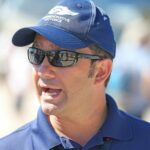
“As you know, my father is a pilot, but my love for airplanes runs even deeper. You could say it’s in my blood. My grandfather—my dad’s father—was infatuated with airplanes, and that passion passed down. My dad became the first pilot in the family. I have pictures of me as young as one or two, playing with plastic models my dad would give me. When he bought a ranch in Madera, not far from the airport—right on the downwind leg—aviation became part of everyday life.
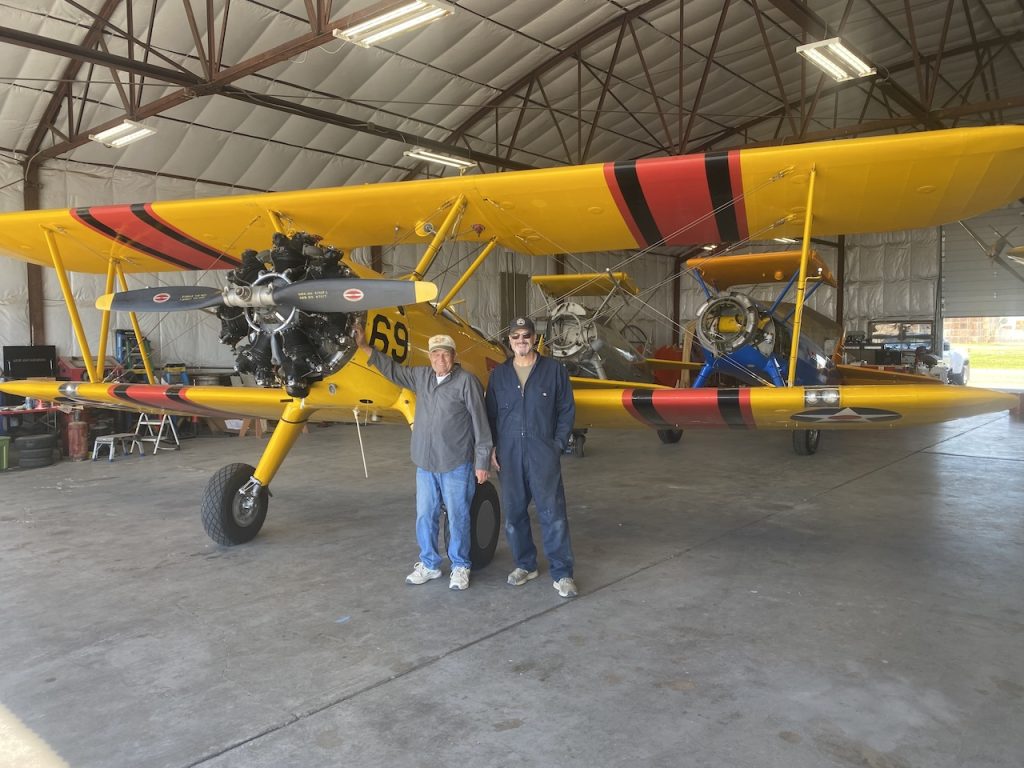
By the mid-1970s, I was old enough to go outside and wave at the Stearman duster pilots flying over our house. They’d wave back. Those guys were so cool to me. I started riding my bike to the airport, sneaking into the crashed airplane junk pile and pretending I was flying. An old duster pilot, Ray Pool, would kind of run me off. I’d ask if I could have one of the wrecks to fix up—he’d just say no and send me home. Years went by, and the Stearmans gave way to Ag Cats, but I never lost interest. I still waved. I loved the ag planes. After high school, I joined the Army and served in the 82nd Airborne Division. After the first Gulf War, my dad got a Stearman from Ray and slowly started collecting parts. Around that same time, I went to A&P school and began working on components as well. Then life took over. I got on with UPS, and work took precedence.
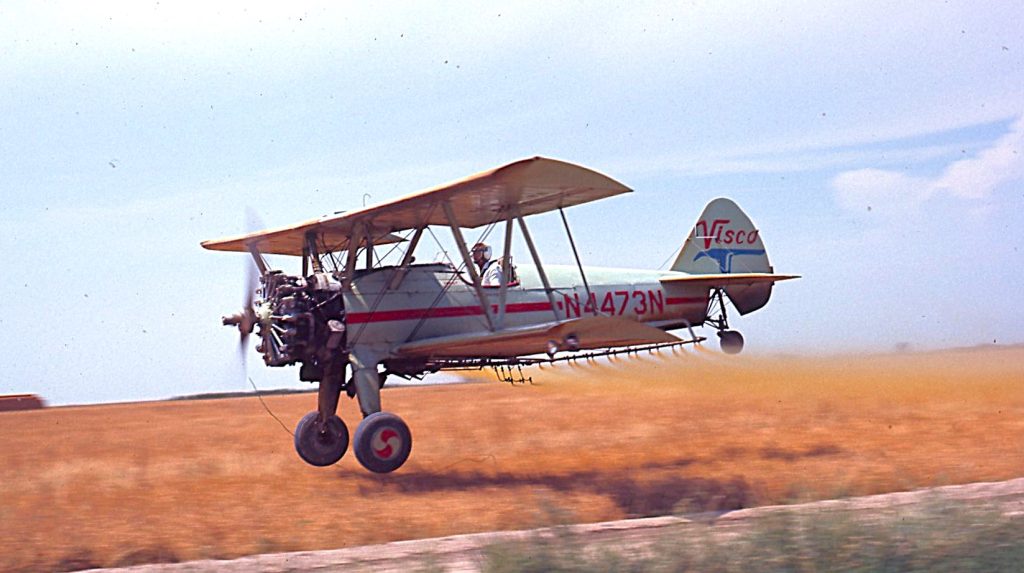
It wasn’t until around 2004 that I felt the pull to start building the Stearman again. One morning at Shafter Airport, I met Don Massey. We became great friends immediately. At the time, he had already restored at least ten Stearmans and was working on another. Don taught me that restoration isn’t just stripping and painting—it’s disassembling and inspecting, repairing or replacing parts, properly treating the metal, and then finishing it right. I was also starting a family, so progress was slow—but steady. Around 2005, I met Alan Buchner in Fresno, who taught me how to cover using the Poly-Fiber system. Between the two of them, I learned the skills needed to properly restore a Stearman.
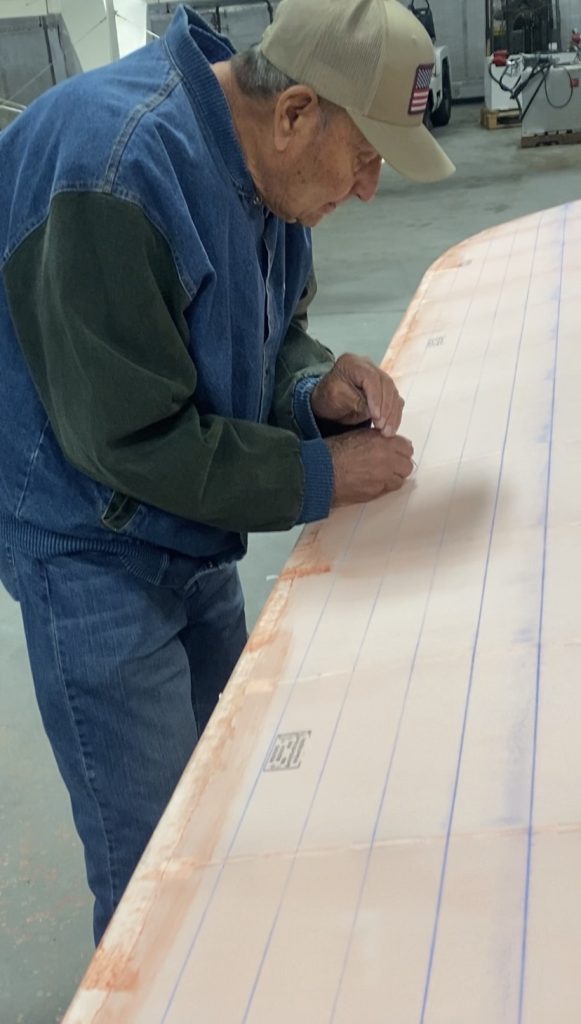
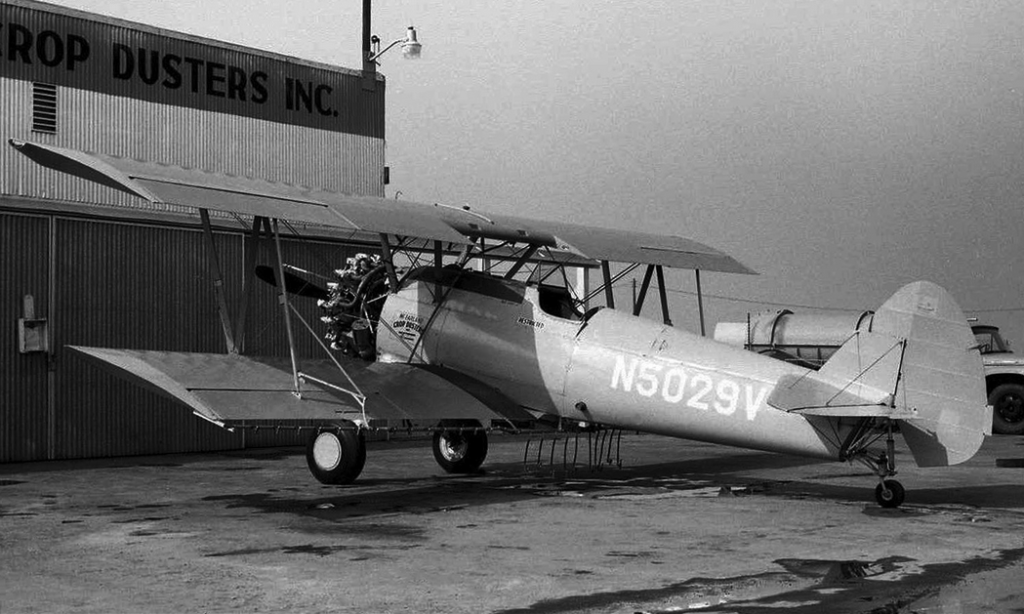
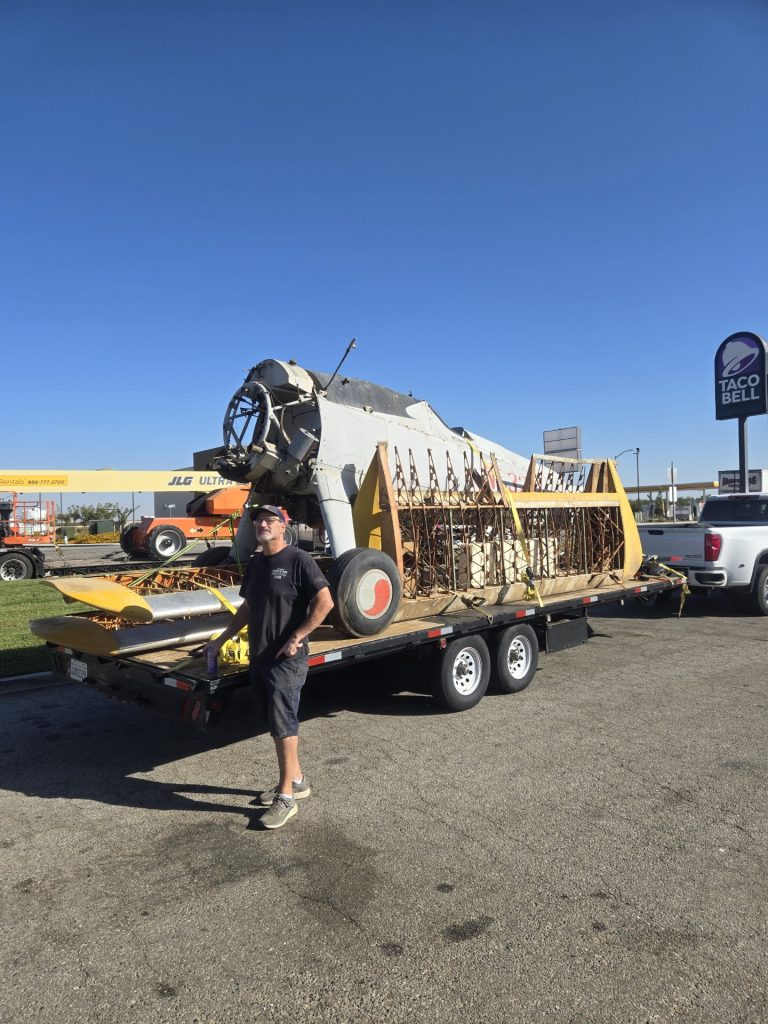
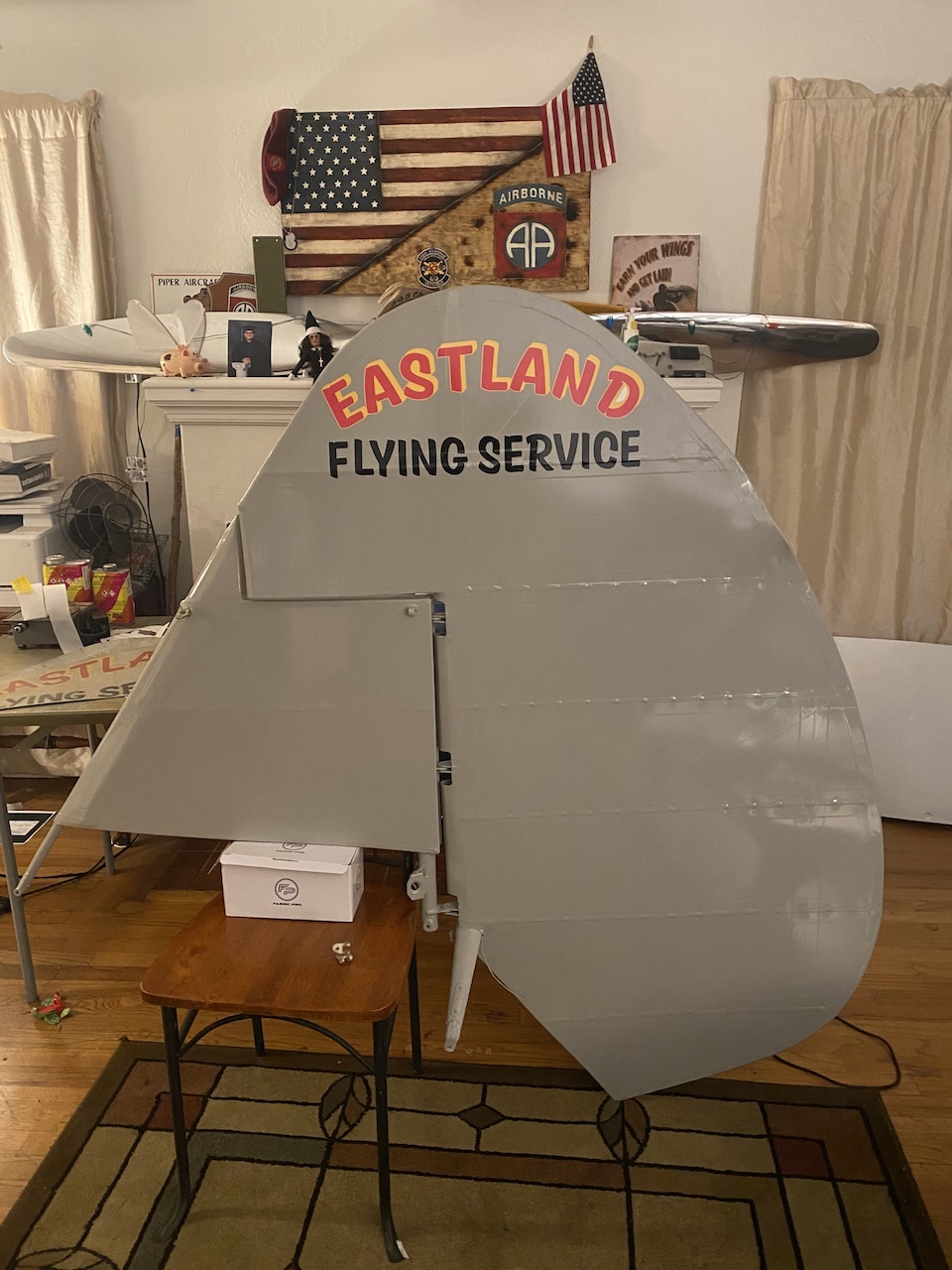
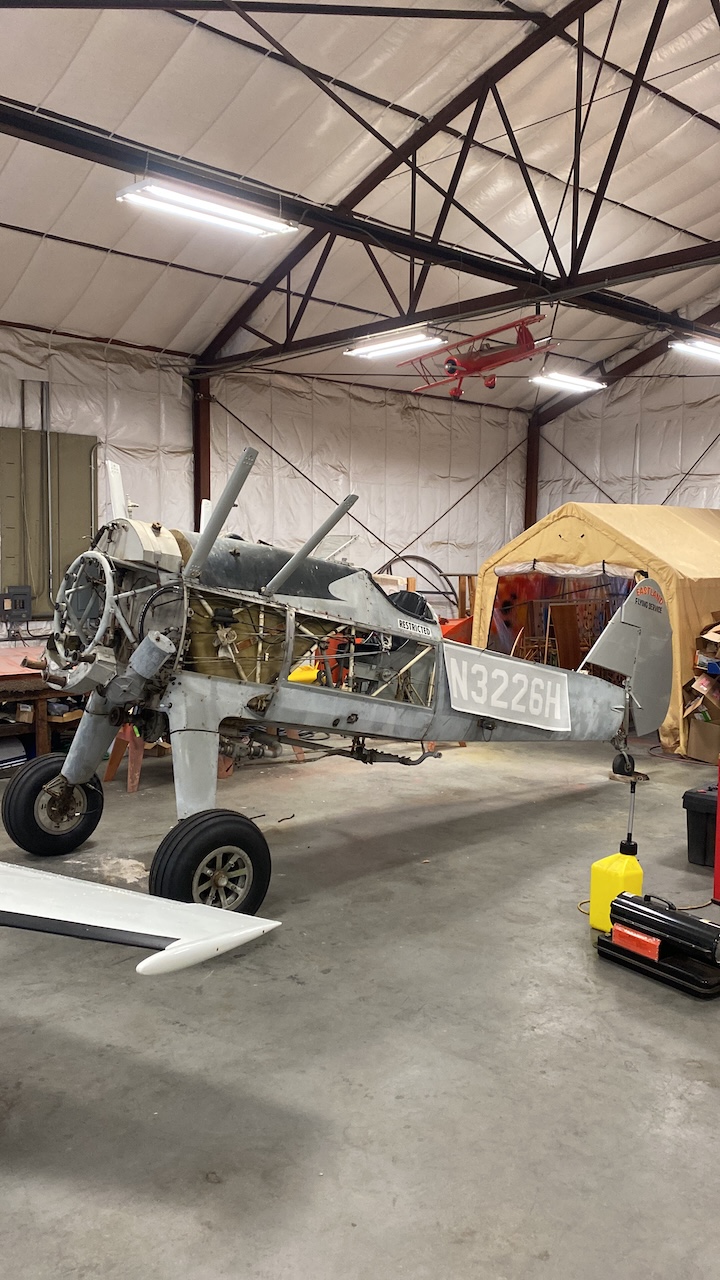
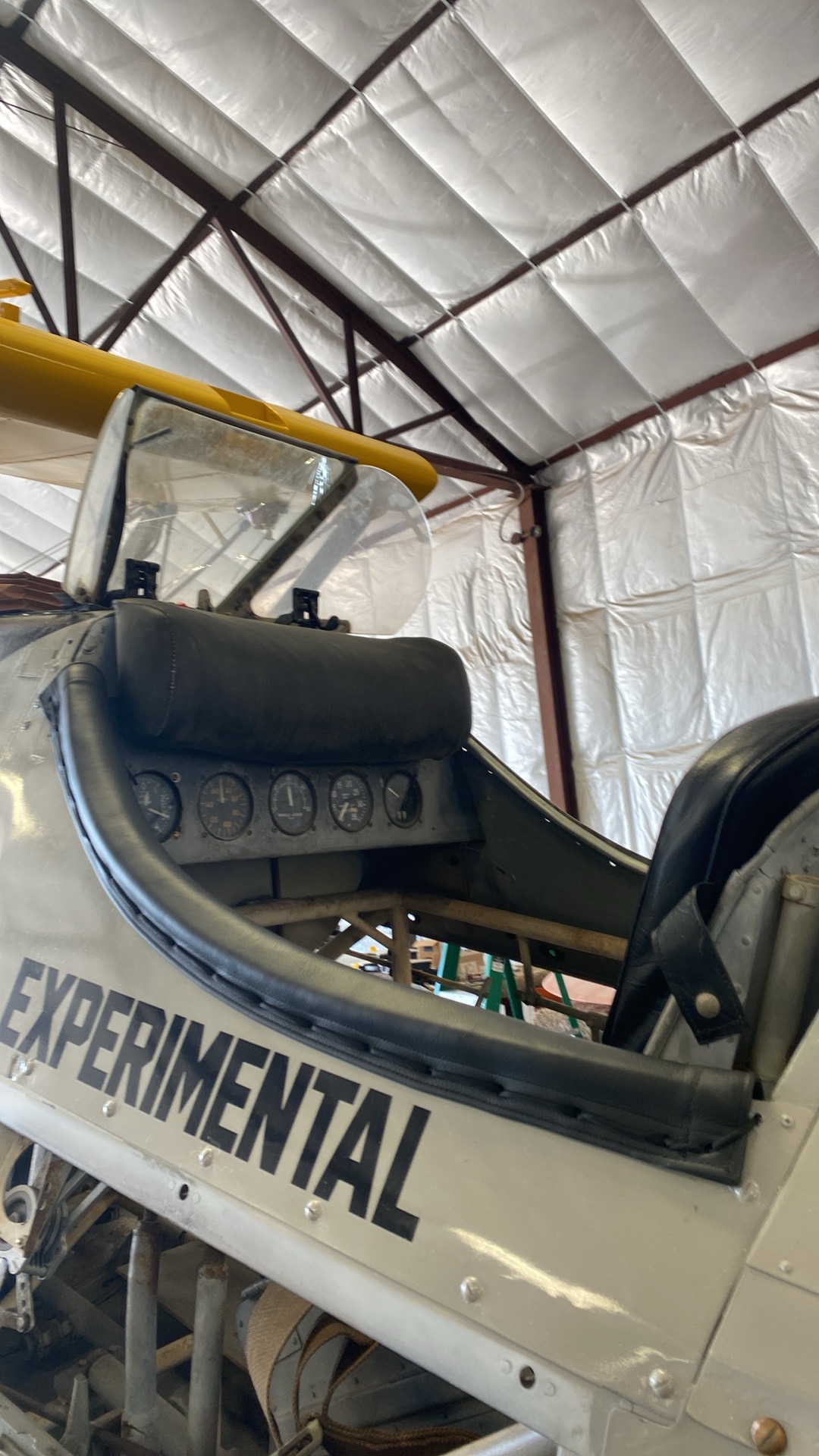
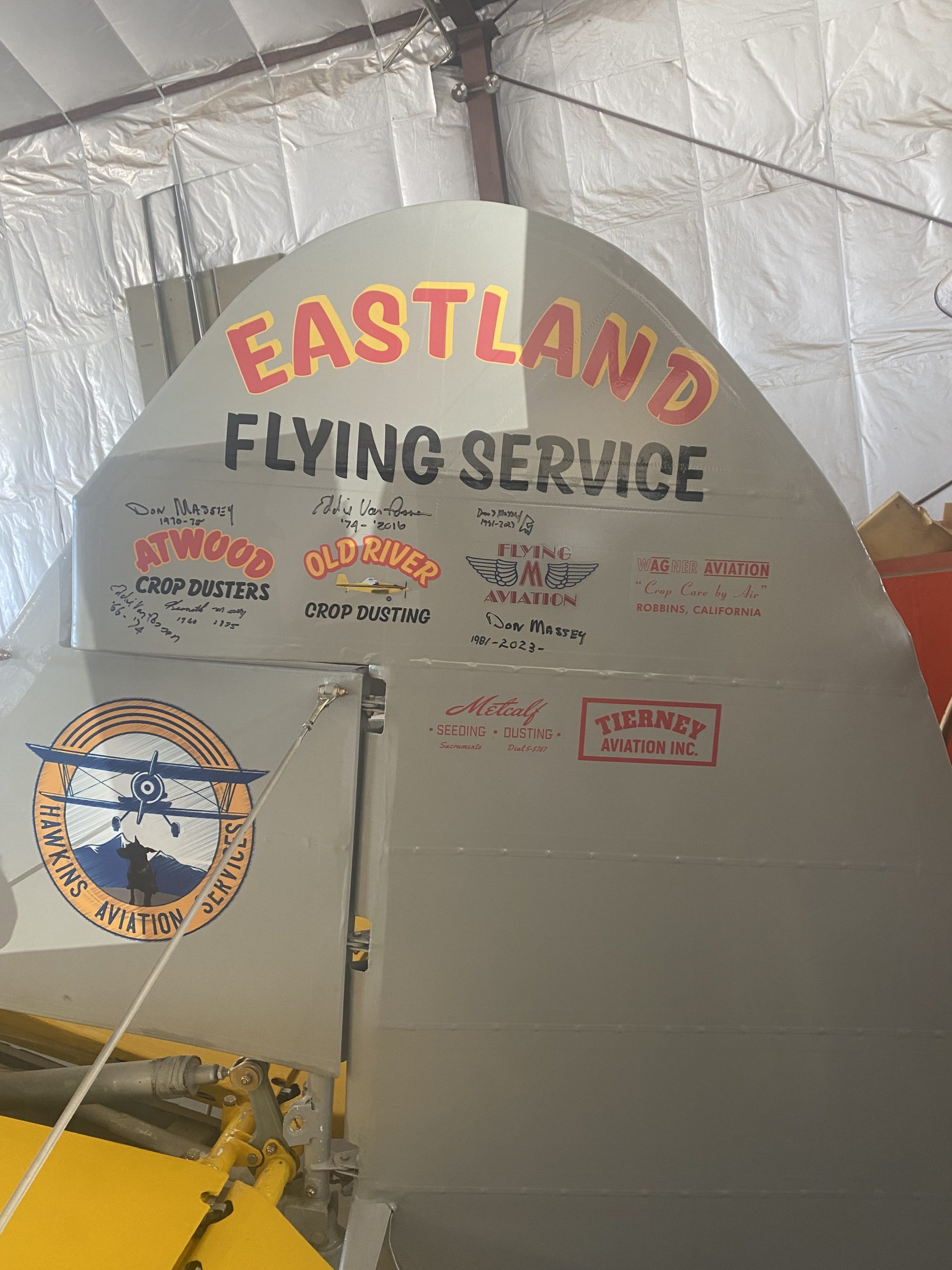
In 2024, I retired from UPS. Around the same time, Don was closing his shop in Shafter. He had a large number of Stearman parts and jigs, and I purchased them. Combined with parts I had collected over the years, I suddenly had enough for two—maybe even three—airplanes. I also acquired wing wood from Don and took it to Chris Sable in Ohio, a true master of Stearman wings. By July 2025, he delivered my wings. At that point, my fuselage was nearly complete, the wings were built (though not yet covered), and I was making real progress. Then, in October 2025, Don told me about some Stearman parts in Lamont, California, owned by Bill Eastland. They had been sitting in his old shop for years, just southeast of Bakersfield. I went to take a look—and was amazed. Sitting there was an unmolested, complete agricultural Stearman. I bought it on the spot. The history made it even more special. Don’s brother and nephew had flown it, and Don himself had about 150 hours in it. It had been an Atwood duster and later a McFarland duster. When I researched the N-number, I found Boeing had once reserved it, and it even had a special airworthiness certificate for movie work. Don told me it appeared in the 1981 film In Pursuit of D.B. Cooper, starring Robert Duvall and Treat Williams. At that point, I knew I had to keep it as a duster—she earned it.
So I’m restoring it as a tribute duster, honoring the pilots, mechanics, and operators who kept these Stearmans flying after WWII. Without agricultural use, far fewer of these airplanes would have survived. If you’re a former Stearman ag pilot or mechanic, you’re welcome to sign the tail. The fuselage is nearly done. I’m currently working on installing and timing the magnetos, and I still need a few parts to finish the propeller installation. I’m hoping to run the engine by May or June 2026. My dad and I are hosting our second annual tailwheel fly-in on June 27 in Madera—it would be great to fire it up there. I’ve recovered the tail and center section. One wing is covered, the other upper wing is ready, and I’m repairing the lower wings now. The goal is to have it flying by the Planes of Fame Air Show in Santa Maria. I’d love to display it statically—maybe they’ll invite me.”
The best part about aircraft restorations is not always the airplane itself—it’s the story behind it. And Mike’s story is one that deserves to be told. We look forward to visiting Mike over the summer and reporting on the progress of the restoration and its imminent first flight.




That’s my boy!
Bill Hoffrage
👍👍👍