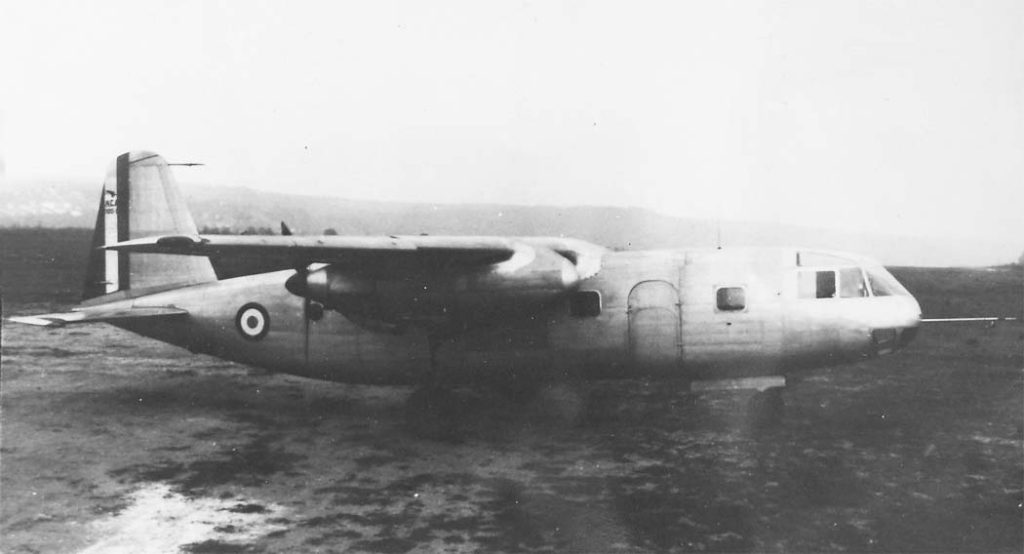
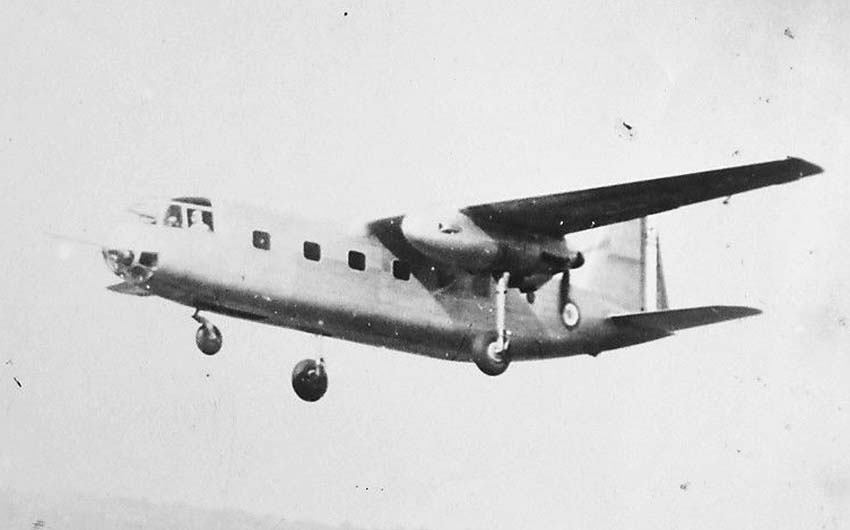

On this day in aviation history, 79 years ago (April 30, 1947), the Nord 2100 Norazur flew for the first time. The Norazur was a military transport of French origin, developed in the late 1940s by SNCAN/Nord Aviation (Société nationale de constructions aéronautiques/Nord Aviation). Nord designed the 2100 as part of France’s post-WWII re-emergence in the aviation manufacturing industry. This was a period of experimentation and ingenuity, making up for years lost under German occupation.
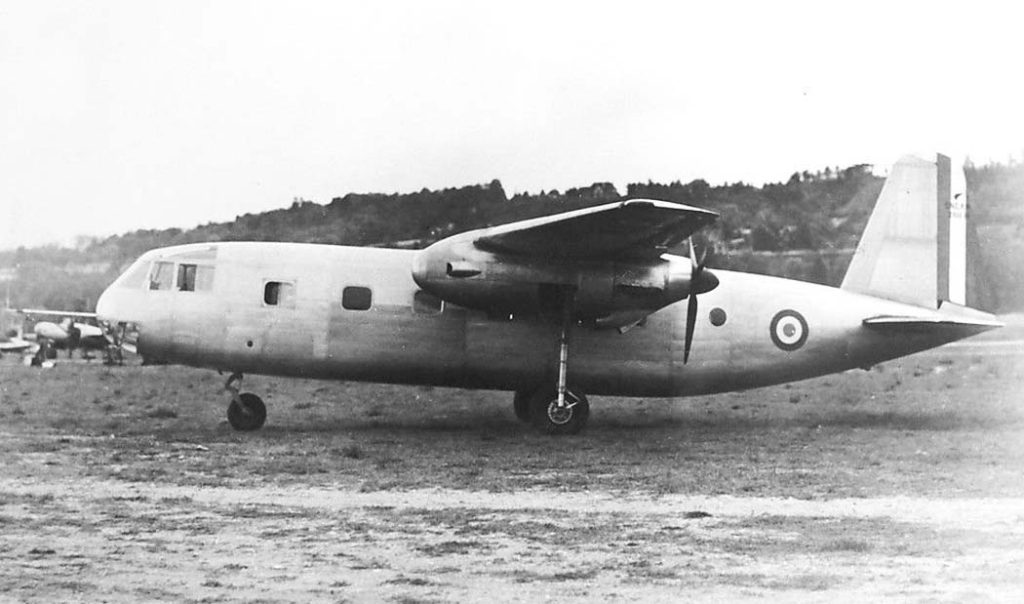
Nord designed the 2100 as a high-wing cantilever monoplane, which utilized pusher-style engine propulsion. Both Potez engines were mounted on the wings in a rear-facing orientation, allowing the propellers to push the military transport prototype through the sky. The Norazur featured retractable landing gear and an enclosed cabin capable of seating 10 passengers or freight. The 2100 was developed in response to a French post-war requirement for a light transport and training aircraft. Nord’s first flight of the N2100 Norazur on 4/20/47 took place at Les Mureaux.
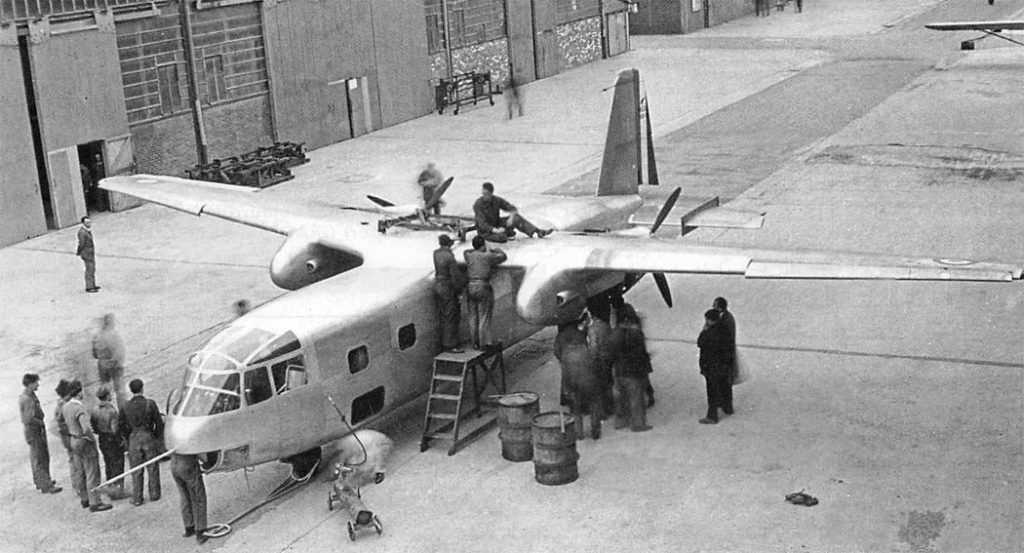
The Nord 2100 was flown by a crew of two and powered by two 420-horsepower Potez 8D-03 inverted V-8 piston engines. Some believe that an additional prototype was built, powered by two 390-horsepower Béarn 6D-07 inverted, air-cooled V-6 piston engines, named the N2101. The Norazur could cruise at 194 mph and attain a maximum airspeed of 210 mph. Nord designed the N2100 to have a range of 590 nautical miles and a service ceiling of 21,300 feet. Along with the N2101 variant, an additional N2102 Norazur model was proposed to be powered by two SNECMA 12S engines in tractor configuration. The Norazur was not built in large quantities for the French military, as initially hoped. Of the one, possibly two, aircraft built, none are known to survive today.