





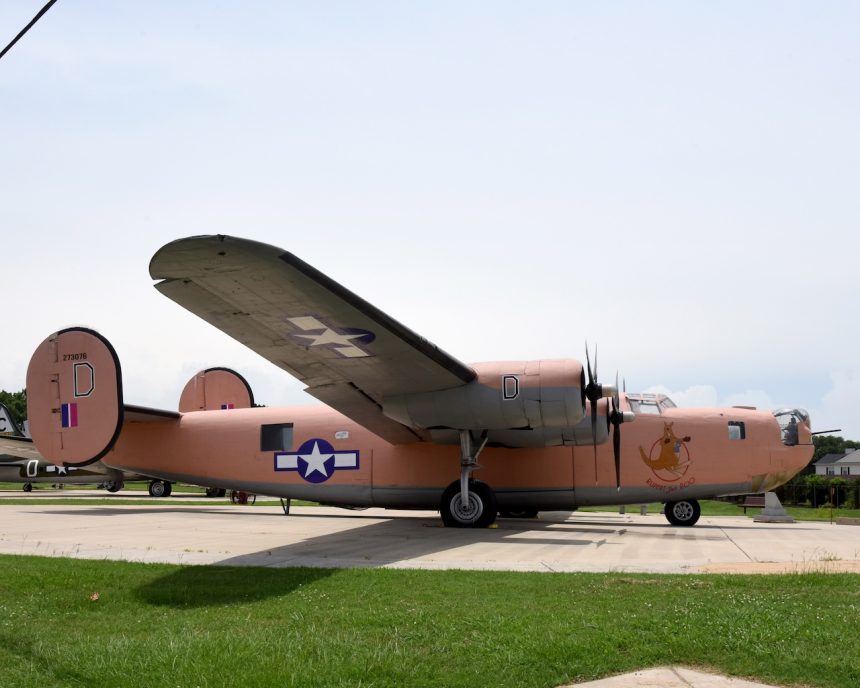

Following the transfer of a rare Consolidated B-24 Liberator to the National Museum of the Mighty Eighth Air Force, restoration efforts on the historic bomber continue to move forward. The aircraft, known as Rupert the Roo II, is one of only three B-24s in the U.S. Air Force’s historical collection and will eventually join the museum’s Boeing B-17 Flying Fortress to help tell the complete story of the Eighth Air Force’s World War II bomber operations.
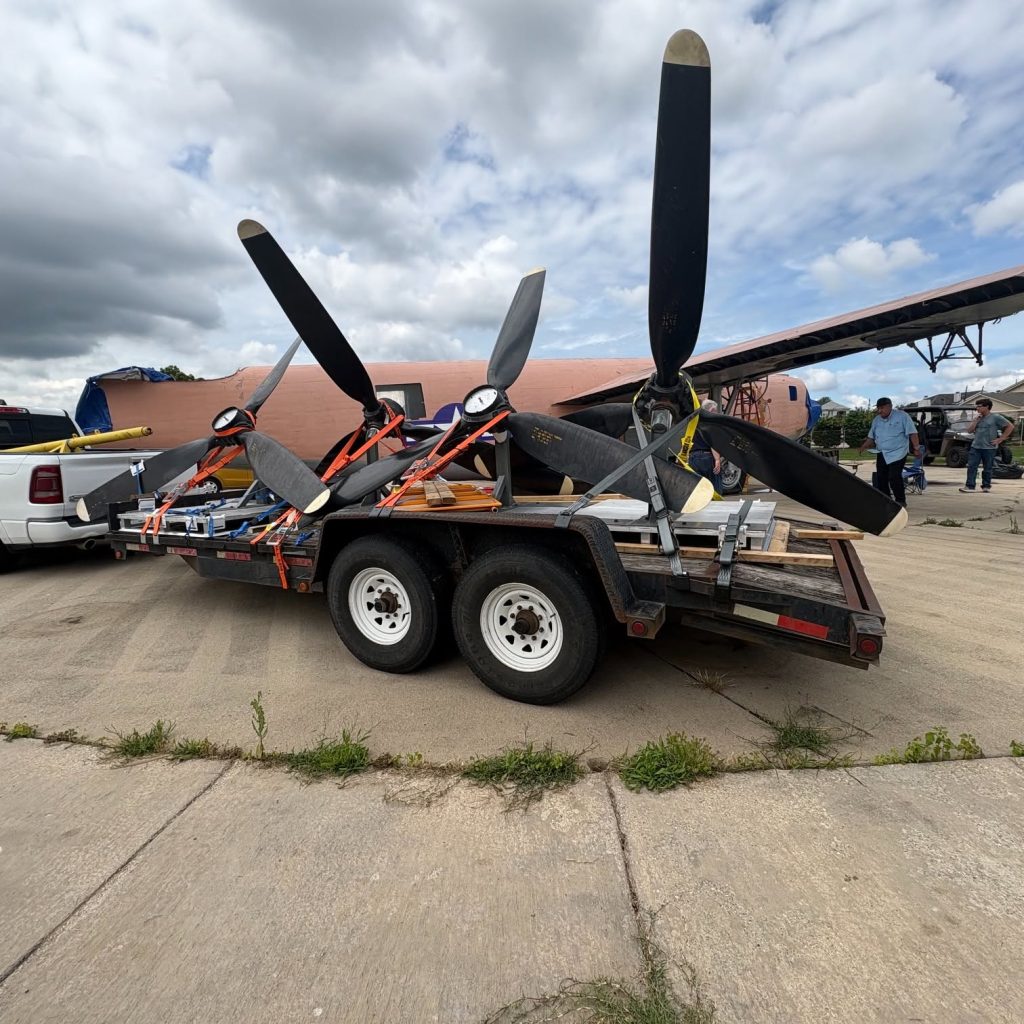
(Image credit: National Museum of the Mighty Eighth Air Force)
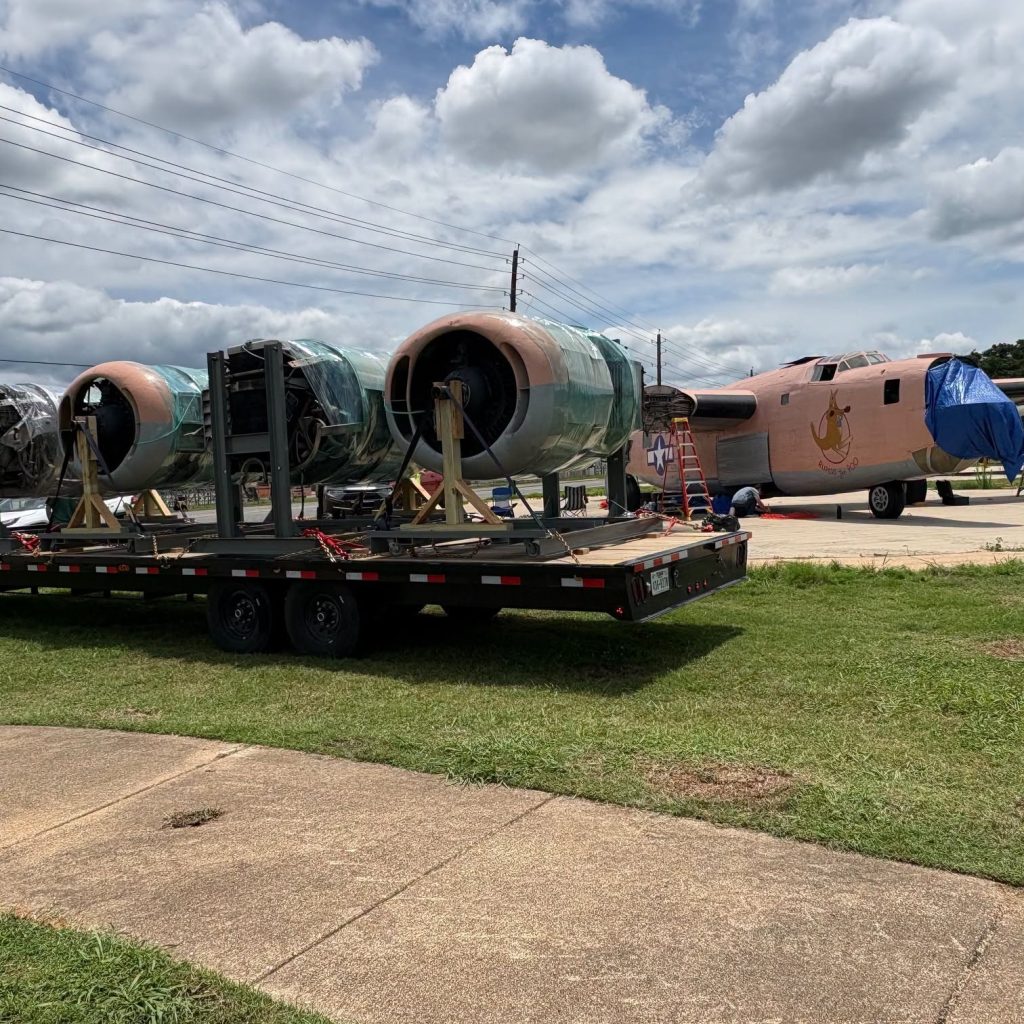
(Image credit: National Museum of the Mighty Eighth Air Force)
The B-24 was previously displayed at the Barksdale Global Power Museum at Barksdale Air Force Base, Louisiana. Its transfer to the National Museum of the Mighty Eighth Air Force was the result of a collaborative effort involving the Eighth Air Force, the National Museum of the U.S. Air Force, and the National Museum of the Mighty Eighth Air Force. Vintage Aviation News first reported on the aircraft’s transfer in June 2025.
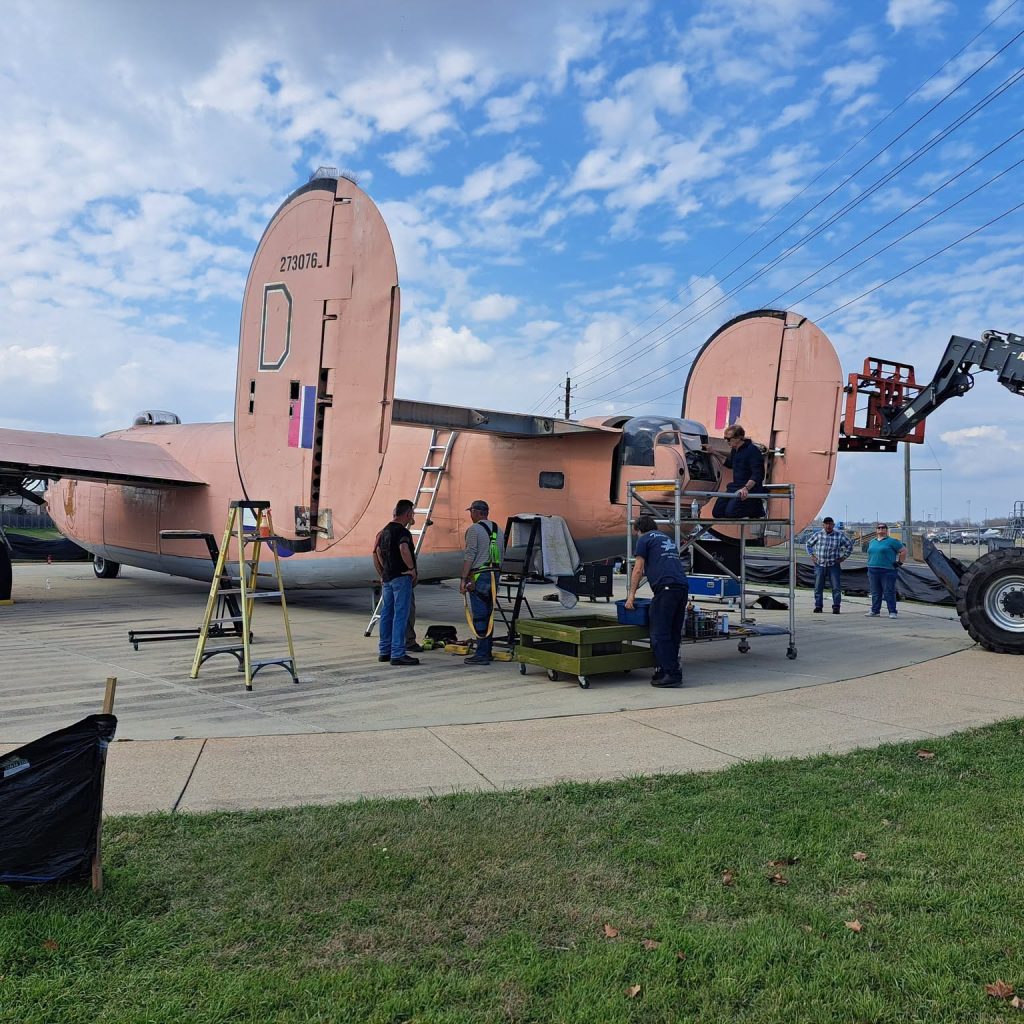
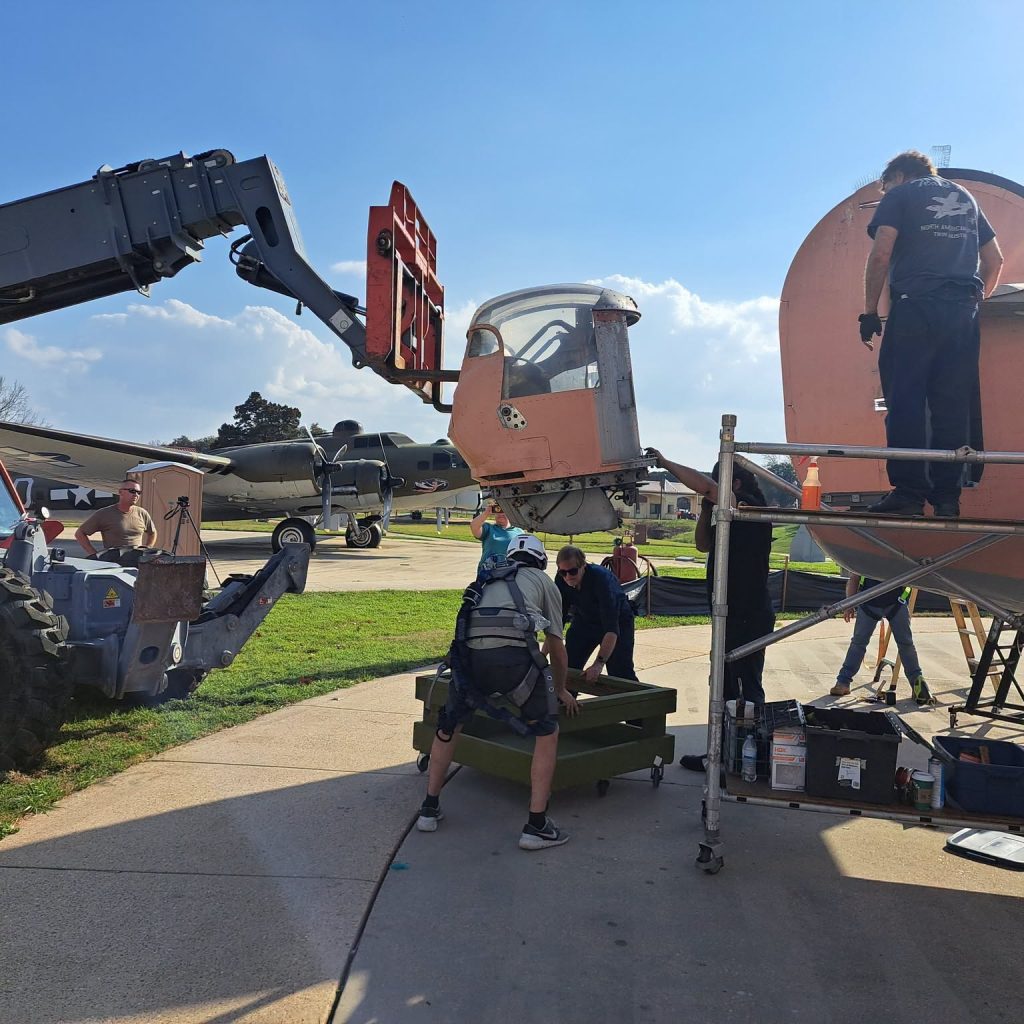
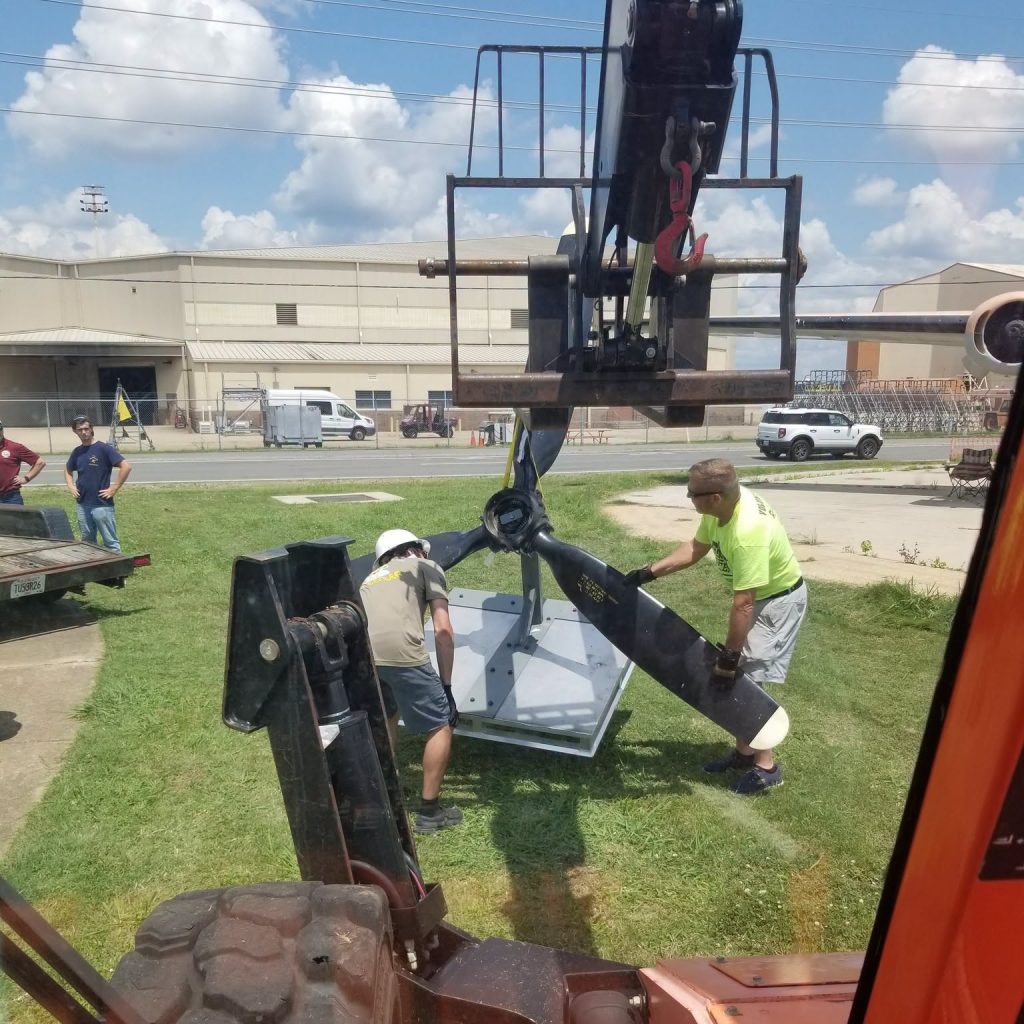
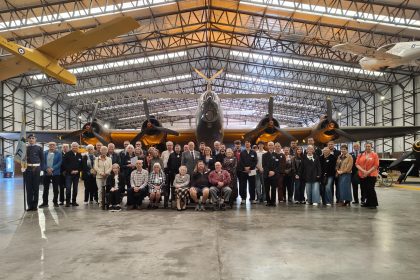
The first phase of the restoration project has now been completed. Museum staff recently traveled to Barksdale Air Force Base to catalog major aircraft components and remove all four engines, which will undergo specialized restoration work. Later this summer, restoration efforts will shift to the aircraft’s fuselage as work begins on the next phase of the project. Once completed, the Liberator will take its place alongside the museum’s B-17, reuniting the two heavy bombers that formed the backbone of the Eighth Air Force’s daylight strategic bombing campaign over Europe during WWII.
The acquisition significantly enhances the museum’s ability to interpret the history of the Eighth Air Force. While the B-17 Flying Fortress has long been associated with the air campaign over Nazi-occupied Europe, the Consolidated B-24 Liberator also played a vital role in the Allied victory. The B-24 was a remarkable achievement of American industrial production. More than 18,000 examples were built during WWII, making it the most-produced American bomber in history. The type entered service before the United States formally entered the war, with early aircraft supplied to Great Britain through the Lend-Lease program. During the conflict, Liberators served in every major theater of operations.
(Image credit: National Museum of the Mighty Eighth Air Force)
Featuring greater fuel capacity and the distinctive high-aspect-ratio Davis wing, the B-24 offered impressive performance for its era. The aircraft could fly faster, farther, and at higher altitudes than many contemporary bombers, making it well suited for strategic bombing, maritime patrol, cargo transport, and special missions around the world. When restoration is complete, visitors to the National Museum of the Mighty Eighth Air Force will be able to view both the B-17 and B-24 side by side, providing a more complete understanding of the aircraft and crews that carried the Eighth Air Force’s mission across Europe during the war. For more information about the National Museum of the Mighty Eighth Air Force, visit www.mightyeighth.org.
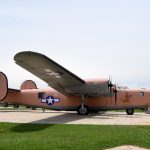








They stole our B24……. I never verified, but i heard that this was the only Ford B24 left. Aircraft forms should tell .
I volunteered with the Barksdale Museum prior to when the B-24 was airlifted in.
I feel that museum was/is under resourced, understaffed, and under directed once Col. Goff and Col. Straughn went elsewhere.
To think my father….Dad…. Sat underneath this aircraft in a cold metal shell and got shot at… the Sperry Ball Turret brought my Daddy home from the skies of Japan in 45! Wish I could tour this machine one day! Thank you for making sure the grand bombers that saved the World will never disappear!!
A friend of my father’s was a nose gunner on a B-24 in the pacific theater. It crashed into a mangrove and the entire crew was killed. I downloaded a picture of the crew. My dad’s friend was a fellow international professional cyclist and champion. His name was Harris Horder. Here’s the irony, he was born in Australia. Died and buried around New Guinea. His remains were disinterred and reburied in Hawaii. Thousands of miles away from family members. Aircraft’s name was Big Emma. It had an 🎱 painted on it.