





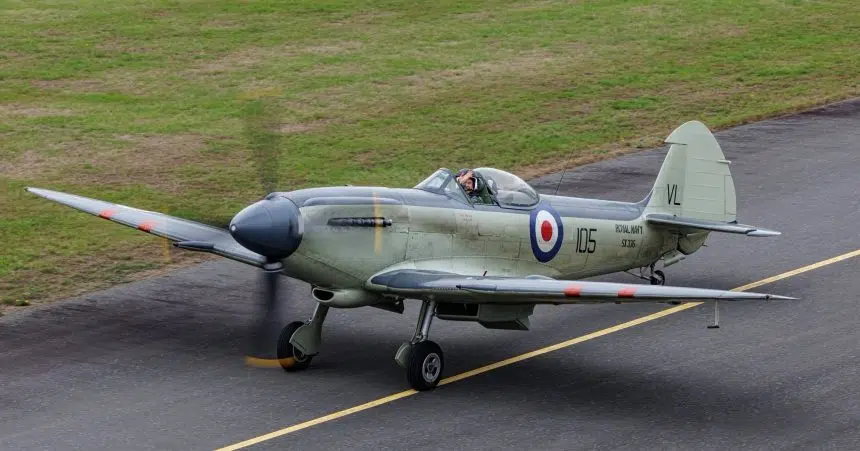

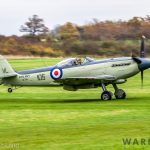
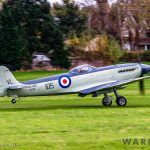
On August 8, 2026, Supermarine Seafire F.Mk.XVII SX336 has returned to the Navy Wings heritage hangar at RNAS Yeovilton following the successful completion of its latest return-to-flight program. The rare naval fighter had been away from Yeovilton since late 2023, undergoing work with Kennet Aviation at Old Warden. The project became necessary as the aircraft’s Rolls-Royce Griffon engine approached the end of its service life. Navy Wings subsequently located and purchased a fully refurbished Griffon VI, allowing the specialized work required to return SX336 to the air to move forward.
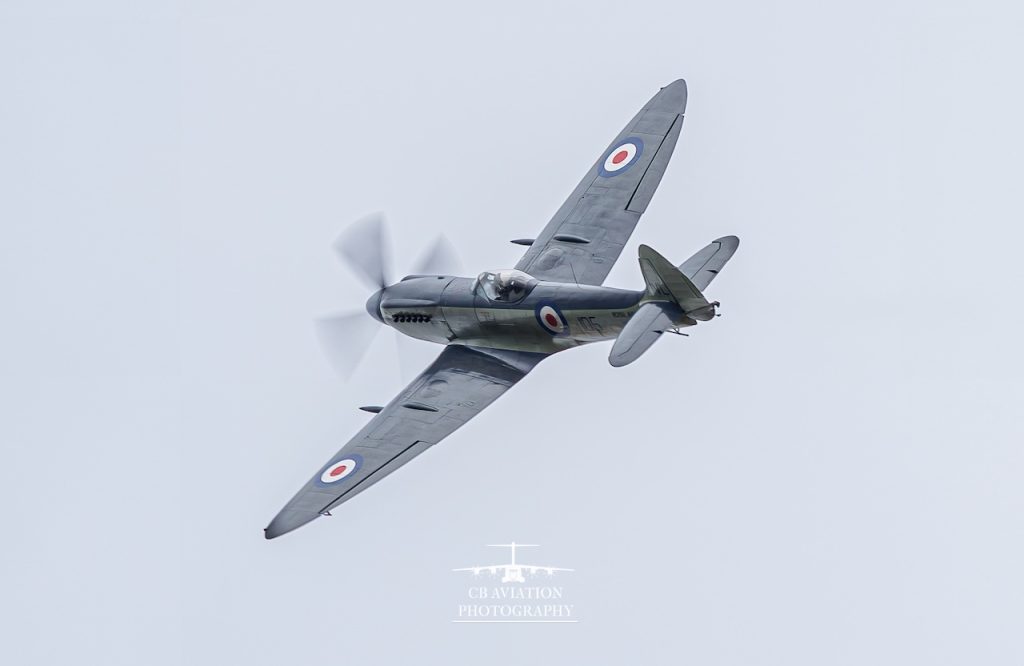
(Image credit: Chris Barnes)
Navy Wings described the aircraft’s homecoming as a significant moment for the organization and thanked Kennet Aviation for its expertise, professionalism, and support throughout the project. Returning a historic aircraft to flight is a complex undertaking, particularly for an exceptionally rare type such as the Seafire. The successful program represents the latest chapter in an operational history shaped by several extensive restorations and periods of inactivity. SX336 is believed to be the only airworthy Seafire XVII in the world. Its return to Yeovilton is especially fitting: the aircraft was built by Westland Aircraft at Yeovil, approximately 15 miles from the Navy Wings hangar, and emerged from the production line on April 30, 1946. The Royal Navy’s Fleet Air Arm formally accepted it on May 3.
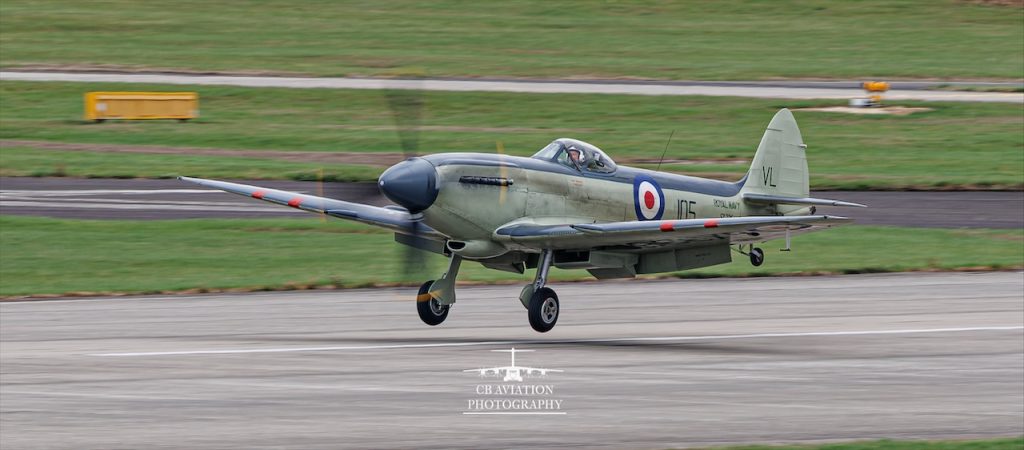
(Image credit: CB Aviation Photography)
Of the 232 Seafire XVII aircraft produced, Westland built 212 under license, while Cunliffe-Owen Aircraft completed the remaining 20. Following its acceptance, SX336 entered Royal Navy service at RNAS Bramcote in Warwickshire. It is believed to have served with No. 833 Naval Air Squadron of the Royal Naval Volunteer Reserve. Its operational career was relatively brief, however, as more advanced Seafire variants and the Hawker Sea Fury soon entered service. By May 1950, SX336 had been reassigned to ground-instruction duties. It was placed in storage at RNAS Stretton, near Warrington, in 1953 before being dismantled and sent to a local scrapyard operated by Joseph Brierley and Son in 1955. The aircraft might easily have disappeared at that point. Instead, noted Spitfire historian Peter Arnold recovered its battered fuselage from the scrapyard in 1973, along with substantial remains from Seafire XVII SX300 and other useful components. SX336 entered a long-term restoration in 1978 and subsequently passed through several owners. Former U.S. Navy pilot and entrepreneur Tim Manna acquired the project in November 2001, after which its restoration gathered momentum under the care of Kennet Aviation at North Weald.
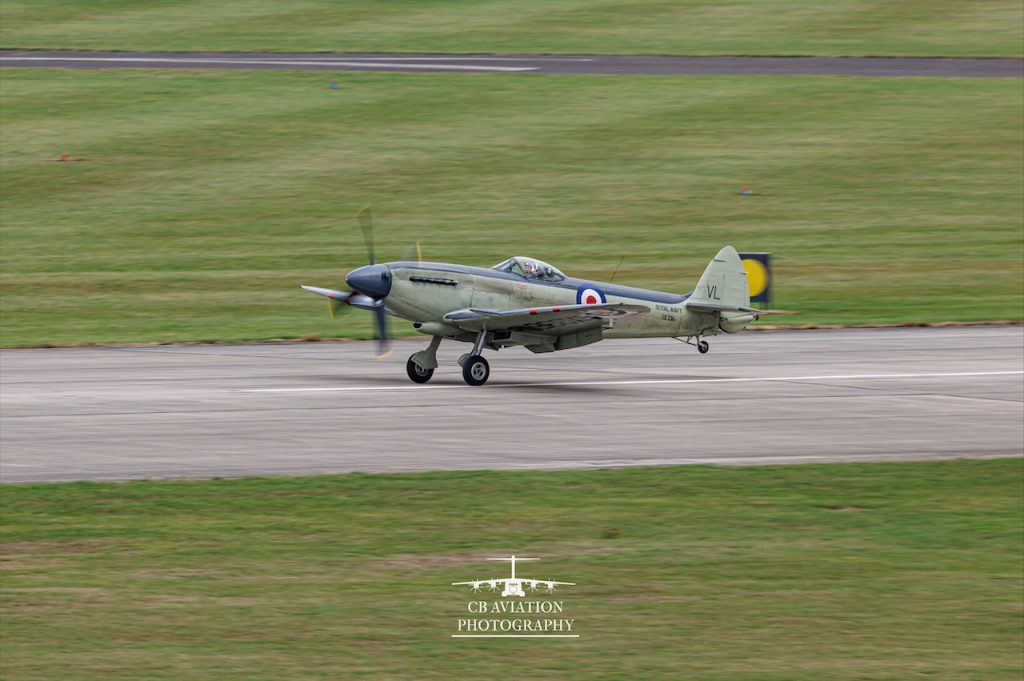
The Seafire made its first post-restoration flight on May 6, 2006—exactly 60 years after its original maiden flight at Yeovil, which had been conducted by Westland production test pilot John “Tommy” Thompson. In a fitting connection with the aircraft’s past, Thompson was present to witness its return to the air. SX336 subsequently appeared on the British airshow circuit before suffering a wheels-up landing in France in 2011. Following repairs at North Weald, it returned to flight in 2012 and continued operating until 2016. That year, the aircraft began its mandatory major inspection, a process involving the removal and detailed examination of its wings, undercarriage, propeller, engine, flying controls, tanks, and other major components. Inspectors discovered cracking in Frame 5, a critical structural section of the Spitfire and Seafire airframe, requiring the manufacture and installation of a replacement. Kennet Aviation also overhauled or refurbished much of the aircraft’s plumbing, accessories, and associated systems. The company’s relocation from North Weald to Old Warden, followed by the disruption caused by the COVID-19 pandemic, contributed to delays in completing the work. SX336 eventually returned to the air at Old Warden on November 18, 2021, with warbird pilot Stu Goldspink at the controls. Vintage Aviation News documented that milestone and the extensive work behind it. Navy Wings acquired the aircraft from Manna, a longtime supporter of the organization, later that same month. SX336 had already maintained a close association with Navy Wings as an affiliated aircraft following its earlier restoration. The Seafire is painted to represent an aircraft of No. 767 Naval Air Squadron, once based at RNAS Yeovilton. It carries the number 105 on the rear fuselage and the Yeovilton station code “VL” on its tail.
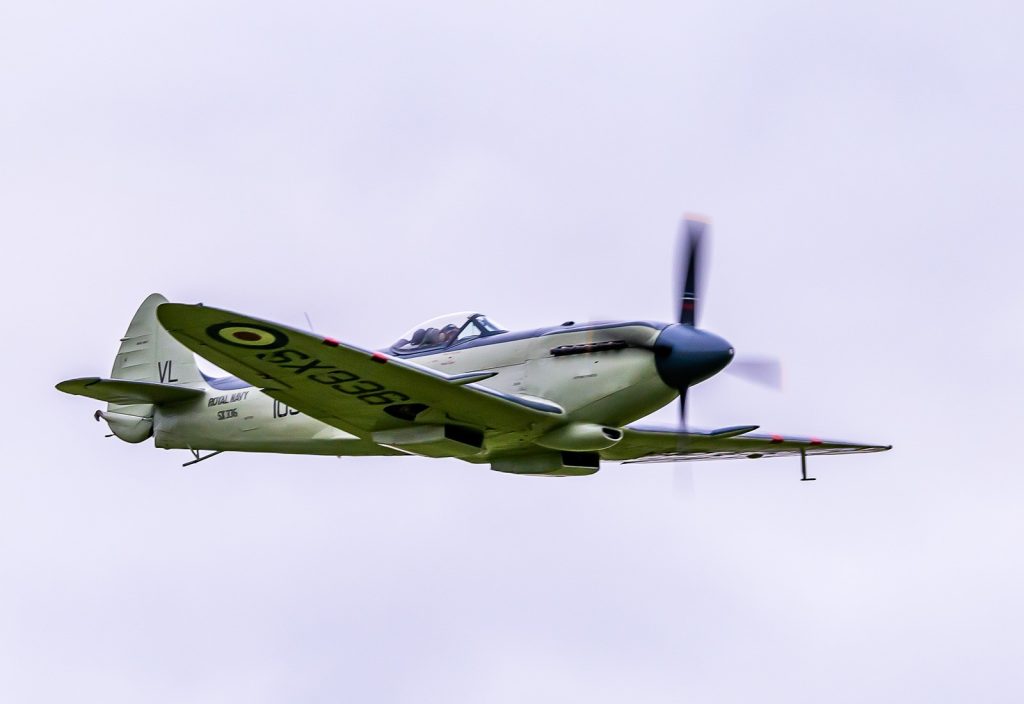
Developed from the Supermarine Spitfire, the Seafire was adapted for operation aboard Royal Navy aircraft carriers. The type served in several major Allied campaigns during WWII, including Operation Torch in North Africa, the invasions of Sicily and mainland Italy, the Normandy landings, and Operation Dragoon in southern France. Seafires later operated with the British Pacific Fleet, where their speed and climbing performance proved valuable in intercepting Japanese kamikaze attacks.
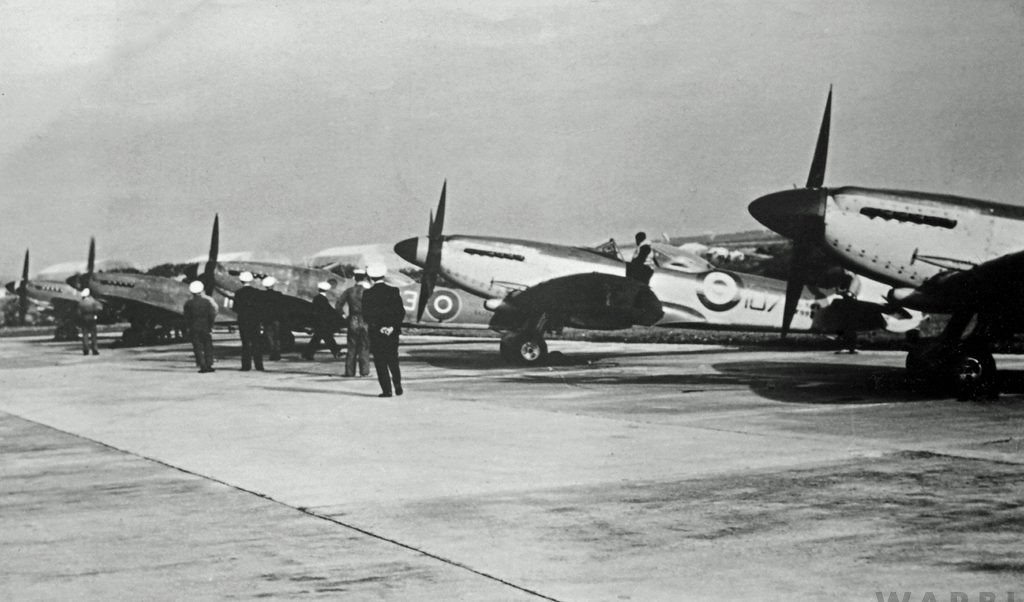
Postwar Griffon-powered variants continued serving with the Fleet Air Arm, while Seafires also saw combat during the Korean War. The type was ultimately replaced by the Hawker Sea Fury and the first generation of British naval jets, including the de Havilland Vampire, Supermarine Attacker, and Hawker Sea Hawk. Now back at the airfield near where it was built 80 years ago, SX336 will once again take its place among the historic Fleet Air Arm aircraft housed in the Navy Wings heritage hangar. Its return also clears the way for the world’s only airworthy Seafire XVII to resume appearances around the United Kingdom. For more information about NAVY Wings, visit www.navywings.org.uk.







Wonderful old aircraft. Long may they fly.
I had the privilege of seeing this beautiful aircraft in action at old warden, I was on a flight line tour and saw her land on and taxi on to the flight line .
The wing folding has to be seen to be believed.
Great stuff.
Absolutely terrific to see such wonderful aircraft as this carefully restored and flown by all those talented folk in the Warbird community ~
I visited Jim Smith Aircraft collection in Fortine Montana where he has Seafire VP441 with contra prop and spare Griffon. He hasn’t flown in some years but it is immaculate.