






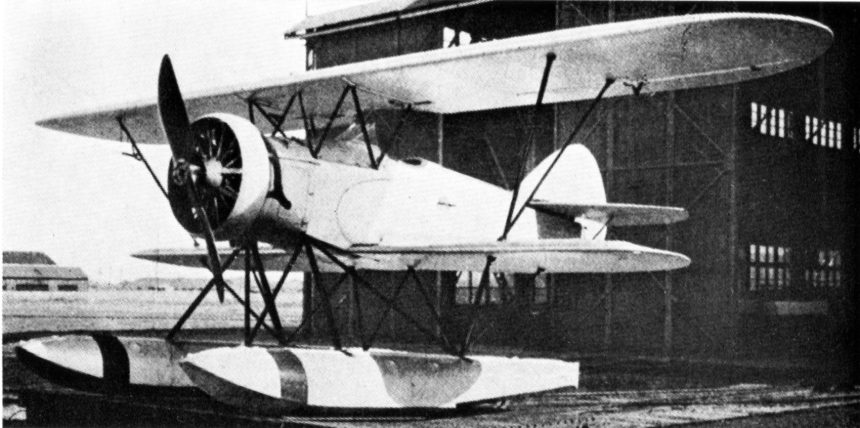

Once the fourth-leading aircraft manufacturer in Japan, the company produced a total of 3,627 aircraft, with almost all of them (3,611) being combat aircraft from 1941 to 1945. During this time, the company also produced 1,783 aircraft engines, all for the Imperial Japanese Navy. The numbers suggest a strong producer of military aircraft, which, ideally, should still be making them to this day. But the company now makes cars. The company was founded in 1898 in Nagoya as Aichi Tokei Denki Seizo Kabushiki Kaisha, which means Aichi Watch and Electric Manufacturing Co., Ltd. It began producing aircraft in 1920 with help from Heinkel, whose influence was evident in some of its designs. Later, with support from the Imperial Japanese Navy, the company started making seaplanes using technology imported from Short Brothers in the UK. Later known as Aichi Kokuki, the company received technology from Heinkel, a German company, during the interwar period. At that time, a team from the League of Nations visited German aircraft manufacturers to check on a ban against military aircraft research and production. A Japanese military officer on the team secretly informed Heinkel about the planned visits. As a result, Heinkel was able to continue designing the aircraft ordered by Aichi without being noticed. In 1943, the aircraft division became a separate company, Aichi Aircraft Co., Ltd.
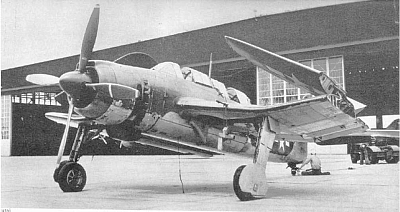
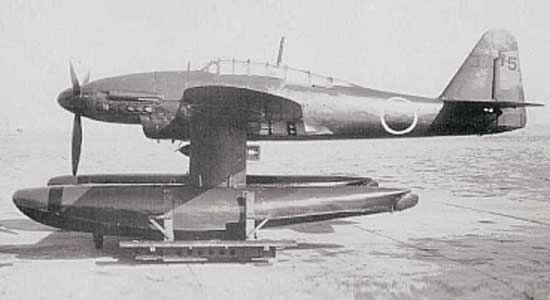
During the war years, Aichi Kokuki manufactured aircraft at the Funakata and Eiyoku plants, while the Atsuta plant produced engines. All these facilities were located in or near Nagoya. The main aircraft made by Aichi included the D3A Val, E16A Paul, D4Y Judy, and B7A Grace. The engine produced was the Daimler-Benz DB 601, known in Japan as the Ha-40 or the Atsuta, named after the factory. In late 1944, to protect against air attacks, Aichi Kokuki moved airframe production to Ogaki and an underground factory in Seto, just east of Nagoya. The engine manufacturing facility was relocated to the Tsu Naval Air Station, and another underground factory was established to its southwest. However, US air raids and a major earthquake damaged Aichi Kokuki’s factories in late 1944 and 1945. The Allied occupation forces also stopped Japan from making military or aviation equipment. As a result, the company became Aichi Machine Industry Co., Ltd., and started producing small kei cars until 1966, when it joined Nissan. After that, it helped develop the Nissan Sunny and Nissan Vanette. Aichi Aircraft developed many types of aircraft, beginning with the AB-1 airliner in 1928. It designed reconnaissance floatplanes, flying boats, fighters, and bombers.
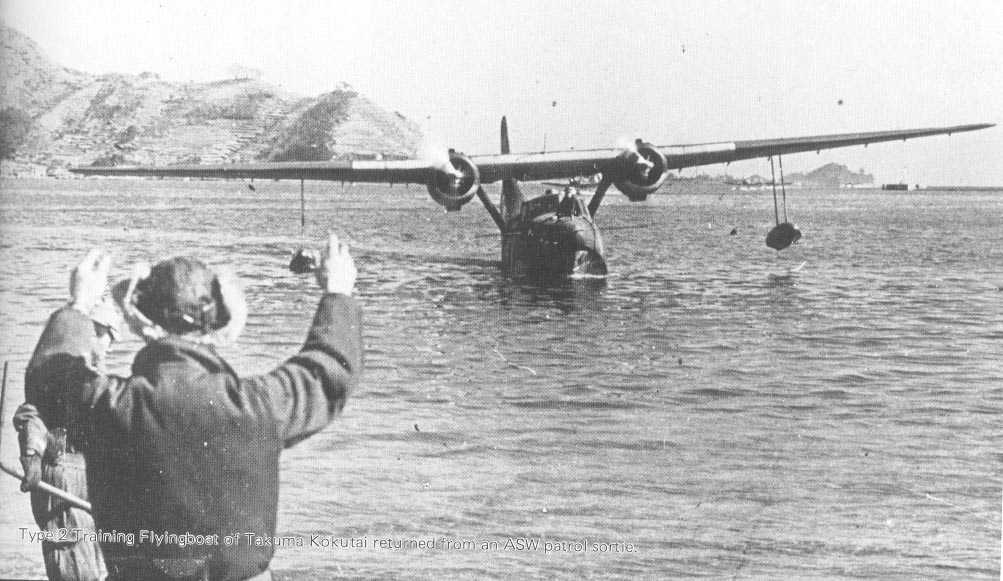
Some of its models include the AB-2 through AB-14 and various AM-series planes. Important models in the AM series are the AM-17 dive bomber, AM-19 reconnaissance floatplane, AM-21 trainer flying boat, AM-22 reconnaissance floatplane, AM-23 torpedo bomber, AM-24 dive bomber floatplane, and AM-25 night fighter. Aichi Kokuki also produced licensed aircraft such as the Aichi Type H carrier fighter and the Type 2 Single-seat and Two-seat Reconnaissance Seaplanes. It had experimental or unbuilt projects, including the AM-7, AM-10, AM-15, AM-16, AM-20, and AM-26. Aichi also developed aircraft engines such as the experimental AC-1 radial engine, the Atsuta inverted V12, a licensed version of the Daimler-Benz DB 601A, and the Ha-70, which used two Atsuta engines. After it stopped making aircraft, the Aichi Kokuki moved into the automotive industry, producing engines, transmissions, and complete vehicles. Its Nissan engine production included the A engine, HR15DE and HR16DE, CR12DE and CR14DE, and QG13DE, QG15DE, QG16DE and QG18DE. It also manufactured transmissions such as the FS6R31, F30A, F50A, F70A, MFA60, MFA80, W60A, FS5R30A, MRA70 and GR6. The company’s vehicles included the Nissan Cherry, Sunny, Vanette and Serena, along with the Cony Guppy two-seat microcar, Cony 360 Wide kei truck and microvan, Cony Giant 360 and Cony 360 passenger kei car.





‘Aichi Kokuki, Why One of the Largest WWII Japanese Aircraft Manufacturers Became a Car Maker’
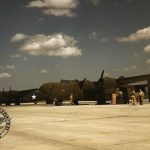
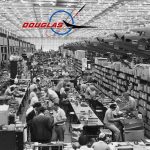
It certainly is puzzling, because the post WWII market for military aircraft, especially in Japan, was booming. In the USA Ford, for example, never returned to making cars after 1945 because the demand for the B24 Liberator and other planes exceeded all expectations.