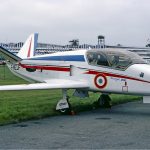
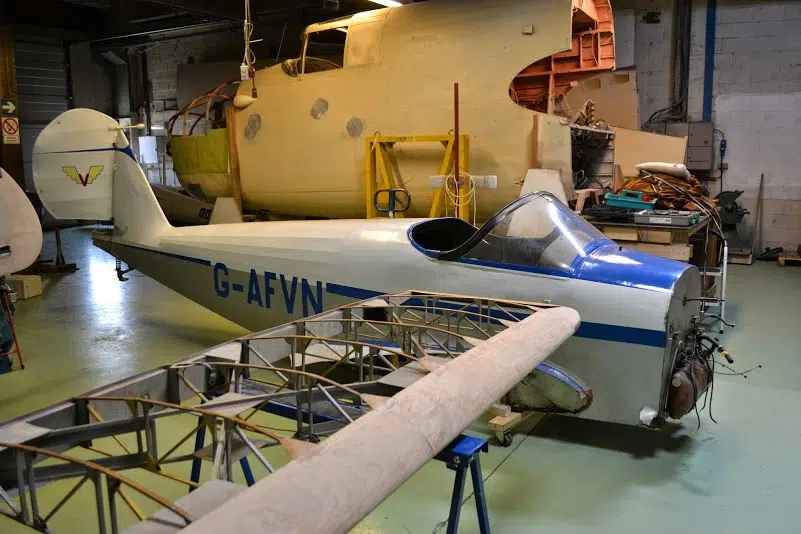

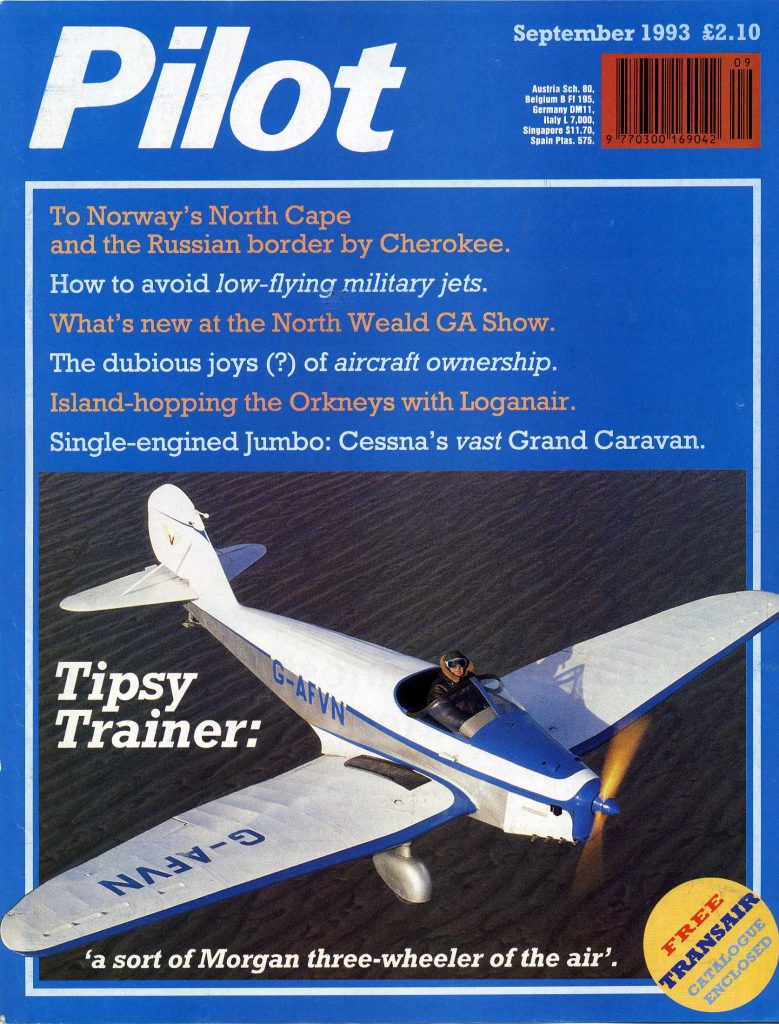
The modest success of the first Tipsy aircraft model, the single-seat S.2, created demand for a similar two-seat aircraft. As a result, the Tipsy B, with side-by-side seating, made its debut on May 7, 1937. It retained the same qualities as the single-seat model while also providing an economical training platform. Initially powered by a 50 hp Walter Mikron I engine, production aircraft were fitted with the 62 hp Mikron II. Presented in England one week later, the aircraft generated such enthusiasm that Brian Allen acquired the manufacturing license and founded Tipsy Aircraft Co. Ltd. Tipsy was a division of Avions Fairey in Belgium, itself affiliated with Fairey UK, which introduced numerous modifications. The entire tail assembly was redesigned, and the shape of the wing was changed. The first British-built example was completed in early 1938. Additional testing was conducted in August at the Martlesham Heath test center, and leading-edge slots were introduced beginning with aircraft No. 6 to counter low-speed stalls. This version was named the Tipsy Trainer.

The B.A.P.A. Trainer is jointly owned by several members, who are restoring it to flying condition. Based in Gembloux, the Belgian Aviation Preservation Association (BAPA) was created to give greater autonomy to volunteers who had already worked behind the scenes for more than 30 years. The volunteer-supported organization restores, preserves, and exhibits aircraft while safeguarding the specialist skills needed to maintain Belgium’s aviation heritage. Its collection spans civilian and military aircraft, helicopters, gliders, engines, equipment, and historical archives. BAPA has also opened a new exhibition hall and restoration-workshop showcase, which can be visited by appointment. More information is available at bapa.aero.
(Image credit: BAPA)
Vintage Aviation News has previously followed two of BAPA’s other major projects: the long-term restoration of TB-25N Mitchell 44-30925, a veteran of the 1970 film Catch-22 and several later productions, and the restoration of former Sabena Cessna 310B trainer OO-SEI. The addition of the Tipsy Trainer to that record highlights the breadth of BAPA’s work, from WWII combat aircraft to historically significant examples of Belgian civil aviation.
(Image credit: BAPA)
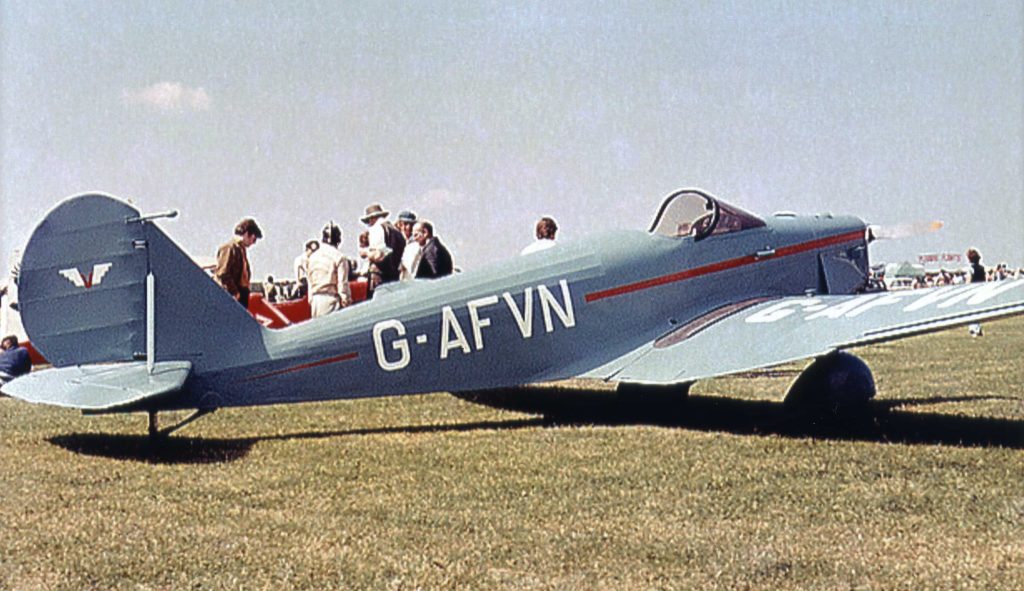
Registered as G-AFVN on July 15, 1939, it is aircraft No. 12 and has a particularly interesting history. In late 1939, following Britain’s entry into the war, the aircraft was dismantled and placed in storage. It was soon reassembled and painted in Royal Air Force camouflage while retaining its civilian registration. Prince Bernhard of the Netherlands flew it in late 1942. At the end of 1943, it was dismantled again and stored until the war ended.
(Image credit: BAPA)
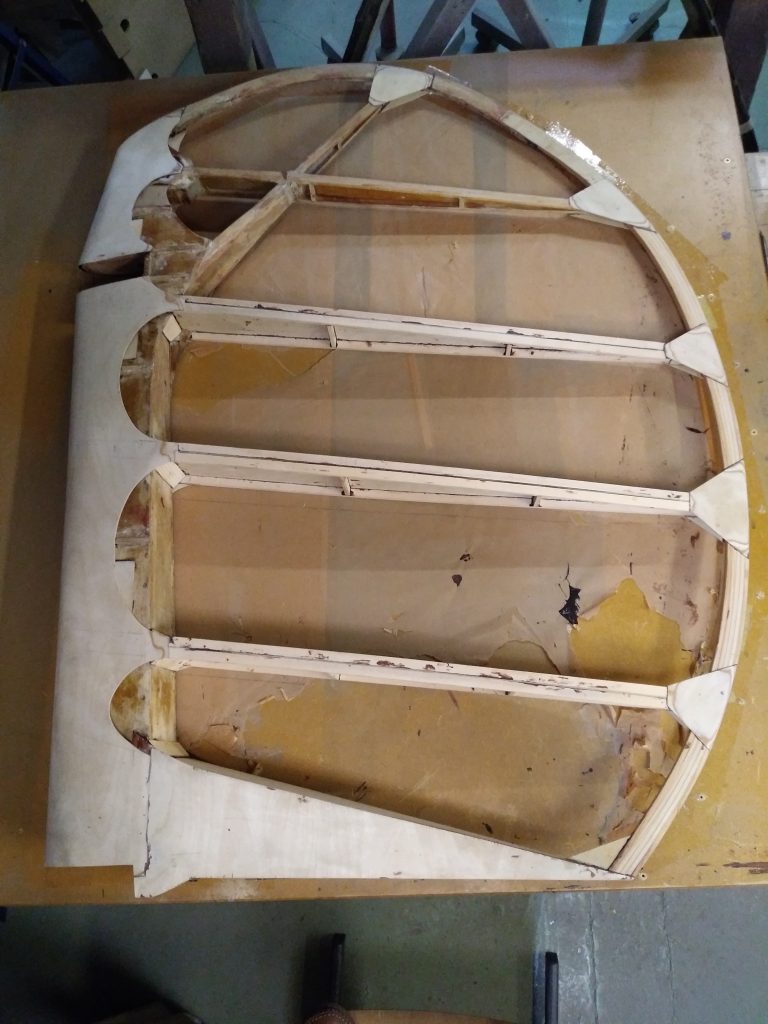
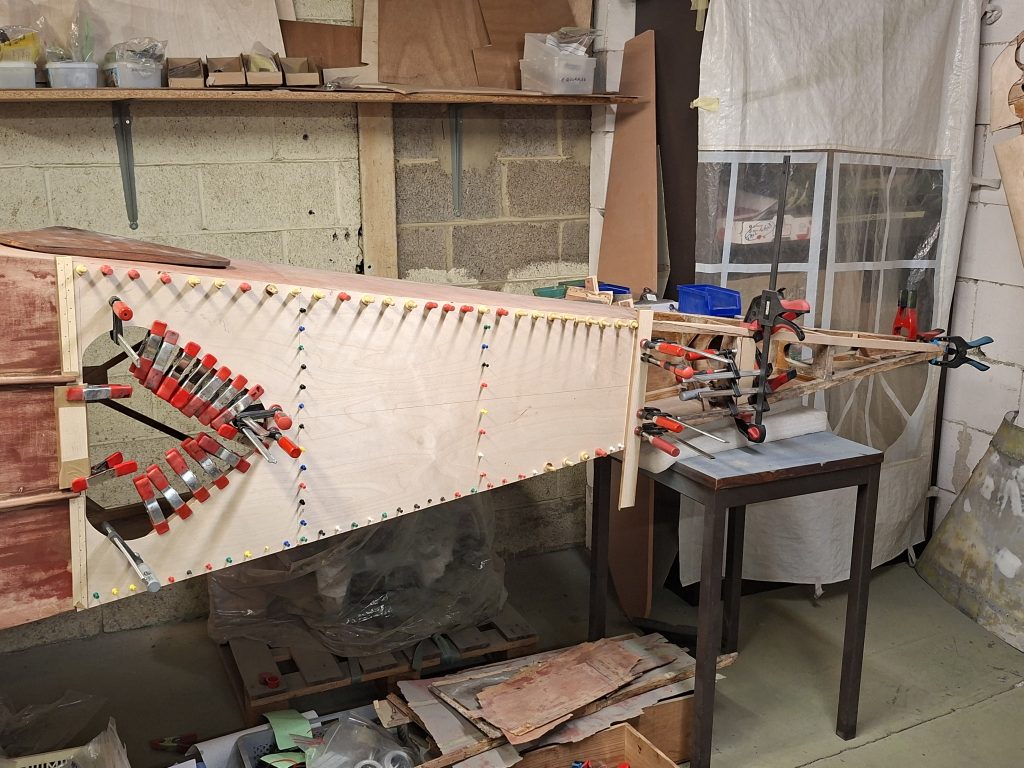
A long succession of owners and various maintenance work followed. In 1965, the aircraft unfortunately spent a year outdoors, protected only by tarpaulins, which eventually led to its first complete restoration. In early 2003, it was grounded pending renewal of its permit to fly and was ultimately removed from the register in late 2006. Its final British owner began restoring it but sold it to members of the B.A.P.A. in 2014. Inspection of the aircraft revealed unwelcome problems with the wooden structure of the floor and the fuselage sternpost, as well as with the rudder and ailerons, all of which had to be rebuilt. In addition, every metal component underwent nondestructive testing (NDT). This work is nearly complete, and reassembly is expected to begin shortly. More information is available at bapa.aero.
(Image credit: BAPA)
![TB-25N 44-30925 in the Belgian Aircraft Preservation Association’s workshop at Gembloux. [Photo courtesy BAPA]](https://vintageaviationnews.com/wp-content/uploads/BAPA-B-25-20230312-150x150.jpg "Catch-22 Star North American B-25 Mitchell Restoration Continues in Belgium 11")