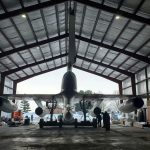
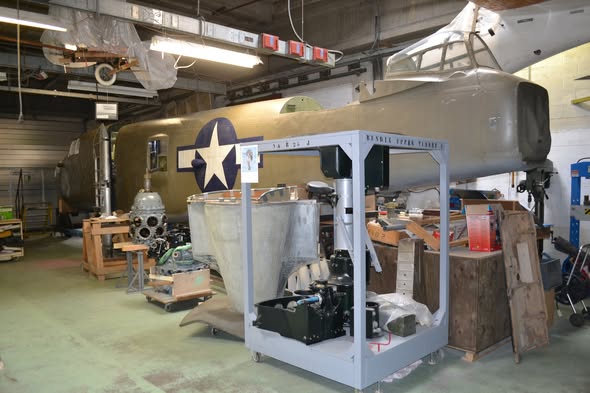
![TB-25N 44-30925 in the Belgian Aircraft Preservation Association’s workshop at Gembloux. [Photo courtesy BAPA]](https://vintageaviationnews.com/wp-content/uploads/BAPA-B-25-20230312.jpg "Catch-22 Star North American B-25 Mitchell Restoration Continues in Belgium 9")

By Kevin Wilkins
In January 2024, we reported on the restoration of a North American B-25 Mitchell made famous through its appearances in film and television adaptations of Joseph Heller’s Catch-22. Today, that aircraft is undergoing restoration for static display in Belgium under the care of the Belgian Aircraft Preservation Association a.s.b.l. (BAPA). Formed in 2013, the organization assumed responsibility for the project and relocated the work to a new workshop in Gembloux, Belgium. The aircraft, TB-25N serial number 44-30925, was registered as N9494Z during its cinematic career. It flew as “Laden Maiden” in the 1970 film adaptation of Catch-22 and later participated in an ambitious transatlantic ferry flight to the United Kingdom at the end of the decade. Led by John “Jeff” Hawke, the group of B-25s traveled to Europe to appear in the 1979 film Hanover Street, starring Harrison Ford, where the aircraft was painted as “Gorgeous George-Ann.”
![TB-25N 44-30925, wearing a paint scheme applied for the film Eye of the Needle (1981), in open storage in the UK. [Photo via BAPA]](https://vintageaviationnews.com/wp-content/uploads/scan0001.jpg "Catch-22 Star North American B-25 Mitchell Restoration Continues in Belgium 10")
Subsequently registered G-BWGR and repainted as “Thar She Blows,” the Mitchell served as set dressing for the 1981 film Eye of the Needle. Afterward, it passed through several owners and spent many years in outdoor storage. Exposure to the British climate gradually stripped away multiple layers of paint applied by successive film crews and led to extensive corrosion, particularly affecting the wing spar. The full history of the aircraft and its journey to Belgium can be found in our earlier coverage on Vintage Aviation News (HERE).
![The B-25 derelict in open storage at Sandtoft in the UK in 1999, showing the toll taken on the aircraft's multiple layers of theatrical paint by the British weather. [Photo by Nigel Hitchman]](https://vintageaviationnews.com/wp-content/uploads/44-30925-Sandtoft-1999-Nigel-Hitchman-1280.jpg "Catch-22 Star North American B-25 Mitchell Restoration Continues in Belgium 11")
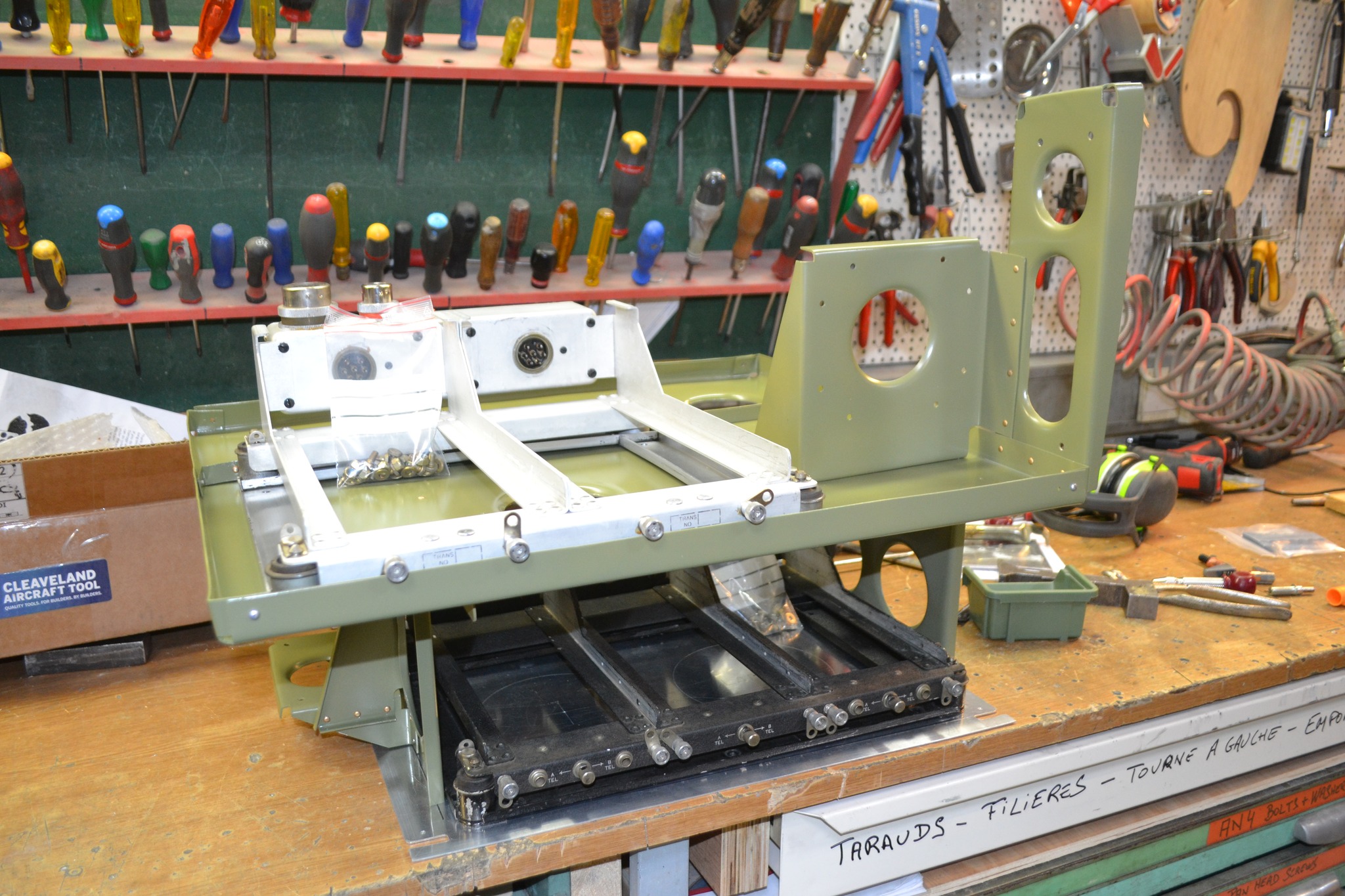
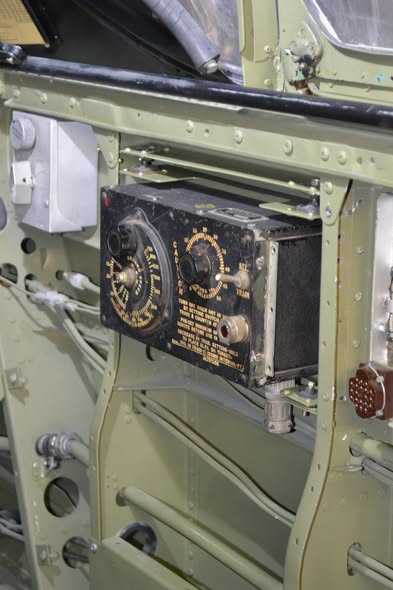
We recently caught up with Loïc Desguin, BAPA’s volunteer, who provided an update on the current status of the restoration. Work on the forward fuselage section is continuing and includes the final installation of plexiglass panels, the construction of mounting brackets for radio equipment, and the fabrication of supports for ammunition boxes in the bombardier’s station. Several tasks remain outstanding, notably the access hatch beneath the aircraft’s belly and sheet-metal work around the turret area. These activities are expected to occupy the team for several more months.
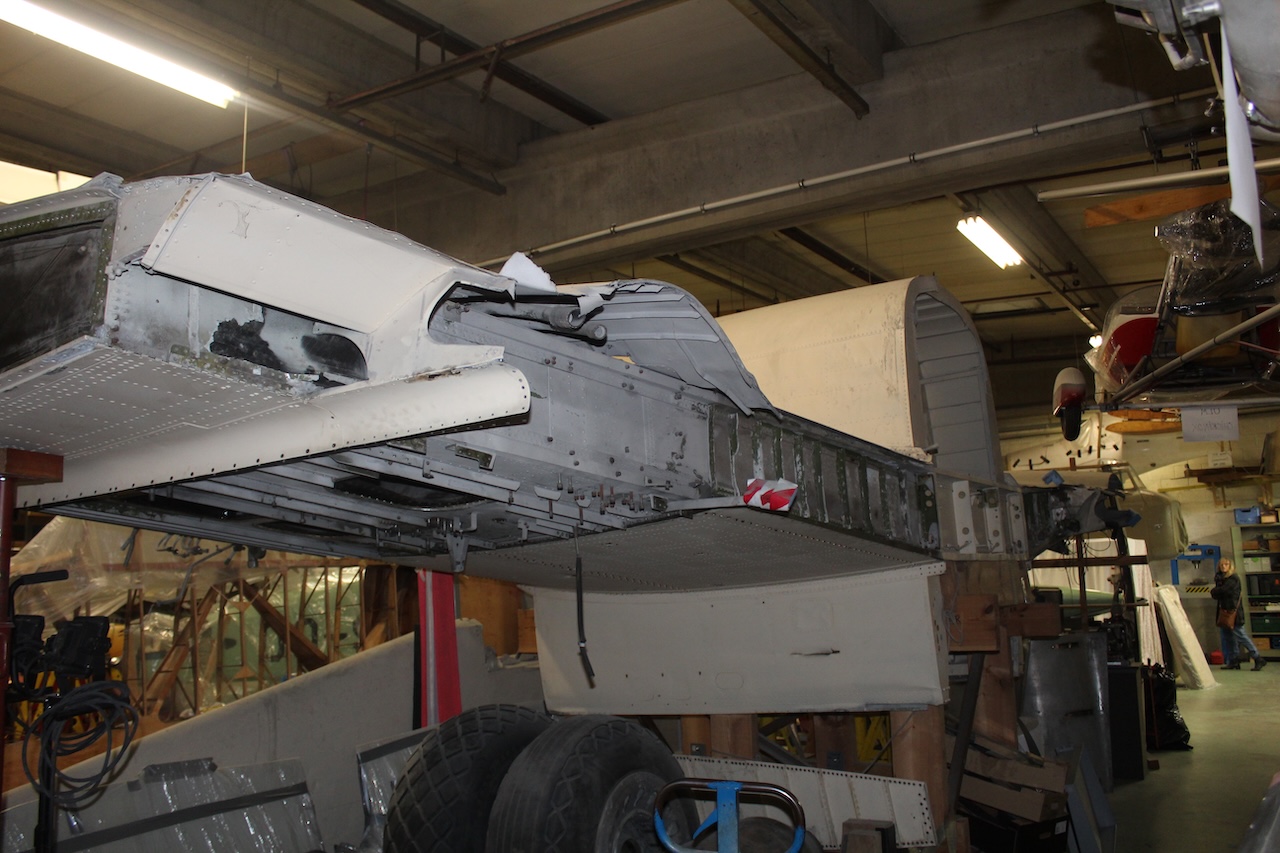
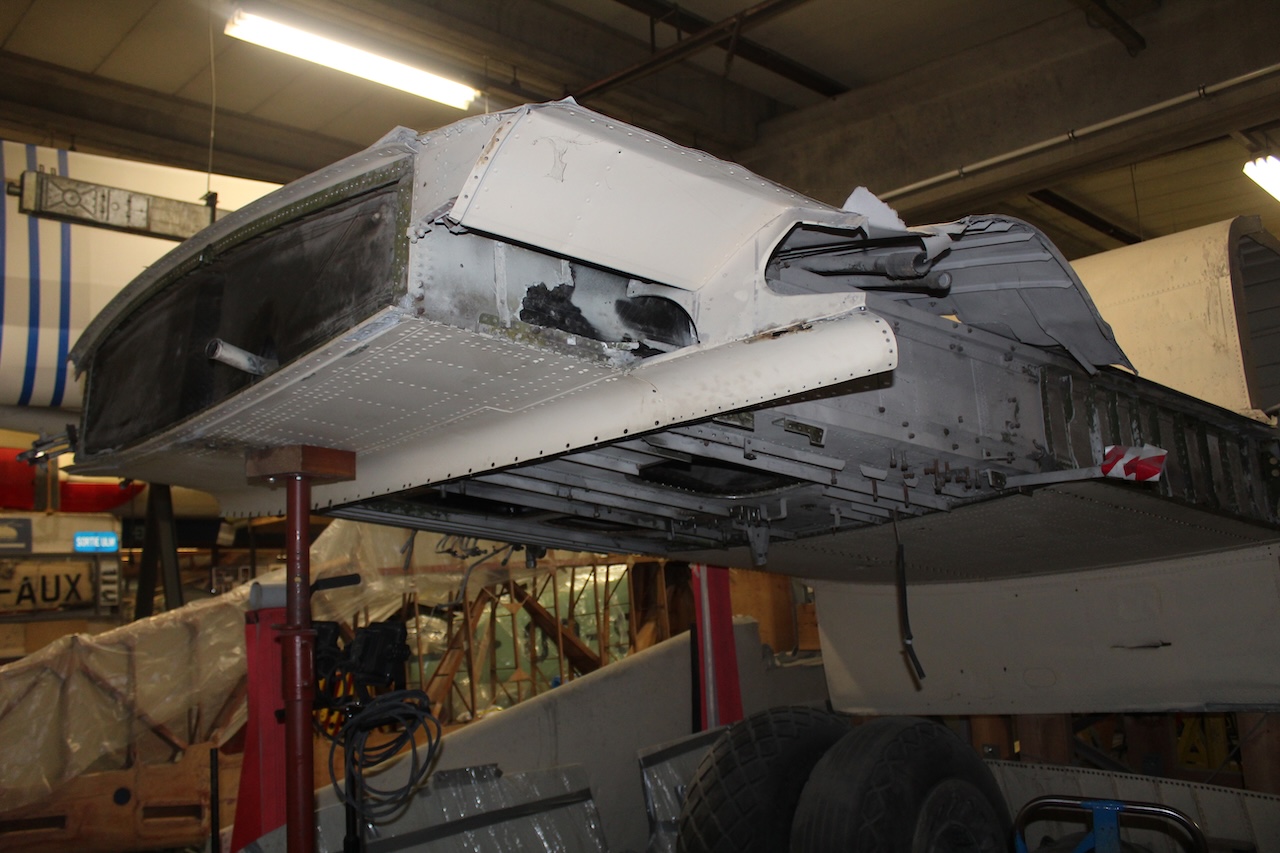
In October, BAPA members held a planning meeting to review progress and outline the next stages of the restoration. Given the complexity of an aircraft such as the B-25, significant preparatory work is often required before advancing to a new phase. Anticipating future steps while current work is still underway is therefore essential. The next major undertaking will be the restoration of the aircraft’s center section. This complex assembly includes the fuselage section connecting the forward and rear fuselage, the center wing section, both engine nacelles, and all fuel and oil tanks. Years of outdoor storage in the United Kingdom, combined with damage sustained during transport prior to BAPA’s acquisition, have left this area heavily affected by corrosion.
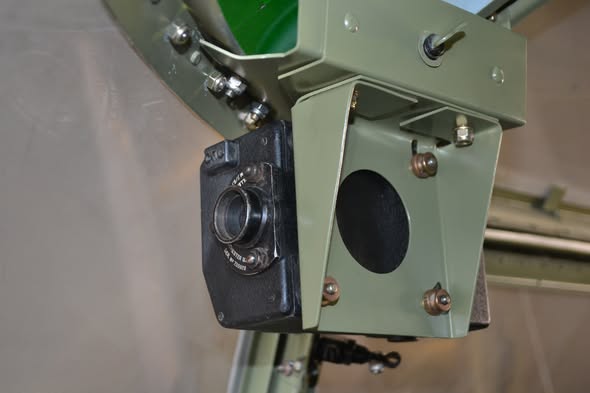
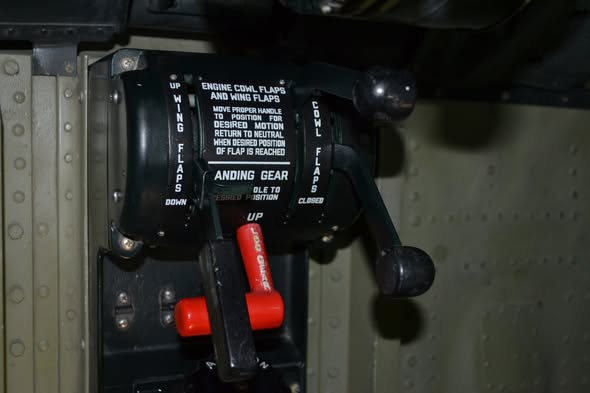
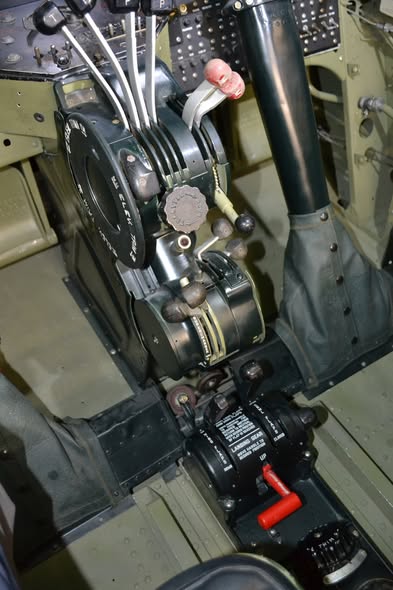
Several years ago, preliminary work was carried out to remove much of the equipment, including the landing gear, engine controls, and flap controls. Some of these components have already been overhauled and are now stored, ready for reinstallation. Both engine nacelles have also been removed and placed in storage. Much of their damage dates from a period when the aircraft rested directly on the ground with the landing gear retracted and without protection. In the case of the lower nacelle sections, the work required is more accurately described as reconstruction rather than restoration.
As the nacelles mount directly to the center section, restoration will not begin until the latter is fully completed, allowing for proper fit and alignment. Ensuring that all sections mate correctly remains a primary objective. Currently, the center section is supported by a temporary cradle that facilitated transport to the BAPA workshop. The first step in its restoration will be the design and construction of a new, highly precise support structure capable of maintaining alignment during dismantling and repair. This cradle is now in the design phase, and a fundraising and sponsorship campaign will soon be launched to finance its construction. Once securely supported, access panels to the fuel and oil tanks will be opened, and the tanks removed to permit full inspection of the structure. It is already known that both the front and rear spars are severely corroded and will require extensive repairs. However, the condition of the internal structure remains unknown and may yet reveal additional challenges.
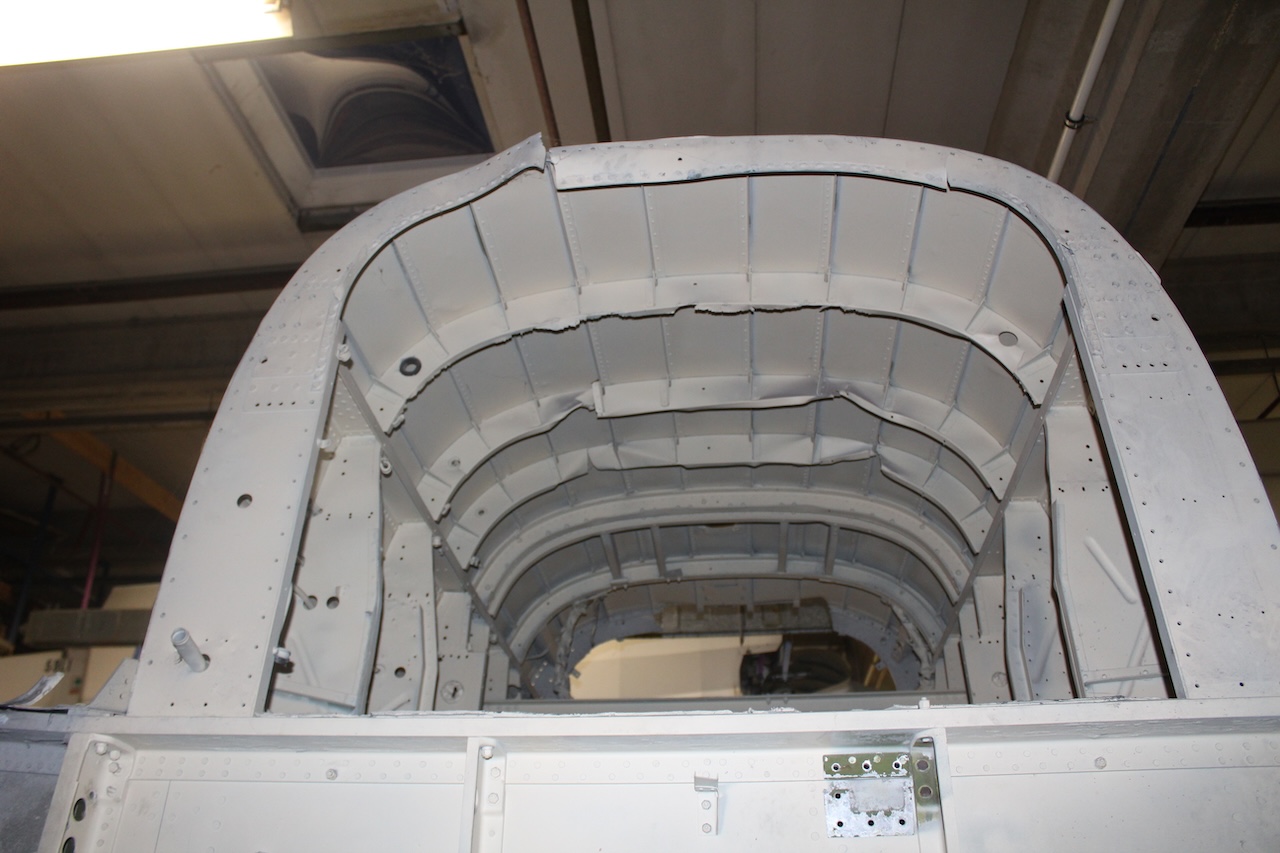
Other work will proceed in parallel, particularly on the rear fuselage section. Although restoration there is well advanced, additional sheet-metal work remains, along with the fabrication of mounting brackets for equipment already in BAPA’s possession. The tail assembly, including the fixed stabilizers, elevators, and rudders, will also require restoration. These components will be addressed progressively alongside other ongoing projects. One vertical tail component is currently missing and is on display at a museum in England. Despite repeated attempts, the current owner has not responded to requests to discuss a possible purchase or exchange.
The engine nacelles have been addressed as part of the center section discussion. While BAPA does own engines for the aircraft, the mounts currently available are from a PBY Catalina. Correct B-25 engine mounts have appeared for sale in the United States, but funding limitations and transportation challenges have thus far prevented their acquisition. The same applies to the limited number of suitable propellers that occasionally surface. Engine work will eventually be assigned to volunteers who are nearing completion of another engine restoration project. For now, the wings remain stored in their current condition. Due to space constraints within the workshop, it is not yet possible to begin work on these assemblies. As the project stands, many years of work remain. BAPA continues to welcome support in all forms, whether through sponsorship from aviation-related companies and organizations, contributions from skilled sheet-metal specialists, or assistance from motivated volunteers eager to learn and contribute to the preservation of this historically significant aircraft. For more information about the Belgian Aircraft Preservation Association a.s.b.l. (BAPA), visit www.bapa.aero.

![TB-25N 44-30925 in the Belgian Aircraft Preservation Association’s workshop at Gembloux. [Photo courtesy BAPA]](https://vintageaviationnews.com/wp-content/uploads/BAPA-B-25-20230312-150x150.jpg "Catch-22 Star B-25 Under Restoration in Belgium 11")