






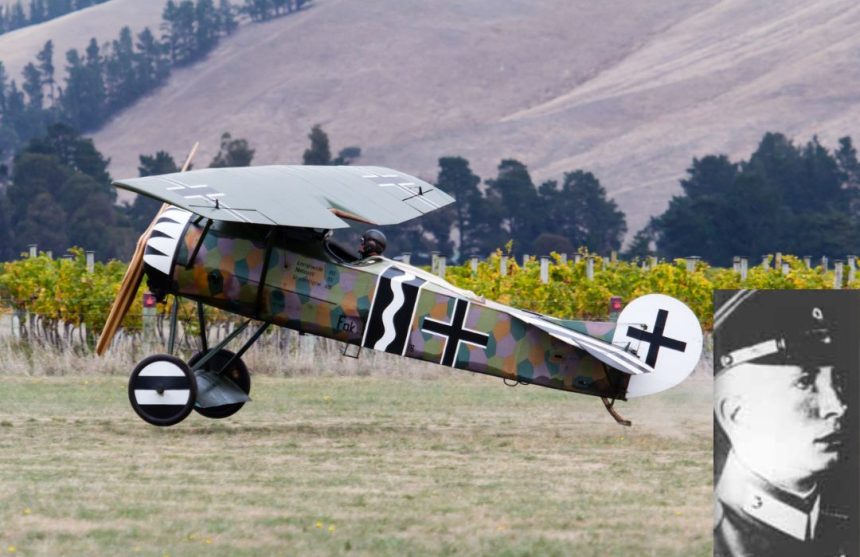

In WWI, when one thinks of the early German military aviators, the names Oswald Boelcke and Manfred von Richthofen come to mind. But there were several others, including Georg Meyer. Born on January 11, 1893, in Bremen, Meyer joined Infantry Regiment No. 75 in 1911. Just before WWI began, he joined the Guards Ersatz Division and served with them in France. Meyer began serving with the German Air Service on February 1, 1916. By August 18, he had completed his training and was flying a two-seater reconnaissance plane for Feldflieger Abteilung 69 in Macedonia. Georg Meyer later moved to a unit that operated two-seaters for artillery spotting with Flieger-Abteilung (Artillerie) 253 on the Western Front.
Ace Journey of Georg Meyer
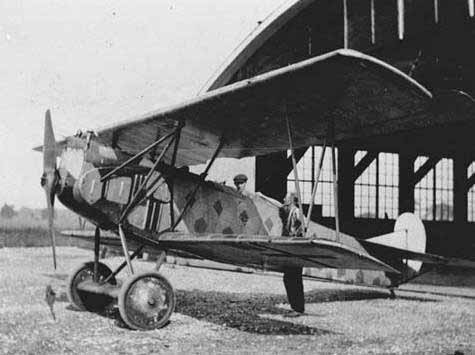
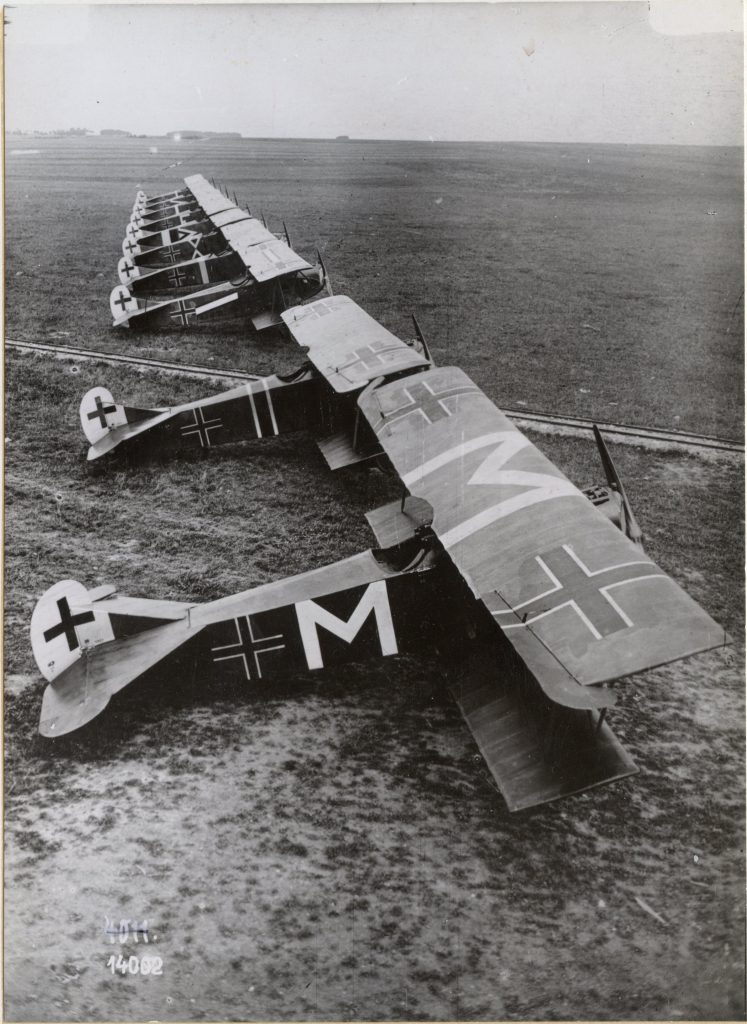
On February 7, 1917, Georg Meyer scored his first aerial victory by shooting down a Nieuport aircraft. In April 1917, he started flying single-seat fighter planes with Jasta 22. He had two unconfirmed victories. Then, on August 2, he was transferred to Jasta 7, where he scored two victories in August and one in September, bringing his score to four by the end of 1917. Georg Meyer was assigned to Jasta 37 on March 25, 1918, and began leading it on April 14, 1918. In June, the unit switched to Fokker D.VIIs, and Meyer started getting victories. He became an ace on June 1 after shooting down an S.E.5. He scored one more victory in June, followed by four in July, four in August, six in September, three in October, and one in November, bringing his score to 24.
Legacy and Death
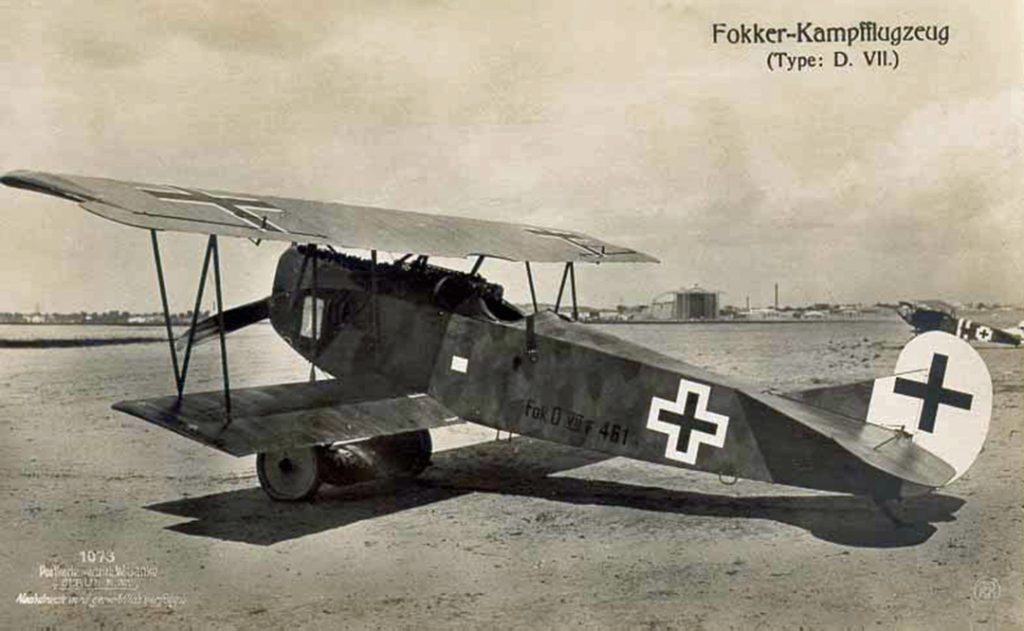
He had confirmed victories over six enemy observation balloons and 18 enemy aircraft. He received several awards, including both classes of the Iron Cross, Bremen’s Hanseatic Cross, and the Knight’s Cross with Swords of the House Order of Hohenzollern. On November 5, 1918, he was recommended for the Blue Max. However, this recommendation ended with the fall of the German Empire after the emperor stepped down. On January 22, 1920, the Prussian National Assembly decided to award Meyer the Blue Max later, but it is unclear whether he actually received it. Meyer continued to work in aviation. By 1926, he had become the head of the airline training school in Magdeburg. Georg Meyer died in a motorcycle accident on September 15, 1926. In the Aces series, Meyer was a brave ace and leader who helped his country by shooting down 24 aerial targets. Read stories about more Aces HERE.





Great work really enjoy these facts. Love the RFC/RAF stories what a time for these young men.Peter MCC.
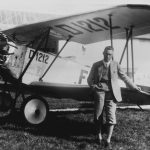
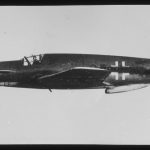
First picture is NOT a Fok.DVII but a Fok.E5/DVIII