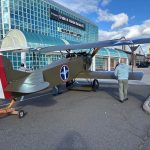

In July 2026, a 100+-year-old airplane was transported across the country from the plains of eastern Washington to the Cradle of Aviation Museum in Garden City, New York. The aircraft in question, a Curtiss Oriole, is now one of the rarest aircraft in the museum’s collection, and is even more significant in that it was originally built in Garden City more than 100 years prior. Now, after decades of being in storage, this aircraft will be restored and placed on permanent public display at the Cradle of Aviation Museum. The Curtiss Oriole was among the first aircraft developed by the Curtiss Aeroplane and Motor Company immediately after World War I in order to take advantage of what was hoped to be a booming market for new civilian airplanes after the war. Designed by William Gilmore as the Model 17 and first flown in 1919, the Curtiss Oriole was built with a wooden fuselage of monocoque construction, and its wings and tail assembly were made of a wooden framework covered in doped fabric.

The Oriole could also be powered by three different engines developed by Curtiss: the OX-5 V8 engine with an output of 90 hp, the C-6, a six-cylinder inline engine with an output of 160 hp, and the Curtiss K-6, which was similar in appearance to the C-6 engine but with an output of 150 hp. The Orioles powered by OX-5s would also be built with a wingspan of 36 feet, while the Orioles fitted with C-6 and K-6 engines were built with a wingspan of 40 feet. Both variants were designed to have a capacity for three occupants, with two open cockpits in a tandem arrangement.
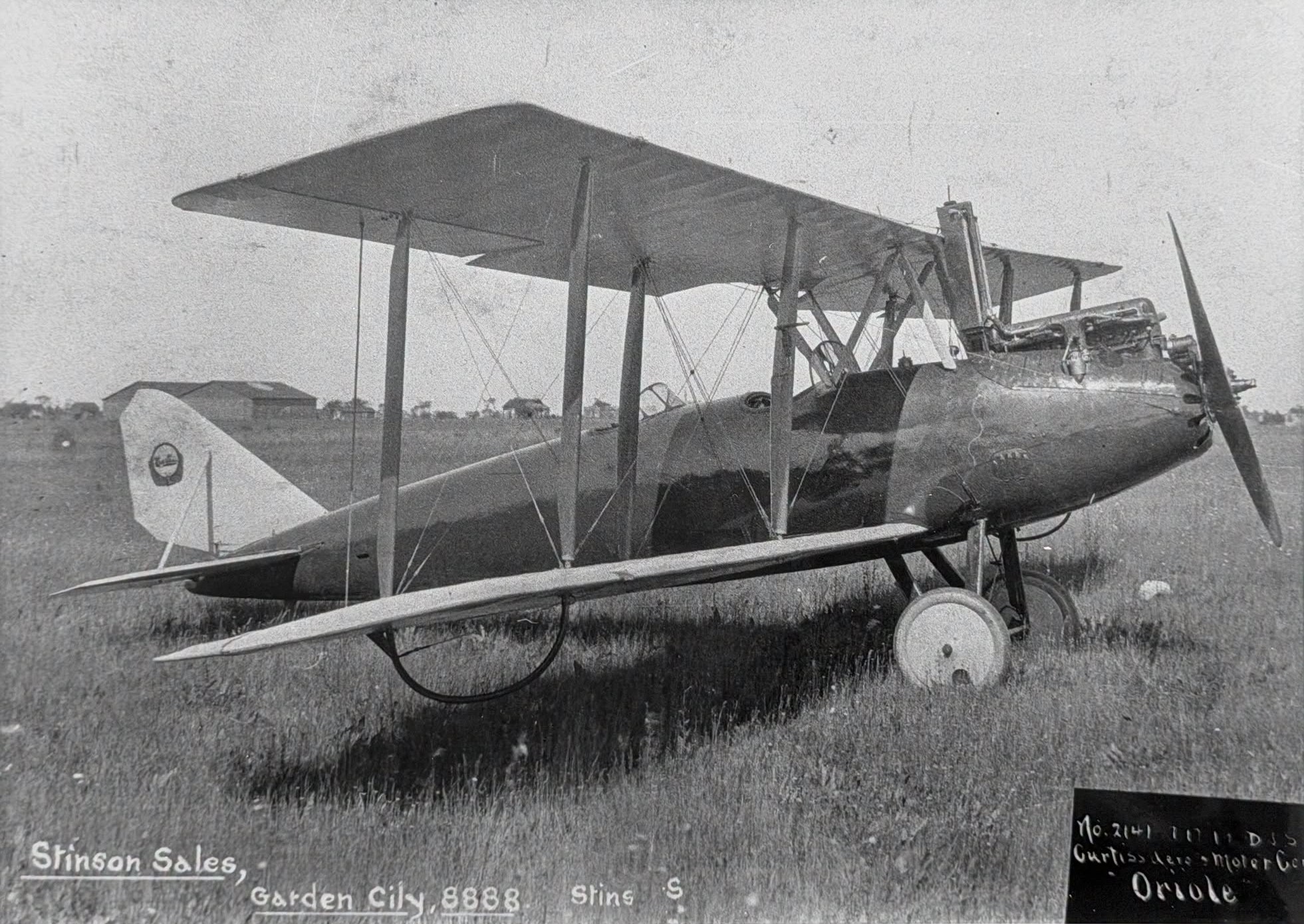
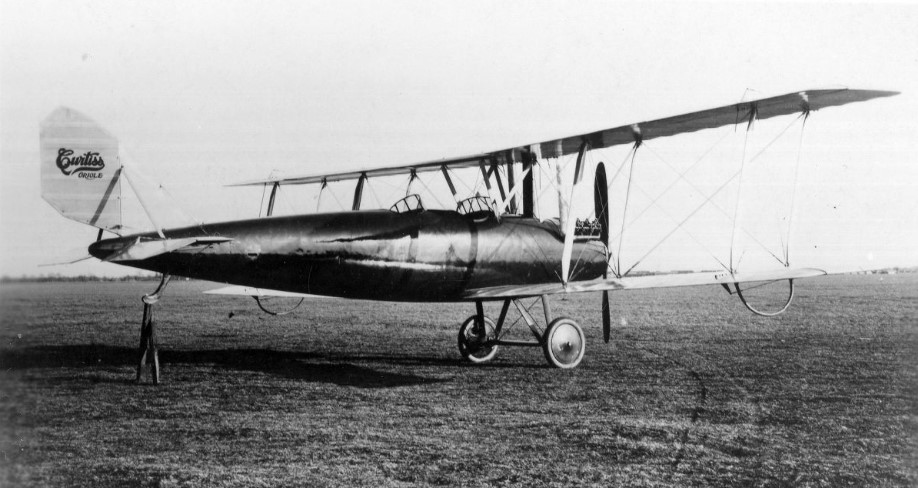
The pilot would sit alone in the rear cockpit while a pair of passengers could sit side by side in the forward cockpit, which also featured a small side-mounted door that opened outwards to allow for easier entry and exit from the right-hand side of the aircraft. The Oriole was also unique for its time in that it had an electric starter for its engine. Another stand-out feature of the Curtiss Oriole was that it had a radiator mounted ahead of the upper wing’s leading edge and above the engine.
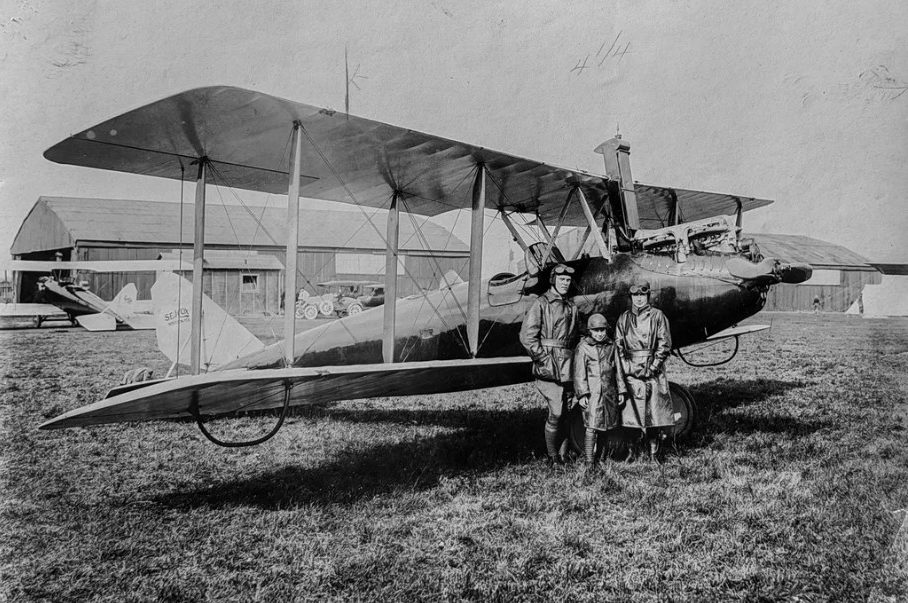
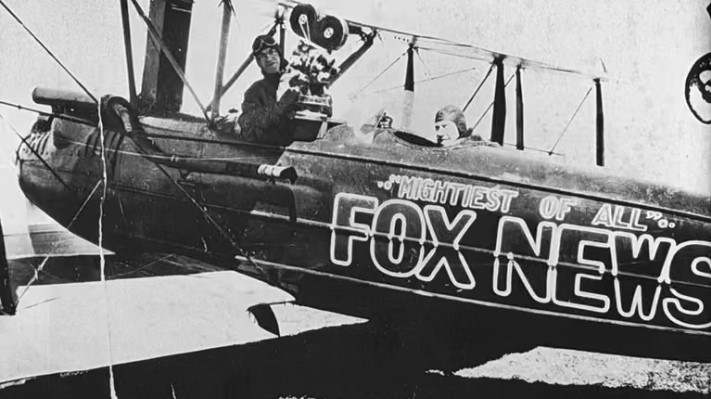
However, when the Curtiss Oriole appeared on the market in June 1919, its commercial prospects were undercut by a prior design already built by Curtiss, the JN-4 “Jenny” military trainer. Tens of thousands of Jennys were built in both the United States and in Canada to train aviation cadets during the First World War, and the sudden end of the war on November 11, 1918, led to thousands of surplus Jenny trainers flooding the aviation market. With brand-new Curtiss Jennys going for $4,000 and used surplus examples being sold for as little as $300, the Curtiss Oriole was being sold for $9,850 (about $190,120 in 2026) before Curtiss lowered the price to as low as $3,000 for the OX-5 variants and $4,800 for the C-6 variants in 1921. In the end, though, the Curtiss Oriole would fill in several niches in the 1920s aviation industry. A few were also flown out of Los Angeles by the short-lived Syd Chaplin Aircraft Corporation, founded by Syd Chaplin, half-brother of silent film actor and director Charlie Chaplin, with the company offering airplane rides around Los Angeles in a mix of Curtiss aircraft, from surplus Jennies to Orioles and flying boats. More famously, Fox Movietone News would acquire Curtiss Orioles to fly motion-picture cameramen over significant events to be broadcast as newsreel footage in movie theaters across the United States. Perhaps the most famous event captured on Fox Movietone cameras from the cockpit of a Curtiss Oriole was the takeoff of Charles Lindbergh in the Spirit of St. Louis from Roosevelt Field on May 20, 1927. After Lindbergh cleared the power lines at the end of his takeoff roll, Oriole biplanes carrying cameramen flew alongside the Spirit of St. Louis as it crossed Long Island before Lindbergh turned northwards for Boston to proceed on his flight to Paris.

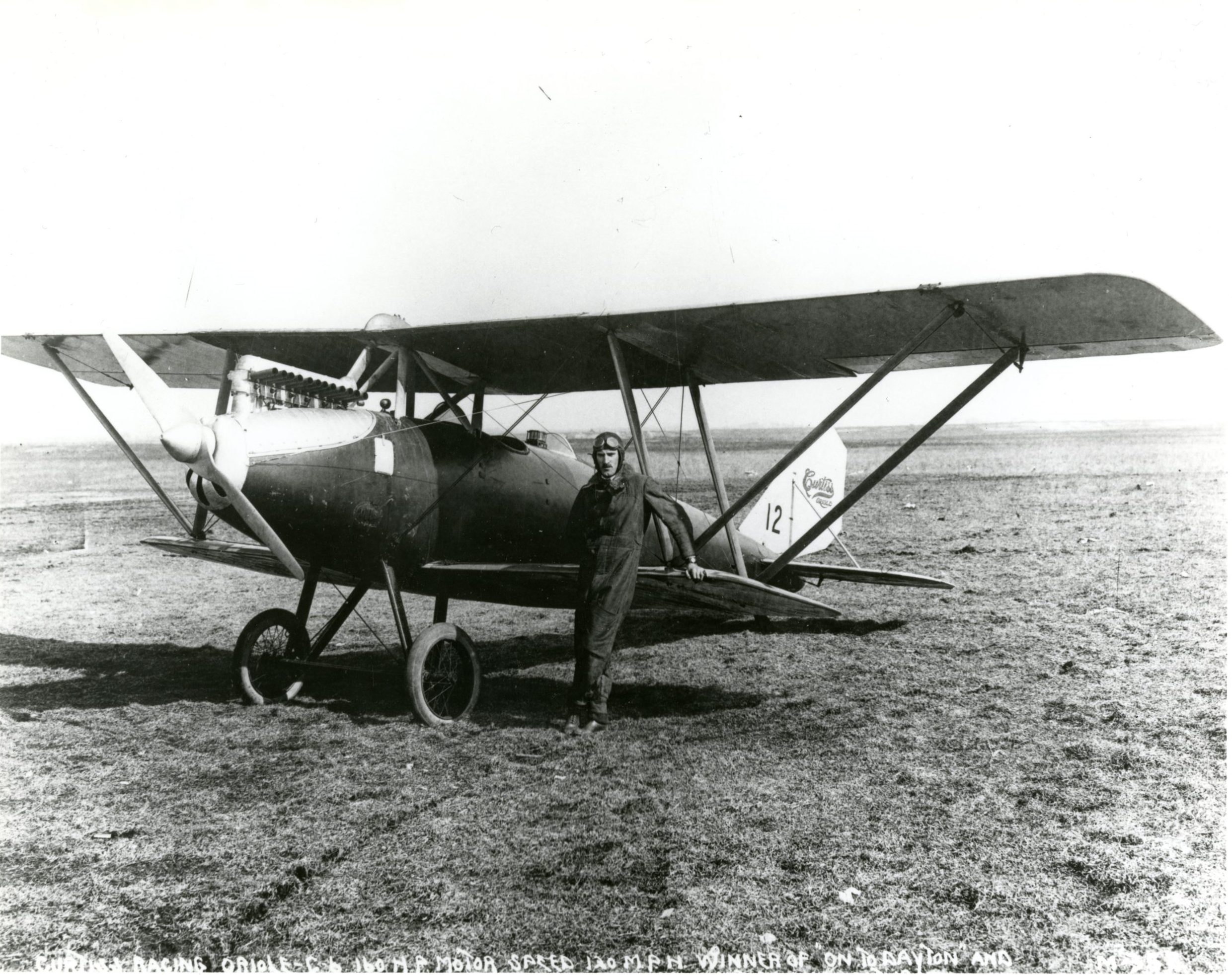
Meanwhile, Curtiss test pilot Charles S. “Casey” Jones would modify some Curtiss Orioles into air racers and compete in competitions, winning first place in the On to Dayton and Central Labor Union events held in 1924 in Dayton, Ohio. Another Curtiss pilot and salesman, G.S. Ireland, fitted surplus Oriole fuselages to new sets of wings to create the Ireland Comet, while Harold Pitcairn, later famed for his autogiros of the 1930s, bought surplus Oriole wings and tail assemblies to attach onto new fuselages to create the Pitcairn PA-3 Orowing, which was often used as a training aircraft.
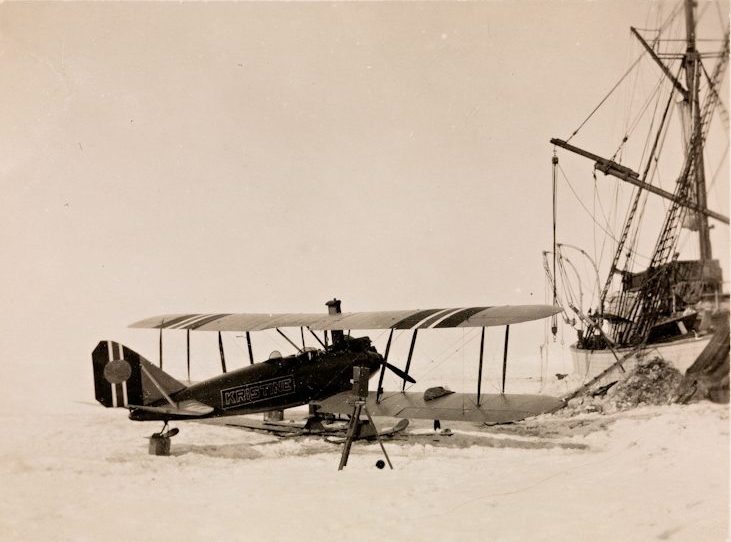
Norwegian polar explorer Roald Amundsen, the first man to set foot on the South Pole in 1911, took a Curtiss Oriole with him on his 1922 expedition to the Arctic aboard his ship Maud. Amundsen named his Oriole “Kristine” after his friend Kristine “Kiss” Bennett, and had the aircraft disassembled and stowed on the Maud until the ship reached the Arctic from which the Oriole would be reassembled and takeoff on flights to scout out channels in the ice for Maud to transit through, with engineer Odd Dahl acting as pilot of this aircraft while Oscar Wisting, chief officer of the Maud, would fly as an observer aboard the “Kristine”. Unfortunately, the aircraft was damaged beyond repair during its second landing on the Arctic ice, but future expeditions would prove the value of having aircraft accompany voyages to the Arctic Circle.
While an indeterminate number of Curtiss Orioles were manufactured, few remained long enough before registration numbers were mandated by regulatory authorities by 1926-1927, and today less than five Orioles are known to exist worldwide. One reconstructed example (NC853) is on display at the Glenn H. Curtiss Museum in Hammondsport, New York, while Kermit Weeks is known to have one example registered with the FAA but kept in storage at Fantasy of Flight in Polk City, Florida, and a full-scale reproduction is on display at the Minnesota Air National Guard Museum in St. Paul, made to represent an example leased by Curtiss to the Minnesota National Guard in 1920, and flown by Captain Raymond S. Miller from St. Paul to Washington, D.C. to convince the federal government to recognize the 109th Observation Squadron as the first official National Guard flying squadron.

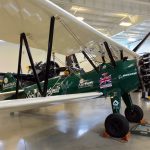
The Curtiss Oriole recently acquired by the Cradle of Aviation Museum was acquired from Century Aviation, East Wenatchee, Washington, an aircraft restoration firm with decades of experience in restoring original aircraft, building aircraft replicas, and installing exhibits for aviation museums across the United States. Century Aviation was contracted by the Norwegian organization Maud Returns Home, which was established to recover the sunken remains of Roald Amundsen’s exploration ship Maud, which was launched in 1917 and was used in several Arctic expeditions by Amundsen until being sold to the Hudson’s Bay Company in 1925 and renamed Baymund. In 1930, Baymund sank in Cambridge Bay, Nunavut, Canada, and after over half a century of resting in the icy waters of Cambridge Bay, the Maud Returns Home group set out to bring Maud back to Norway. Century Aviation had acquired three Oriole fuselages, along with landing gear, wings, and tail assemblies, and used these parts to assemble one Curtiss Oriole to represent Amundsen’s Kristine.
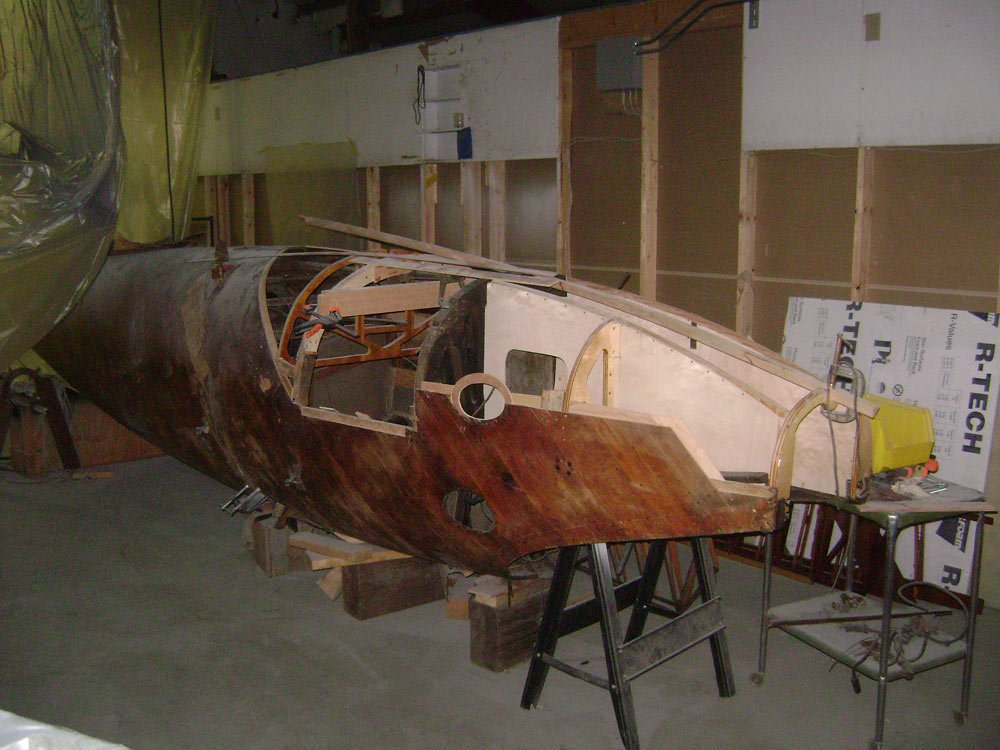
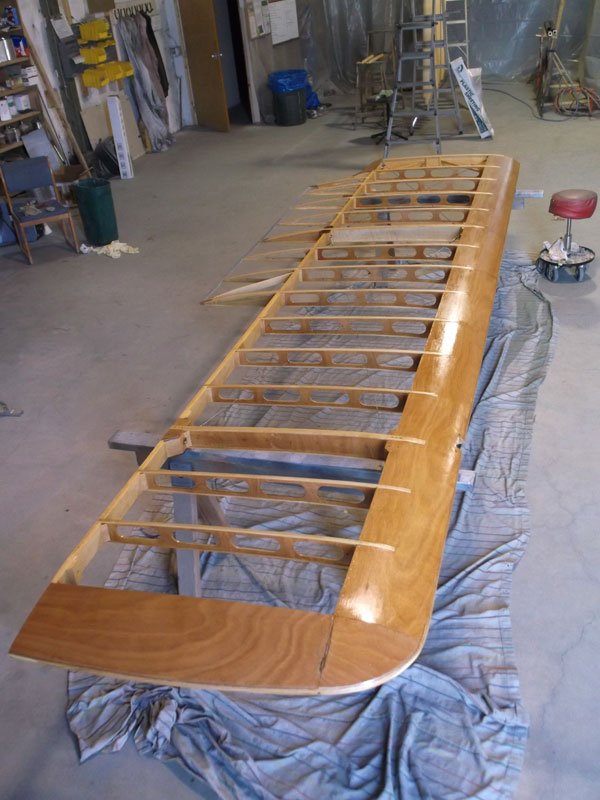
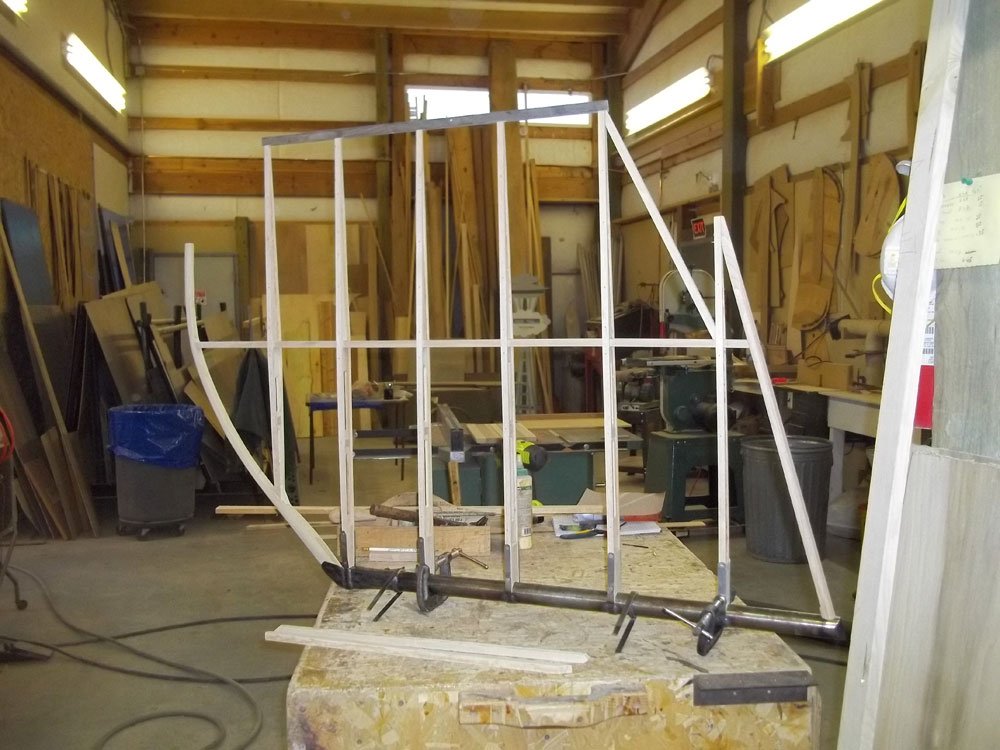
In July 2016, the sunken hull of Maud was raised from the frigid waters of Cambridge Bay, and with a pair of large airbags moored to her hull, the old wooden ship was towed to Greenland via the Northwest Passage in August 2017, where it would spend the winter before crossing the North Atlantic and returning to Norway in August 2018, 100 years after it had sailed for the Arctic ice. Since 2020, Maud has been moored on its airbags in the small harbor of Tofte, about 44 kilometers (27 miles) southwest of Oslo, while awaiting the construction of a new museum to display the ship. Also in 2020, the Curtiss Oriole rebuilt as a replica of Kristine was shipped to Norway and is also in Tofte, fully assembled save for the fabric covering and paint, and is also set to be displayed in a new museum alongside the Maud.

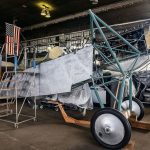
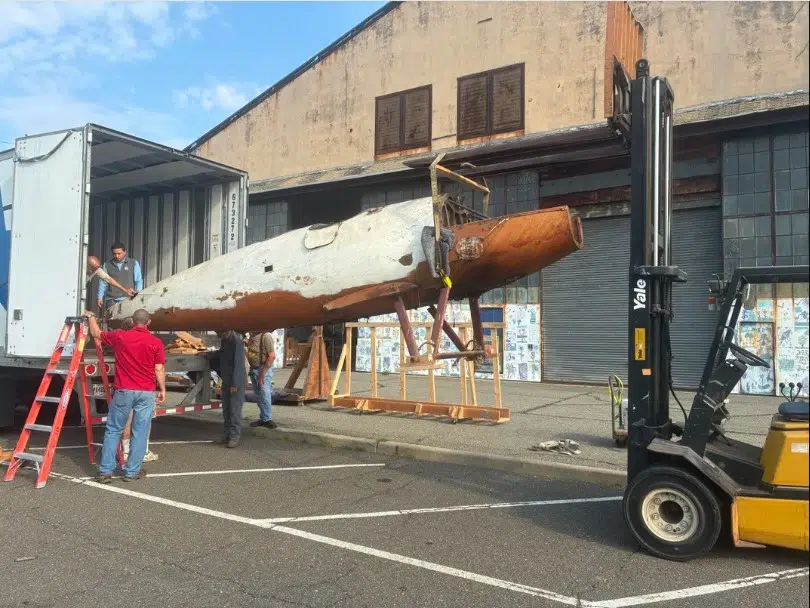
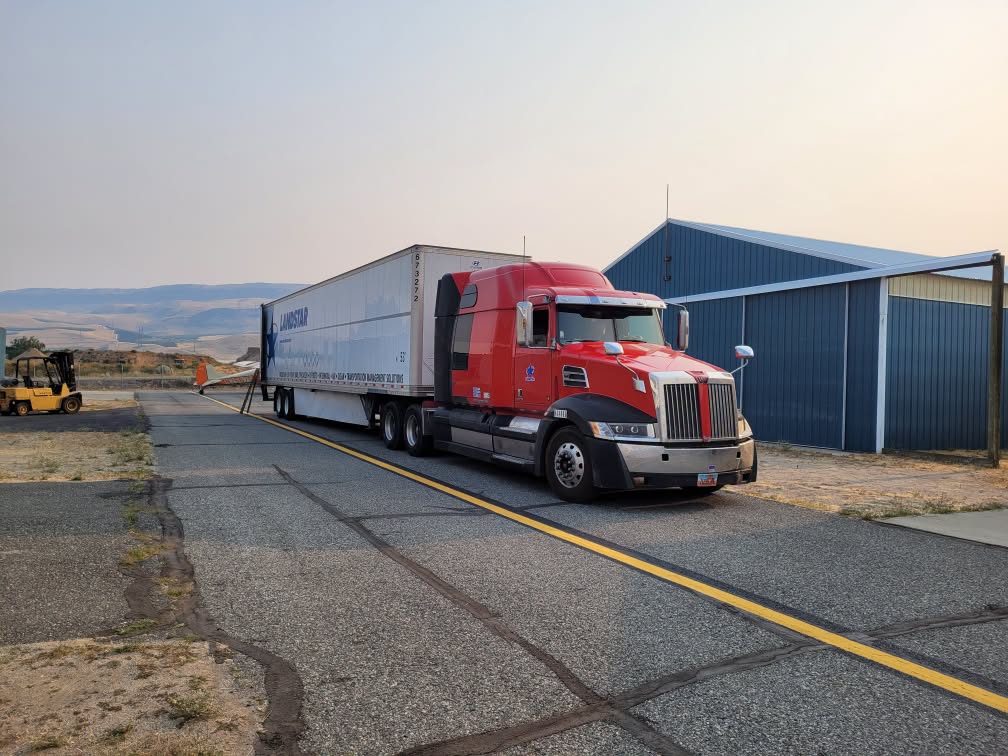
The fact that the Curtiss Oriole was built and flown in Garden City was not lost on the Cradle of Aviation Museum, and least of all on curator Joshua Stoff. The museum had already obtained a Curtiss C-6 engine of the type used to power the Curtiss Oriole, along with many of the original instruments that would be installed in the aircraft, but it would take 20 years before the opportunity to acquire a Curtiss Oriole for the museum would arrive. That opportunity would come in 2026, when Mark Smith of Century Aviation decided to shut down his restoration shop, and having been in touch with the Cradle of Aviation Museum for several years, he reached out to the COAM and offered to sell the remaining Curtiss Oriole in his shop. The COAM readily accepted Smith’s offer, and in late July 2026, the aircraft was packed into a semi-truck and driven from East Wenatchee, Washington, to Garden City, New York, where it was carefully offloaded and placed into the Cradle of Aviation Museum’s restoration hangar. Besides the fuselage, the aircraft came with its wings, tail assembly, and landing gear, and it was determined that as much as 90% of the airframe had come east from Washington.
Besides the airframe itself being largely intact, the COAM’s new Curtiss Oriole also brings with it a colorful past, still partially shrouded in mystery. The museum is still determining the exact construction number for this aircraft, but a registration prefix has offered a tantalizing clue into the aircraft’s flying career. On the fuselage of the aircraft is the code ‘R-197’. Further research has shown that it was the aircraft’s registration in Argentina during the 1920s, when it was flown by an aviator little-known outside Argentina, Norberto Fernández Lorenzo. Born on May 1, 1912, Fernández’s father, Norberto Fernández Sr., had immigrated from Spain while his mother, Carolina Lorenzo, was from Argentina. Fernández grew up on his father’s ranch, La Carolina, near Río Gallegos, Territory of Santa Cruz. In 1930, Río Gallegos was made a landing site for airmail planes flown by the airline Aeroposta Argentina S.A., a subsidiary of the French company Aéropostale. As such, many of the pilots of these aircraft were French, such as Antoine de Saint-Exupéry and Jean Mermoz, and they came to be well-known in the local community. Inspired by these brave pilots, Norberto Fernández was inspired to learn to fly as well, taking initial flying lessons from an Aeroposta mechanic, while his father purchased a pair of Curtiss Orioles, both fitted with Curtiss C-6 engines, and these were registered as R-110 and R-197, with the former being christened “San Lorenzo”, and the latter being named “Pajáro Blanco” (White Bird).
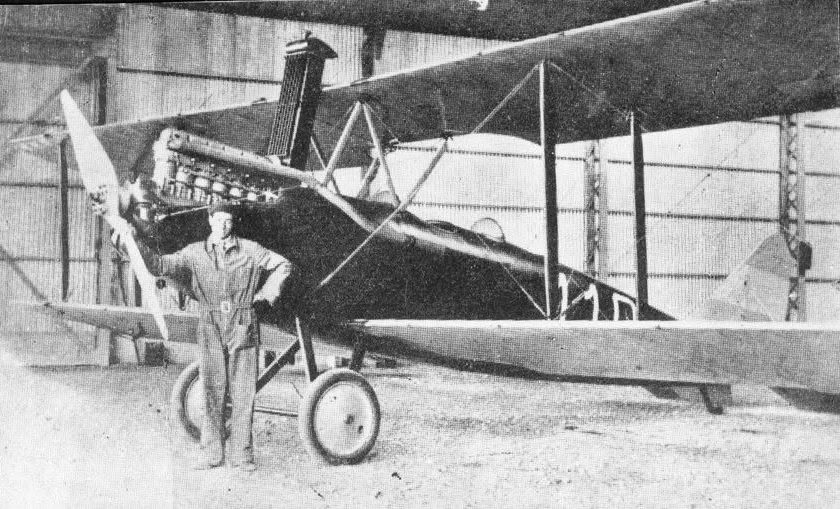
Throughout 1931 and 1932, Norberto Fernández began not only making solo flights, but setting new records as well. In March 1932, Fernández flew his Curtiss Oriole to become the first pilot to fly over what is now Los Glaciares National Park, the largest icecap in the Andes, and in doing so he also flew over Lake Argentino and Lake Viedma, reaching altitudes of 11,171 feet (3,405 meters) during these flights. The ever-present high winds in Santa Cruz resulted in several crashes, but it was not enough to ground Fernández, who on July 10, 1933, became the first licensed pilot in Santa Cruz after completing his instructional flying with Guillermo Hillcoat.
Norberto Fernández’s local fame earned him the nickname “The Patagonian Condor” (Cóndor Patagónico), and on April 4, 1939, he became a founding member of the Río Gallegos Aero Club, which still operates to this day. By this point, Fernández was a pilot with Aeroposta Argentina, and he had become a prominent figure in Argentinian aviation and was later hired by the airline Flota Aérea Mercante Argentina (FAMA). On September 27, 1949, he was flying as copilot on a Douglas DC-4, LV-ABI, on a flight from Quito, Ecuador, to Buenos Aires with a total of 27 occupants. The passengers were largely Argentine doctors and nurses coming home after being sent to Quito to treat casualties from a local earthquake. The flight back to Buenos Aires made stopovers in Lima, Peru, and Santiago de Chile, and was 20 minutes away from Buenos Aires when a fire broke out, fed by a leaking oxygen tank in the cockpit. The captain, Carlos M. Regúnaga, retrieved a fire extinguisher and attempted to extinguish the fire while Fernández took control of the DC-4 and made a wheels-up landing in a field near the town of Castilla. Although most of the occupants were able to escape, 5 were killed, including copilot Norberto Fernández, and 17 others were injured. Among those who attended the subsequent public funeral was Eva Perón, wife of Argentine president Juan Perón, and the local airport in Río Gallegos was later named in Fernández’s honor, with Piloto Civil Norberto Fernández International Airport serving as the southernmost airport in continental Argentina.
As for the Curtiss Orioles R-110 and R-197 “San Lorenzo” and “Pajáro Blanco”, these aircraft, along with another Curtiss Oriole, were stricken from the Argentine civil registry by December 1938, and later acquired by Hollywood movie pilot Paul Mantz and brought back to the United States. Mantz later partnered with fellow pilot Frank Tallman to form Tallmantz Aviation, as well as the Movieland of the Air Museum at Orange County Airport, California (now John Wayne Airport) to display their combined collection of vintage aircraft.
The three Curtiss Orioles were never restored and were all kept in storage. However, following Mantz’s death in the production of the 1965 film Flight of the Phoenix and Tallman’s death in a 1978 plane crash, Movieland of the Air’s remaining collection was eventually sold at auction in 1985 to famed pilot and aircraft collector Kermit Weeks, who put them in storage at his Fantasy of Flight museum in Polk City, Florida. Eventually, the three Curtiss Orioles were brought to Century Aviation’s workshop at Pangborn Memorial Airport in East Wenatchee, Washington, and R-197 eventually made its way to the Cradle of Aviation Museum.
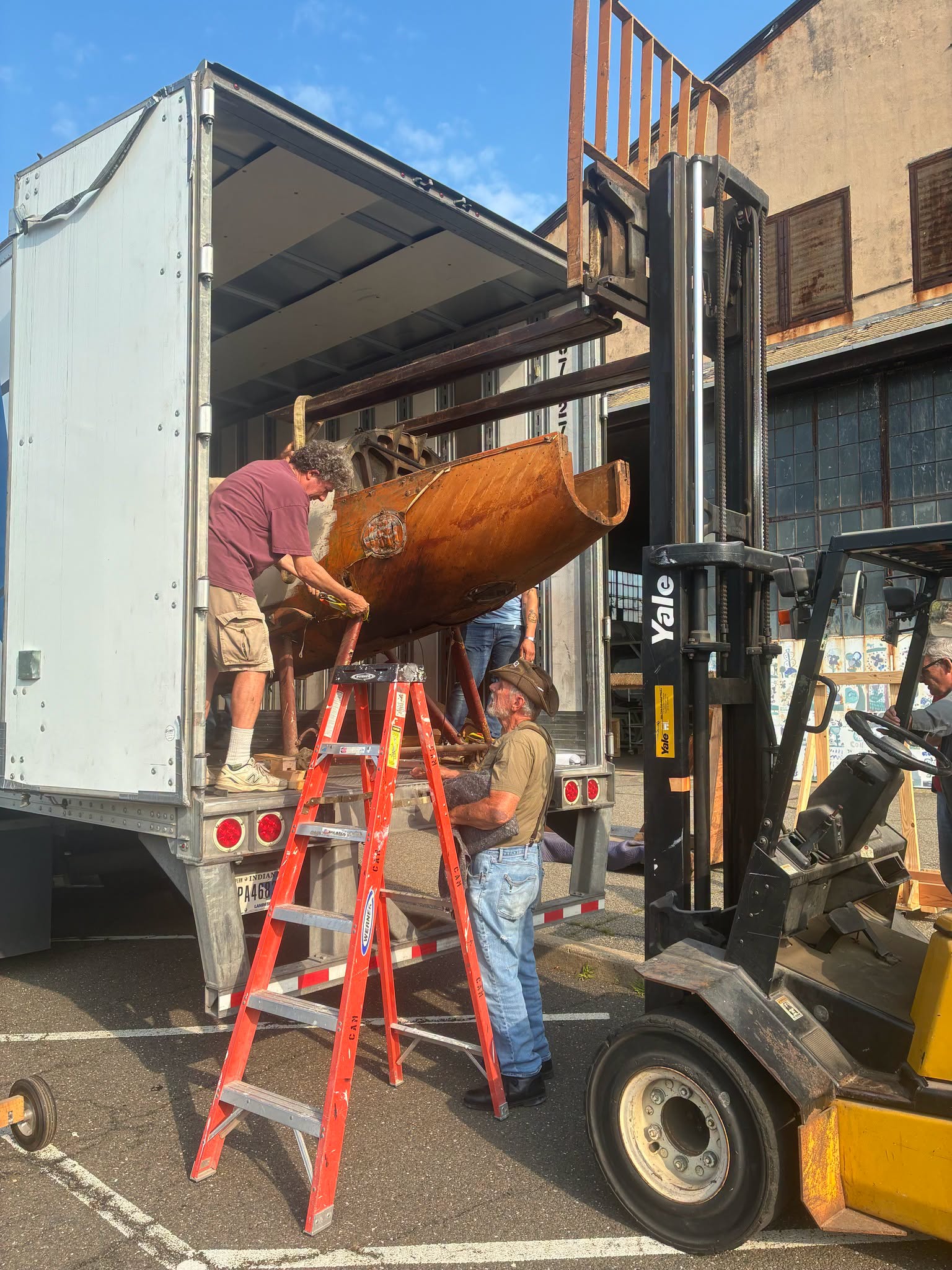
With the arrival of the Curtiss Oriole, the COAM’s restoration team is now combing through archives to find any reference photos and surviving engineering drawings to guide them on how to restore the 100+-year-old airplane. The aircraft, however, has come with a complete fuselage, full sets of landing gear, wheels and tires, vertical and horizontal stabilizers, seats for a pilot and passengers, propeller, wing struts, engine cowling, windscreen, and flight and engine controls. Museum curator Joshua Stoff stated, “Some of the wood on the fuselage is damaged or rotted and needs replacement, but only in a couple of areas. It also came with the original radiator, which would have been impossible to replace, as well as the correct prop.”

The museum estimates that the restoration will take between four to five years to complete, and museum curator Joshua Stoff states that the completed Oriole, which will be painted as one of the Orioles flown by Fox Movietone News, as these Orioles were not only built in Garden City, but also flown from nearby airfields such as Roosevelt Field to capture some of the most newsworthy events of the day. The COAM’s Curtiss Oriole will also be displayed next to another recent addition to the museum, the mural The Pre-Lindbergh Era of Flying on Long Island, painted between 1934 and 1938 by pilot and muralist Aline Rhonie, who created this mural after studying in Mexico under the tutelage of Diego Rivera. Originally painted on the 1,400-square-foot interior wall of Hangar F at Roosevelt Field, Rhonie’s mural originally depicted 580 aviators and 268 aircraft types dating from 1909 to 1927. The mural hung on the wall of Hangar F for nearly 30 years, but with the closure of Roosevelt Field in 1951, a shopping mall was established on the site, and by 1960, the derelict Hangar F was set to be razed. In order to save her work, Rhonie hired Italian conservator Leonetto Tintori to carefully remove the mural from the hangar, and Rhonie added a further 25 portraits and a further 20 feet in length to the mural before she died in 1963.
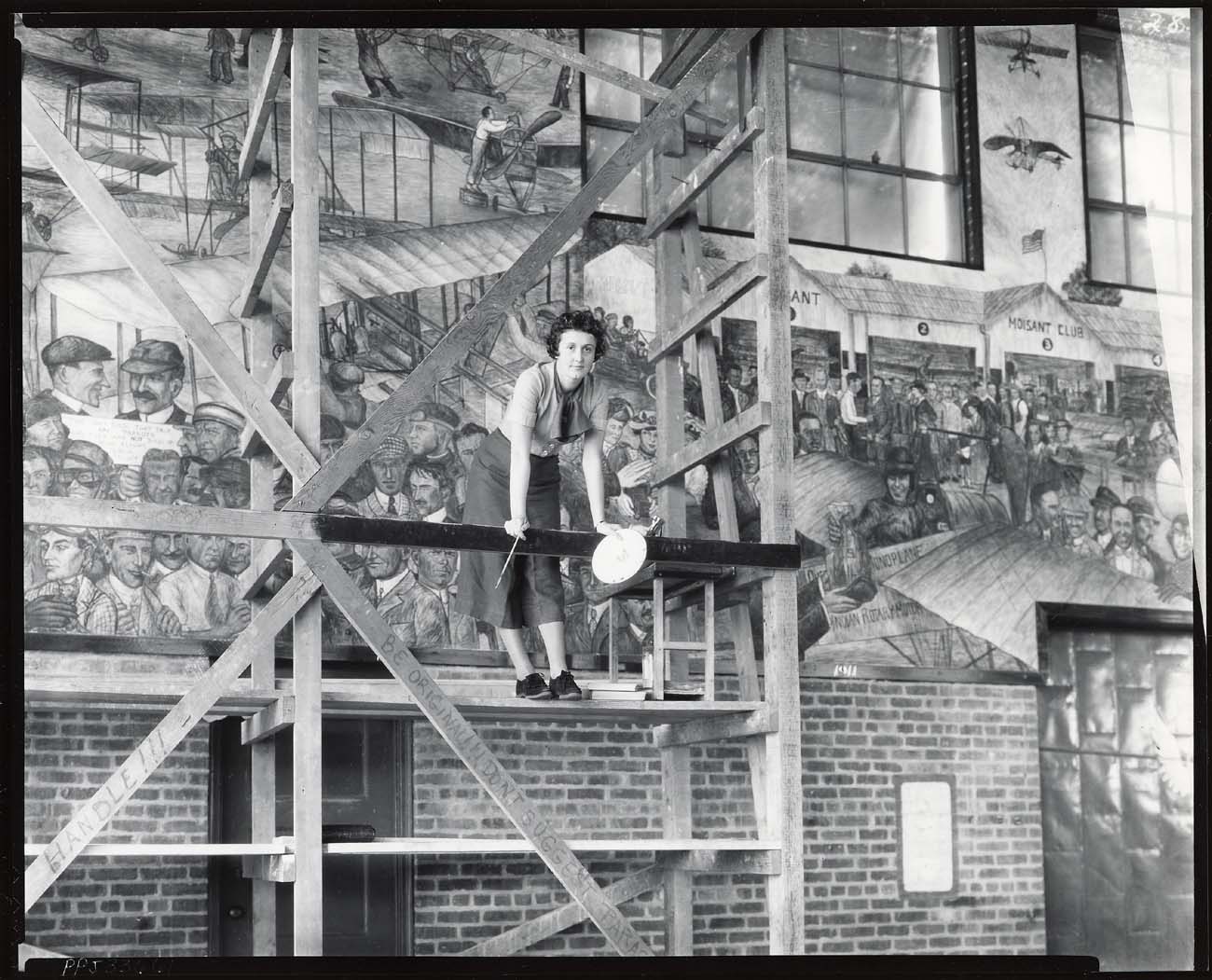
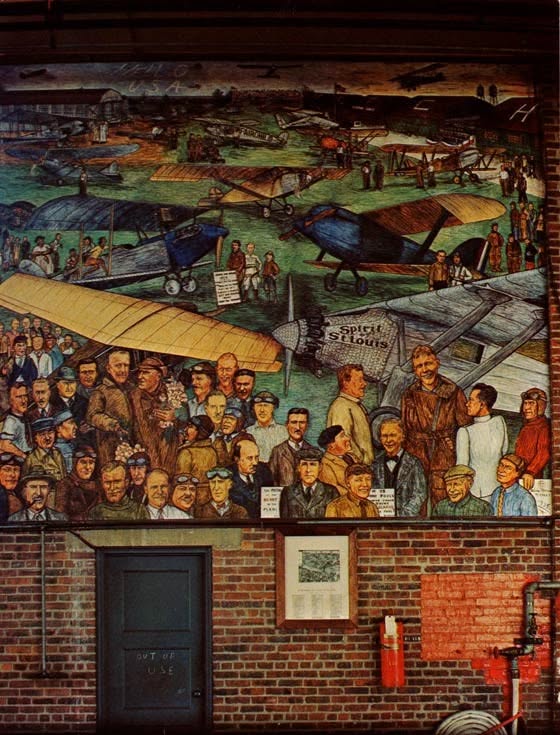
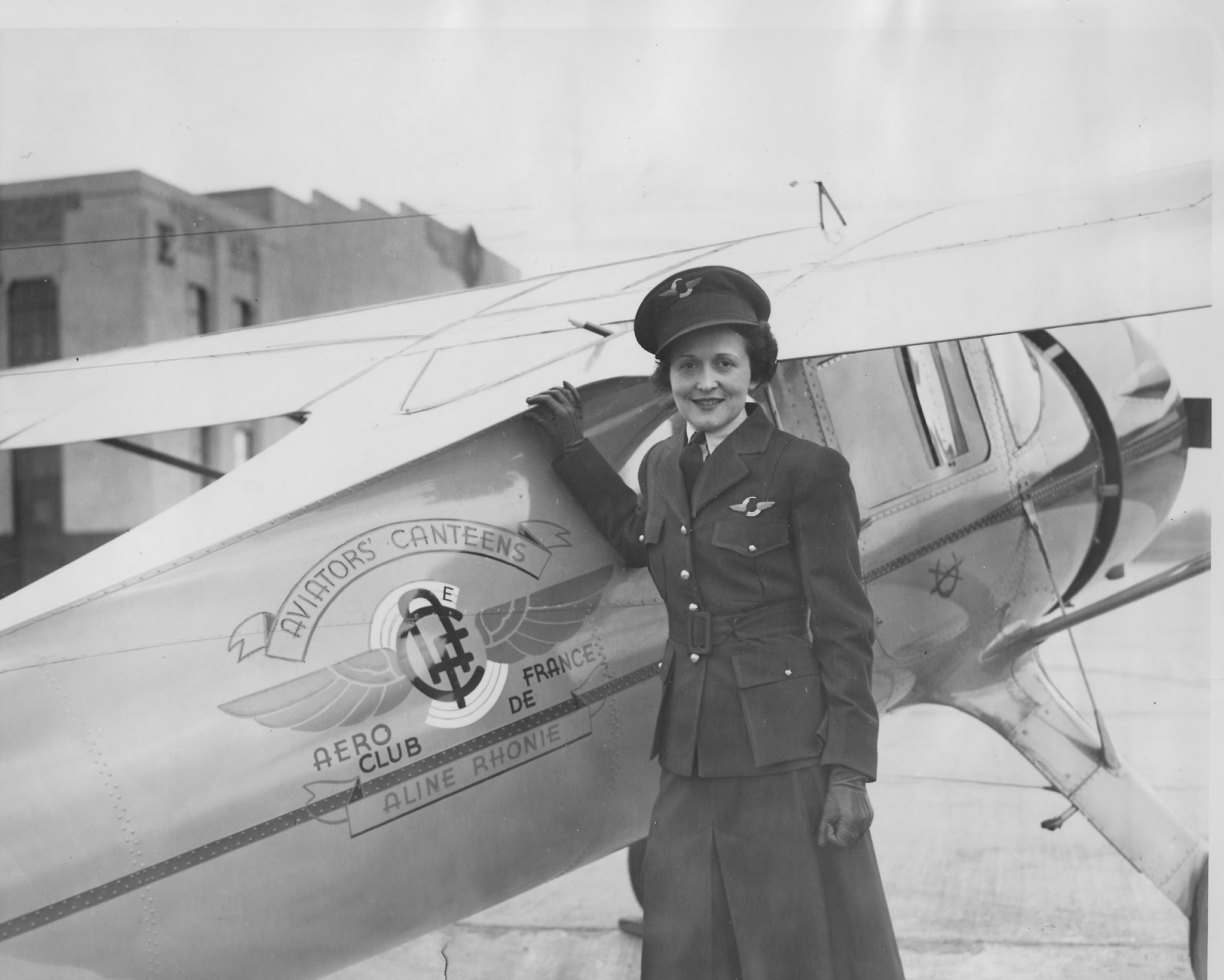
Since then, the mural has passed through several owners, including the Long Island Early Fliers Education Foundation and Vaughn College of Aeronautics and Technology in East Elmhurst, Queens, before Vaughn College donated the work of art to the Cradle of Aviation Museum in 2026, and it has been installed in the museum’s cafeteria. Joshua Stoff states that when the Curtiss Oriole is completed, it will be suspended from the ceiling of the cafeteria in view of The Pre-Lindbergh Era of Flying on Long Island. No matter how the Cradle of Aviation Museums’ Curtiss Oriole will be displayed, it is fitting that an aircraft built and initially flown from this part of New York’s Long Island, which later soared through the Argentine Andes and spent decades in storage in warehouses and hangars across the United States will now have a place of honor in one of the most prominent aviation museums on the US East Coast, on the grounds where so much of aviation history was made more than 100 years ago. For more information, visit the Cradle of Aviation Museum’s website HERE.
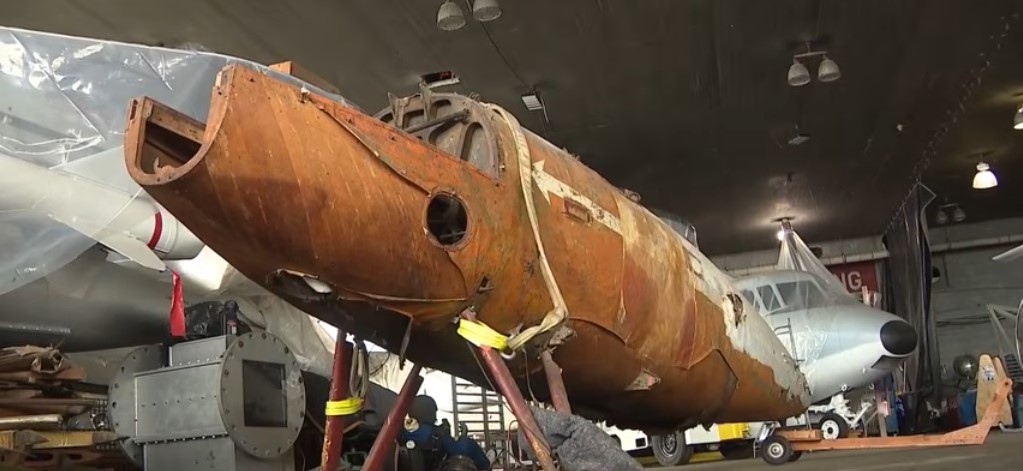
(Image credit: Cradle of Aviation Museum)
Fuselage of the Cradle of Aviation Museum’s Curtiss Oriole inside the museum’s restoration hangar following its cross-country trip from Washington State.