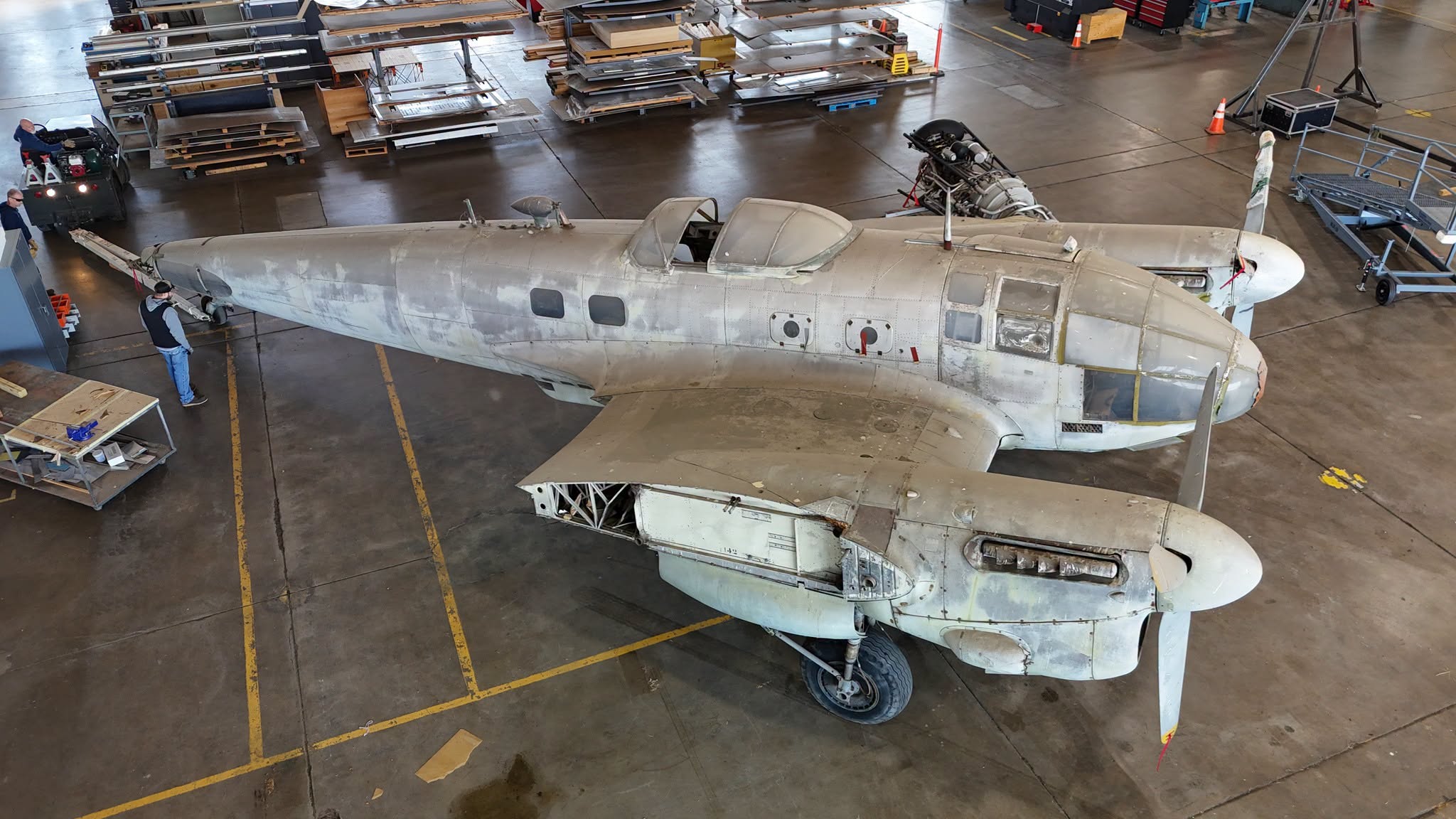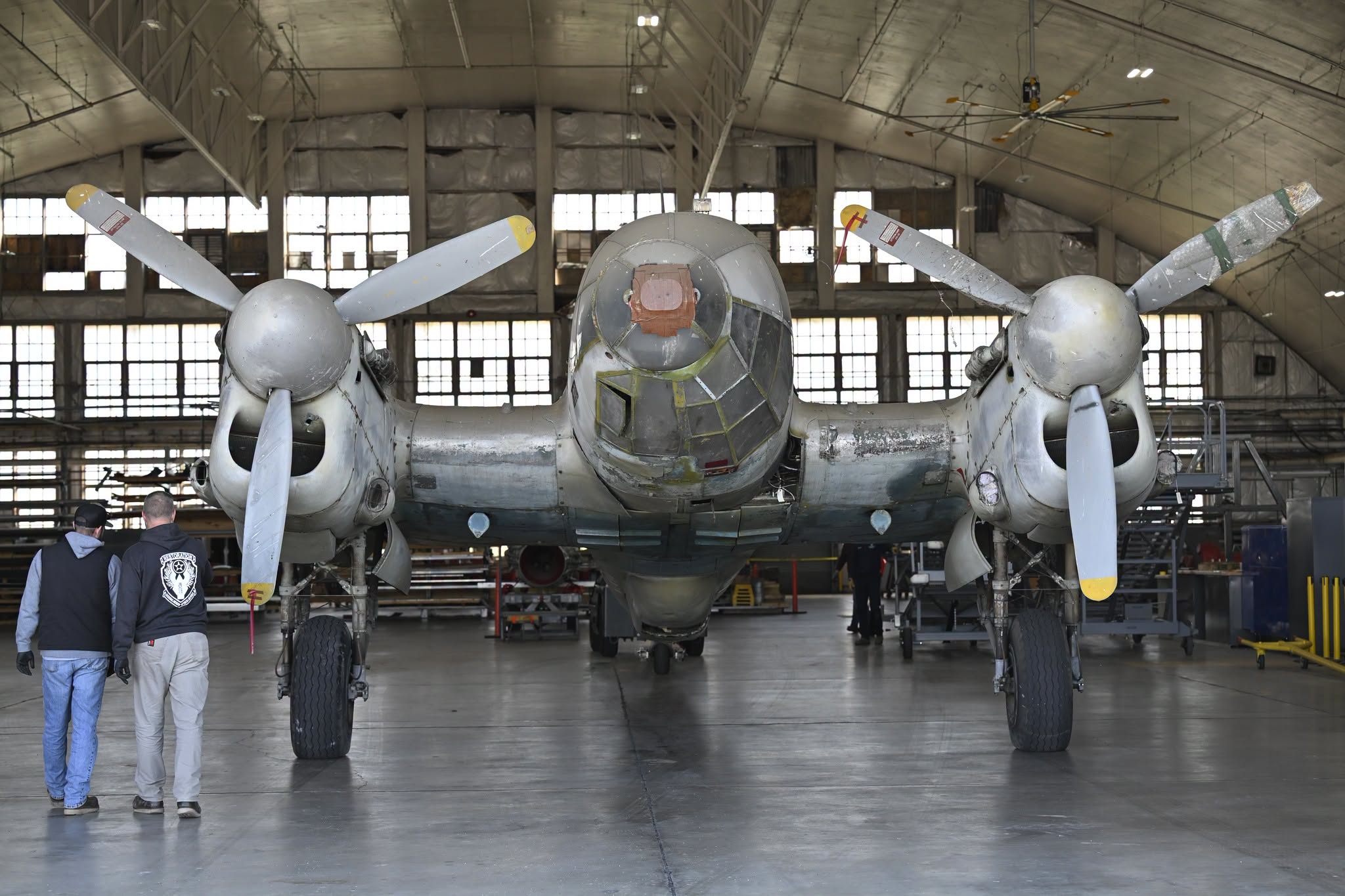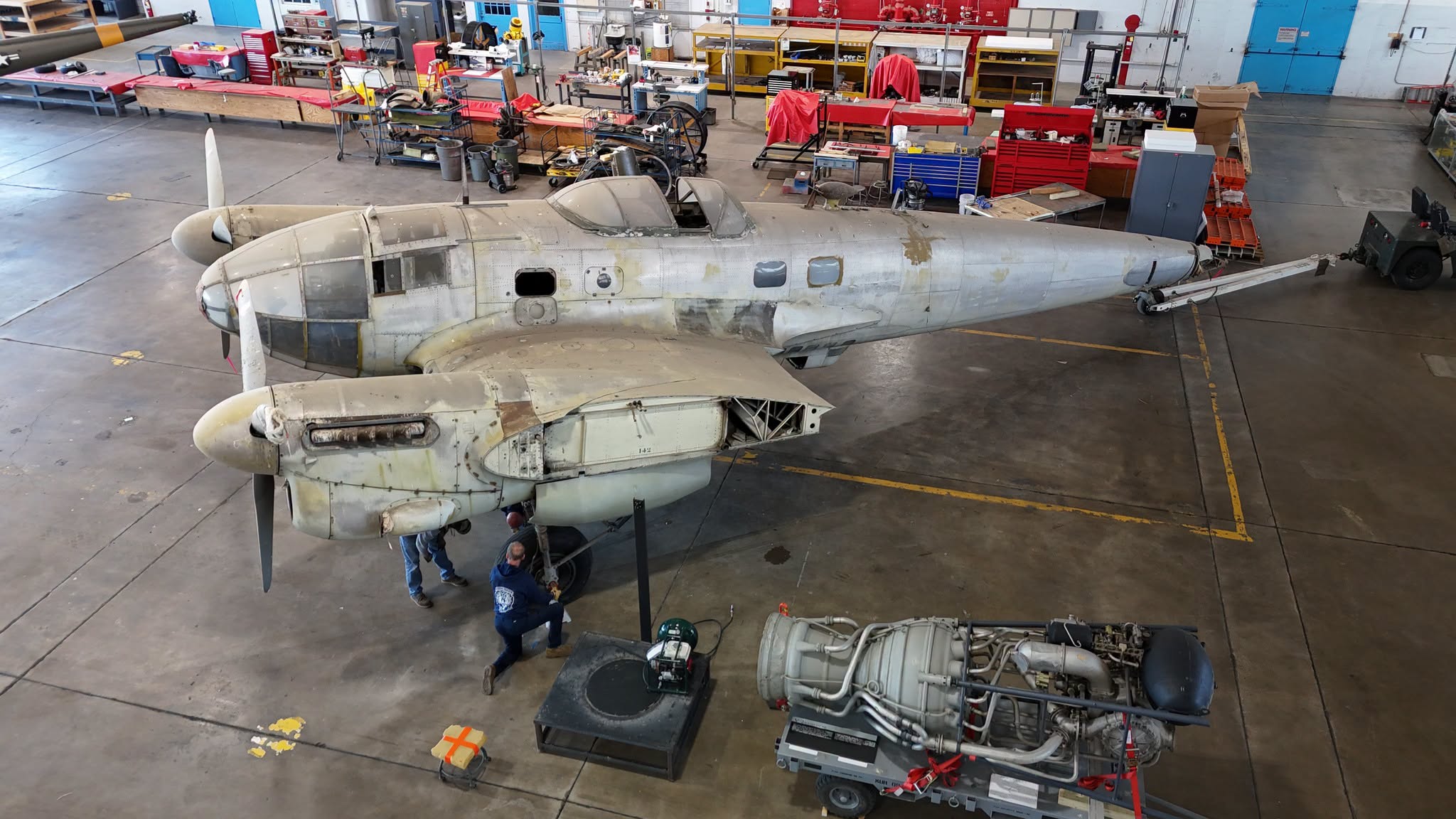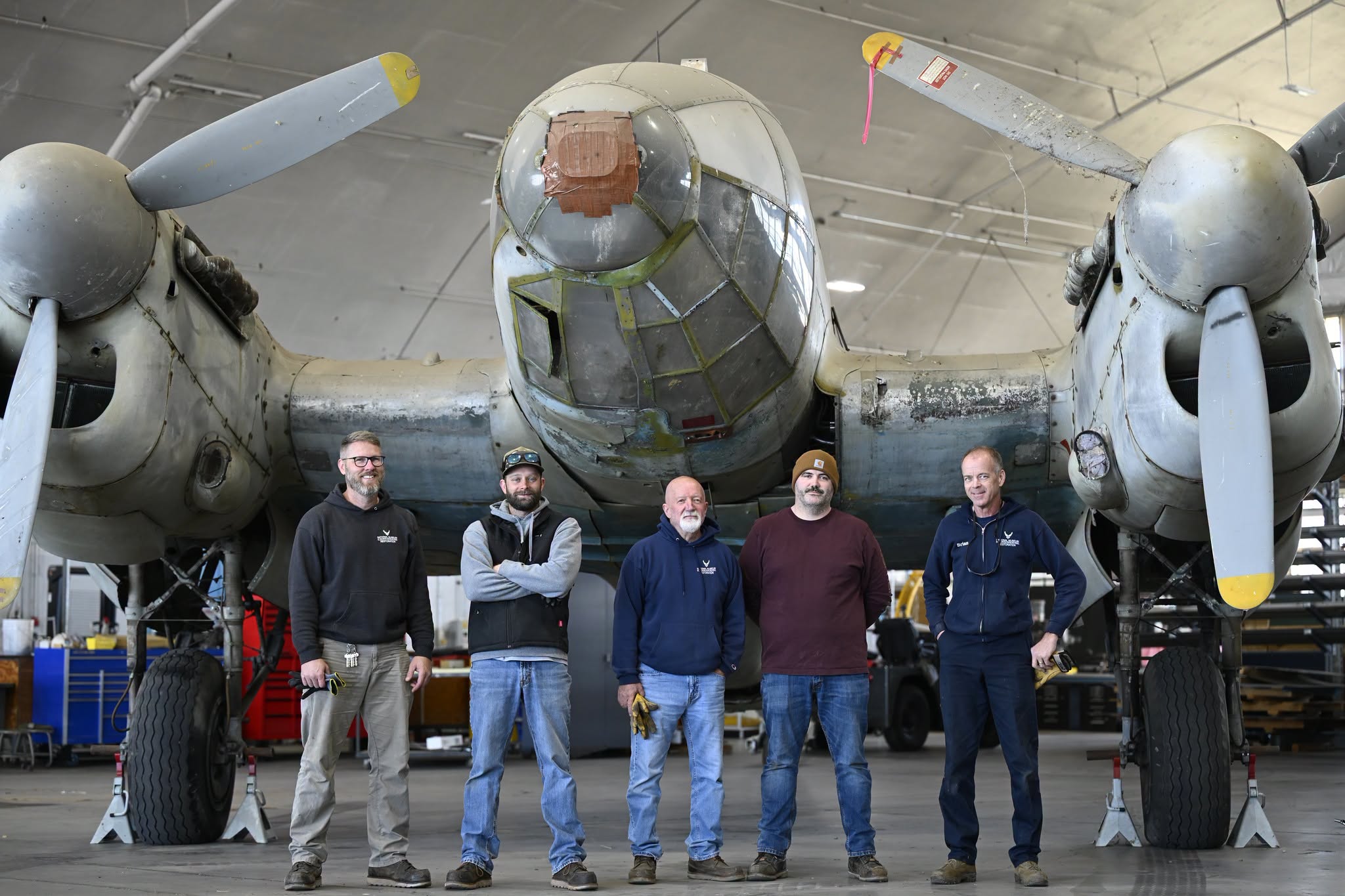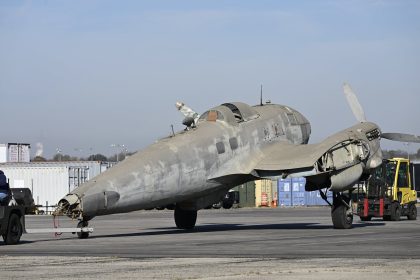
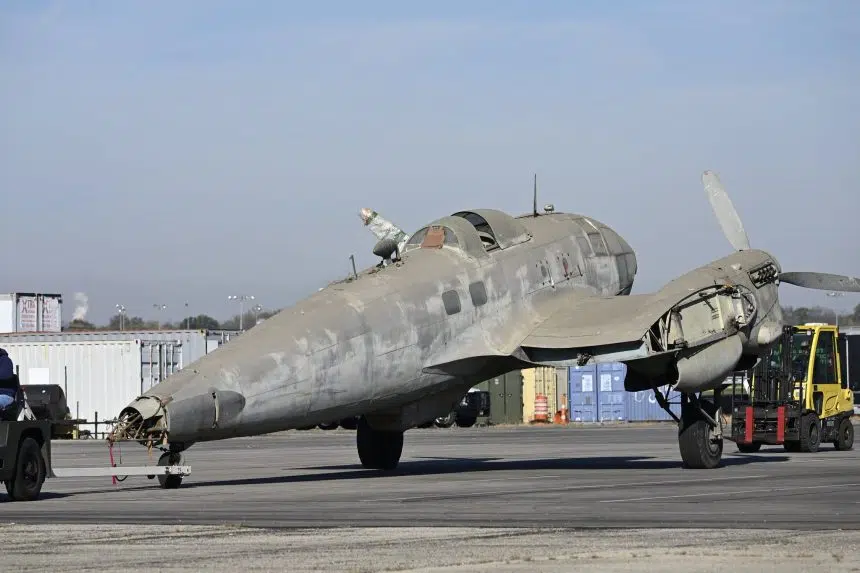

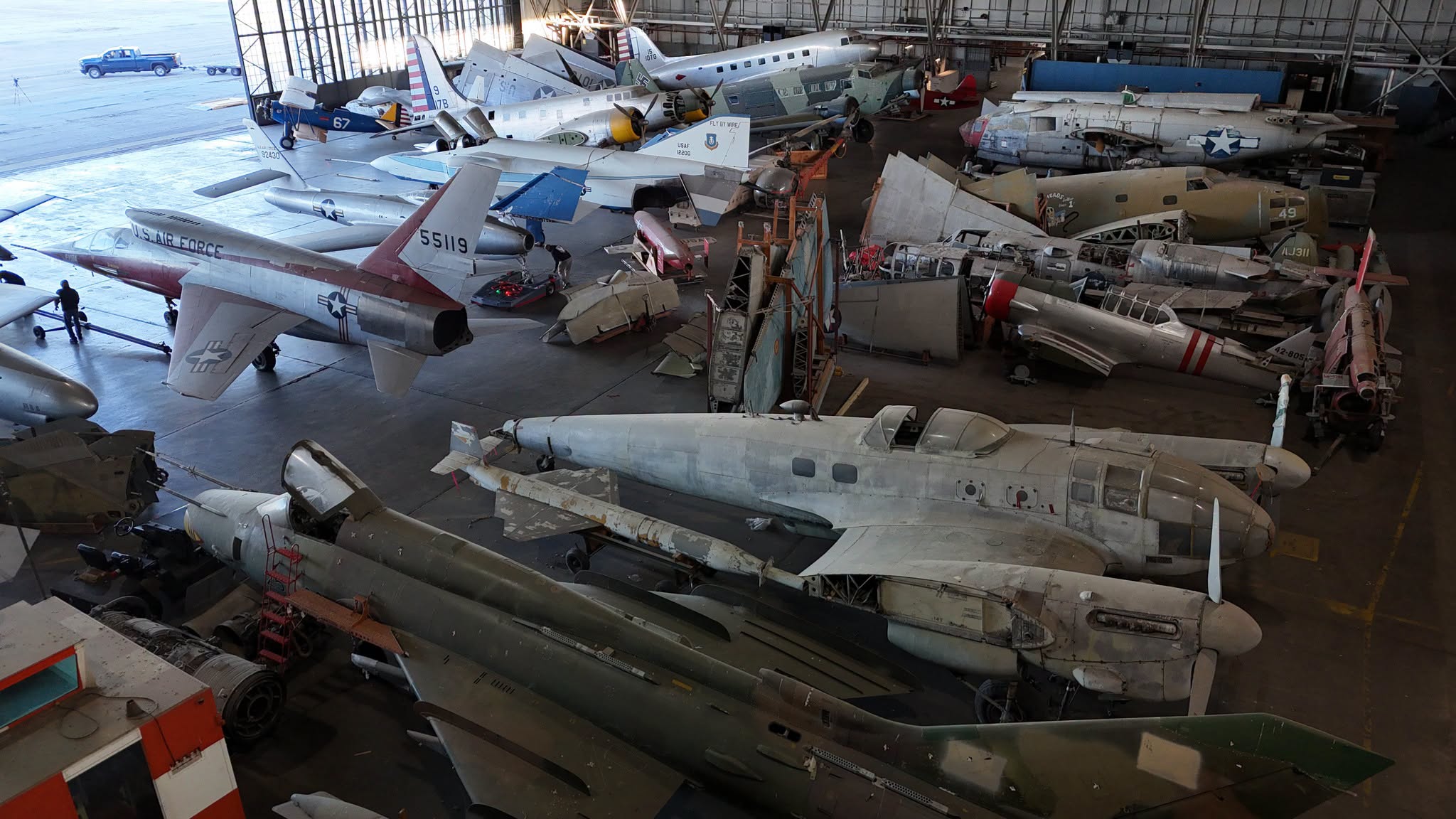
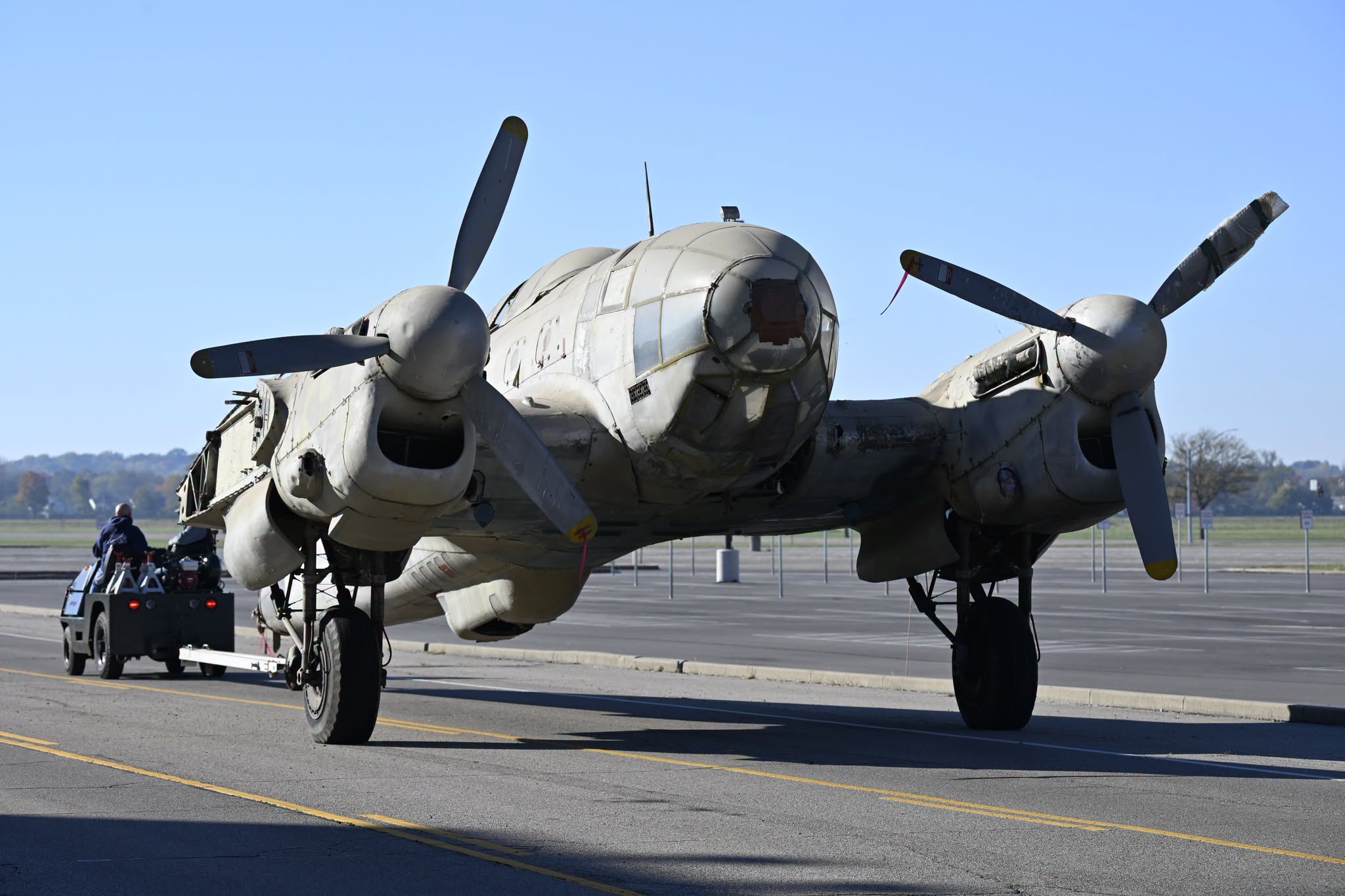
Having pulled several aircraft from its vast storage collection, the National Museum of the United States Air Force has just announced that its restoration team will be restoring the museum’s CASA 2.111, a Spanish development of the Heinkel He 111 bomber of WWII, to be fully restored.
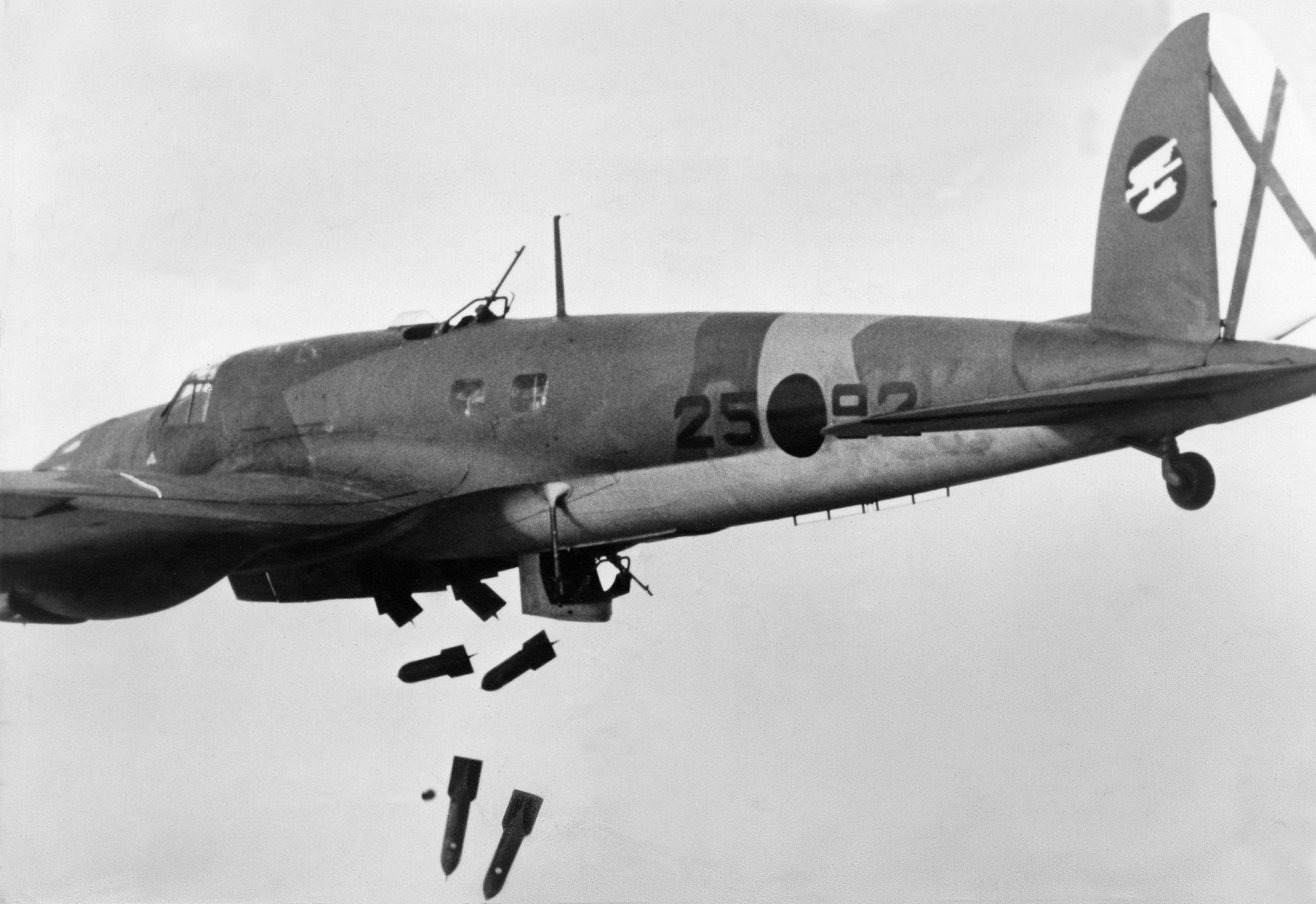
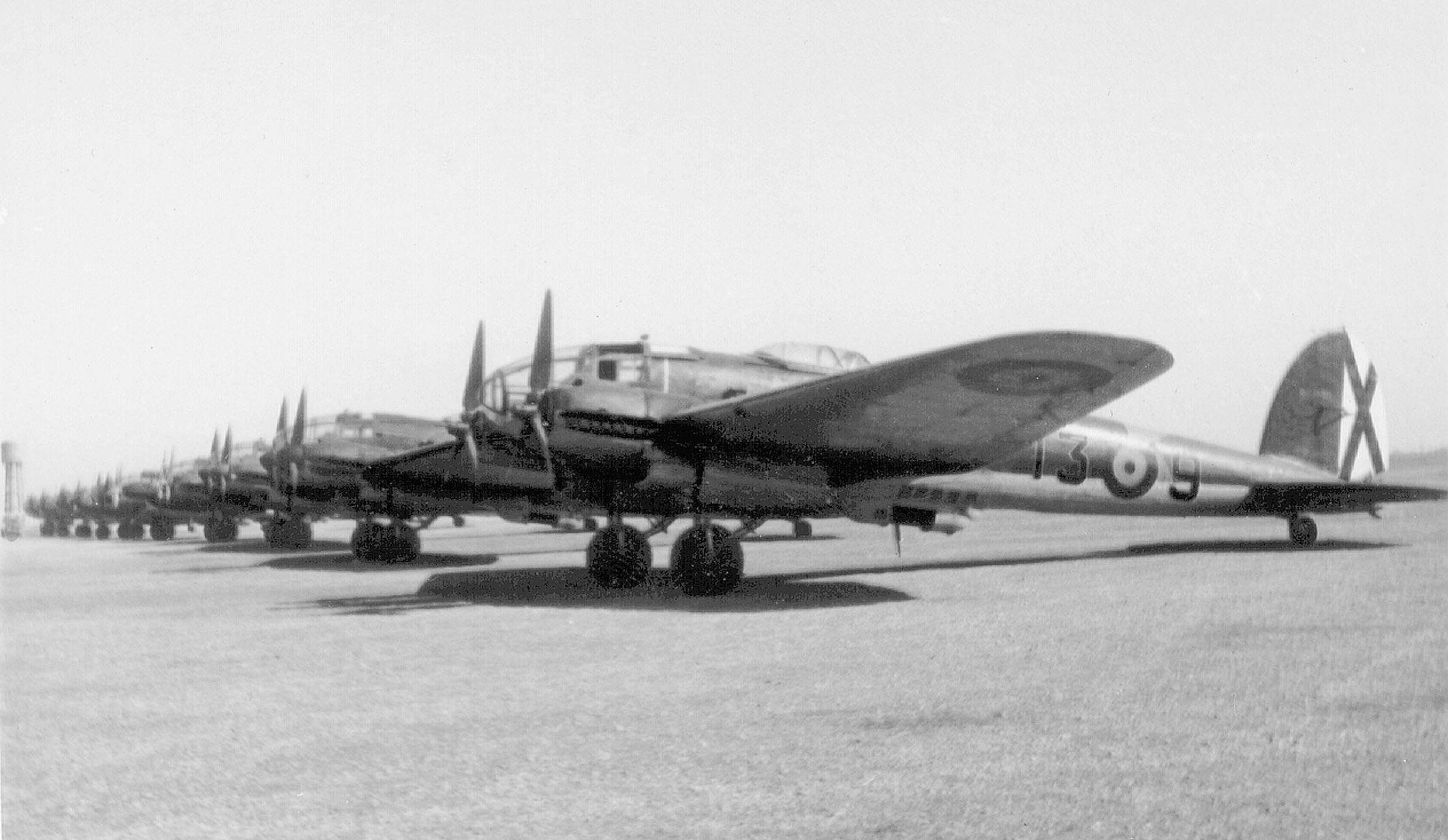
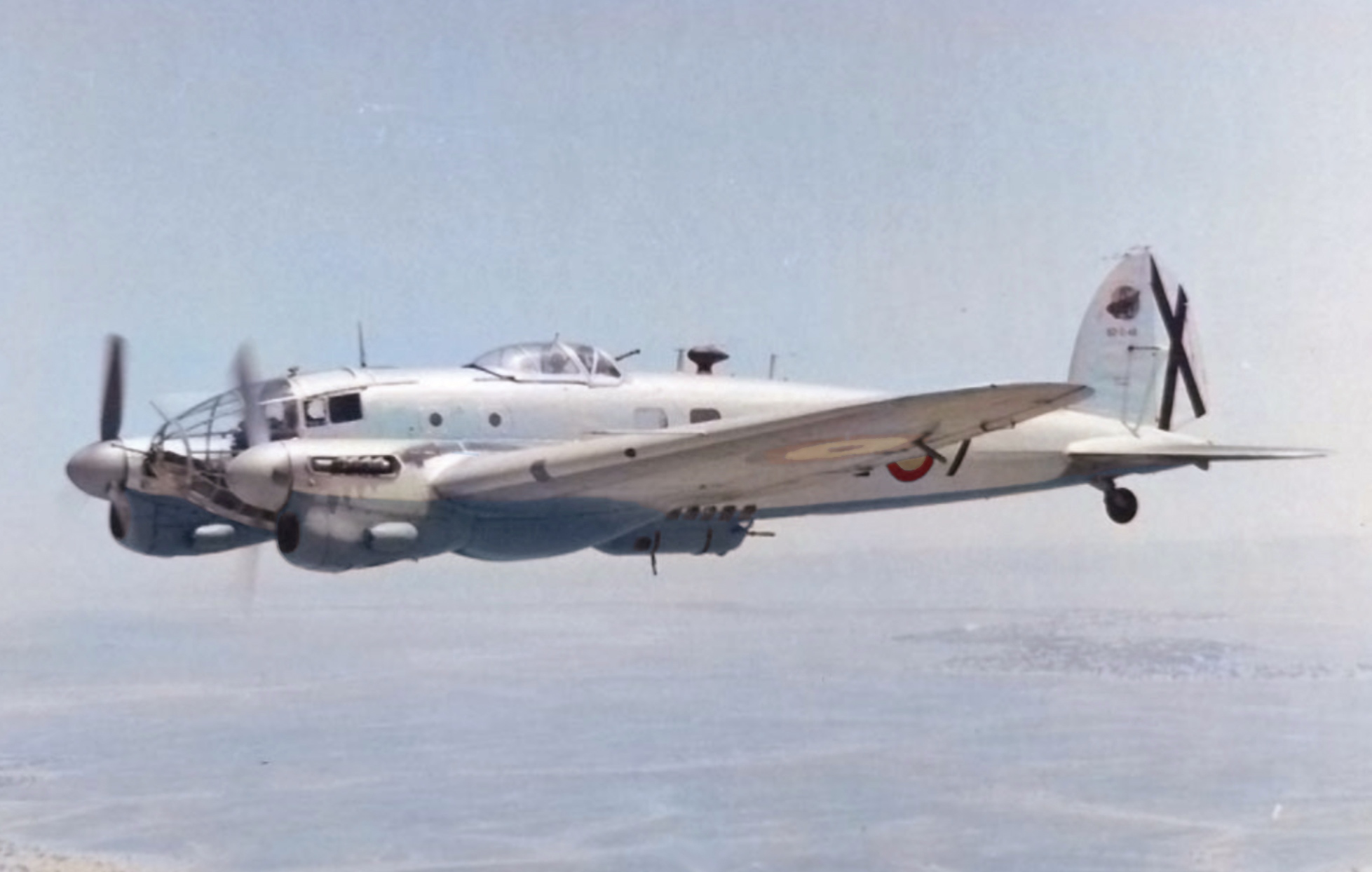
As we have related in the restorations of other CASA 2.111 aircraft in both the United States and Europe, the CASA 2.111 was built in Spain by the company Construcciones Aeronáuticas S.A. (CASA) after the Spanish secured a license to manufacture the Heinkel He 111 domestically. The Spanish Air Force already had a number of early models of the He 111 in its inventory, which were flown by the Condor Legion of German volunteers that fought on the side of Francisco Franco’s Nationalists during the Spanish Civil War (1936-1939), with the Germans leaving the surviving aircraft for the new Francoist air force.

With the outbreak of the Second World War just five months after the end of the civil war, war-weary Spain remained neutral but with sympathies toward the Germans and Italians. In order to modernize their air force, CASA was awarded production contracts to built licensed copies of the Heinkel He 111 H-16 bomber, the Junkers Ju 52/3m trimotor transport (CASA 352), and trainers such as the Gotha Go 145A (CASA 1145), the Bücker Bü 131 Jungmann (CASA 1131) and the Bücker Bü 133 Jungmeister (CASA 1133), while Hispano Aviacion built the Messerschmitt Bf 109G as the HA-1109 and the HA-1112.
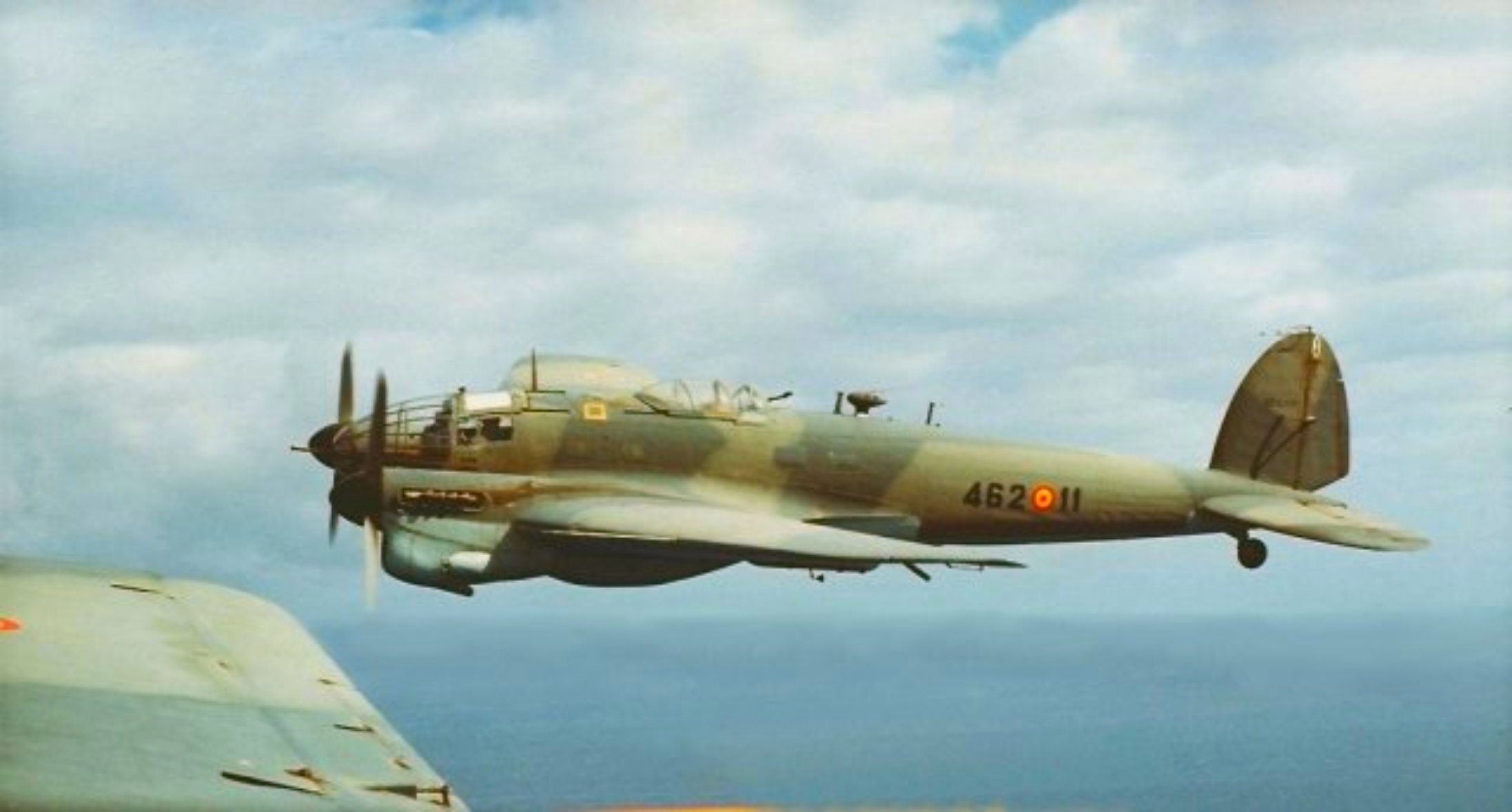
Initially, the Spanish were able to ship hundreds of Junkers Jumo 211 inverted V12 engines from German-occupied France to power the first 130 CASA 2.111As, with the “Spanish Heinkel” making its first flight on May 23, 1945, just 15 days after the surrender of Germany on May 8. The extension of wartime embargos on Francoist Spain meant that the Spanish Air Force would be reduced to cannibalizing some of their CASA 2.111As to keep the others flying, but by the start of the Cold War, relations between Spain and NATO countries warmed, with the Spanish ordering surplus Rolls-Royce Merlin engines from the British. The CASA 2.111 was then fitted with these new Merlin engines, along with nacelles and propellers developed originally for the Avro Lancaster bomber and the Avro York transport, and these variants were classified as the CASA 2.111B. Other versions fitted with Merlin engines were also used as reconnaissance aircraft, transports, and trainers, and remained in service well into the 1970s, not to mention their appearances in several WWII films of the 1960s and 1970s, such as Battle of Britain and Patton.
The CASA 2.111 in the NMUSAF collection was manufactured at CASA’s plant at Tablada, Seville, as construction number 159 and flown in the Spanish Air Force (Ejército del Aire) as serial number B.21-29. Little is known about its service in the Spanish Air Force, but in 1971, the aircraft was donated by the Spanish Air Force to the USAF Museum in 1971, along with a CASA 352L transport, and was on outdoor display in its original Spanish markings during the 1970s before being placed into storage around the 1980s.

For more than 40 years, B.21-29’s position in the museum was up for debate. Speculation from outside the museum suggested the aircraft would be restored, with many enthusiasts hoping to see the aircraft converted to have Junkers Jumo 211 engines to replicate a Luftwaffe Heinkel He 111 from WWII, but while the museum has at least one Jumo 211 mounted for display, but a lack of space in the WWII gallery meant it was never that high on the priority list of restorations, especially when the museum was restoring aircraft such as the legendary B-17F Flying Fortress “Memphis Belle”.
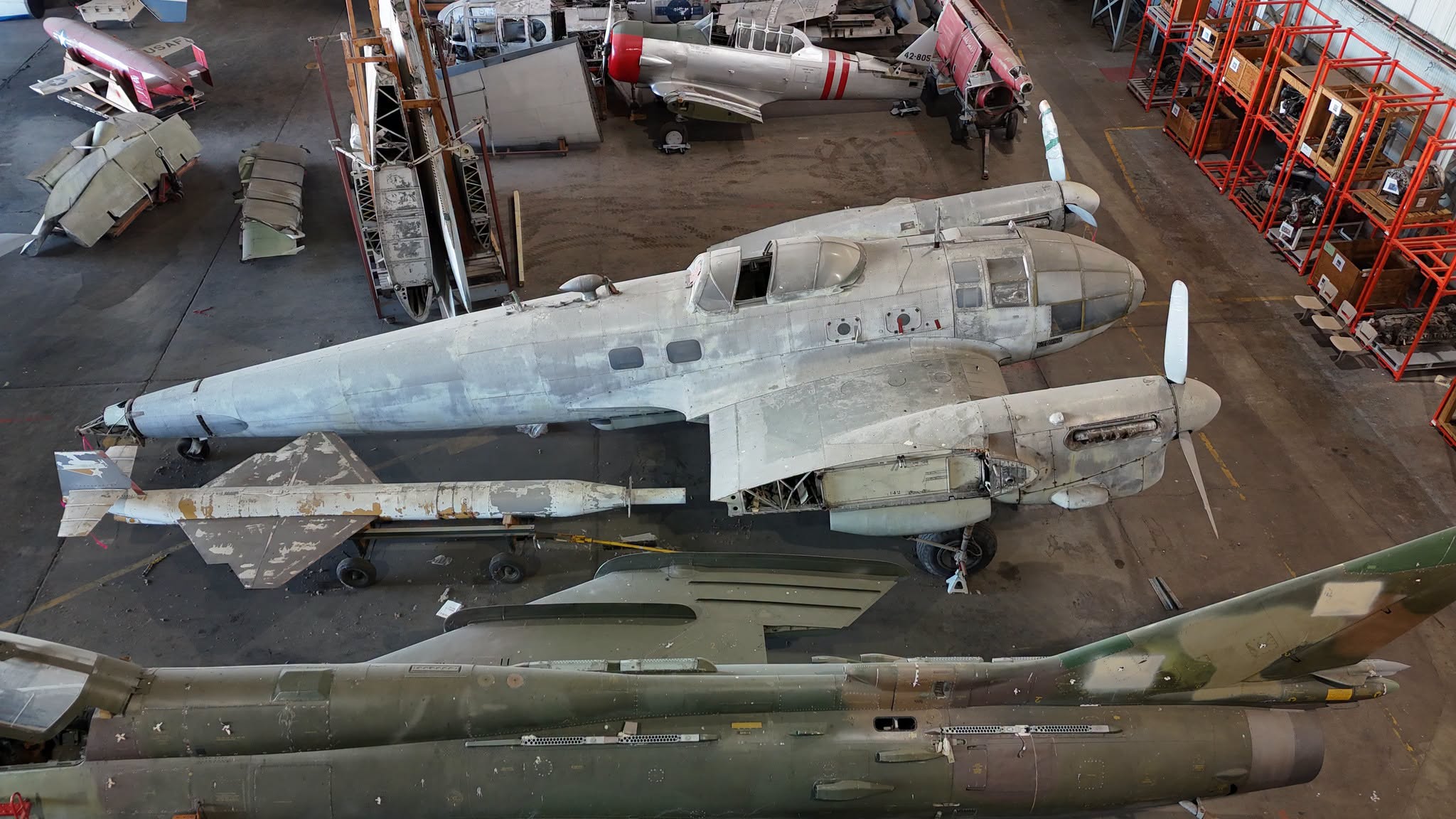
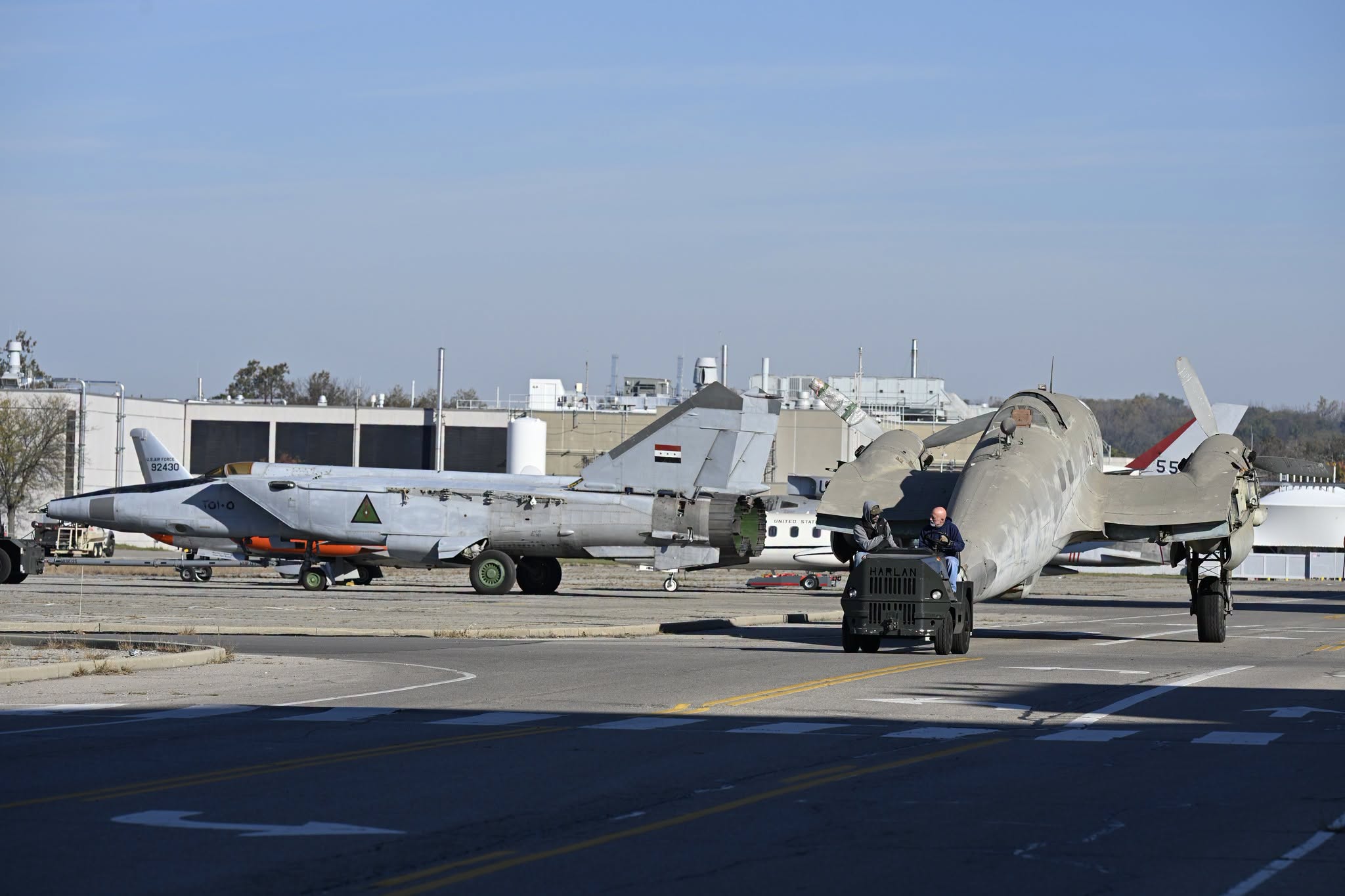
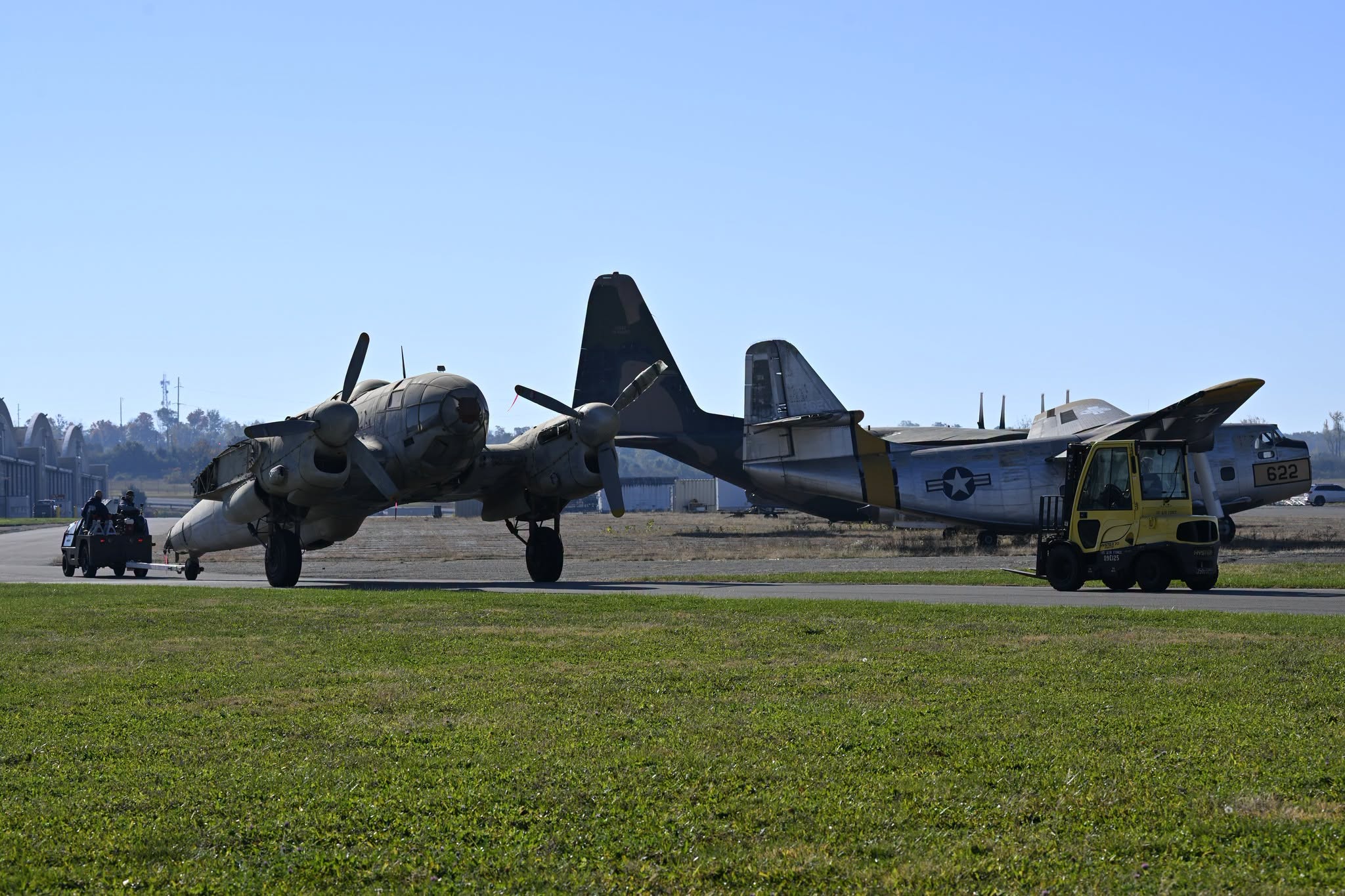
However, the late Australian aviation chronicler Geoff Goodall reported that the NMUSAF acquired a pair of Junkers Jumo 211 engines recovered from the wreck of a German aircraft recovered from a lake in Russia and restored in Italy on behalf of the NMUSAF. There is also some historical precedence for the possibility of adding Jumo 211s to the CASA 2.111s, since the museum once installed a Daimler-Benz DB-605 engine to a Hispano HA-1112 Buchon (serial number C.4K-64) donated by the Spanish Air Force (C.4K-64 was later exchanged for an original Bf 109 G-10/U4 and has since been rebuilt with the wreckage of Bf 109 G-4 Werknummer 19257 to flying condition with the Military Aviation Museum of Virginia Beach, Virginia). Following some of the changes recently made in the National Museum of the USAF’s arrangement of aircraft displays, with the Mikoyan-Gurevich MiG-25 “Foxbat” fuselage returning to storage with the Beech-Hawker MC-12W Liberty and the fuselage of the Douglas XB-42 Mixmaster have gone on display, the CASA 2.111 was pulled from the storage hangar and towed to the restoration hangar to begin its restoration in the same space as the B-17D Flying Fortress “The Swoose” and the Douglas A-1E Skyraider flown by Major Bernard Fisher in his 1967 Medal of Honor mission.
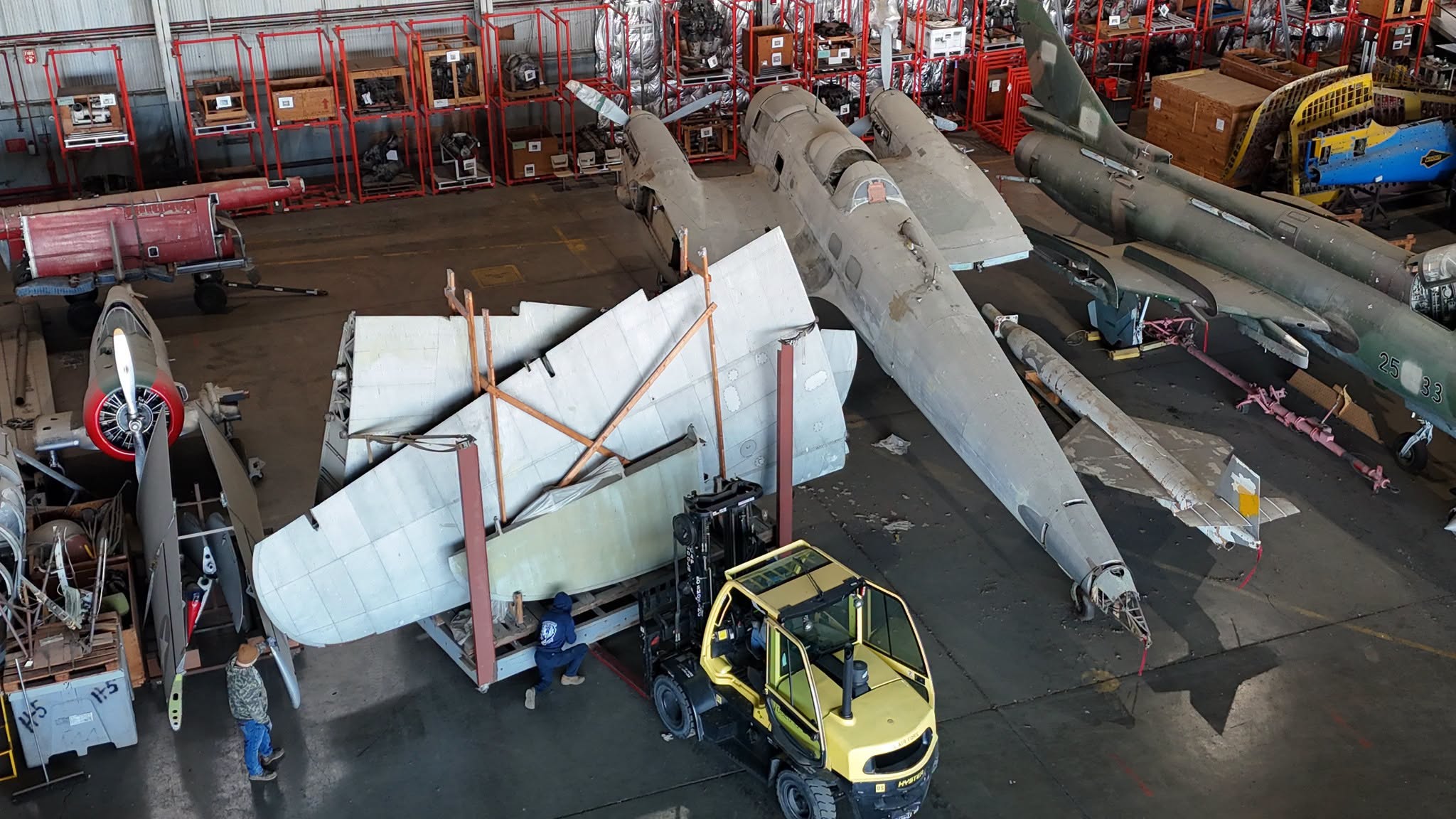
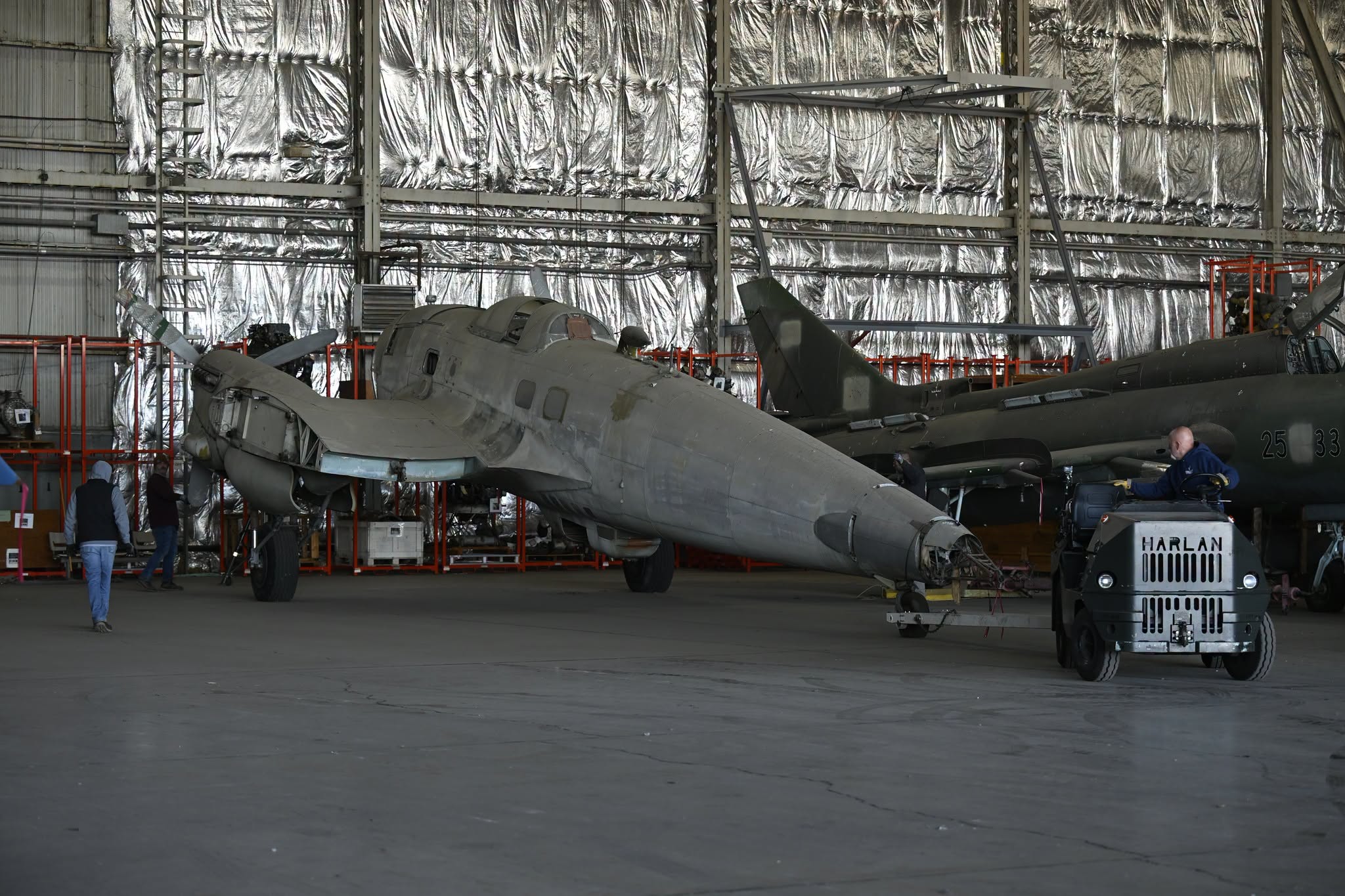
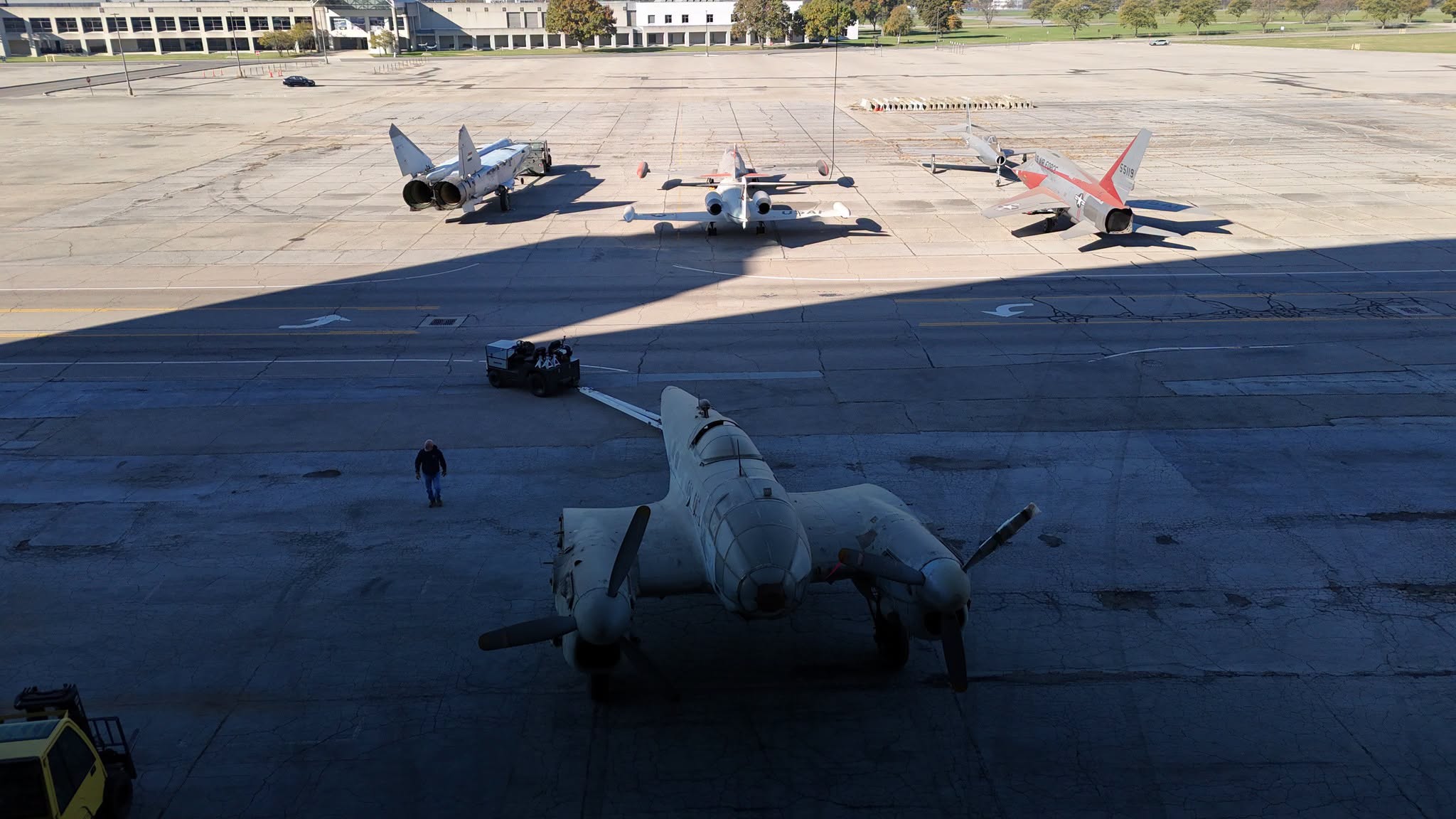
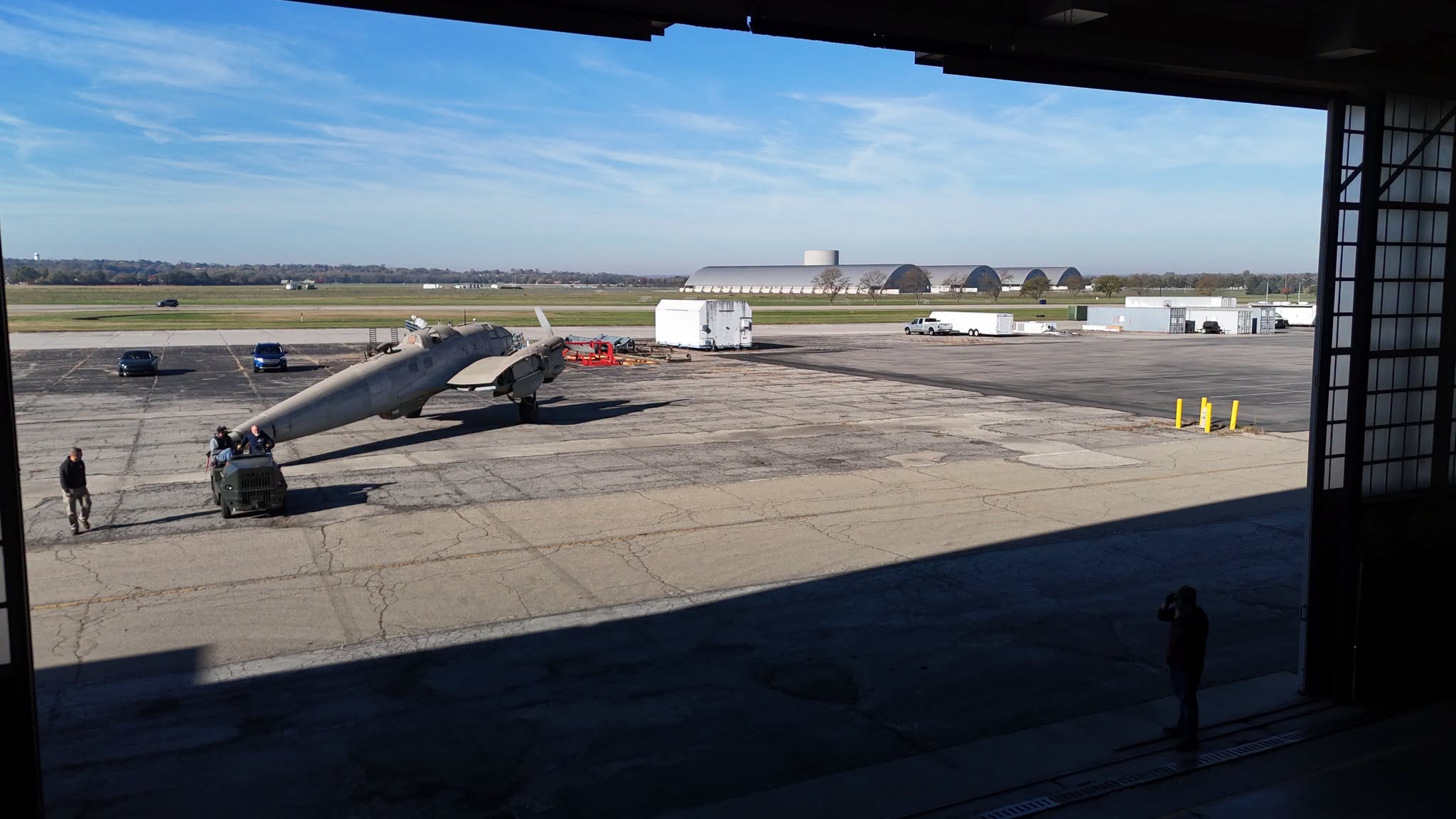
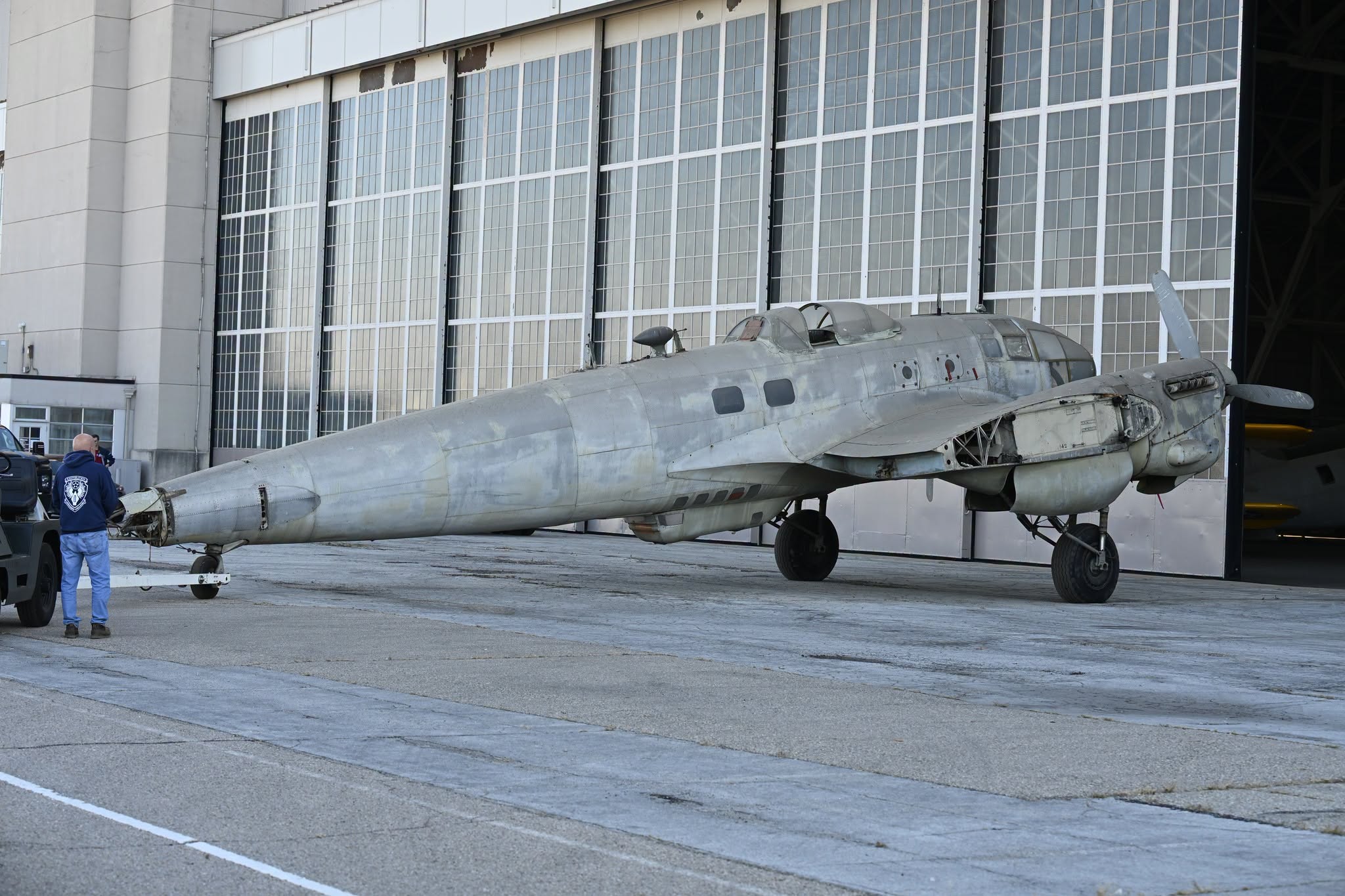
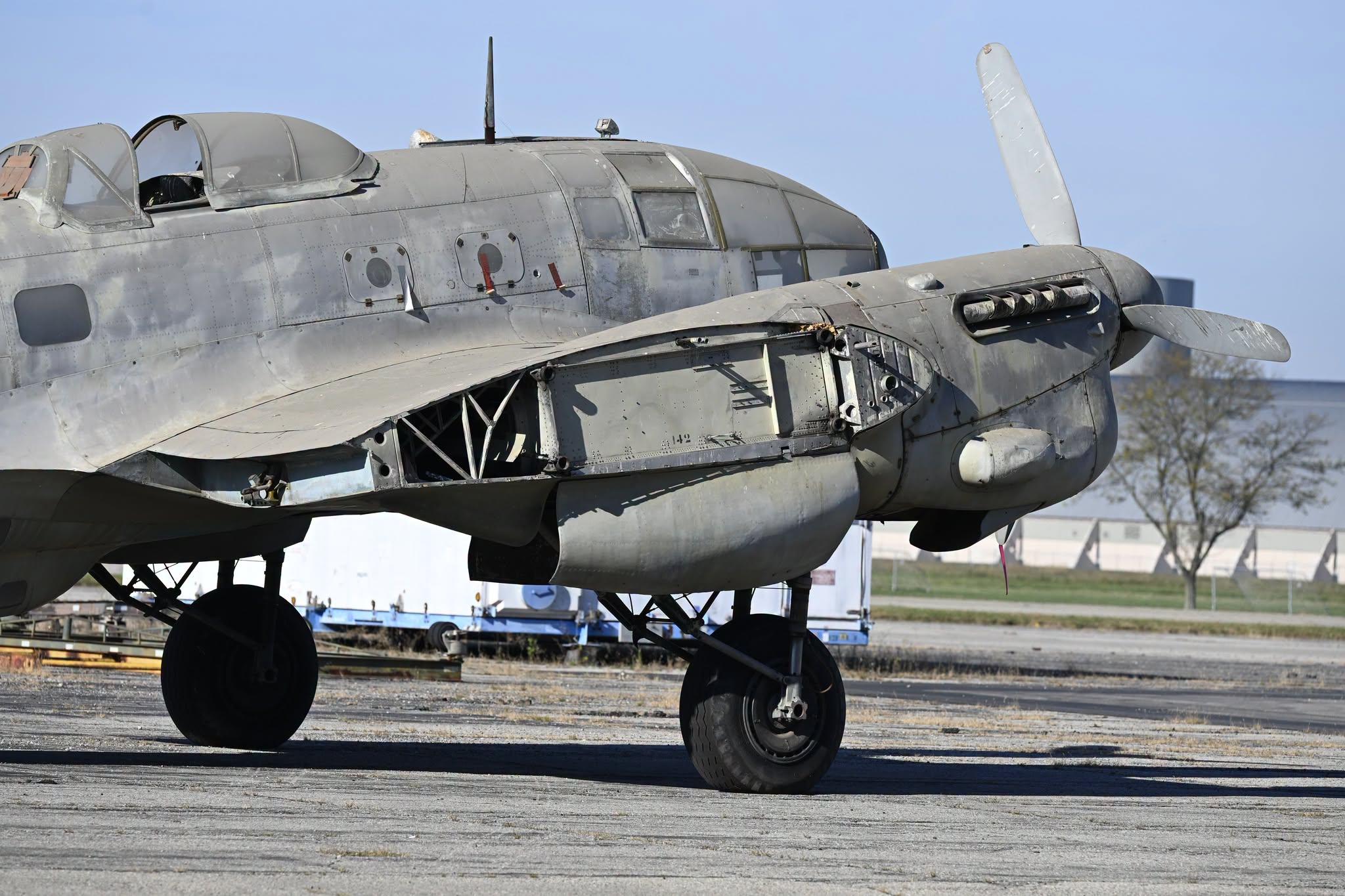
Currently, no timeline has been made public for when the museum expects to complete the restoration of this Spanish development of one of Germany’s most well-known medium bombers of WWII, but given the expertise of the restoration volunteers and the quality of their previous work over the decades, there is much to look forward to about the restoration of CASA 2.111 B.21-29. For more information, visit the website of the National Museum of the USAF HERE.