
Today In Aviation History: First Flight of the Westland Welkin

The Westland Welkin took to the skies for the first time on November 1, 1942, marking Britain's attempt to counter German reconnaissance aircraft operating at extreme altitudes during WWII. Designed with a pressurized cockpit, a 70-foot wingspan, and twin Rolls-Royce Merlin engines, the fighter could reach altitudes of 44,000 feet. However, changing wartime requirements and technical challenges limited production to 77 aircraft, and the Welkin never entered operational combat service.

Austin Hancock
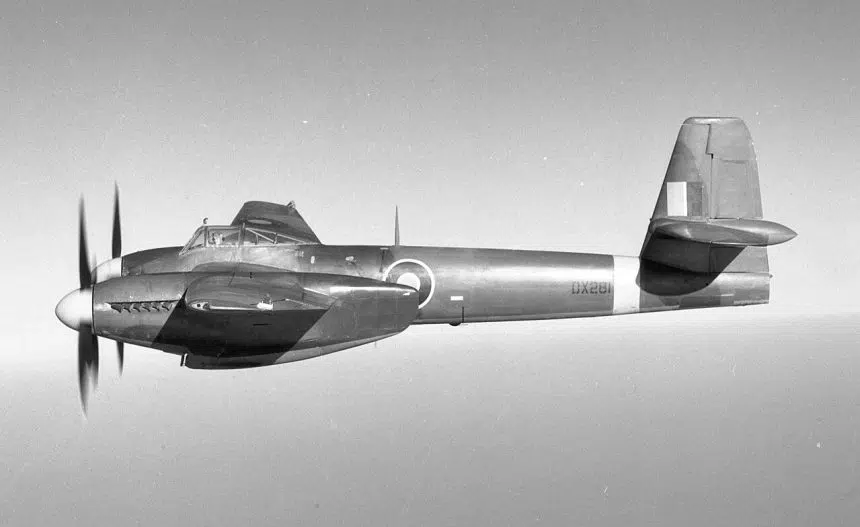
The Welkin was designed as a high altitude fighter, but the threat disappeared and variants of existing fighter's performance matched or bettered it, making it redundant. 2 prototypes and 75 production aircraft were completed, with 26 further airframes not completed. (Image credit: Official UK government photographer/Wikimedia Commons)
Boschung Global 729x90
VAN Today in Aviation History Banner
Welcome to VAN’s Today in Aviation History (Image credit: VAN)

On this day in aviation history, 84 years ago (November 1, 1942) ,the Westland Welkin took flight for the first time. Developed in Britain during WWII, the twin-engine fighter was designed to intercept German reconnaissance and bomber aircraft operating at extremely high altitudes. Its unusual design reflected the challenges of flying and fighting in the stratosphere. The Welkin originated from a 1940 Air Ministry requirement prompted by German Junkers Ju 86P reconnaissance aircraft operating at altitudes beyond the reach of conventional British fighters. Designed by W.E.W. Petter, the Welkin incorporated features of Westland’s earlier Whirlwind fighter, but with an enormous 70-foot wingspan, more powerful Rolls-Royce Merlin engines, and a pressurized cockpit. The aircraft was designed to operate at altitudes approaching 45,000 feet, where pilots would otherwise struggle with extreme cold and insufficient oxygen.
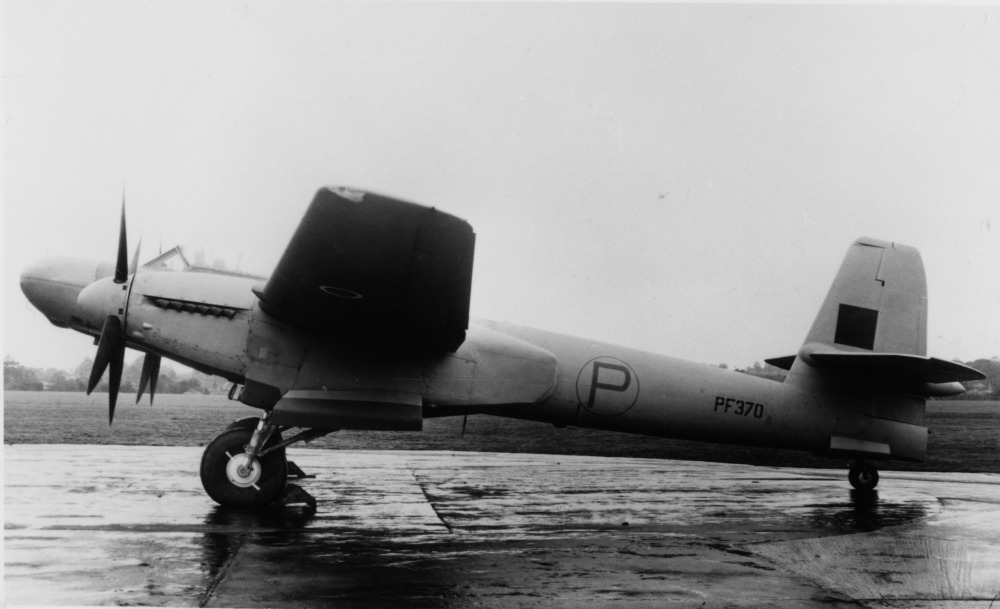
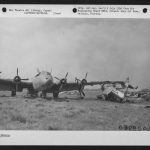
westland welkin nf mk ii pf370 16114822666
Welkin Westland Welkin NF Mk II PF370. (Image credit: SDASM Archives/Wikimedia Commons)

Although the Welkin demonstrated impressive high-altitude capabilities, development was complicated by aerodynamic compressibility problems and the narrow range of safe operating speeds at extreme altitudes. Meanwhile, the threat of high-altitude German bombing diminished as specially modified Spitfires proved capable of intercepting reconnaissance aircraft. Only 77 complete Welkins were produced, and two were evaluated by the RAF’s Fighter Interception Unit in 1944. The aircraft never entered operational combat service. The Welkin Mk I measured 41 feet 6 inches in length with a wingspan of 70 feet and was powered by two Rolls-Royce Merlin 76/77 engines producing approximately 1,233 horsepower each. It could reach a maximum speed of 385 mph, had a range of 1,480 miles, and a service ceiling of 44,000 feet. Its rate of climb was approximately 3,850 feet per minute, while its armament consisted of four 20 mm Hispano cannons mounted beneath the fuselage.
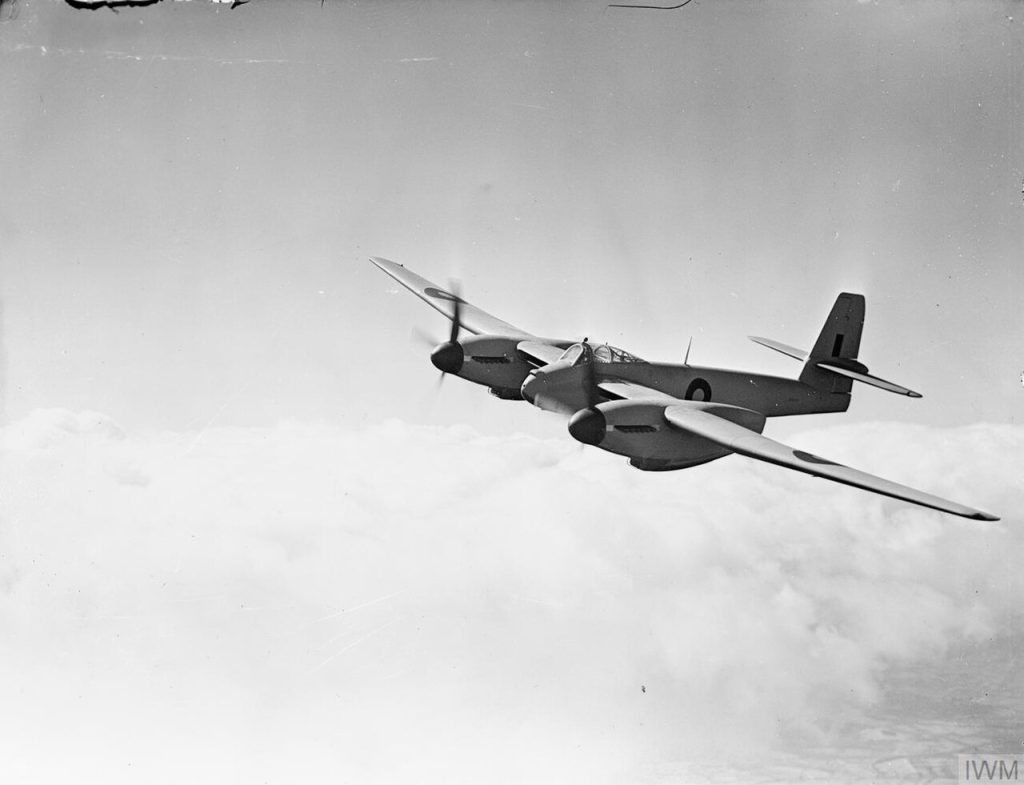

aircraft of the royal air force 1939 1945 westland welkin. emos1405
Aircraft of the Royal Air Force, 1939- 1945: Westland Welkin. Welkin Mark I, DX318, in flight. Two examples of this aircraft served with the Fighter Interception Unit for evaluation. (Image credit: IWM/Wikimedia Commons)
AirCorps Aircraft Depot
Share This Article
Commercial Pilot, CFI, and Museum Entrepreneur, with a subject focus on WWII Aviation. I am dedicated to building flight experience so I can fly WWII Fighters, such as the P-51 Mustang, for museums and airshows, and in the USAF Heritage Flight. I lead and run the Pennington Flight Memorial, to honor local MIA Tuskegee Airman F/O Leland “Sticky” Pennington.
Leave a Comment

Leave a Reply

Your email address will not be published. Required fields are marked *