
A Rare Survivor of Project OXCART
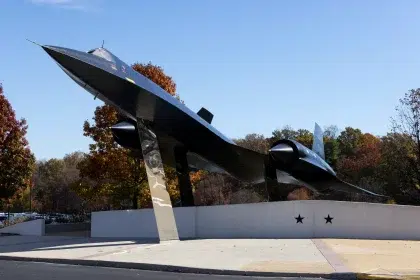
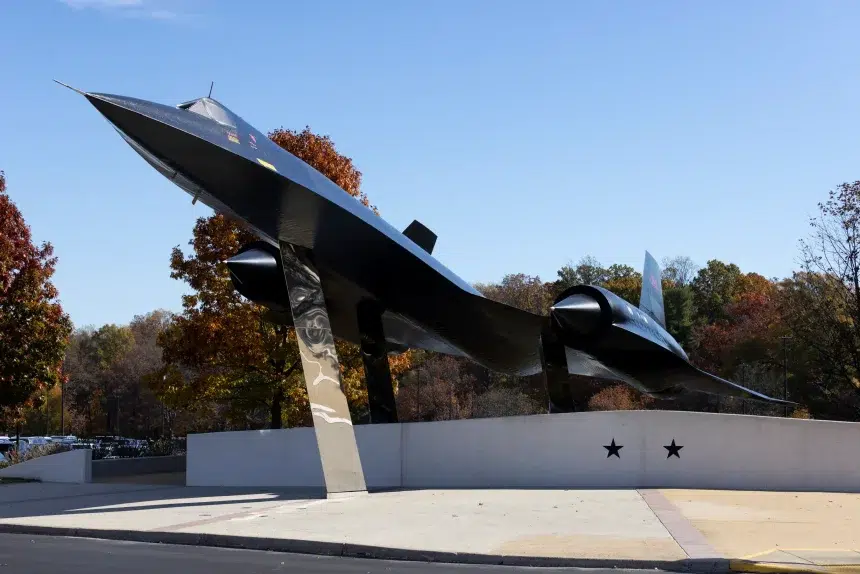
The A-12 emerged from Project OXCART, the CIA’s highly classified effort to develop a reconnaissance aircraft capable of penetrating hostile airspace at extraordinary speeds and altitudes. Developed by Lockheed during the late 1950s and early 1960s, the aircraft incorporated engineering solutions that pushed the limits of available materials, propulsion systems, and aerodynamic design. Only 15 A-12 aircraft were built, making surviving examples particularly significant to the history of military aviation and intelligence gathering. Article 128 was the eighth aircraft produced and is among the surviving examples of the type. The A-12 first flew in 1962 and subsequently entered operational service under the CIA. During Operation BLACK SHIELD, A-12 aircraft conducted reconnaissance missions over Southeast Asia and North Korea, gathering intelligence at speeds and altitudes that made interception extremely difficult. Although the aircraft’s operational career was relatively brief, its technological legacy was substantial. The A-12 program contributed directly to the development of the Lockheed SR-71, which would become one of the most recognizable reconnaissance aircraft of the Cold War. Article 128 arrived at CIA Headquarters in 2007, where it was installed as an outdoor monument honoring the personnel, engineers, pilots, and intelligence professionals associated with the OXCART program.

The Challenges of Preserving a Mach 3 Aircraft
Although the A-12 was engineered to withstand extreme aerodynamic heating and the demanding conditions of high-speed flight, decades of static outdoor exposure presented an entirely different set of preservation challenges. By the time the restoration project began, Article 128 was showing signs of deterioration. Water intrusion had become a concern, while corrosion and deteriorating paint threatened the appearance and condition of the aircraft’s structure and exterior surfaces. The aircraft’s titanium construction, one of the defining innovations of the OXCART program, presented particular considerations for the restoration team. Unlike conventional aluminum aircraft, the A-12 incorporated extensive use of titanium alloys selected for their ability to withstand the high temperatures encountered during sustained Mach 3 flight. Preserving such an aircraft requires an understanding not only of its original construction but also of how its materials, coatings, and joints respond to decades of environmental exposure. Water intrusion was especially problematic. An aircraft designed to operate in flight, where drainage and environmental conditions differ substantially from those encountered on a permanent outdoor display, can develop vulnerabilities when exposed to repeated cycles of rainfall, humidity, and temperature changes. The restoration team therefore needed to address both the visible deterioration and the underlying conditions that could lead to further damage. Rather than treating the project as a straightforward repainting exercise, the CIA approached the restoration as a broader preservation effort intended to protect the aircraft for years to come.
(Image credit: CIA Museum)
Learning From Other Aviation Museums
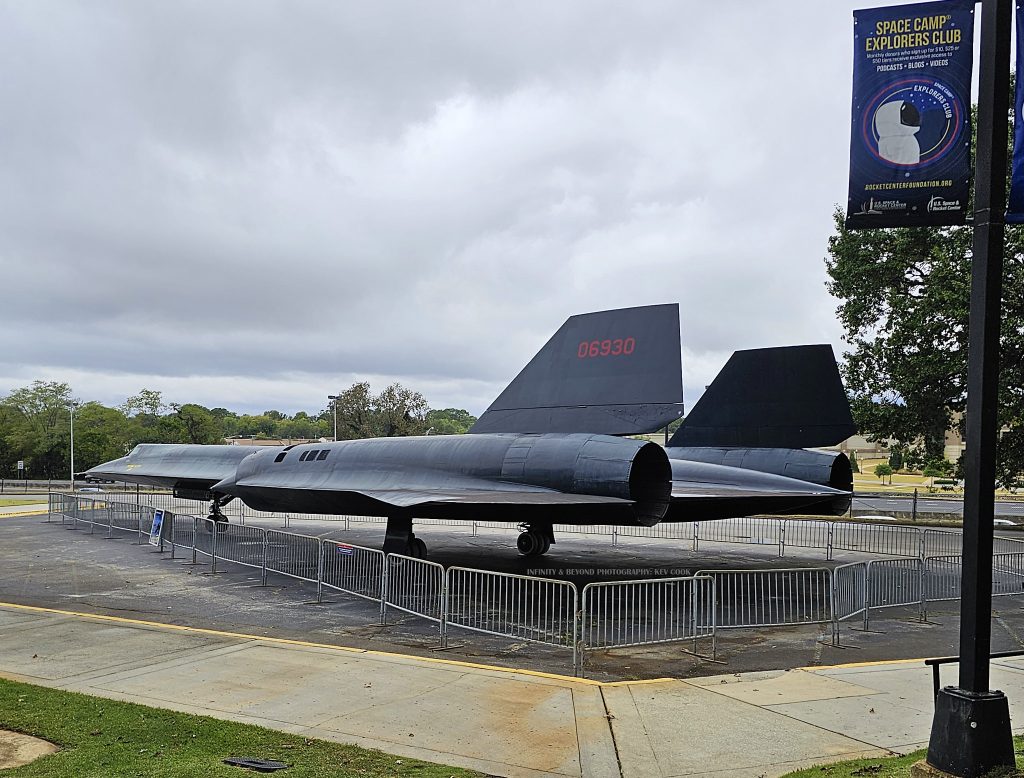
One of the most significant aspects of the restoration was the CIA Museum’s decision to consult organizations that had already confronted similar preservation challenges. In 2018, the agency had undertaken an earlier maintenance project involving cleaning, structural repairs, sealing, and recoating the aircraft. Workers also cleaned the interior, removing biological growth and insect nests that had accumulated inside the airframe. Despite those efforts, the protective finish subsequently deteriorated. Water damage and continued environmental exposure contributed to the problem, but the failure of paint to adhere reliably to the titanium surfaces emerged as a particular concern. CIA Museum personnel documented the deterioration and began consulting the U.S. Air Force, Lockheed Martin, and other aviation museums to identify more durable solutions. The difficulty of achieving proper paint adhesion on the aircraft’s unusual structure even prompted a Lockheed Martin representative to suggest, partly in jest, that the coating needed to cure at Mach 3 and 90,000 feet. During the summer of 2025, CIA personnel visited two institutions displaying surviving A-12 aircraft: the Intrepid Museum and the U.S. Space & Rocket Center. Both museums had experience preserving historic aircraft exposed to outdoor conditions, and their curators shared information about coating materials, restoration methods, practical limitations, and lessons learned. The consultations helped the CIA evaluate preservation techniques that could provide adequate protection while maintaining the aircraft’s historic appearance. Particularly influential was the experience of the Intrepid Museum, whose curators recommended the use of automotive paint. The New York institution had previously selected automotive coatings when restoring the British Airways Concorde in its collection, another aircraft whose preservation presents unusual challenges because of its materials, construction, and exposure to the elements. Based on these discussions, the CIA decided that a modern automotive coating system offered the most practical solution for Article 128. Unlike some traditional finishes, automotive paint is formulated to provide strong adhesion, flexibility, and resistance to environmental deterioration. Its ability to accommodate some movement without cracking, combined with protection against ultraviolet radiation, corrosion, and extreme weather, made it a promising option for the A-12’s titanium exterior.
A Two-Month Restoration Effort
Work on Article 128 officially began in September 2025. The restoration team concentrated on repairing damage caused by water intrusion, removing failed coatings, and preparing the aircraft’s surfaces for refinishing. Sections of bubbling and deteriorating paint were stripped away to provide a suitable foundation for the new coating. The team also inspected the cockpit and other openings for evidence of damage, paying particular attention to areas vulnerable to moisture. The A-12’s construction made these inspections especially important. During its operational career, the aircraft required frequent maintenance, and its structure incorporated seams and gaps that accommodated the expansion of titanium during high-speed flight. Those same design characteristics, essential to the aircraft’s performance at Mach 3, created opportunities for water to enter the structure during prolonged outdoor display. The restoration therefore involved more than improving the aircraft’s appearance. It was also intended to reduce the likelihood of further deterioration and extend the life of the surviving airframe. The project was completed on October 30, 2025, just days before the 60th anniversary of the A-12 being declared operationally ready on November 12, 1965.
Restoring the Red Tail Numbers
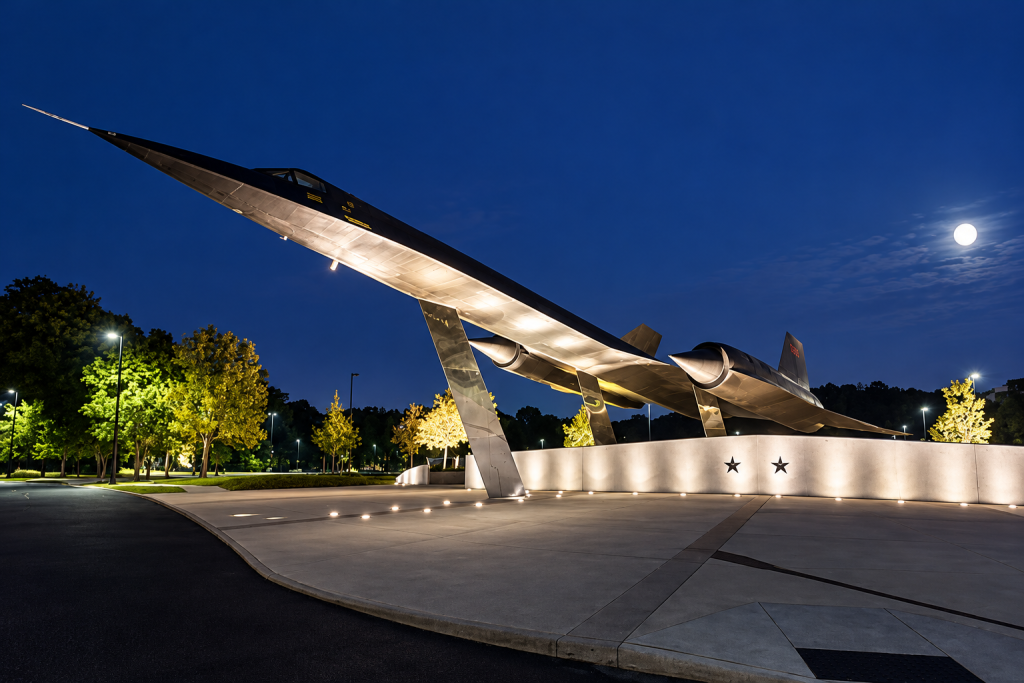
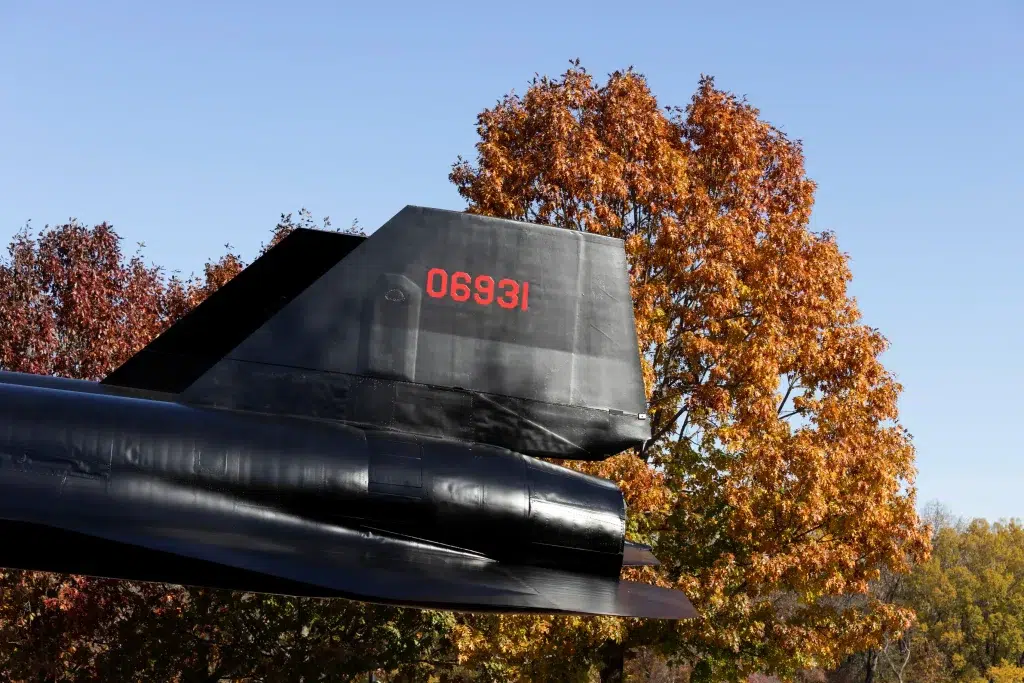
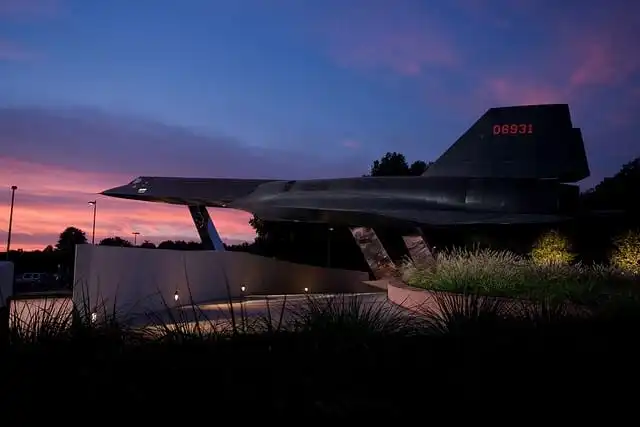
One of the more interesting decisions concerned a seemingly minor detail: the color of Article 128’s tail numbers. When the aircraft arrived at CIA Headquarters in 2007, its tail carried the identification number 06931 in red. During the 2018 restoration, those markings were repainted white in the belief that the lighter color might provide better resistance to fading and greater longevity. However, historical photographs showed A-12 aircraft carrying both red and white tail numbers, raising questions about which appearance would most accurately represent the aircraft’s operational history. To resolve the issue, CIA Museum personnel consulted Thornton D. “TD” Barnes, a former electronics engineer who worked on the A-12 program at Area 51. Barnes explained that red tail numbers had been used during operational service. He also revealed an intriguing aspect of the program’s security procedures: the numbers were changed between flights to create the impression that more A-12 aircraft existed than were actually in service. This practice reflected the extraordinary secrecy surrounding Project OXCART and the elaborate measures taken to conceal the program’s true capabilities and operational strength. Based on Barnes’ recollections, the museum elected to restore the red markings, returning Article 128 to the appearance it carried when first installed at CIA Headquarters. The decision also complemented the aircraft’s display configuration, which presents the A-12 as though it were flying at altitude.
Preserving the Legacy of OXCART
The restored aircraft is more than a monument to advanced aerospace engineering. It also commemorates the people who contributed to the CIA’s pioneering reconnaissance program, including those who lost their lives. When Article 128 arrived at Langley in 2007, it was transported aboard five wide-load trucks. The approximately 39,000-pound airframe was assembled on site and mounted on pylons anchored nearly 40 feet into the ground. The installation honors two CIA A-12 pilots who died in the line of duty: Walt Ray, killed in 1967, and Jack Weeks, who was lost in 1968. The aircraft’s preservation therefore carries significance beyond its technological achievements. It serves as a reminder of the human risks associated with developing and operating some of the most advanced aircraft of the Cold War. The restoration also demonstrates the importance of cooperation among aviation museums, manufacturers, military organizations, and individuals with firsthand knowledge of historic aircraft.

For the CIA Museum, consulting institutions such as the Intrepid Museum and the U.S. Space & Rocket Center provided valuable practical experience that helped shape the final restoration strategy. The involvement of Lockheed Martin and former OXCART personnel added technical and historical perspectives that might otherwise have been difficult to recover. More than six decades after the A-12 first demonstrated its extraordinary capabilities, preserving these aircraft remains a specialized undertaking. Their unconventional materials, unique construction methods, and demanding operational histories create challenges rarely encountered with conventional museum aircraft. With Article 128’s latest restoration complete, the CIA has taken another important step toward protecting one of the surviving examples of the OXCART program and ensuring that its remarkable story continues to be told.
Source: Central Intelligence Agency, “Restoring a Symbol of Cold War Innovation,” published February 6, 2026. Vintage Aviation News acknowledges the CIA Museum for documenting the restoration and the contributions of Lockheed Martin, the U.S. Air Force, the Intrepid Museum, and the U.S. Space & Rocket Center.
Read the original CIA article and view restoration photographs.