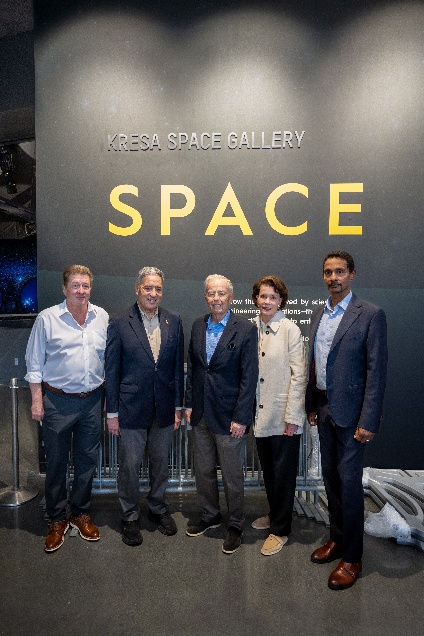
The California Science Center, Los Angeles, CA, has announced a collaboration with NASA’s Jet Propulsion Laboratory (JPL) to bring the science of Earth observation and solar system exploration to visitors at the new Samuel Oschin Air and Space Center, which opens to the public on November 13, 2026. The collaboration will feature artifacts, interactive exhibits and stories from Caltech and JPL experts, giving visitors a closer look at the science and technology behind robotic space exploration. The experience will be featured in the Kent Kresa Space Gallery, one of three major galleries in the new expansion. It will explore how NASA’s robotic missions have expanded scientific understanding of Earth, the Moon and the wider solar system, while showing how technologies developed for space exploration at Caltech and JPL contribute to scientific discovery. The gallery will also examine the machines used to explore the universe, from powerful telescopes that observe distant stars and galaxies to robots designed to travel across planets and to the far reaches of the solar system.
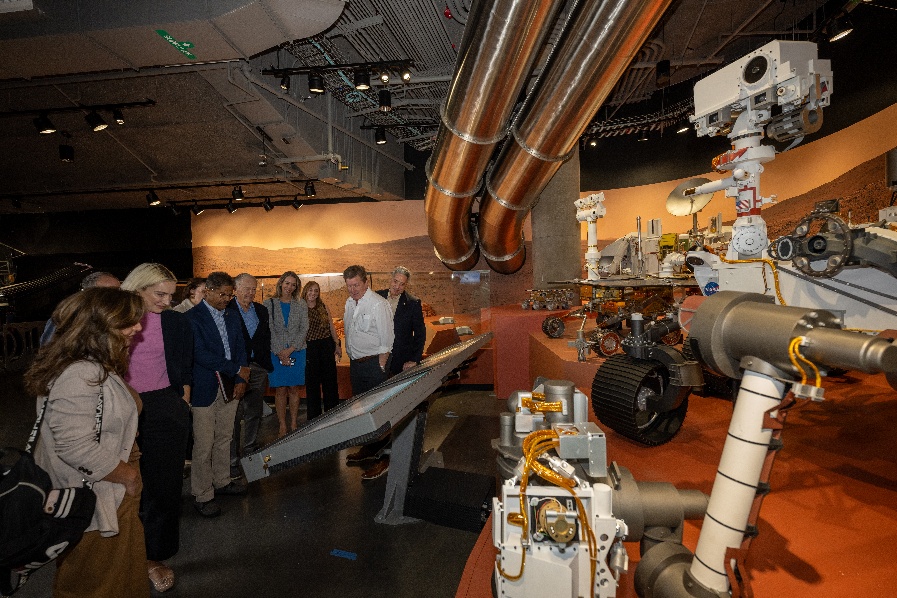
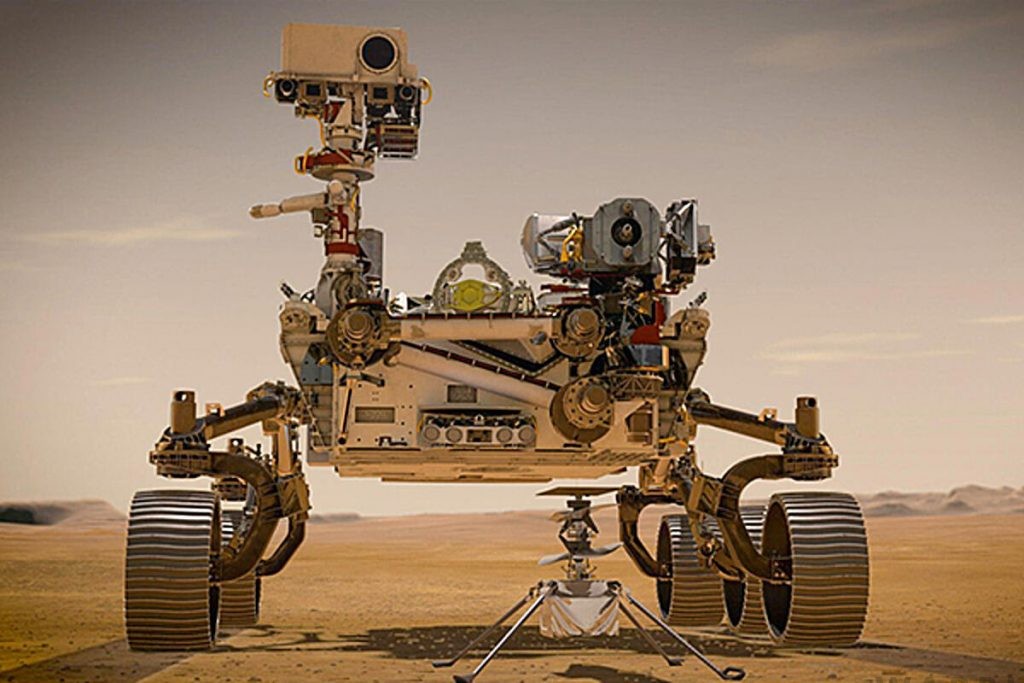
The exhibit includes a restored Ranger lunar probe and a collection of full-scale models and replicas representing six decades of JPL robotic exploration. These include the Mariner IV spacecraft, the Viking lander, the Sojourner Mars rover, the Mars Exploration Rover, the Mars 2020 Perseverance rover and the Ingenuity Mars Helicopter. Full-scale models of the Explorer 1 satellite and the Cassini-Huygens space probe will hang in the gallery, while the snake-like EELS (Exobiology Extant Life Surveyor) robot will offer a look at potential future approaches to robotic exploration. Visitors will also be able to take part in hands-on activities designed to explain how space missions work. Interactive exhibits will let guests program the path of a miniature rover on Mars, build a robotic spacecraft for a planetary mission and explore the variety of objects in the solar system and the probes sent to study them. Other activities will introduce visitors to exoplanets and how scientists discover them, demonstrate how spacecraft use gravity assists to alter their trajectories, and provide access to interviews with JPL experts through interactive touchscreens.
The partnership builds on four decades of collaboration between the California Science Center and JPL, which is managed by Caltech in Pasadena and is celebrating its 90th anniversary in 2026. “We are very grateful for our longstanding relationship with our neighbors and colleagues at Caltech and JPL,” said Jeffrey Rudolph, president and CEO of the California Science Center. “At the Science Center, our mission is to stimulate curiosity and inspire science learning in everyone. The discoveries and advances made by Caltech JPL do just that – expanding our knowledge of the universe and evoking a sense of wonder. The artifacts, hands-on exploration, and accounts from Caltech faculty and JPL staff will allow our guests to learn about current research and the future of space exploration, inspiring future generations of scientists, engineers, and explorers to reach for the stars.” Ray Jayawardhana, president of Caltech and professor of astronomy, said the partnership would give visitors of all ages an opportunity to learn about the discoveries made through decades of space exploration. “For 90 years, Caltech and JPL have turned that imagination into voyages of discovery, revealing new worlds we once knew only as distant points of light, and transforming our understanding of the universe and our place within it,” Jayawardhana said. “We are delighted to partner with the California Science Center to invite visitors of all ages into that cosmic quest, sharing the ingenuity that makes these daring feats of exploration possible and sparking the curiosity that may one day inspire humanity’s next giant leap.” Dave Gallagher, director of JPL and vice president of Caltech, also welcomed the collaboration, noting that the expansion presents the laboratory’s history, ongoing missions and future innovations to a wider audience.
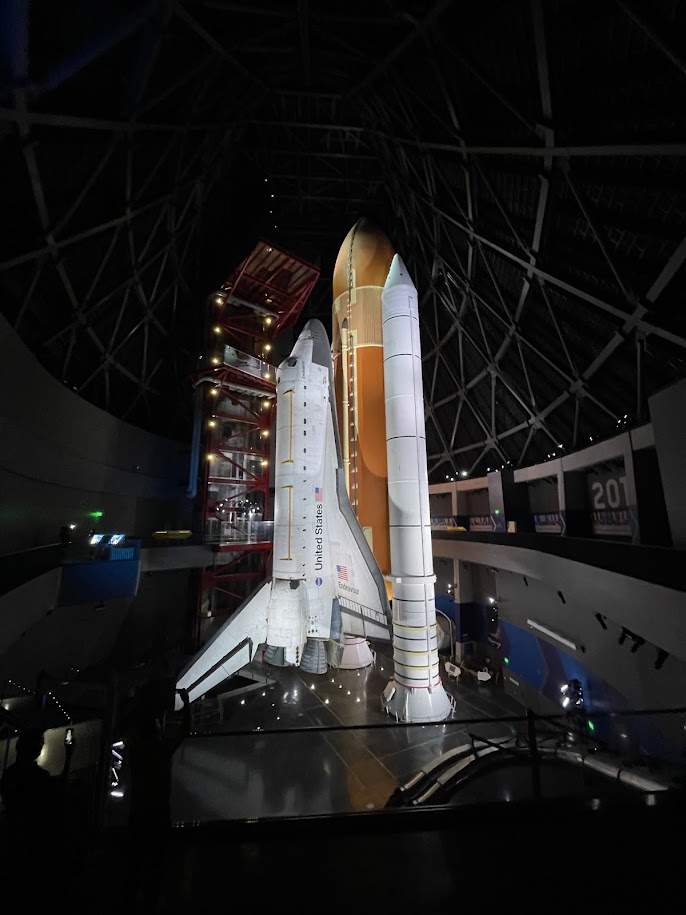
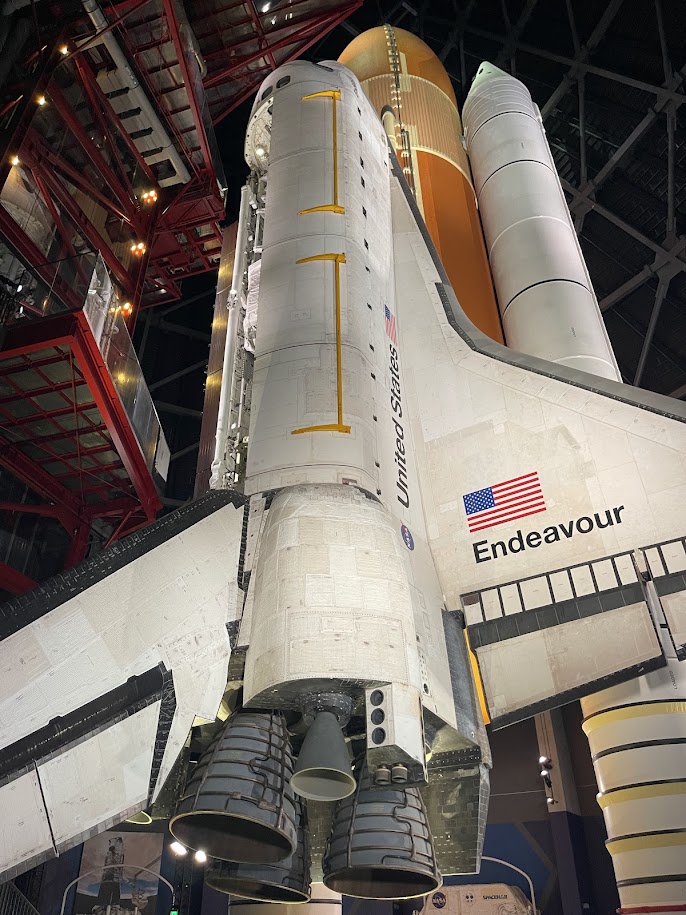
The Samuel Oschin Air and Space Center is a 200,000-square-foot expansion that nearly doubles the California Science Center’s exhibition space. It will feature 100 artifacts, including rare and historic aerospace objects, alongside 100 hands-on exhibits focused on science, technology and engineering. The expansion comprises three multilevel galleries: the Samuel Oschin Shuttle Gallery, the Korean Air Aviation Gallery and the Kent Kresa Space Gallery. At the heart of the new center, Space Shuttle Endeavour will be displayed vertically in a launch configuration with authentic solid rocket boosters and the last remaining flight-qualified external tank, ET-94. The display will provide visitors with an opportunity to see a complete space shuttle system assembled with authentic flight hardware.
The opening of the Samuel Oschin Air and Space Center on Friday, November 13, will mark the third and final phase of the California Science Center’s three-decade master plan to develop one of the world’s leading science learning centers. Advance reservations are available through the California Science Center’s website or by calling 213-744-2019. Visitors can make up to 19 individual reservations per entry time, while groups of 20 or more must make a group reservation by phone. General admission to the California Science Center remains free, but reservations for the Samuel Oschin Air and Space Center, including the Space Shuttle Endeavour display, are strongly encouraged due to anticipated demand. Entry may be limited for visitors without advance reservations. A $4 reservation service fee applies per person, although the fee is waived for California Science Center members. For more information and to support the California Science Center, click on this link: californiasciencecenter.org.