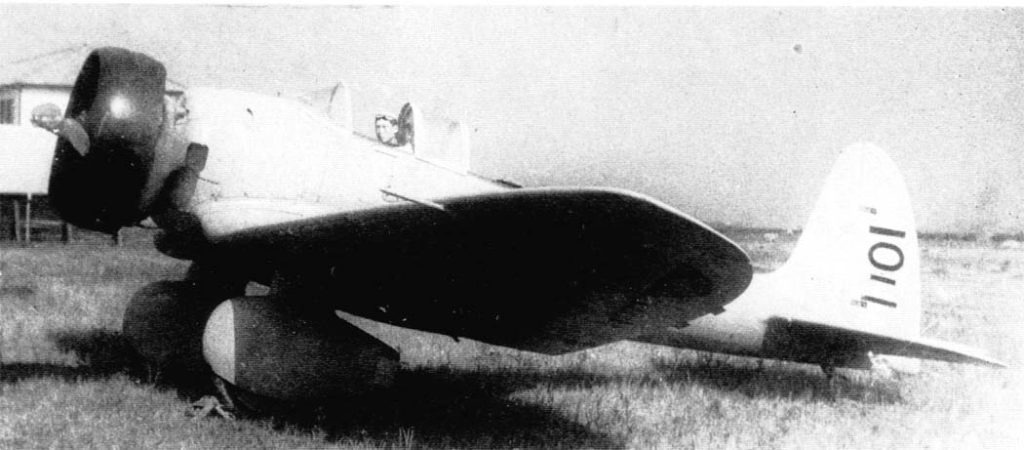




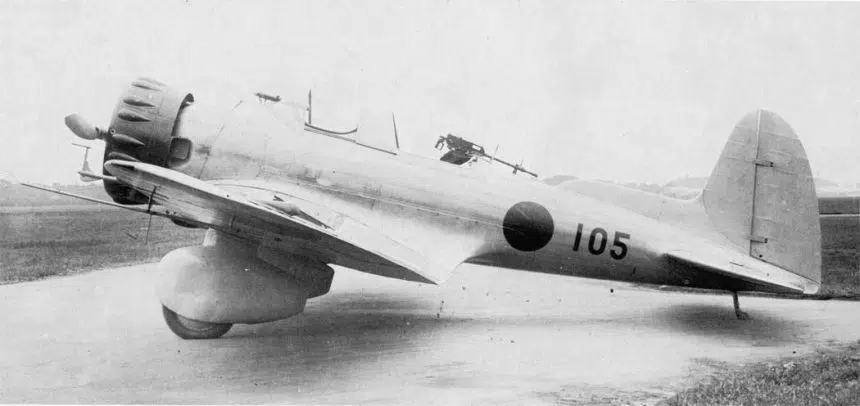


In the 1930s, the Imperial Japanese Army Air Force became interested in developing a two-seat monoplane fighter. In response, Nakajima Aircraft Company developed the Nakajima Ki-8. The Ki-8, also known as the Nakajima DF, began development in 1933. It was an all-metal, two-seat plane with low inverted gull wings and fixed landing gear with spats. The plane was powered by a single Nakajima Kotobuki Ha-1-3 radial engine producing 550 hp. The planned armament includes two 7.7 mm machine guns firing from between the engine cylinders and a third 7.7 mm machine gun mounted flexibly at the rear cockpit.
Design of Nakajima Ki-8
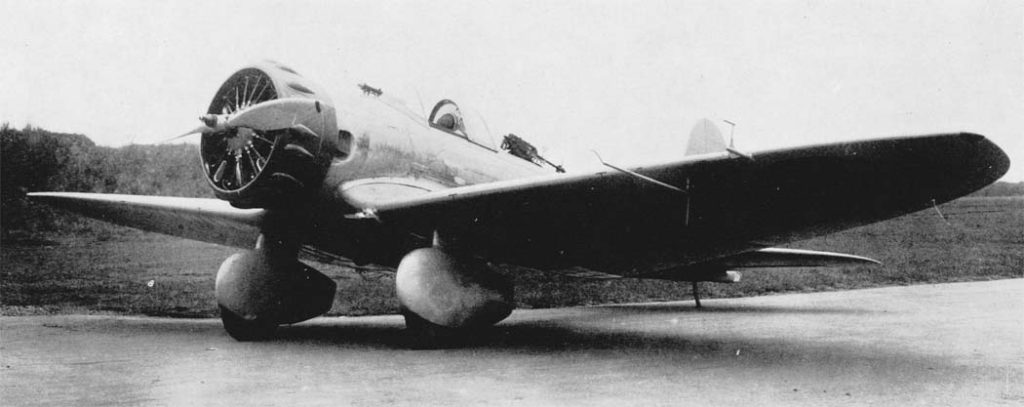
The two-seat Nakajima Ki-8 was 26.9 feet long, 11.8 feet high, with a wingspan of 42.3 feet, and a wing area of 306 square feet. The empty weight was 3,362 pounds, and the gross weight was 4,654 pounds. The maximum speed of the Nakajima Ki-8 was envisioned at 204 mph, with a range of 621 miles and a service ceiling of 28,740 feet. During early testing, test pilots disliked the aircraft and raised concerns about its aerodynamic stability.
The Cancellation

The first Nakajima Ki-8 prototypes had many manufacturing defects and malfunctions. Although improvements addressed design and stability issues, the aircraft performed no better than the existing Nakajima Type 91 fighter. Because the Japanese Army Air Force did not need two-seat fighters, the service canceled the Nakajima Ki-8 project in 1934, after producing five prototypes and before starting full production. Read more Grounded Dreams articles HERE.