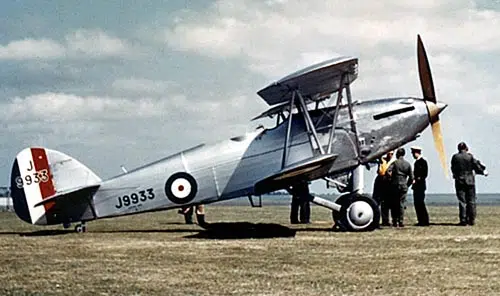

British aviation history is incomplete without the manufacturer that provided the world with the famous Hawker Hurricane. The company was Hawker Aircraft Limited. Hawker was established in the years after WWI, when the Sopwith Aviation Company went bankrupt. Harry Hawker, a Sopwith test pilot, and three others, including Thomas Sopwith, bought Sopwith’s assets and formed H. G. Hawker Engineering in 1920. Hawker’s first design was the unbuilt Hawker Humpback, created in December 1920. It was followed by the Hawker Duiker, the first prototype, which flew in July 1923. During the years between the two World Wars, Hawker made a successful range of bombers and fighters for the Royal Air Force, led by Sydney Camm and his team. Some famous models included the Hawker Hind and the Hawker Hart. The Hart became the most produced airplane in the UK before WWII. In 1933, the company changed its name to Hawker Aircraft Limited. It used its strong financial position during the Great Depression to buy the Gloster Aircraft Company in 1934. The following year, it merged with Armstrong Siddeley, the engine and automotive company, and its subsidiary, Armstrong Whitworth Aircraft. The merger created Hawker Siddeley Aircraft, which also included A. V. Roe and Company (Avro).
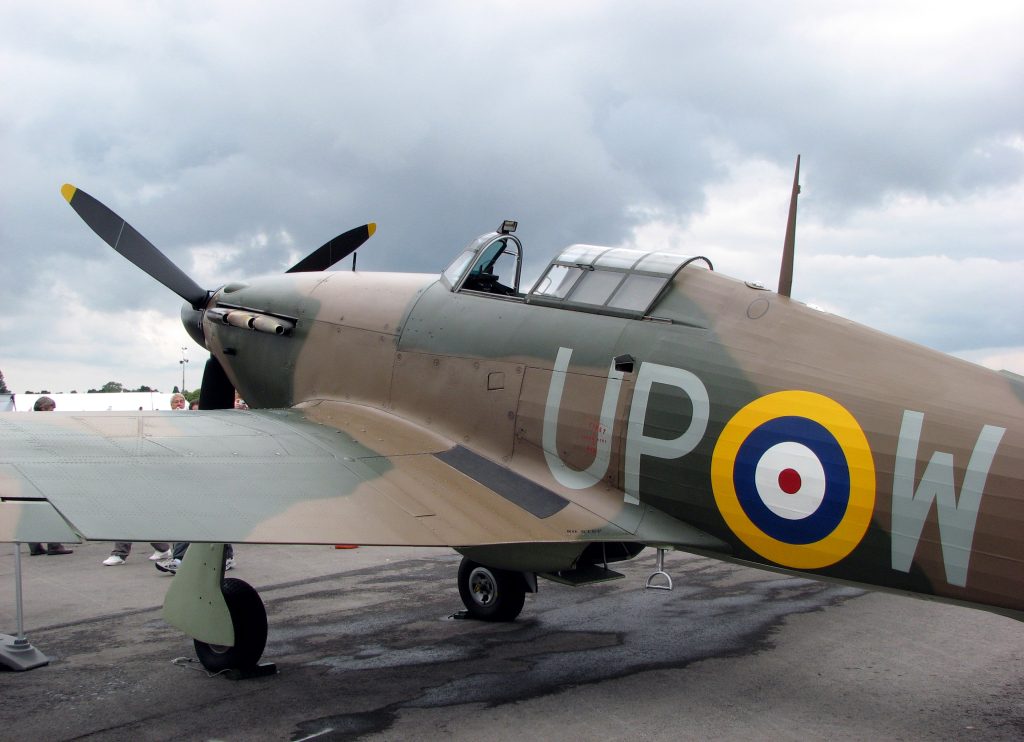
Hawker Siddeley was one of the important UK aviation manufacturers during WWII. The company developed many aircraft, including the famous fighter Hawker Hurricane. The Hurricane, along with the Supermarine Spitfire, played an important role in the triumph of the Battle of Britain. During this battle, Hawker Hurricanes made up most of the British fighters and were responsible for shooting down 55 percent of all enemy planes that were destroyed. The company produced designs under the “Hawker” name as part of Hawker Siddeley Aircraft, which became a division of Hawker Siddeley Group in 1955. In 1963, the company stopped using the “Hawker” brand name, along with those of its sister companies. The last aircraft to carry the “Hawker” name was the Hawker P.1127. The legacy of Hawker continued through the American company Raytheon, which made business jets, including some based on the 125 design from the de Havilland era, under the “Hawker” name after buying British Aerospace’s product line in 1993. Hawker Beechcraft used the name after investors bought Raytheon’s business jet division, which included Hawker and Beechcraft, and merged them.
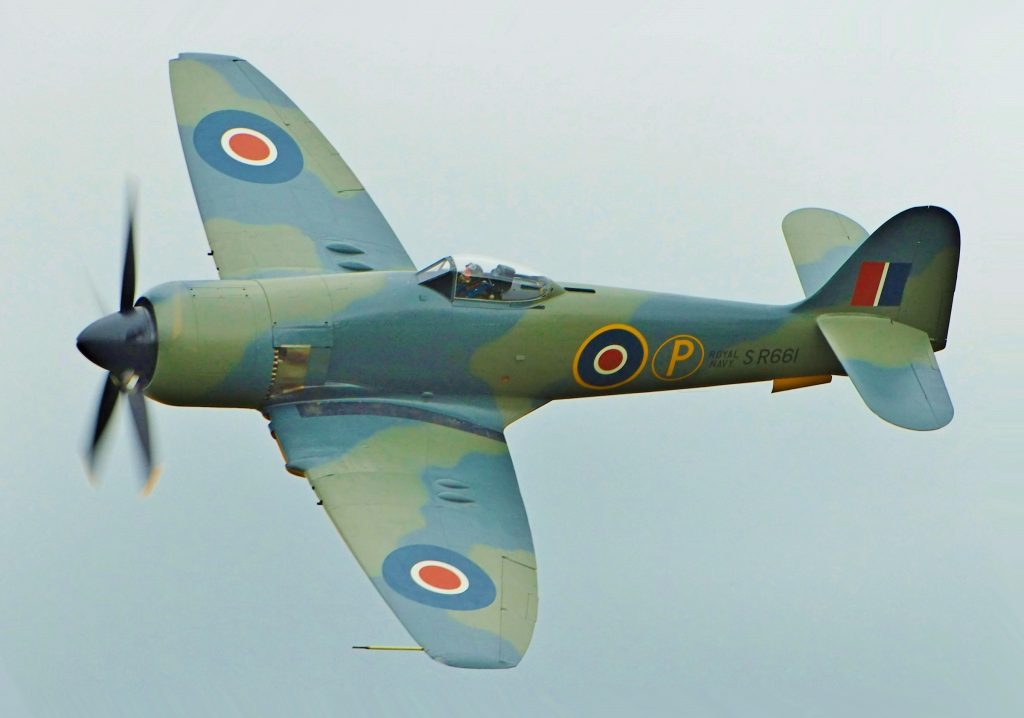
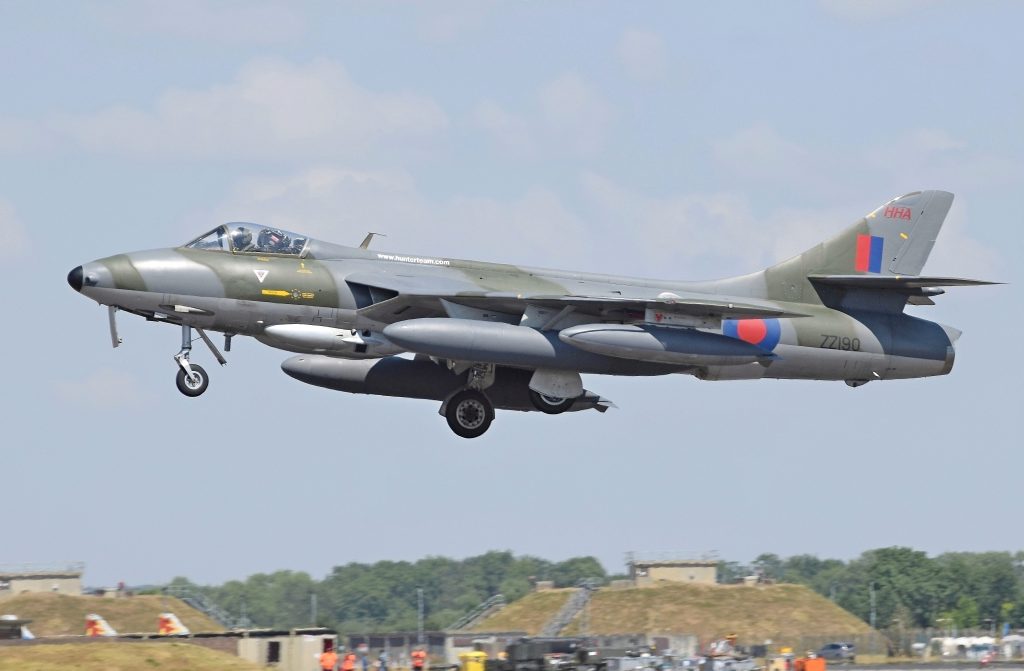
The Hawker aircraft lineup began with the Hawker Duiker in 1923, the company’s first original design, followed by the Woodcock and Cygnet in 1923–24 and the Hedgehog, Horsley, Heron, Hornbill, and Danecock in 1924–25. The late 1920s brought aircraft such as the Harrier, Hawfinch, Hart, F.20/27, Hoopoe, Tomtit, Hornet, and Osprey, followed by the Nimrod and Fury in the early 1930s. Hawker then developed several derivatives of the Hart, including the Audax, Demon, Hardy, Hind, and Hartbeest, alongside prototypes such as the P.V.3 and P.V.4. Its most famous wartime aircraft followed with the Hurricane in 1935, Sea Hurricane, Hector, Henley, Hotspur, Tornado, Typhoon, Tempest, F.2/43 Fury, and Sea Fury. After WWII, Hawker moved into jet and experimental aircraft, producing the P.1040, Sea Hawk, P.1052, P.1072, P.1078, P.1081, Hunter, and finally the P.1127 experimental V/STOL aircraft in 1960.