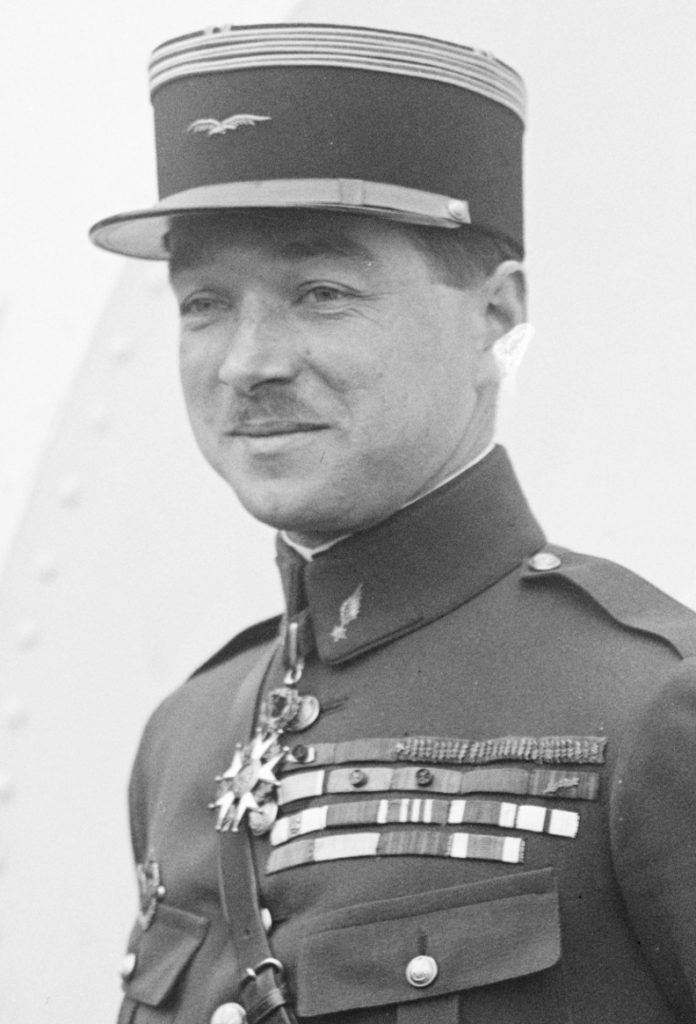


Becoming a fighter ace, which means shooting down at least five enemy aircraft, is extremely difficult and only a small number of pilots ever reach that status. It demands sharp flying skills, constant awareness, superior vision, and high-stress decision-making. But French pilot René Fonck went far beyond that standard. By the end of World War I, he had shot down 75 enemy aircraft, fifteen times the number needed to be called an ace, making him France’s most successful ace and the highest-scoring airman on the Allied side of the conflict.
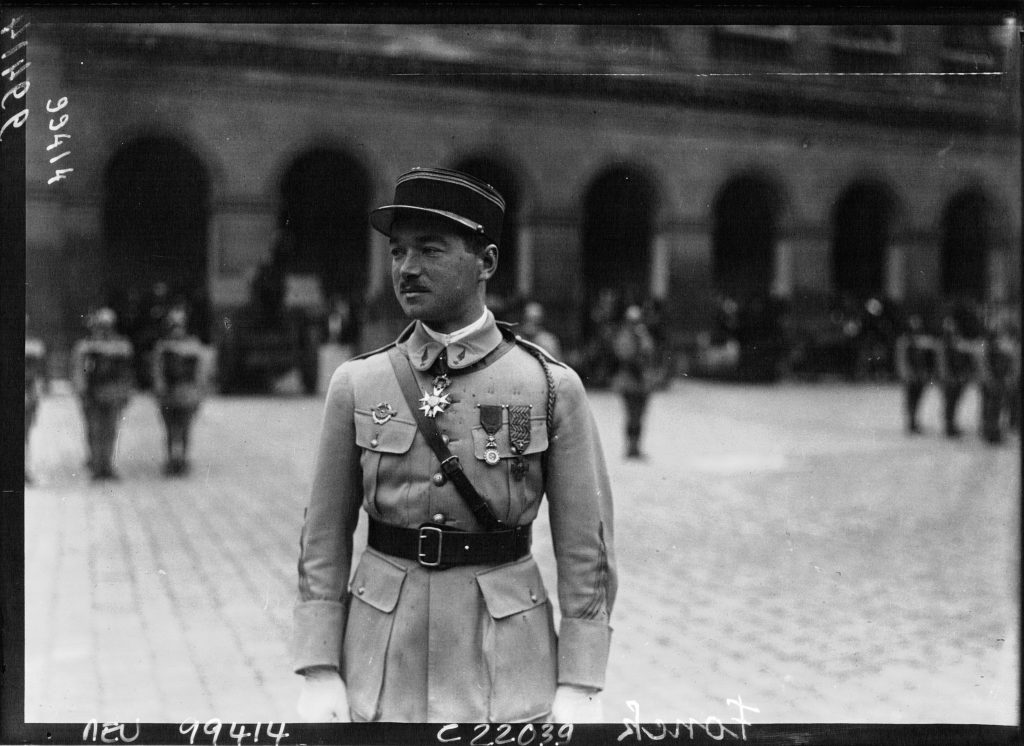
Fonck was born on March 27, 1894, in the small village of Saulcy-sur-Meurthe in eastern France. He left school early, at just 13, and when war broke out in 1914, he joined the French Army like thousands of other young men, hoping to fly, but instead was assigned to the engineers, digging trenches and repairing bridges. However, Fonck was patient and persistent, qualities that would later define his fighting style in the air. In February 1915, Fonck finally got his chance to train as a pilot and began flying reconnaissance missions in slow, lightly armed planes. He used to spot enemy positions and artillery fire, work that required long hours, sharp eyes, and steady nerves. In May 1916, his observer was killed by anti-aircraft fire, and only weeks later, Fonck himself narrowly escaped death.
From the First Victory to Becoming a Flying Ace
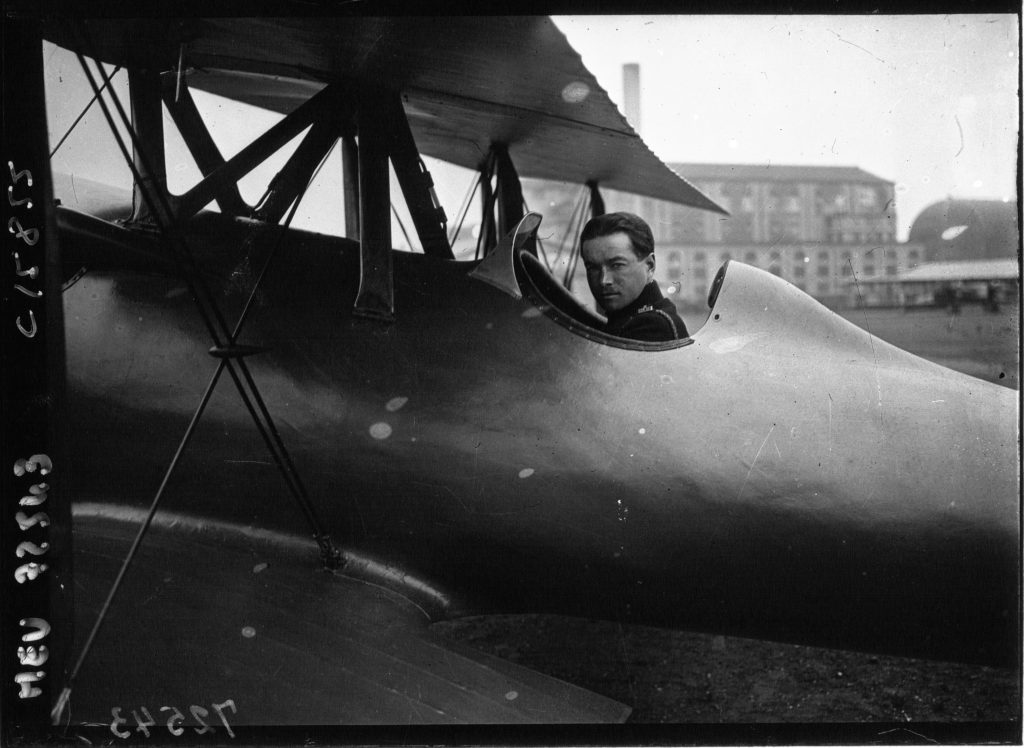
Fonck’s first confirmed victory came on August 6, 1916, when he forced a German reconnaissance aircraft to land behind French lines, earning him the Military Medal. By early 1917, he had logged more than 500 flight hours, which was a big number at the time. In March 1917, he shot down a German Albatros fighter, after which he was invited to join the world’s first fighter wing, Escadrille des Cigognes (the Storks Squadron), France’s elite fighter group. France’s top pilot, Georges Guynemer, was also a part of this group at the time.
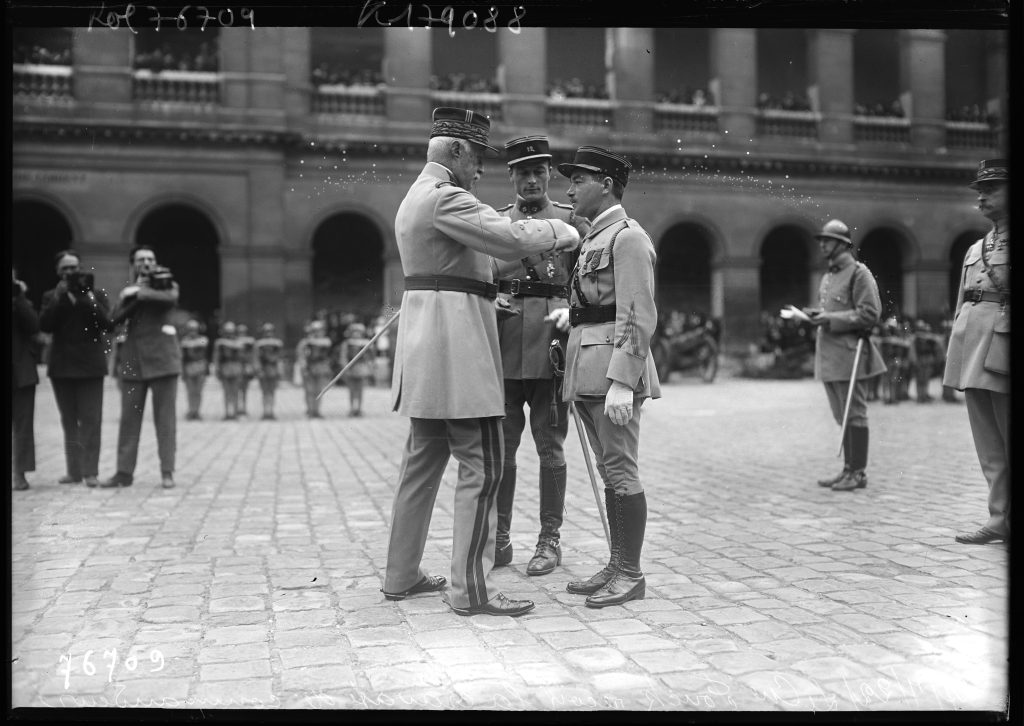
After joining Spa 103, one of the famous Storks squadrons, Fonck flew the SPAD VII and quickly proved himself, becoming a flying ace by May 13 after scoring five confirmed victories, with his tally continuing to rise through 1917. He stood out for his calm, methodical approach to combat, relying on careful planning, a strong understanding of aircraft performance, and precise shooting rather than risky dogfights. Rather than engaging in long dogfights, he developed his own quick way to take down an enemy aircraft. He typically attacked from above and often needed only a few bullets to shoot down a plane. He used to say, “I put my bullets into the target as if I placed them there by hand.” He later flew the SPAD XII, armed with a powerful 37mm cannon firing through the propeller, and is believed to have destroyed around 11 enemy aircraft with it, before moving on to the SPAD S.XIII, which carried two machine guns and became his main aircraft later in the war.
René Fonck’s Journey Towards Top Ace
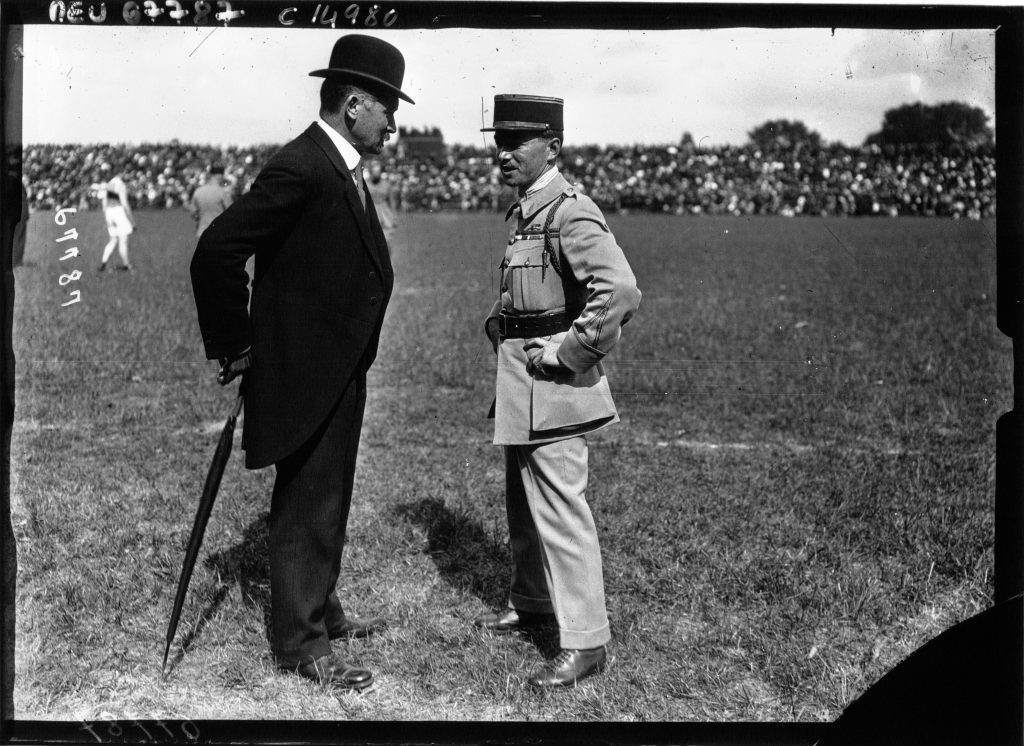
In 1918, René Fonck became what could be called the top ace of aces. He opened the year with two victories on January 19, then added five more in February, seven in March, and three in April. His most effective day came on May 9, when, after taking off late because of fog, he shot down three German reconnaissance aircraft in just five minutes between 4:00 p.m. and 4:05 p.m., then destroyed three more aircraft a few hours later, bringing his total for the day to six victories in only three hours. Fonck continued relentlessly, adding two more victories on May 19 and five in June, and by July 18, he had reached 53 victories, tying the record held by Guynemer, who had been killed the year before. The very next day, Fonck shot down three more aircraft, pushing past Guynemer’s total. He added four more victories in August to reach 60, then repeated his earlier feat on September 26 by destroying six enemy aircraft in a single day, including three Fokker D.VII fighters.
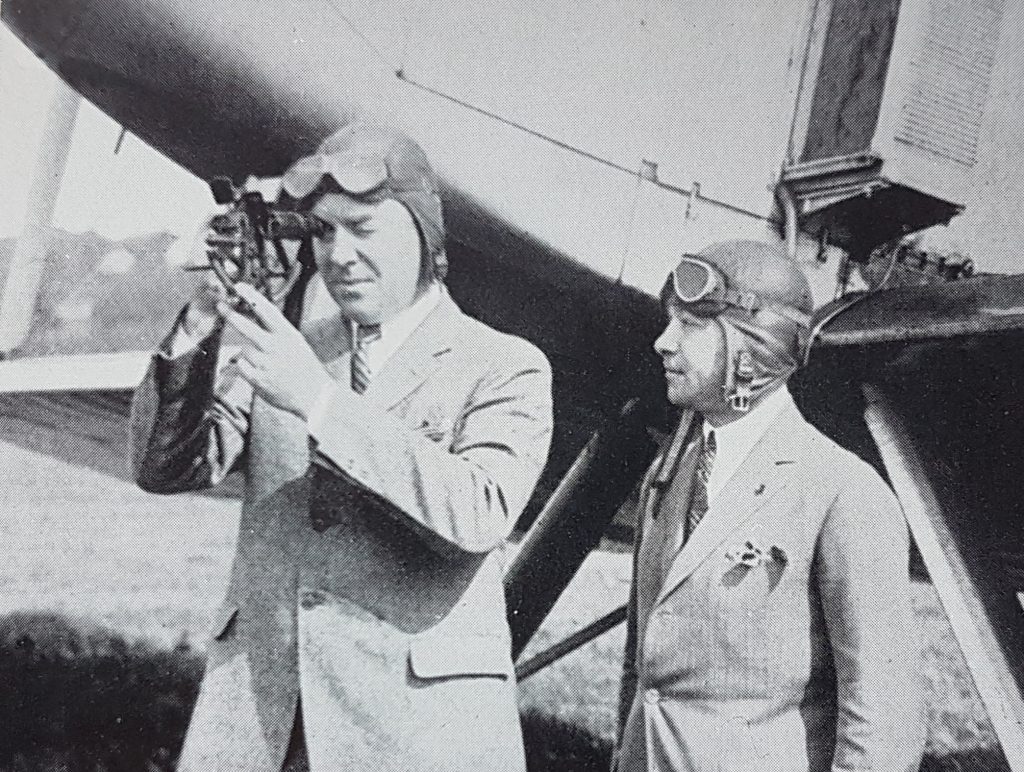
By October 30, Fonck had reached 72 victories, matching the leading Allied ace, William Avery Bishop, before shooting down two more aircraft the following day and one after that, ending the war with 75 confirmed victories. 56 of those victories came in 1918 alone, a number that by itself would have made him France’s top ace. Throughout all of this, Fonck was never wounded, with only a single enemy bullet ever striking his aircraft, and he avoided some of the most dangerous targets of the war, such as heavily defended observation balloons. Due to his extraordinary performance, he was chosen to carry the flag of the French Air Force during the victory parade, a clear sign of the esteem he held within the service.
Life after World War I
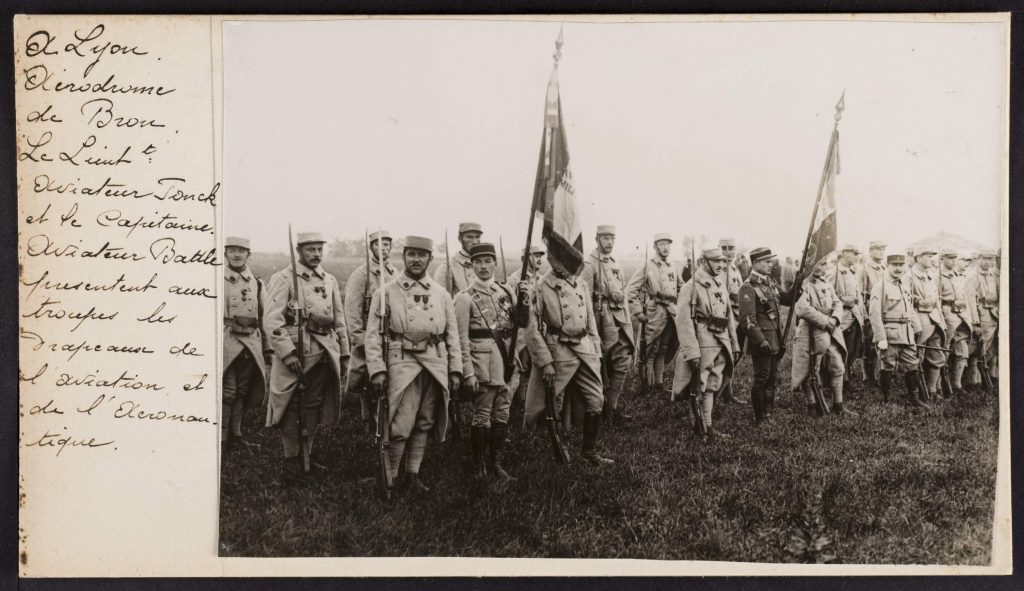
After World War I, René Fonck stepped back into civilian life, publishing his memoir Mes Combats in 1920 and using his wartime fame to win election as a Member of Parliament for the Vosges region, a post he held from 1919 to 1924. In the 1920s, he chased another ambition by attempting to win the Orteig Prize for the first nonstop flight across the Atlantic, commissioning Igor Sikorsky to build the Sikorsky S-35. But the effort ended tragically when the aircraft crashed during takeoff on September 21, 1926, killing two of his three crew members, with Charles Lindbergh claiming the prize months later.
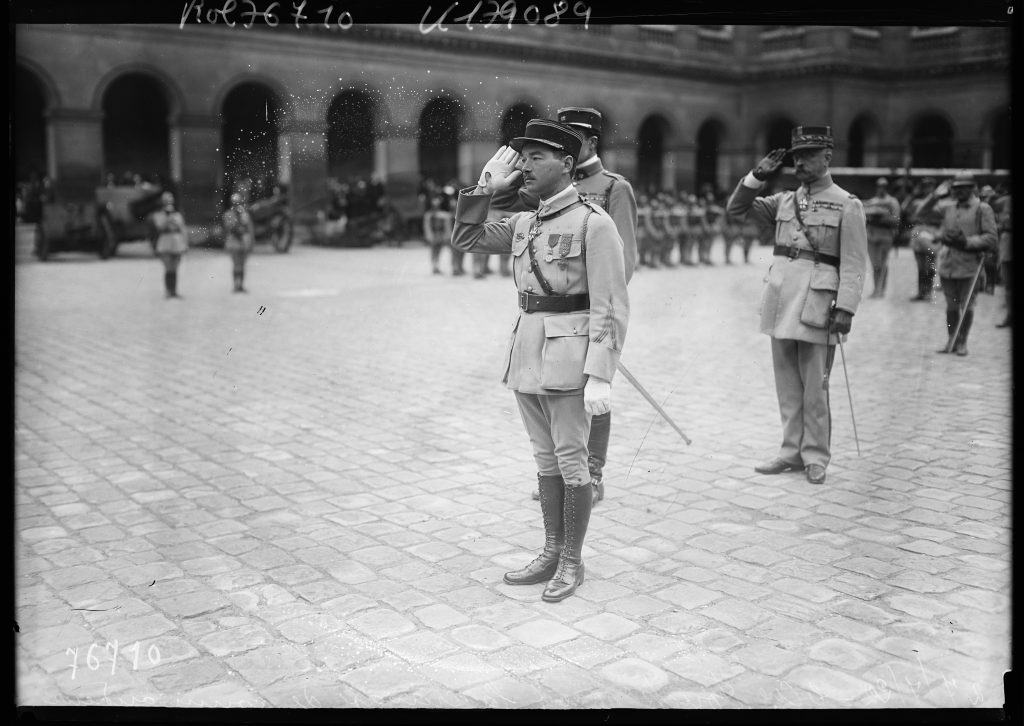
During World War II, Fonck returned to the military as Inspector of French fighter forces. But his reputation came under suspicion after meetings with German figures, which led to his imprisonment. However, after the war, a French investigation fully cleared him, and in 1948, he was awarded the Certificate of Resistance for his actions. Fonck died at the age of 59 in 1953. In the Aces series, his story stands not only for a record number of kills, but also for his mindset of winning at any cost, which is clear from his quote, “I prefer to fly alone… when alone, I perform those little coups of audacity which amuse me…”