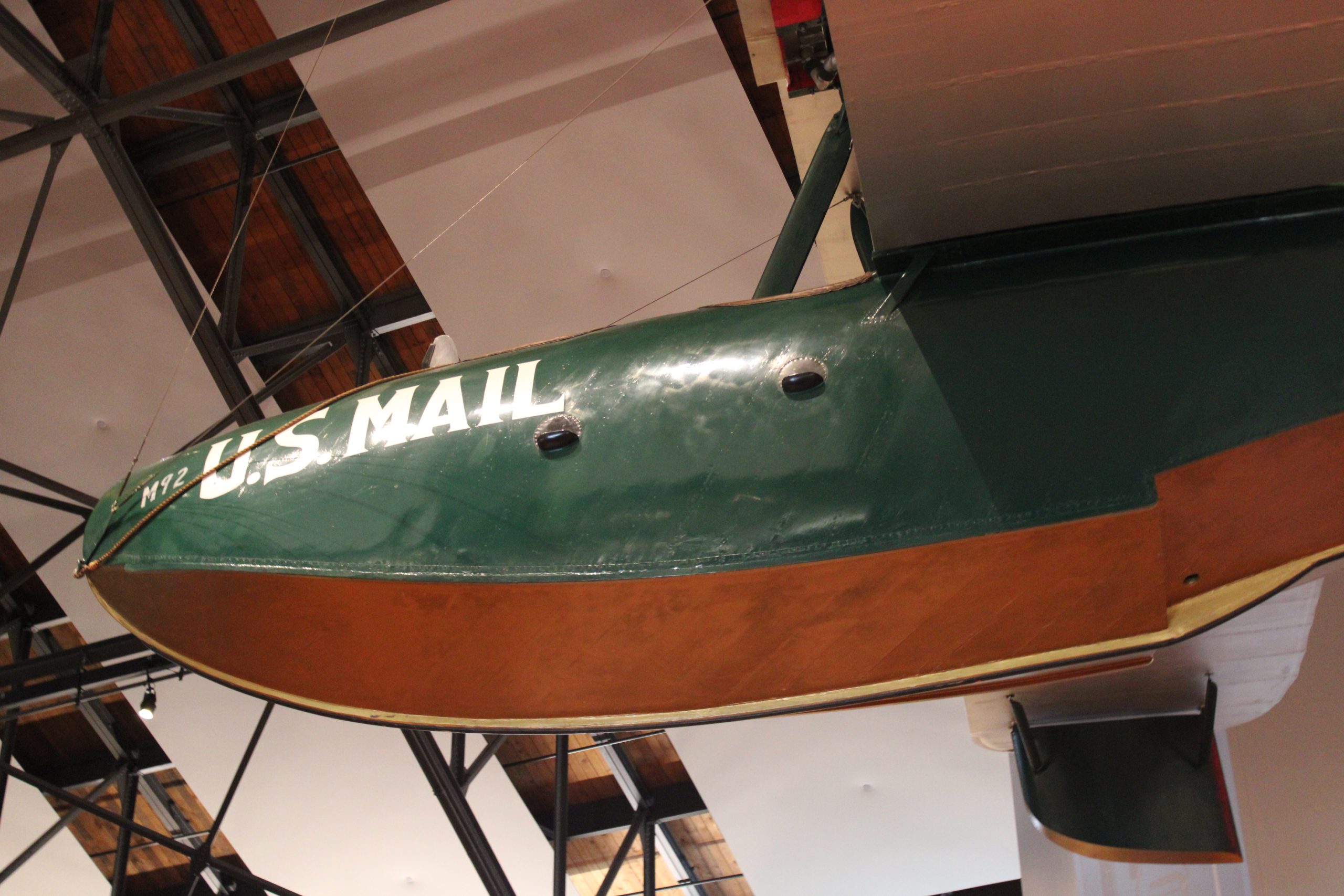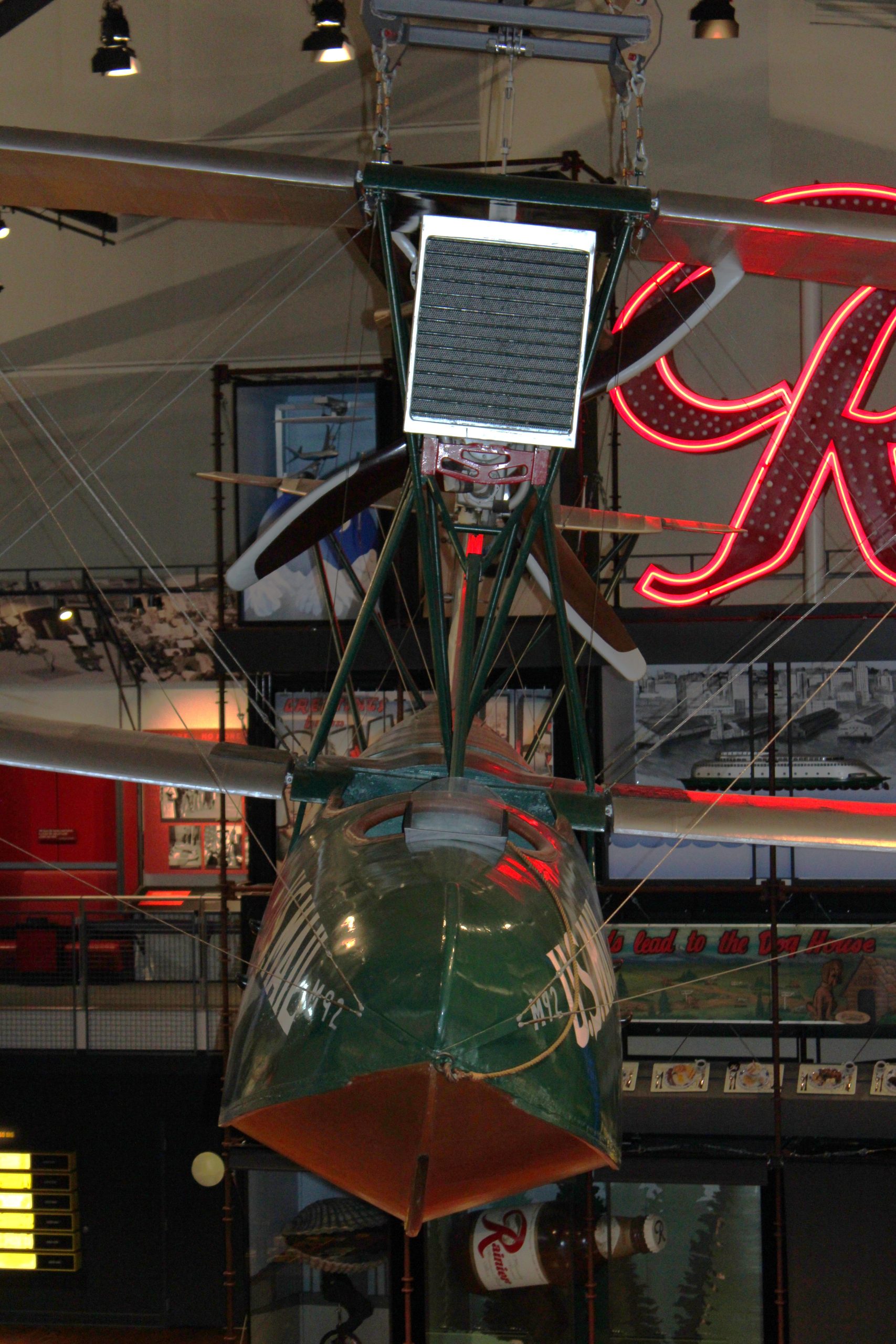
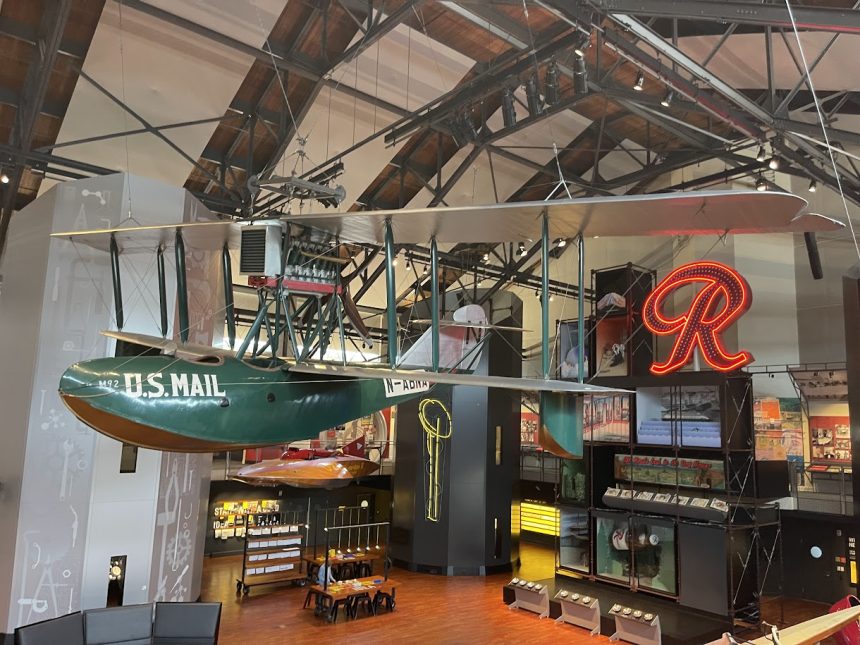

Throughout the history of aviation, Boeing has been, and continues to be, one of the largest aerospace companies in the world. In war and in peace, its planes have crossed the world, and the company itself has been at the forefront of numerous advancements in aviation history. Boeing has also left an indelible mark on its birthplace of Seattle, Washington, from the factories and maintenance facilities at Boeing Field and Paine Field to the people who come from all over the world to work at Boeing. Yet inside the Museum of History and Industry on the waterfront of Lake Union is the oldest remaining airplane built by the company, the Boeing B-1 flying boat. It was not the first aircraft built by the company, but the story of this green and silver biplane provides an illustration of where Boeing’s destiny in international commerce would lie.
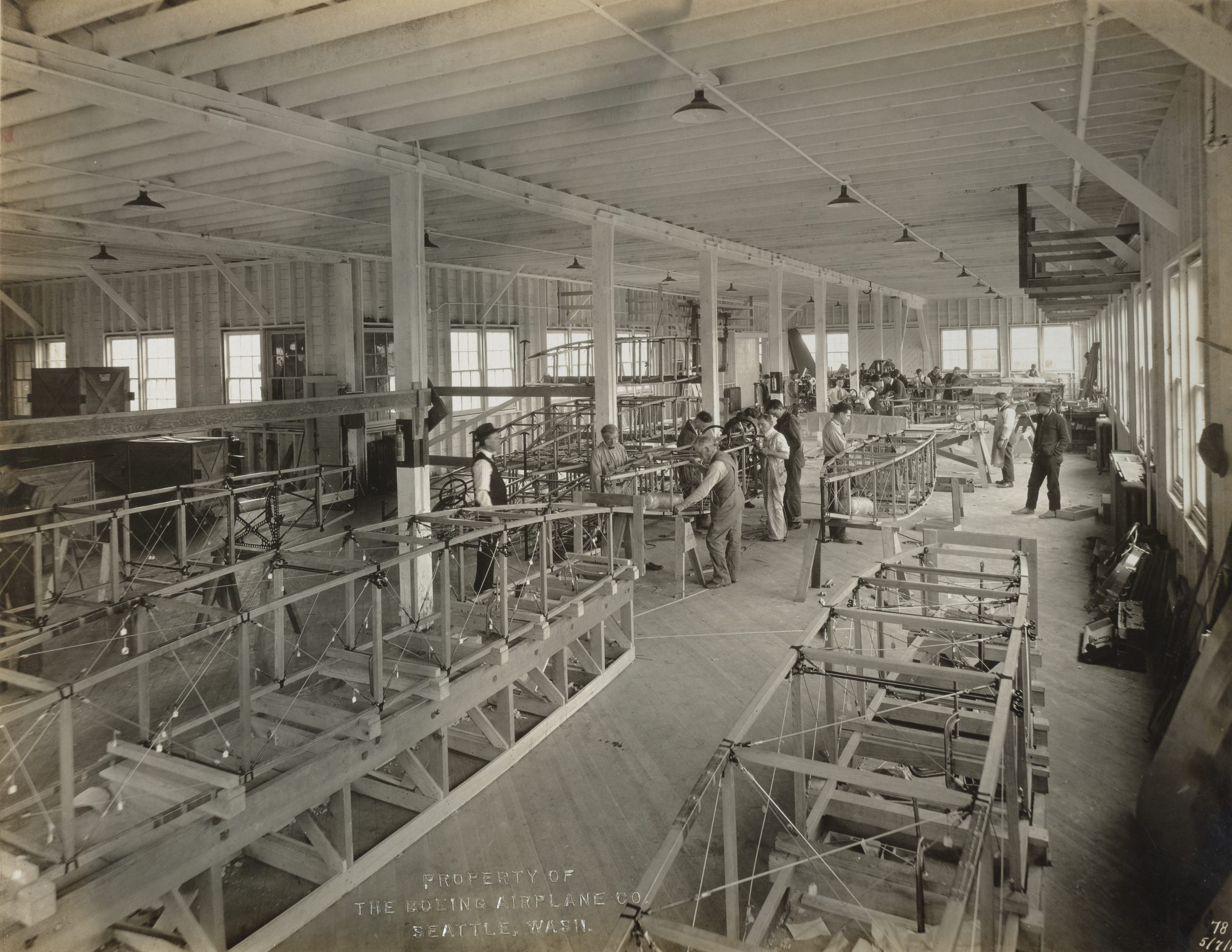
To trace the history of the Boeing B-1, one must first look to the activities of the Boeing Airplane Company during the First World War. Founded as the Pacific Aero Products Company in 1916, cofounder William Boeing changed the company’s name to the Boeing Airplane Company in 1917, the same year that the United States of America entered the First World War. The call to arms provided an opportunity for the fledgling American aviation industry to mobilize new workers and construct more aircraft than they had ever done before. Although the United States never produced an indigenous fighter or bomber design that saw service above the Western Front alongside British and French types, numerous trainers and flying boats were widely constructed for and used by the US military. Boeing, in particular, would build 56 examples of the Model 2 (alternatively known as the Model C) biplane that was designed by Chinese national Wong Tsu and flown by the US Navy as a floatplane trainer. In addition to the Model 2, Boeing also secured a production license from the Curtiss Airplane and Motor Company to construct 25 Curtiss HS-2L flying boats for the Navy. With the sudden news of the Armistice made on November 11, 1918, aircraft companies like Boeing lost much of their production contracts with the War and Navy Departments, and now turned their attention to the civilian market, especially with regard to establishing air mail routes.
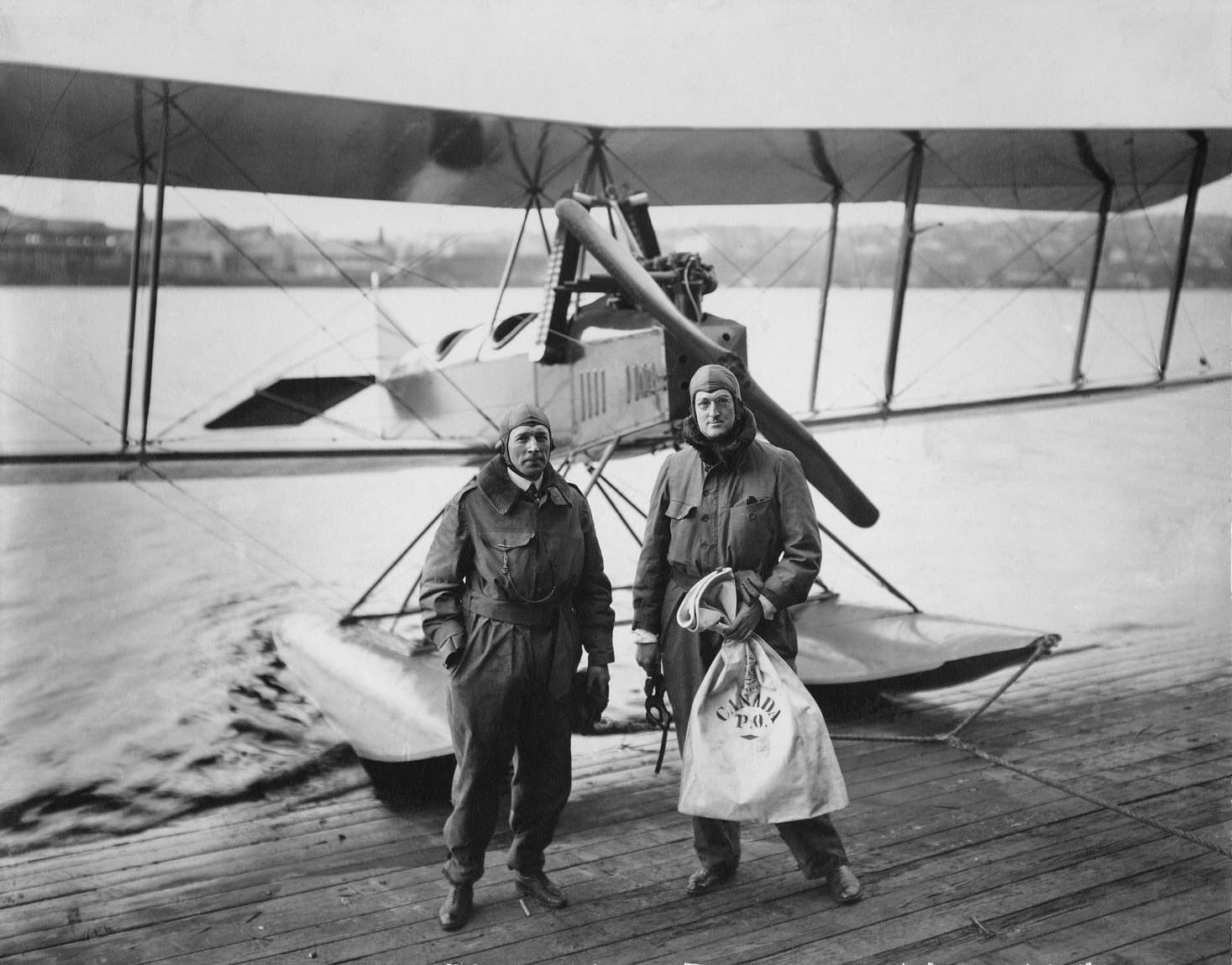
On March 3, 1919, William Boeing and test pilot Edward “Eddie” Hubbard made history by flying Boeing’s own personal Model 5 floatplane between Seattle and Vancouver, British Columbia, where they received a sack of 60 letters from the local postmaster and flew the mail back to Seattle, marking the first international airmail flight. Besides marking an important milestone in commercial aviation, this would be the start of an international airmail route intended to quickly convey mail between the steamships, particularly those of the Canadian Pacific Steamship Company, arriving and departing on their trans-Pacific voyages to and from Asia, with the airplane promising faster transportation than by boat or train. Seeking to capitalize on this achievement, Boeing sought to build a dedicated design for this airmail route, which would result in the B-1 flying boat.
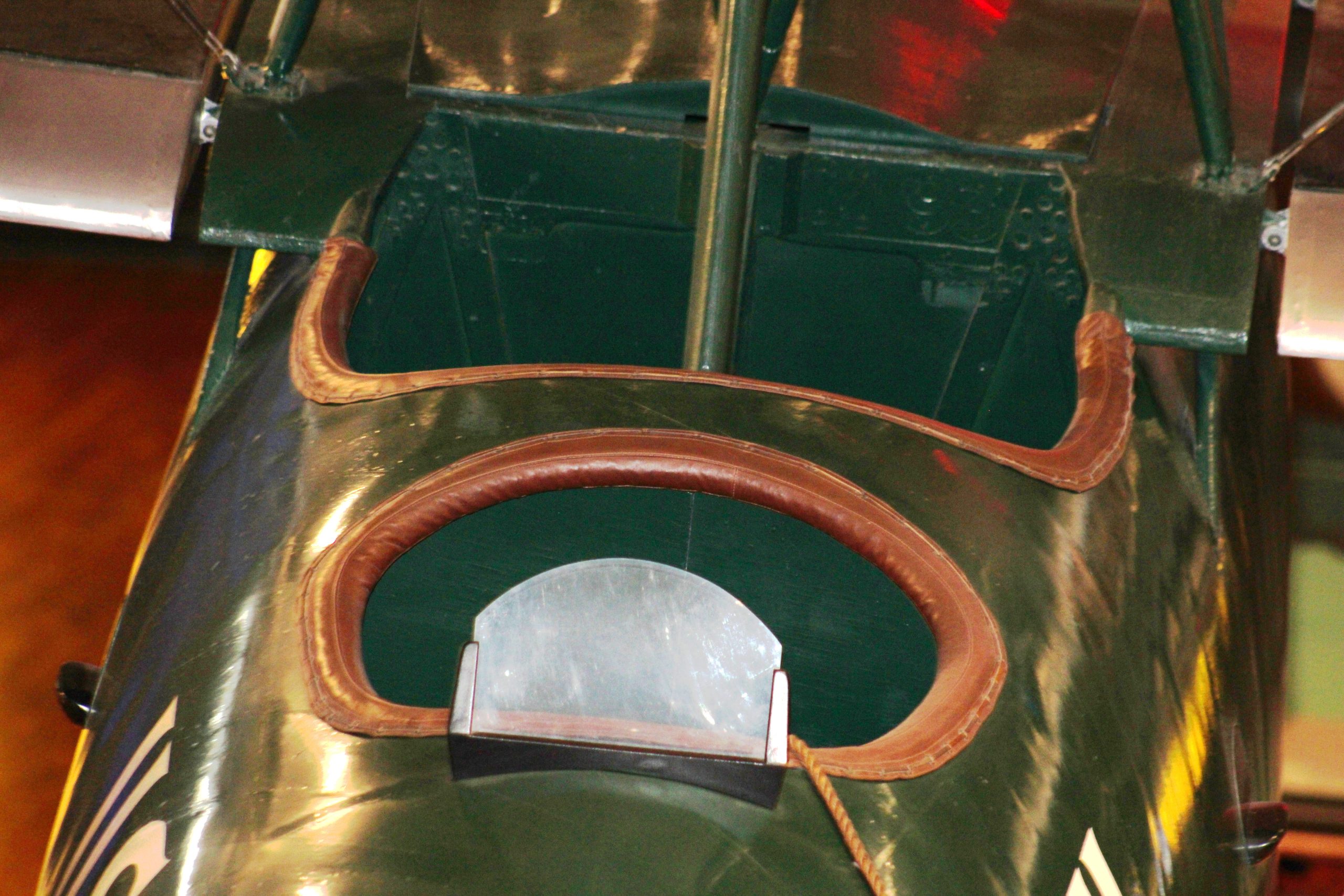
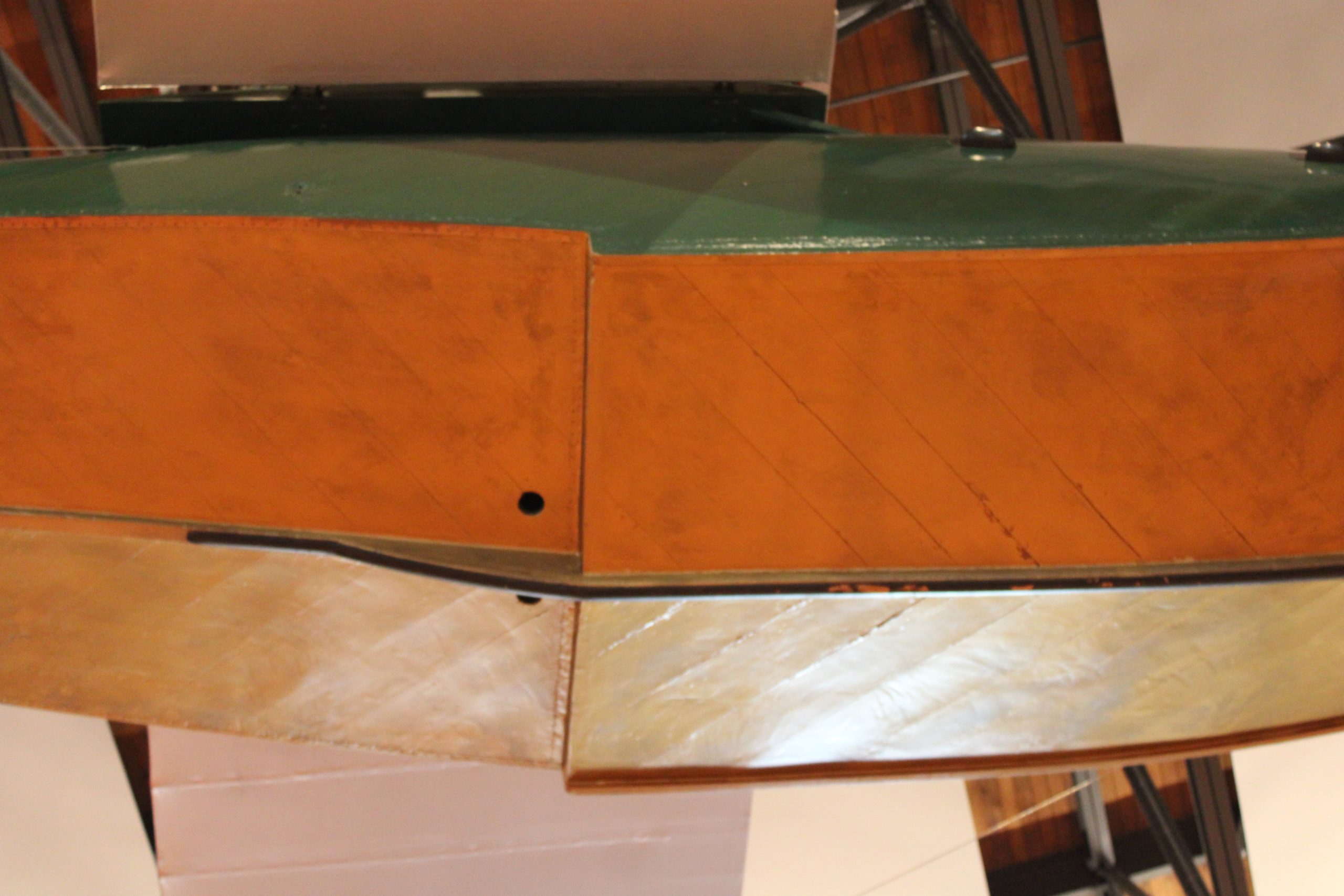
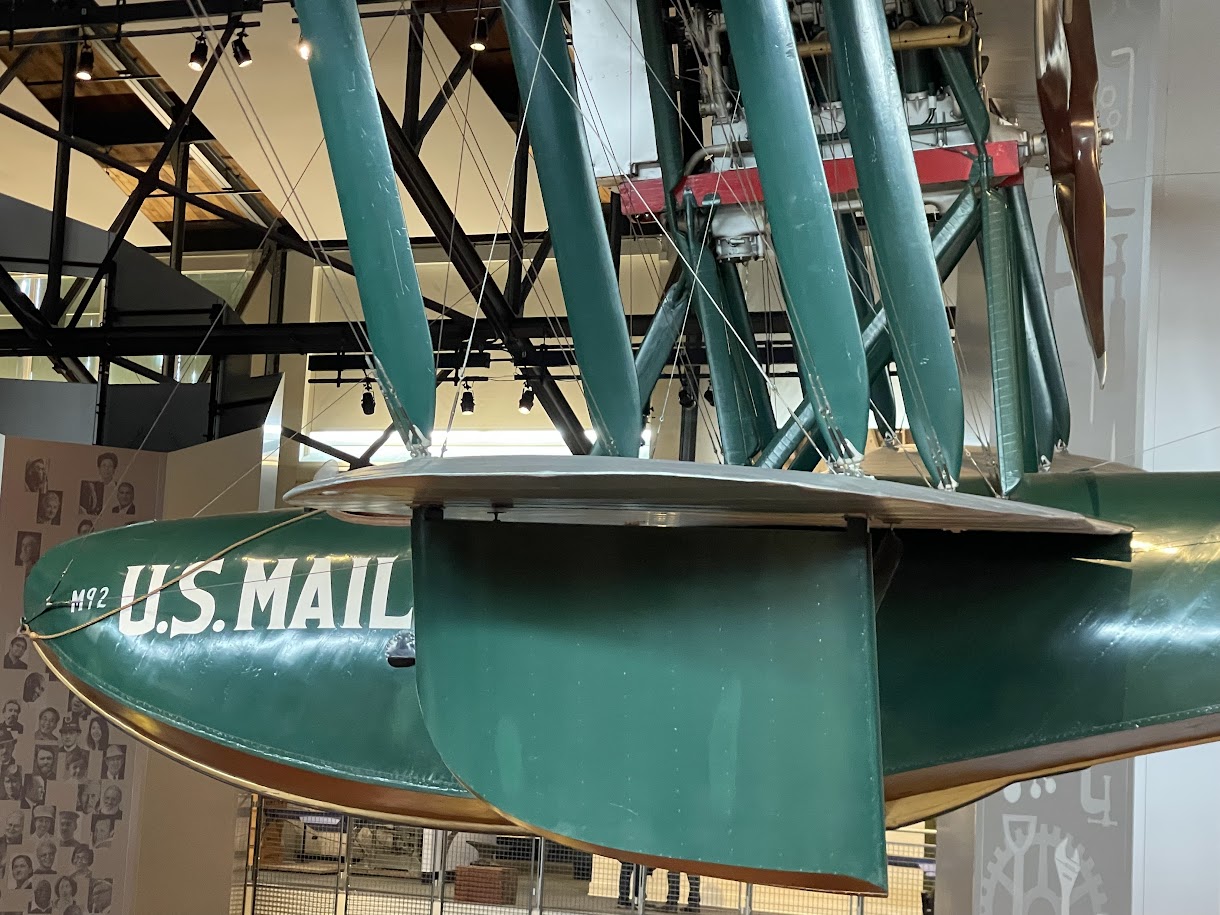
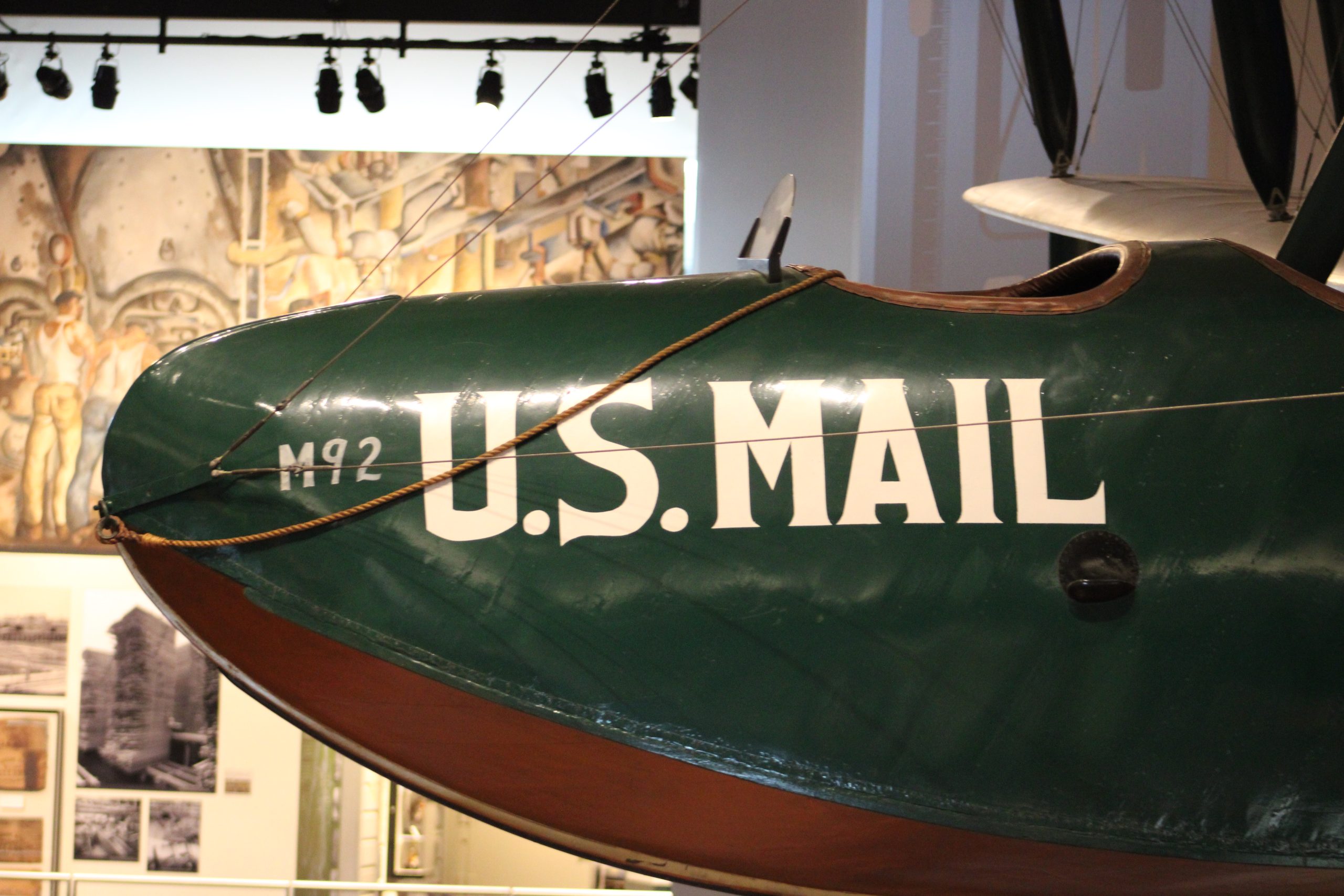
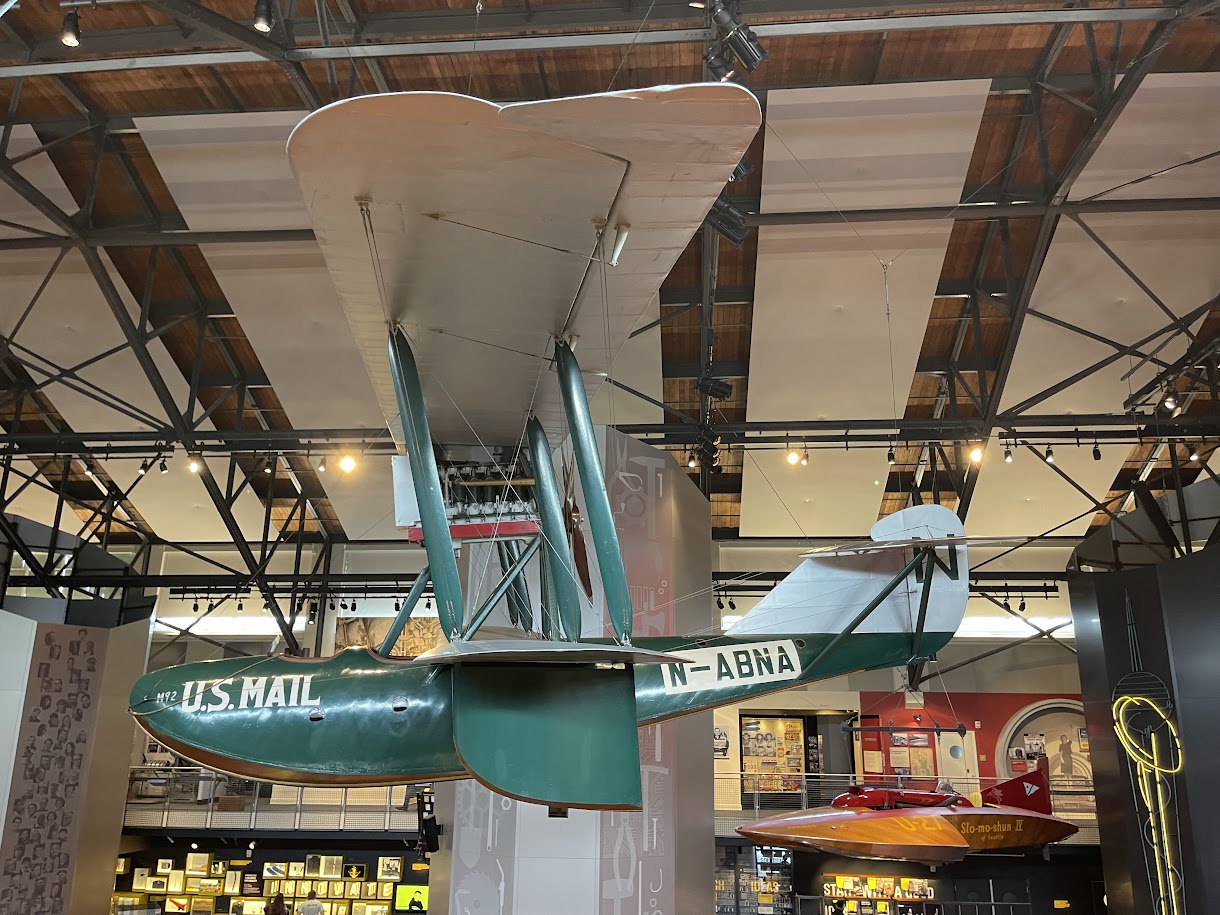
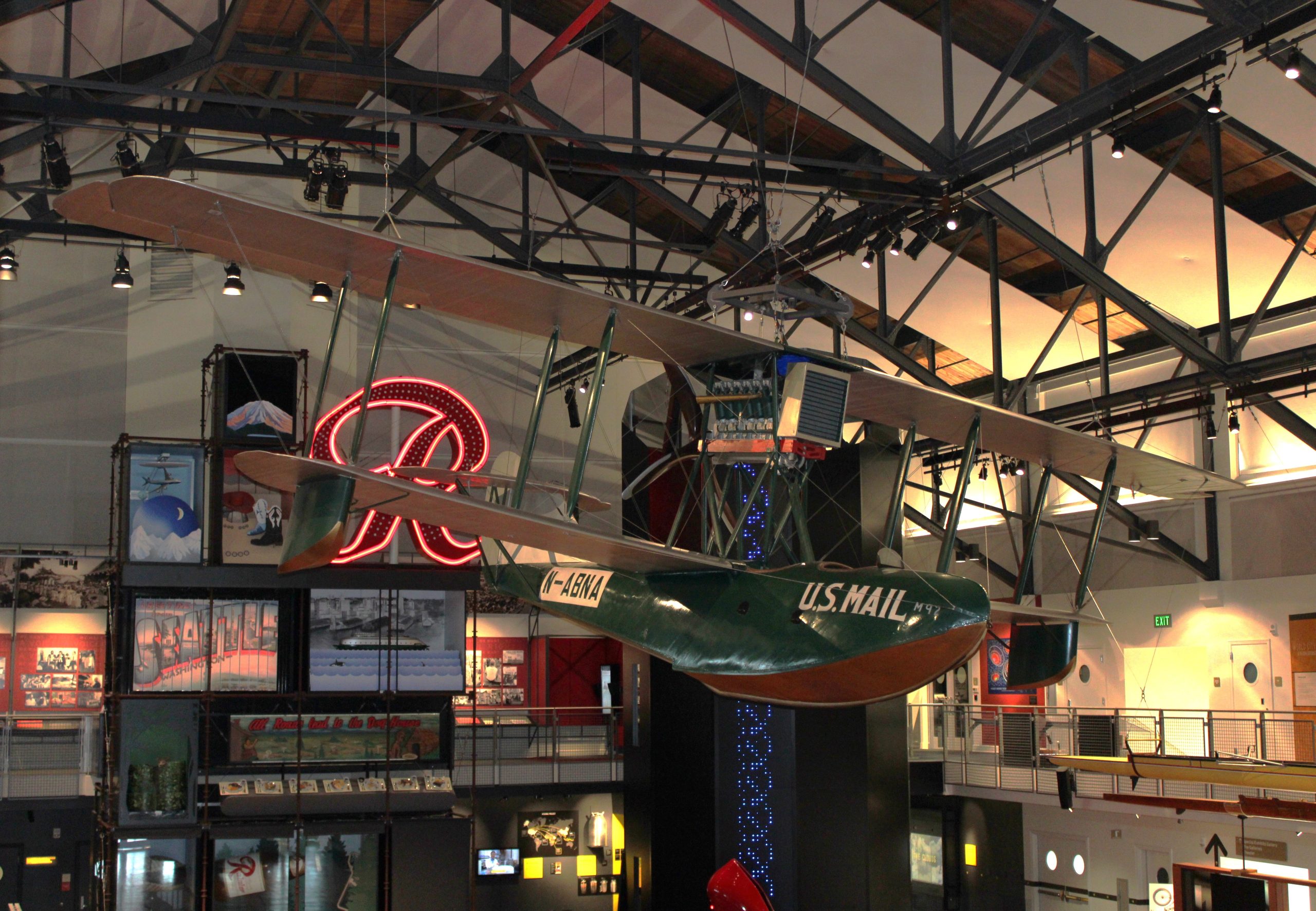
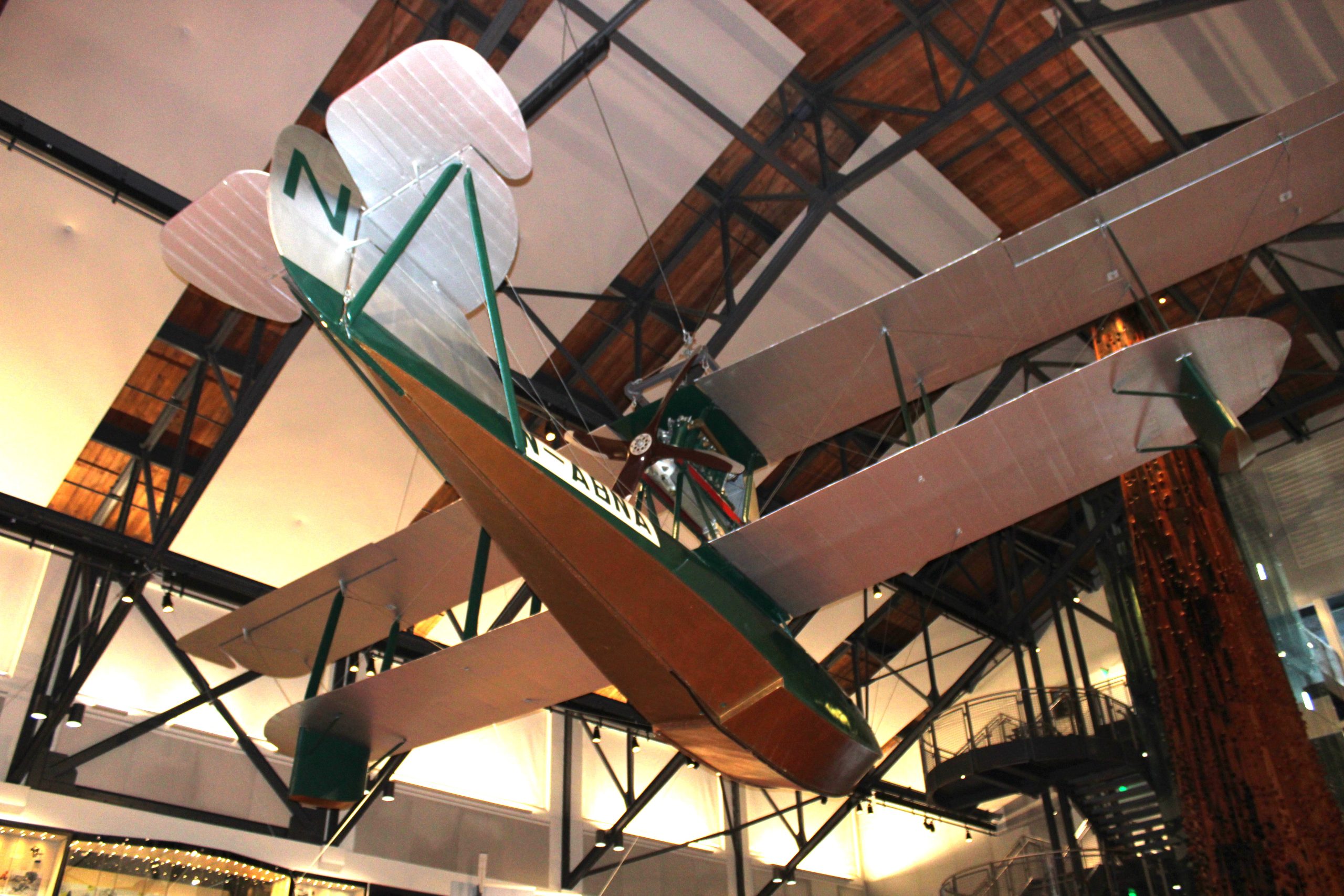
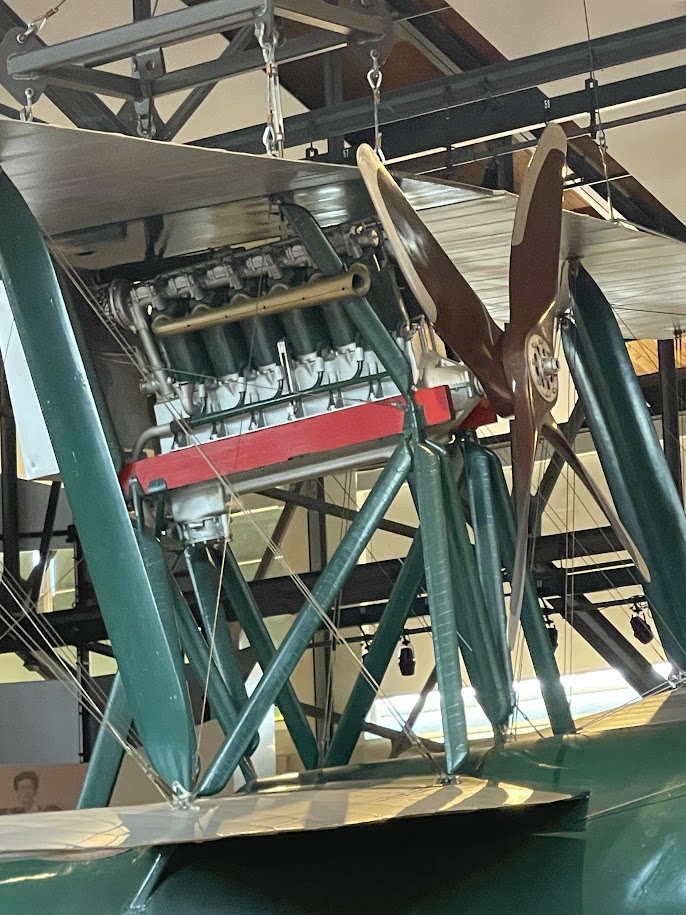
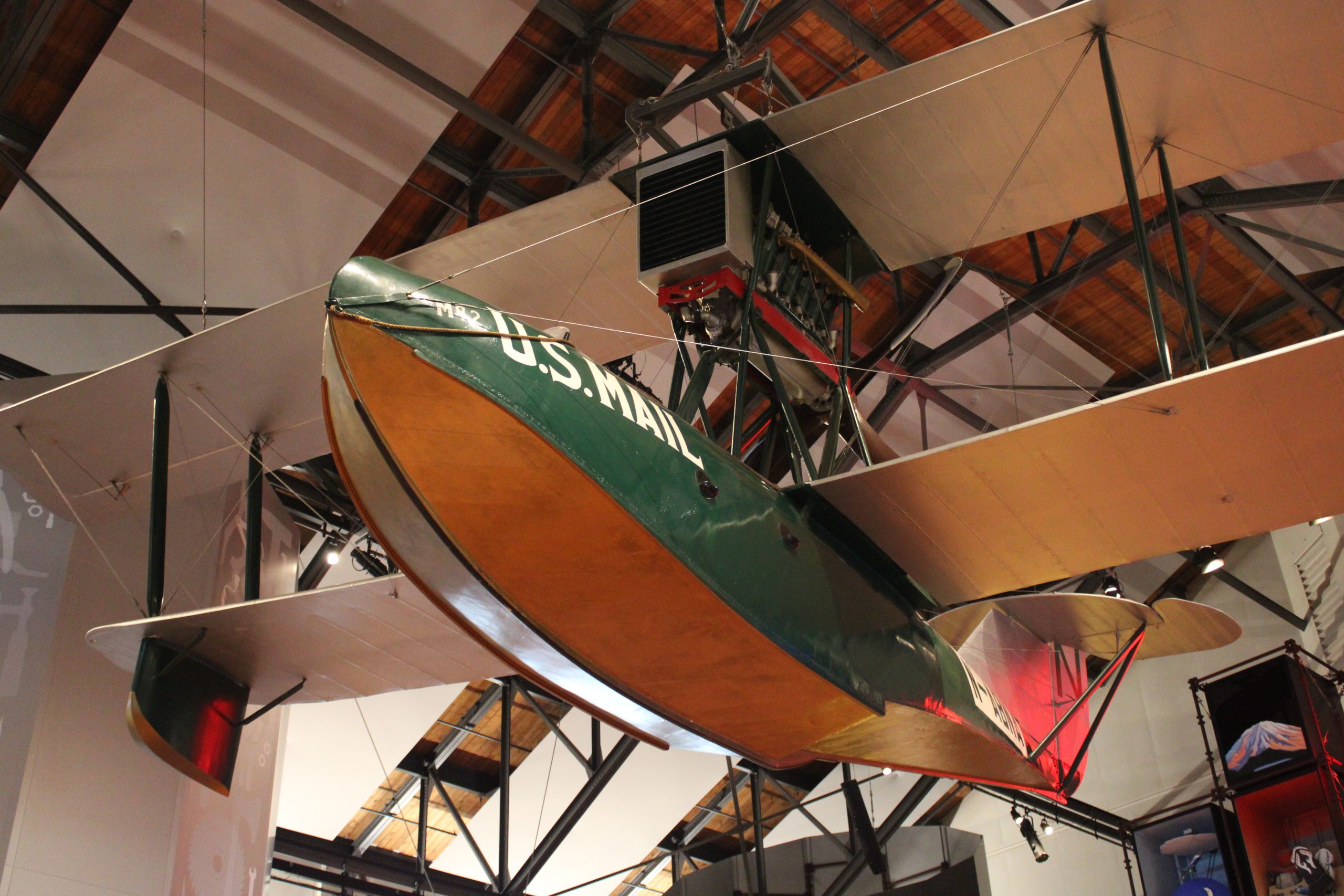
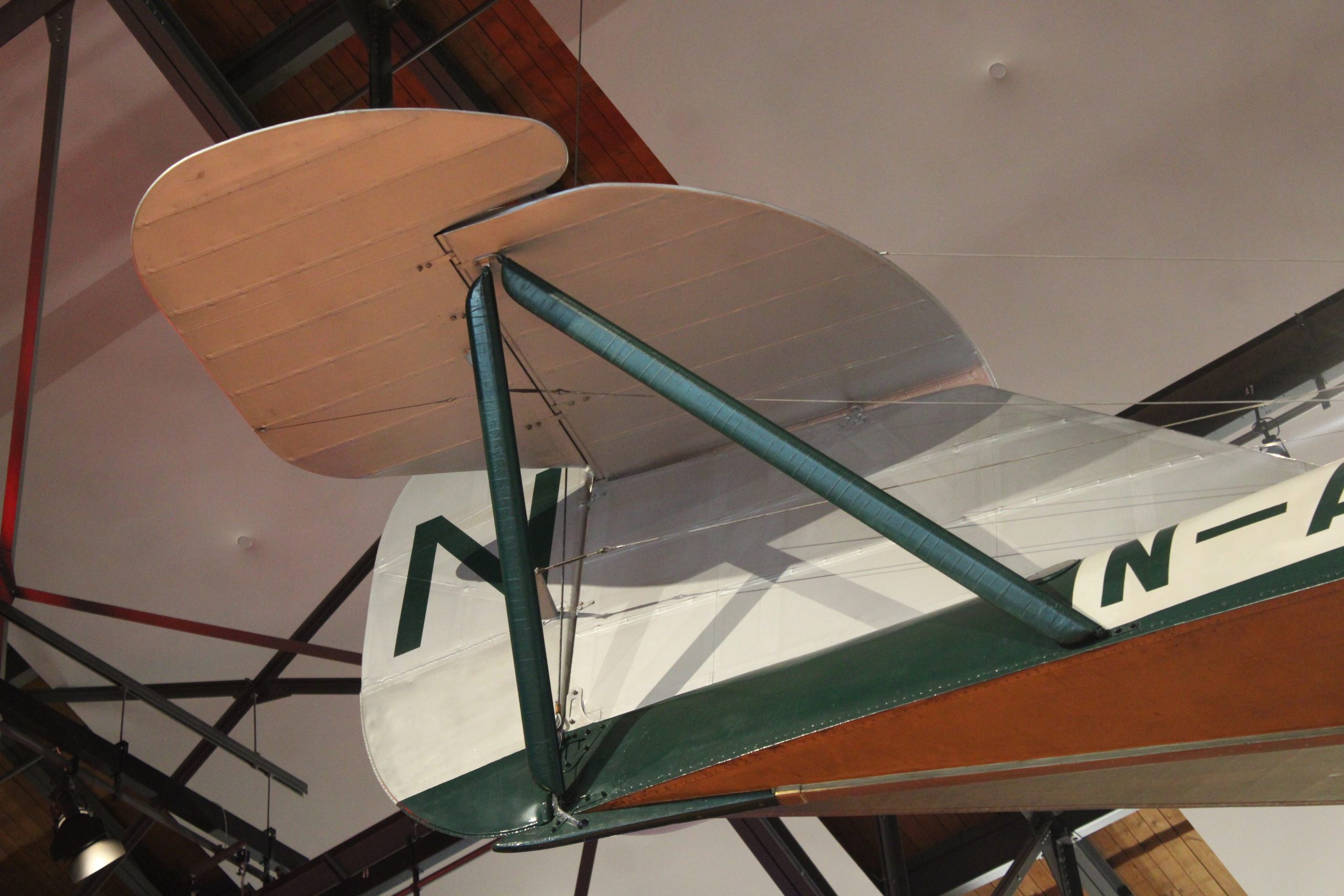
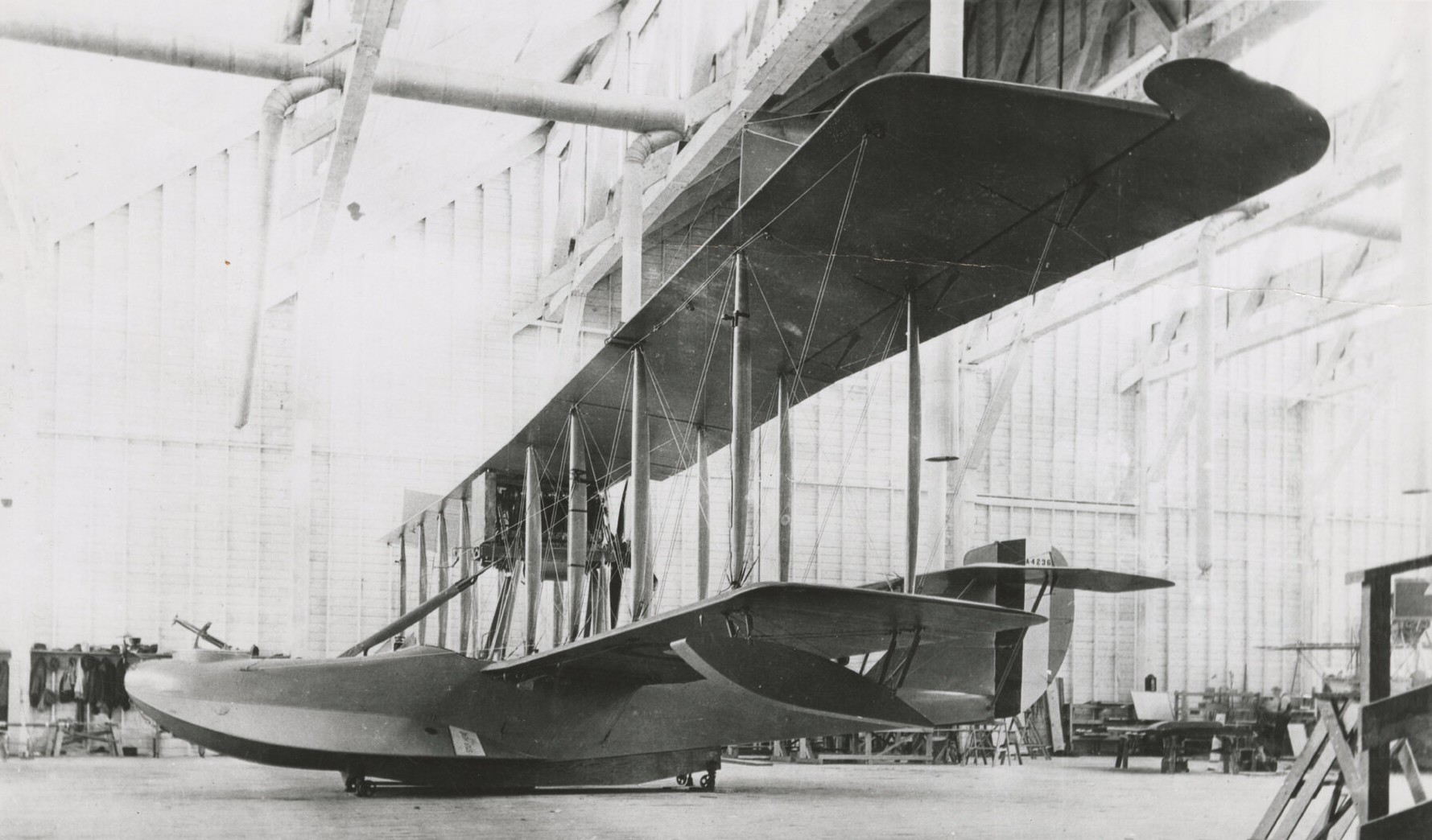
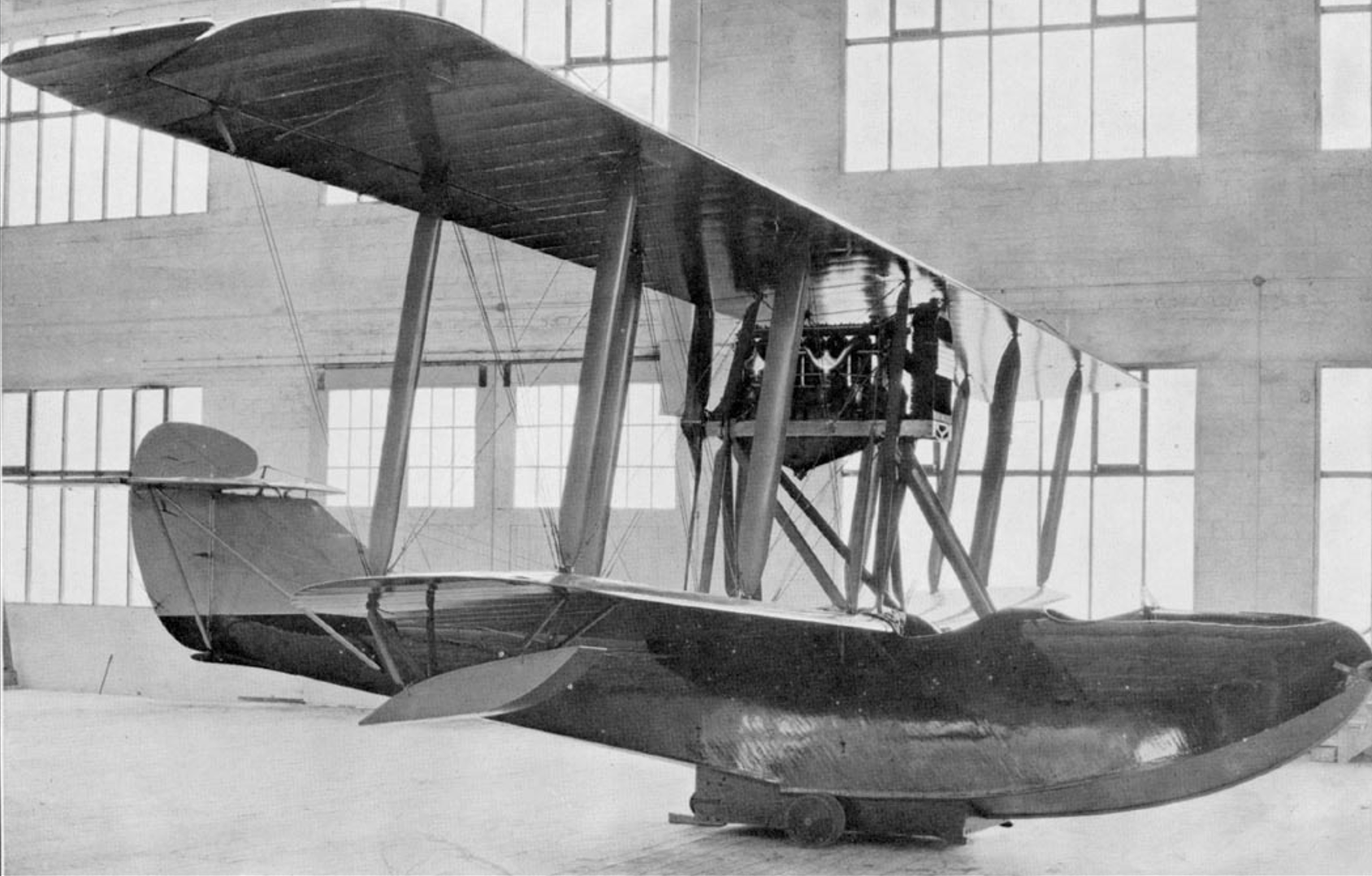
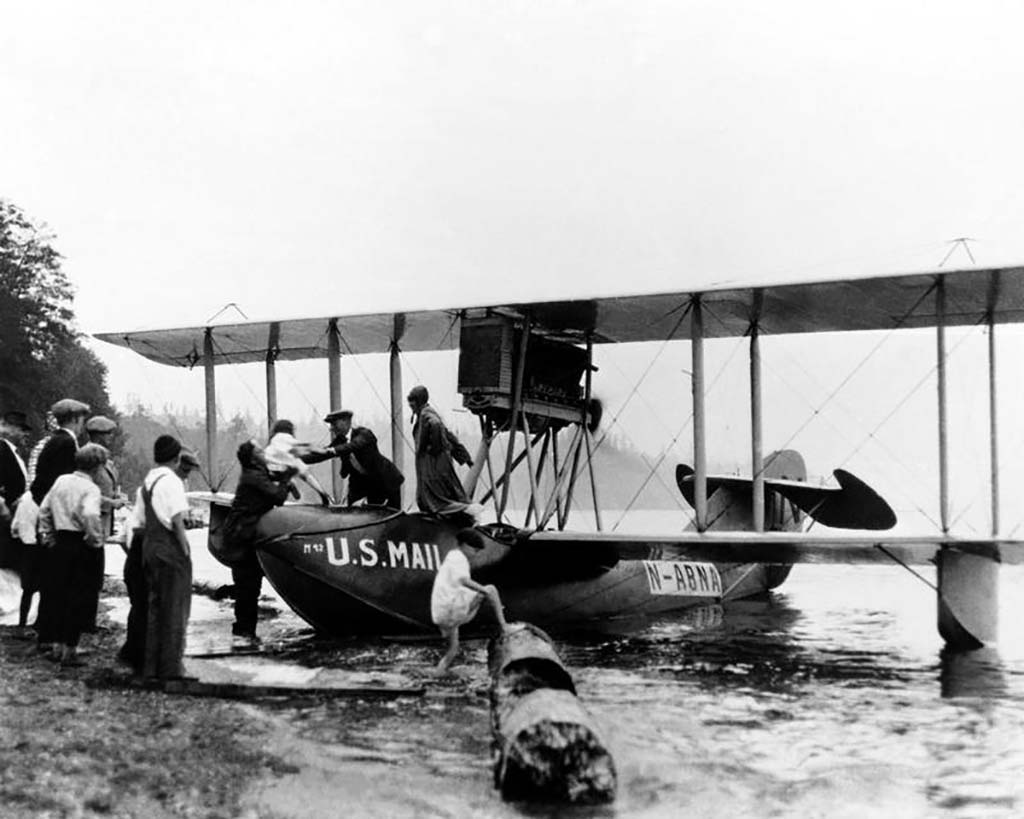
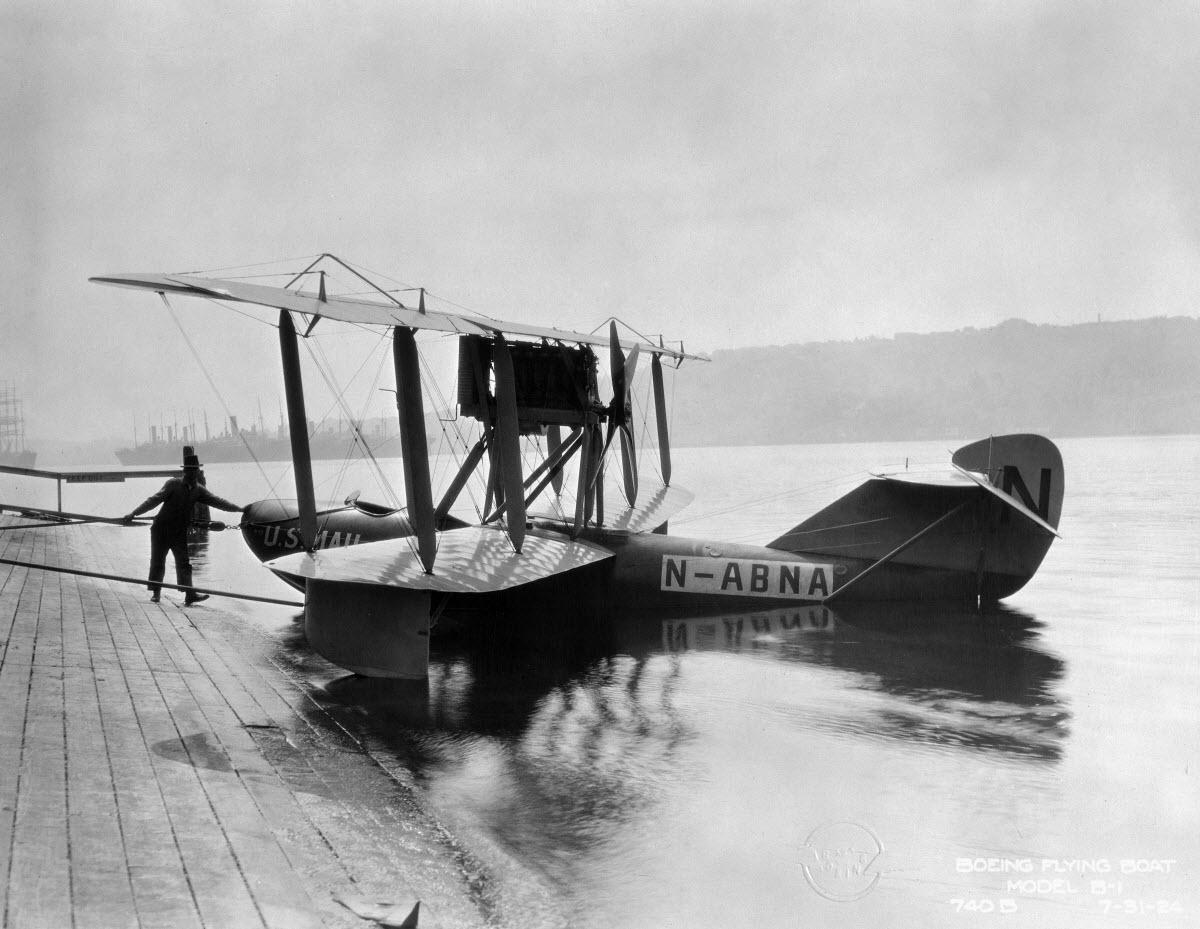
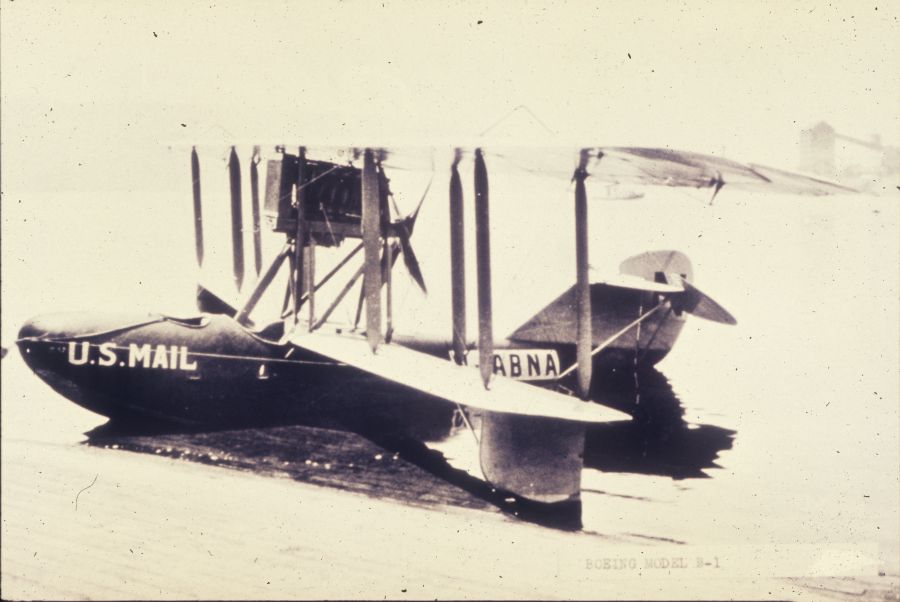
Identified as the Model 6 in company records, issued the construction number 86, and constructed at Boeing Plant 1 on the Duwamish River, the Boeing B-1 had a conventional layout for flying boats of the 1910s. Indeed, the B-1 was largely based on the design of the Curtiss HS-2L but built to smaller dimensions than the military flying boat for ease of handling and maintenance. The B-1 had a laminated wooden hull made of cedar, along with linen fabric-covered biplane wings and tail surfaces with internal structural components made of spruce, and external struts and bracing wires for structural support, and two pontoon floats on the wingtips for additional support in the water. The pilot would sit in an open cockpit at the bow of the hull, with an open compartment for baggage or two passengers sitting side-by-side placed behind the pilot. Between the two sets of biplane wings and mounted above the hull was a single water-cooled inline engine mounted in a pusher configuration. The original powerplant was a Hall-Scott L-6 six-cylinder engine with an output of 200 horsepower and a two-blade propeller. Being Boeing’s first airplane intended for commercial use, the Model 6 was publicized as the Boeing B-1. On December 23, 1919, the Boeing B-1 completed its maiden flight. However, the postwar surge of surplus military aircraft from WWI flooded the aviation market, and new designs that were untested and more expensive than mass-produced aircraft that had already been proven through their use during the war. No other example of the Boeing B-1/Model 6 besides the first prototype was ever built, but the aircraft would still go on to become a pioneer of air commerce.
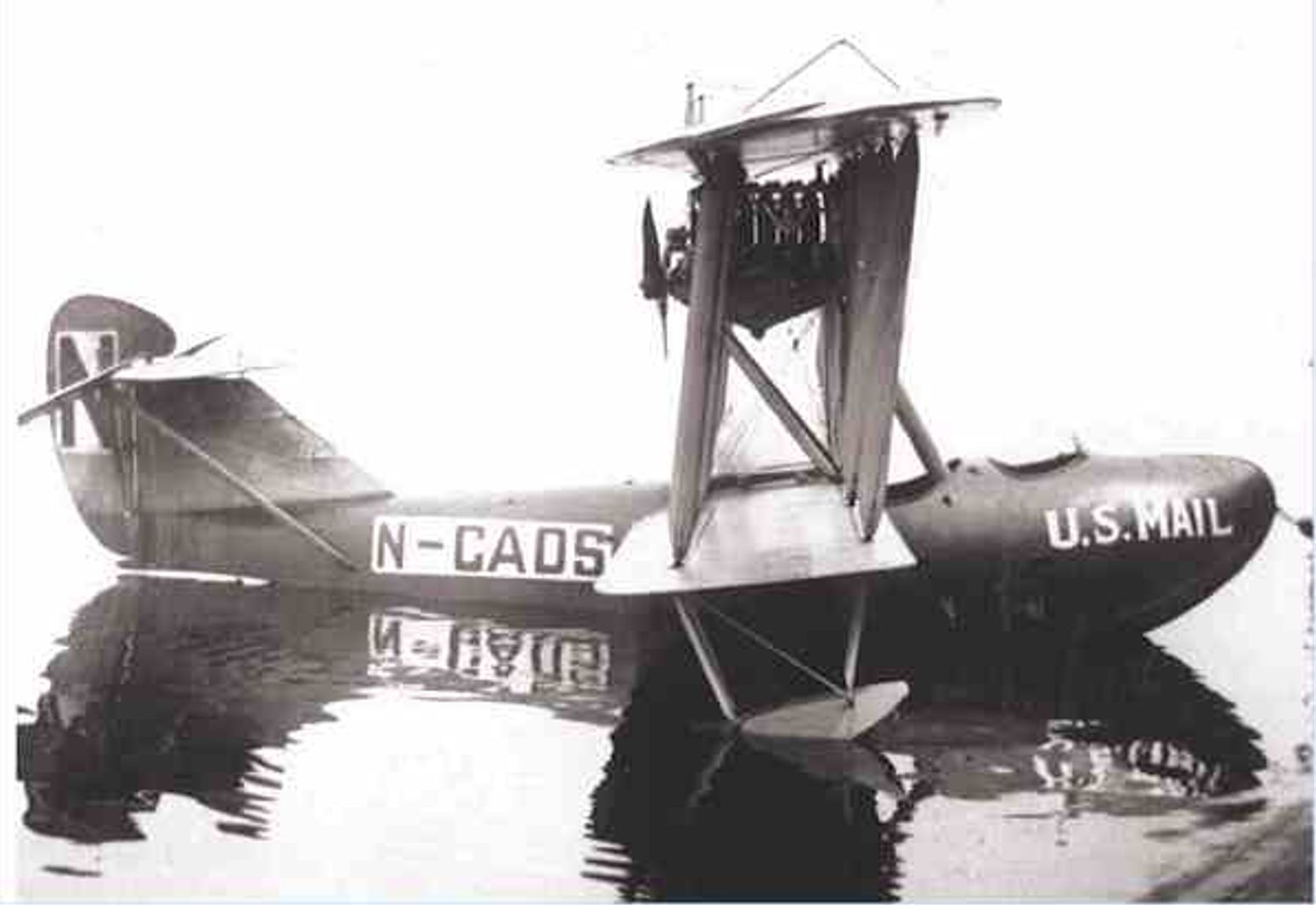
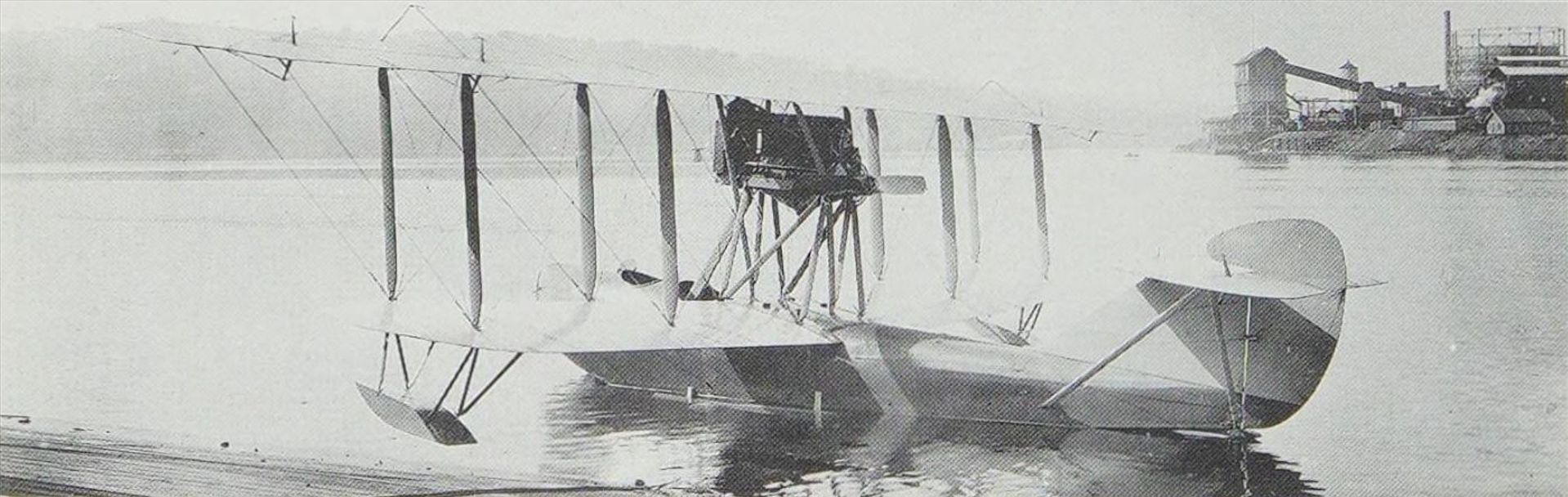
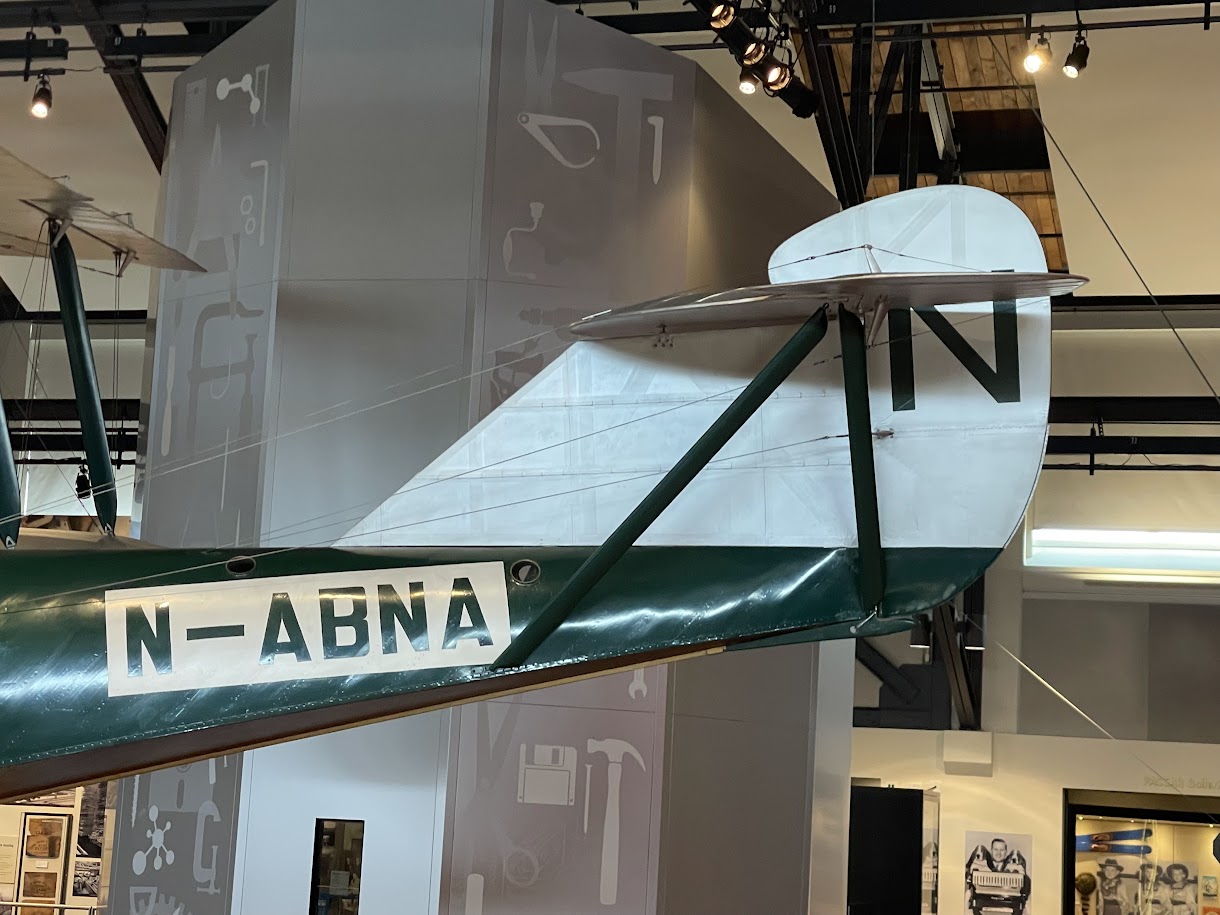
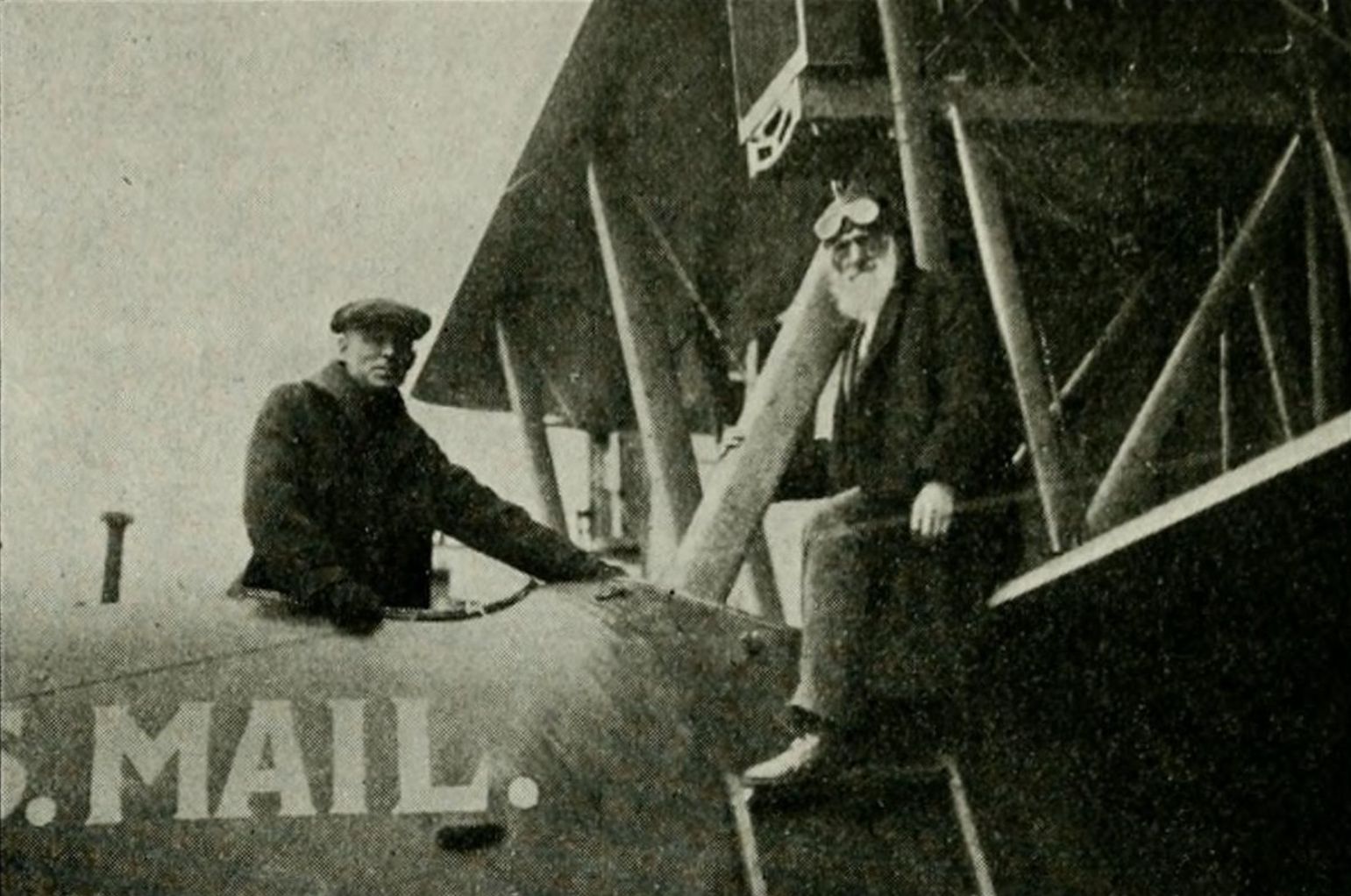
In 1920, Eddie Hubbard purchased the sole Boeing B-1 produced and would use it to set up the Seattle – Victoria Air Mail Route, which would be officially recognized as Foreign Air Mail route 2 (FAM 2). At the time, the United States had participated in the 1919 Convention Relating to the Regulation of Aerial Navigation held in Paris that had established the International Commission for Air Navigation (forerunner of the International Civil Aviation Organization (ICAO)), but had not yet finalized a civil aircraft registration system, while many nations within the British Commonwealth, including Canada, were using the new British civil aviation registration system with the G- prefix. Thus, the Boeing B-1 received the registration code G-CADS. By 1923, US authorities unofficially recognized the N- prefix system, with codes written by the National Board of Fire Underwriters. Soon, the Boeing B-1 had the US civil registration code N-CADS but was soon replaced by the new registration N-ABNA. All the while, the sole Boeing B-1 made numerous flights between Victoria and Seattle’s Lake Union, flying the mail and the occasional passenger. One such passenger was 90-year-old Ezra Meeker, who had trekked the Oregon Trail by ox cart in 1852, had been the first mayor of Puyallup, Washington, and became an activist for memorializing the route of the Oregon Trail. Throughout the 1920s, Meeker marveled over the onset of powered flight, and in 1921, made his first flight aboard the Boeing B-1. Three years later, in 1924, he would become the first passenger in a transcontinental flight across the United States in a de Havilland DH.4 with Army Air Service pilot Oakley Kelly. In addition to the changes in registration, the Boeing B-1 underwent several modifications, such as the installation of a new pair of wooden floats that were streamlined for flight yet had a deeper draft for operating on water. The most extensive modification, though, was the replacement of the original Hall-Scott L-6 engine with a Liberty L-12 twelve-cylinder engine with an output of 400 horsepower and a four-bladed propeller (which was in fact a pair of two-bladed propellers bolted atop one another).
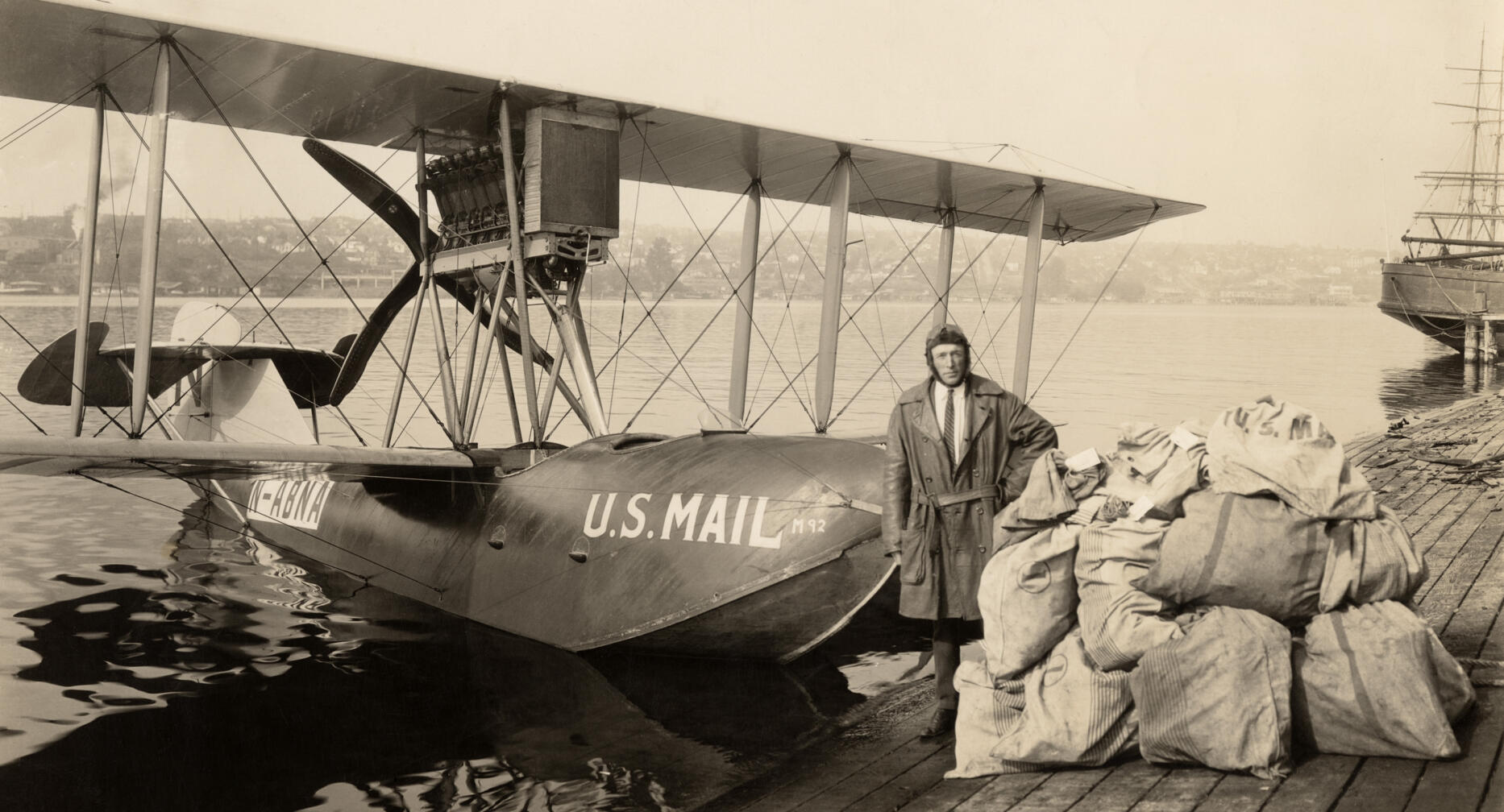
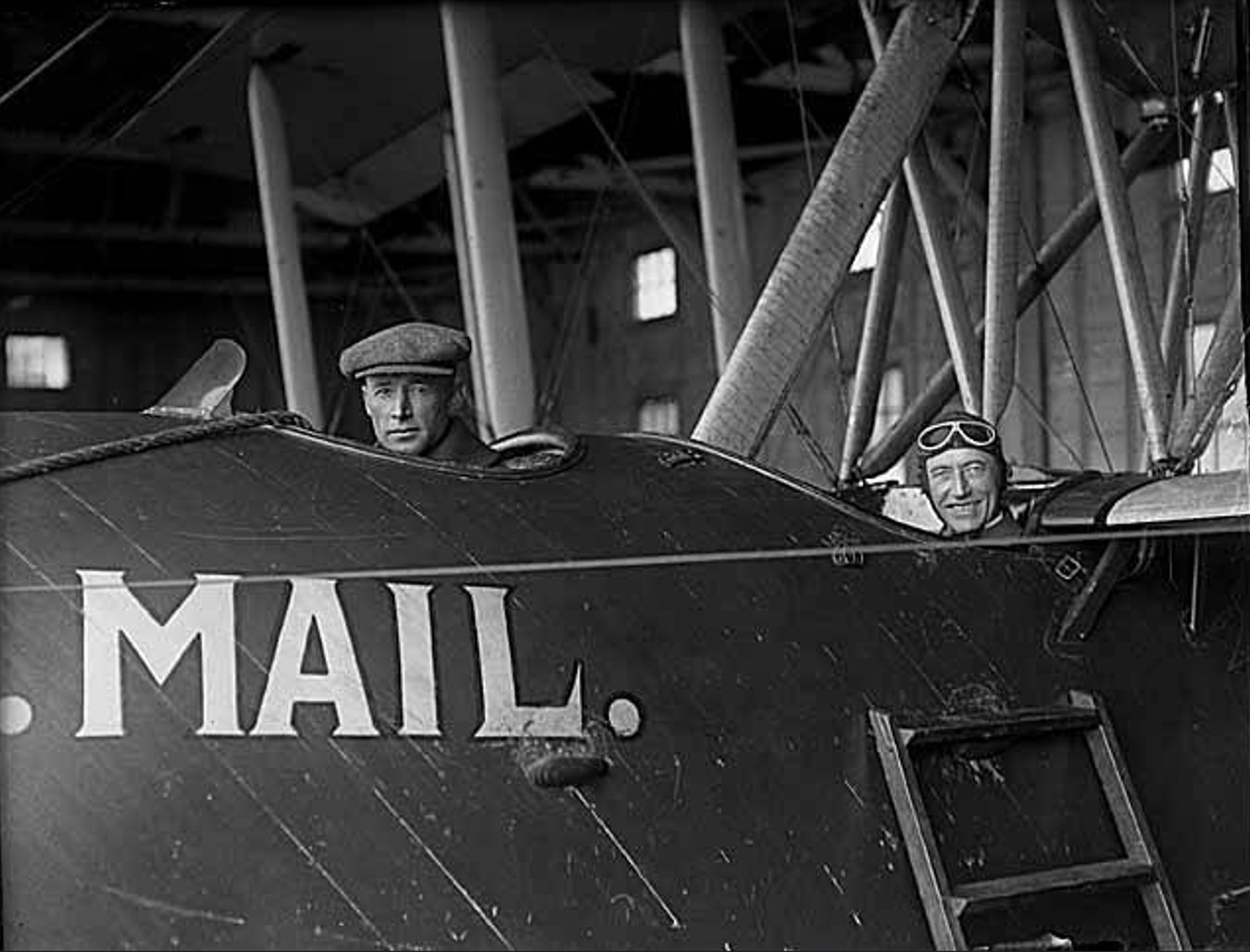
By 1927, the US had formally adopted the N-prefix registration system for civil aircraft, with American-based aircraft receiving numbers rather than letters. The Boeing B-1 was officially licensed for commercial use with the registration number 4985, then with the number 1974, which was incorporated into the aircraft’s final registration code NC1974. In 1928, however, Eddie Hubbard died from complications of surgery in Salt Lake City, Utah. Before his passing, however, Hubbard had convinced Boeing to purchase a contract for an airmail route from San Francisco to Chicago and develop the Boeing Model 40 mail plane that would fly this route for Boeing Air Transport (BAT), which would, through the acquisition of several other airlines, become United Airlines. By the time of Hubbard’s death, the sole Boeing B-1 had flown over 350,000 miles (560,000 kilometers) over the course of more than 1,000 flights and had gone through six engines without any loss of life or serious injury before the venerable aircraft was retired from flying. The Boeing B-1, however, would lay the groundwork for other wooden-hull flying boats built by Boeing, such as the Boeing 6D and the Model 204 that had limited success with the nascent air carriers in the Pacific Northwest.
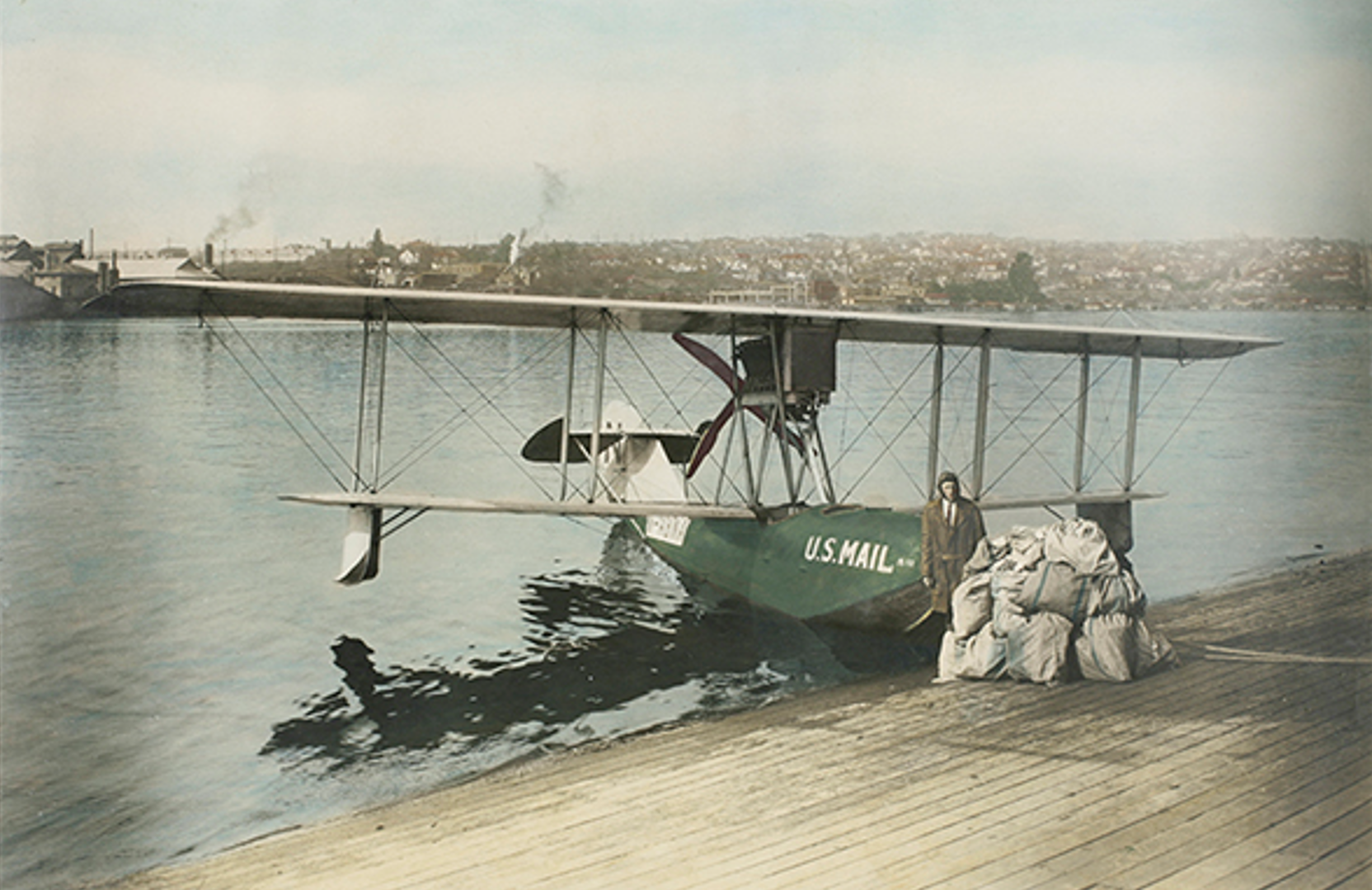
While the Boeing B-1 would retire from active service, its significance for being the first airplane to provide routine airmail flights between the United States and Canada did not go unrecognized. The Boeing B-1 was acquired by the Seattle Historical Society, and by 1934, the aircraft was placed on outdoor display at Seattle’s Boeing Field, the site of Boeing Plant 2. In the following years after going on outdoor display, the Boeing B-1 deteriorated from exposure to Seattle’s weather, and from young boys who eagerly climbed all over the airplane without much care for the wooden airplane. Seeing the decline in the aircraft’s condition, Boeing had the B-1 flying boat disassembled, its parts packed into shipping crates and placed in storage. All the while, Boeing Field would see the introduction of new aircraft for the US Army Air Force, such as the B-17 Flying Fortress and the B-29 Superfortress, and the site became one of the largest aircraft factories in the world during World War II.
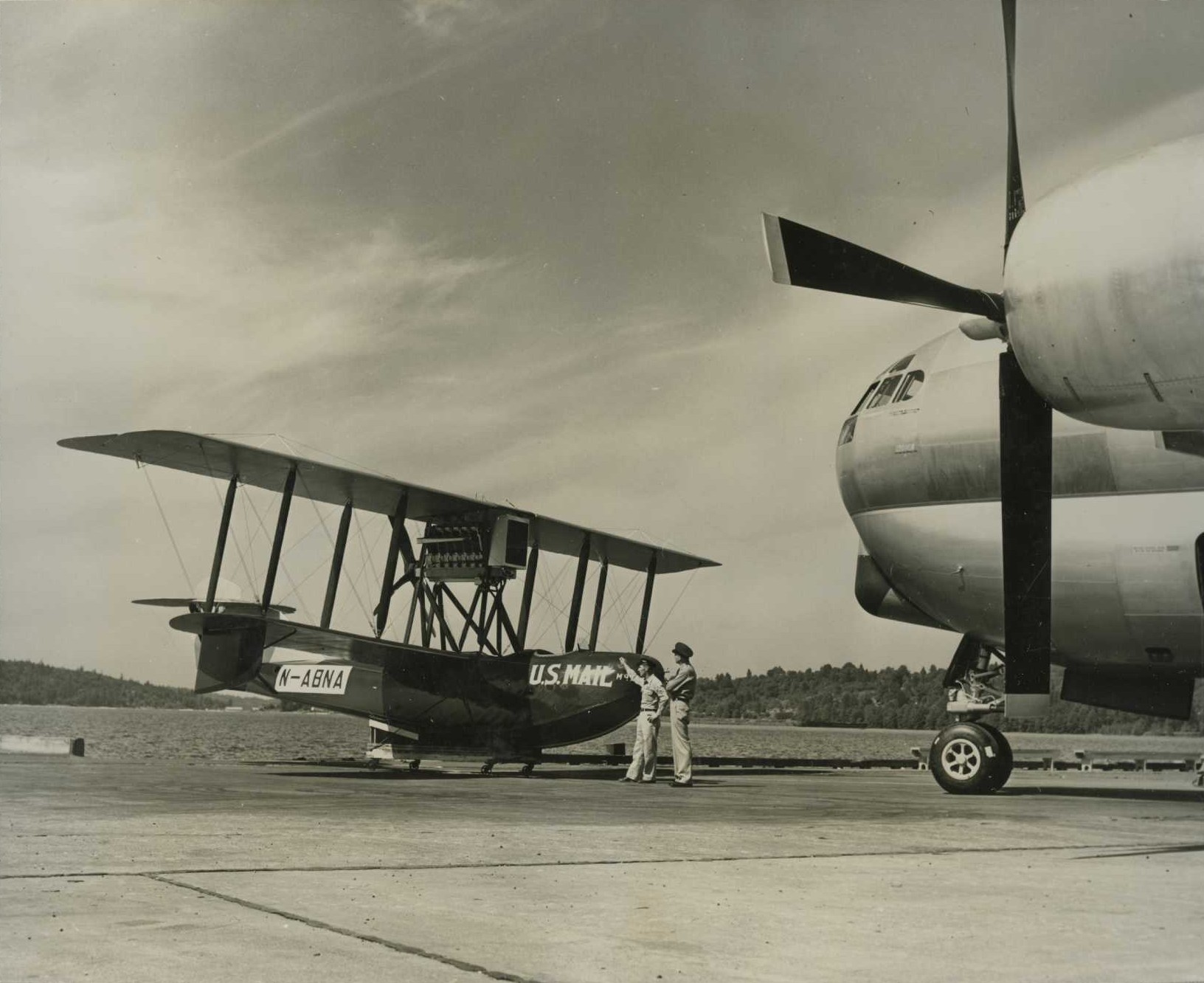
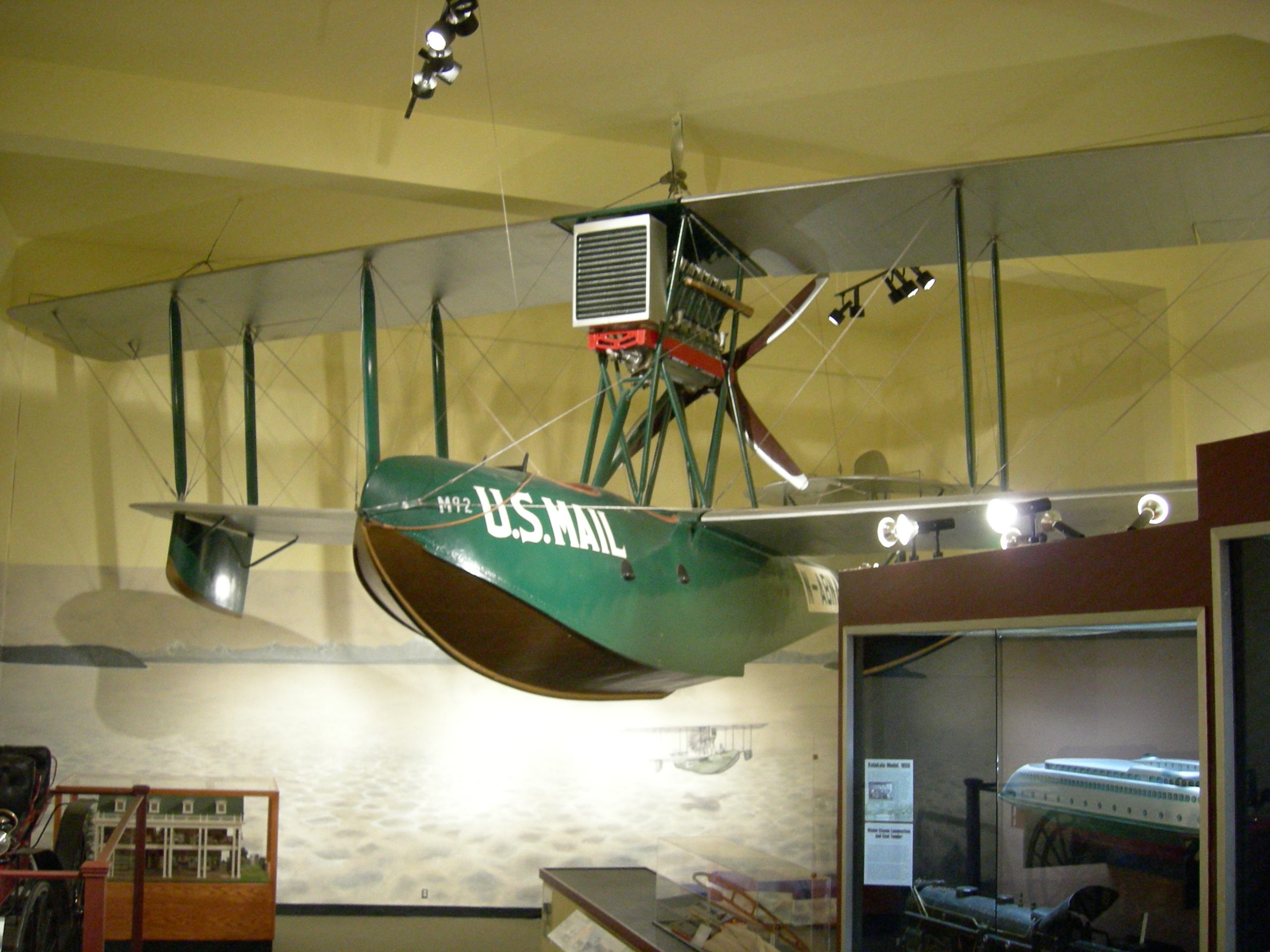
Following the end of the war, though, employees at Boeing pulled the airplane out of storage and got to work restoring the B-1 back to its former glory. By 1951, the restoration had been completed in time for the opening of the Museum of History and Industry (MOHAI) on February 15, 1952. For over 50 years, the museum was in the Seattle neighborhood of Montlake, but in 2012, the expansion of Washington State Route 520 would see the MOHAI move to the Naval Reserve Armory in the South Lake Union neighborhood, just a stone’s throw from the launch point for the Boeing B-1 during its flights to and from Victoria. Today, the Boeing B-1 is suspended from the ceiling of the old Armory, which provides a home to the Museum of History and Industry. Although it remains among the more obscure airplanes in Boeing’s long lineage, it remains significant for being a model for subsequent commercial flight routes that followed it, and for being the oldest Boeing-built airplane left in existence, a true relic of the pioneering days of aviation in both the United States and Canada along the Pacific Northwest coast. For more information, visit the Museum of History and Industry’s website HERE.