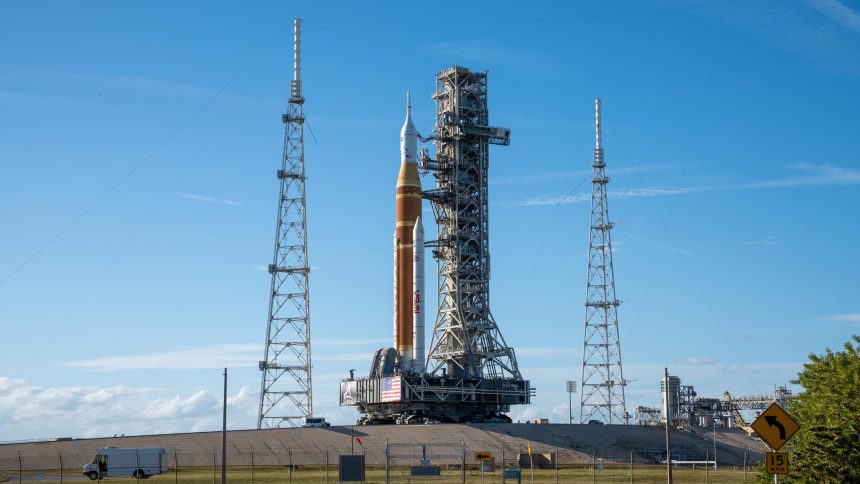

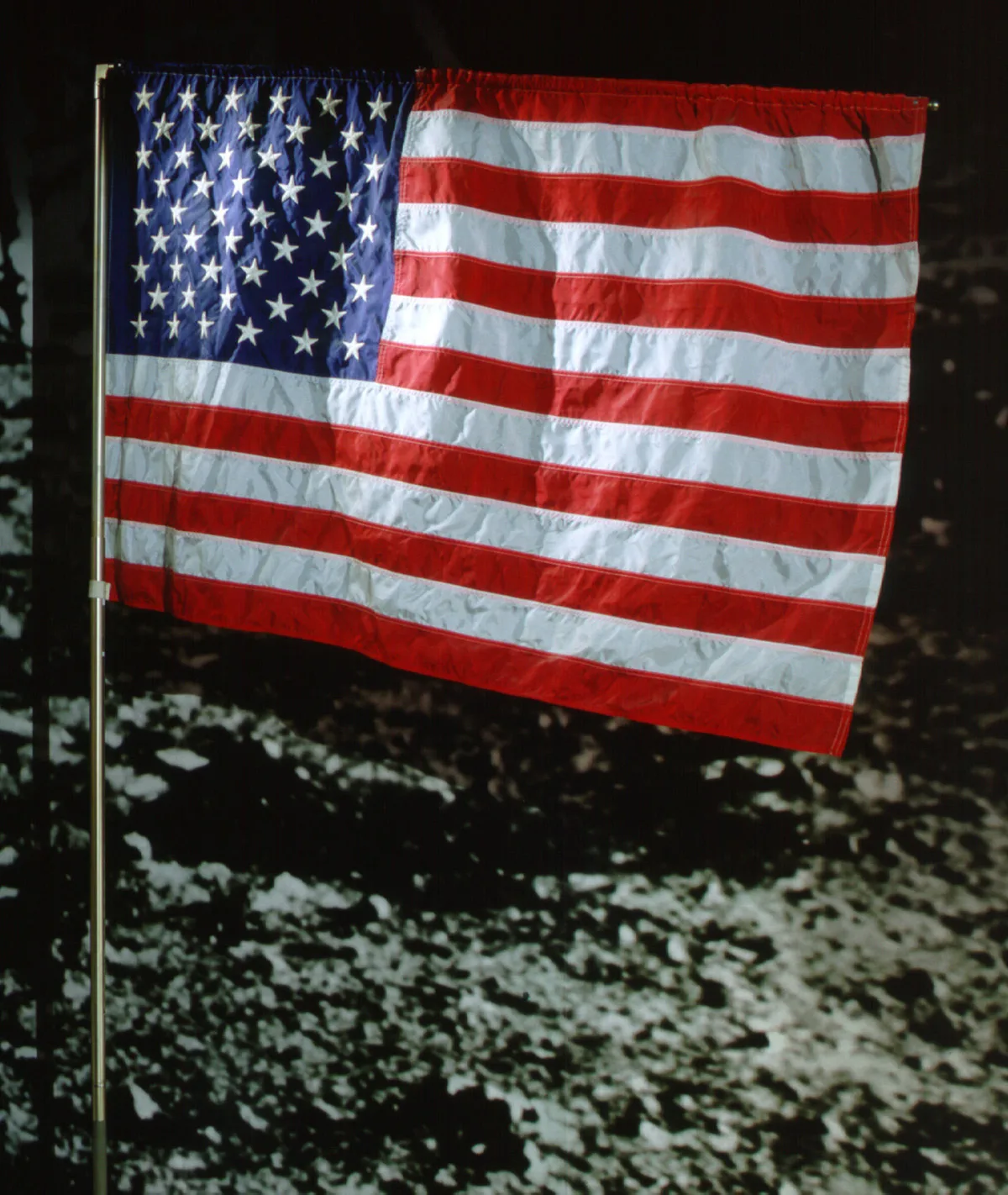
NASA has adjusted its near-term Artemis II schedule, now targeting Monday, February 2, as the tanking date for the mission’s upcoming wet dress rehearsal at Kennedy Space Center in Florida due to weather conditions. As a result of the revised timeline, the earliest possible launch opportunity for Artemis II is now no earlier than Sunday, February 8. Beyond its technical milestones, Artemis II will carry symbolic weight as the United States approaches the 250th anniversary of its Declaration of Independence. The first crewed mission of NASA’s Artemis program will transport a carefully selected collection of historic and commemorative items aboard the Orion spacecraft, which will launch atop the Space Launch System rocket and carry four astronauts on a journey around the Moon.
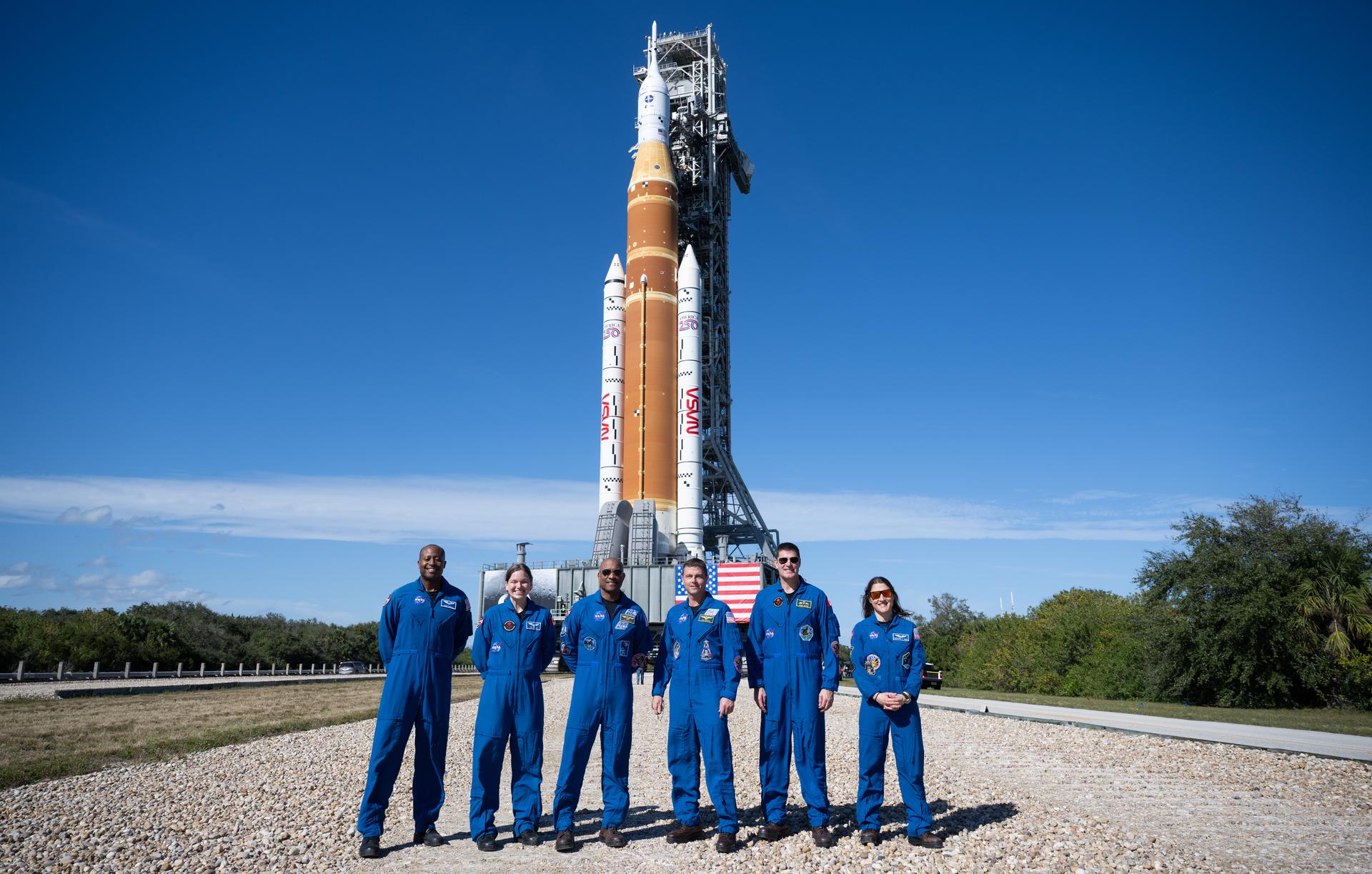
Image Credit: NASA/Joel Kowsky
The flight kit reflects America’s long legacy of exploration, innovation, and leadership in aerospace. According to NASA Administrator Jared Isaacman, the items chosen for the mission represent a continuum stretching from the earliest days of powered flight through the modern era of human space exploration, while also pointing toward the future beyond Earth orbit. “These artifacts connect generations of explorers,” Isaacman said. “As Orion carries astronauts around the Moon during America’s 250th anniversary, it will also carry the story of how we got here and where we’re headed next.” The tradition of flying symbolic mementos dates back to the earliest days of human spaceflight and was continued during Artemis I. For Artemis II, the collection was selected to honor historic achievements, inspire future explorers, and emphasize the international partnerships at the heart of the Artemis program.
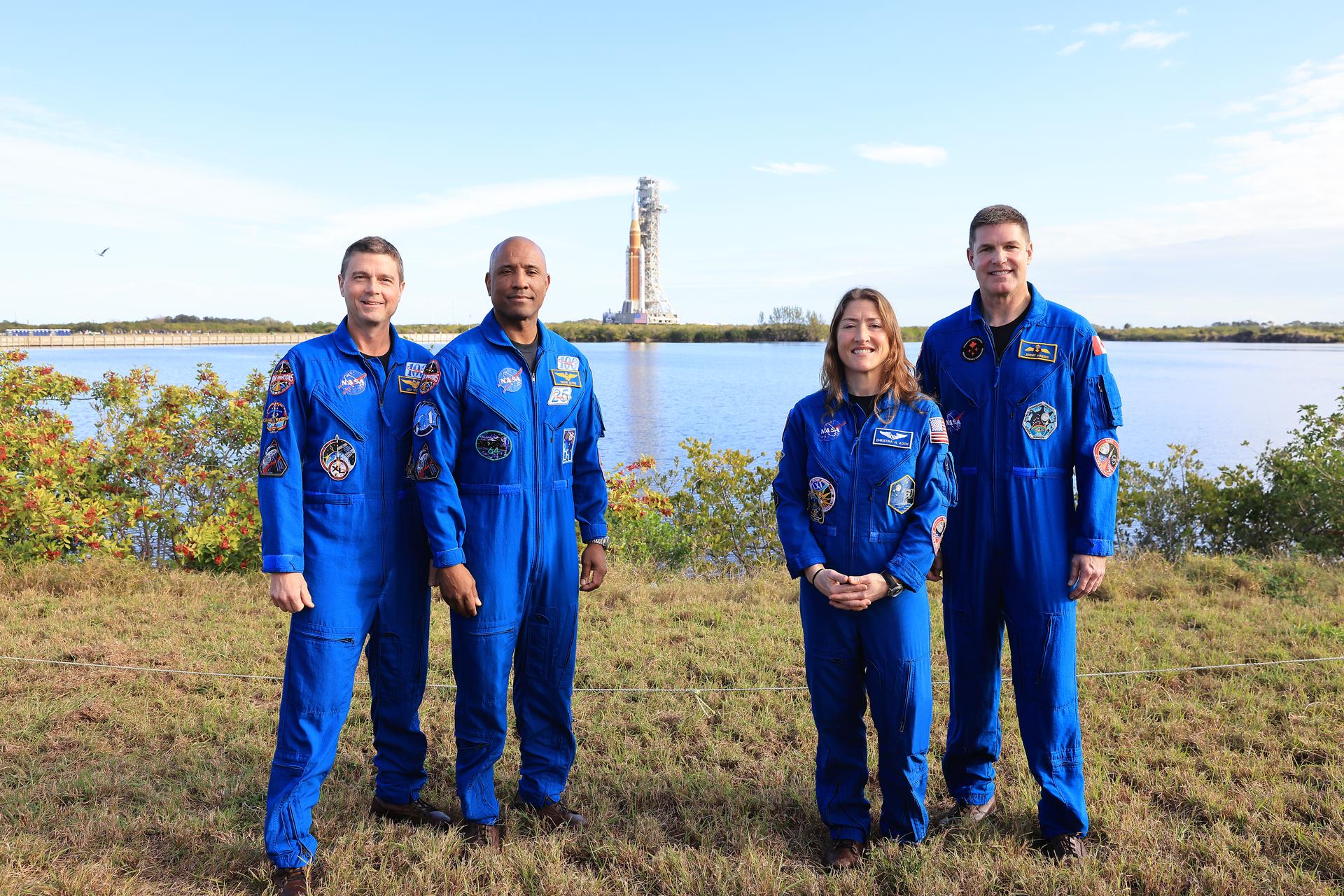
Among the most historically significant items is a one-inch-square swatch of muslin fabric from the Wright Flyer, the aircraft flown by Wilbur and Orville Wright during the first powered flight in 1903. On loan from the Smithsonian’s National Air and Space Museum, the fabric has already traveled to space once before, having flown aboard Space Shuttle Discovery during the STS-51D mission in 1985. Following Artemis II, the swatch will be reunited with other Wright Flyer fabric samples preserved by the museum.
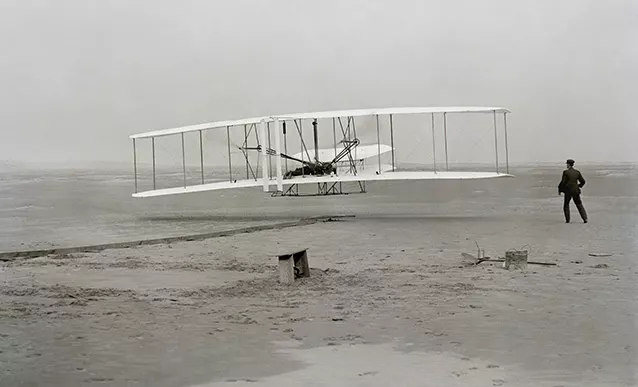
Also aboard Orion will be a 13-by-8-inch American flag with a distinguished flight history of its own. The flag previously flew on STS-1, the first Space Shuttle mission; STS-135, the final shuttle flight; and SpaceX’s Demo-2 mission, NASA’s first crewed flight aboard Crew Dragon. Another American flag included in the flight kit was originally intended for the never-flown Apollo 18 mission. Artemis II will mark the first time this flag leaves Earth, symbolizing both the legacy of the Apollo era and the nation’s renewed commitment to returning humans to the Moon.
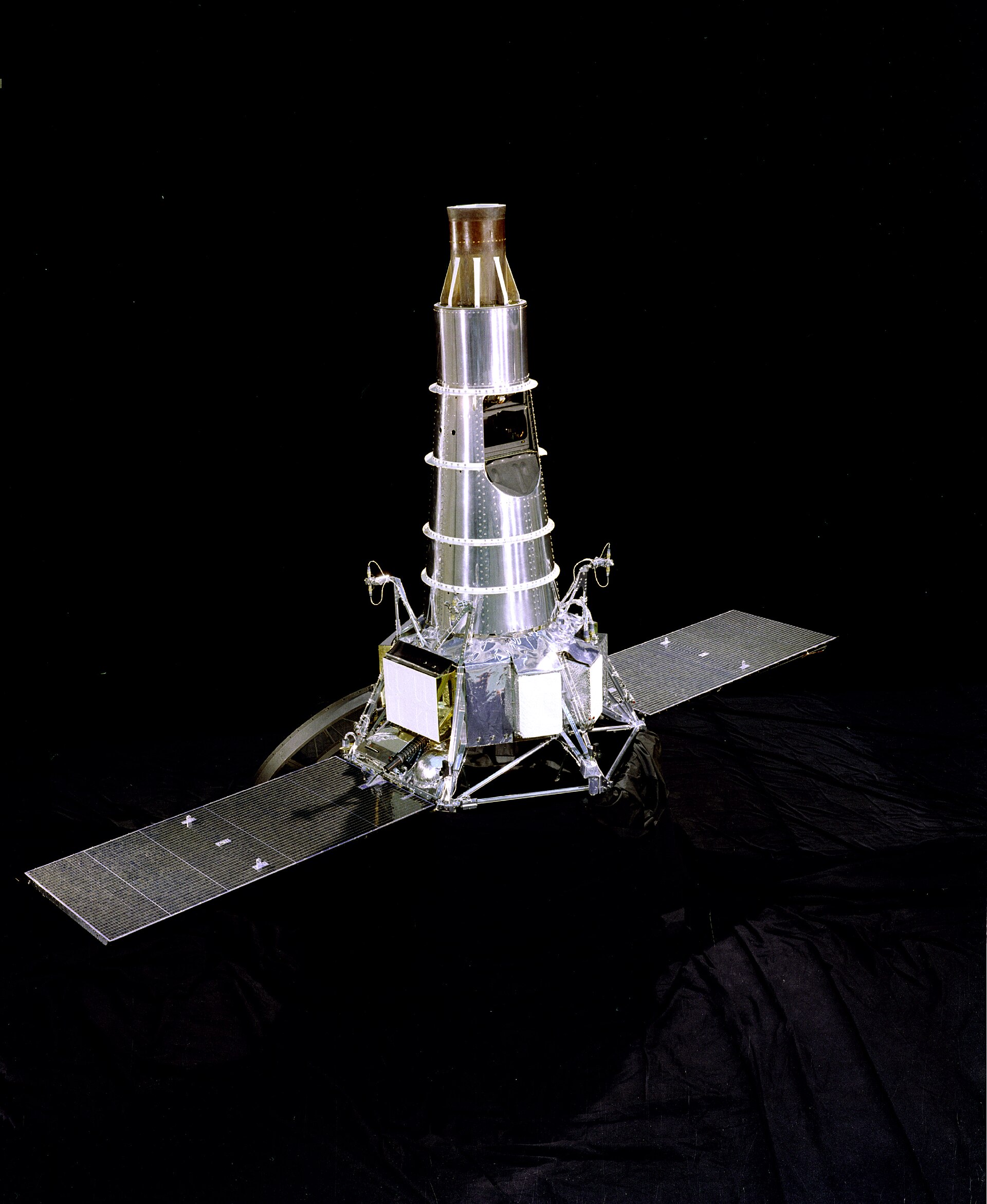
The mission will also carry a copy of a 4-by-5-inch photographic negative from Ranger 7, the first U.S. spacecraft to successfully transmit images from the lunar surface. Managed by NASA’s Jet Propulsion Laboratory, the Ranger program played a critical role in identifying safe landing sites for Apollo astronauts. The image represents a pivotal moment in the early race to the Moon, one now echoed by the Artemis program. Building on a tradition that dates back to Apollo 14, Artemis II will include soil samples collected from the base of “Moon Trees” grown from seeds that flew aboard Artemis I. Those seeds were distributed nationwide after the mission and have since been planted at hundreds of locations across the United States. Soil gathered from Moon Trees at all 10 NASA centers will now return to space, completing a symbolic cycle of exploration, growth, and return. The Canadian Space Agency will also contribute tree seeds, which are planned for distribution following the mission.
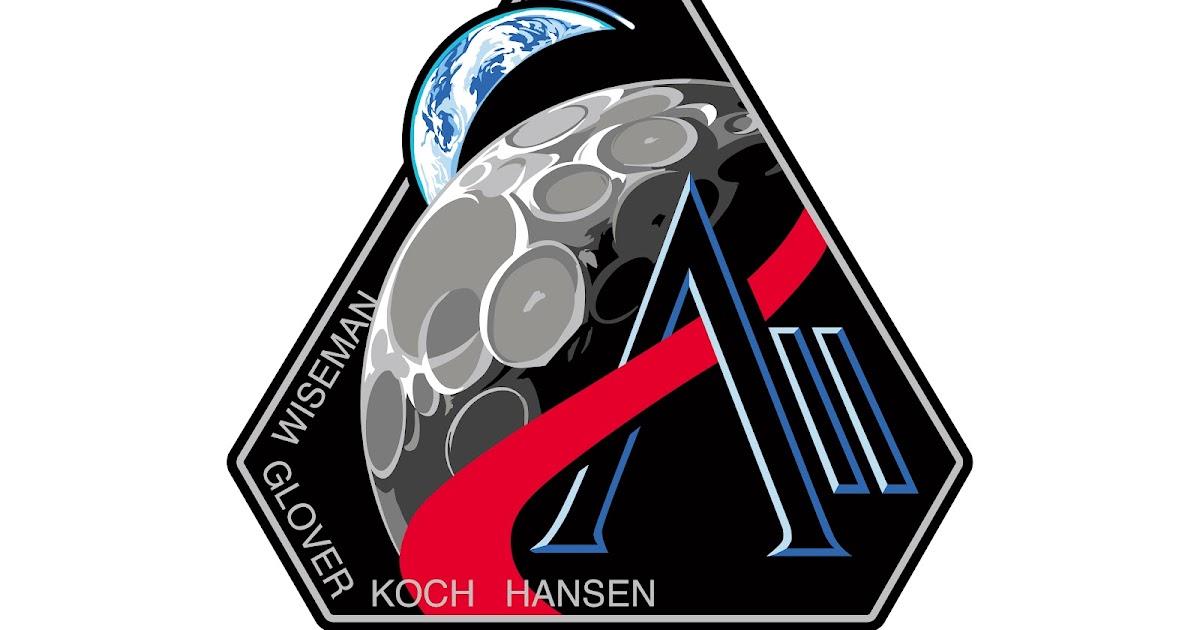
Public participation is represented as well. An SD card containing millions of names submitted through NASA’s “Send Your Name to Space” campaign will fly aboard Orion, allowing people around the world to be included symbolically on the journey. The kit also contains mission patches, flags, and pins intended for distribution after the flight to recognize those who contributed to Artemis II. International cooperation is further reflected through items provided by NASA’s partners. The Canadian Space Agency has contributed patches and stickers, while the European Space Agency will fly a flag to be distributed after the mission. ESA also provides Orion’s European Service Module, which supplies power, propulsion, and life support to the spacecraft. Altogether, the Artemis II flight kit weighs approximately 10 pounds and flies alongside the spacecraft’s scientific payloads. As with previous missions, these symbolic items serve to connect the technical achievements of human spaceflight with the broader human story that drives exploration forward. To learn more about the Artemis II mission, visit www.nasa.gov.