
NASA Administrator Jared Isaacman has issued a new agency-wide workforce directive that places notable emphasis on aviation culture, public inspiration, and the continued visibility of flight as a core element of NASA’s identity. The directive, titled Workforce Directive: Recognize, Reward, Inspire, was distributed to NASA personnel on 14 January 2026 and was first reported by NASA Watch, the long-running independent website that tracks NASA activities. In the memo, Isaacman underscores the importance of a motivated, accountable workforce in achieving the agency’s mission, writing, “Achieving NASA’s world-changing mission requires the best from a talented, inspired, and mission-focused workforce.” NASA Watch founder Keith Cowing highlighted the directive’s focus on cultural reform, performance recognition, and renewed engagement with the public—areas that resonate strongly with NASA’s long-standing aviation and outreach traditions.
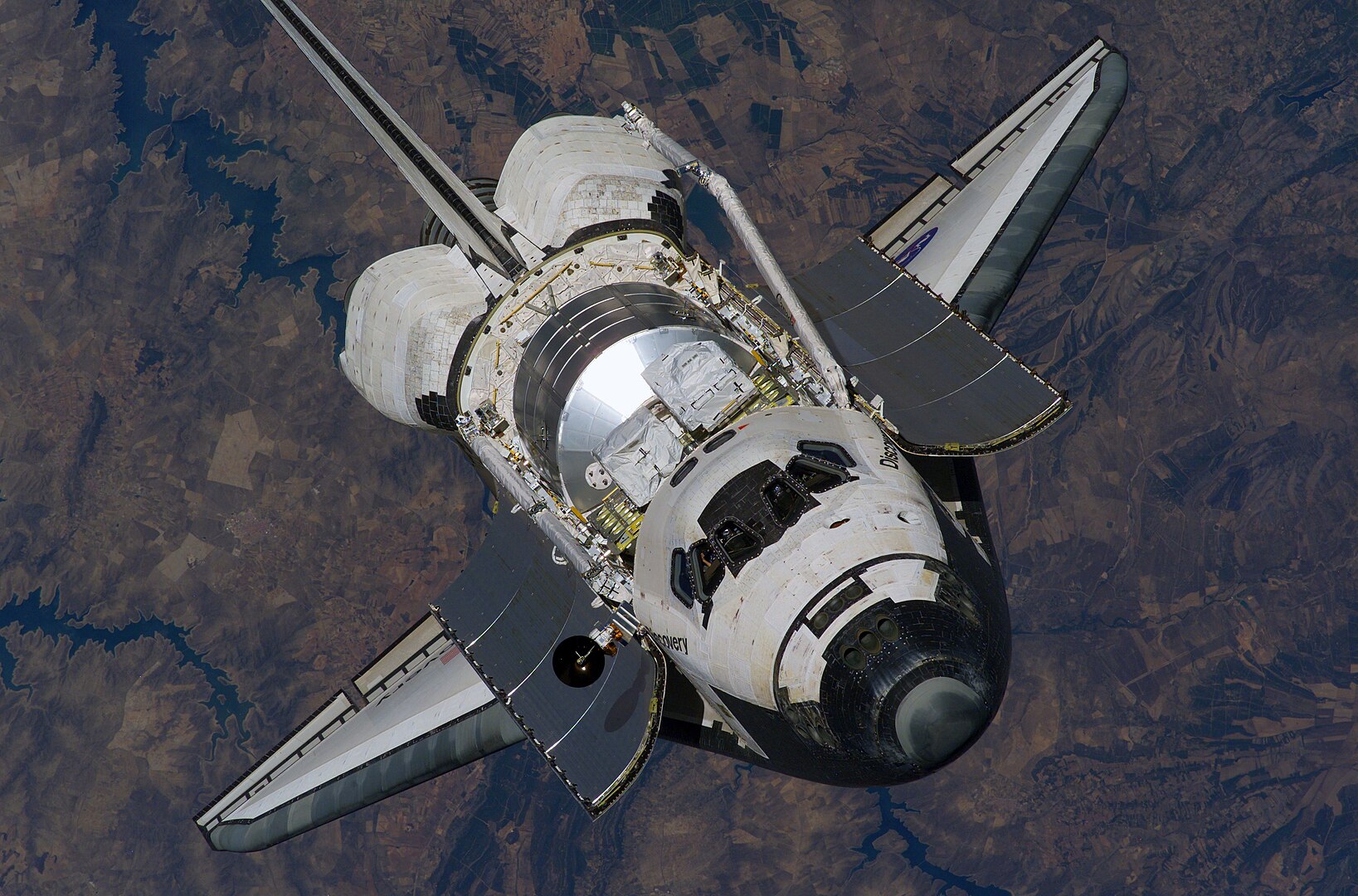
A Renewed Focus on Duty, Accountability, and Risk
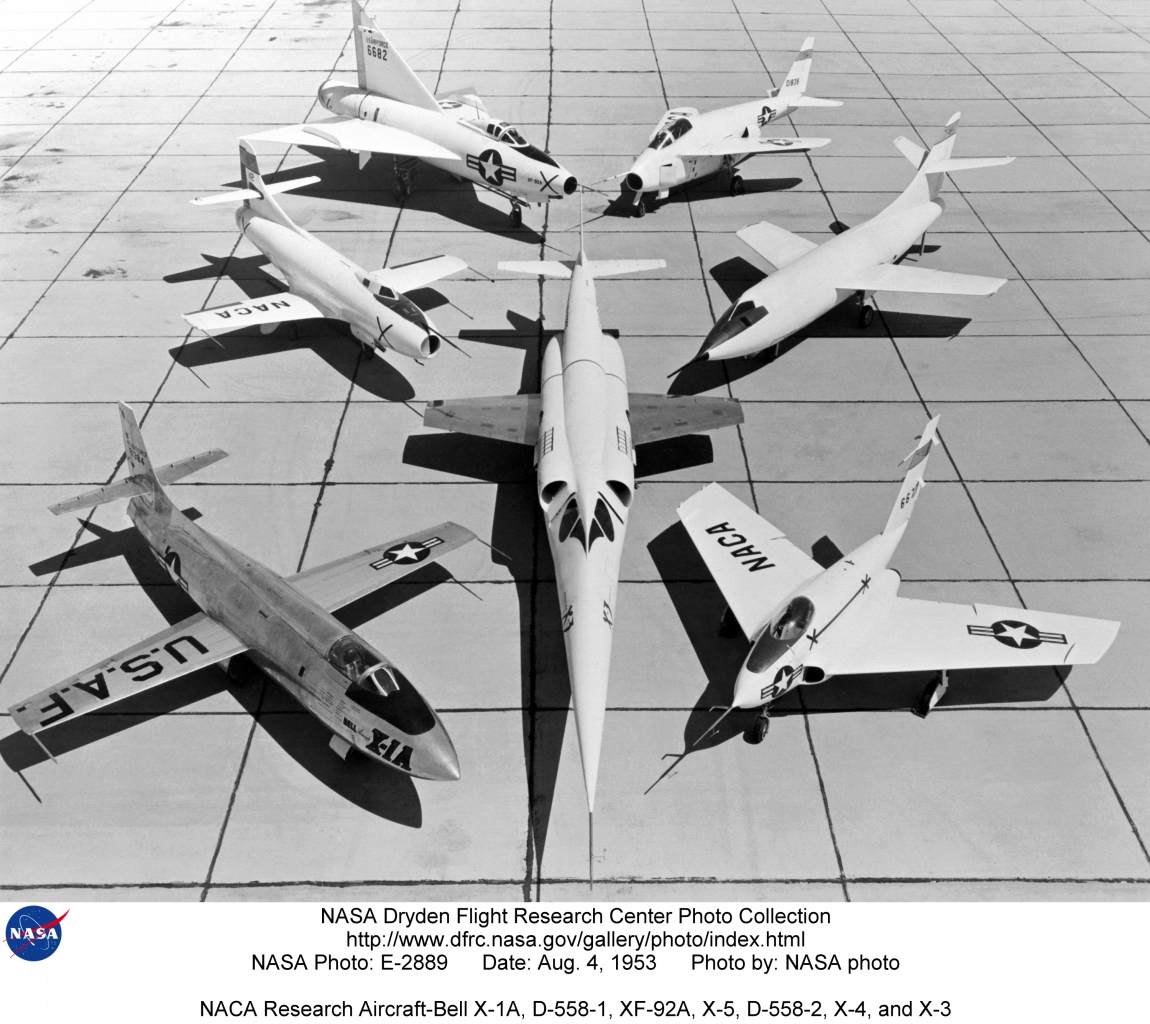
The directive calls on NASA leadership, working with the Chief Human Capital Officer, to embed a series of cultural principles across the agency. These include professional competence and duty, emphasizing that service at NASA is both a privilege and a responsibility; a mission-driven sense of urgency with a bias toward action; clear ownership and accountability for projects and outcomes; and a recalibrated approach to risk that prioritizes safety while recognizing that progress in aerospace has always required calculated risk. For those familiar with NASA’s aeronautical legacy—from the X-plane era through modern flight research—these themes echo the agency’s historical culture of disciplined innovation.
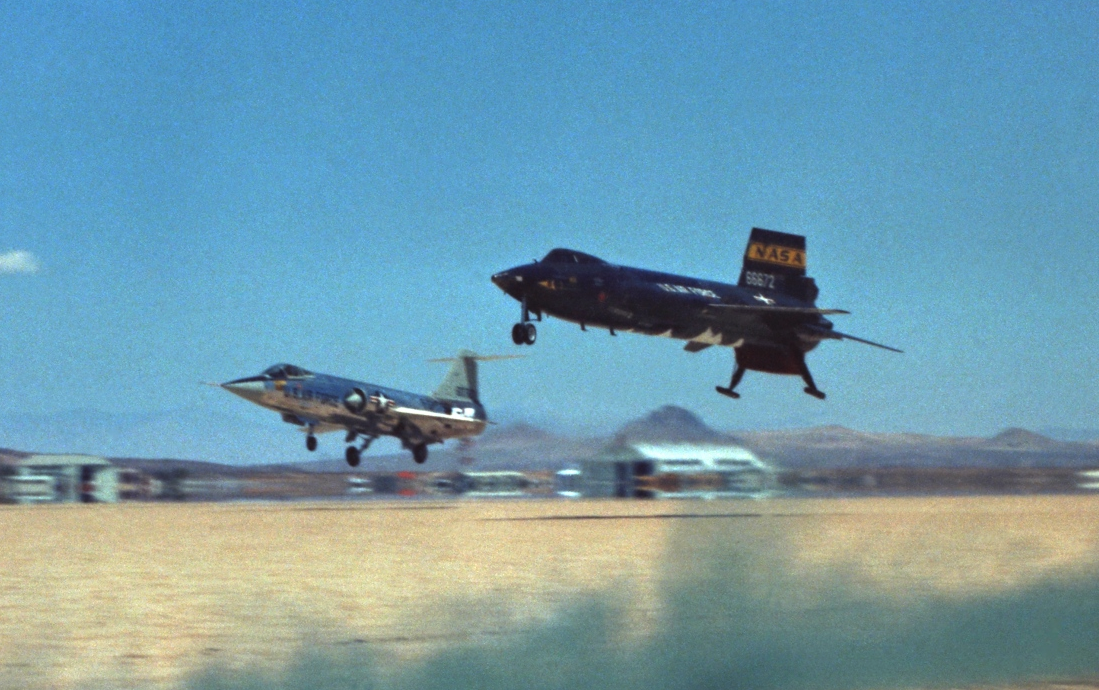
Recognizing and Rewarding Excellence
To better recognize individual and team achievements, the directive instructs the Chief Human Capital Officer to conduct a comprehensive review of employee and contractor awards programs within 60 days. Particular emphasis will be placed on measurable contributions aligned with agency priorities, including human spaceflight, scientific advancement, and cultural transformation. The directive also calls for a revised performance evaluation framework designed to restore meaningful differentiation between performance levels, coupled with enhanced rewards for top performers and structured improvement plans for those falling below expectations. A new peer nomination system will allow employees, contractors, partners, and members of the wider aerospace community to recognize outstanding contributions.
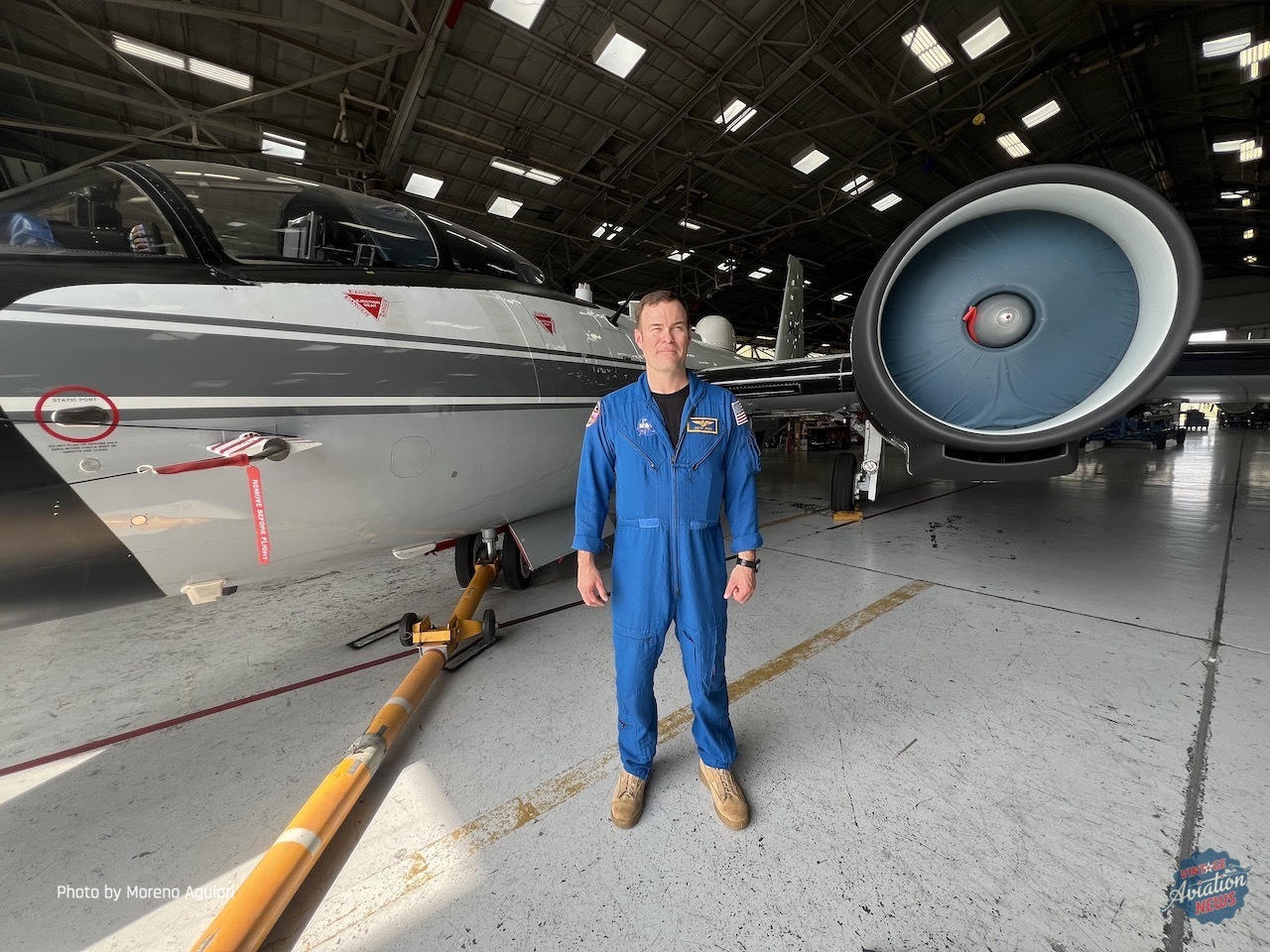
Aviation-Centric Incentives
Of particular interest to the aviation community, the directive outlines several aviation-related incentive programs to be created or expanded within 60 days. These include ride-along opportunities aboard NASA aircraft through a nomination and approval process, mission launch observation opportunities, and the awarding of flown hardware as recognition for exceptional service—an acknowledgment deeply rooted in aerospace tradition.
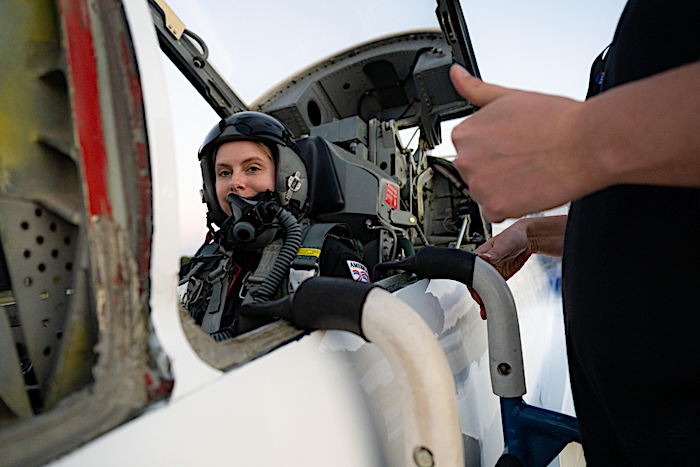
Inspiring the Public Through Flight
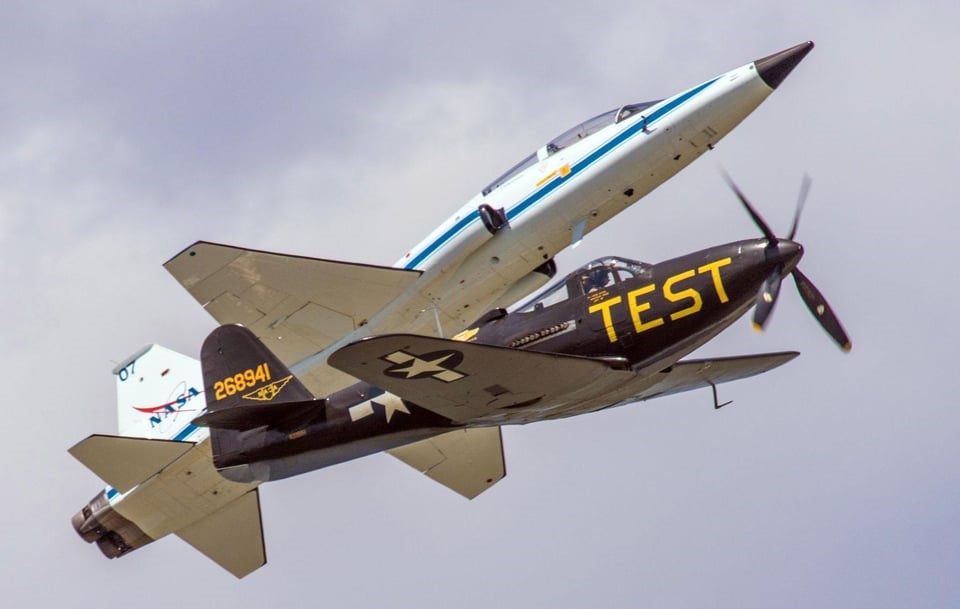
The directive places renewed emphasis on the inspirational power of flight. Within 30 days, the Chief of the Aircraft Capability Management Office is tasked with developing a plan to increase the use of NASA and affiliated aircraft for flyovers at launches, major sporting events, airshows, and national celebrations. The NASA website will be updated to promote these activities and to manage inbound requests for inspirational missions. For airshow audiences and aviation heritage supporters, this signals a renewed commitment to keeping NASA aircraft visible and active in public spaces.
Re-telling NASA’s Story
Isaacman’s directive also calls for a sharper focus on how NASA communicates its story. The Office of Communications has been directed to evaluate consolidating NASA’s social media channels to prioritize quality and impact over volume, with an emphasis on the agency’s most transformative programs. Plans are also underway to refresh and simplify NASA’s website, improving alignment with mission objectives across all directorates. Expanded access for educators, content creators, and media partners is intended to improve transparency and public understanding, while increased use of advanced imaging—including 360-degree cameras, immersive systems, and onboard smartphones—will allow the public to experience NASA missions more directly.
An Administrator with Deep Aviation Roots
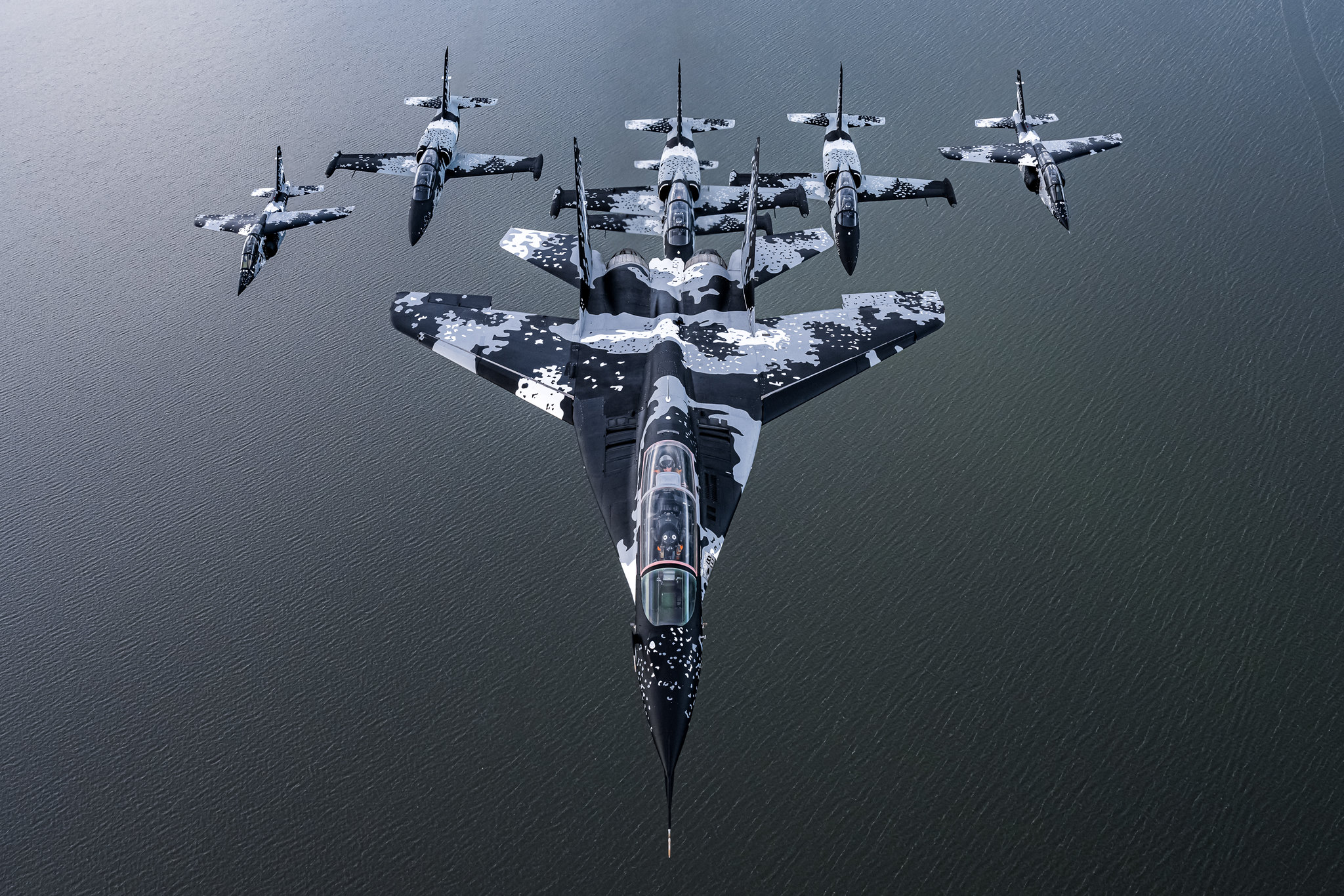
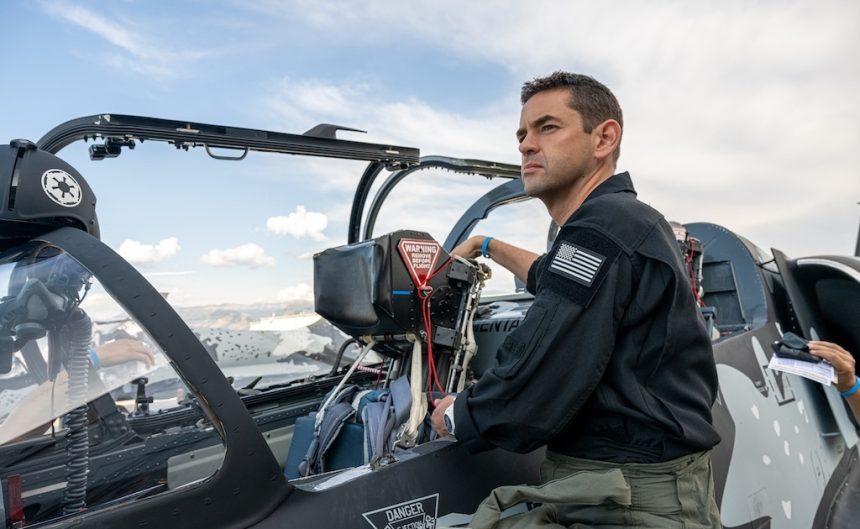
Isaacman, a philanthropist, a billionaire entrepreneur, accomplished aviator, and two-time SpaceX astronaut, brings a personal passion for aviation to the role. He is known for operating a collection of historic military aircraft, including a MiG-29 formerly owned by Paul Allen and a former Royal Air Force Tornado IDS, an F-5, L-39s, and Alpha Jets. The MiG-29 is currently used by the Polaris program for commercial astronaut training and is widely regarded as the fastest privately owned warbird in the world. For the Vintage Aviation News readership, Isaacman’s directive stands out for its clear recognition of aviation heritage, the inspirational role of flight, and the value of public engagement through airshows and historic aircraft—elements that have long connected NASA’s technical achievements with the broader aviation community.