







By René Ligon
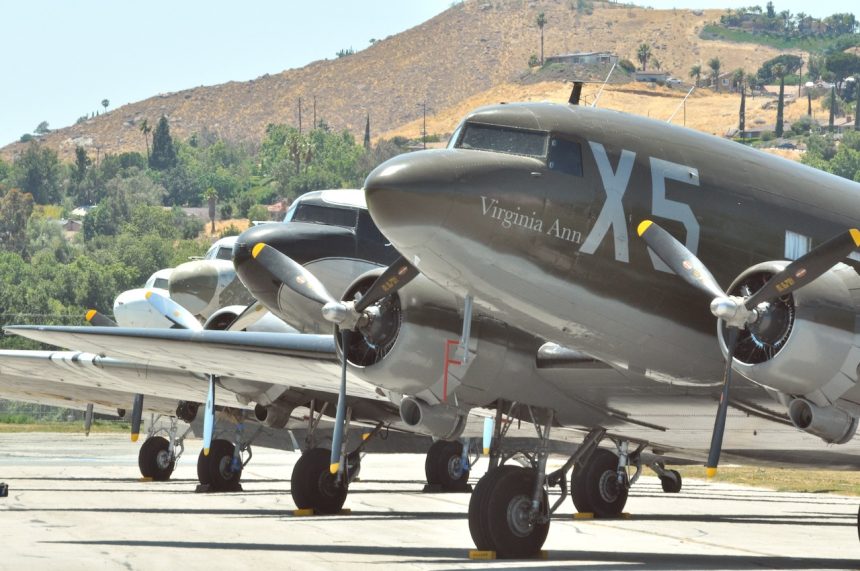
Nearly 90 years after the Douglas DC-3 first took flight, hundreds of examples remain scattered across the globe. Some still earn their keep carrying passengers and cargo, while others are preserved in museums, undergoing restoration, abandoned at remote airfields, or slowly disappearing into the landscape. Aviation photographer Rene Ligon is attempting to find and document them all. What began as a practical effort to locate airworthy DC-3s that he could photograph has grown into a worldwide research project encompassing nearly 600 aircraft. His records include not only DC-3s and their numerous military derivatives, but also a small number of Douglas DC-2s and Soviet-built Lisunov Li-2s. “I am a completionist kind of person, so it escalated quickly into wanting to get a complete picture of the state of all surviving DC-3 airframes,” Ligon explained. “At some point, I realized that I was assembling something that had not been publicly available so far.”


An Early Fascination
Ligon’s fascination with the DC-3 began long before the database took shape. Growing up in Berlin, he regularly visited the German Museum of Technology, where a Douglas C-47 is dramatically suspended above the building. Another aircraft, however, first captured his imagination: N26MA, the DC-3 used for flying sequences in the television series The A-Team. “I grew up watching the reruns over and over again as a kid,” he recalled. “Of course, I didn’t know that at the time. I just saw those beautifully elegant shapes and fell in love.” The first DC-3 he recorded for the project was PH-PBA, the former Dutch government aircraft that later flew with the Dutch Dakota Association. It was also the first DC-3 on which Ligon had flown, making it a natural starting point. Initially, the project was intended to support his aviation photography. Based in Germany, where relatively few DC-3s remain airworthy, Ligon needed to determine which aircraft were still flying and where he might find them. As his research expanded, however, he began discovering surviving airframes that he would probably never encounter in person. “The information was there,” he said. “I just really felt the urge to note down everything I found. Then curiosity took over.”
Nearly 600 Survivors—and Counting
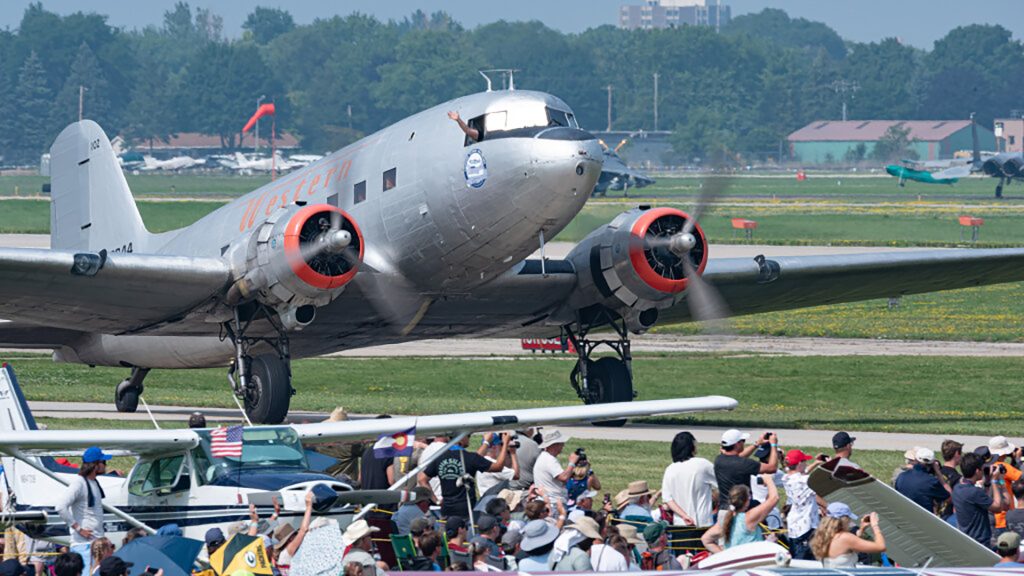
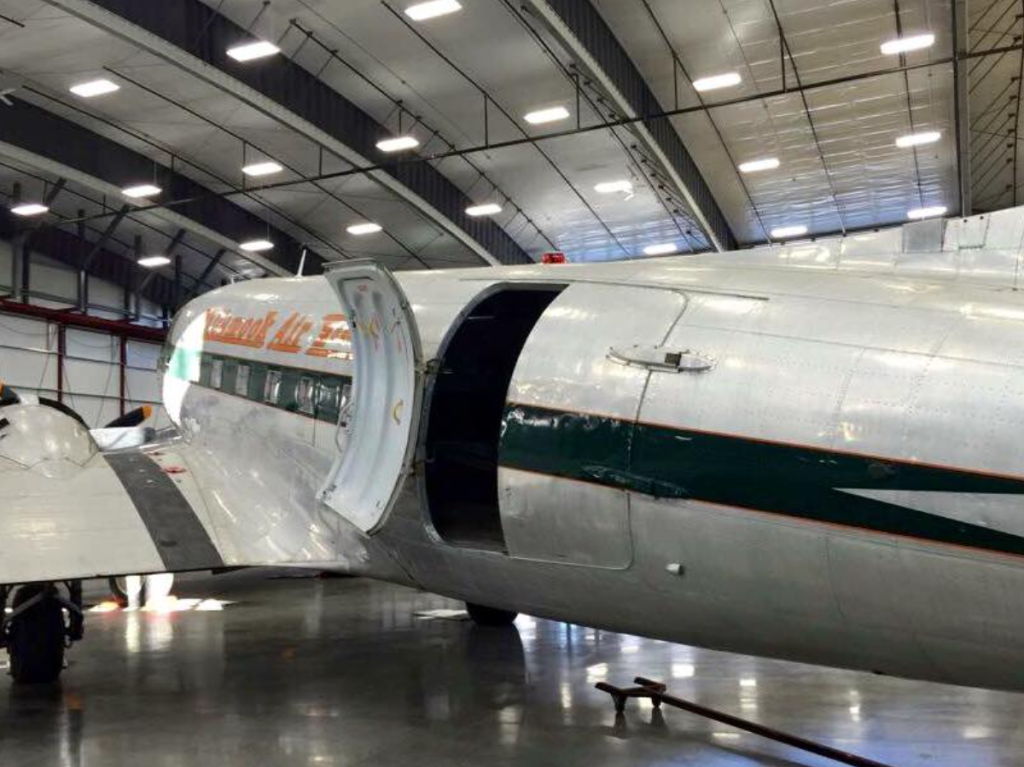
Ligon has now documented close to 600 surviving airframes, 657 to be exact (as of August 22, 2026). To make the information manageable, he maintains two principal lists: one for aircraft that are airworthy or close to airworthy, and another for static examples. The flying category also includes aircraft capable of taxiing and those being restored to airworthy condition. Because operational DC-3s frequently move between airports, operators, and countries, Ligon records their home bases or usual areas of operation whenever possible. Nonflying aircraft present a different set of challenges. Ligon divides them into several categories: indoor display, outdoor display, indoor storage, outdoor storage, restoration for static display, derelict, wrecked, underwater, and cut up—the last describing aircraft for which only sections remain.
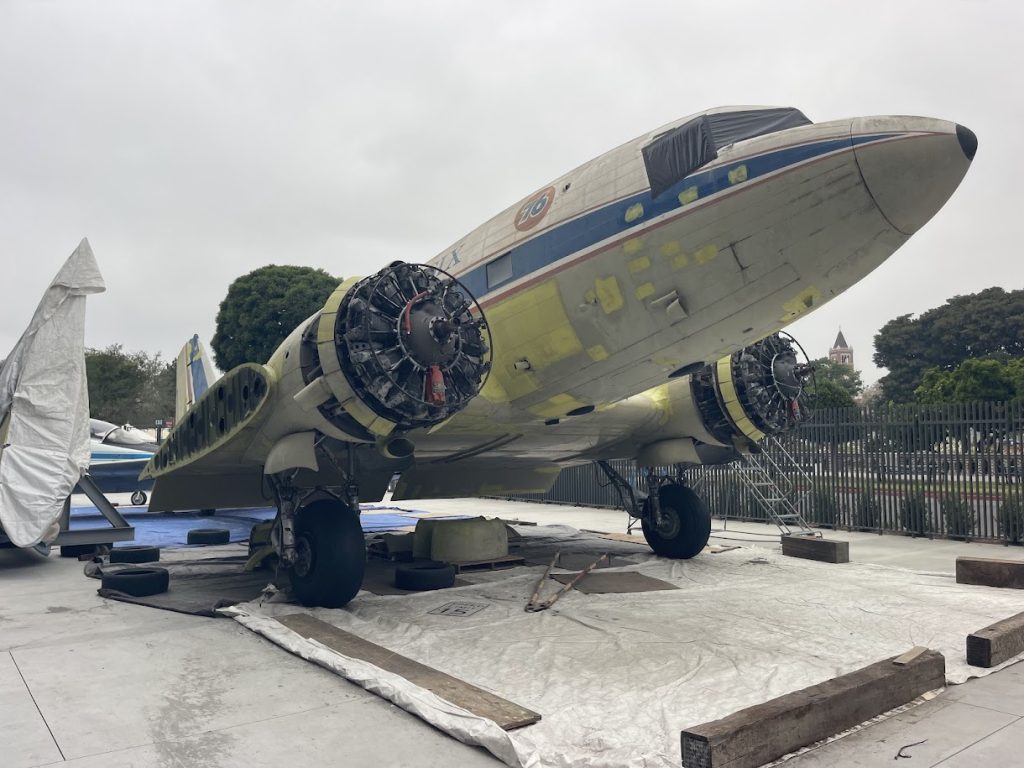
Although static aircraft might seem easier to document, they are not always as stationary as expected. “You would be surprised by how much they get shuffled around over the years,” he said. Each aircraft included in the project must be independently verified. Ligon relies heavily on Google Earth, Google Maps, Street View, Google Places, online photographs, travelers’ blogs, and other publicly available sources. He also records when the supporting satellite imagery or photography was produced, allowing him to assess how current the information may be. Derelict aircraft sitting outdoors can sometimes be identified in satellite imagery, but locating them often requires painstaking comparisons between old photographs and features in the surrounding terrain. Aircraft stored under cover may be even more difficult to confirm.
“If one is somewhat visible from a public space, using Street View to snoop around or checking user-uploaded photos on Google Places is my go-to method,” Ligon explained. The DC-3’s distinctive appearance occasionally works in his favor. Even people who cannot identify the type often photograph an unusual airplane they encounter and post the image online. Such photographs may provide the clue Ligon needs, although finding them requires considerable manual searching because they are not always labeled with the aircraft type or registration. “It is a labor of love,” he said, “and it is a lot of labor.”
Tracking the Hardest Cases
Some searches consume hours without producing a definitive answer. Among the most frustrating are aircraft for which enough information exists to make discovery appear possible, only for the evidence to suggest that they were quietly destroyed years ago. Ligon cited two DC-3 fuselages in Spain that had reportedly been converted into cabins. An old website contained photographs and a seemingly precise description of their location, but subsequent development had transformed the surrounding area. He has never conclusively determined what happened to the fuselages, although he believes they were probably scrapped. Other searches have been more successful. Ligon eventually located a New Zealand DC-3 that had served as a roadside sign before being moved to private property. He also found the wreckage of YV-C-LBO in Venezuela after reading about it in Hans Wiesmann’s book The Dakota Hunter. With only a few photographs available, Ligon matched visible topographical features to locate the crash site.
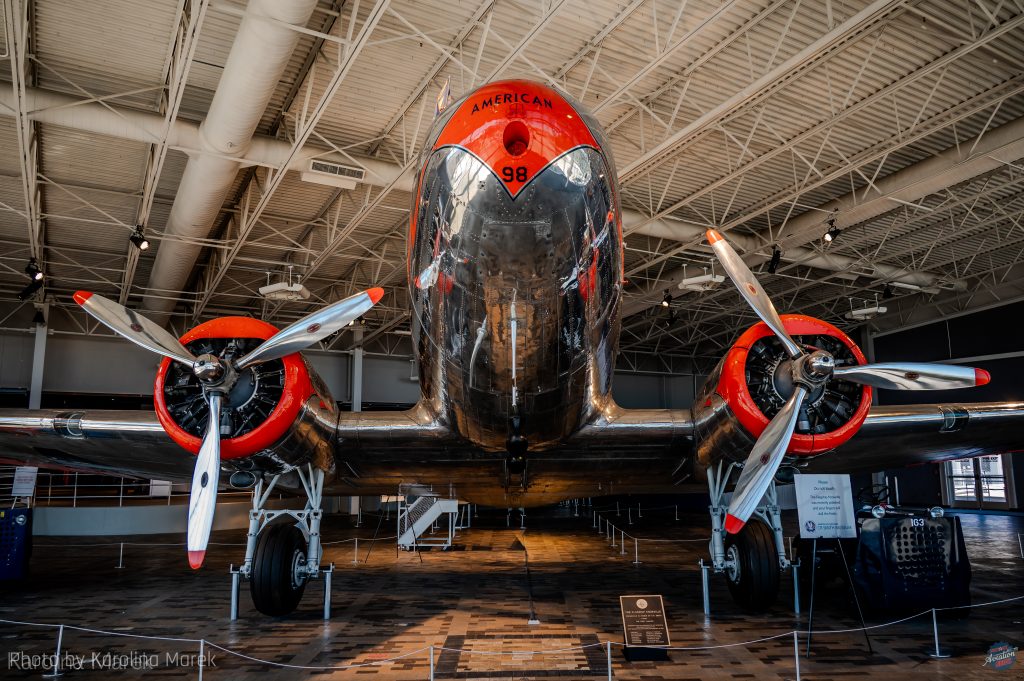
Identifying a specific aircraft becomes especially difficult at former military airfields or transportation hubs where several DC-3s may be parked close together. While historical records may establish which aircraft are present, determining which registration belongs to each shape in a satellite image can require additional photographic comparisons. More mysterious are the derelict airframes Ligon occasionally finds through satellite imagery without any associated identity or published history. Some are even turbine conversions. The project has also produced surprises closer to home. Ligon was astonished to discover a derelict DC-3 in Germany, where population density and extensive regulation make the long-term abandonment of such a large aircraft seem unlikely. By chance, he later met the pilot who had delivered the aircraft on what remains its final flight.
From Remote Islands to Rocket Power
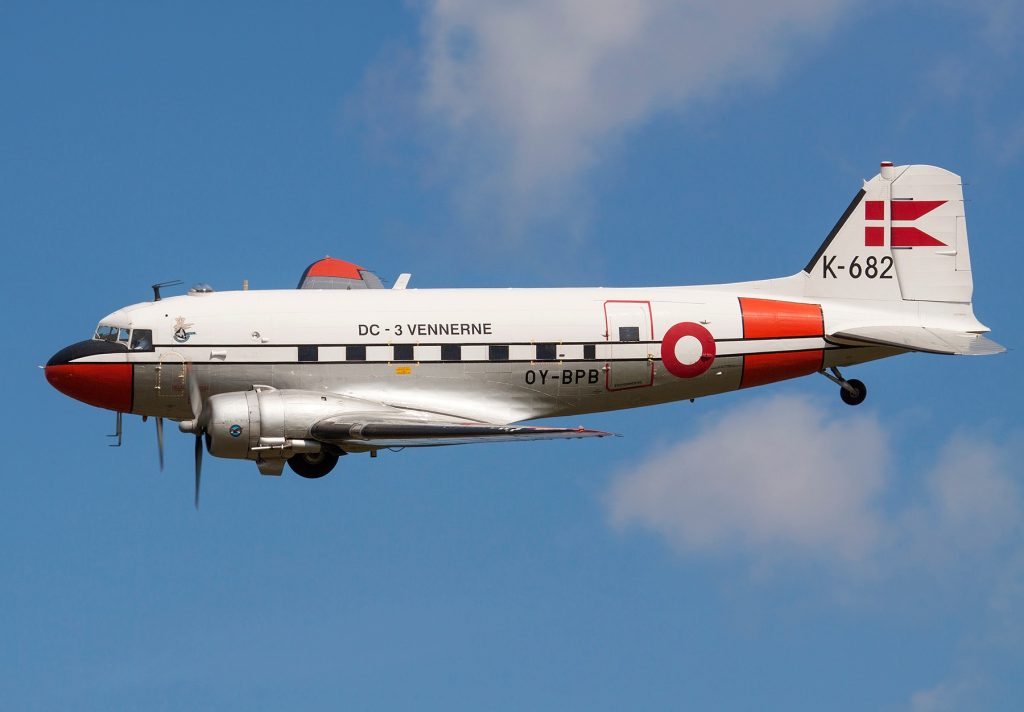
The farther an aircraft is from a populated area, the better its chances of avoiding the scrap dealer. Ligon has documented surviving DC-3s in locations ranging from remote Alaskan terrain to islands in the Pacific. One particularly isolated example rests on Aitutaki in the Cook Islands. Heavy vegetation made it difficult to identify in satellite imagery, but photographs published on a traveler’s blog confirmed that the aircraft survived at the time of Ligon’s research.
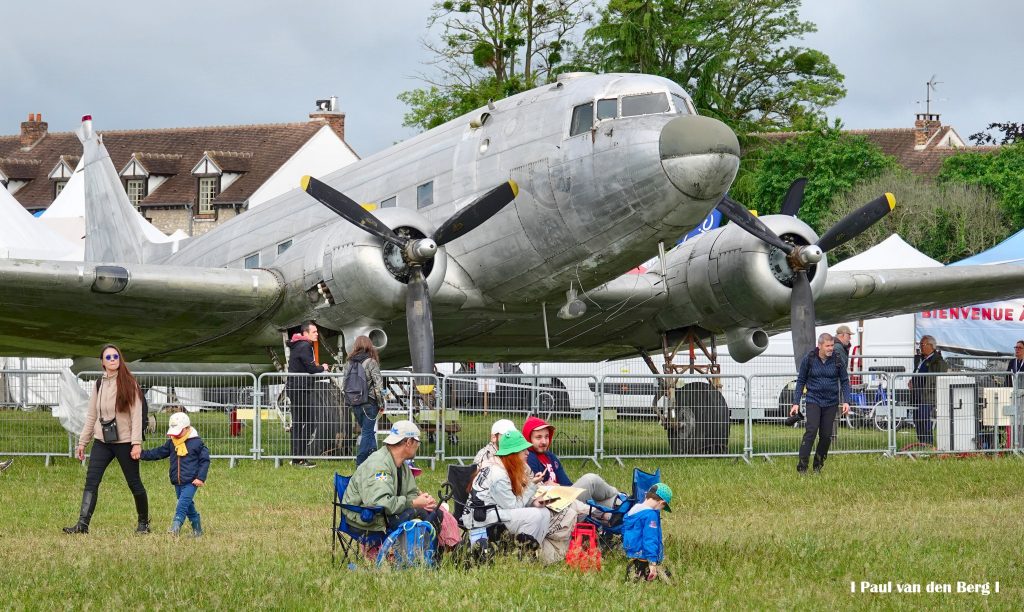
Among the most unusual aircraft in his database is the South African-registered Basler BT-67 ZS-ASN, which carries so much specialized sensor equipment that its DC-3 origins are difficult to recognize. Another is Argentina’s TA-05, an extraordinary test aircraft that combined radial engines, turbine power, and rocket assistance. He has also uncovered aircraft that faded from public knowledge after moving from prominent displays into private ownership. Others survive in parts of Africa and South America where current information can be scarce. One discovery involved a Basler BT-67 that was impounded in an African country decades ago yet reportedly remains in existence.
An Aircraft That Still Works for a Living
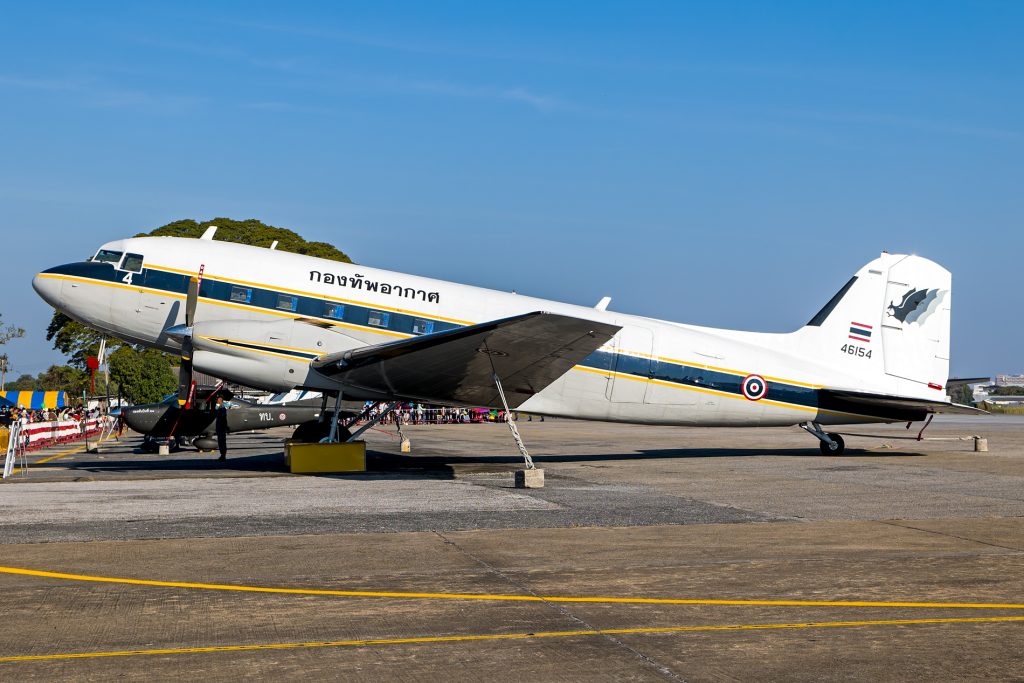
For Ligon, the DC-3’s importance extends well beyond the number of surviving airframes. He regards it as a singular example of longevity in transportation history. “I can think of no other vehicle that continues to be economically relevant as a type 90 years after its inception,” he said. “As a whole type with economic significance, the DC-3 stands unique.” DC-3s remain active on every continent, carrying out many of the same missions for which the aircraft was originally designed while also supporting roles that could scarcely have been imagined in 1935. The growing number of turbine-powered conversions demonstrates the enduring value of the basic airframe.
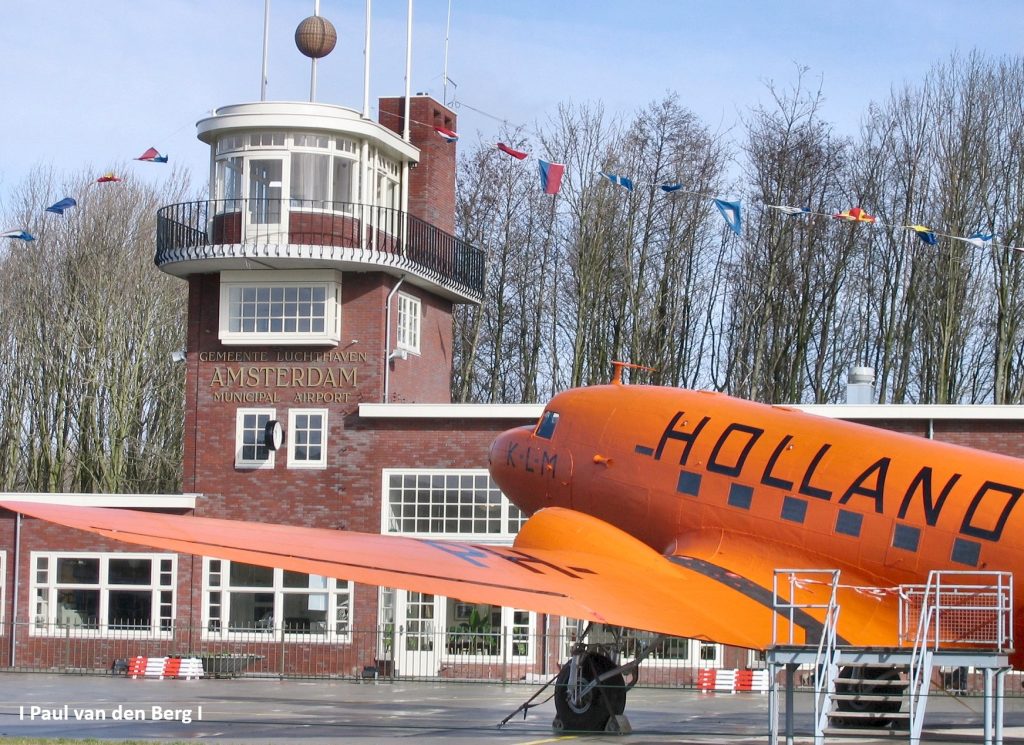
“90 years of technological progress have still not driven the DC-3 out of professional aviation,” Ligon observed. “That alone shows us how monumental the type was to begin with.” He credits the United States with having the world’s strongest DC-3 preservation community and the largest population of flying examples. He also points to Basler Turbo Conversions as a major force in carrying the design into the 21st century.
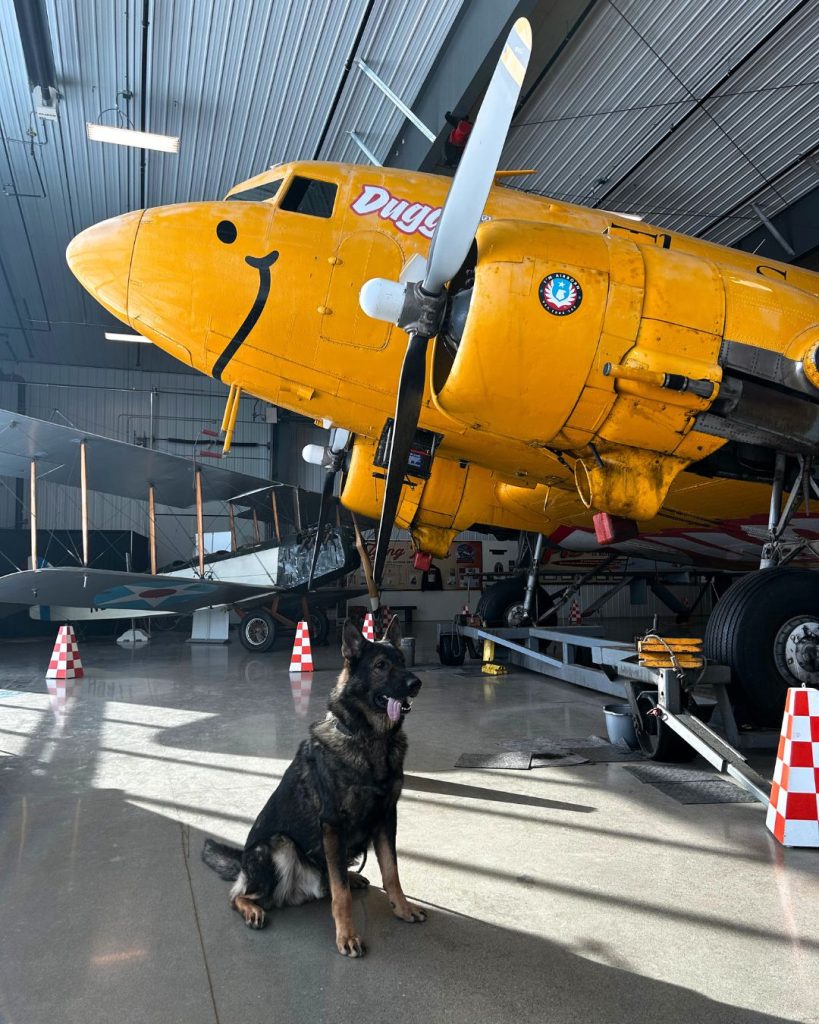
Yet his favorite aircraft are the radial-powered DC-3s that continue to work for a living. He is particularly fond of the veteran freighters operated by Florida Air Cargo and Alaska’s Desert Air, including N15MA, N271SE, and the distinctive long-nosed N272R. Other favorites include N1931D, formerly operated as the Breitling DC-3 and now based at the M.S.Ö. Air & Space Museum in Türkiye, and Duggy, the bright-yellow DC-3 recognized by its smiling nose art. “I just love that patina,” Ligon said of the working freighters. “There is something so beautiful and honest about bare aluminum that has seen nine decades of work.”
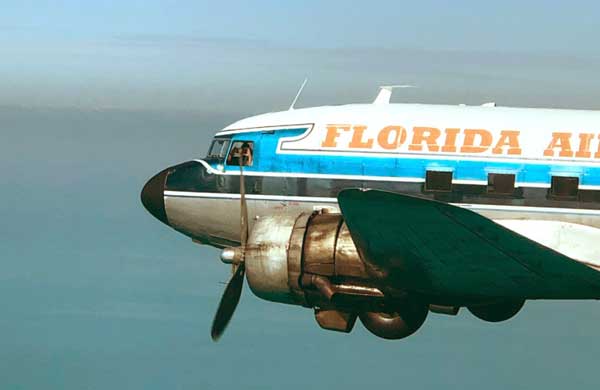
(Image credit: Florida Air Cargo)
Building a Resource for the Future
Ligon’s long-term objective is to create a realistic picture of the worldwide DC-3 population. He acknowledges that the database will never be perfect. Aircraft change ownership, move between locations, deteriorate, return to flight, or disappear before their fate can be documented. For now, he continues adding aircraft and investigating new leads. Eventually, he hopes to revisit examples that have vanished from public view and determine what became of them. Ligon is also considering how the research might be shared while respecting aircraft owners and ensuring that the information can be maintained. One possibility is a future book incorporating his photography and the stories of the aircraft he has documented.
Members of the aviation community can assist by providing information about aircraft stored away from public view or otherwise invisible in satellite imagery. Ligon is also eager for opportunities to photograph operational DC-3s. He can be contacted through his Instagram account, DC3.project. Although technology has made this worldwide search possible, Ligon’s work ultimately tells a story about people. Across countries, cultures, and economic circumstances, individuals continue to devote their time and resources to preserving these machines.
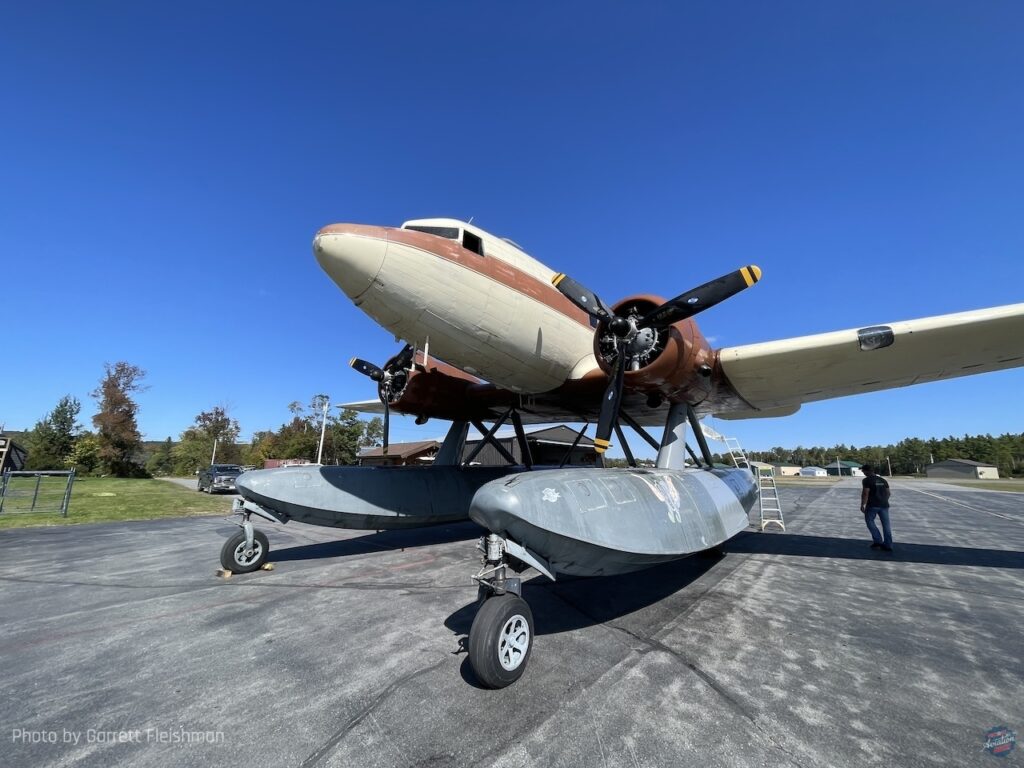
“The DC-3 is the blueprint for aviation as we know it today,” he said. “She made air travel viable and brought cargo and passengers to places otherwise inaccessible. She was the economic backbone of entire regions and industries.” For Ligon, every aircraft located—whether flying passengers, displayed in a museum, hidden in storage, or resting at a remote crash site—adds another piece to that history. “The beauty of the DC-3 sparks something in people around the world,” he reflected. “No matter how difficult life may be somewhere, you will find people willing to put in the effort to preserve those magnificent machines.”






There’s a DC3 based as a permanent display plane in CFB Cold Lake in Alberta Canada. It’s nose cone has been replaced with the sharp pointed one and when it was in regular use it was called Pinocchio and flew regularly between CFB Cold Lake and Edmonton in Alberta.
Very good documentary I enjoyed reading it and it reminded of when I worked on these planes. I was in the Dope and Fabric business
Covered many control surfaces for years and flew in a few even painted some. Ok Thank you for the article. Jim
my grandfather flew a c47 in ww2
Normandy invasion. it would be cool to get some history of his plane. had a donkey as nose art. trying to add phot but it won’t let me.
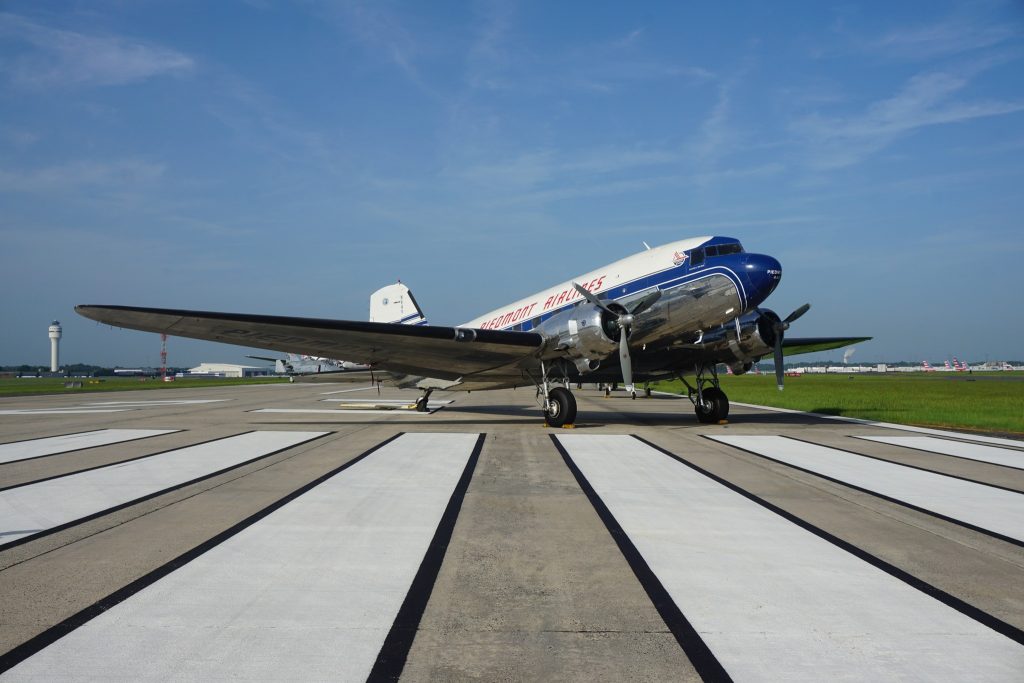
I once flew on a Piedmont aircraft that I thought
was a DC3. The engine outside my window was
marked RollsRoyce. Did they use the engines
in the 1970s and 1980s??
I share Ligon’s love and admiration if the DC-3. It has been my favorite aircraft since I was a little boy in the 1960s. I have always dreamed of owning and learning to fly the rotary engine powered DC-3. The world perfect aircraft.
Same bro, same.
The DC-3, a truly Great Aircraft that just … Looks Right.
Maybe, one day, I’ll get to ride in one!
A good article … Keep the Search and photography going.
Not to be picky but the P&W engines are “radial”. Rotary engines had the prop fixed to the mass of cylinders and the complete assembly rotated around the crankshaft. And totally agree,the DC3 is maybe the most important aircraft ever built! My first flight in a RAAF Gooney in 1963.
Wonderful childhood memories of flying into Trujillo Honduras, landing in a pasture. Bench seats and offered pork rinds for a snack.
What a great article. And a great effort by him. I to love those planes. I would love to fly in one. Keep up the great work.
Ligon I think this is fantastic!!! Love the effort you have put into the research.
As a side note; I am looking for a good one to buy, don’t want a project. Want one with an interior. I’m getting close to retirement after 30+ years flying private jets, time to have son fun! Already type rated.
Great article and worthy project. I would like to know if the Navy C-117, R4D, DC-3 Super might also become a part of the collection. I had the privilege of flying C-117 around the Philippines as a US Navy pilot in the early 1970s including trips to Hong Kong and Taiwan. Also visited DC-3’s at EAA Oshkosh 2026.
I saw a C-47 recently at Camp Taccoa in northern Georgia (same Camp Taccoa from the “Band of Brothers” mini-series). It’s very slowly being restored as an outdoor static display and looking rough. It can be seen on Google Maps.
We have a flying one. Luck of the Irish – 43-48716. Held by Air Heritage Aviation in Beaver, PA. Come and visit us. It has several airshows scheduled for the remainder of the summer into September.
https://airheritage.org/aircraft/douglas-c-47b-skytrain-luck-of-the-irish/