
By Randy Malmstrom
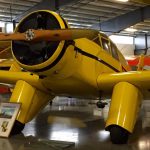
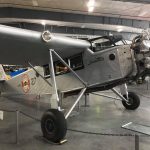
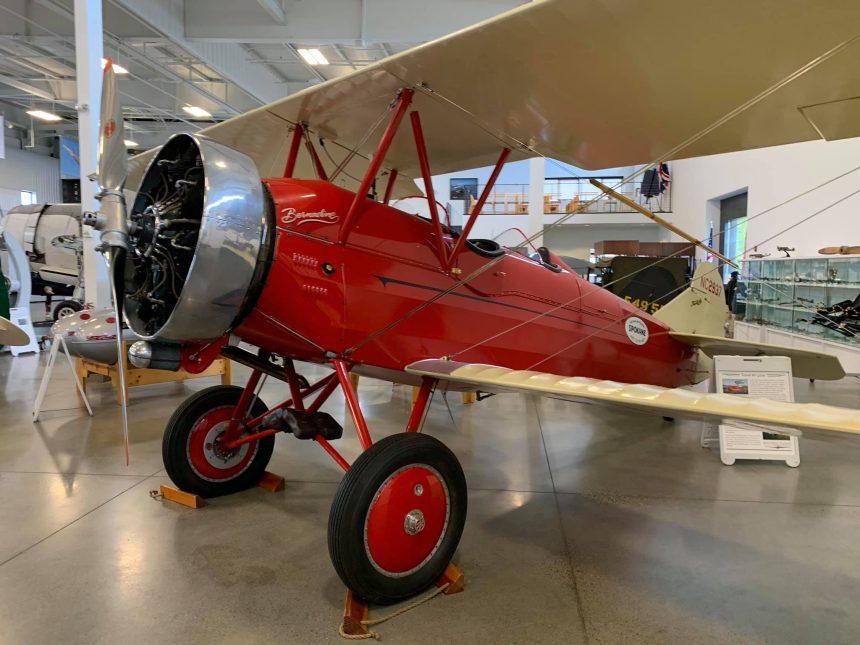
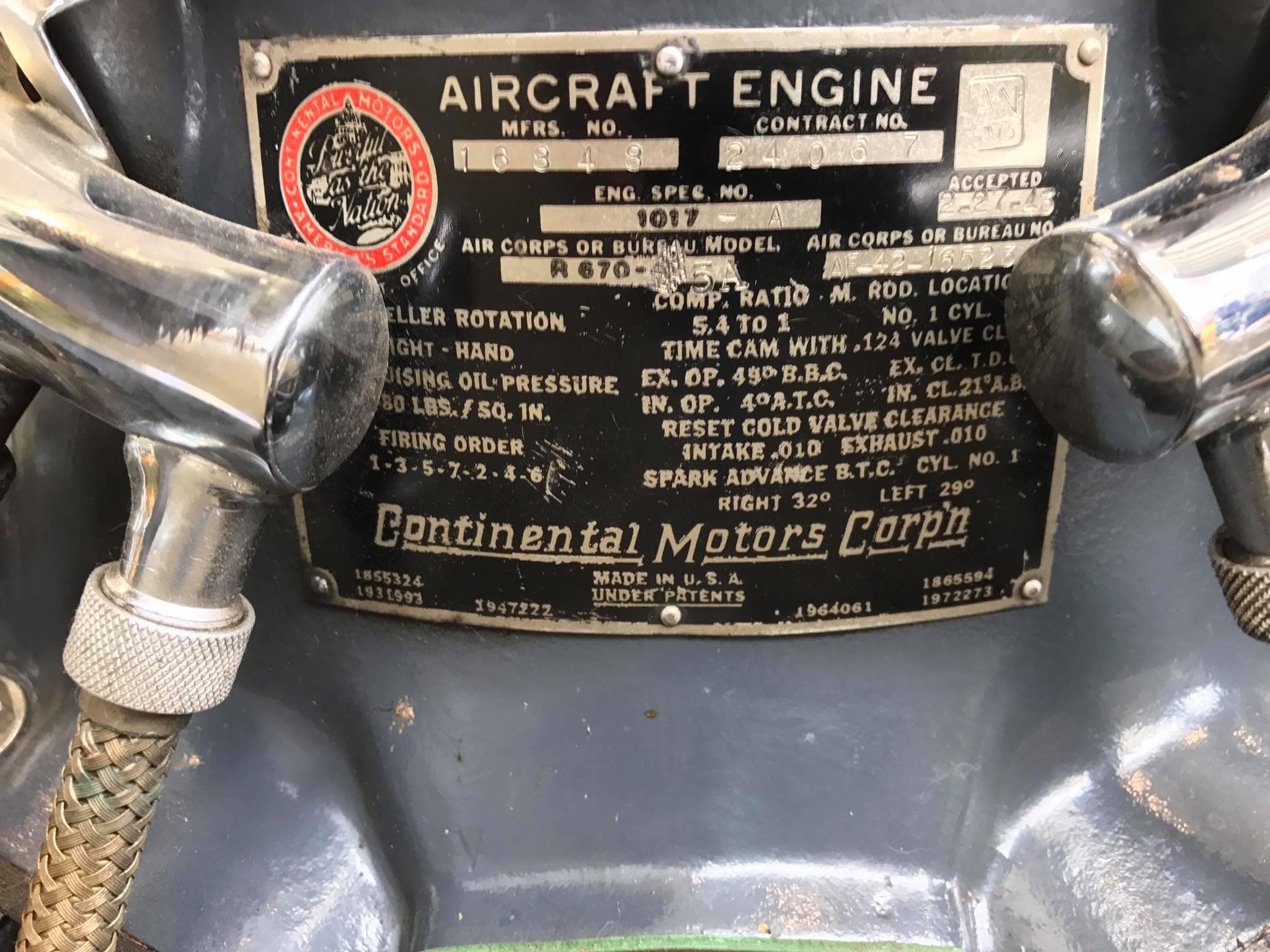
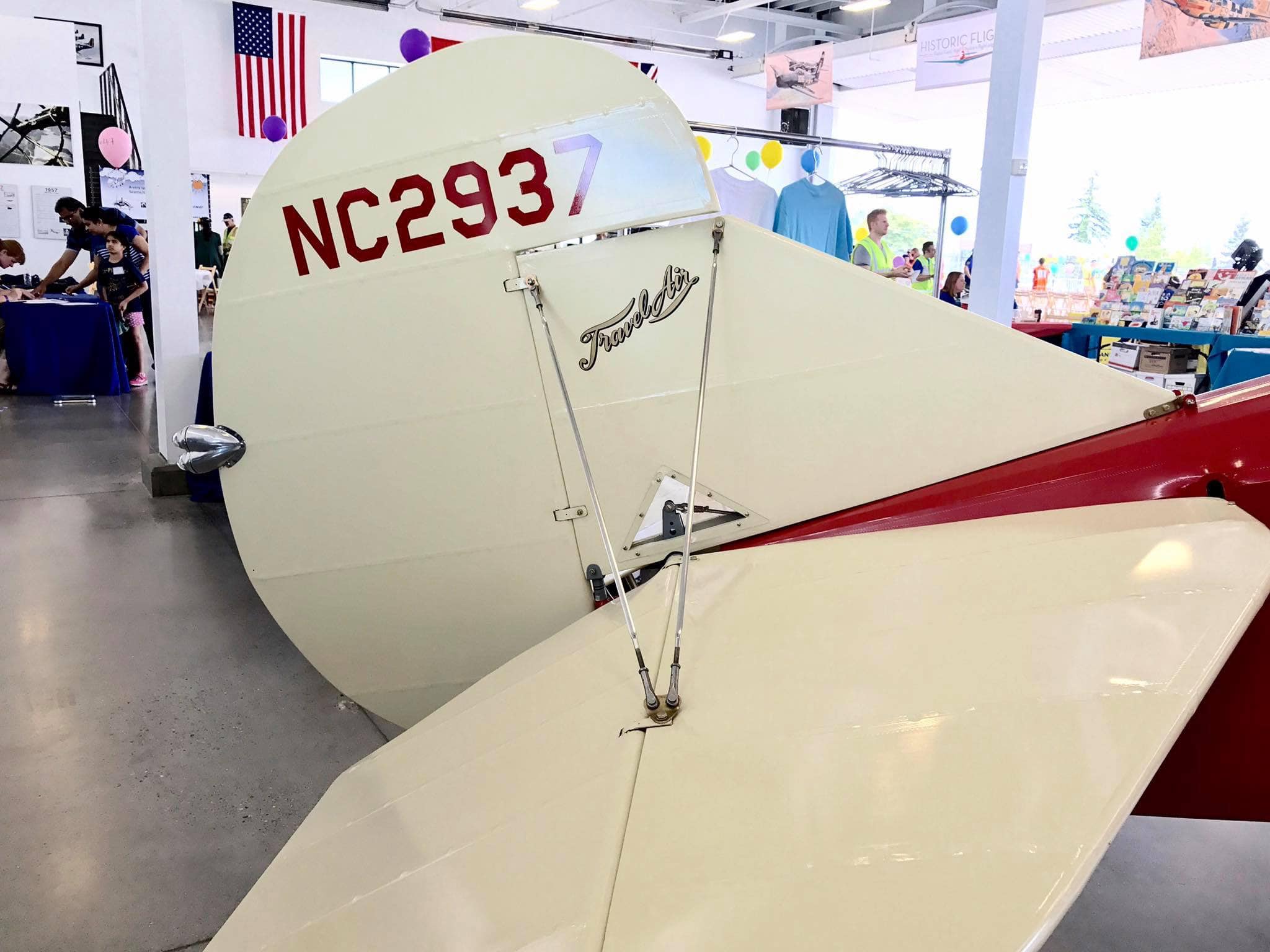
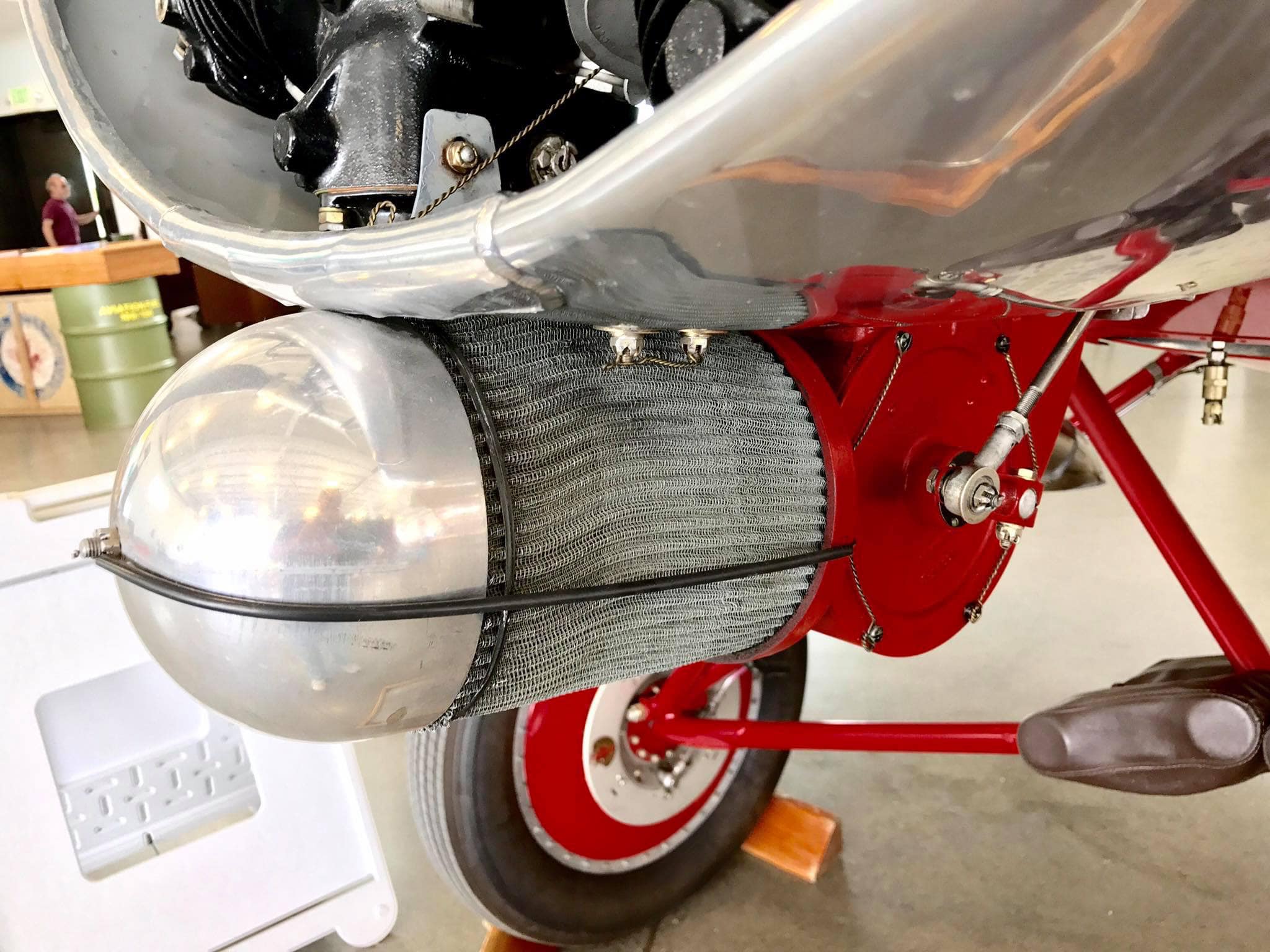
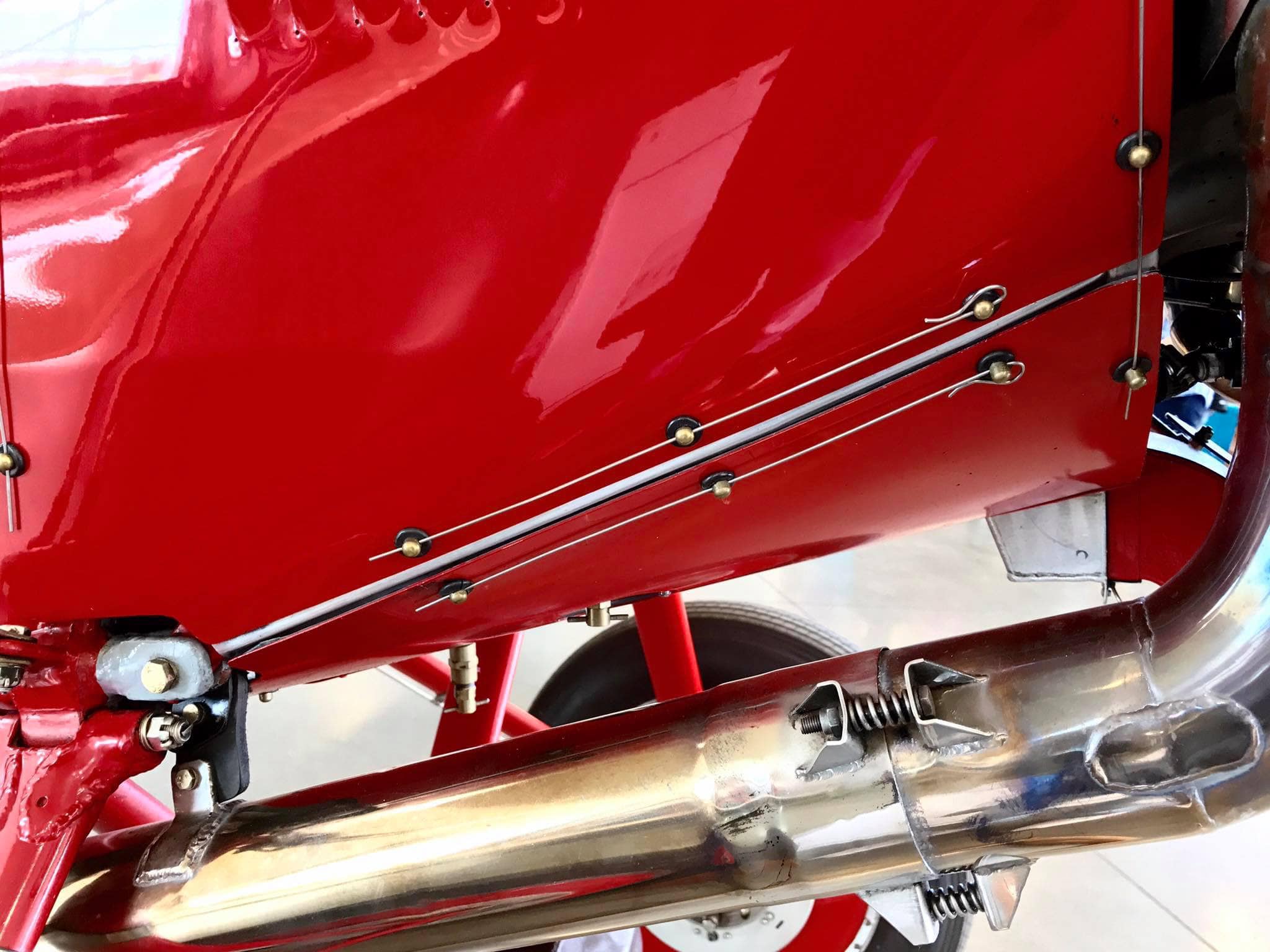
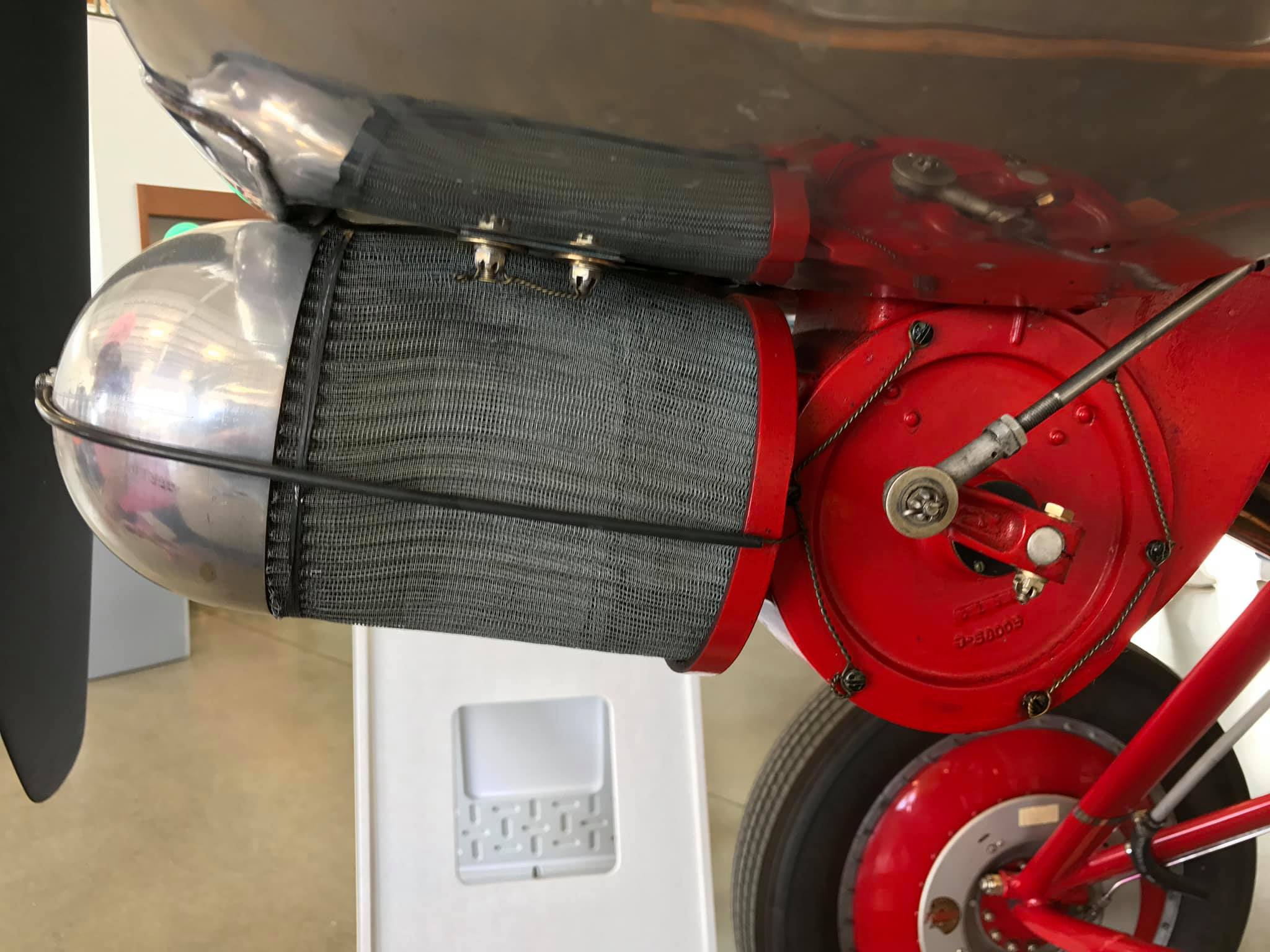
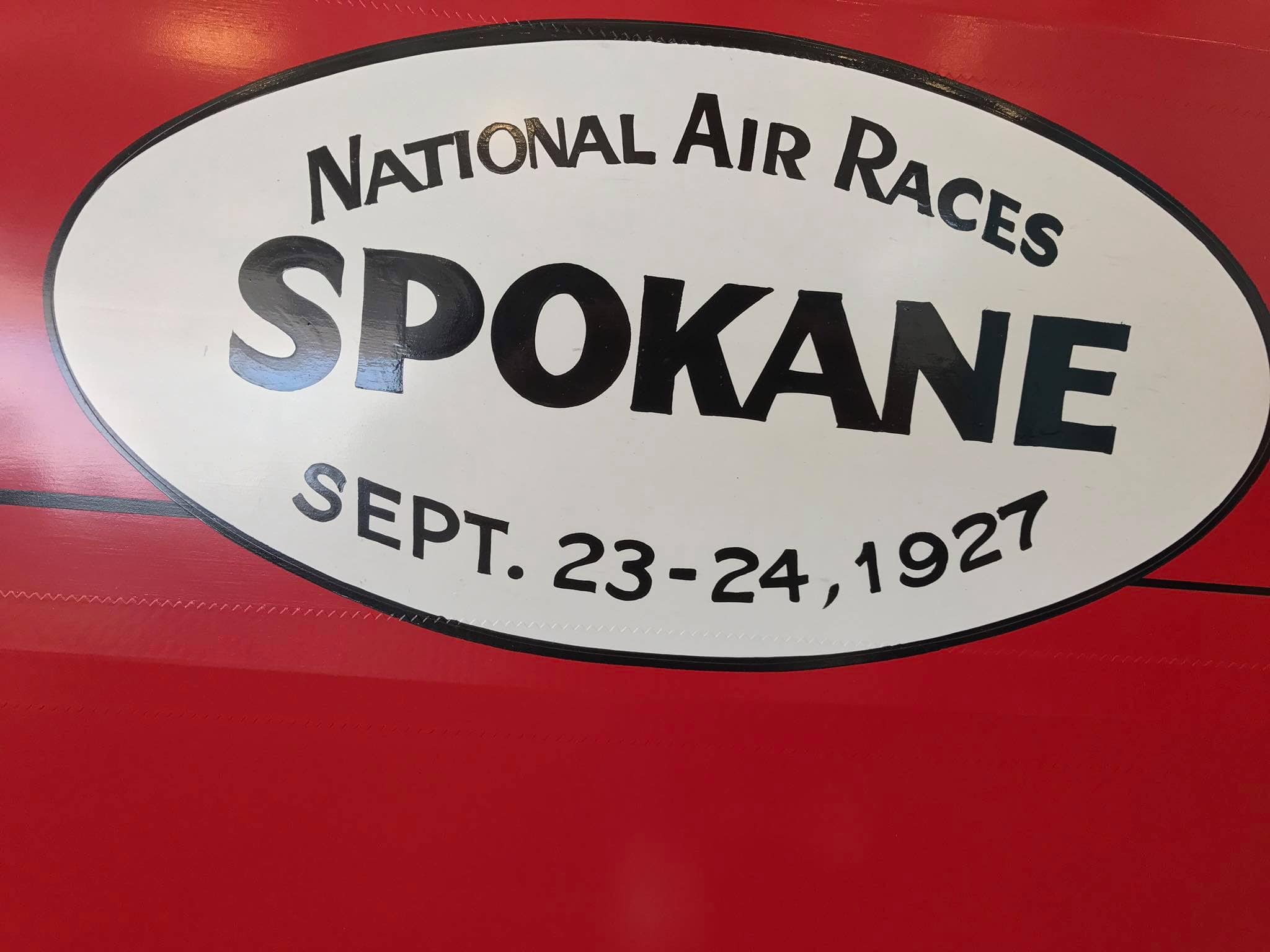
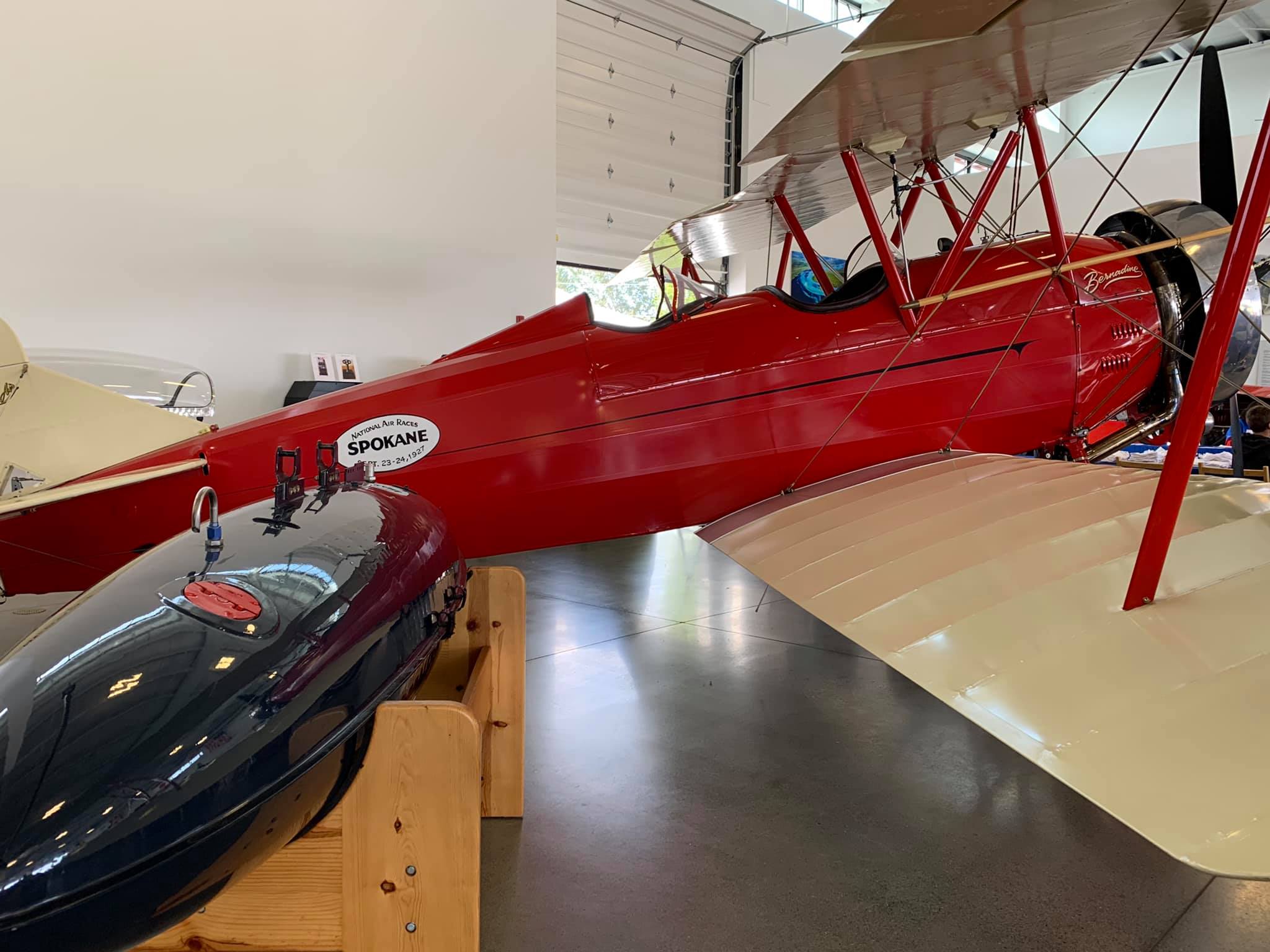
Travel Air 2000 “Wichita Fokker” (in reference to the Fokker D.VII World War I fighter) s/n 185 (possibly s/n 85). This particular aircraft was built in 1927. Texas oilman Harlan Hill flew the aircraft for 10 years until it crashed in a farmer’s field, after which it sat in a barn for decades. In 1995, Jim “Speed” Miller of Spokane bought the pieces of it and spent seven years restoring it and installing a Continental R-670 radial engine (as has been used in currently airworthy Type 4000s). It first flew again in 2005 and is said to be the oldest airworthy Travel Air in the U.S. The paint scheme is in honor of the 1927 National Air Races from New York to Spokane held between September 21-25 and, as far as I’ve been told, is named for Jim Miller’s wife, Bernadine. My photos at Historic Flight Foundation on Paine Field in Everett/Mukilteo, Washington.
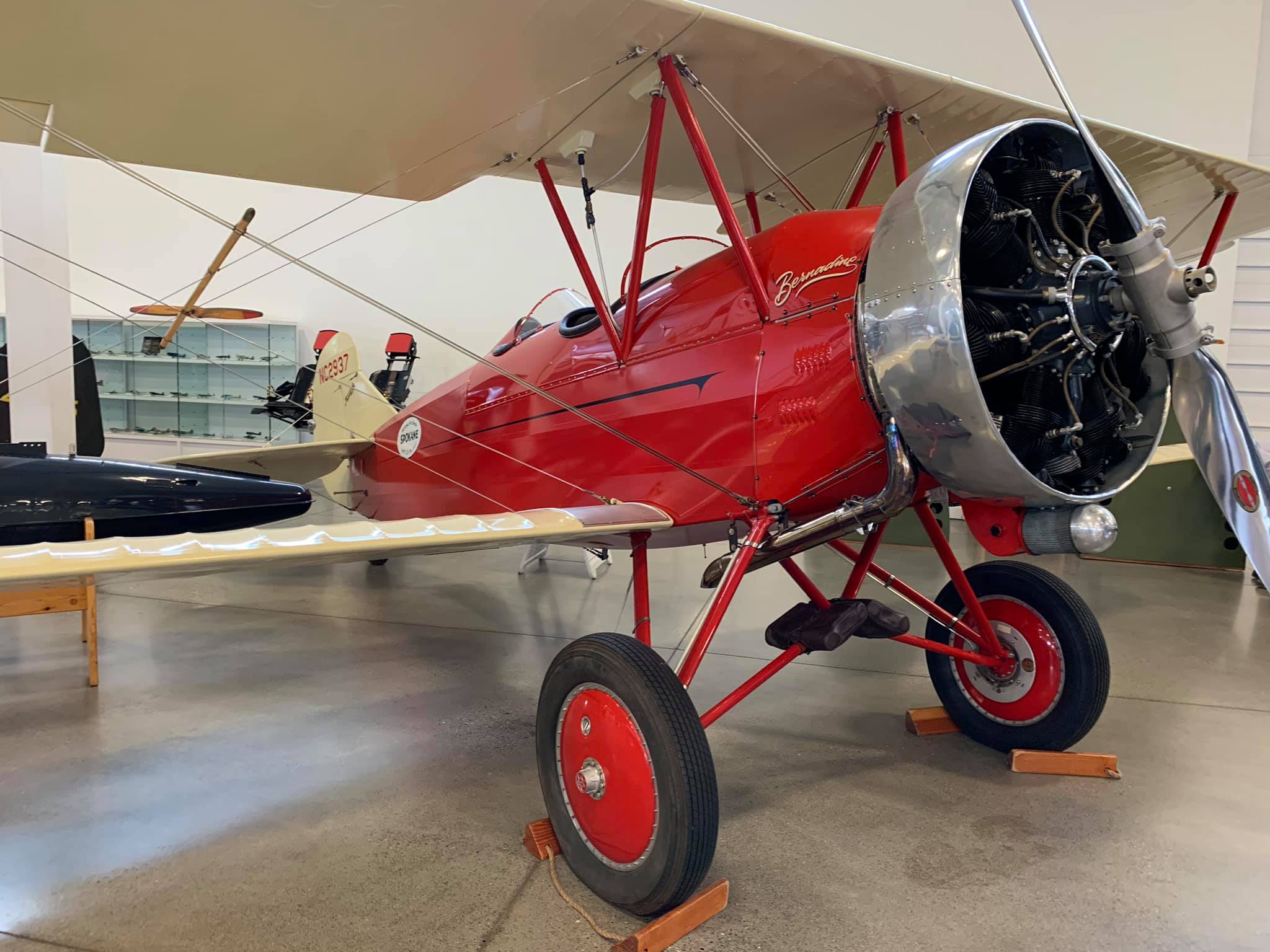
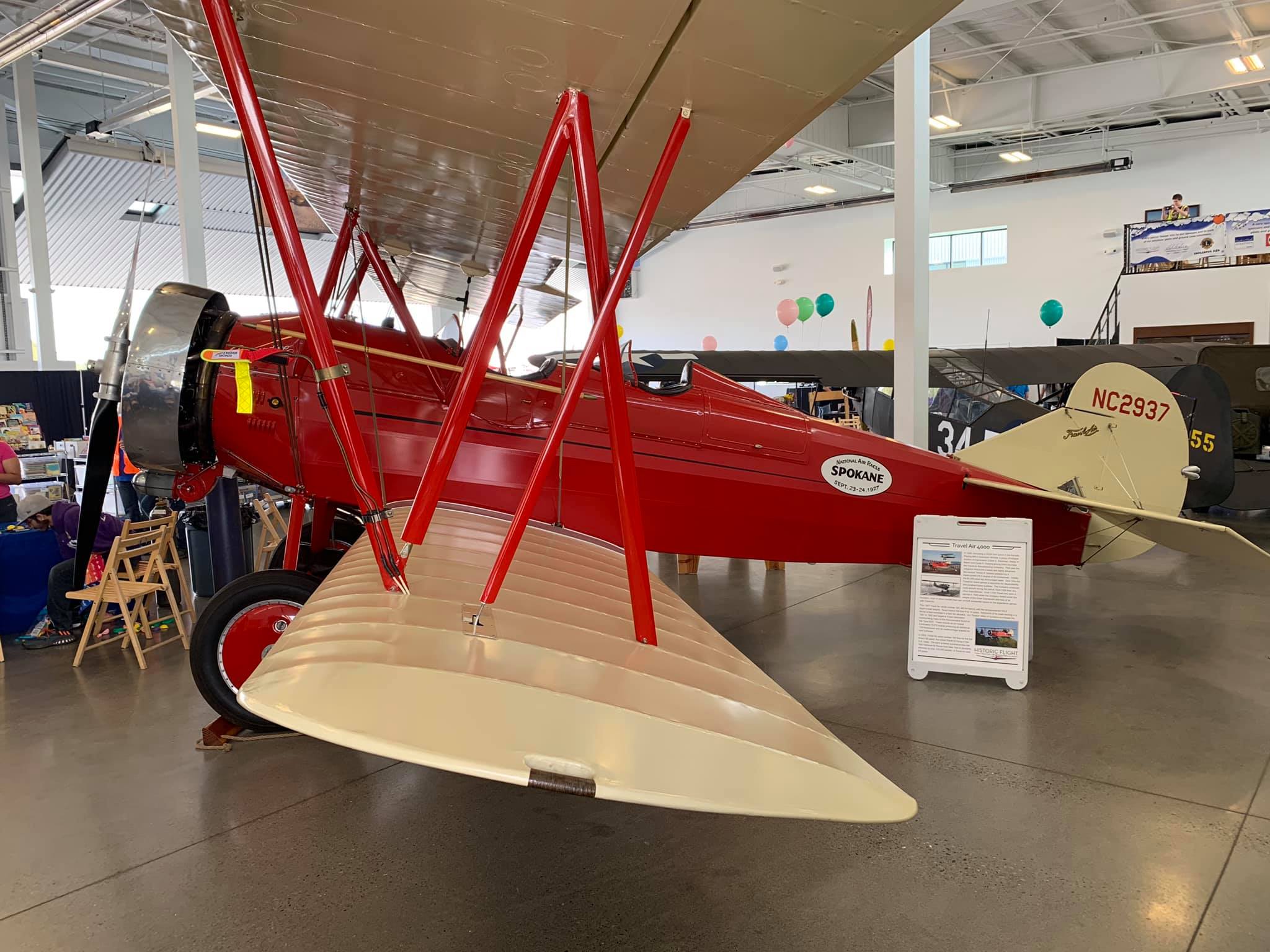
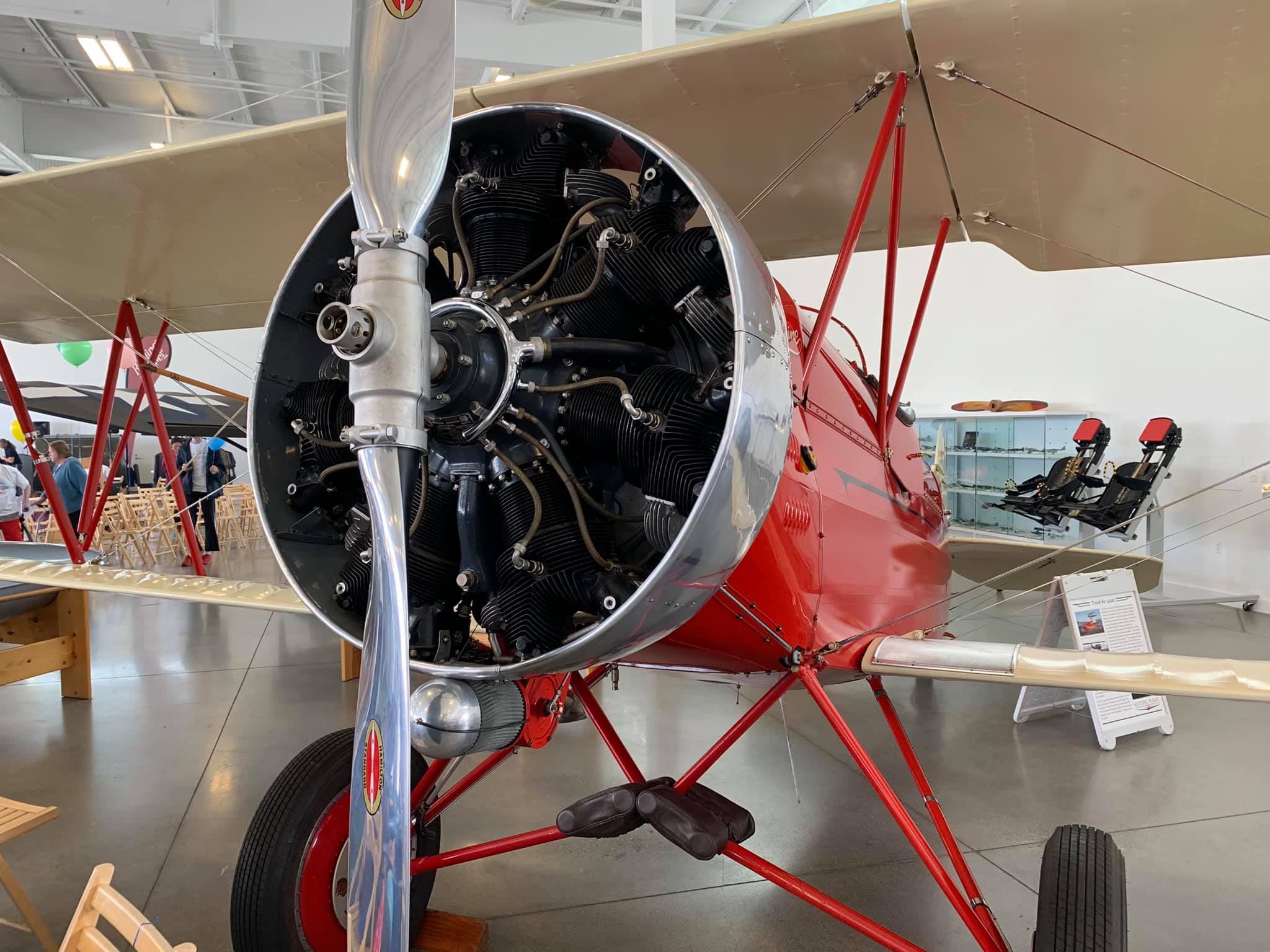
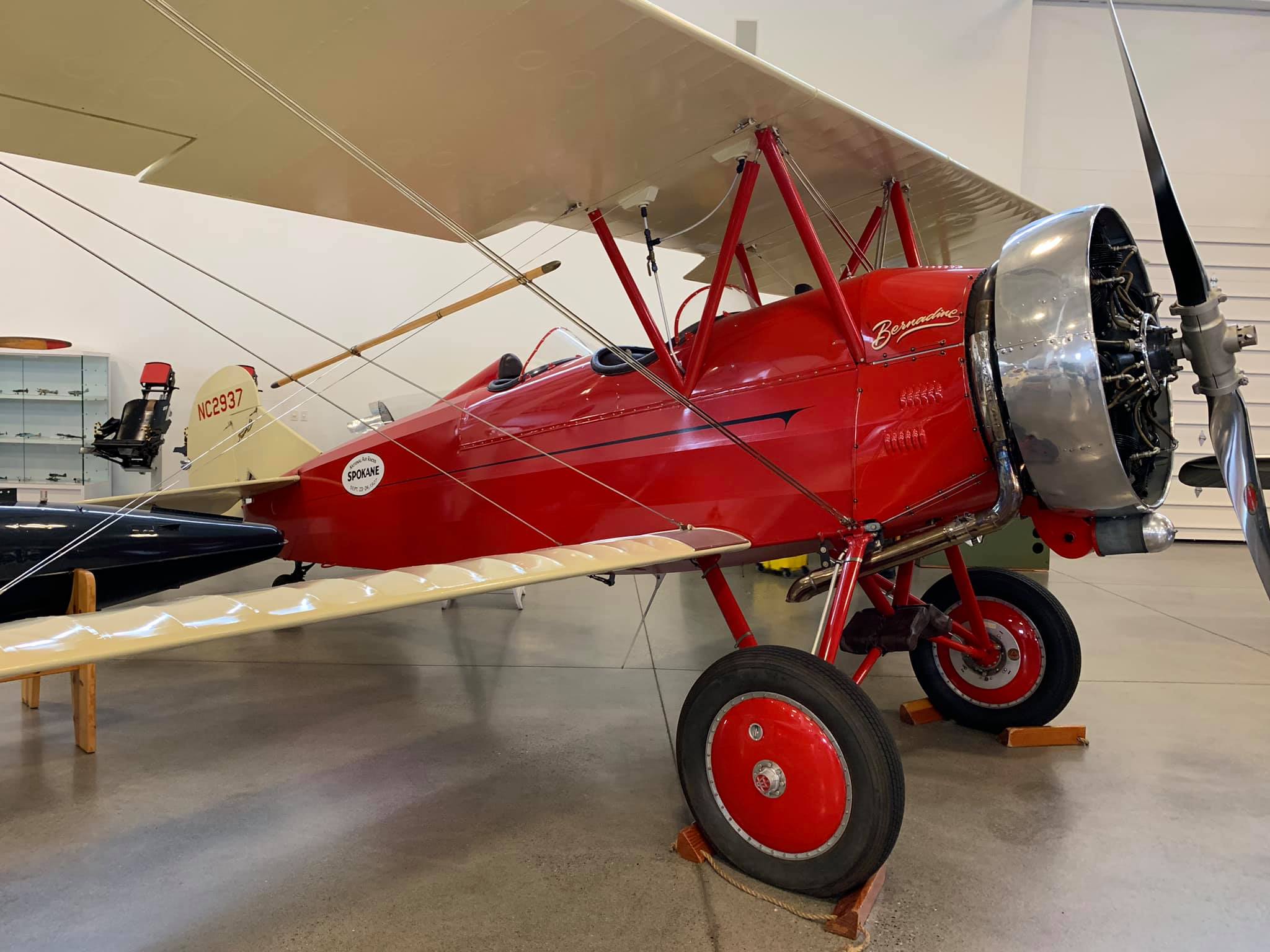
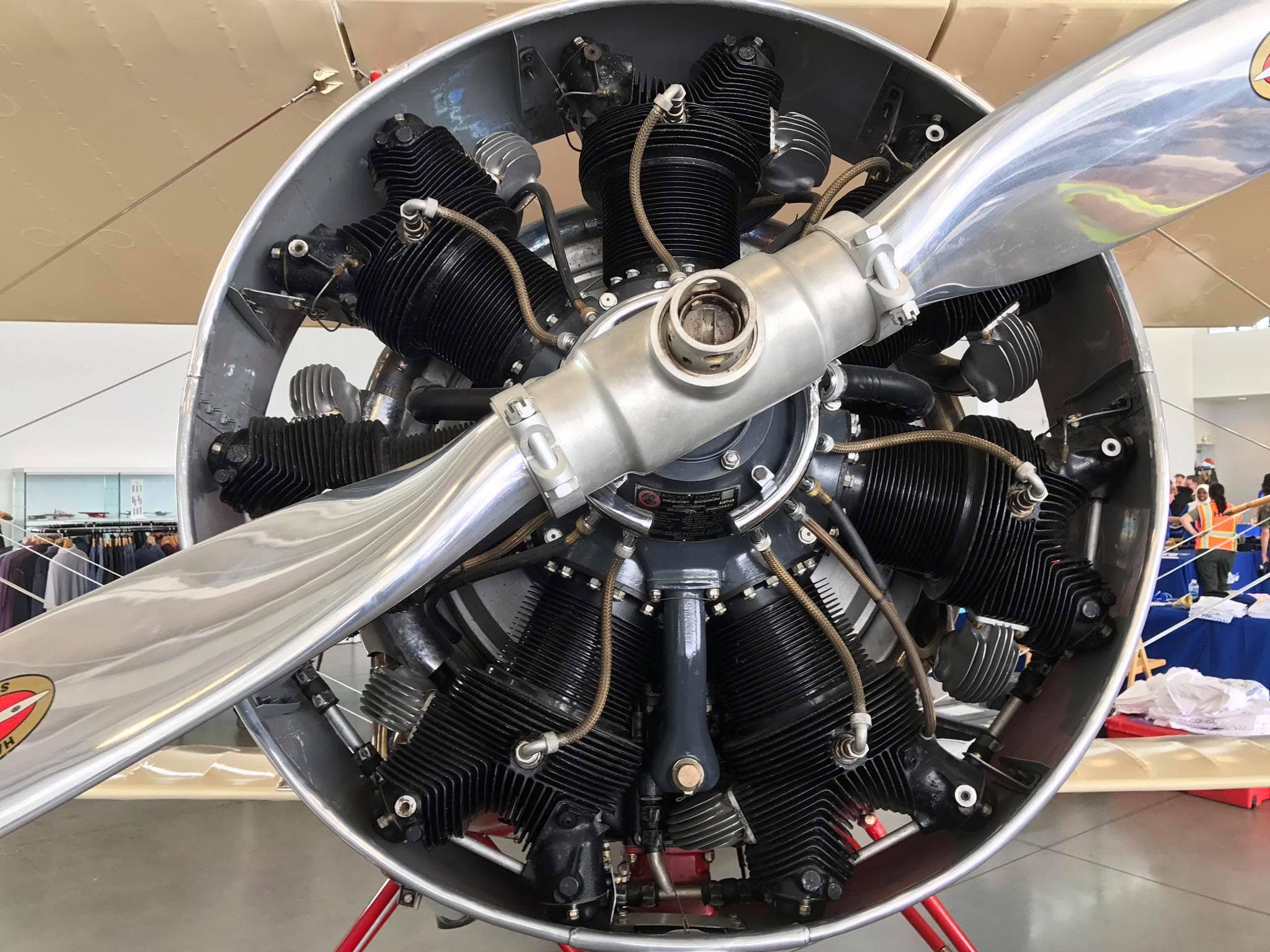
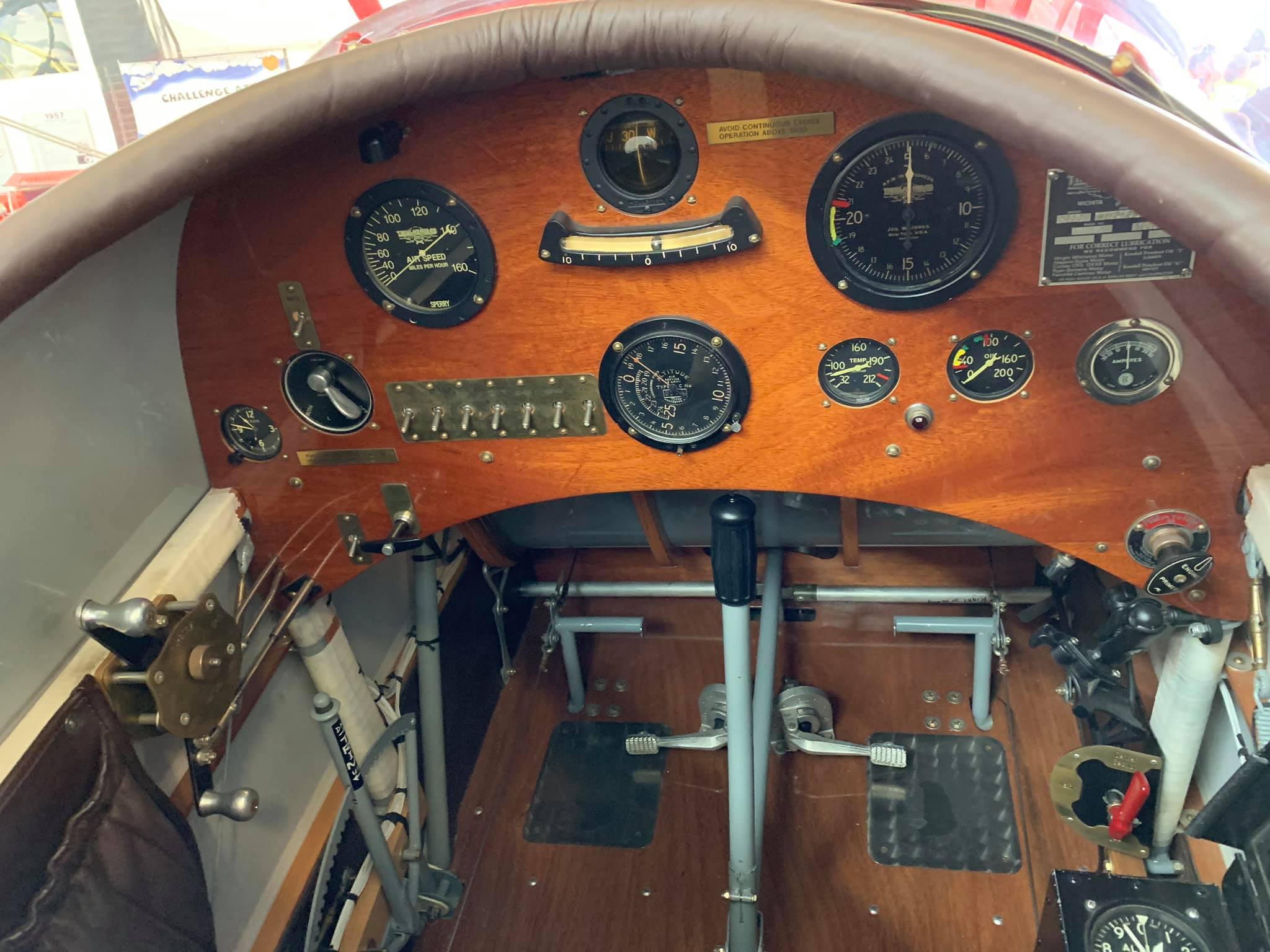
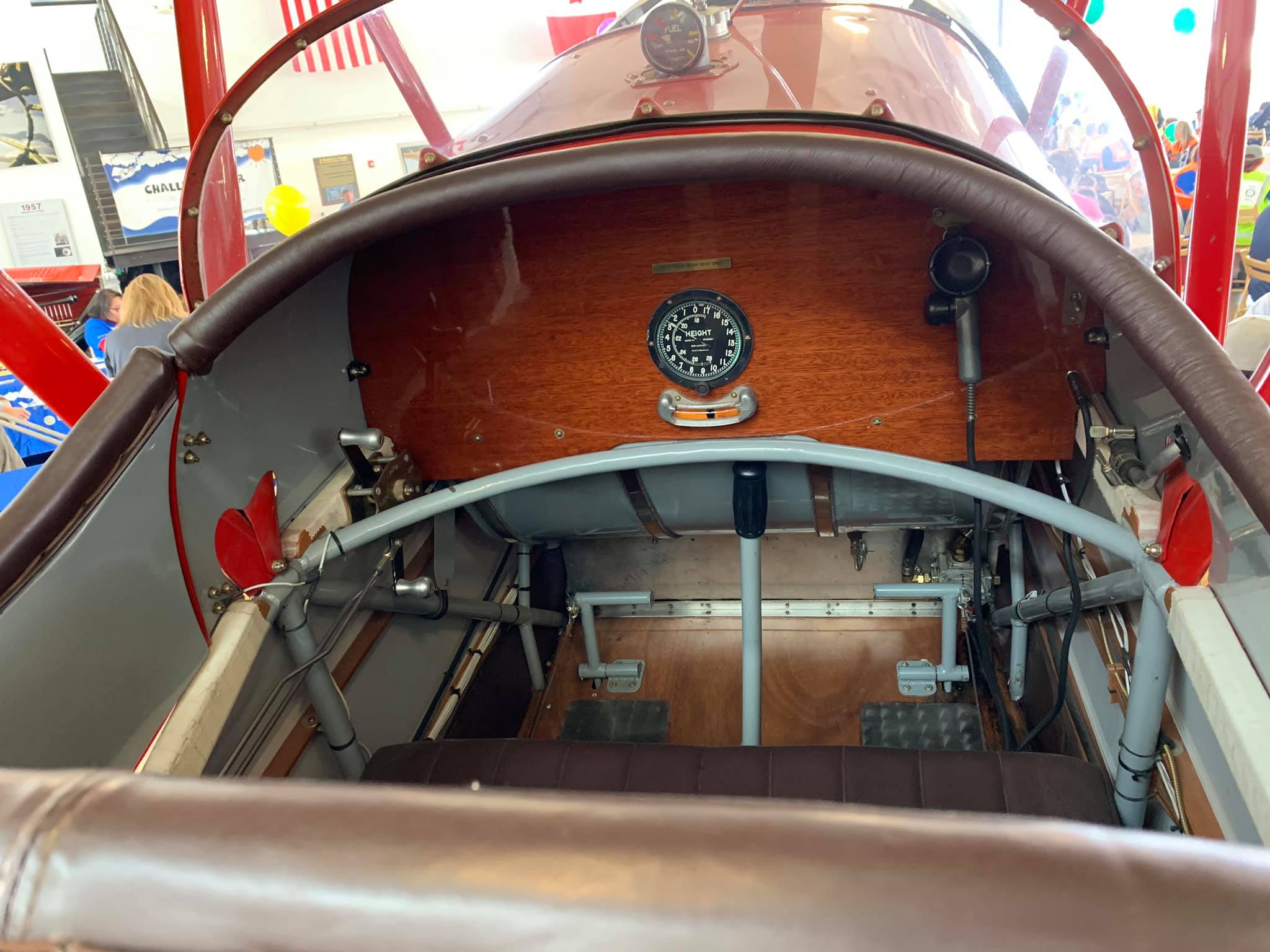
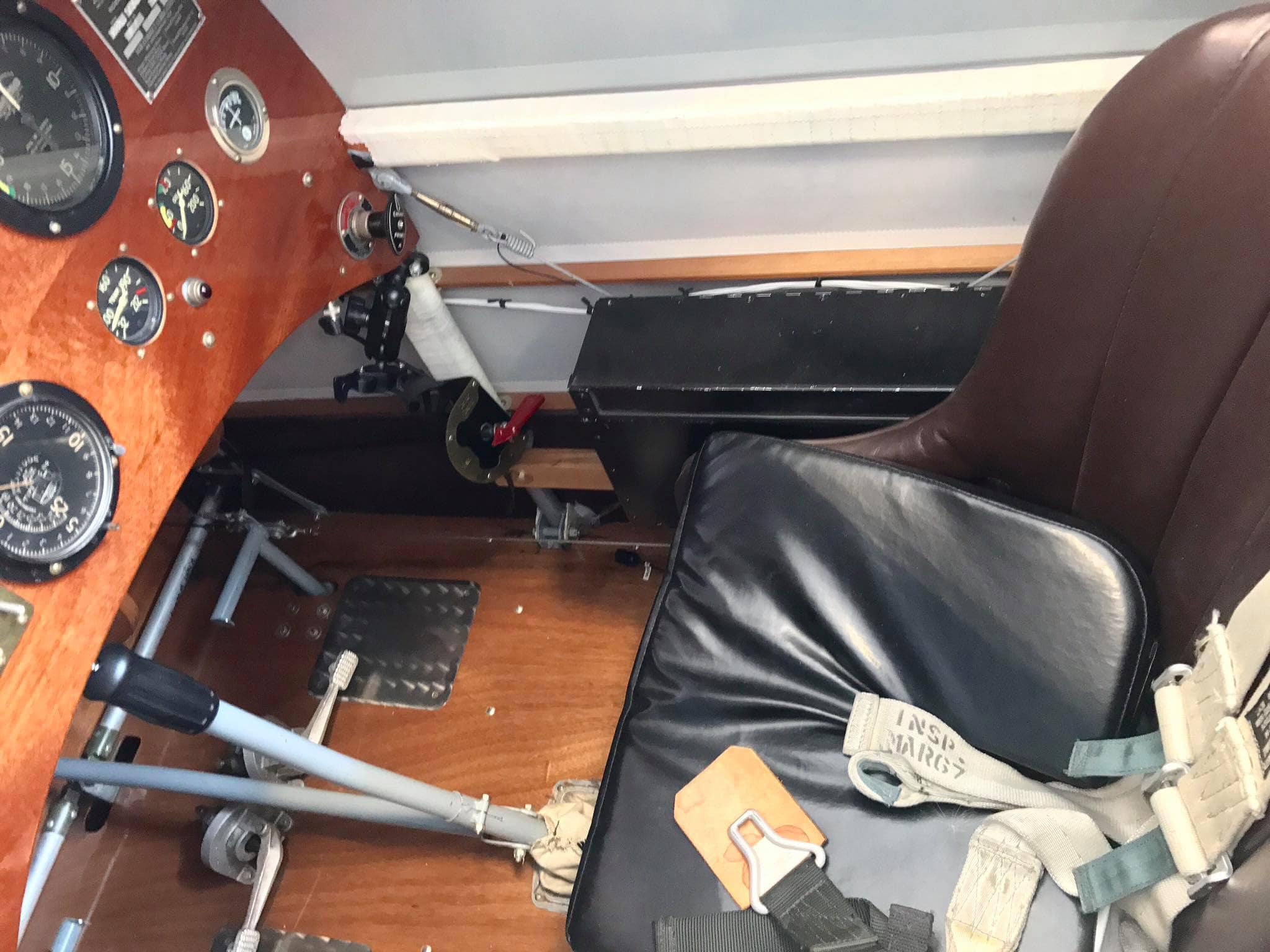
The Travel Air 2000 was built by the Travel Air Manufacturing Company in 1927. The company was established at the Kansas Planing Mill behind the Broadview Hotel in downtown Wichita, Kansas, in January 1925 by aircraft pioneers Lloyd C. Stearman, Walter H. Beech, Clyde V. Cessna, Walter Innes, Jr., and William R. Snook. It became known as the first American aircraft to compete successfully in the civilian market against the WW-surplus Curtiss JN-4 Jenny, which were in plentiful supply from their mass production during WWI. The Model As were fitted with Curtiss OX-5 in-line engines and first flew in March 1925, with 19 aircraft being produced that year. In 1926, the Model B was introduced with redesigned landing gear with bungee cord shock absorbers; it was redesignated the Type 2000 in 1927 (“bungee” or “bungie” is thought to refer to a British slang term for rubber made in India). Later in 1926, Lloyd Stearman redesigned the gear entirely, placing the cords at the center pivot point of the gear assembly.
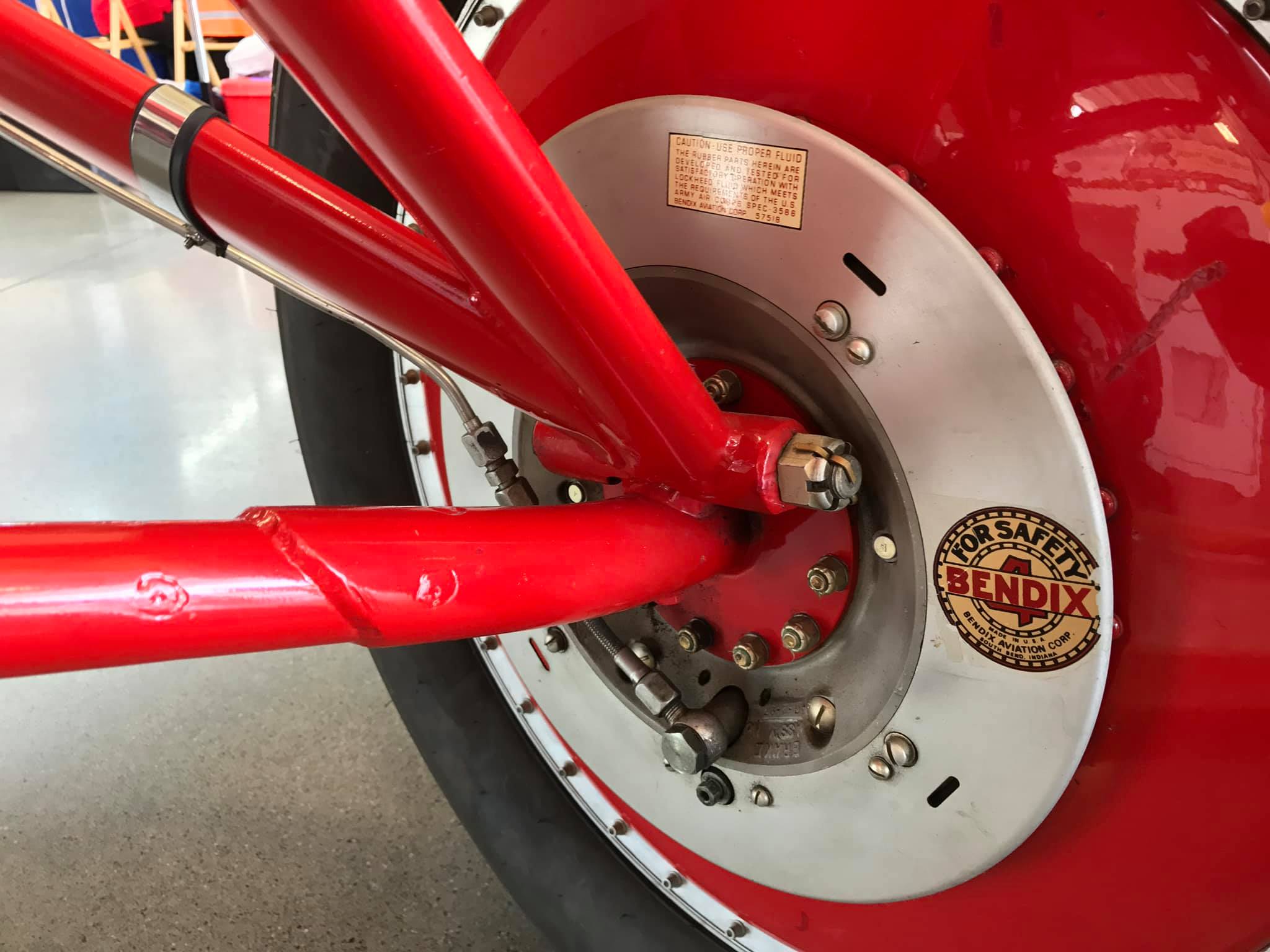
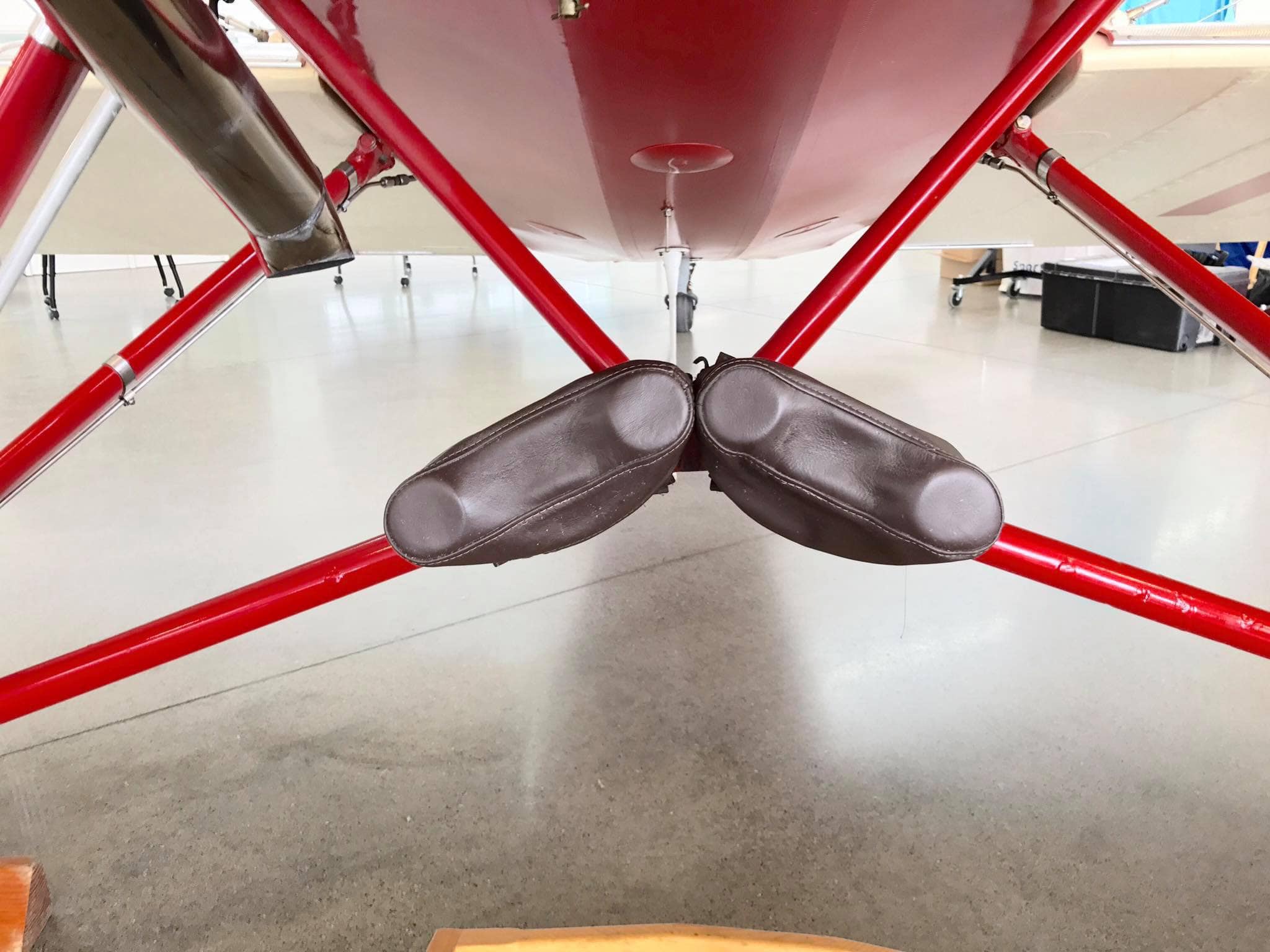
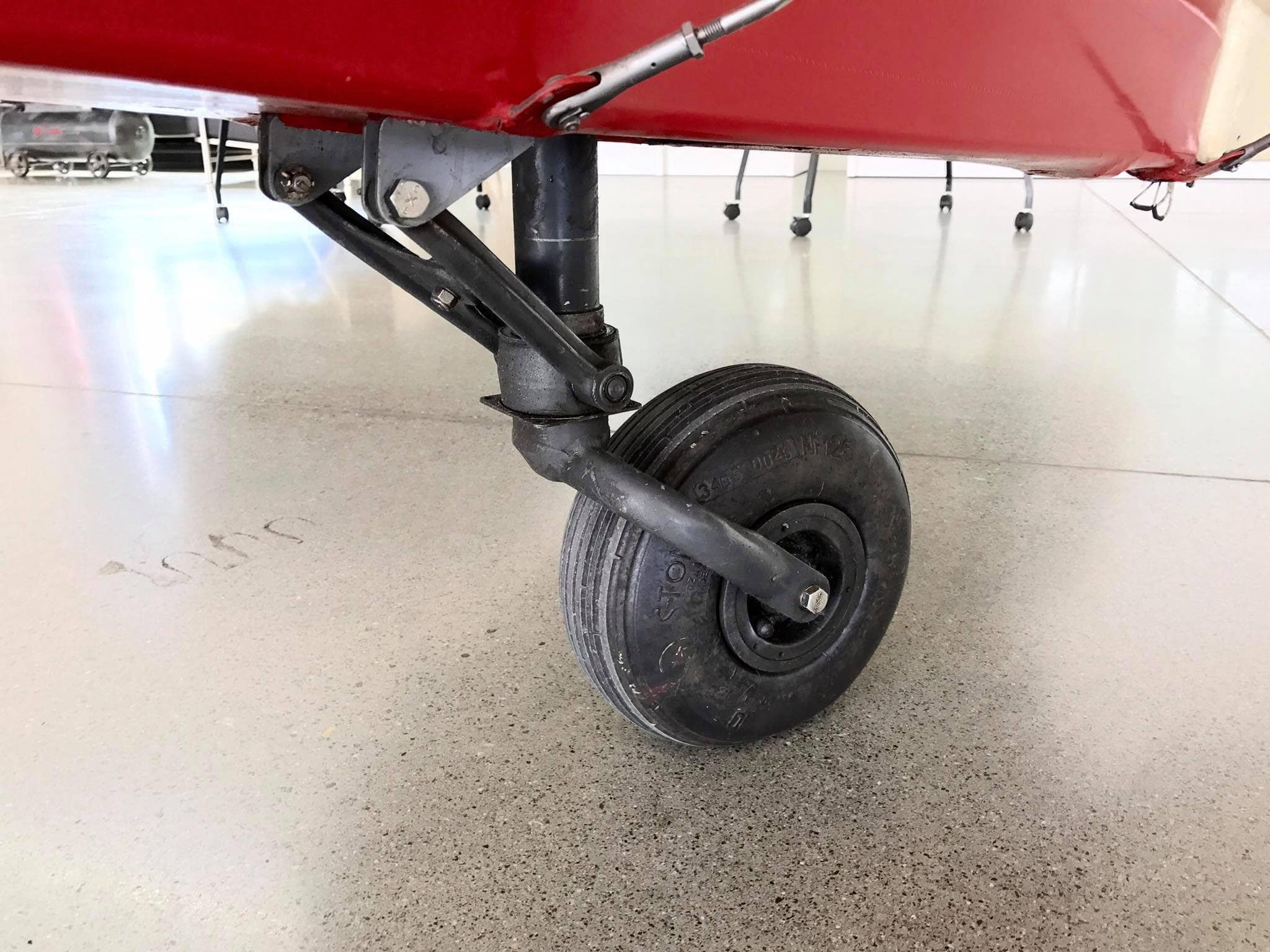
The Model BW also came out in 1926 and was the first in the line to be fitted a Wright J4 air-cooled radial engine, and 46 aircraft were produced that year, and another 158 in 1927. The Travel Air 2000 was also distinctive for its “elephant-ear ailerons” (extended, over-hanging ailerons on the upper wing), and horn-balanced control surface (extensions forward of the hinges). Many were used in World War I movies, such as Howard Hughes’ film “Hell’s Angels” as substitutes for the Fokker D.VII fighter and became referred to as the “Wichita Fokker.” In the case of “Hell’s Angels,” only seven D.VII aircraft were found, and Travel Air 2000 aircraft were used – mostly in the background (that film resulted in at least three pilot deaths).
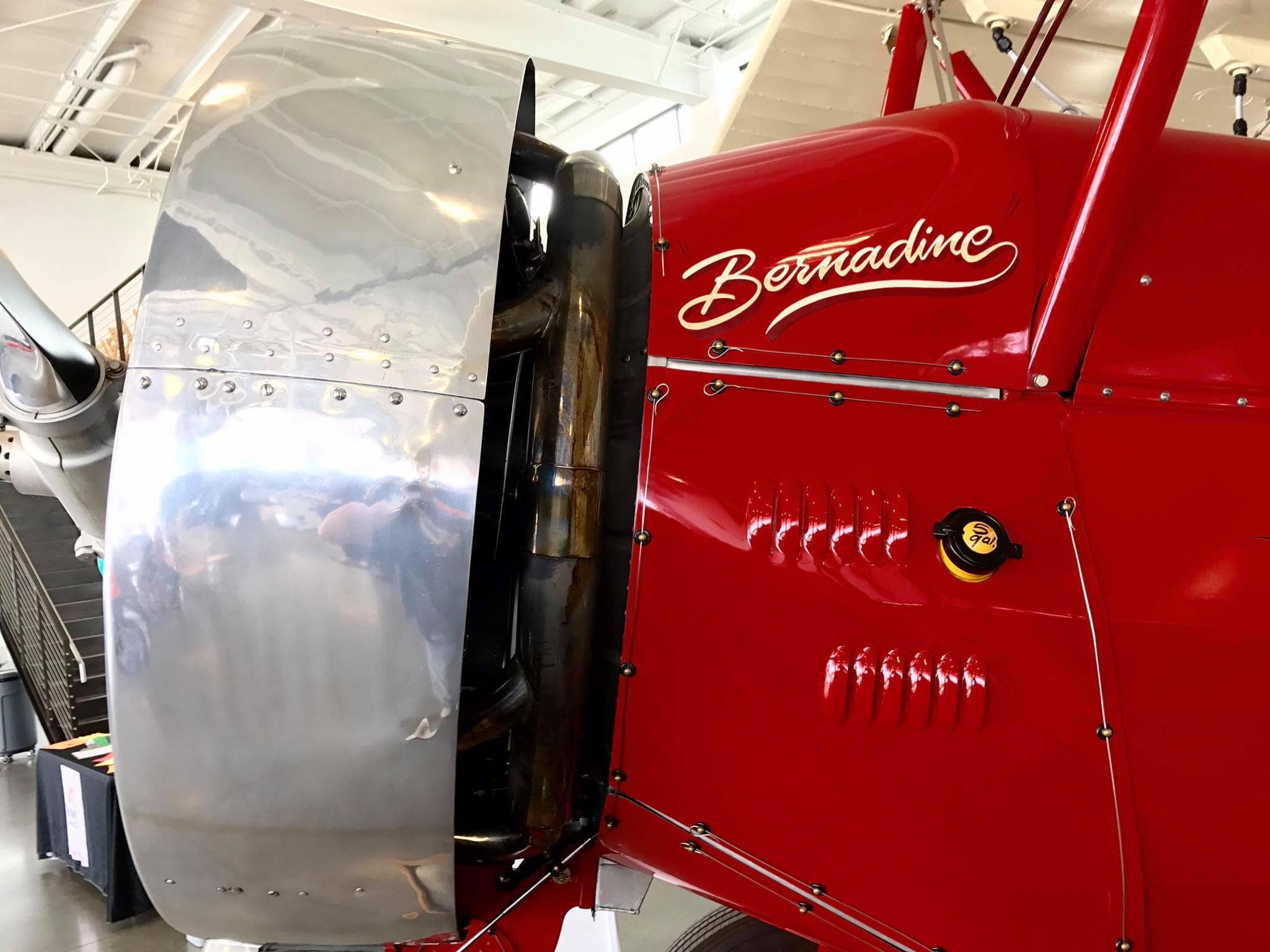
The Travel Air company was absorbed into the Curtiss-Wright Corporation on August 1, 1929. With the onset of the Great Depression in the fall of 1929, Curtiss-Wright shut down the Travel Air complex in 1931 and moved all activities to St. Louis. That was the death knell for the Travel Air company, and the machinery was sold off. In all, it is estimated that about 1,700 Travel Air aircraft were built. Part of the Travel Air factory was rented to Clyde and Eldon Cessna in 1932-33 to build the CR-3 racer.
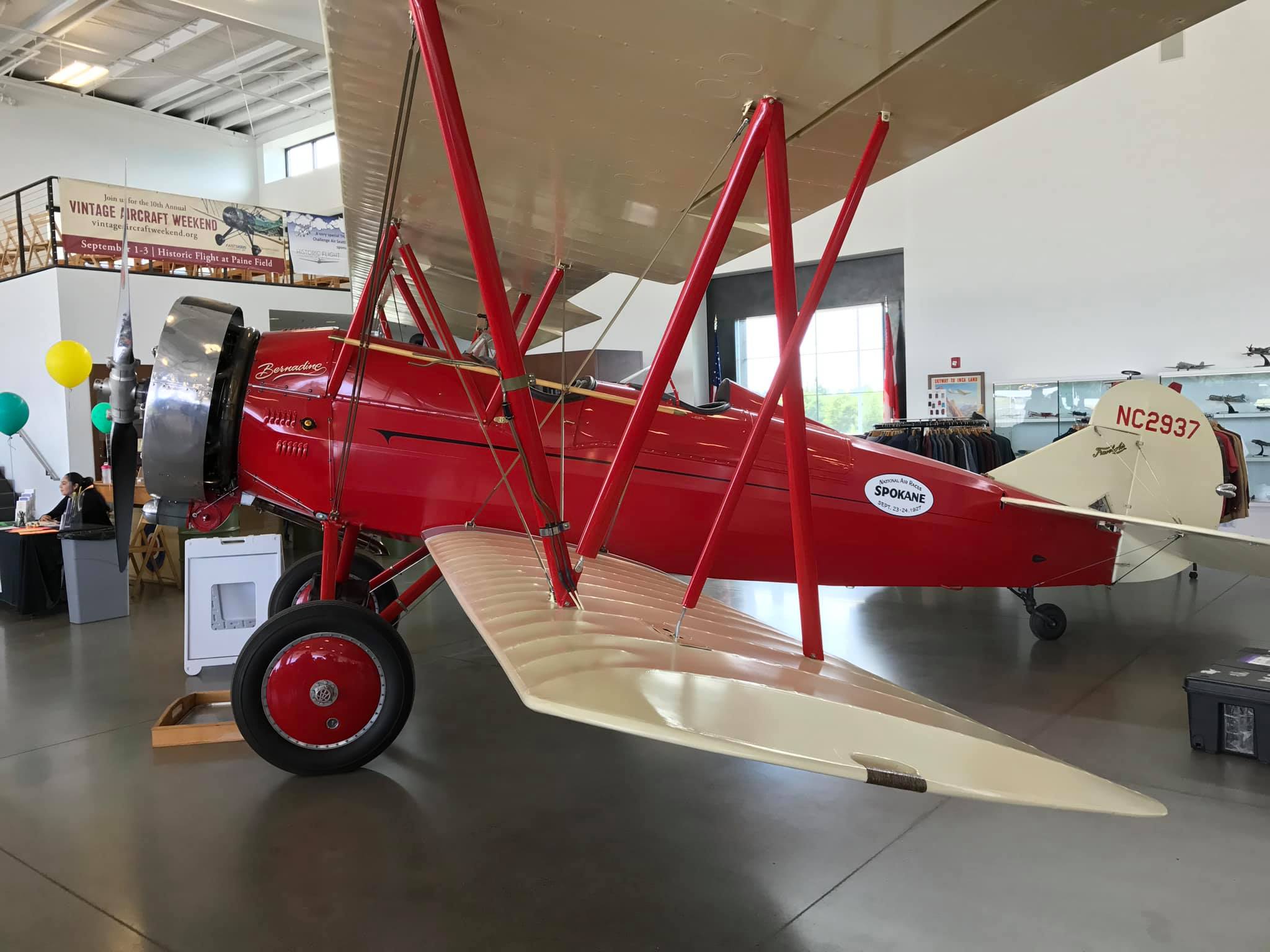
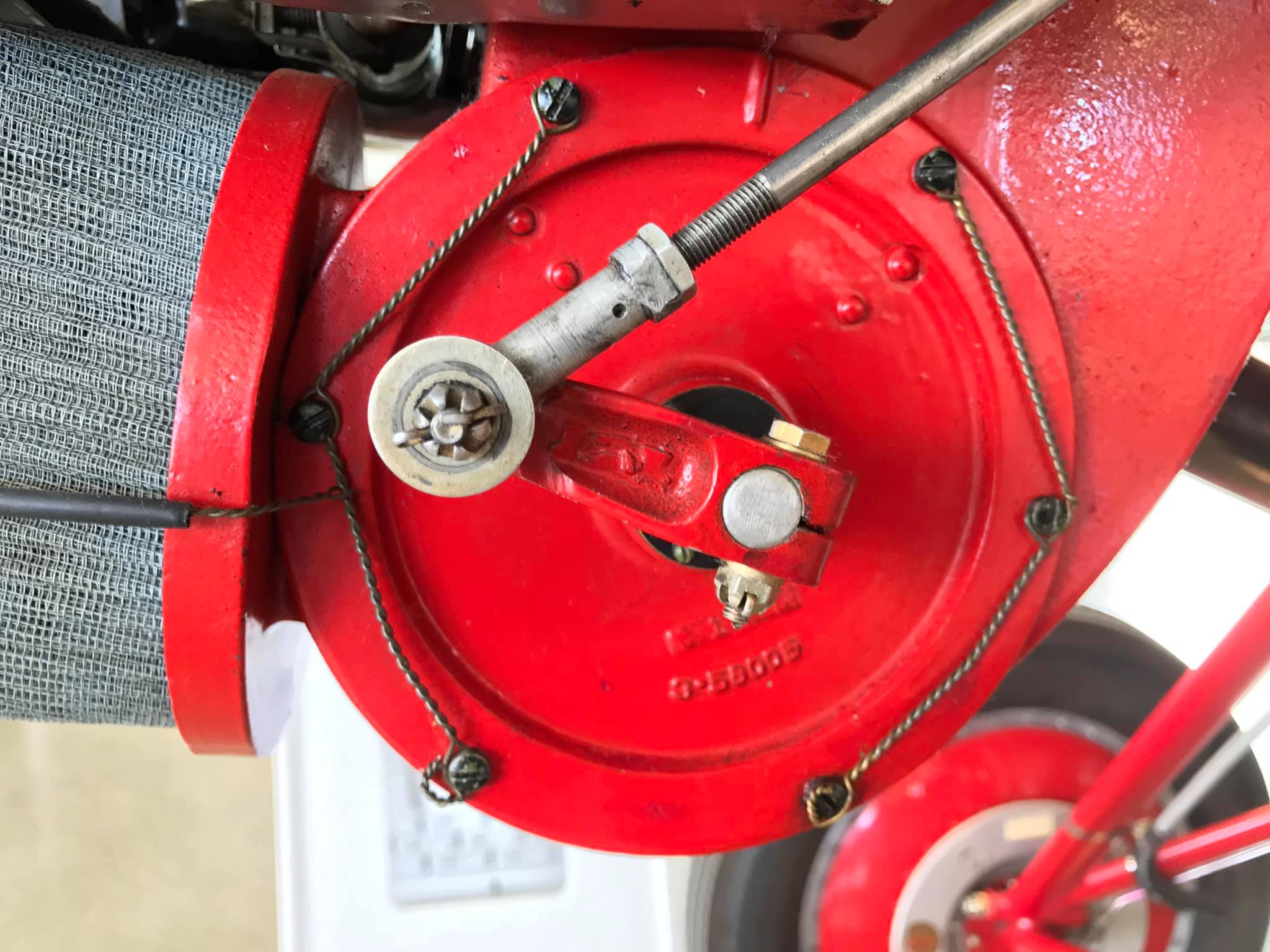
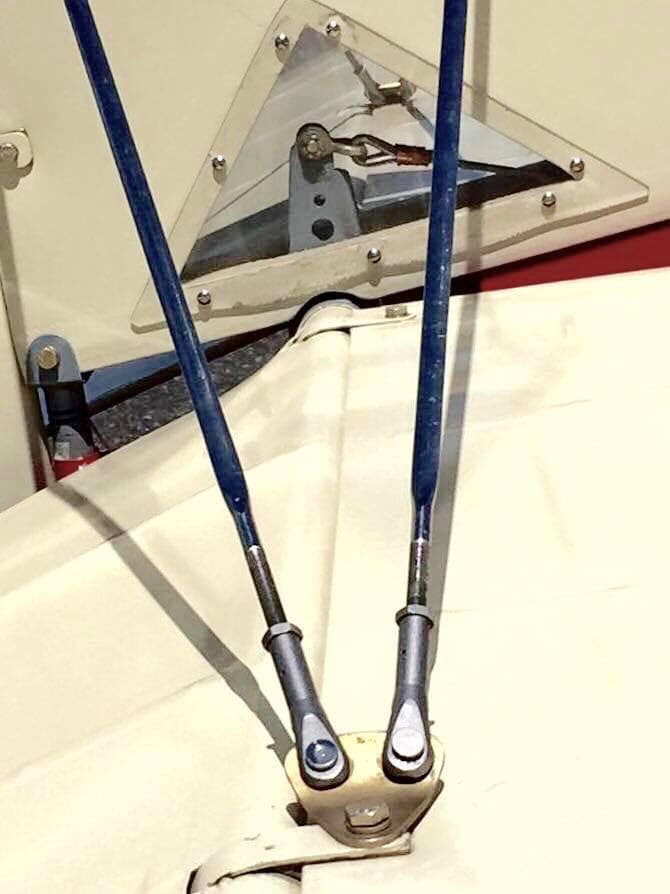
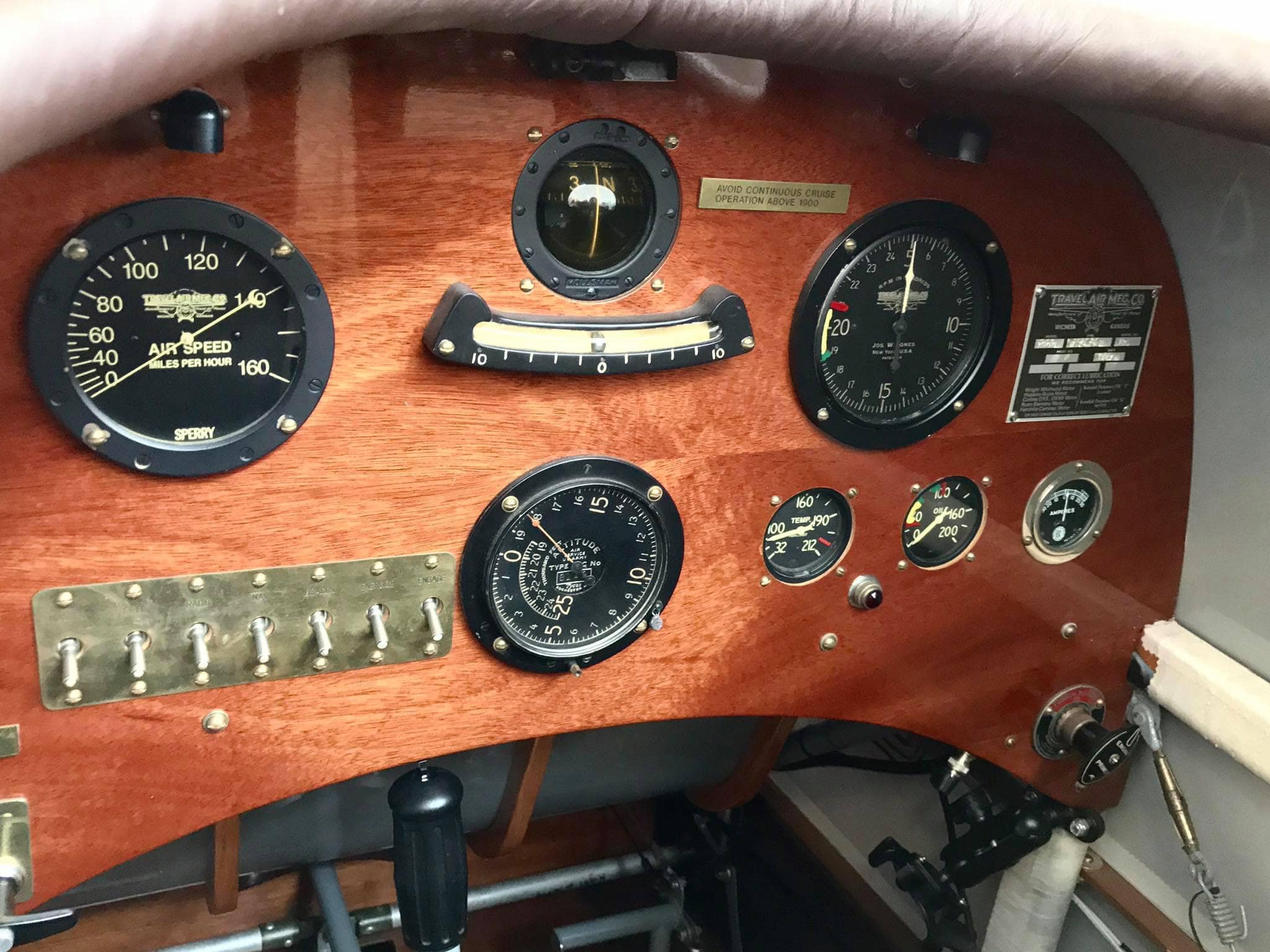
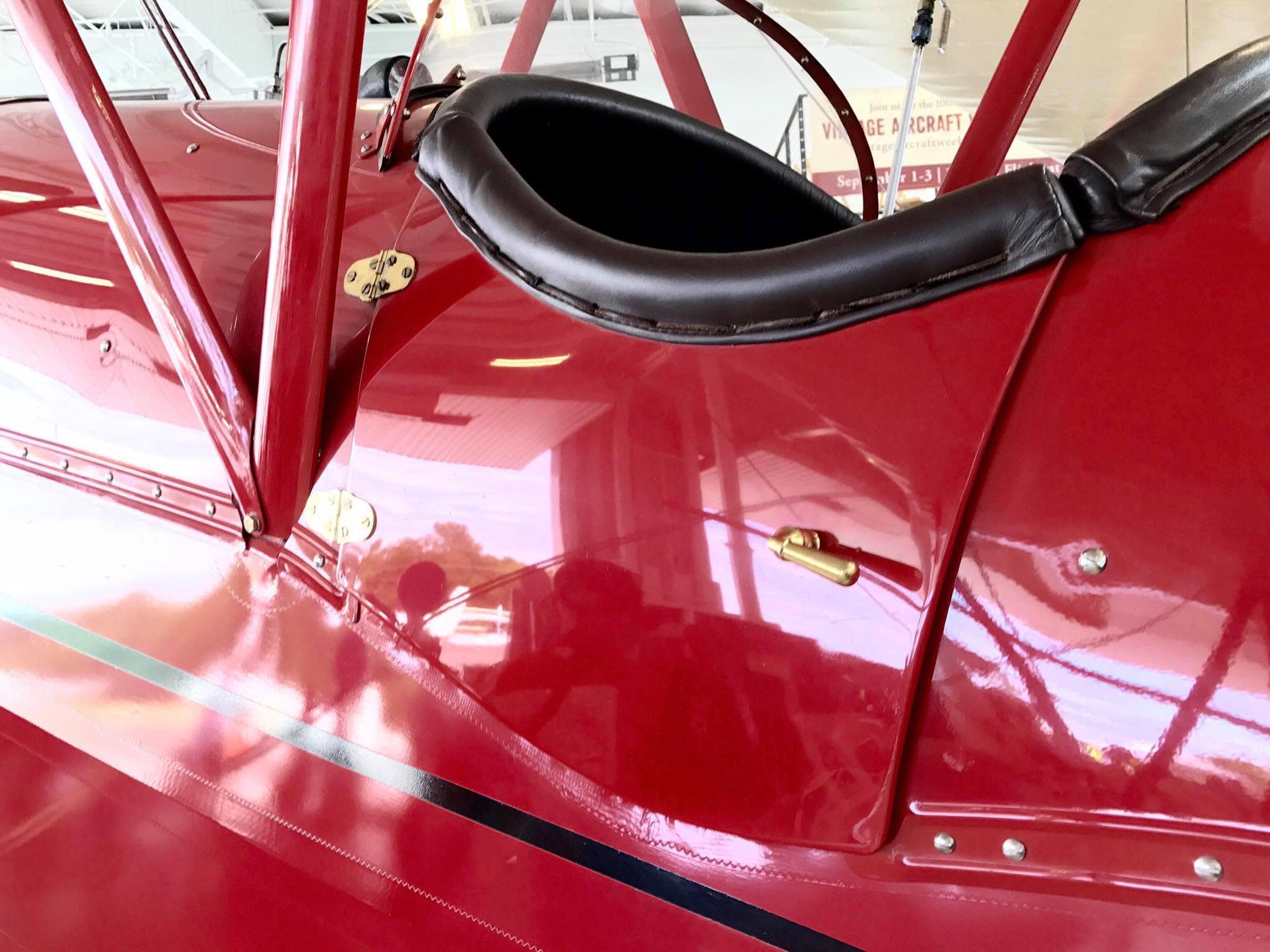
Editor’s notes: Since the closing of the Historic Flight Foundation in 2024, this aircraft has been registered to Jeffrey Cain of Godley, Texas.
About the author 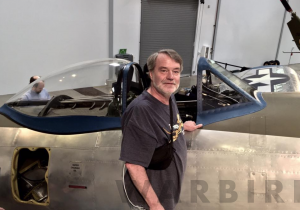
Randy Malmstrom grew up in a family steeped in aviation culture. His father, Bob, was still a cadet in training with the USAAF at the end of WWII, but did serve in Germany during the U.S. occupation in the immediate post-war period, where he had the opportunity to fly in a wide variety of types that flew in WWII. After returning to the States, Bob became a multi-engine aircraft sales manager and, as such, flew a wide variety of aircraft; Randy frequently accompanied him on these flights. Furthermore, Randy’s cousin, Einar Axel Malmstrom, flew P-47 Thunderbolts with the 356th FG from RAF Martlesham Heath. He was commanding this unit at the time he was shot down over France on April 24th, 1944, spending the rest of the war as a prisoner of war. Following his repatriation at war’s end, Einar continued his military service, attaining the rank of Colonel. He was serving as Deputy Wing Commander of the 407th Strategic Fighter Wing at Great Falls AFB, MT at the time of his death in a T-33 training accident on August 21, 1954. The base was renamed in his honor in October 1955 and continues to serve in the present USAF as home to the 341st Missile Wing. Randy’s innate interest in history in general, and aviation history in particular, plus his educational background and passion for WWII warbirds, led him down his current path of capturing detailed aircraft walk-around photos and in-depth airframe histories, recording a precise description of a particular aircraft in all aspects.