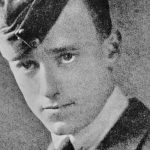
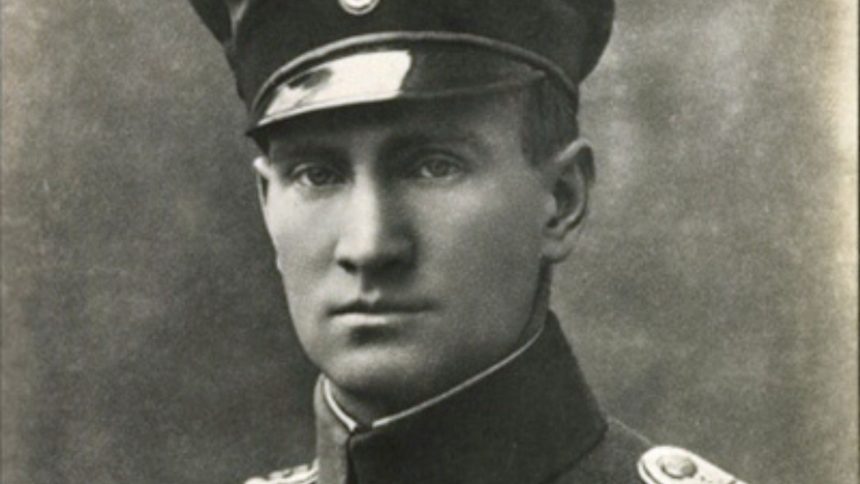

There were very few flying aces who served as fighter pilots in WWI and later returned in WWII to become leaders. The number further shortened if the pilot was one of the leading aces for their country in WWI and later rose to become one of the highest-ranking generals in WWII. Bruno Loerzer was one of them. Born on January 22, 1891, in Berlin, Loerzer was an army officer before WWI began, when his friendship with Hermann Göring, also an aviator, began. Göring would go on to become one of the most powerful figures in the Nazi Party. Göring and Loerzer were known for their great friendship within the German military circles. Loerzer learned to fly in 1914, and by the end of the year, he convinced Göring, who was serving in the infantry at the time, to join the German Air Service. Initially, both flew reconnaissance missions together until June 1915, with Göring as Loerzer’s observer.
Bruno Loerzer’s Ace Journey
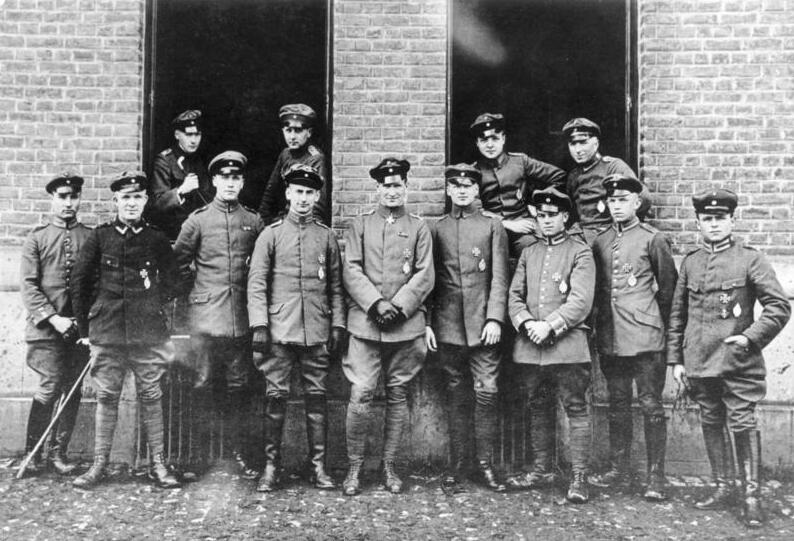
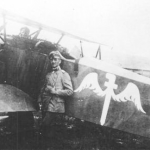
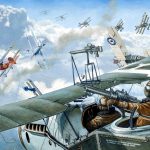
In 1916, Bruno Loerzer was transferred to a fighter unit, and he scored his first aerial victory on March 16, followed by a second on March 31. He could not score any other victories in 1916. In January 1917, he was promoted to the commander of the newly formed Jagdstaffel 26 squadron. He also called his friend Göring in this squadron. He flew the Albatros D.V during his time with Jagdstaffel 26. With this squadron, his first aerial victory came on March 6, 1917, when he downed a Nieuport, followed by another victory on March 10, shooting down a SPAD this time. He officially became a flying ace with another aerial victory on April 30, leading him to be awarded the Iron Cross First Class and House Order of Hohenzollern. His next victory came on August 16 when he shot down a SPAD, his sole victory in this month. Bruno Loerzer scored six aerial victories in September and eight in October, which took his personal score to 20. He didn’t score another victory in 1917. Bruno Loerzer started 1918 on a good note, killing two flying targets in January and one in February, increasing his score to 23. He was also awarded the Pour le Mérite in February 1918. The same month, he was transferred to lead one of Germany’s famed “flying circuses,” Jagdgeschwader III. The squadron was equipped with new Fokker D.VIIs. In this new unit, he scored his first victory in March, followed by another in May to increase his aerial victories to 25. He shot down another aircraft in June, followed by three in July, five in August, and 10 in September to end WWI with a total of 44 victories. He shot down 13 Sopwith Camels, eight S.E.5s, six SPADs, four each of Nieuports, EAs, and Bristol F.2b, two D.H.4s, and one each of Farman, R.E.8, and Sopwith Pup aircraft. His friend Göring also ended the war with 22 victories.
Participation in WWII
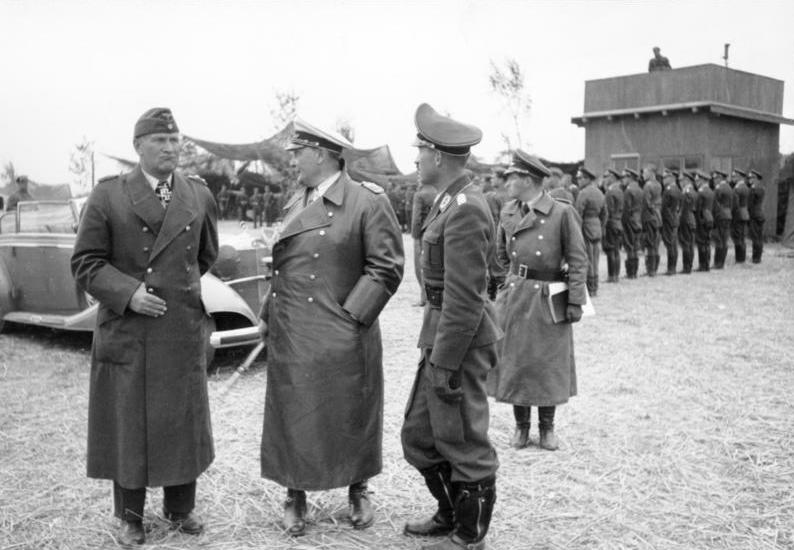
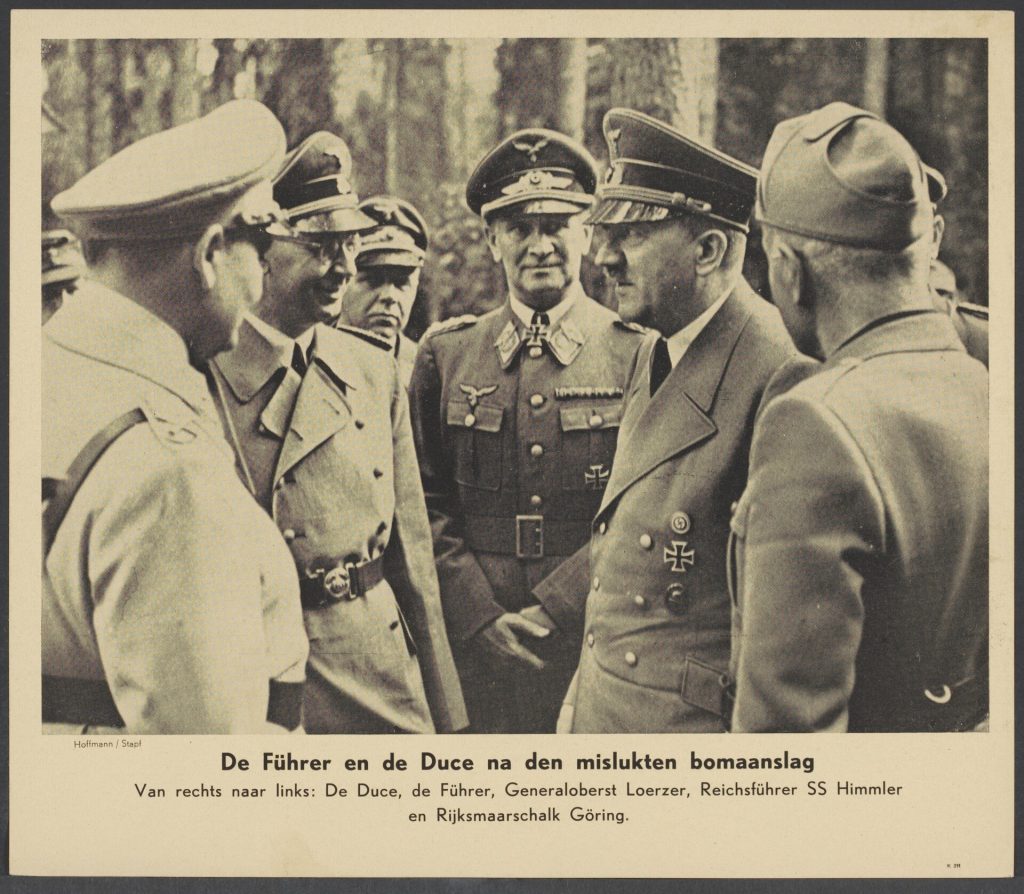
After the war, Bruno Loerzer was involved in fights with anti-communist paramilitary groups and later led civil aviation organizations before rejoining the German Air Force in 1935 as a colonel. In 1937, Bruno Loerzer was tasked with creating a fighter wing of the Nazi German Air Force, Jagdgeschwader 334, as a wing commander. In 1938, he was appointed an inspector of fighters. He was awarded the Knight’s Cross of the Iron Cross in May 1940. When WWII started, he was the commander of the II Air Corps. He remained the unit’s commander until a group commander complained that his tactics resulted in heavy losses for the unit. He was subsequently relieved from the II Air Corps and promoted to Generaloberst, the second-highest general officer rank at the time. He was promoted by none other than his friend, Göring, who had become a high-ranking general in the German Air Force by then. Officers in the German Air Force often complained that Loerzer was favored by Göring during the WWI, and Göring favored Loerzer in the WWII. Even Göring once called Loerzer “his laziest general.” Even after all the criticisms, Bruno Loerzer was one of Germany’s leading WWI aces who showed his leadership and courage on many occasions. His WWII tenure may be subject to controversy, but in the Aces series, Bruno Loerzer’s WWI contributions stand out as a perfect example of courage and leadership. Read stories about more aces HERE.