







By Randy Malmstrom
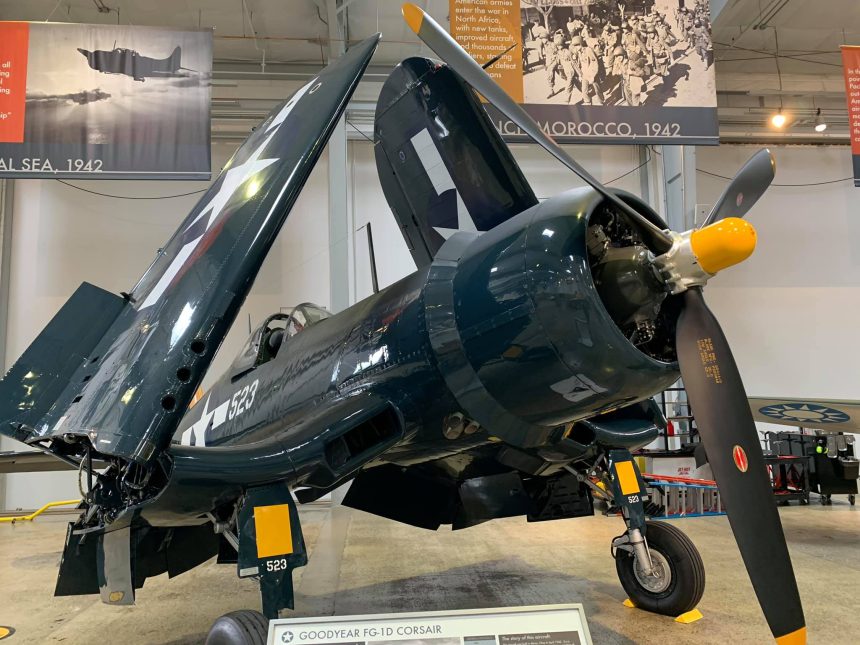
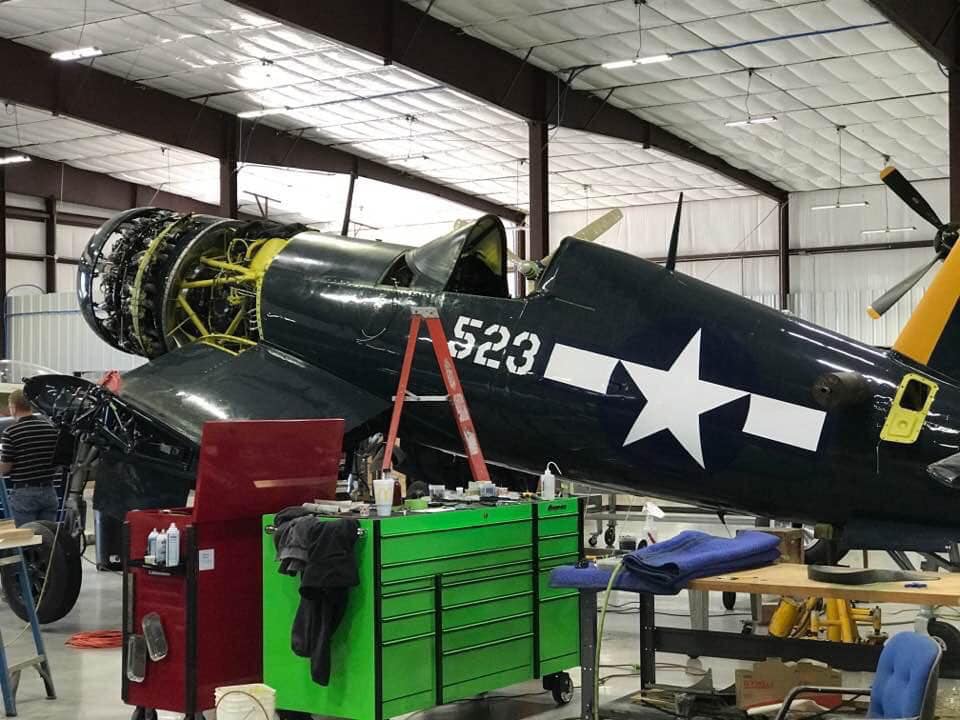
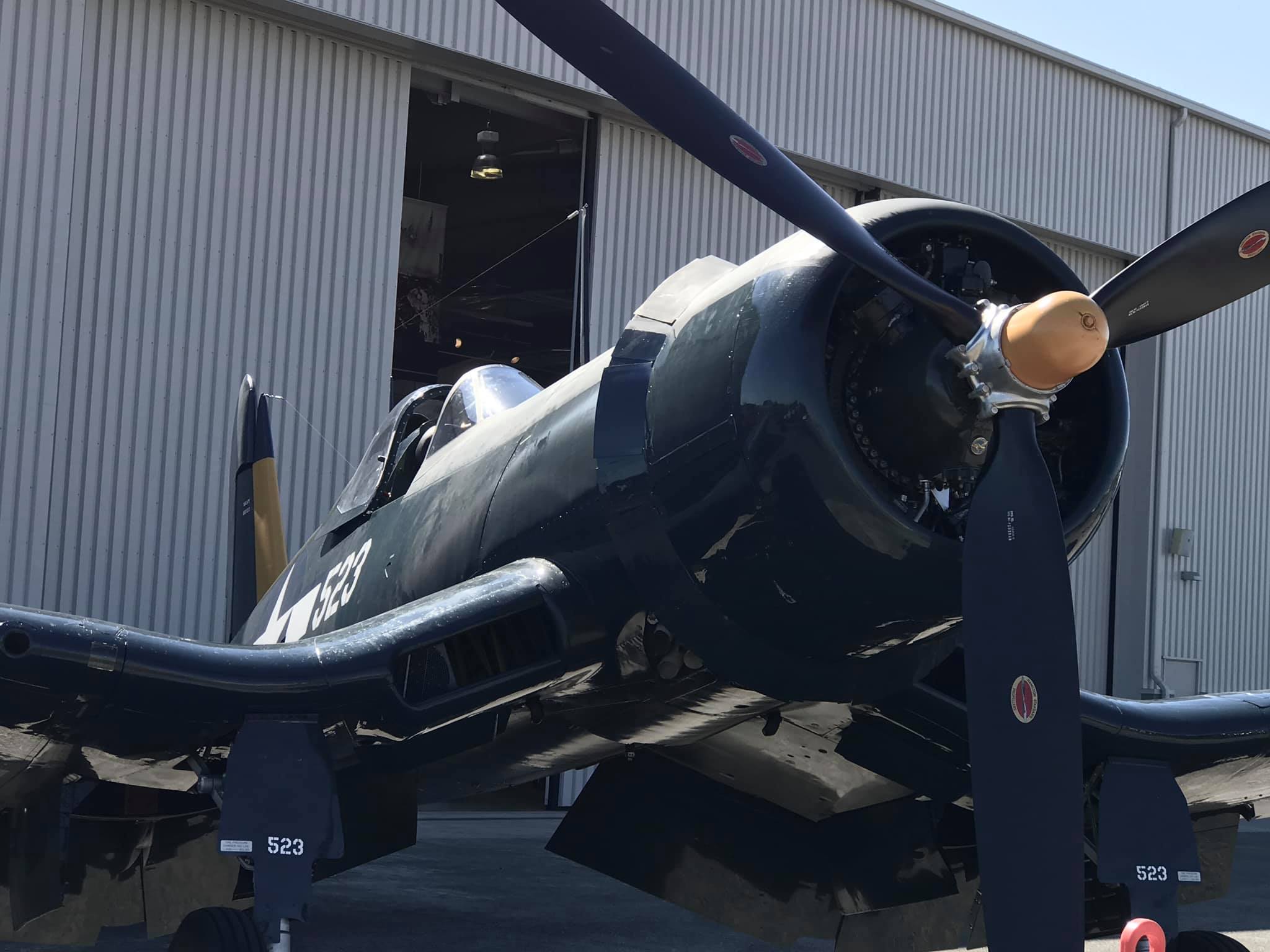
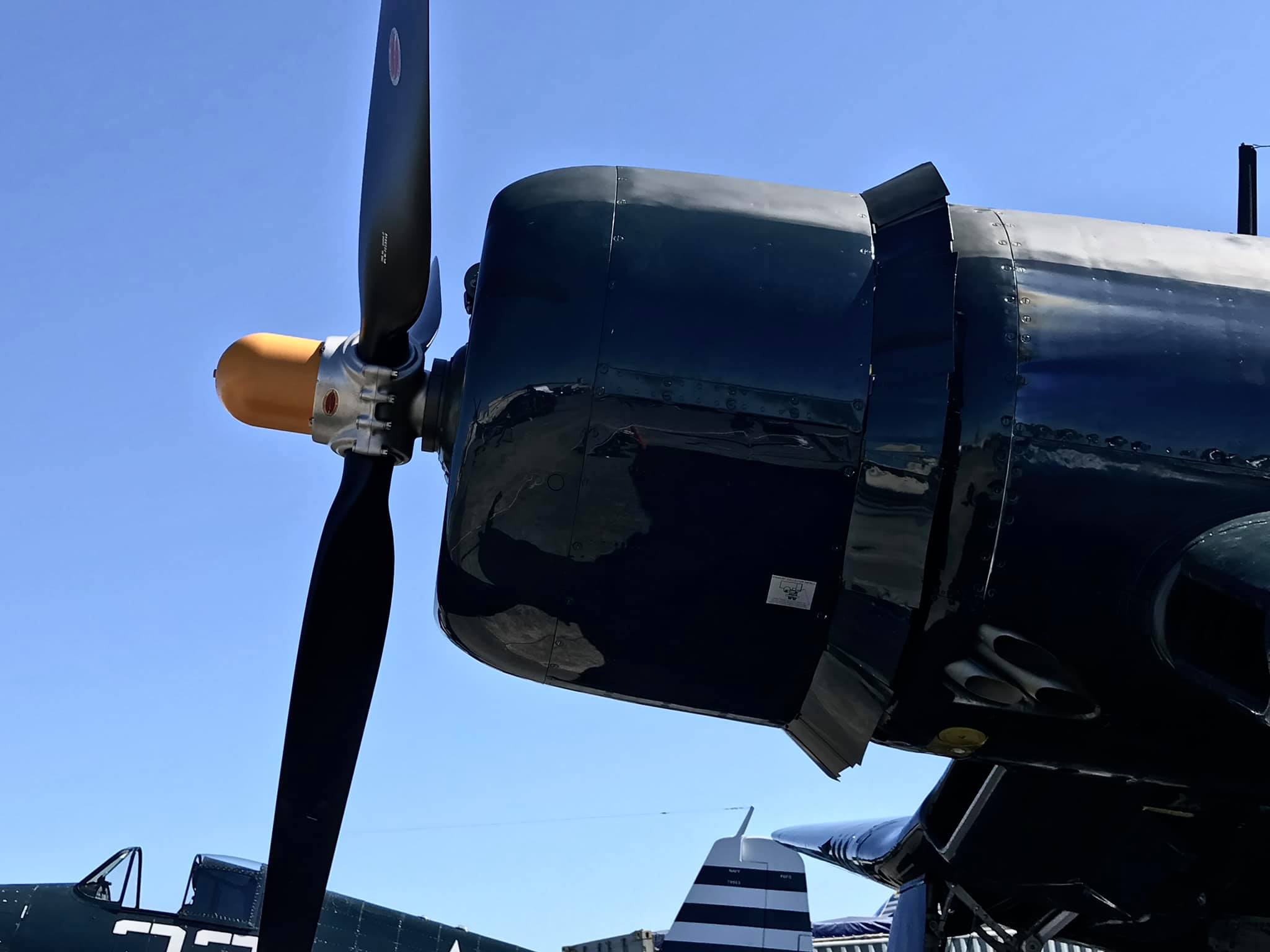
Goodyear FG-1D Corsair BuNo 88303, N700G. This particular airworthy aircraft was built by Goodyear Rubber & Tire Company in Akron, Ohio, in April 1945, and was assigned to the First Marine Aircraft Wing of VMF-115 (Marine Fighting Squadron 115), which got the name “Joe’s Jokers” for CO and ace Major Joseph Foss. In July and August of 1945, it flew close air support missions and combat air patrols out of Zamboanga on the southern tip of the Philippines. It survived Typhoon Louise on Okinawa in October 1945. After being stricken from the record in 1958, it was operated by the Flying W (an airpark in Mount Holly, New Jersey) and later was part of several collections, including Doug Champlin’s collections. It was flown off the USS Carl Vinson in August 1995 during the celebration of the 50th anniversary of the end of World War II. It also flew at the Wings of Eagles Air Show in Batavia, New York, in August of 1996.
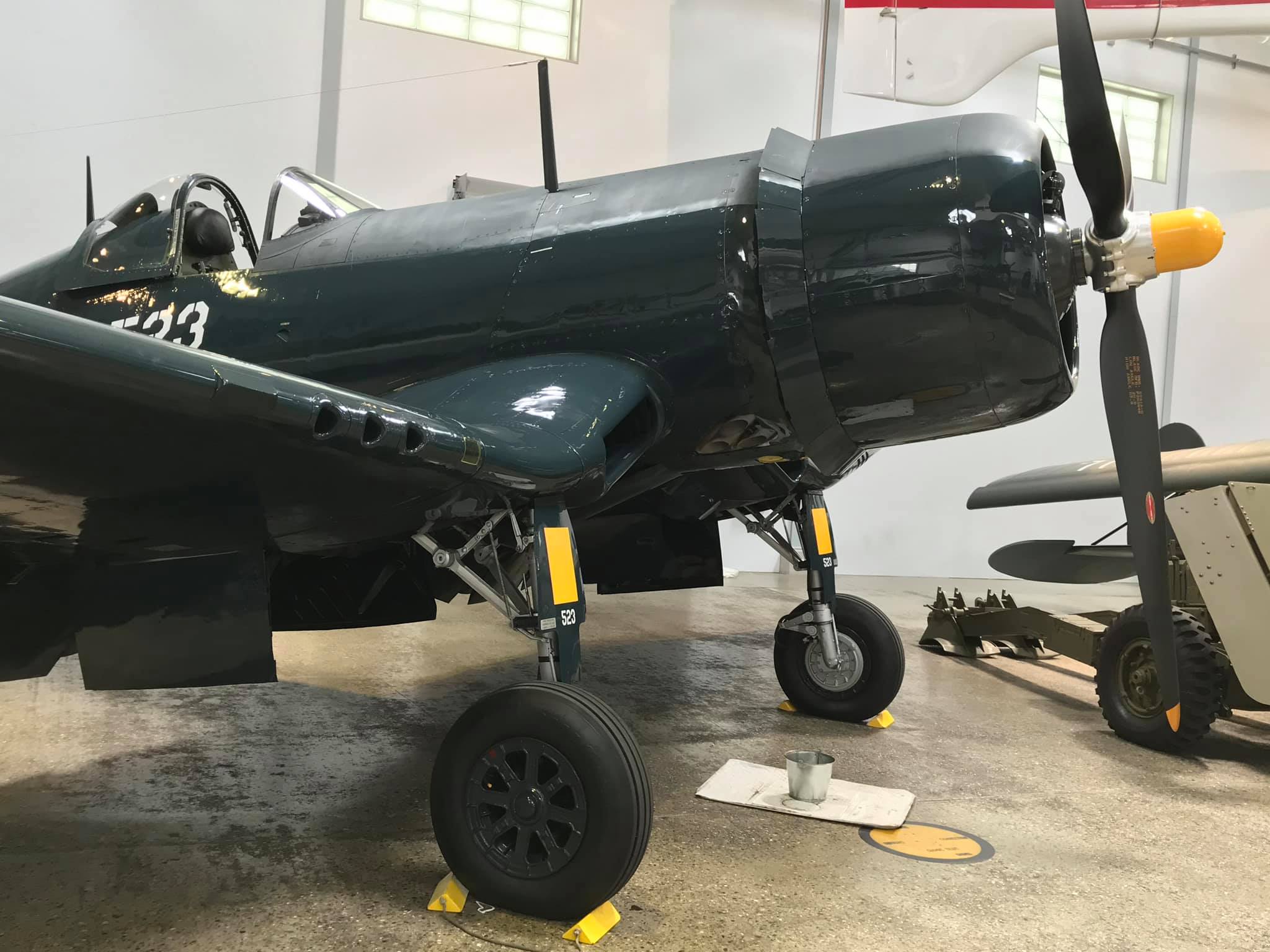
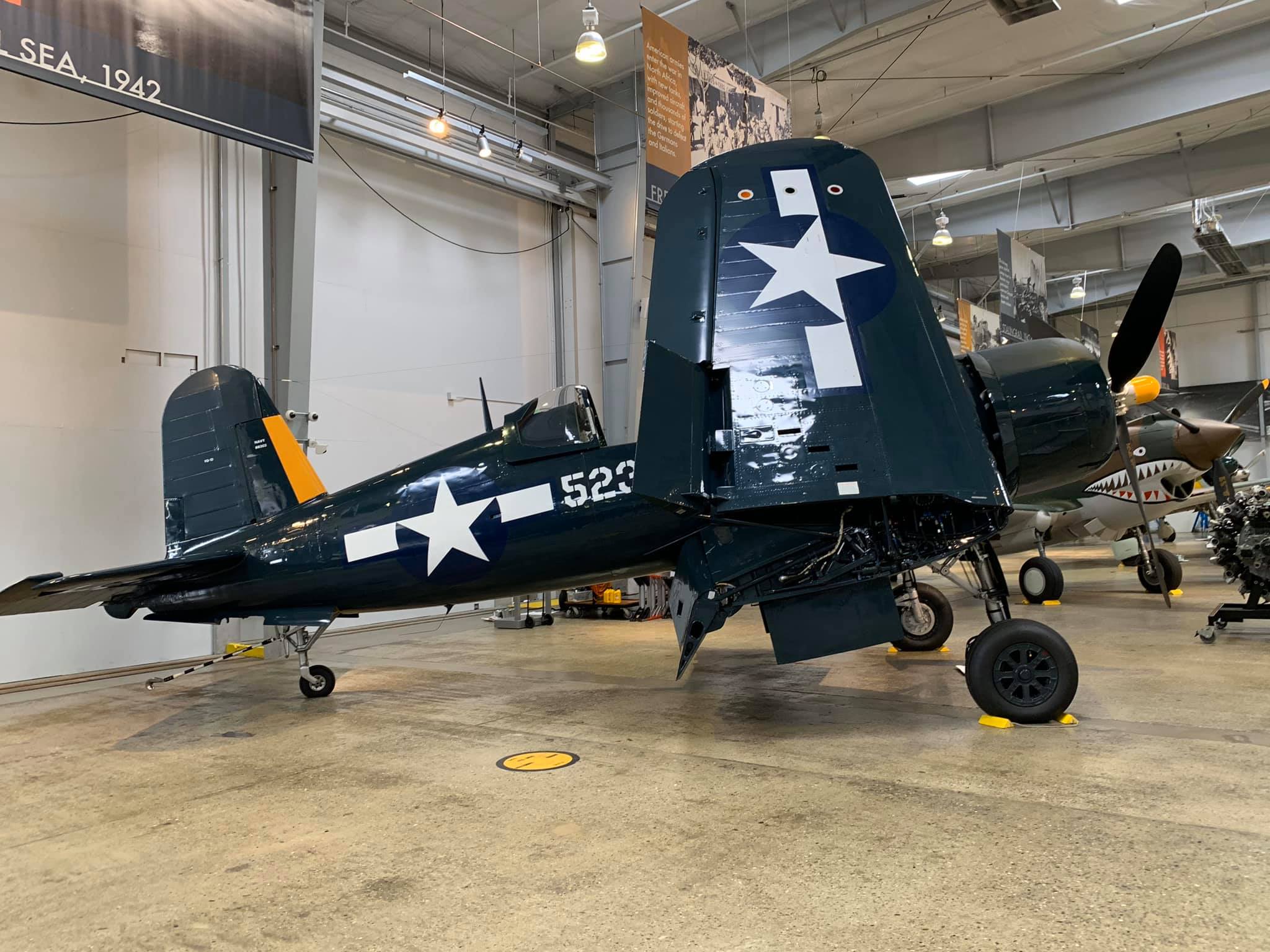
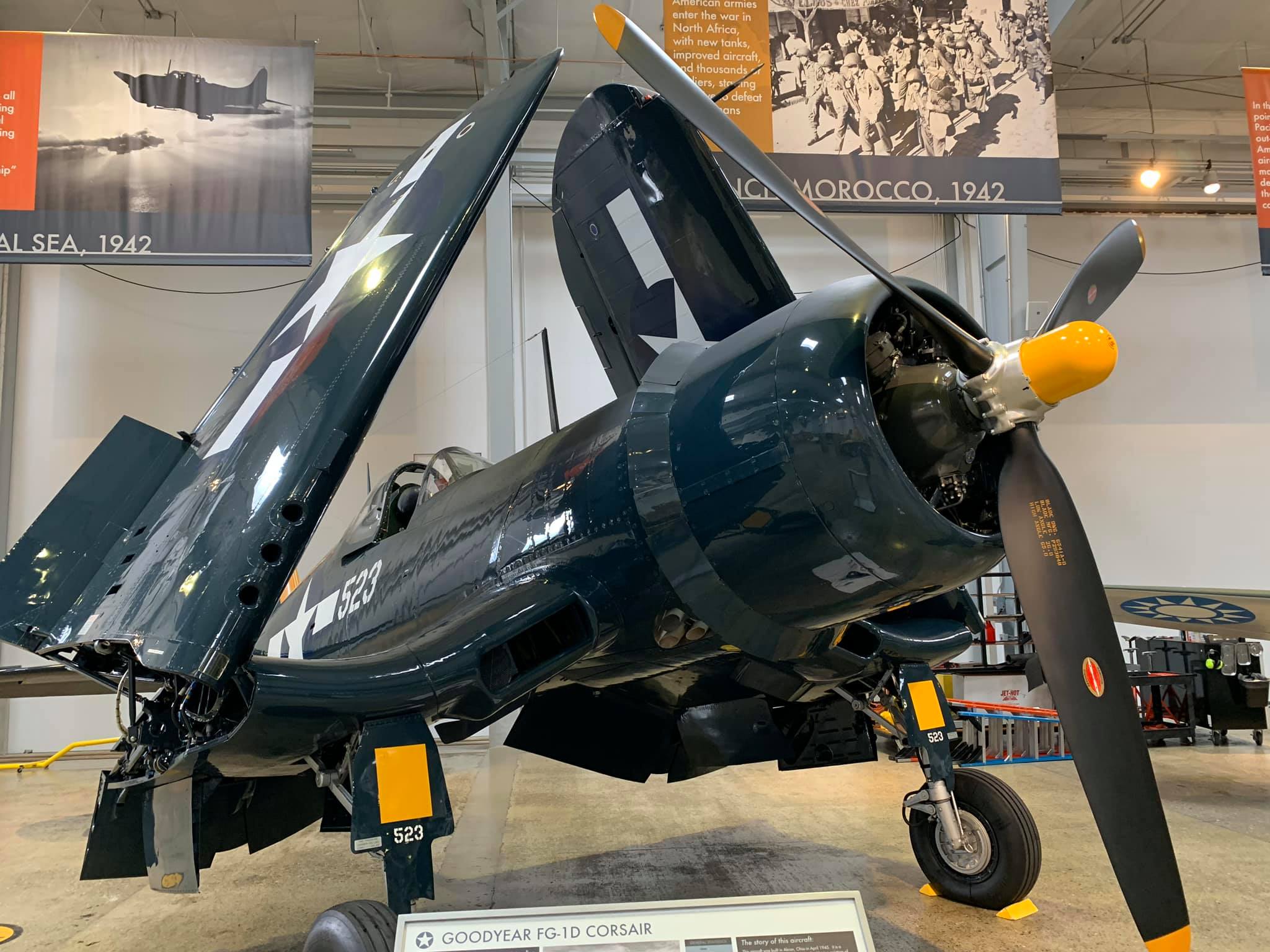
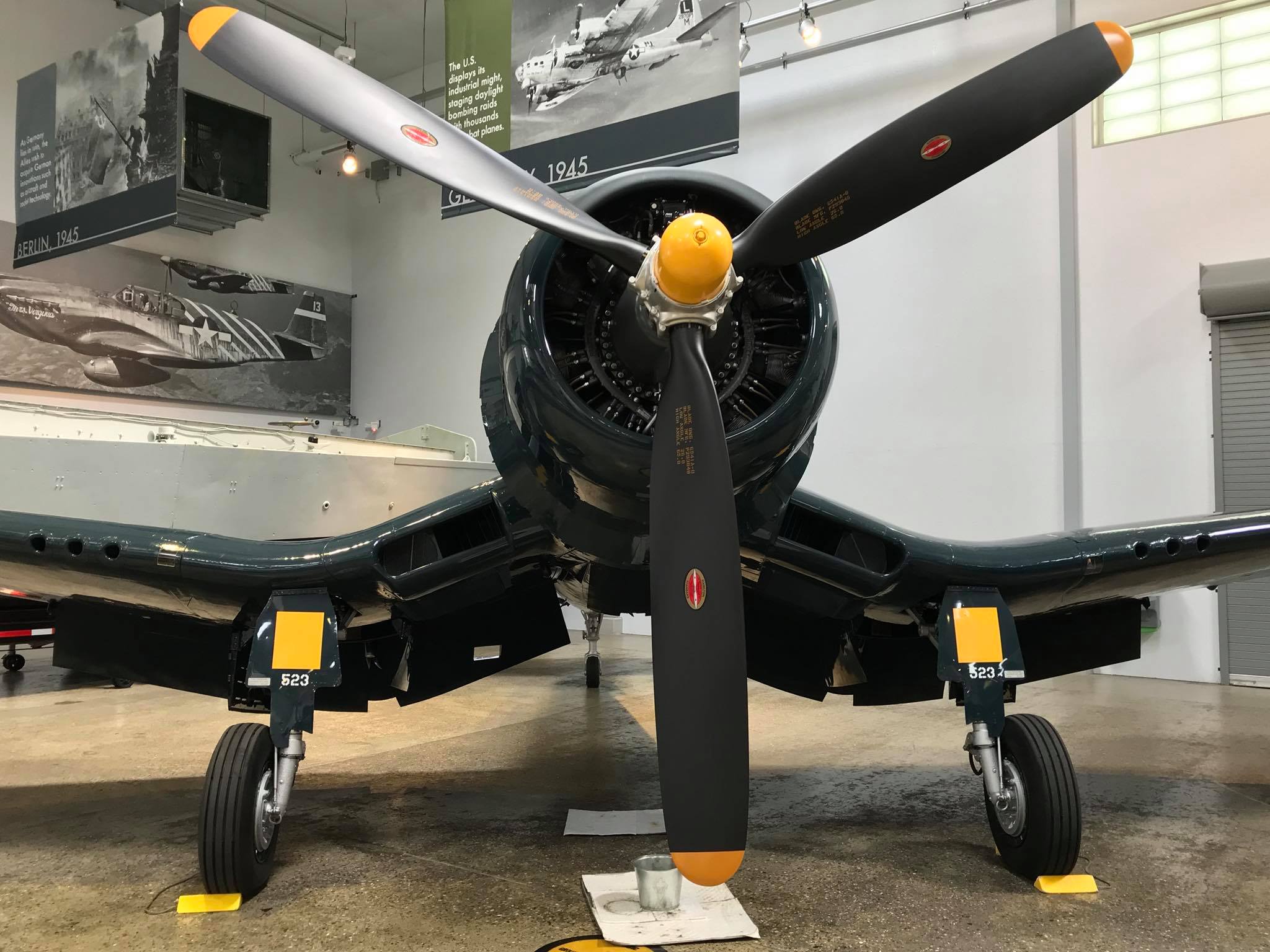
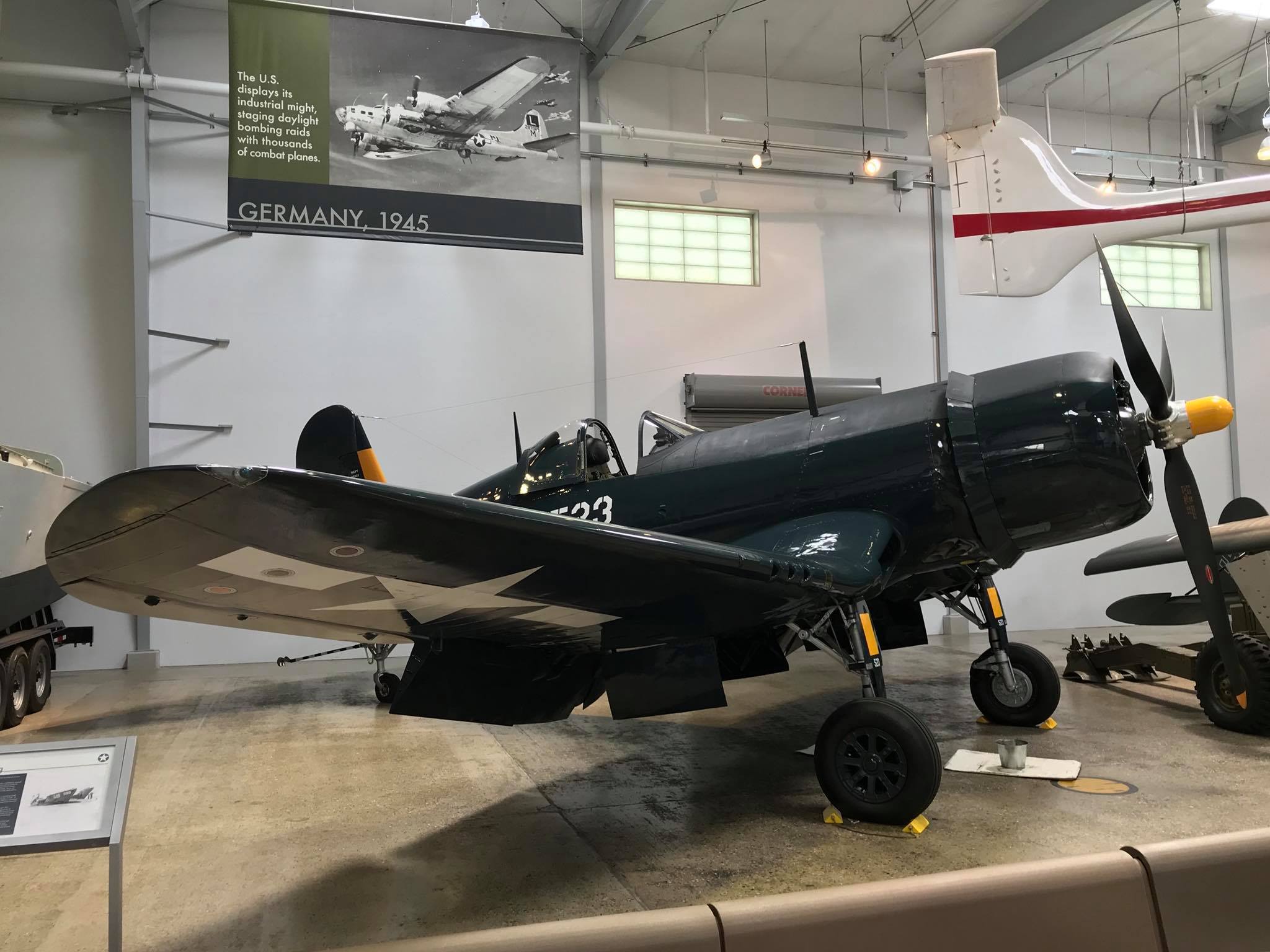
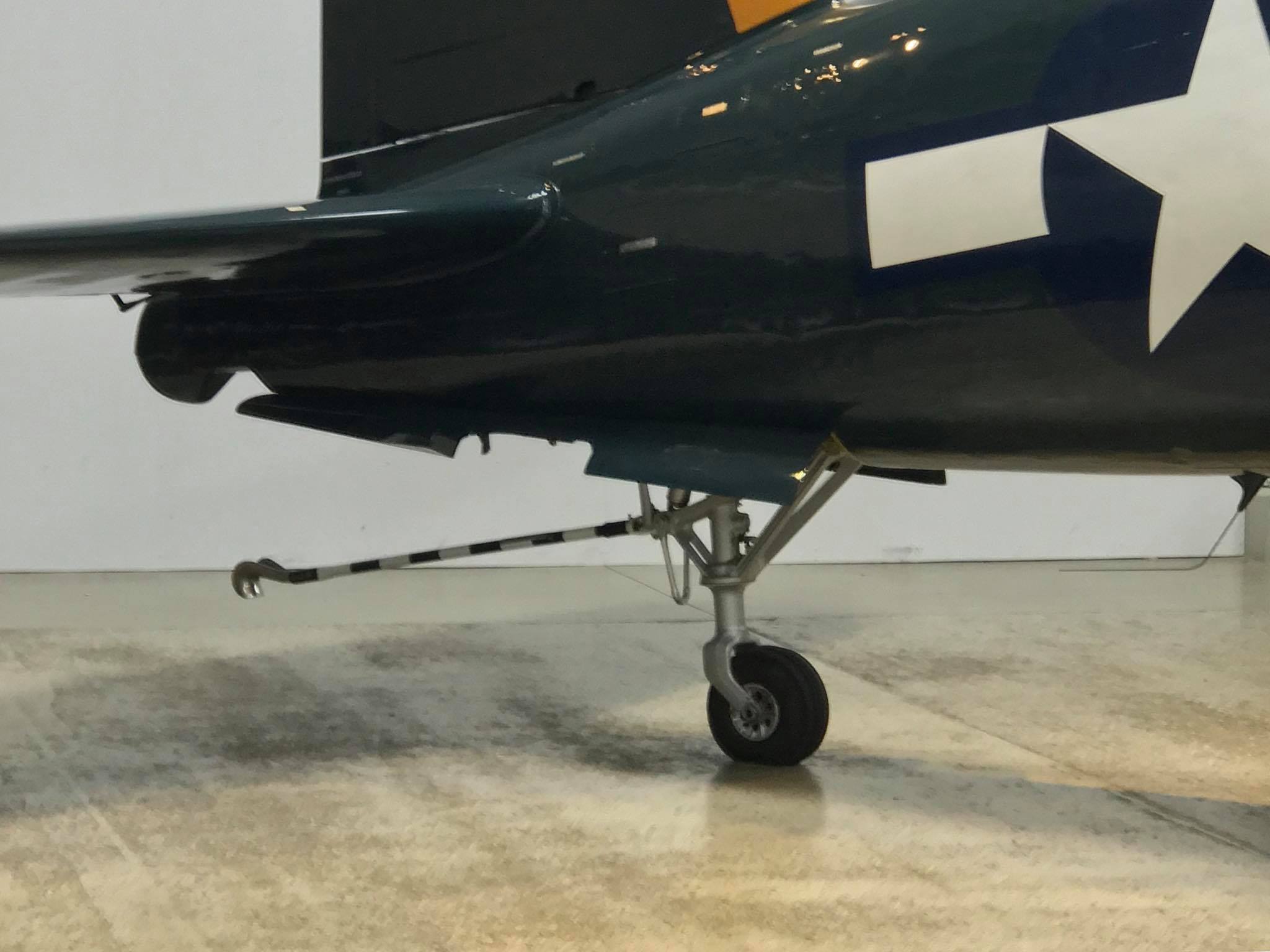
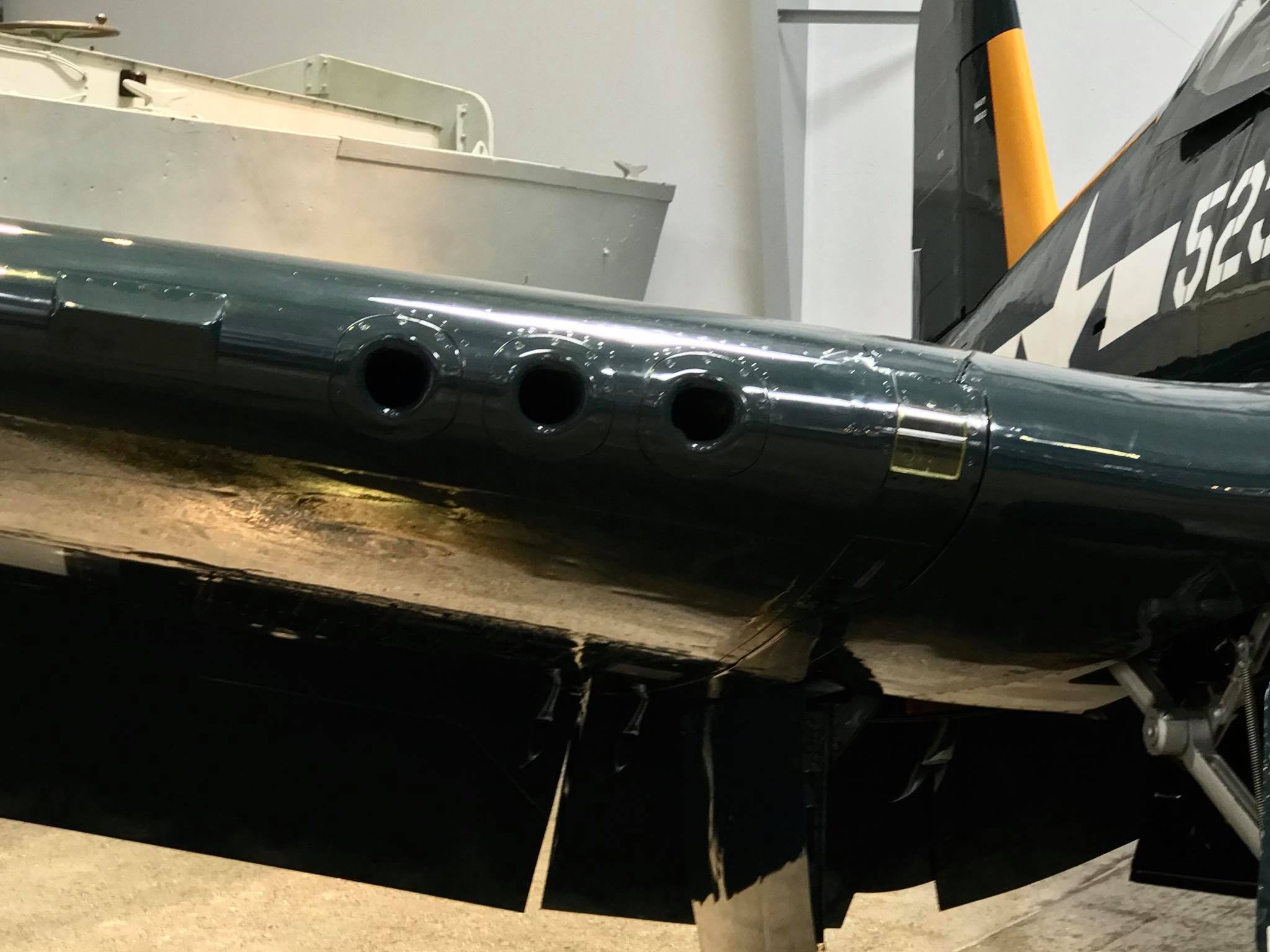
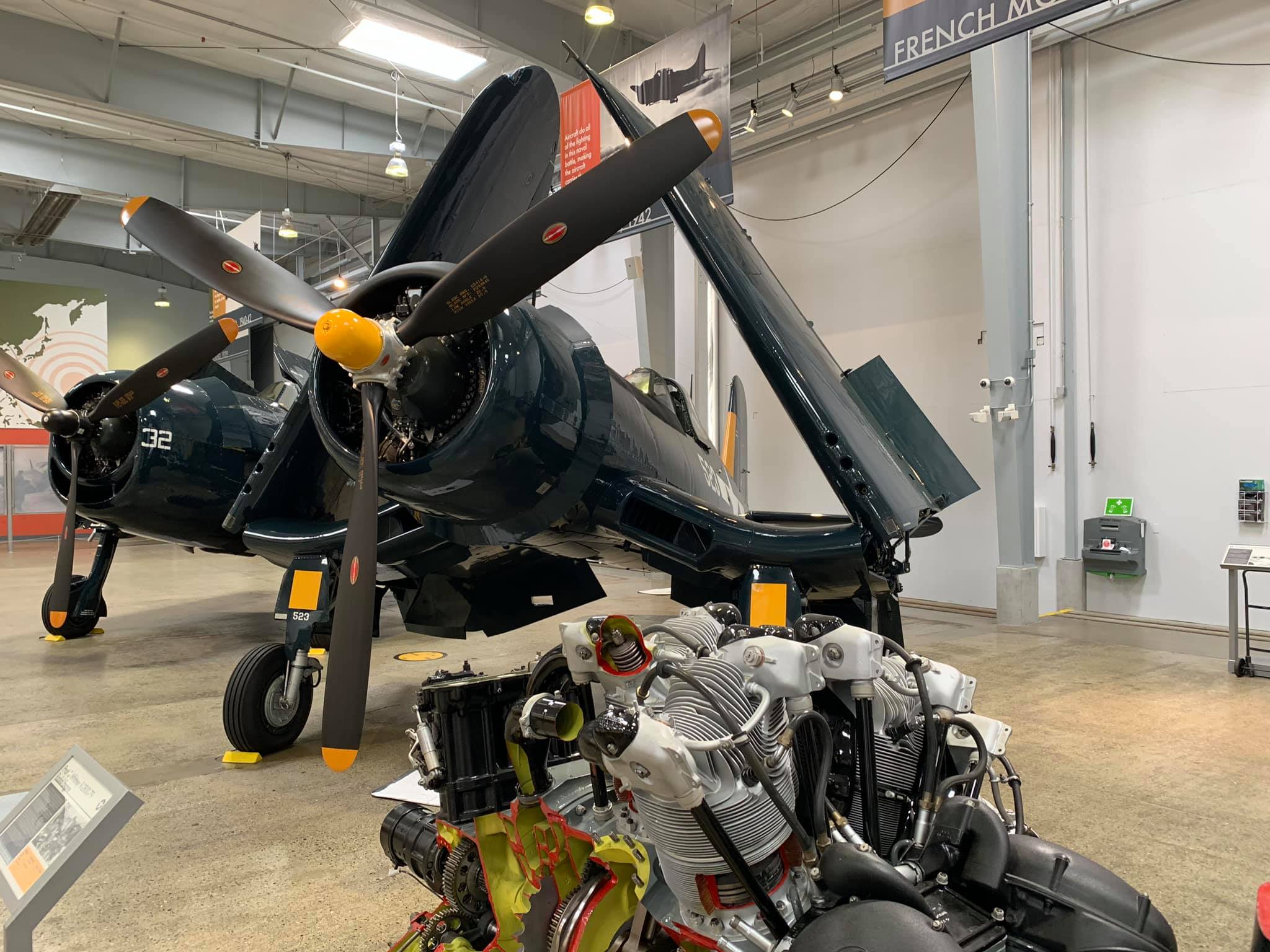
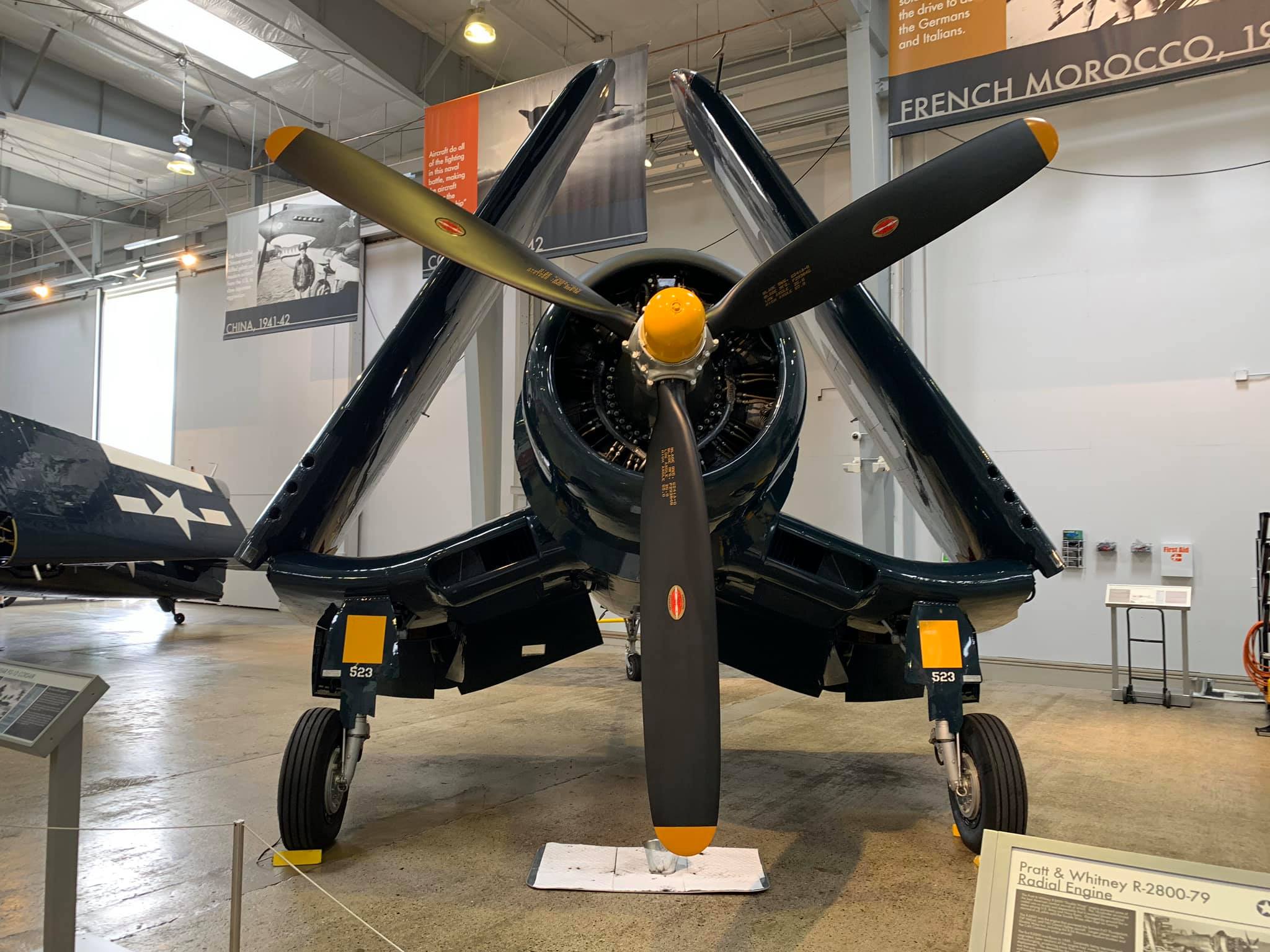
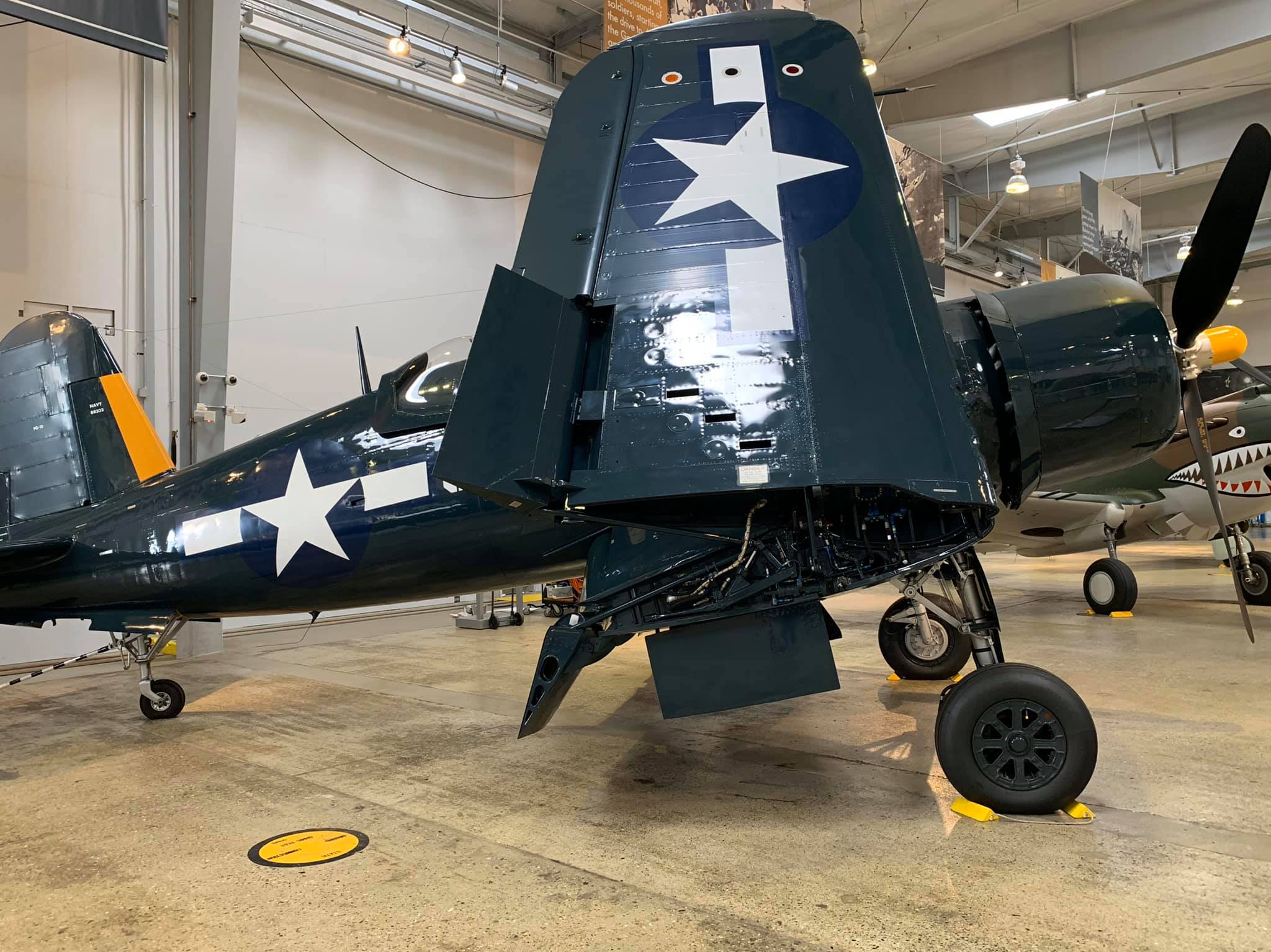
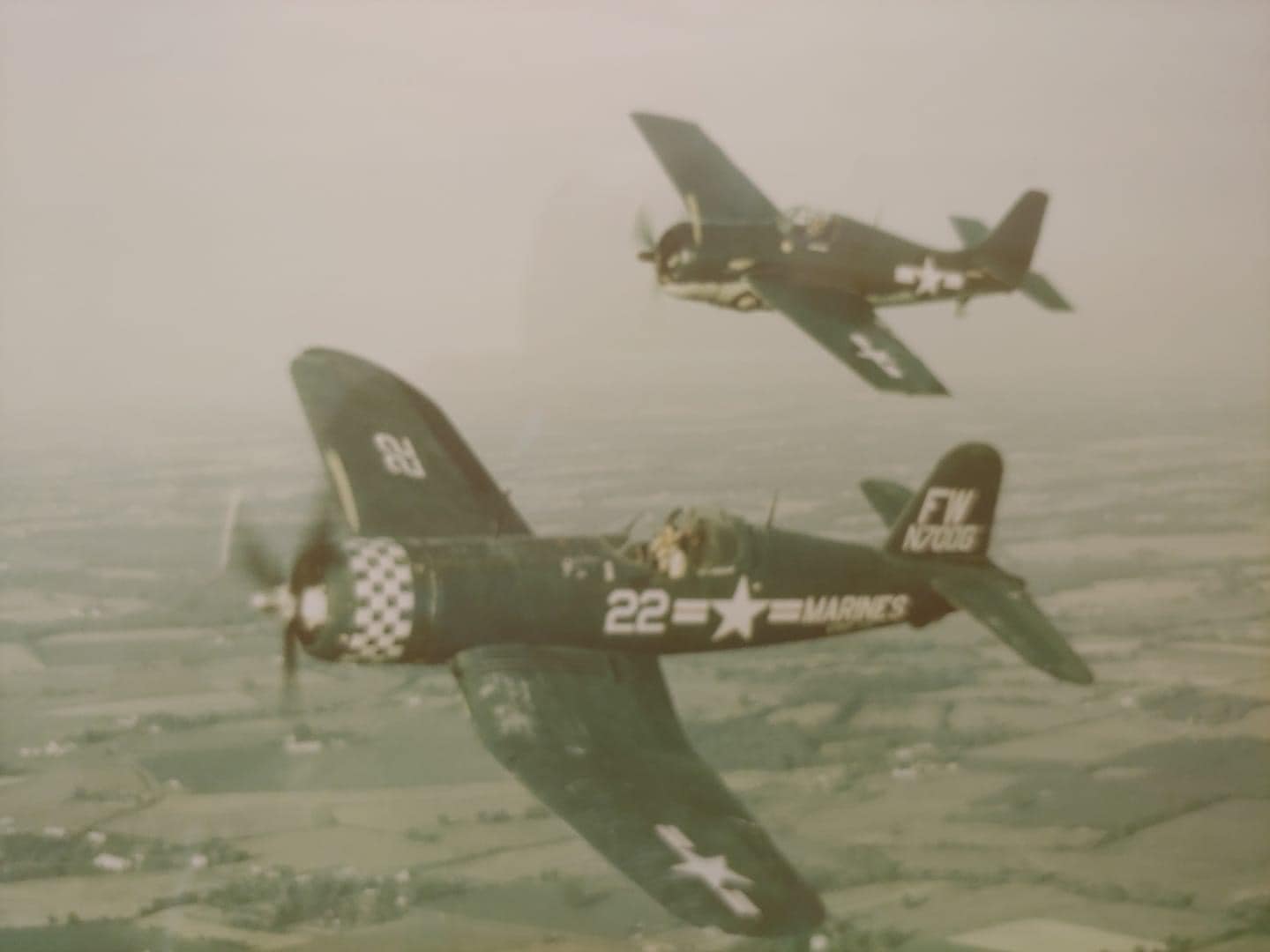
It was acquired in September of 1998 to be later owned by Paul Allen’s Vulcan Warbirds Inc. in Seattle, Washington (that company was incorporated in 2004) for eventual display and flying at Flying Heritage & Combat Armor Museum (FHCAM) on Paine Field in Everett, Washington, which is now under the ownership of Wartime History Museum Inc. (this airplane is now registered with FAA under that name, but retaining the museum’s name. It was in Texas for restoration on two separate occasions (having gone to Colorado in between), and final restoration was completed by Ezell Aviation in Breckinridge and includes anti-glare paint on top of the cowling. My photos, except courtesy of Brian Edward Smith, thanks, and videos.
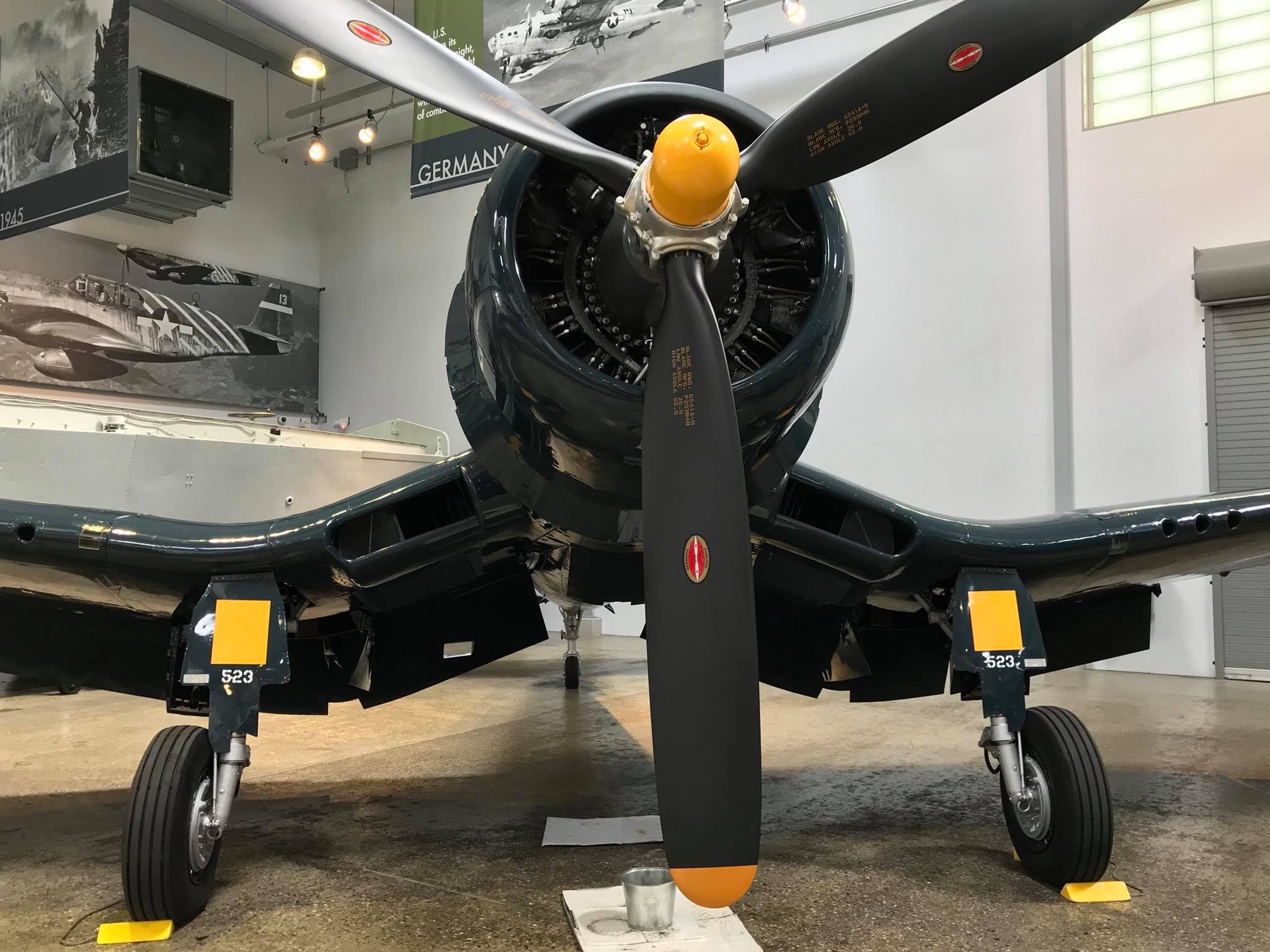
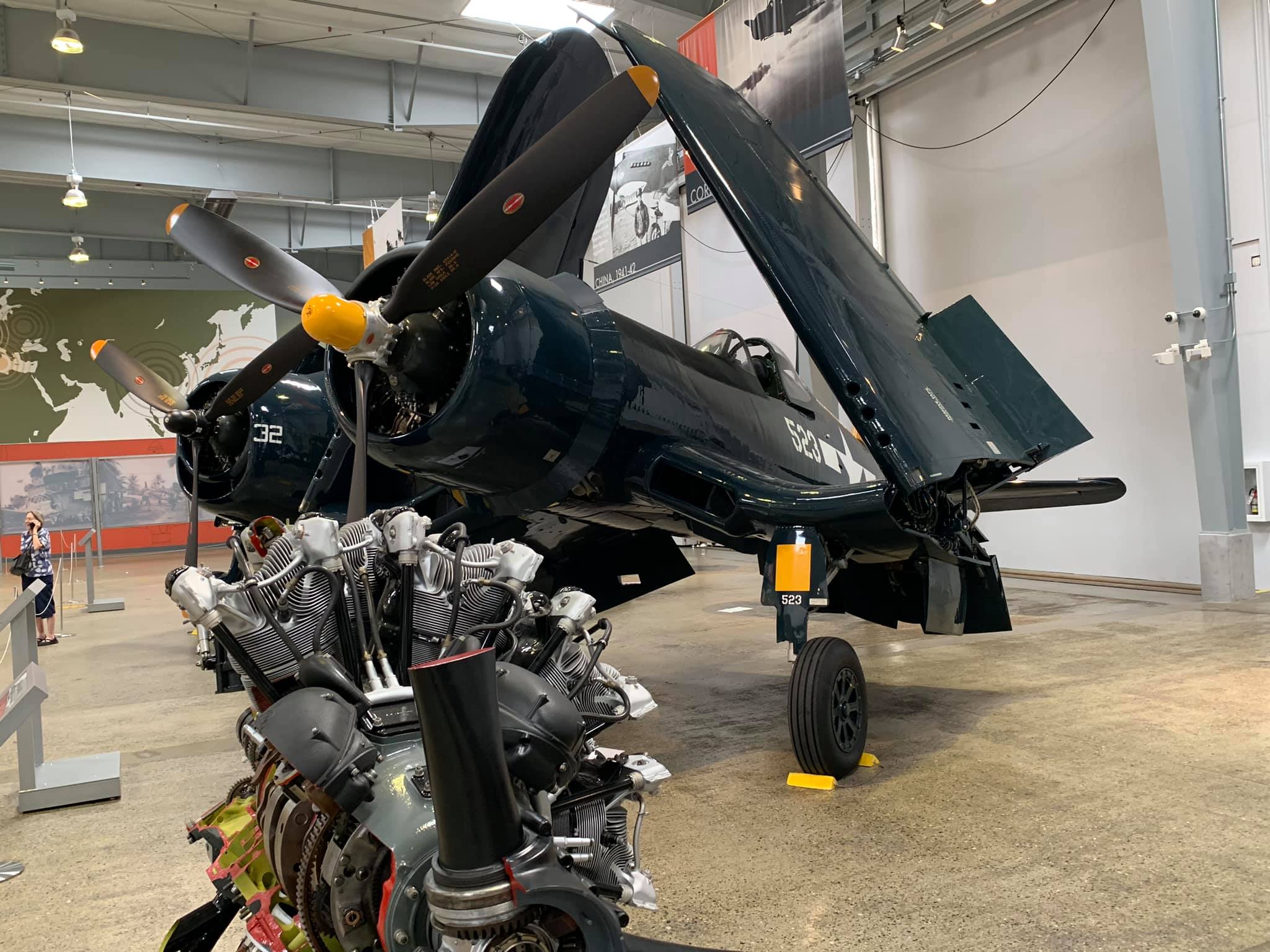
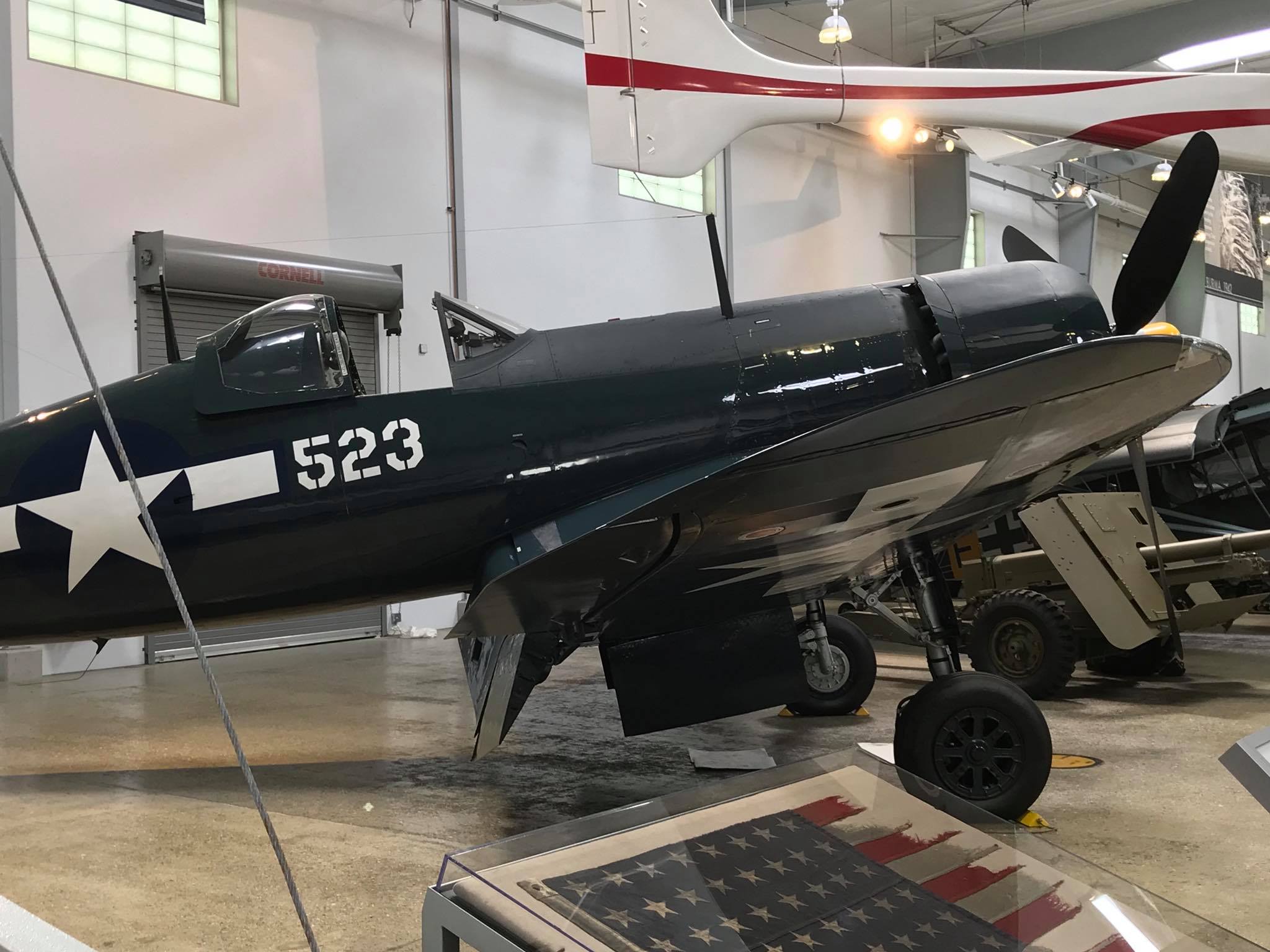
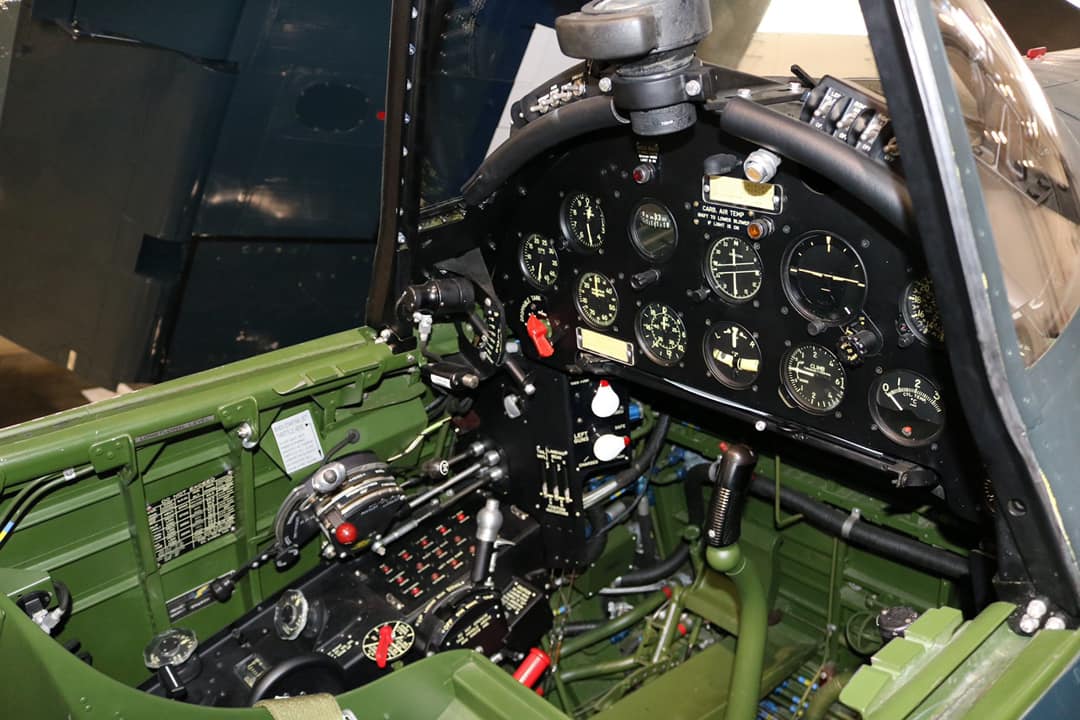
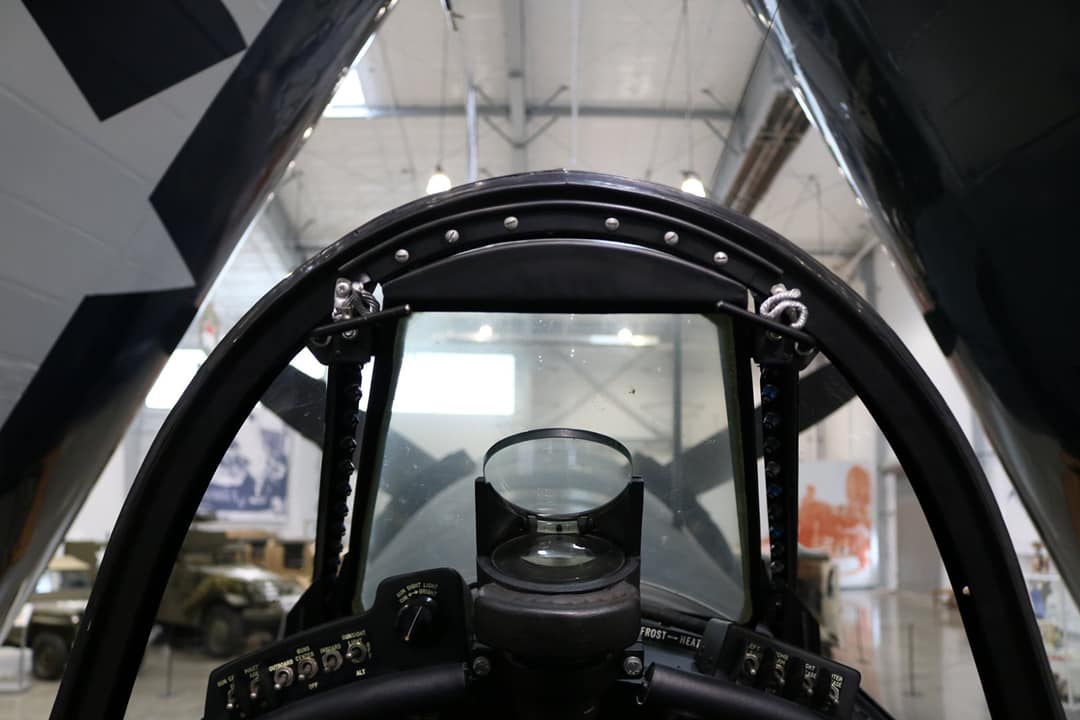
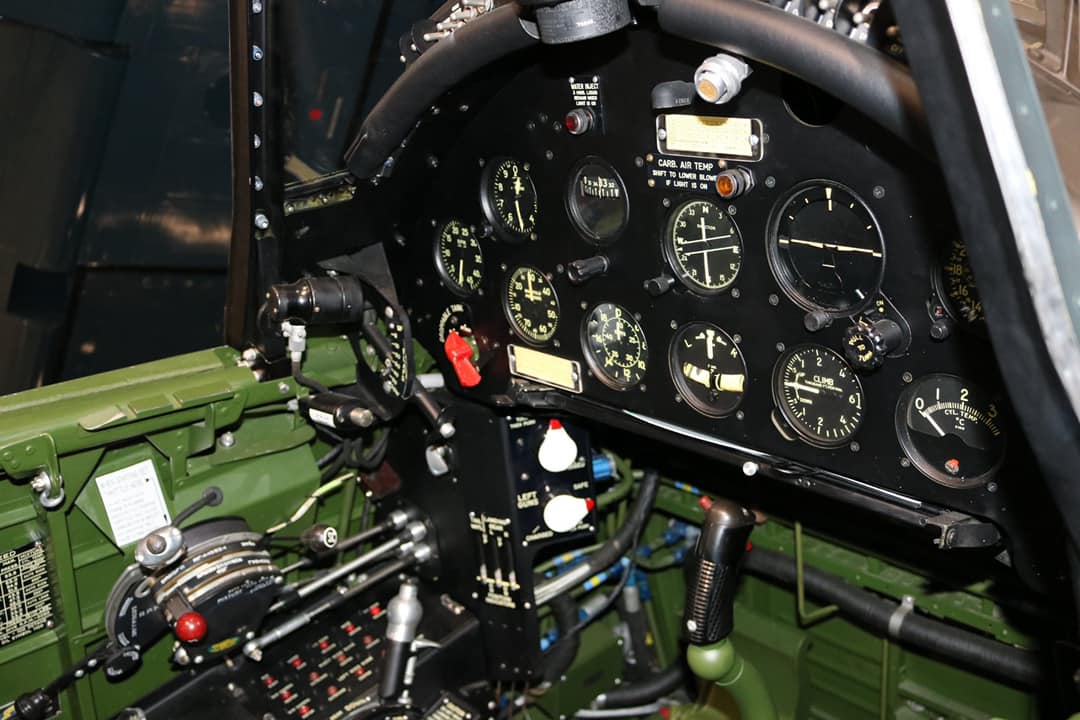
Nicknames for the Corsair included: U-Bird, Hog-Nose, Horseshoe, Great Iron Bird, Sweetheart of Okinawa, Super Stuka, The Hog, Bent Wing Bird, Ensign Eliminator, and Whistling Death. The Corsair was designed by Chance Vought Chief Engineer Rex B. Beisel, a graduate of the University of Washington. Fitted with a Pratt & Whitney R-2800-8W Double Wasp engine powering a 13 ft. Hamilton propeller (9 in. clearance between prop tips and ground or carrier deck). Armament varied but could be fitted with six wing-mounted Browning M2 .50 caliber machine guns and 8 HVAR rockets or 2,000 lbs. of bombs from wing hardpoints (the inner undersurfaces of the wings were reinforced).
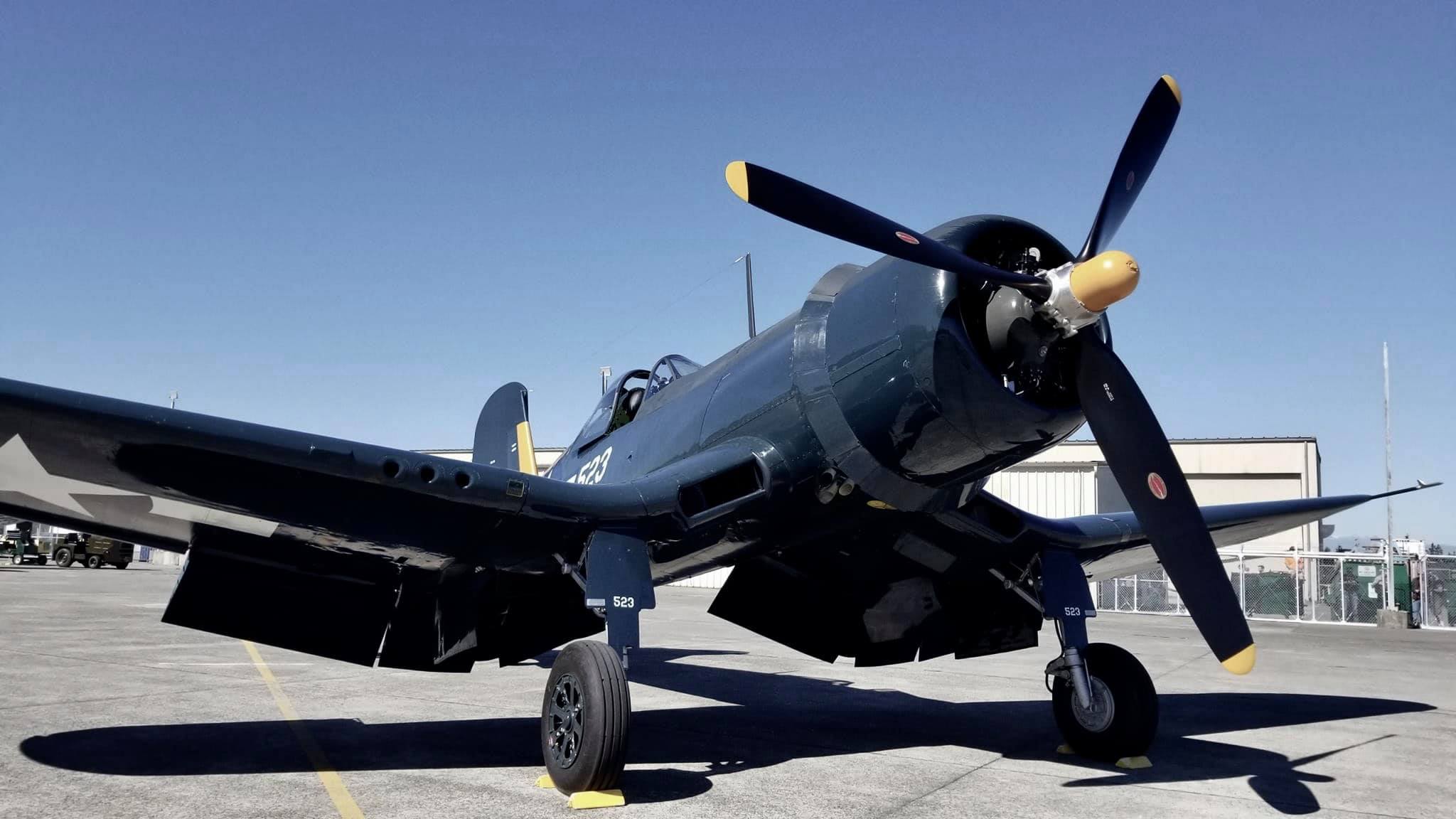
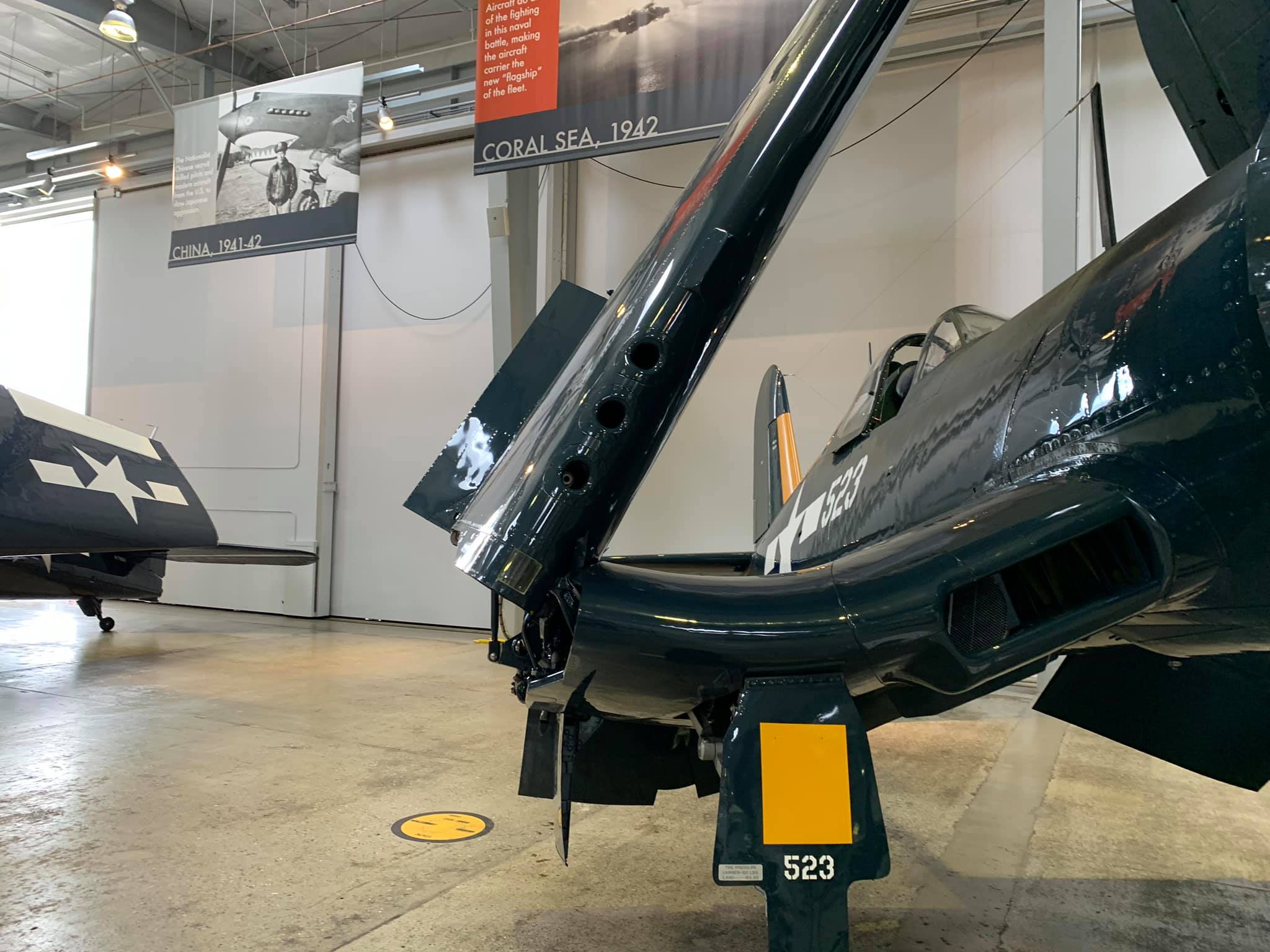
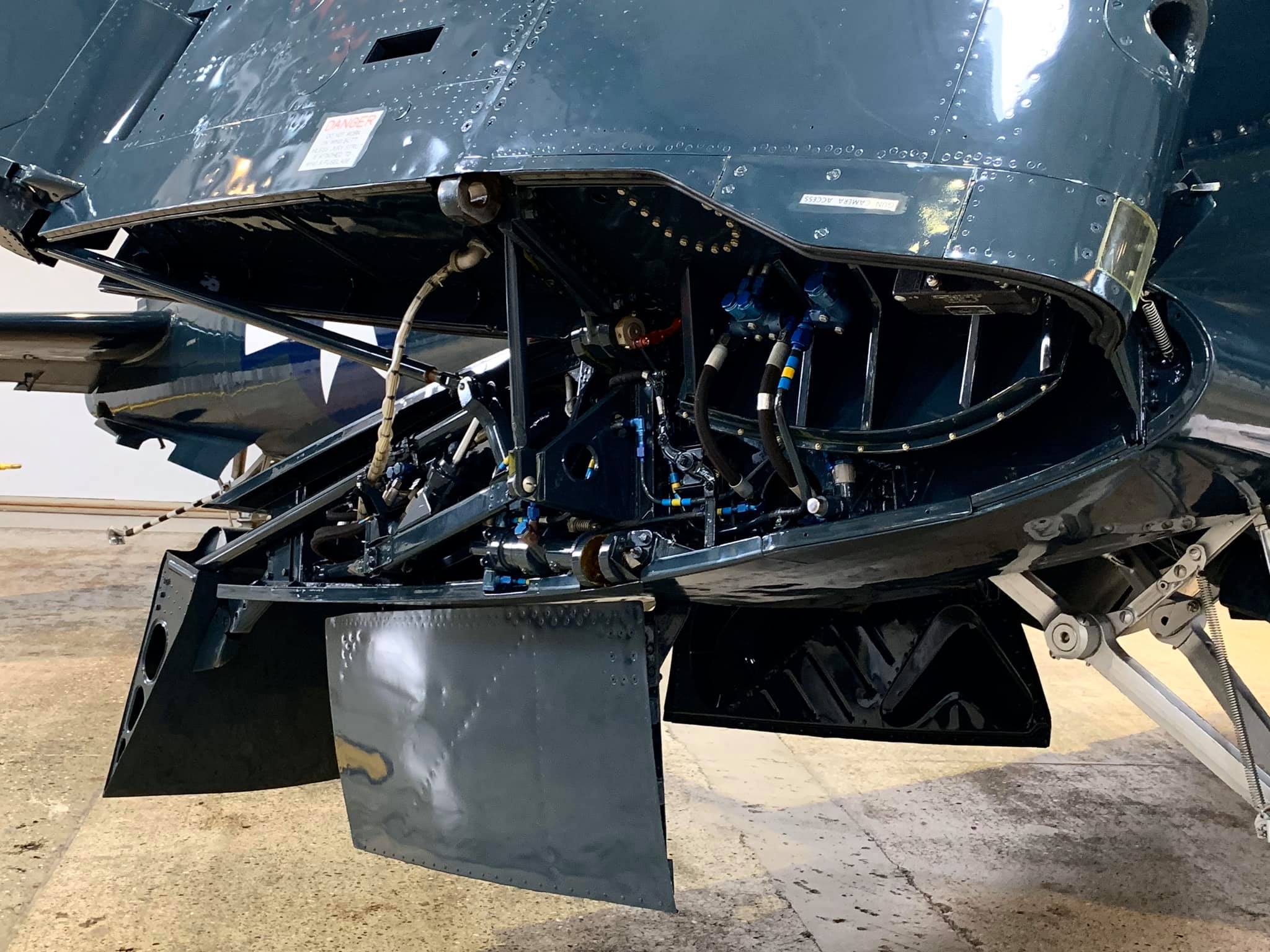
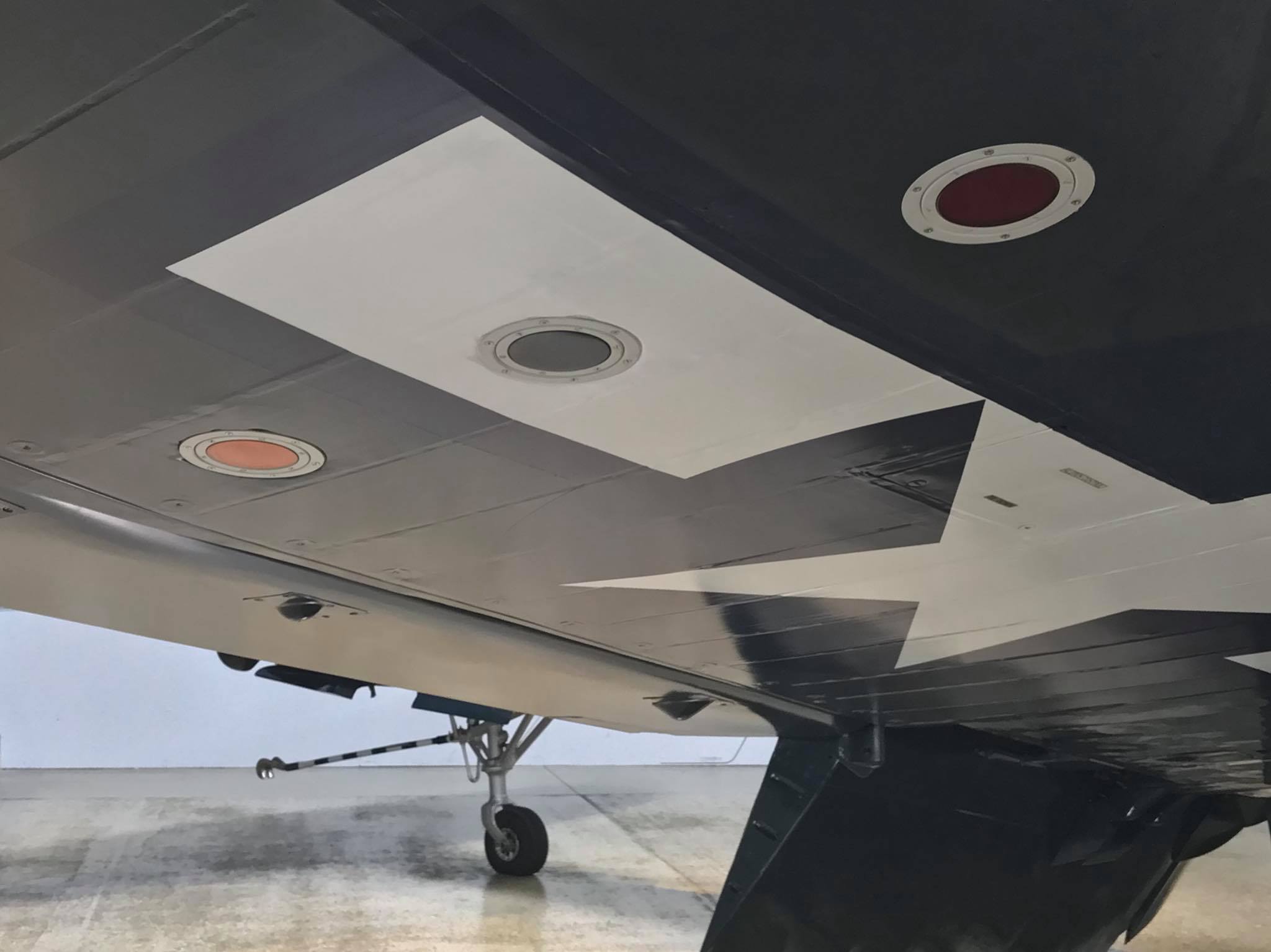
The Corsair was fitted with a small window on the leading edge of each wing. The one on the right wing contains the gun camera. The leading edge on the left wing contained an “Approach Light” with a regular light bulb situated behind a multi-colored filter. The filter had horizontal bands from top to bottom as follows: green, a thinner line of amber, and then red at the bottom. While not visible to the pilot, it was meant to be very visible to the LSO (Landing Signal Officer) on an aircraft carrier deck, providing him with information as to the attitude of the aircraft. If the plane is nose-high, the LSO sees red, meaning the Corsair is approaching too slowly. If the plane is nose-down, coming in fast, he sees green. If the pilot has the aircraft in the correct attitude for landing (to intersect with the deck right in front of the arresting wires), the LSO sees amber. Note the 6-inch-long stall strip located on the leading edge of the starboard wing just outboard of the guns.
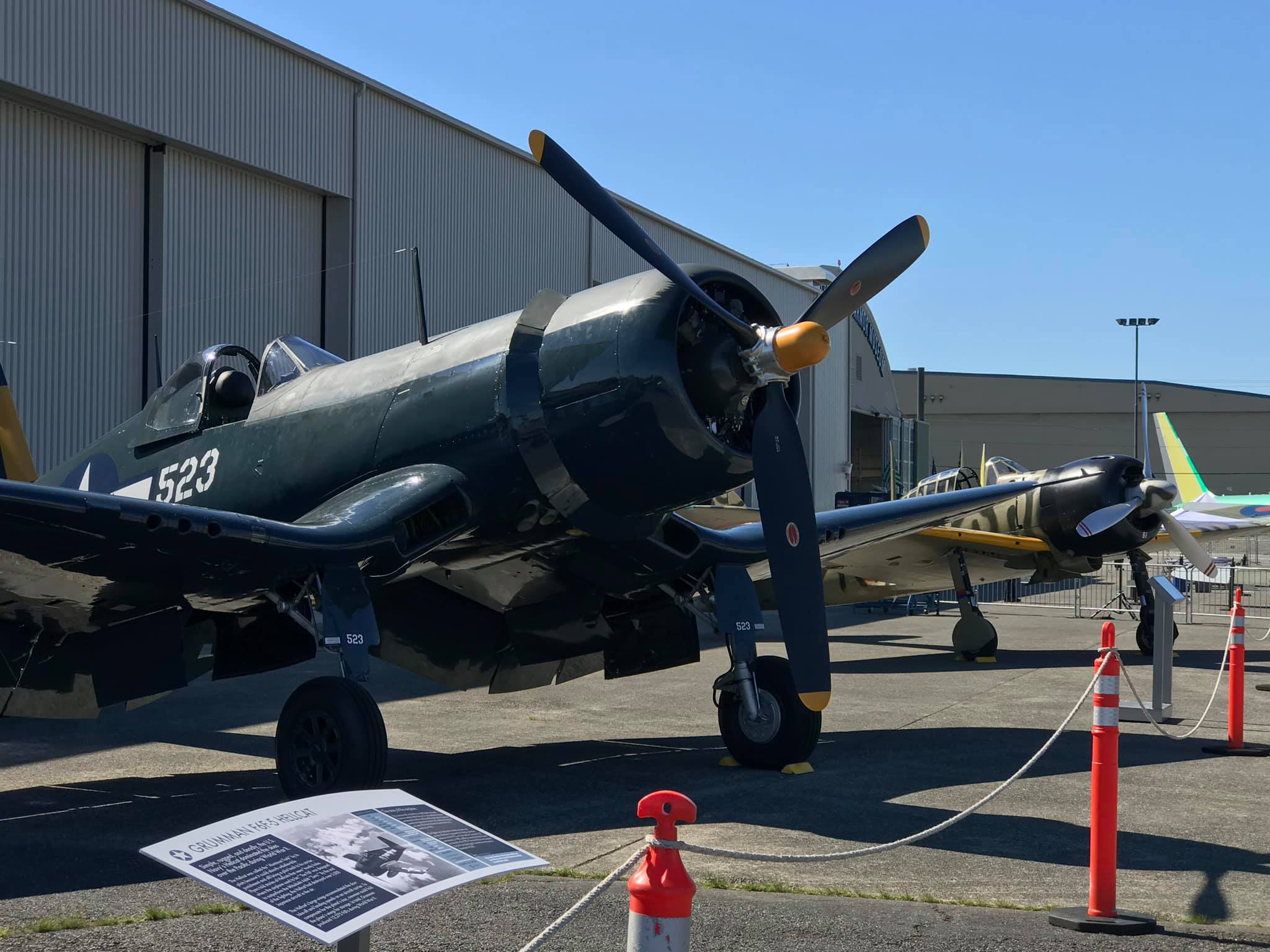
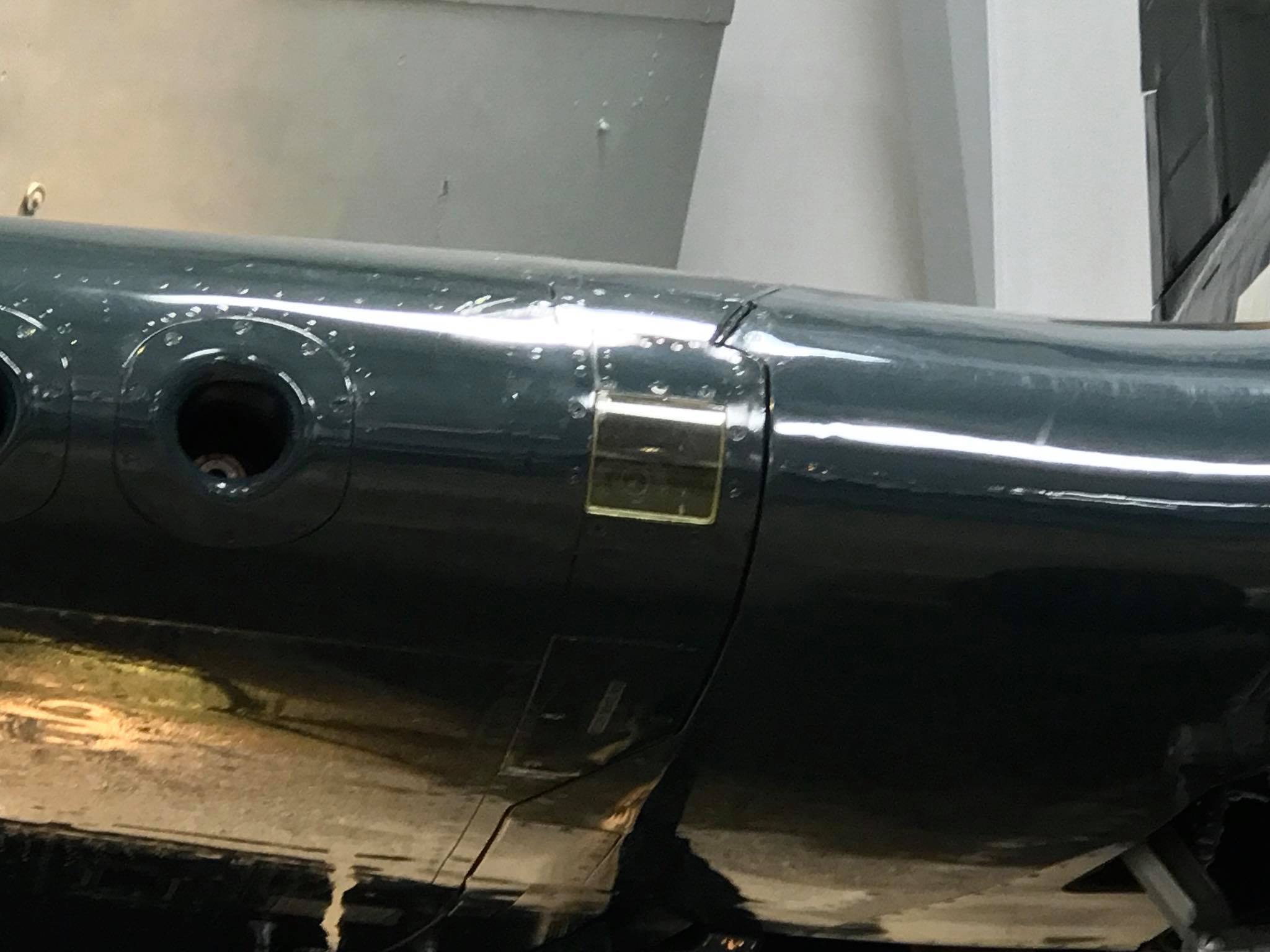
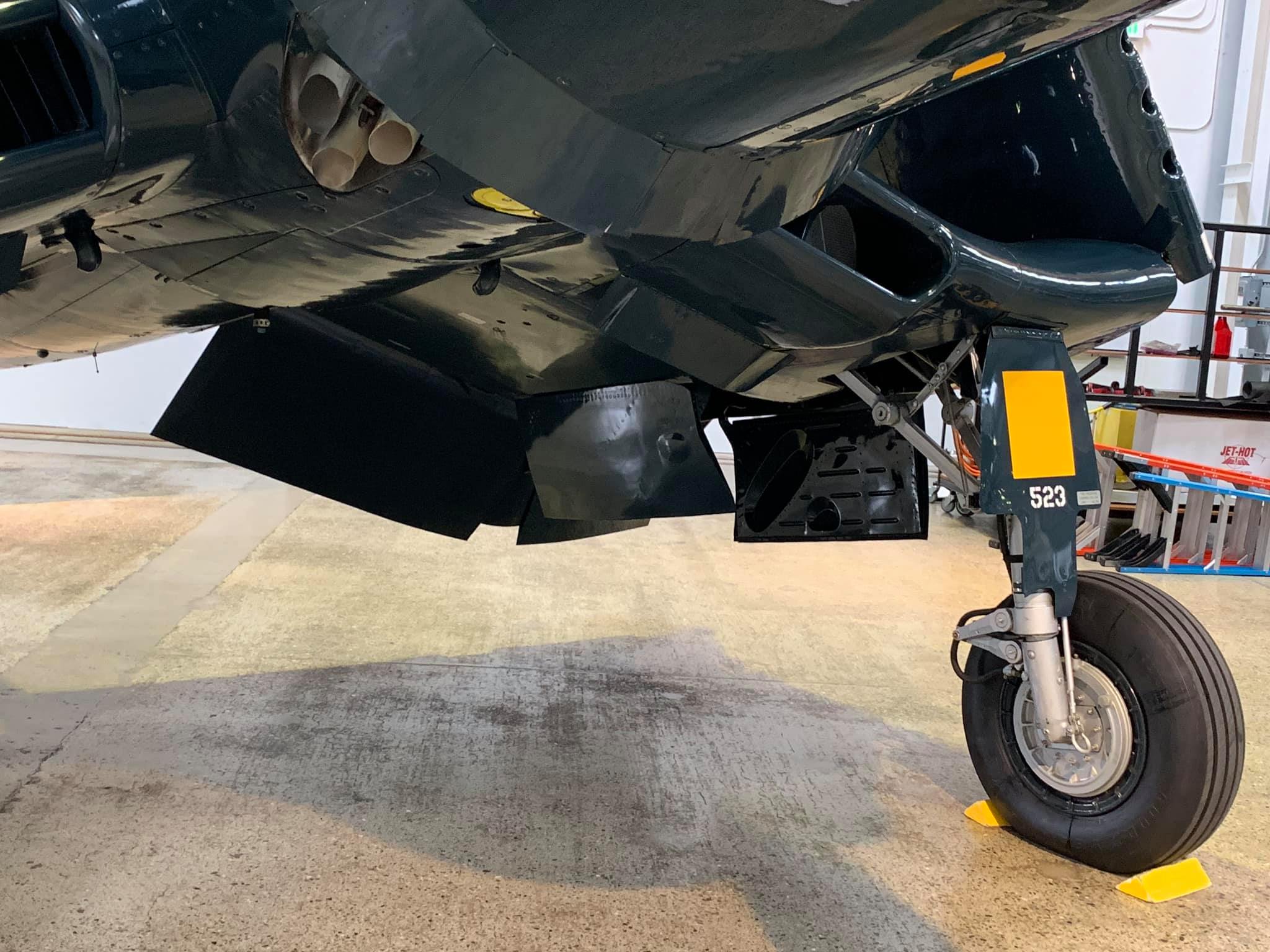
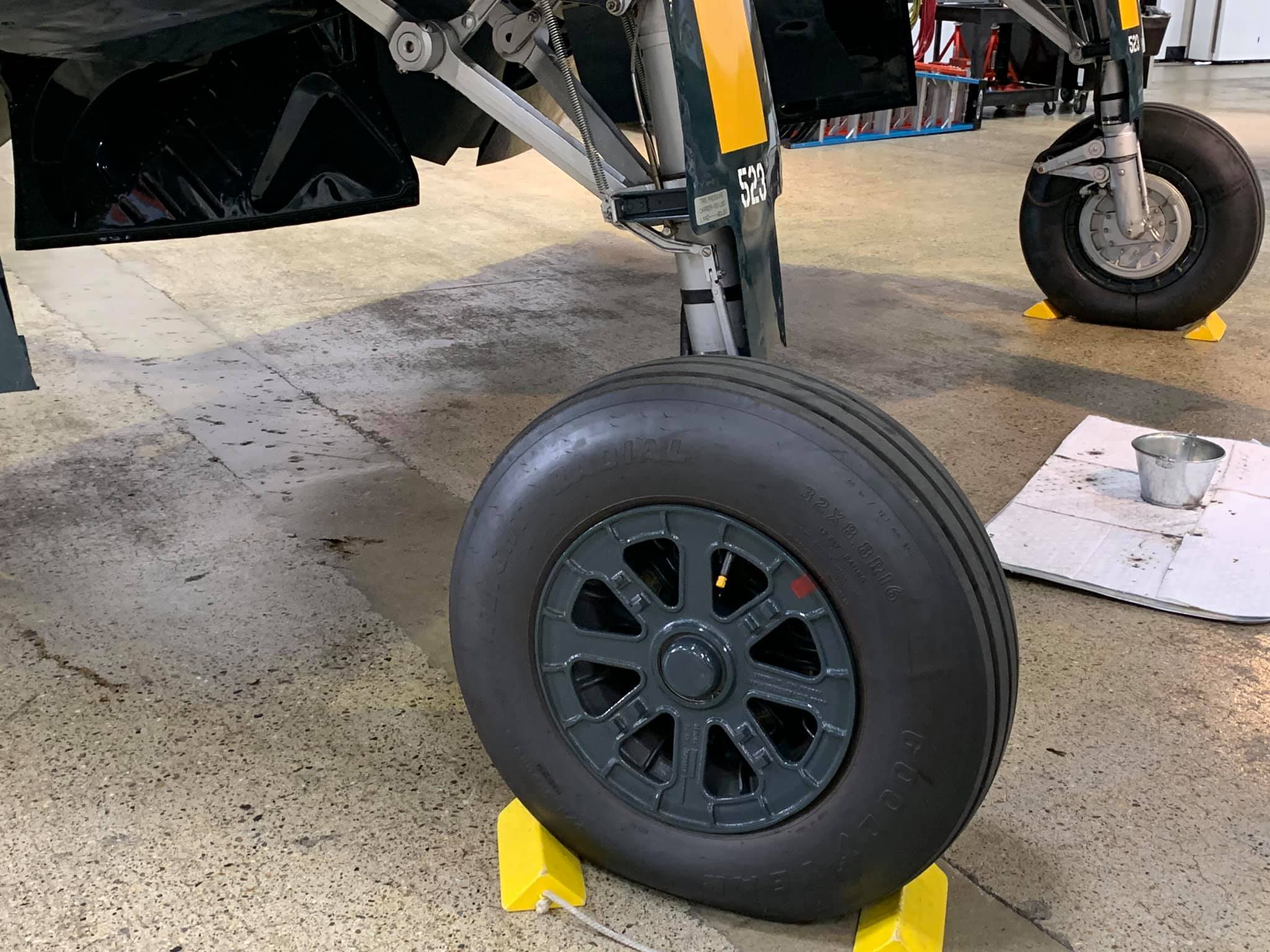
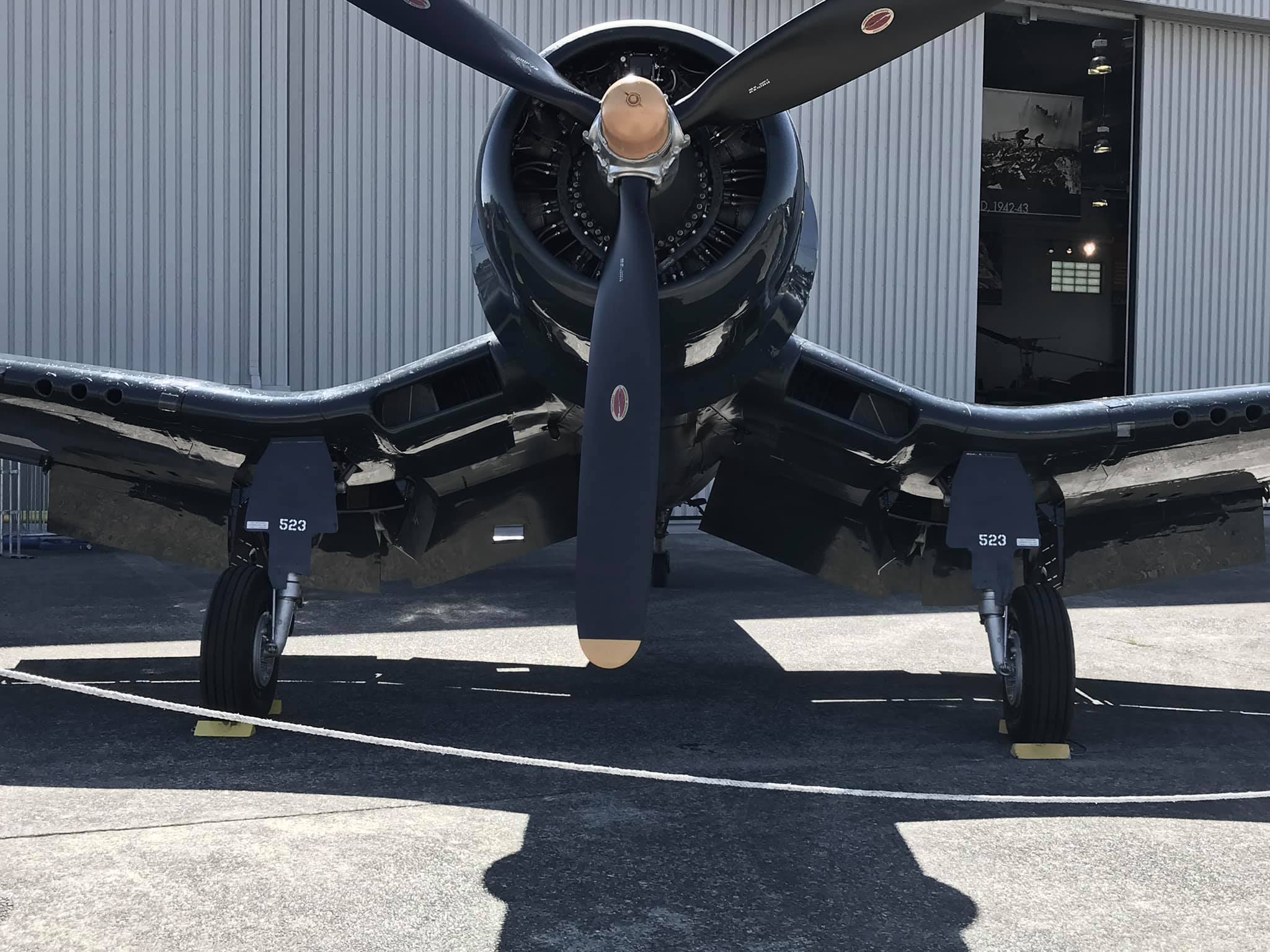
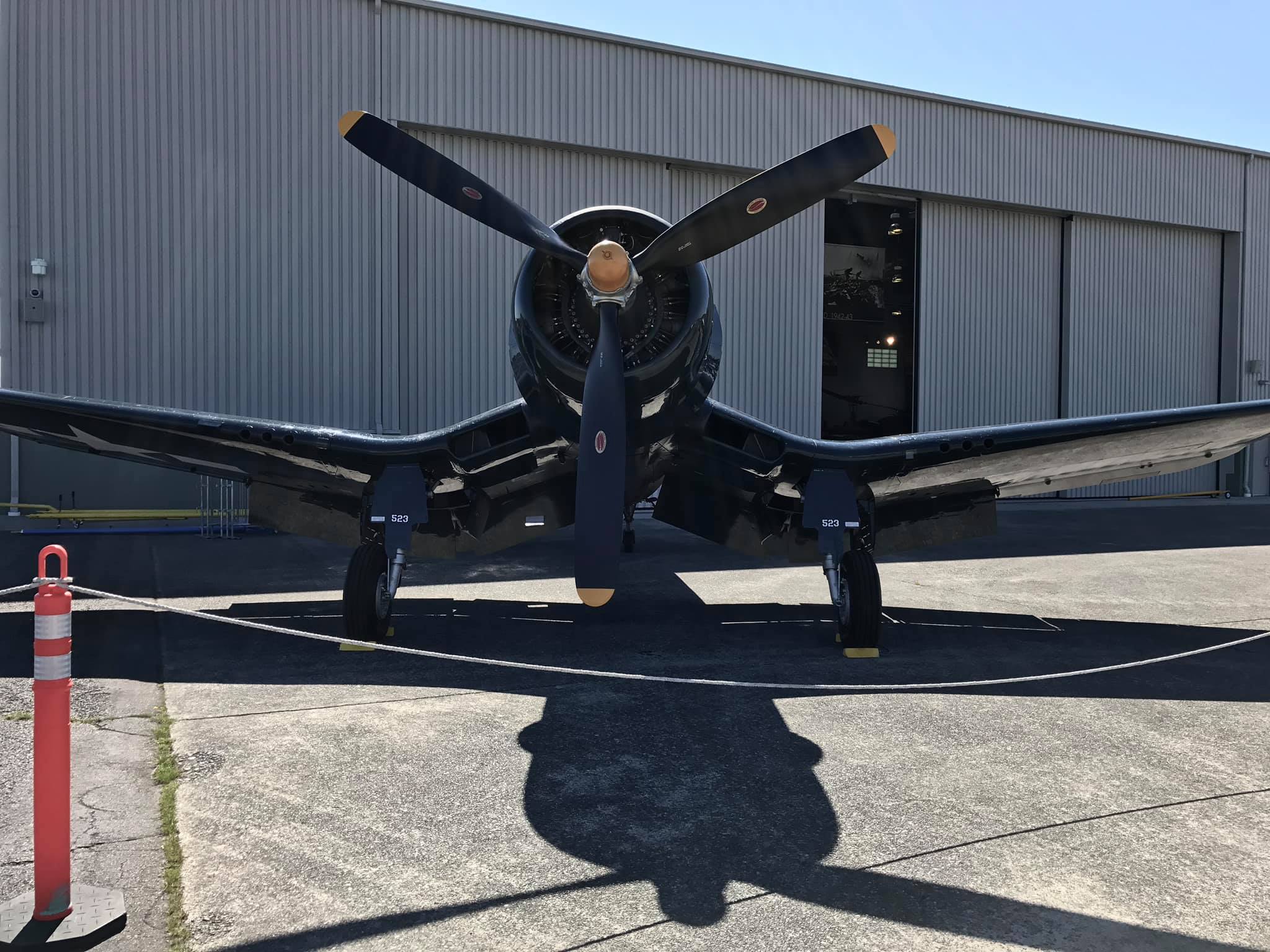
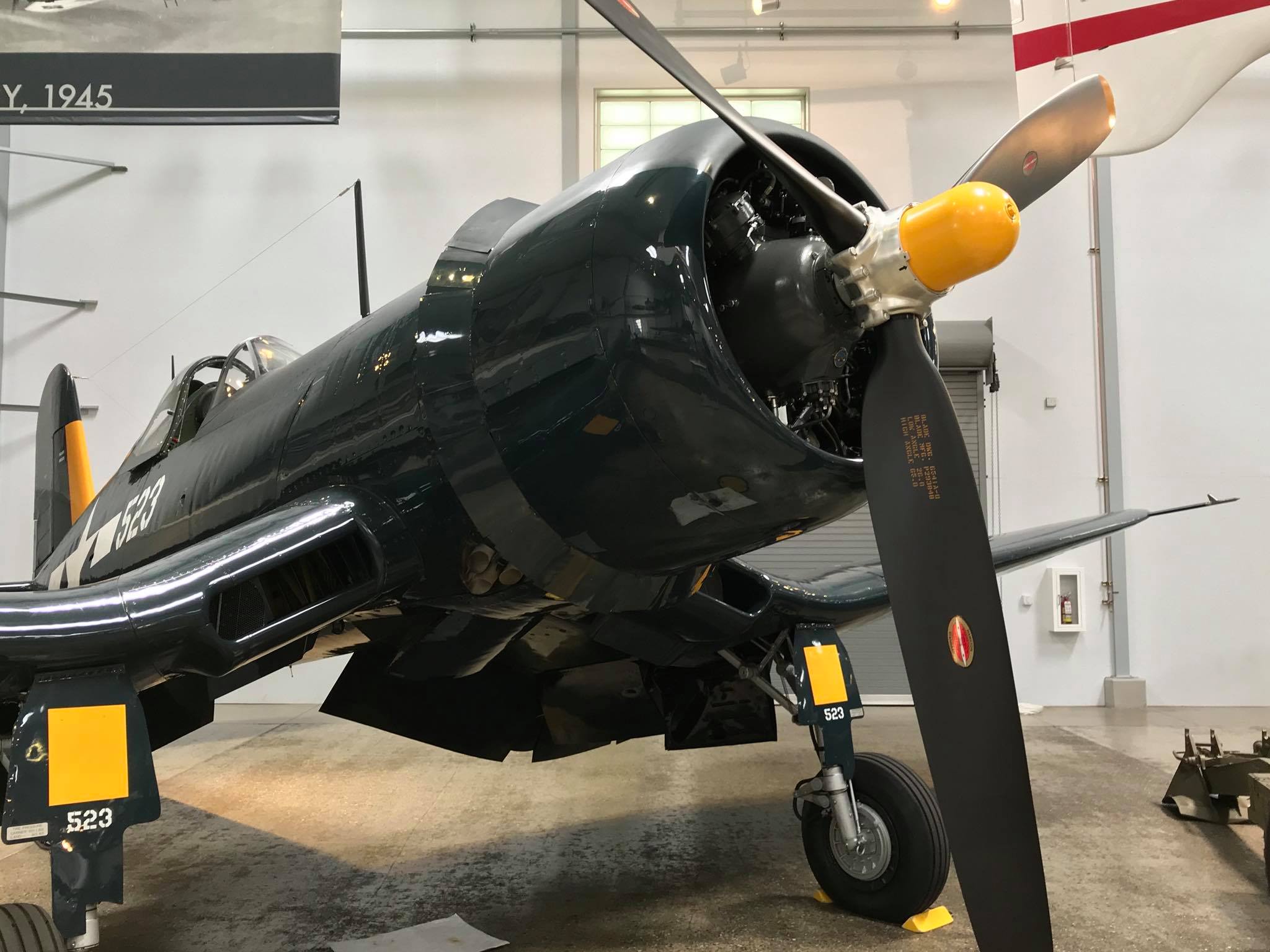
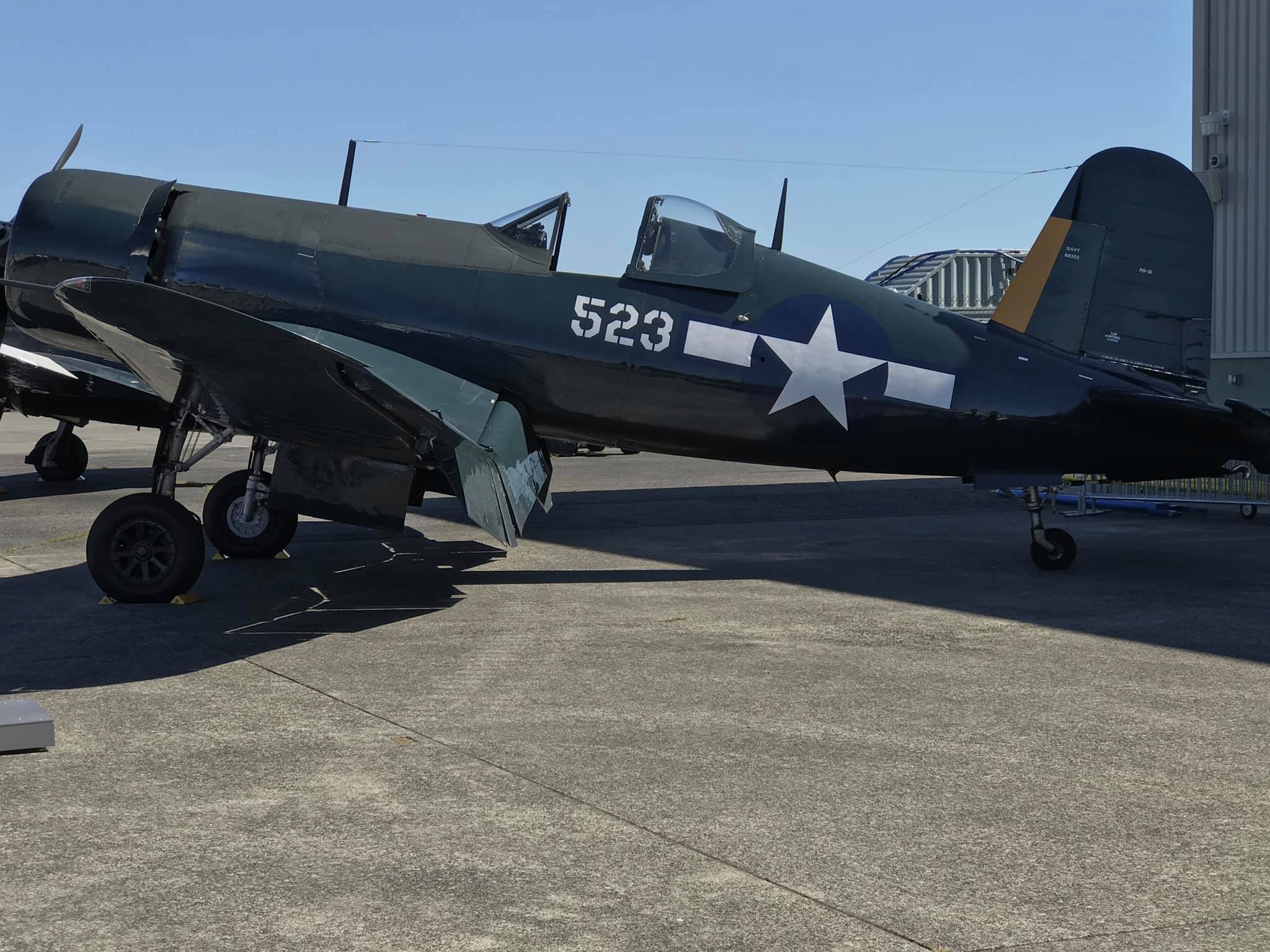
The large propeller on Corsairs caused a lot of torque at slow speeds, which caused the port wing to drop at stalling speeds, creating a tendency for the aircraft to go into a spin. The problem was solved by the addition of this small device (it causes the starboard wing to stall symmetrically with the port wing). The oldest Corsairs had home-made wooden blocks; later, aircraft came from the factory with an aluminum strip already in place. The XF2G-1 was of conventional arrangement, with a low-mounted wing featuring noticeable dihedral, a conventional tail scheme, and a bubble canopy that slid back to open. It was powered by an XR-4360-10 Wasp Major providing 2,200 kW (3,000 HP). Control surface arrangement was conventional, with the outer wings folding straight up.
 About the author
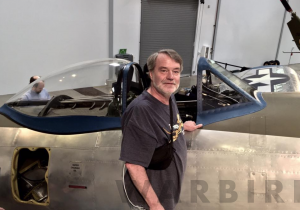
Randy Malmstrom grew up in a family steeped in aviation culture. His father, Bob, was still a cadet in training with the USAAF at the end of WWII, but did serve in Germany during the U.S. occupation in the immediate post-war period, where he had the opportunity to fly in a wide variety of types that flew in WWII. After returning to the States, Bob became a multi-engine aircraft sales manager and, as such, flew a wide variety of aircraft; Randy frequently accompanied him on these flights. Furthermore, Randy’s cousin, Einar Axel Malmstrom, flew P-47 Thunderbolts with the 356th FG from RAF Martlesham Heath. He was commanding this unit at the time he was shot down over France on April 24th, 1944, and spent the rest of the war as a prisoner of war. Following his repatriation at war’s end, Einar continued his military service, attaining the rank of Colonel. He was serving as Deputy Wing Commander of the 407th Strategic Fighter Wing at Great Falls AFB, MT, at the time of his death in a T-33 training accident on August 21, 1954. The base was renamed in his honor in October 1955 and continues to serve in the present USAF as home to the 341st Missile Wing. Randy’s innate interest in history in general, and aviation history in particular, plus his educational background and passion for WWII warbirds, led him down his current path of capturing detailed aircraft walk-around photos and in-depth airframe histories, recording a precise description of a particular aircraft in all aspects.
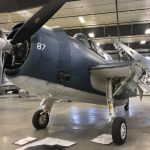





What looks like Anti-glare paint on the top of the forward fuselage; stretching from the windscreen to the upper lip of the cowl, is actually a flattening spray. Also, the diameter of the prop is 13 feet, 1 inch, with the prop’s ground clearance being 2 feet when the aircraft is sitting on its wheels, and when the tail’s up, the ground clearance is 9 inches.