







By Randy Malmstrom
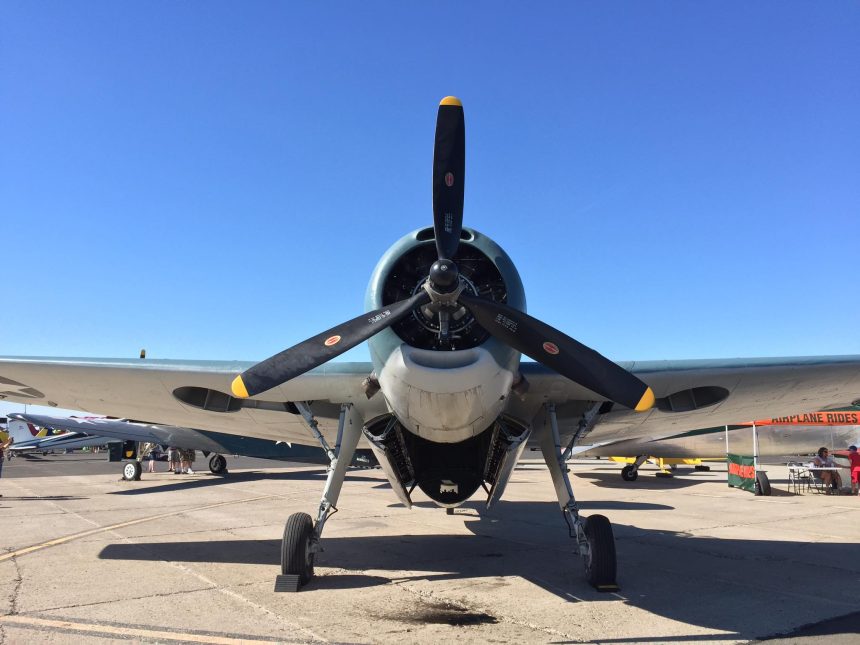
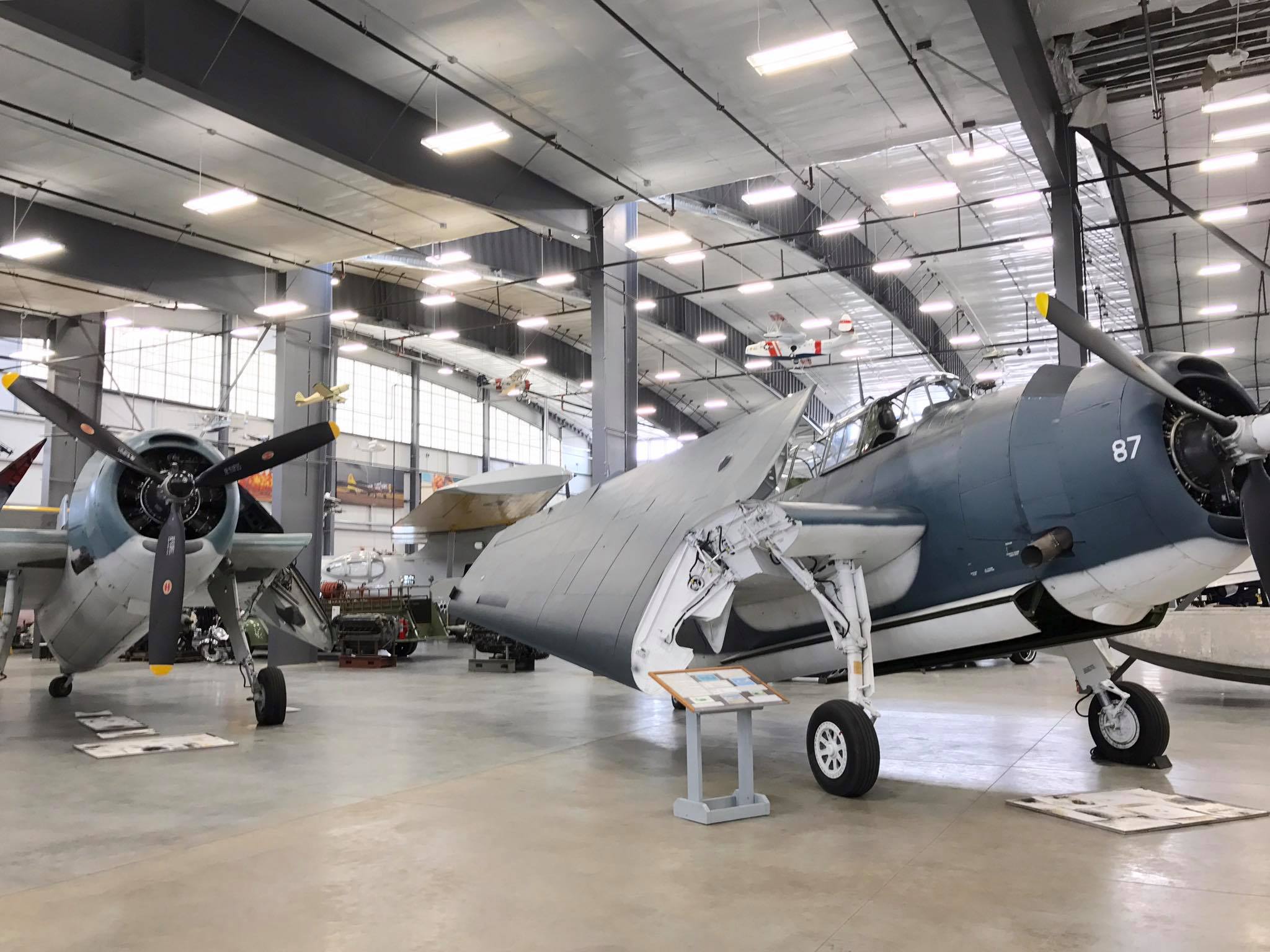
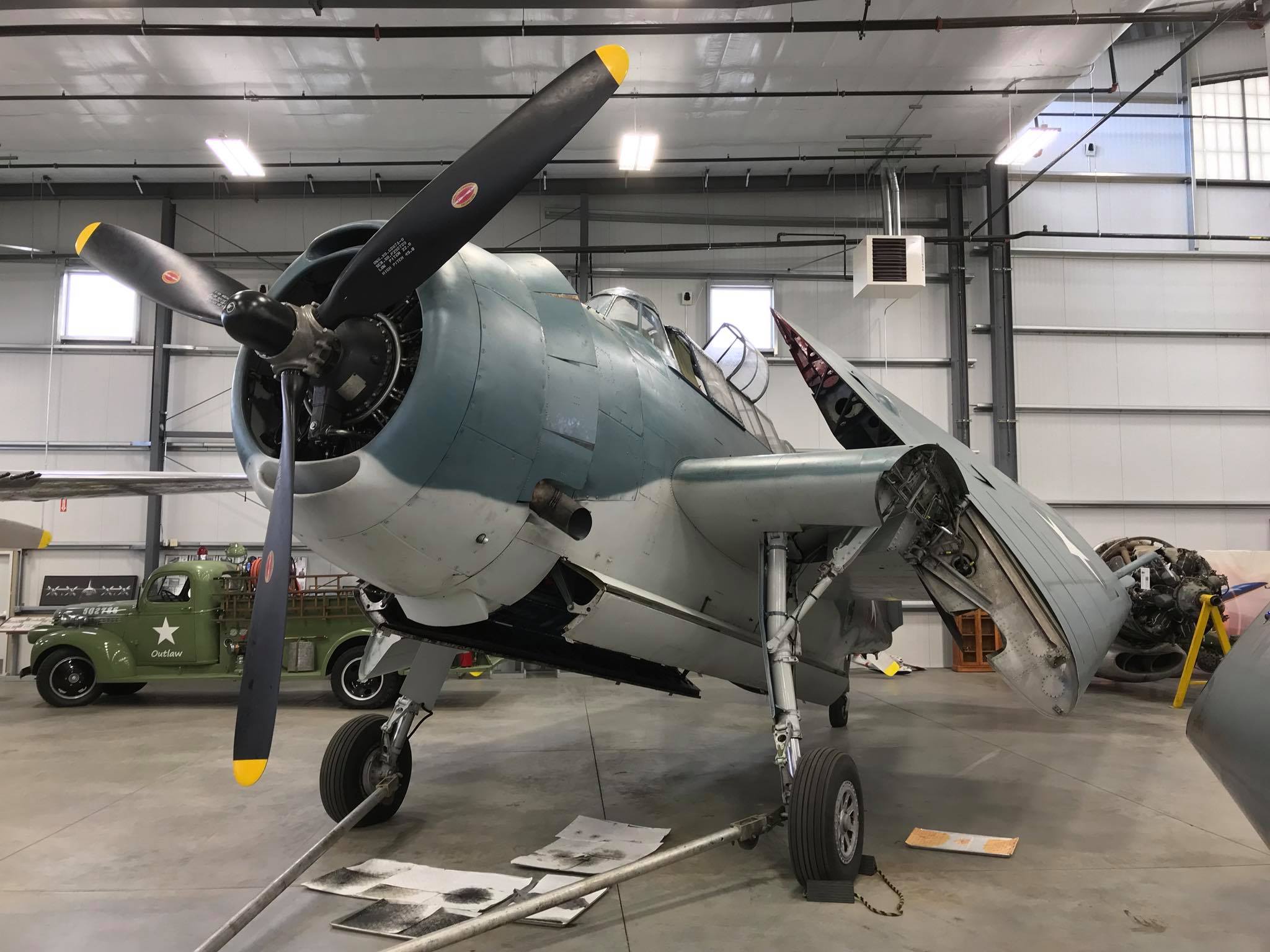
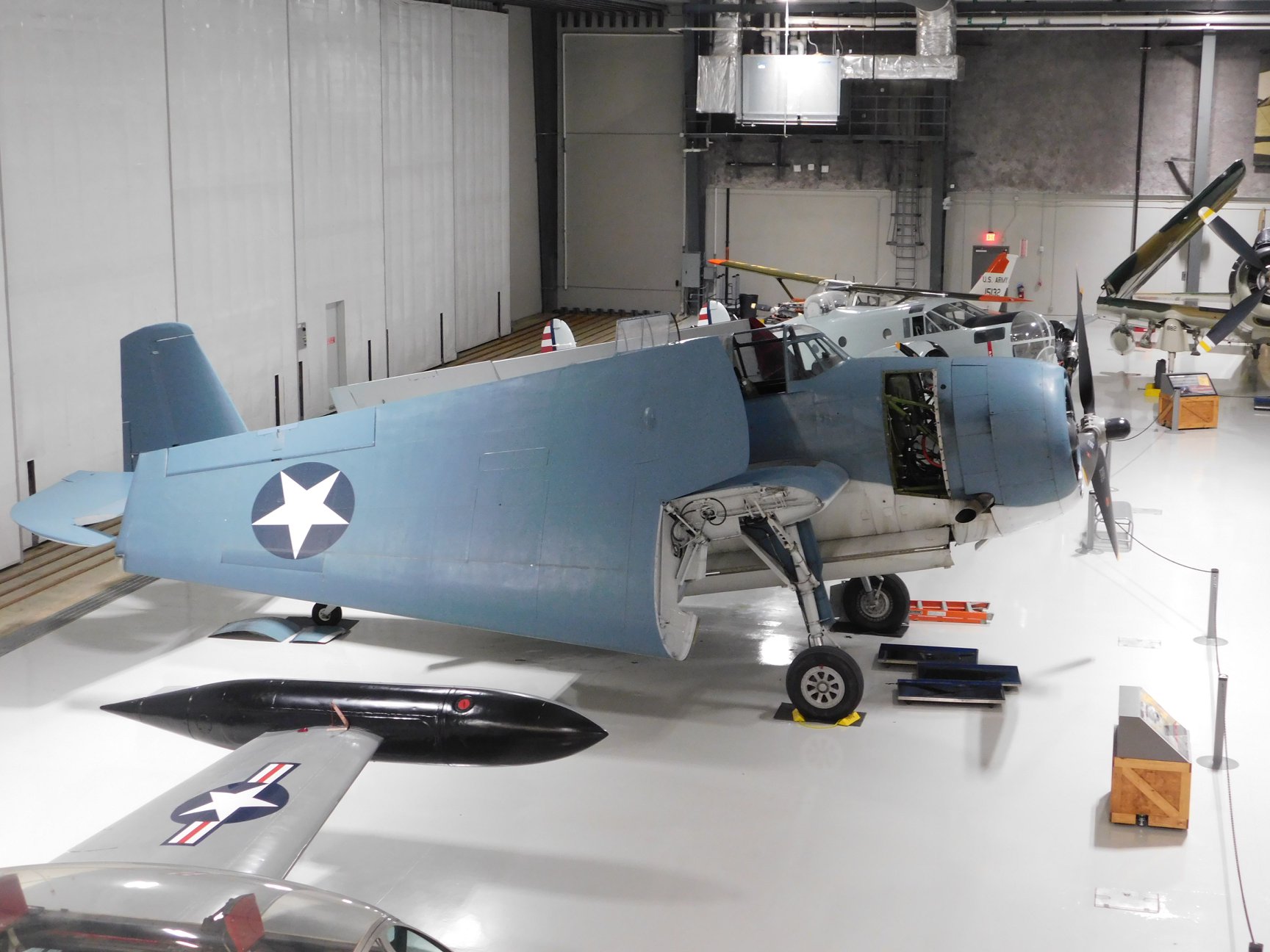
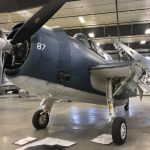
General Motors TBM-3E Avenger, Bu. No. 53575, Constr. No. 3637. This particular aircraft was built by the Eastern Aircraft Division of General Motors Corporation and accepted by the U.S. Navy in June 1945, but did not see combat. It was declared surplus in 1953 and then sold for $2,290 to be converted into a firefighter. Part of its history of exchanging hands in the private, commercial sector includes its conversion to a crop-duster. It suffered a belly-landing in 1964. There are a number of photos available online of it in gaudy paint schemes while it was in commercial use. Jack Erickson of Oregon acquired it in 1988, and it became part of the Erickson Aircraft Collection in Madras, Oregon, where it was airworthy (I first saw it when it was at the Tillamook Air Museum).
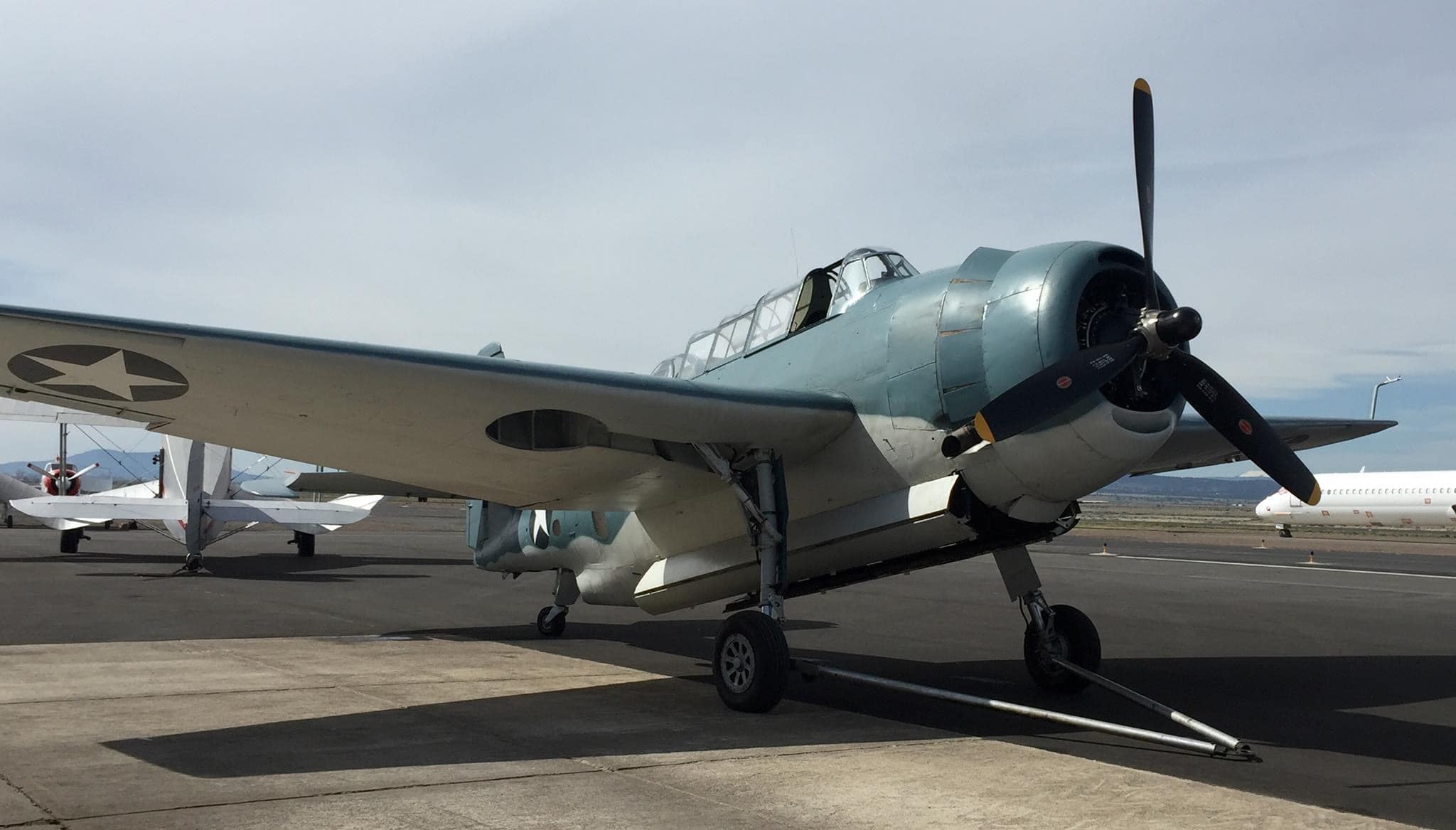
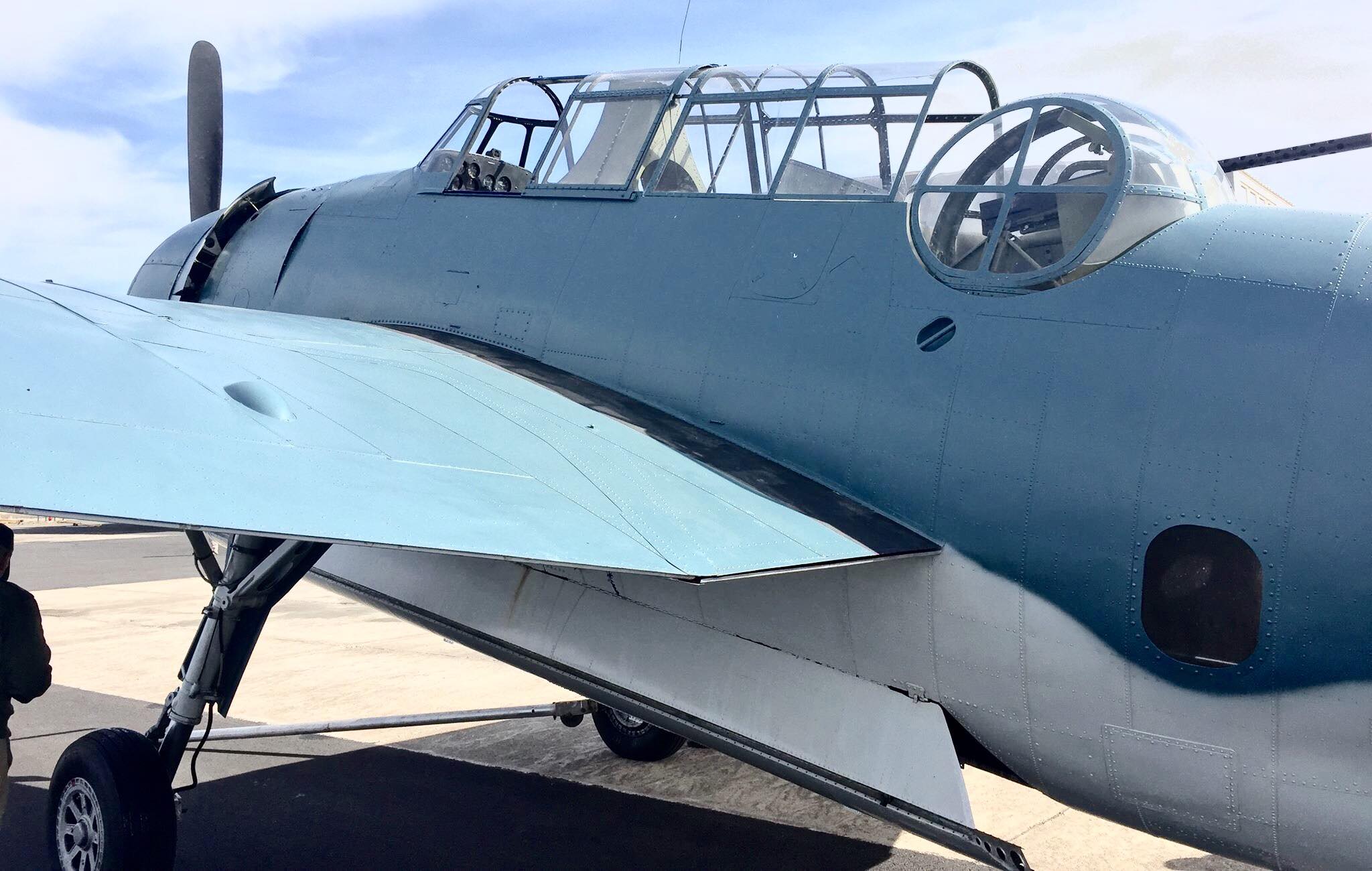
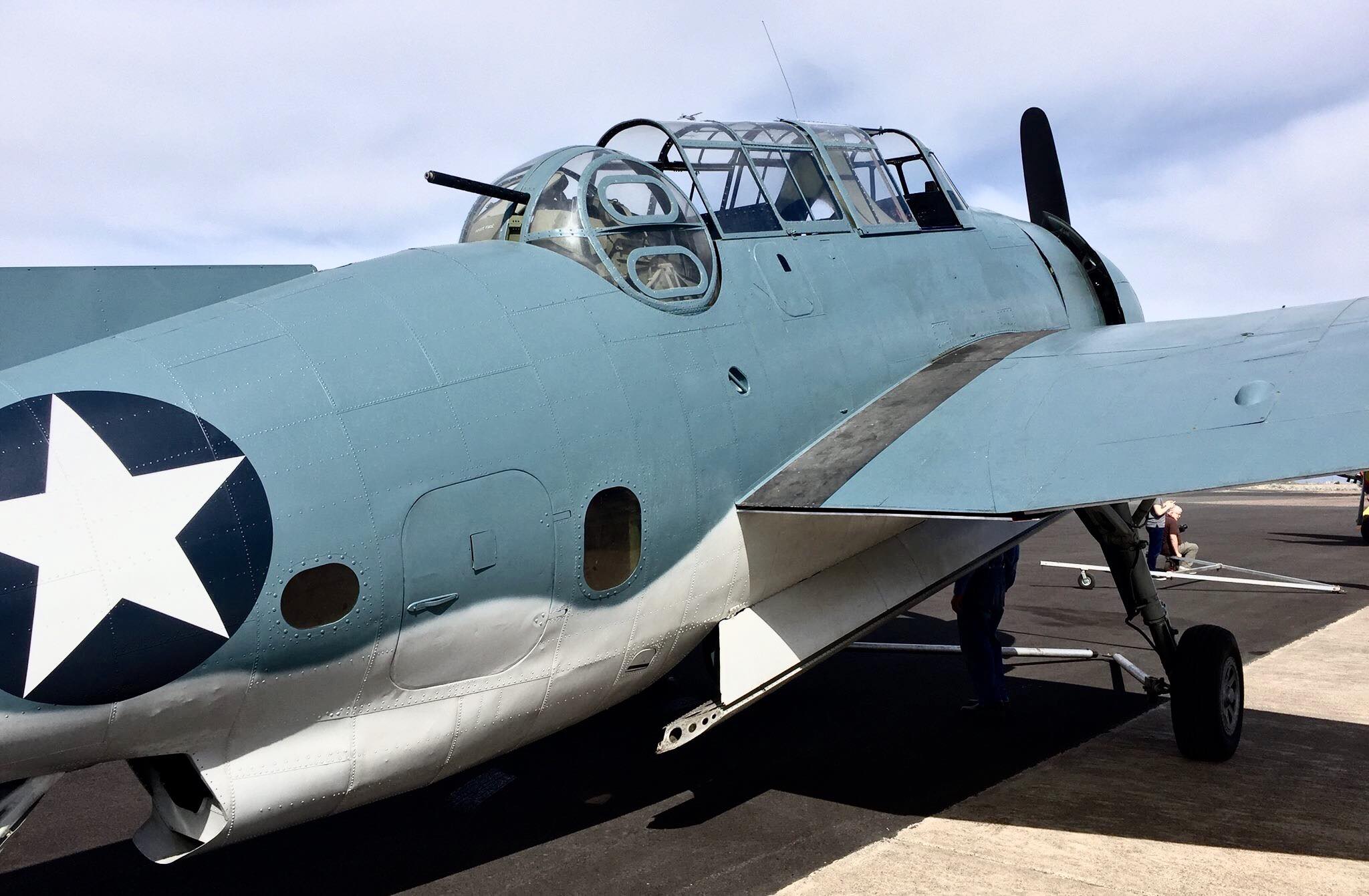
The TBF Avenger was designed by former U.S. Navy instructor and test pilot Leroy Grumman for Grumman Aircraft Engineering Corporation, a company he formed in 1929. After the U.S. entered World War II, the demand for Grumman to build fighter and attack aircraft increased, so a license was given to the Eastern Aircraft Division of General Motors Corporation to build the aircraft. Unofficially nicknamed “Chuff,” “Turkey,” “Pregnant Beast,” and “Tarpon” (RAF), the Avenger torpedo bomber was designed not only for carrier but land-based operations. “TB” for the United States Navy Designation for “torpedo-bomber.” The “F” designation was for Grumman-manufactured aircraft, whereas the “M” designation was for aircraft built by General Motors Corporation.
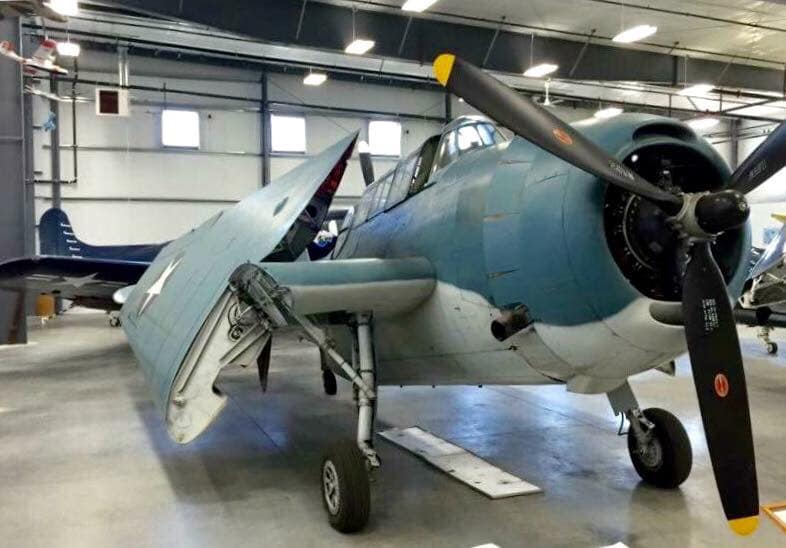
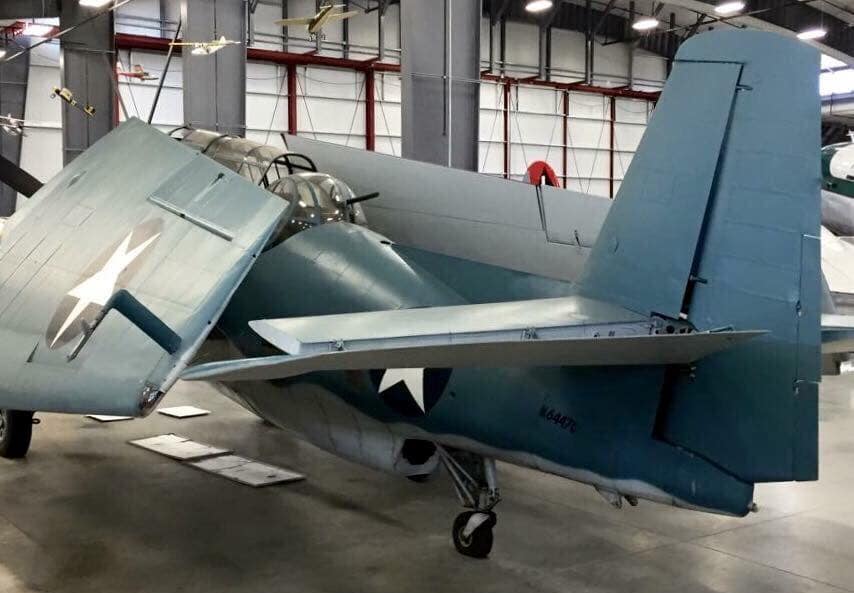
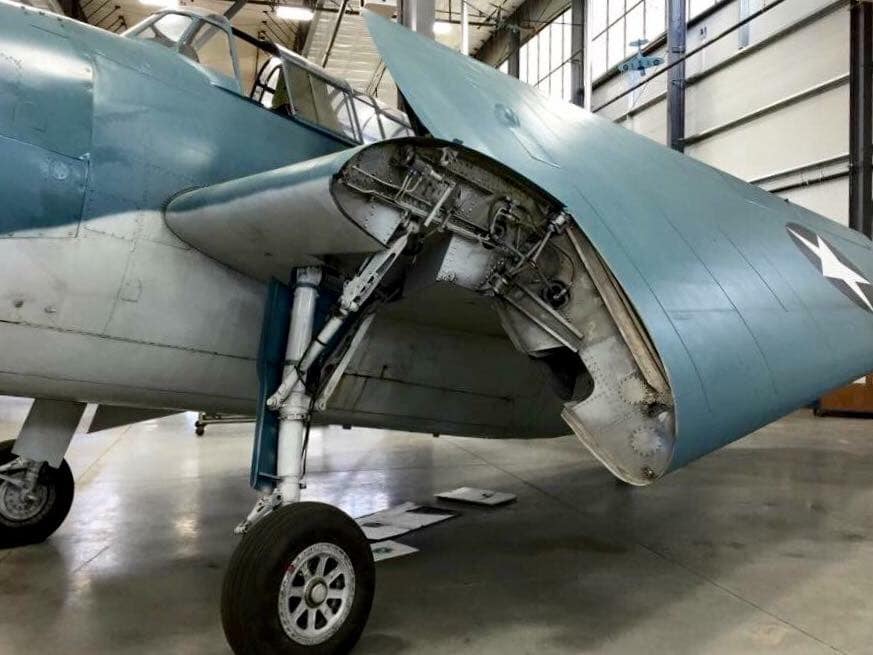
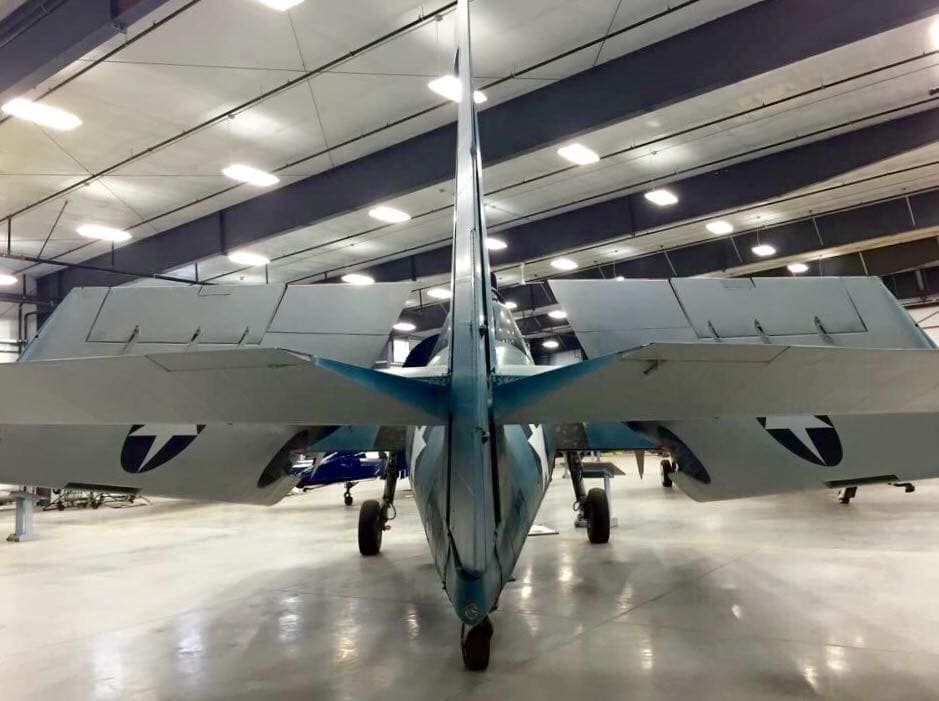
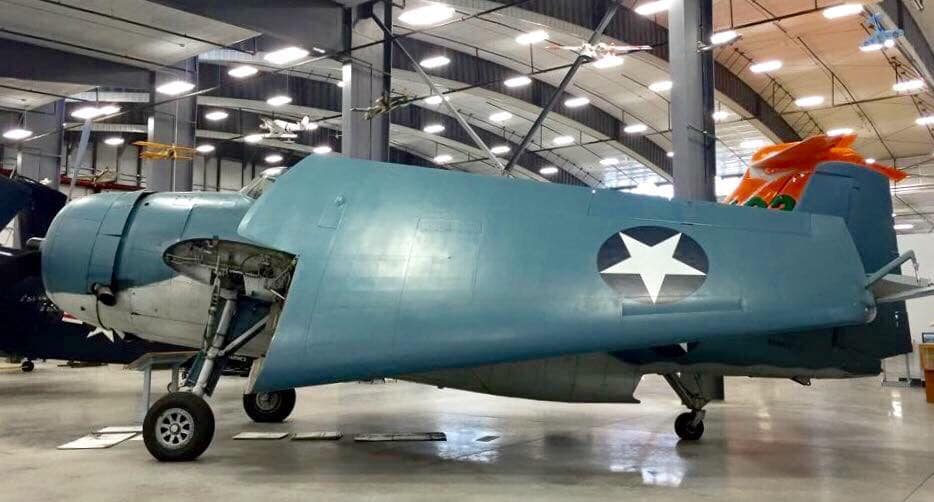
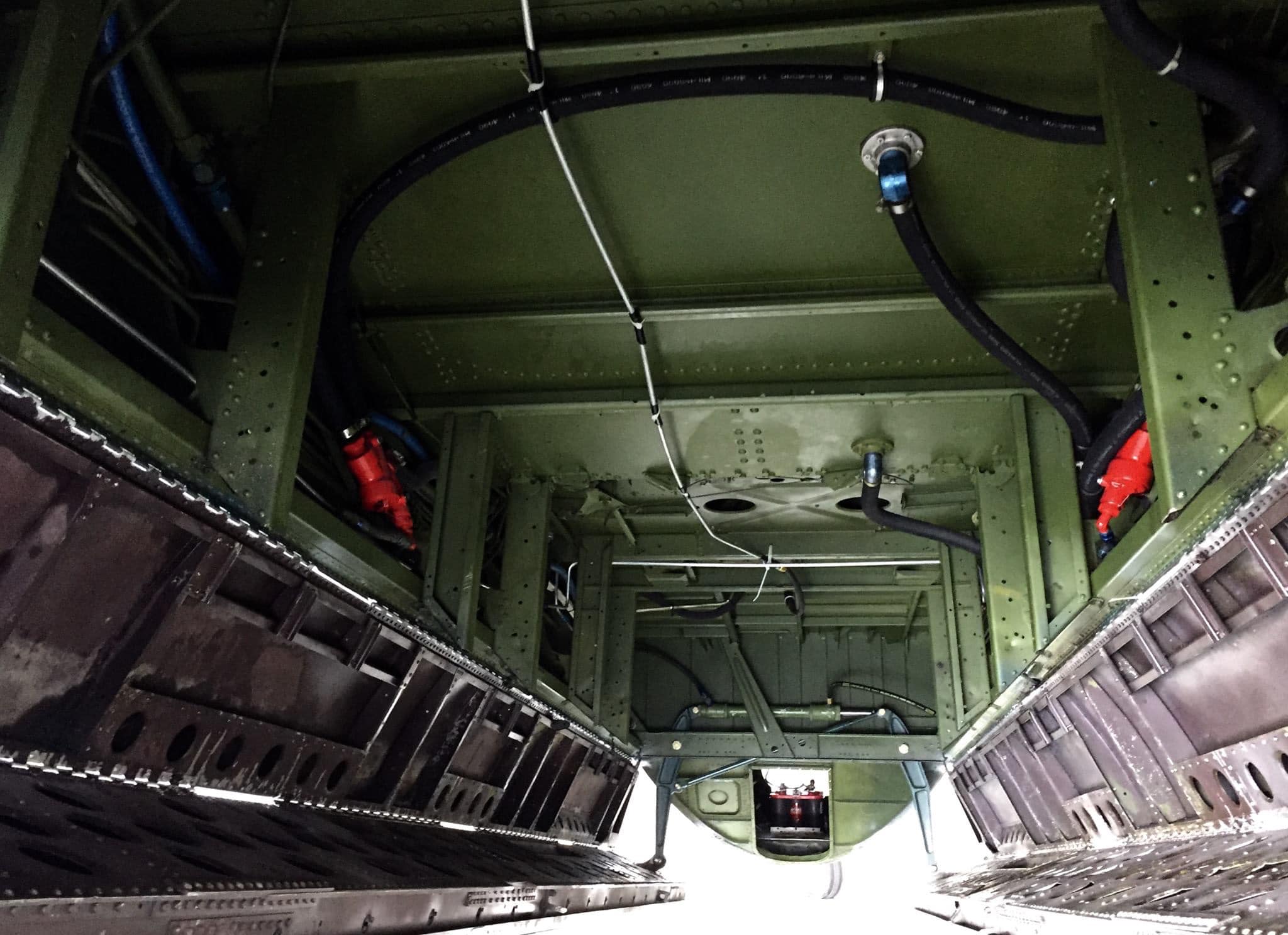
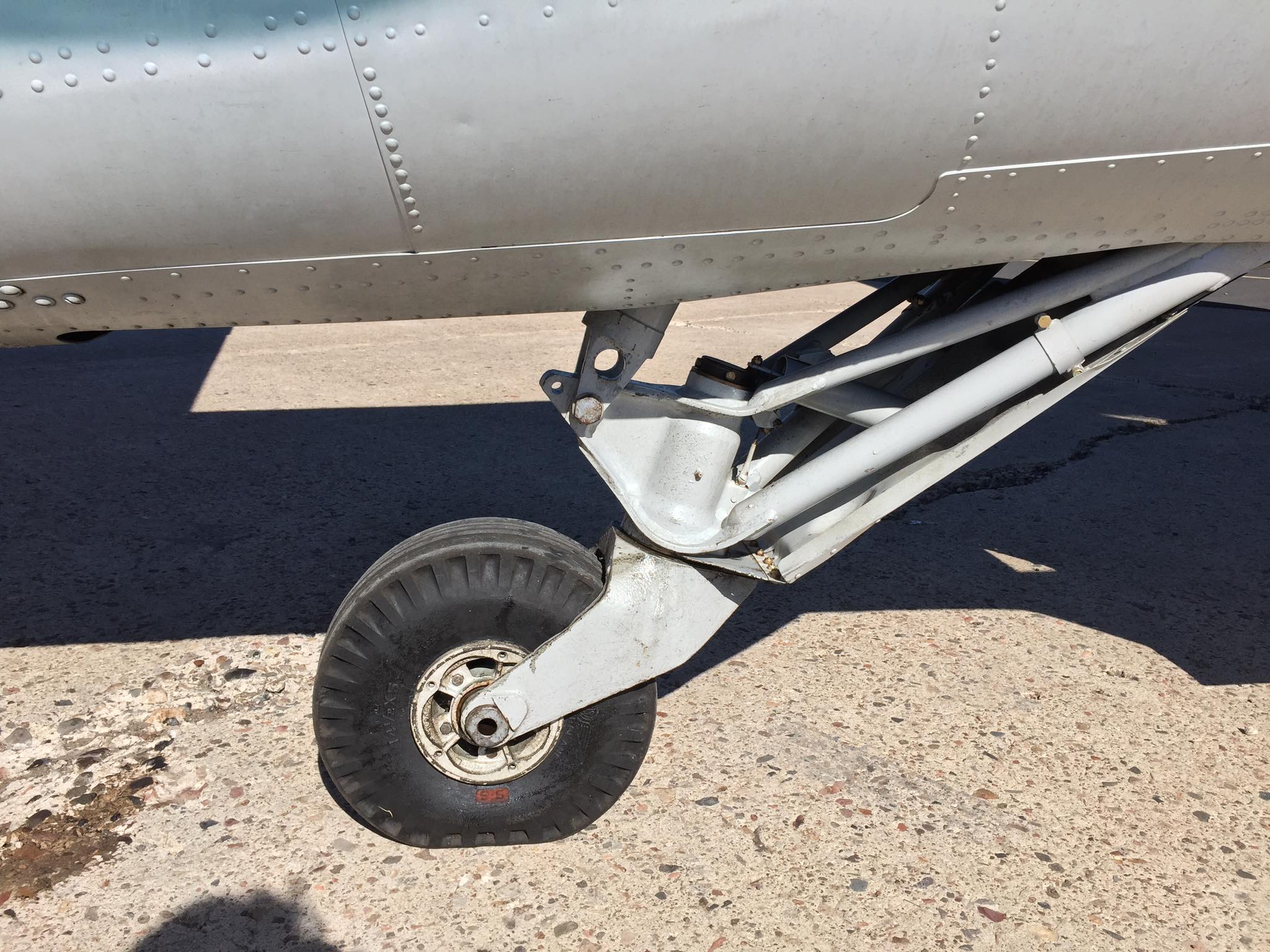
It had fully retractable landing gear (including tail wheel), and an electrically powered arrestor hook for carrier use, for which the tail wheel was solid rather than pneumatic. The unique hydraulically-powered mechanism that folded the wings nearly flat against the fuselage was the invention of Leroy Grumman, who had pondered how to make more room on the hangar decks and took an eraser and two paper clips to show the engineers what he had in mind in what became the “Sto-Wing” design for the Wildcat, Avenger and the Hellcat.
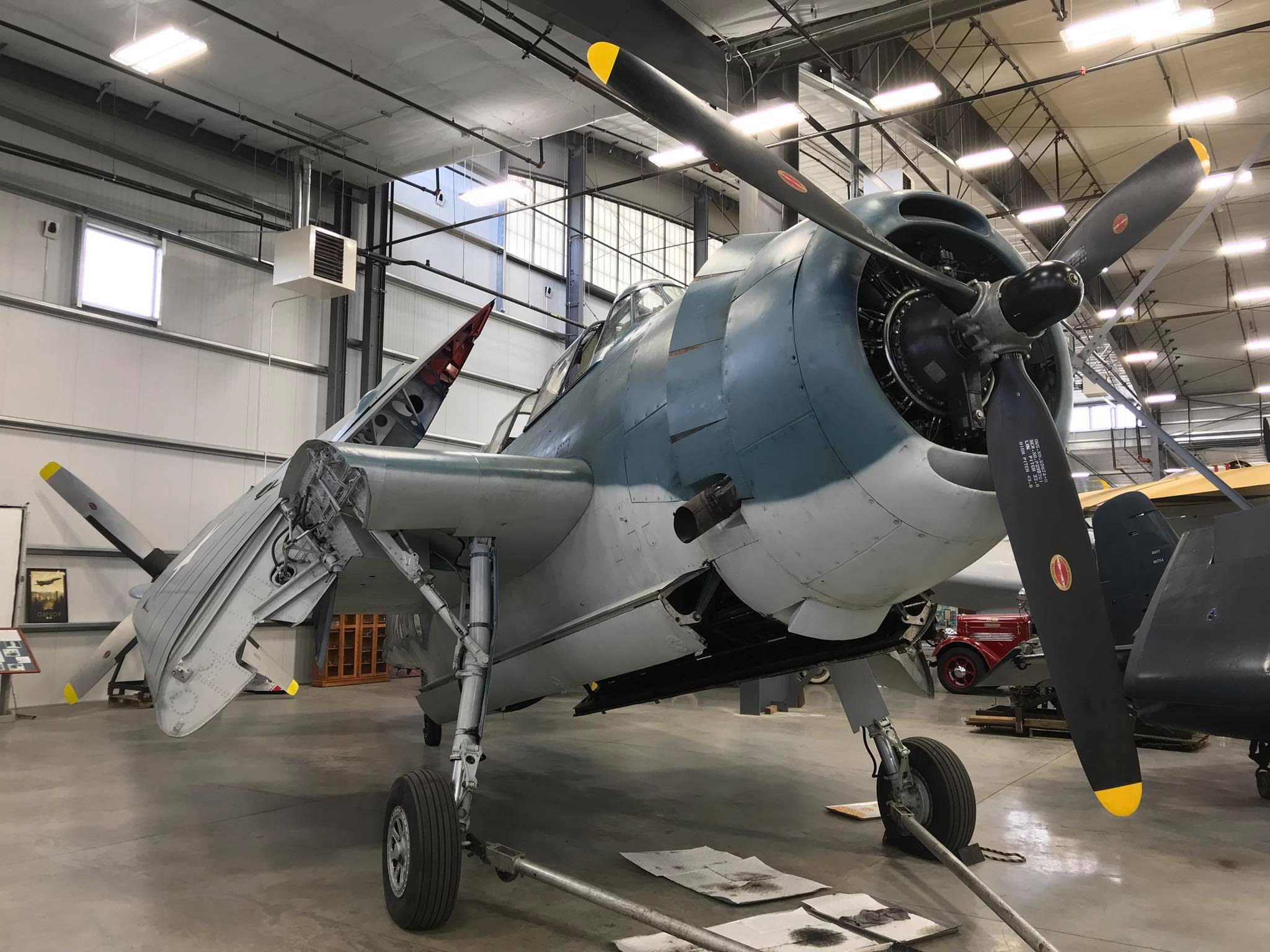
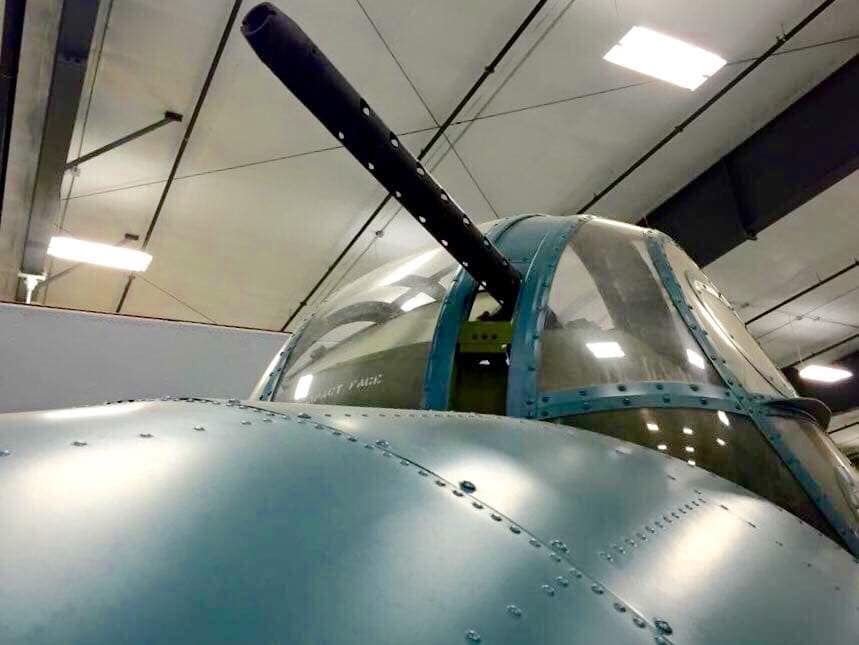
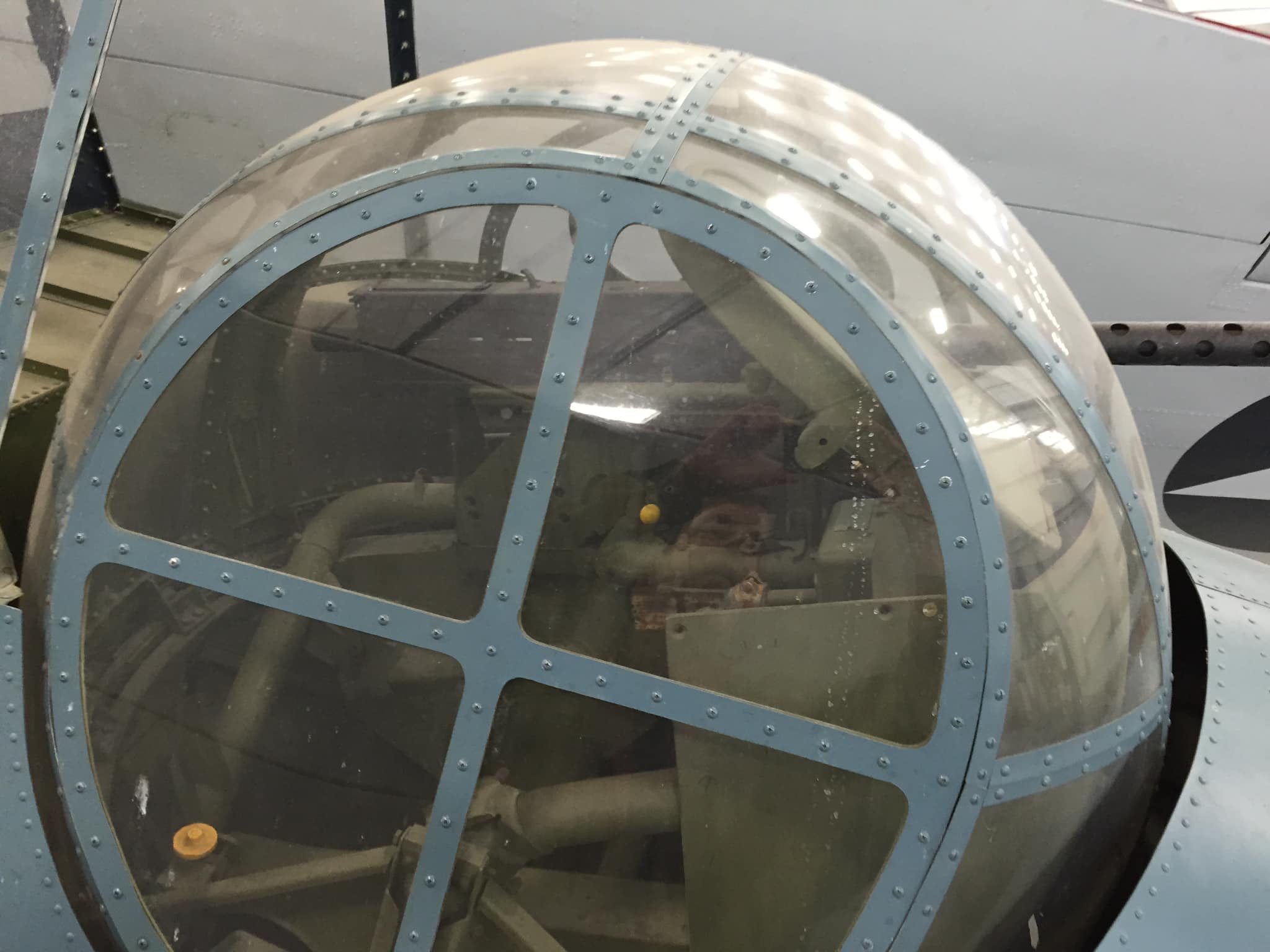
During World War II, the Avenger was flown primarily by the U.S. Navy and also by the British Royal Navy with aircraft supplied under the Lend-Lease Act (the terms of which provided that the aircraft be returned to the U.S., or at least not be allowed to fall into others’ hands). The TBF was first flown in August 1941 and underwent variations, with the TBM-3 being a major variant. It first saw combat in the Battle of Midway in June 1942. It generally had a crew of three: pilot, bombardier/ventral gunner/radar operator, and the dedicated rear-facing turret gunner in an electrically powered turret.
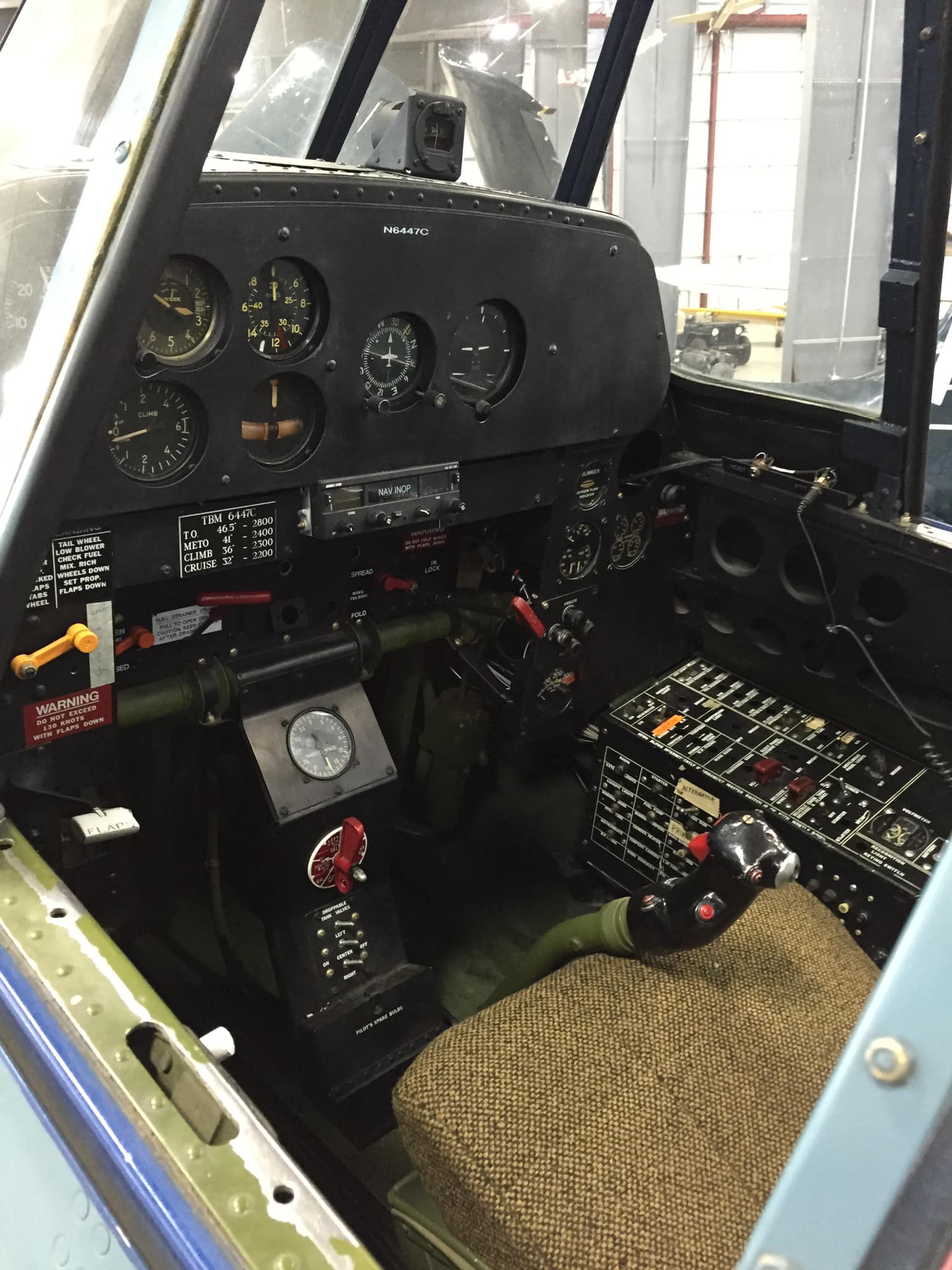
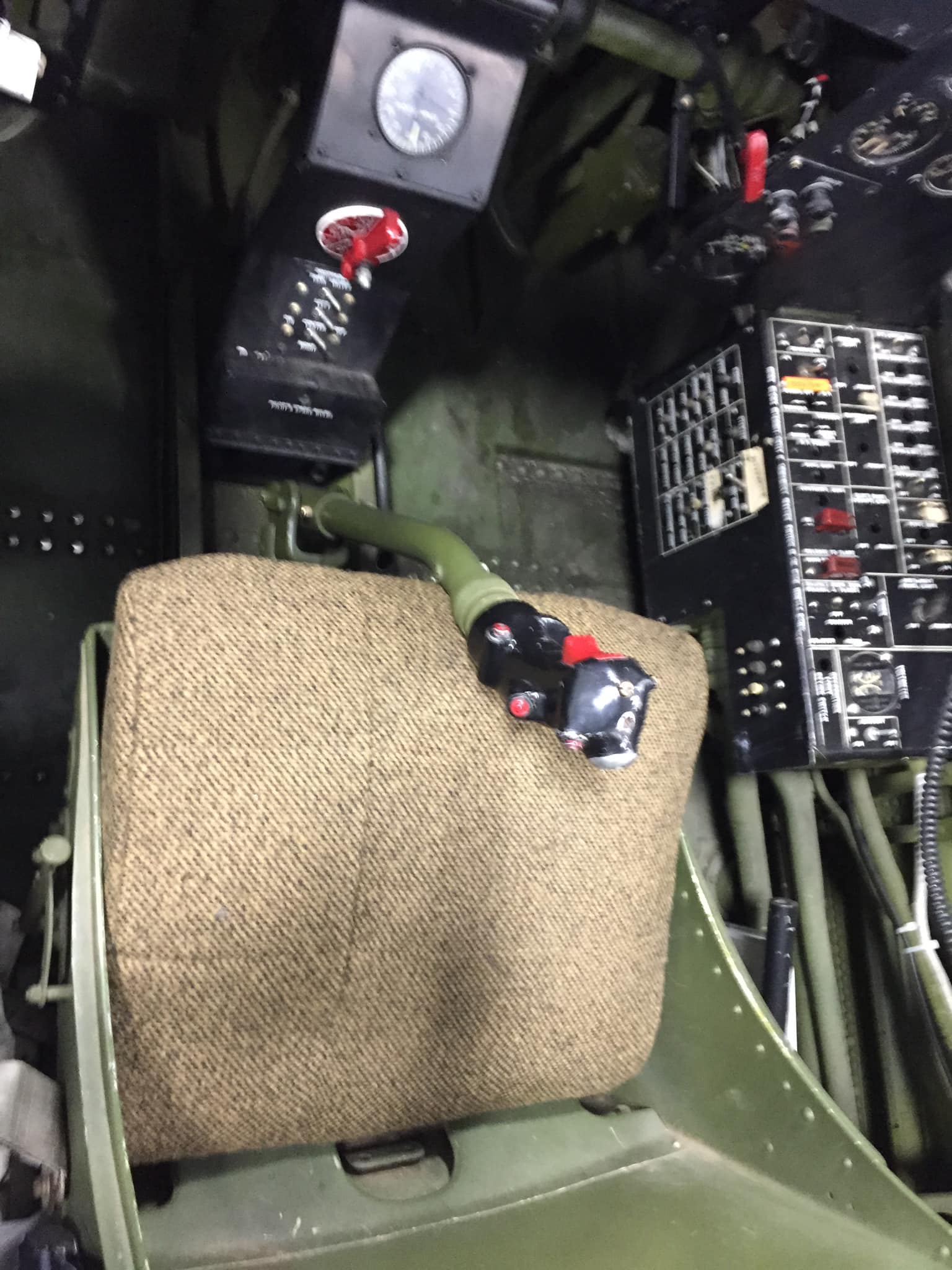
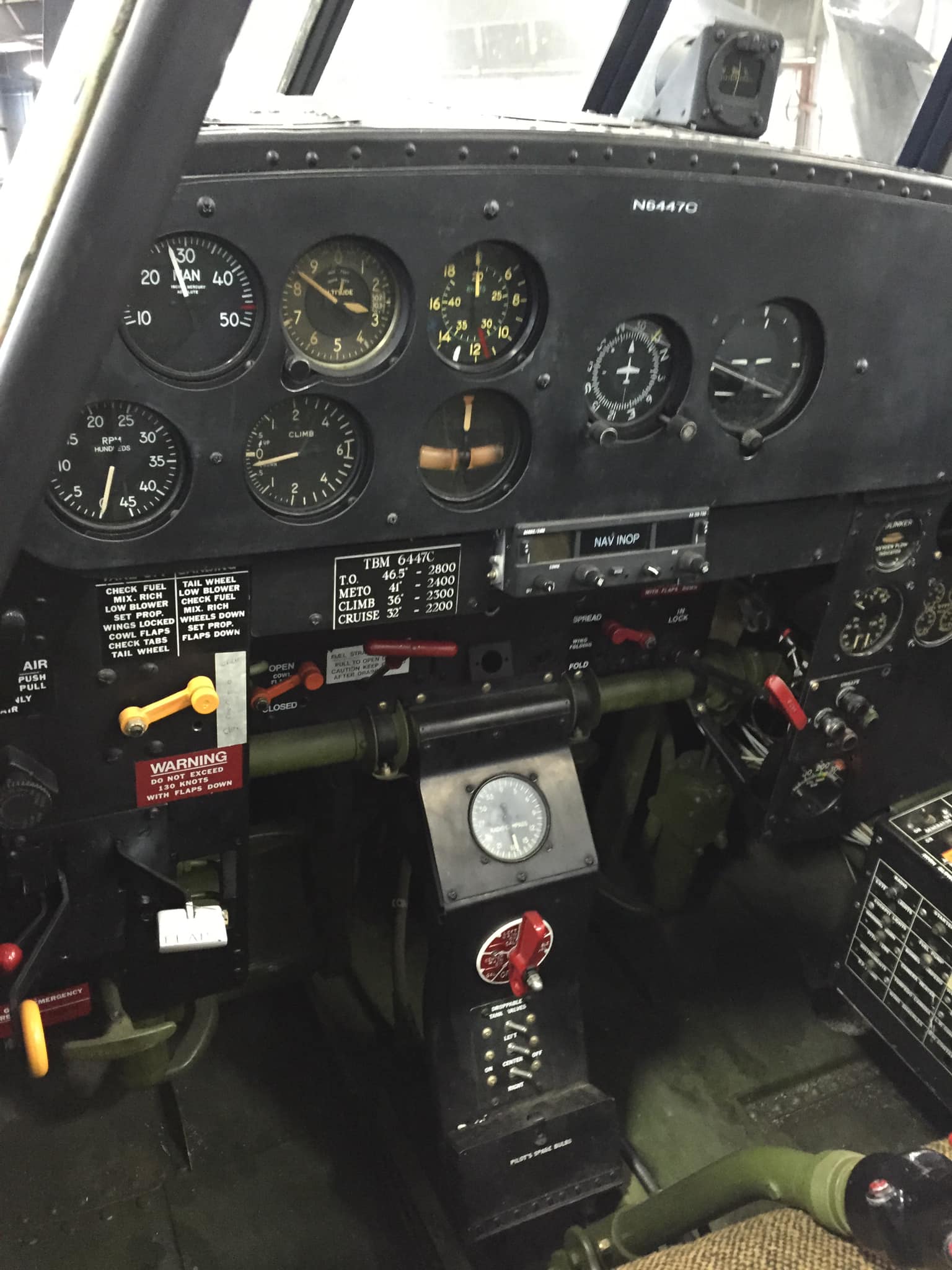
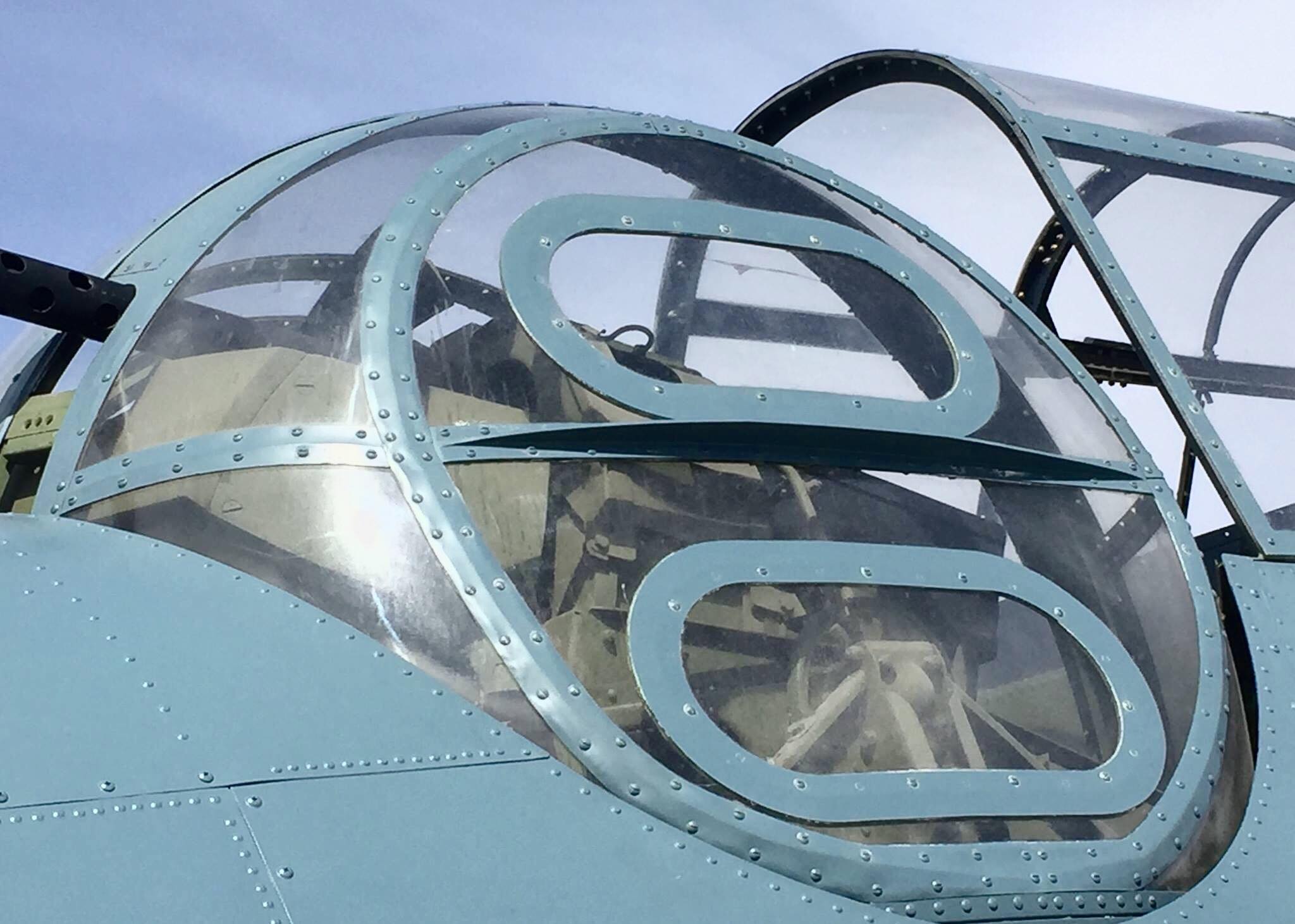
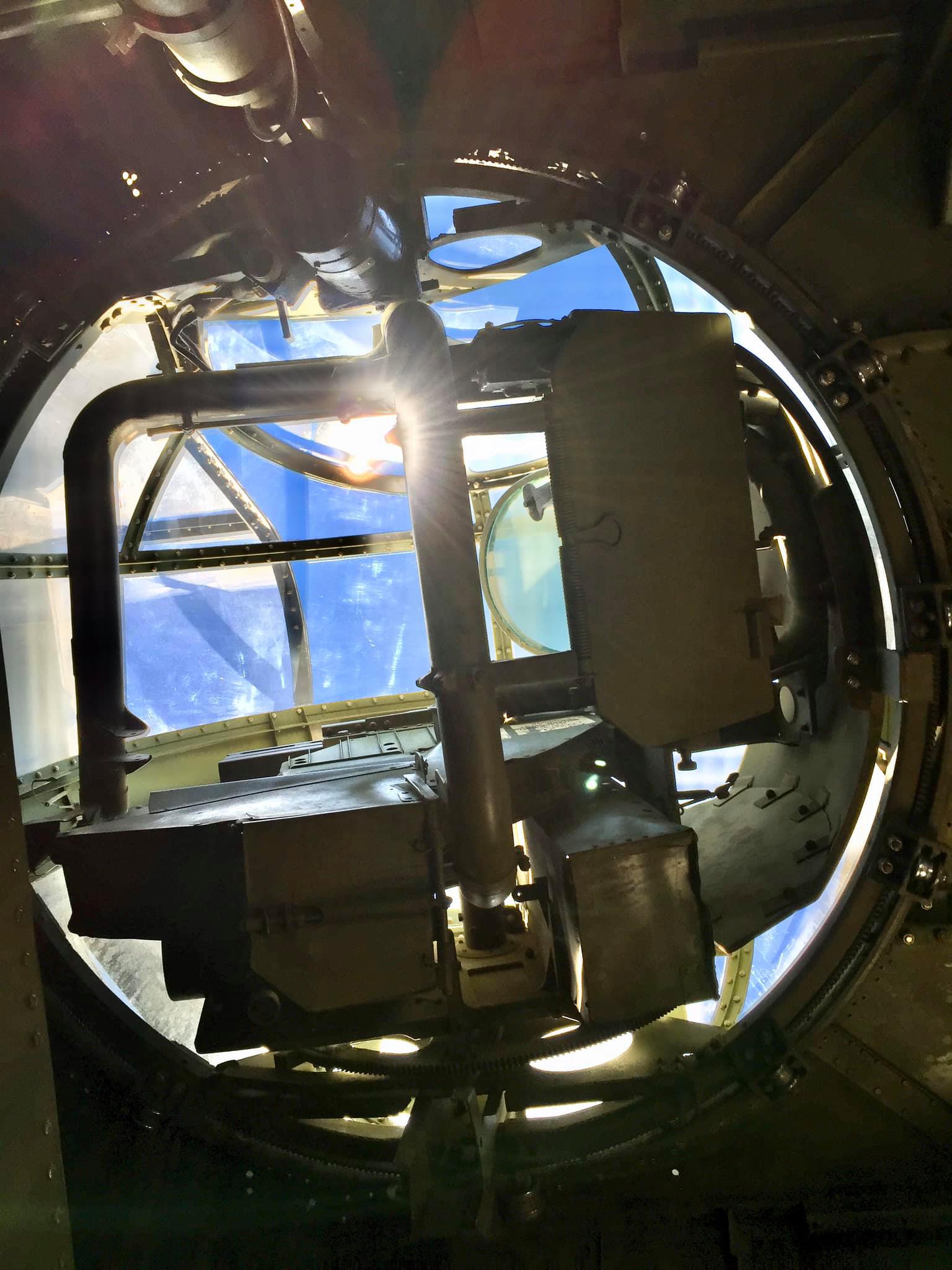
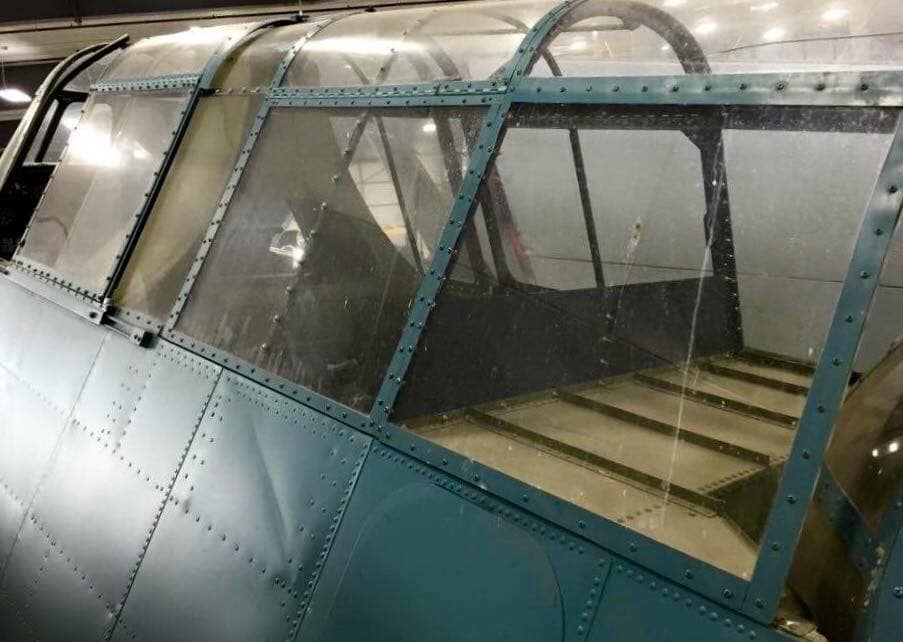
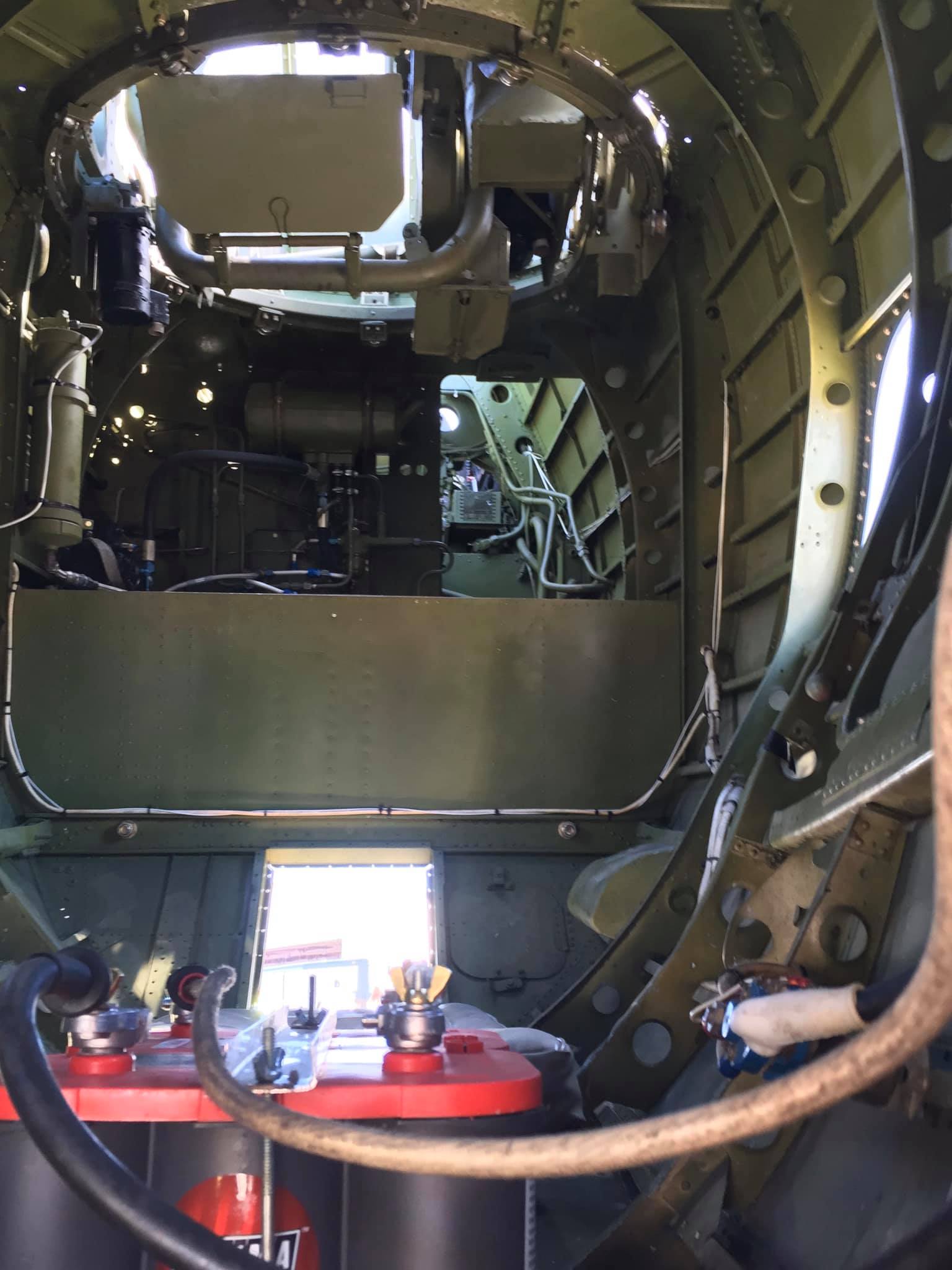
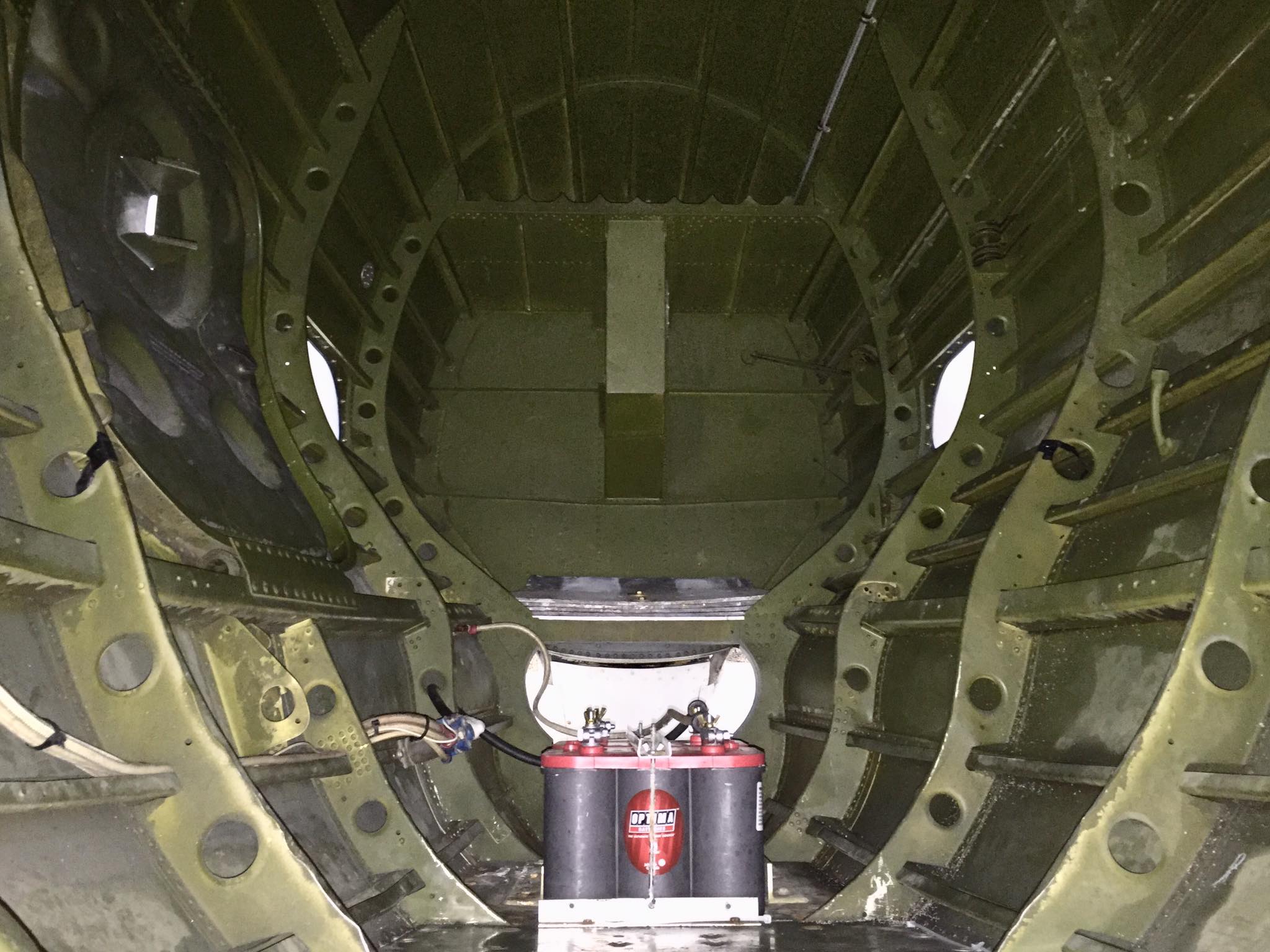
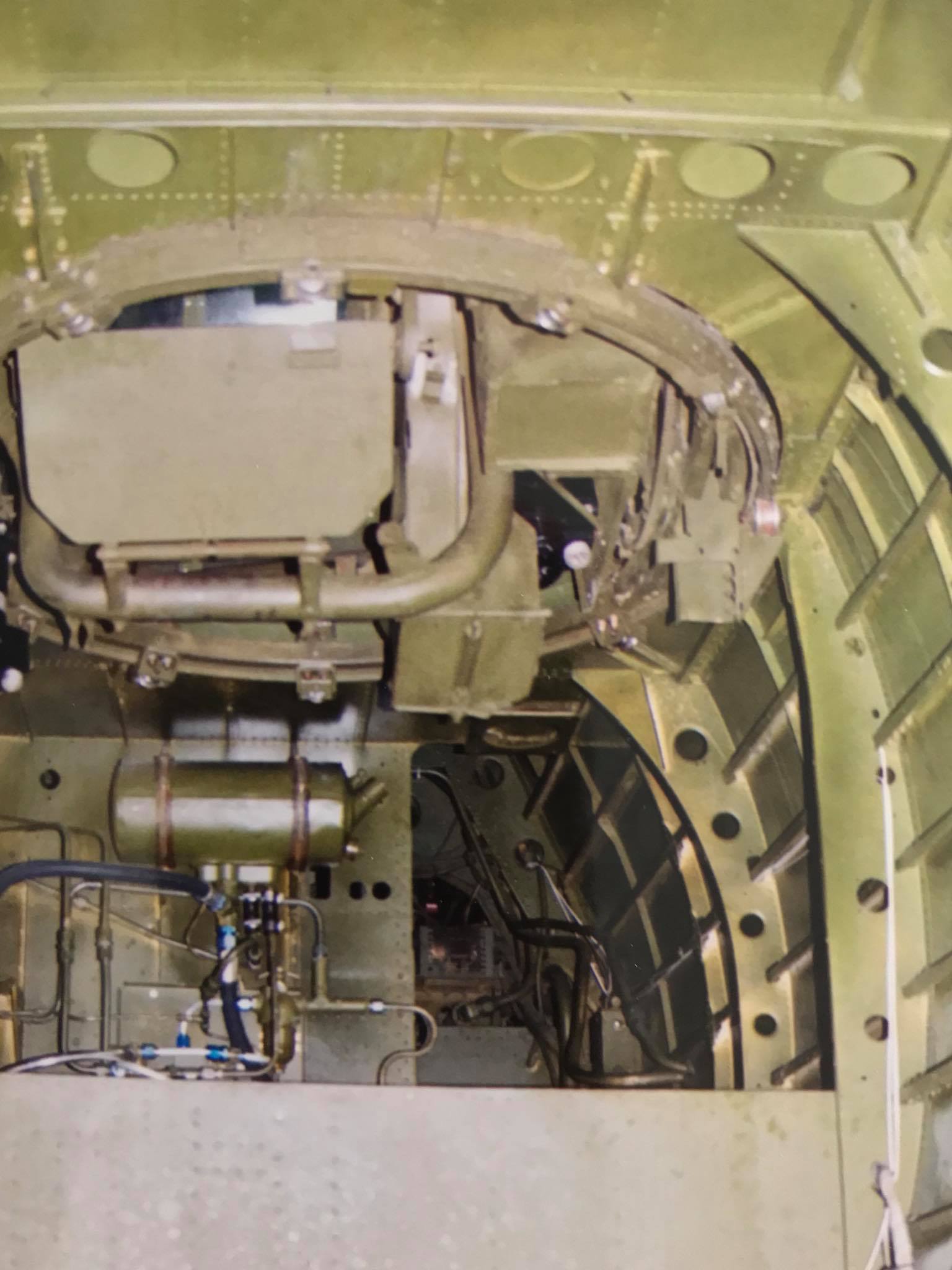
Powered by a Wright Cyclone R-2600 engine, the TBM-3 variant added strengthened wings for hard points for rockets, radar pods or drop tanks. Armament was improved from the earlier TBF models to include a .50 caliber machine gun in each wing, one in the rear powered turret and retained the .30 caliber in the rear-facing ventral mount, although the 3E variant did away with this mount. The distinctive red color on some of the inner surfaces is a double coating of Zinc Chromate. The U.S. Navy issued a 1942 memo to the effect that a second coat of Zinc Chromate contains Indian Red or Lamp Black to indicate that a second coat had been added. Future President George H. W. Bush piloted an Avenger (and was famously plucked from his sea-ditched aircraft).
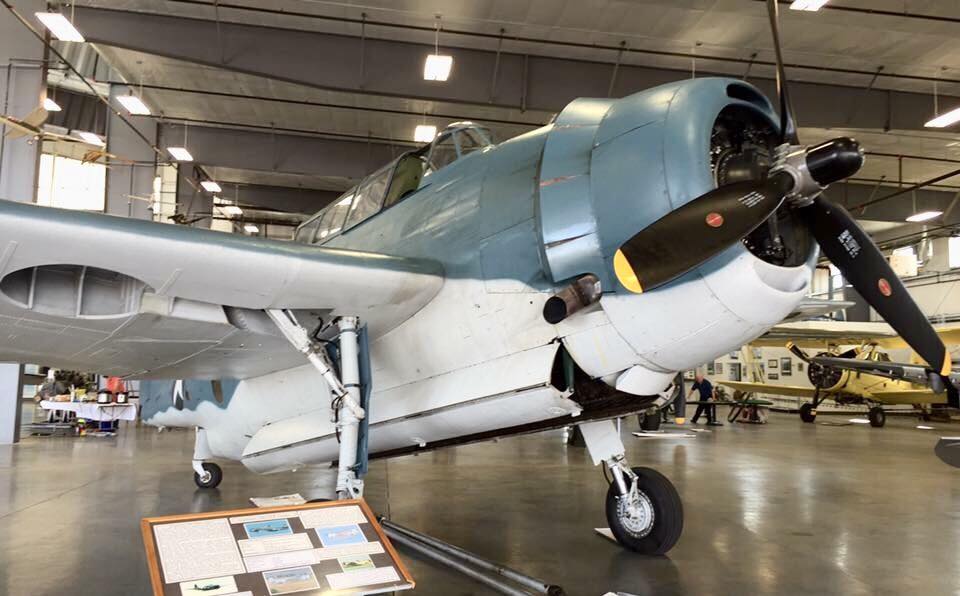
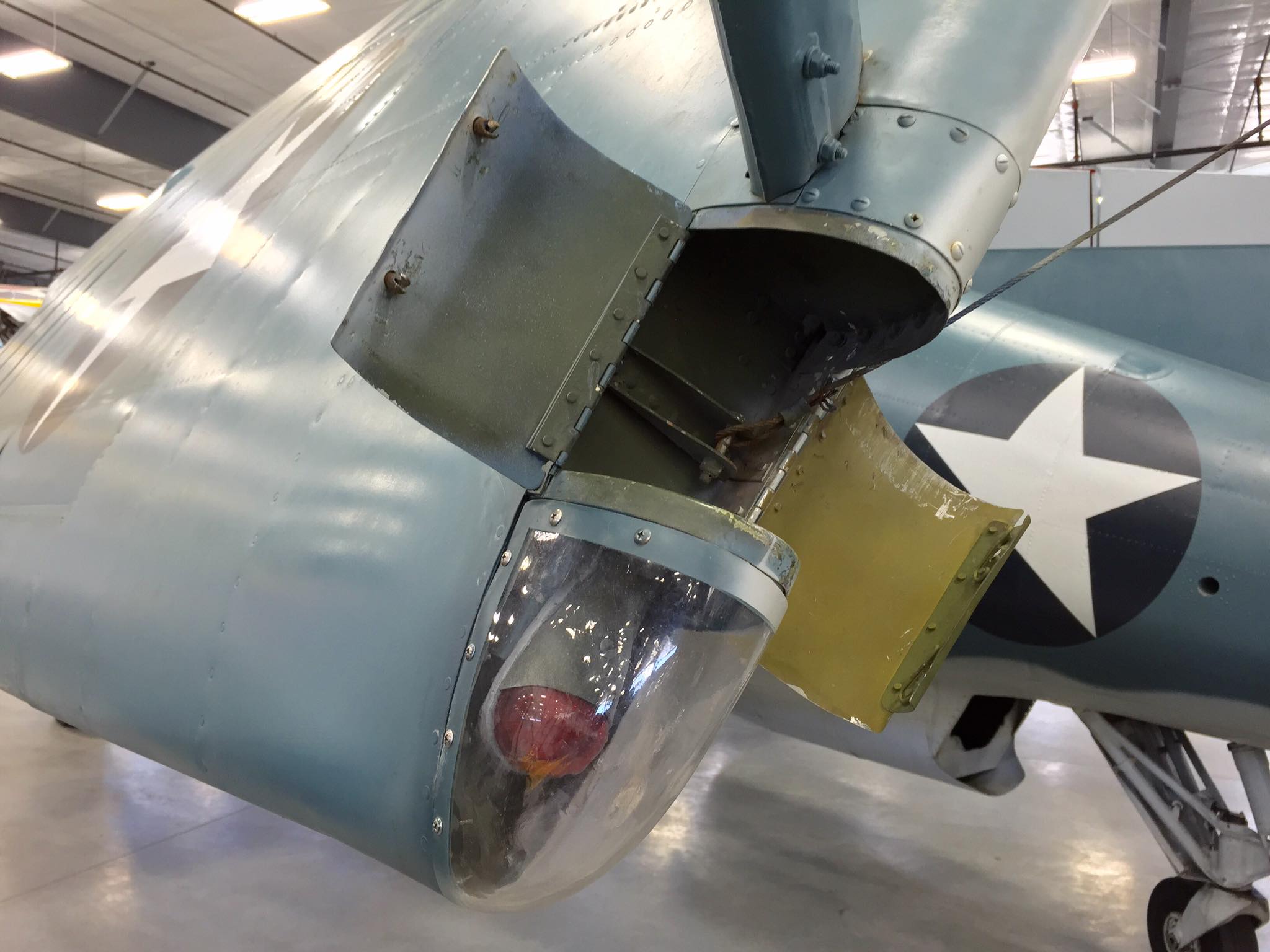
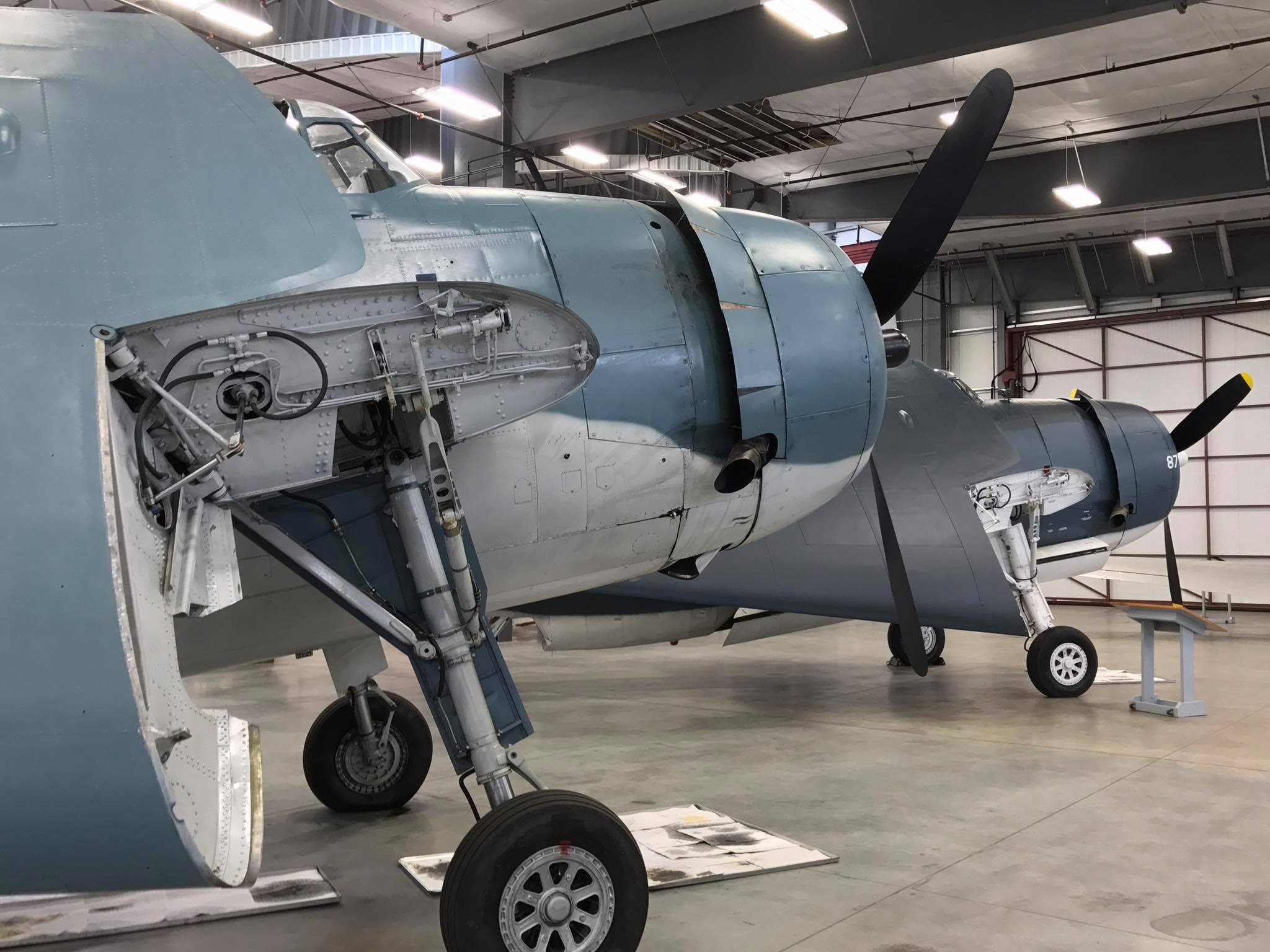
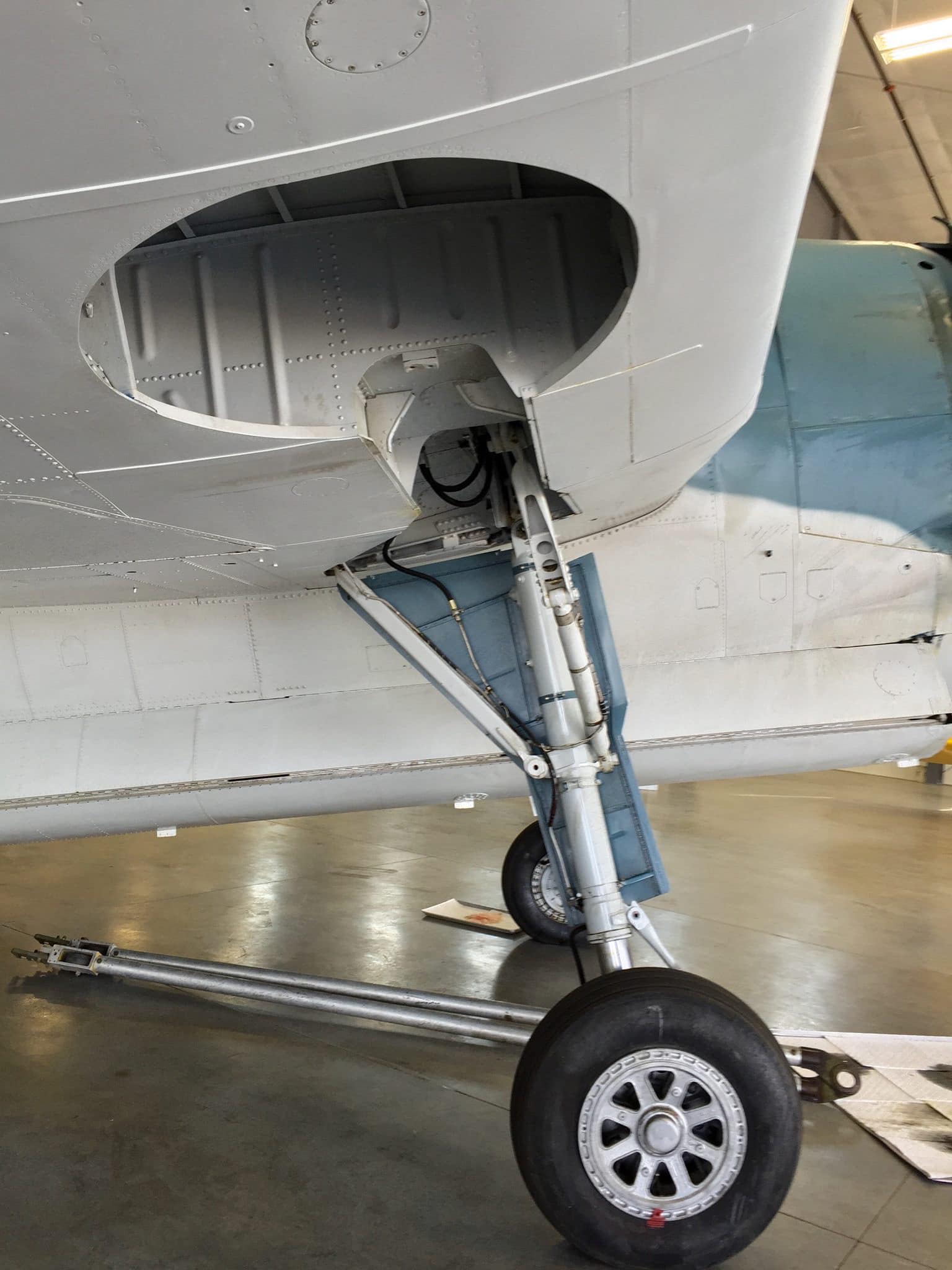
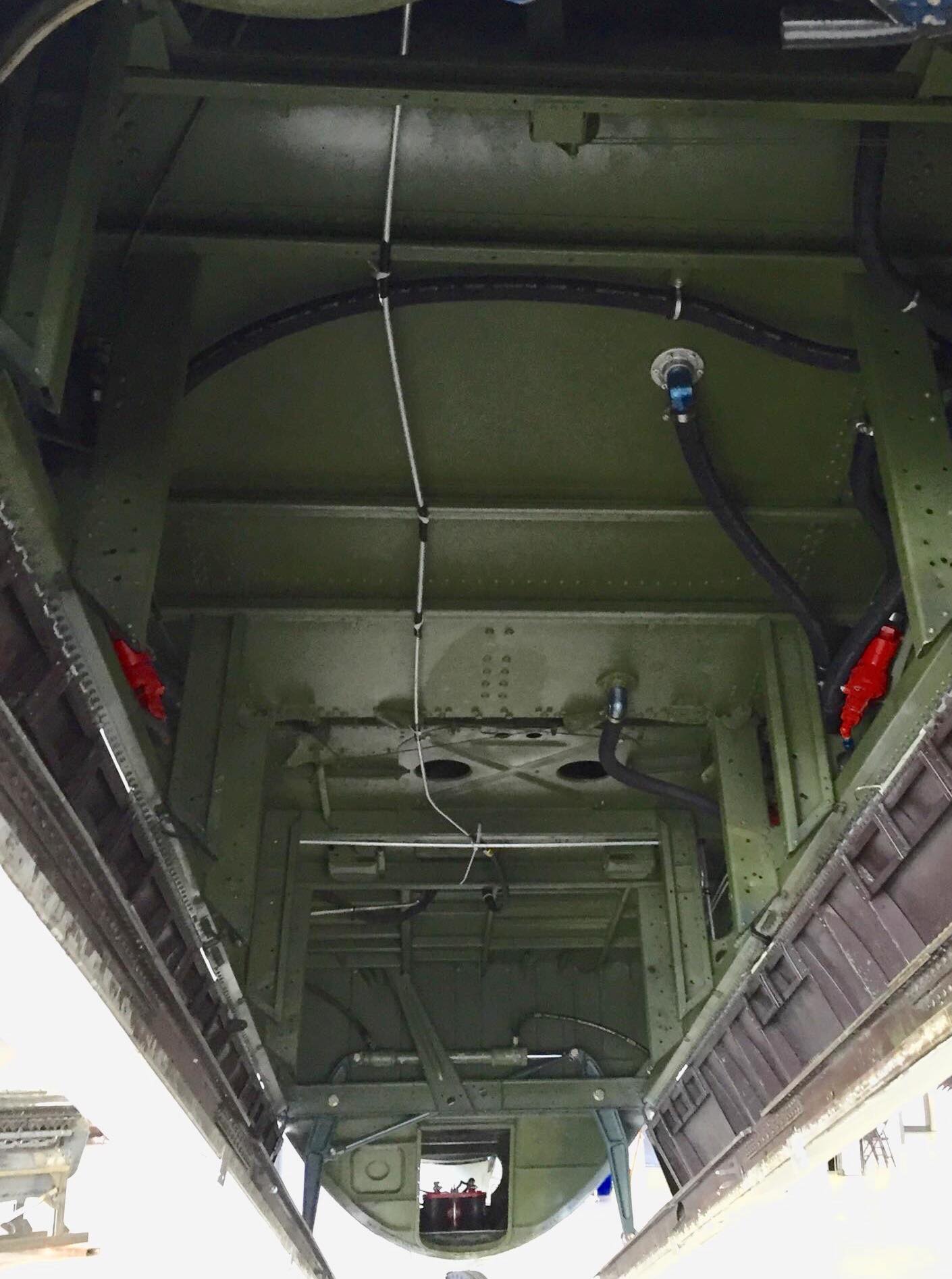
Editor’s notes: After being stricken from the U.S. Navy’s inventory, this Avenger was flown by Sonora Aviation of Tucson, Arizona, as N6447C/fire tanker #C47. On September 18, 1964, the aircraft suffered an in-flight engine failure while fighting a fire near Beowawe, Nevada and made a wheels-up forced landing. The aircraft was later repaired and returned to firefighting service. In 1972, the aircraft was sold to Capitol Aire Ltd of Carson City, Nevada. Five years later, in 1977, it was sold to Craig Aero Service of Buttonwillow, California. One year later, it was sold to Stewart Aviation Ltd of Moses Lake, Washington and operated as both a fire tanker and an agricultural sprayer. After a brief period of ownership under Northwest Warbirds Inc of Kimberley, Idaho, from 1986 to 1987, the TBM Avenger was sold to Jack A. Erickson in 1988. The aircraft was painted in an overall blue and light gray scheme similar to the six TBF Avengers that made the type’s debut during the Battle of Midway on June 4, 1942. From 1997 to 2014, the aircraft was displayed at the Tillamook Air Museum in Tillamook, Oregon, before being moved to the Erickson Aircraft Collection in Madras, Oregon.
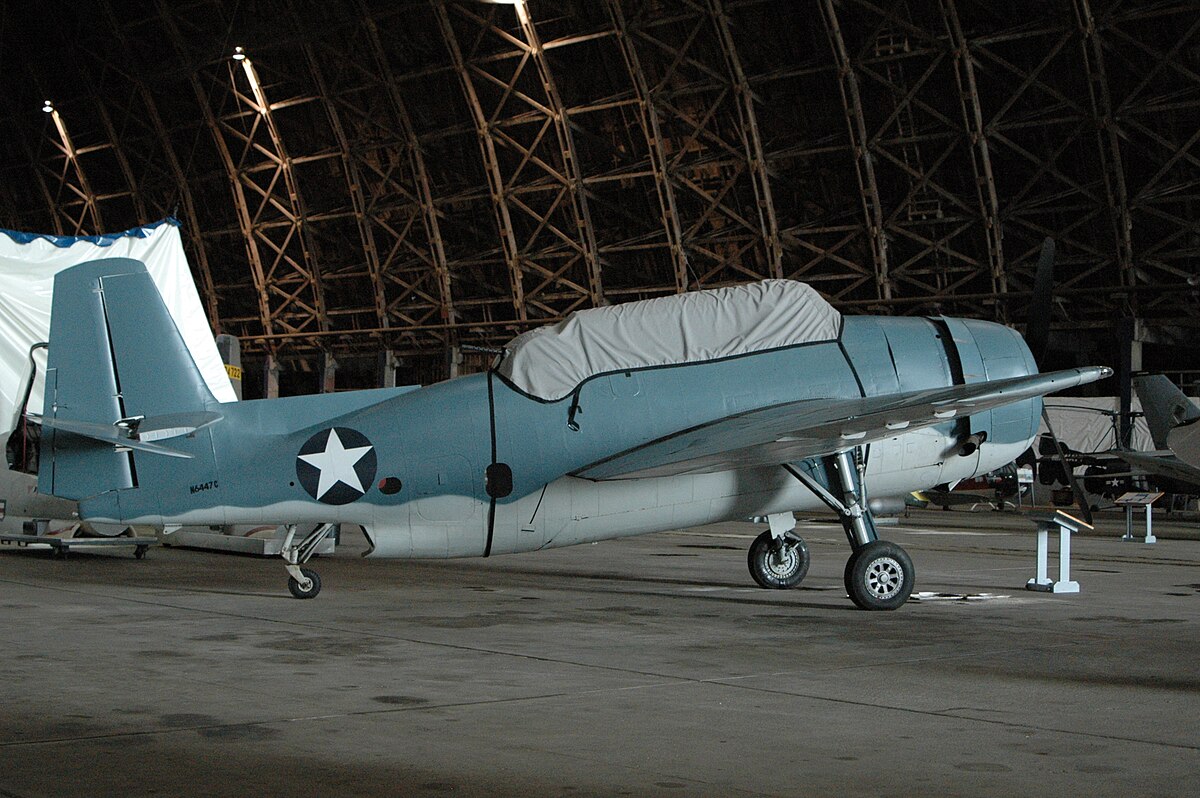
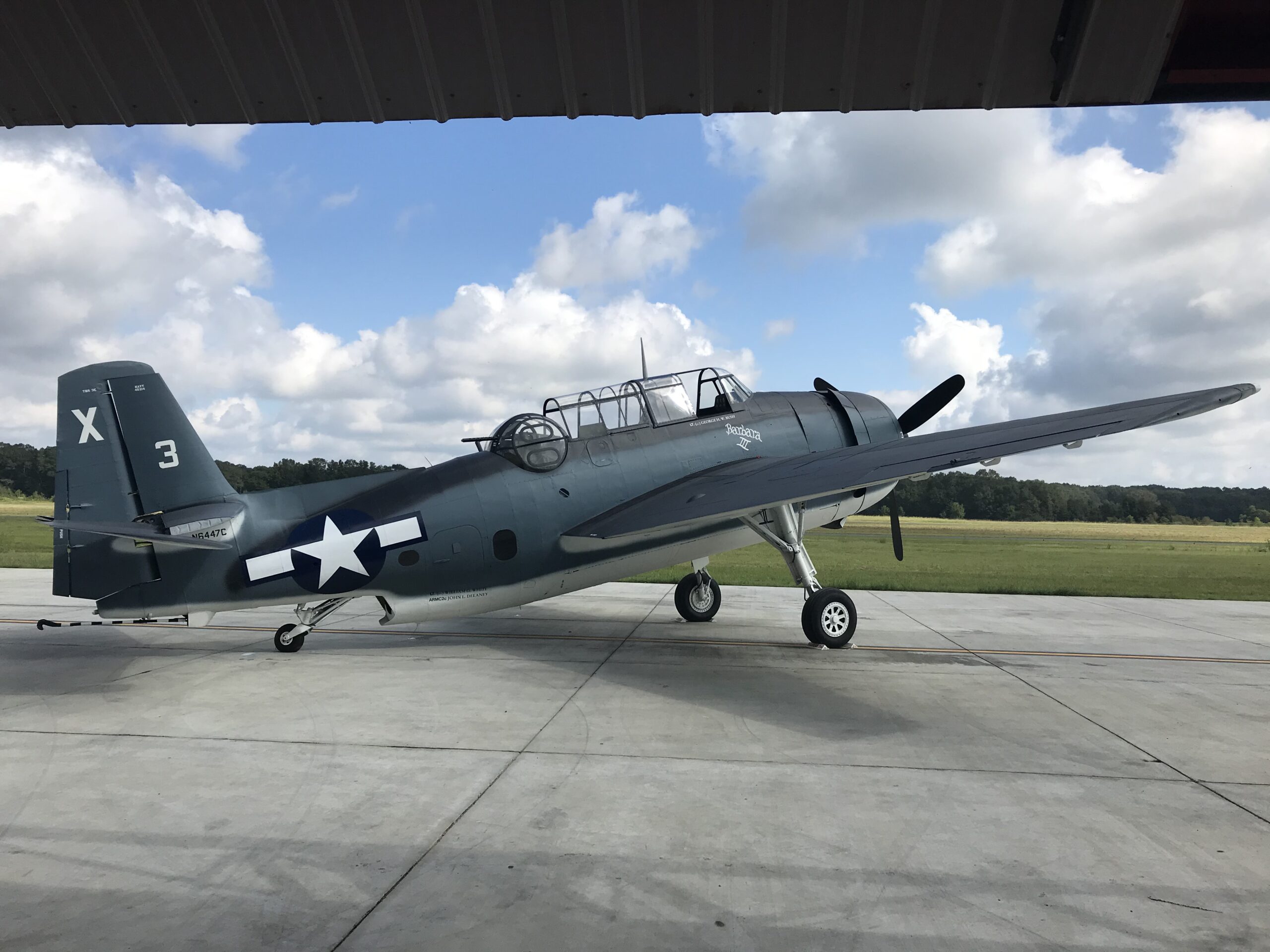
In September 2017, the Erickson Aircraft Collection sold TBM-3E Avenger BuNo 53575 to the Lone Star Flight Museum of Houston, Texas, as part of a trade deal to acquire the LSFM’s Grumman F6F-5N Hellcat BuNo 94204, with the exchange officiated by Platinum Fighter Sales. Three years after its arrival at the Lone Star Flight Museum, the aircraft was flown to John Bell Williams Airport in Raymond, Mississippi, to be repainted by Hangar 360 Aircraft Services. There, the aircraft was repainted in the markings of TBM-1C Avenger BuNo 46214 “Barbara III“, flown by future President George H.W. Bush during his time as an Avenger pilot assigned to the light aircraft carrier USS San Jacinto (CVL-30). Bush, then a Lieutenant, junior grade, named the aircraft for his then-fiancée Barbara Pierce. On September 2, 1944, Bush and his crew were shot down on a mission to bomb a Japanese radio installation on Chichijima. Although Bush survived the bailout, his two crewmen, Radioman Second Class John Delaney and Lieutenant Junior Grade William White, USNR, were both killed. After five hours on an inflatable raft, Bush was rescued by the submarine USS Finback and later returned to flight duty.
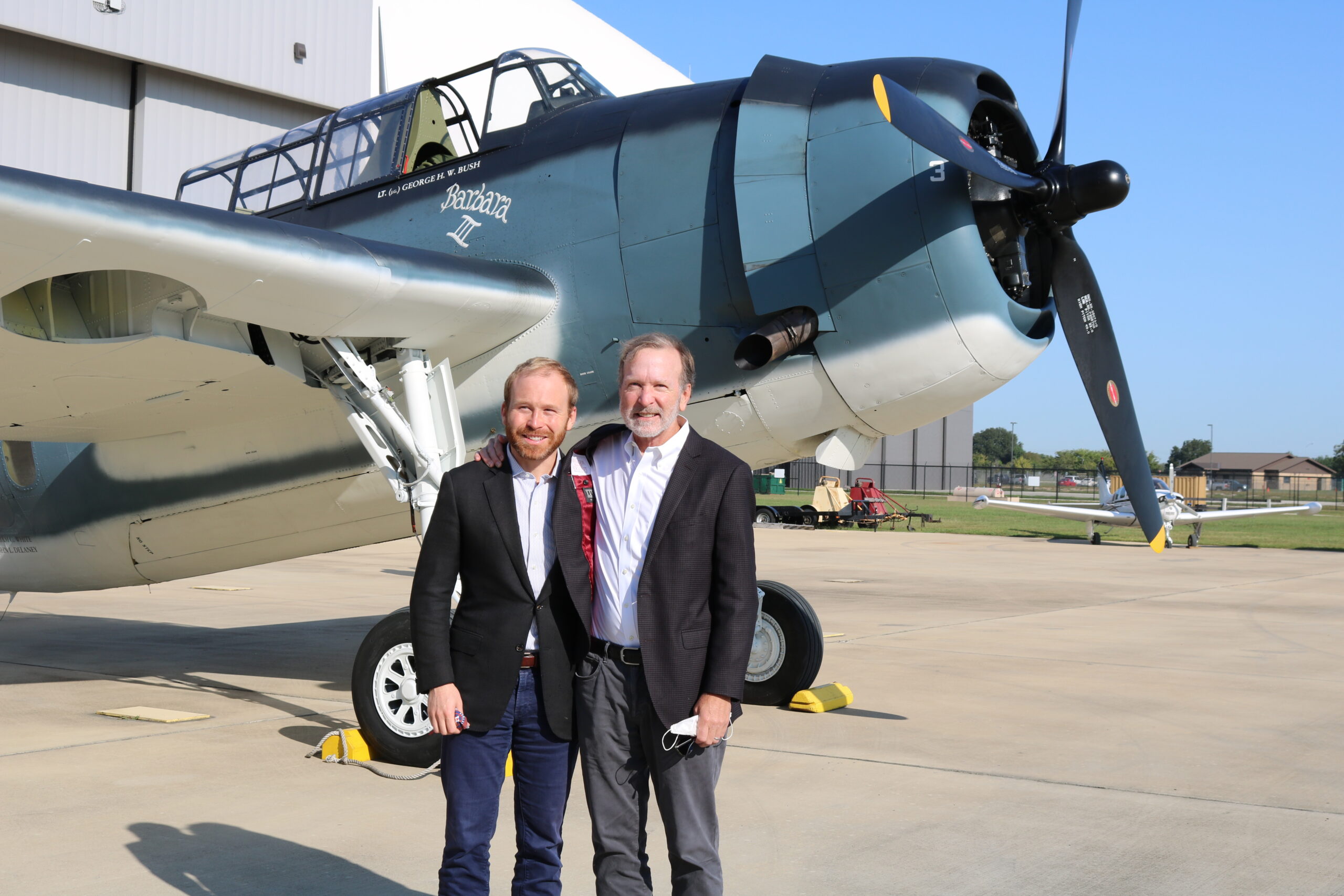
On October 2, 2020, the aircraft was officially unveiled with its new paint scheme, with Neil Bush, son of George H.W. Bush and brother of President George W. Bush, and his son Pierce in attendance. TBM-3E BuNo 53575/N6447C remains in airworthy condition at the Lone Star Flight Museum.
About the author 
Randy Malmstrom grew up in a family steeped in aviation culture. His father, Bob, was still a cadet in training with the USAAF at the end of WWII, but did serve in Germany during the U.S. occupation in the immediate post-war period, where he had the opportunity to fly in a wide variety of types that flew in WWII. After returning to the States, Bob became a multi-engine aircraft sales manager and, as such, flew a wide variety of aircraft; Randy frequently accompanied him on these flights. Furthermore, Randy’s cousin, Einar Axel Malmstrom, flew P-47 Thunderbolts with the 356th FG from RAF Martlesham Heath. He was commanding this unit at the time he was shot down over France on April 24th, 1944, spending the rest of the war as a prisoner of war. Following his repatriation at war’s end, Einar continued his military service, attaining the rank of Colonel. He was serving as Deputy Wing Commander of the 407th Strategic Fighter Wing at Great Falls AFB, MT, at the time of his death in a T-33 training accident on August 21, 1954. The base was renamed in his honor in October 1955 and continues to serve in the present USAF as home to the 341st Missile Wing. Randy’s innate interest in history in general, and aviation history in particular, plus his educational background and passion for WWII warbirds, led him down his current path of capturing detailed aircraft walk-around photos and in-depth airframe histories, recording a precise description of a particular aircraft in all aspects.


The real reason Grumman shifted production of both the Wildcat, and Avenger, was because they got overwhelmed with orders for the Hellcat fighter, Grumman wasn’t building actual attack aircraft in WW-2. The first, and only Attack aircraft Grumman ever built was the A-6 Intruder of Vietnam War fame. Now, your statement saying the TBM-3E had improved armament over the earlier TBF/TBM-1 with wing mounted guns, is incorrect, because the earlierTBF/TBM-1C introduced the wing mounted guns.