
By Randy Malmstrom
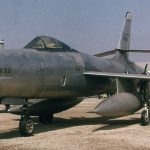
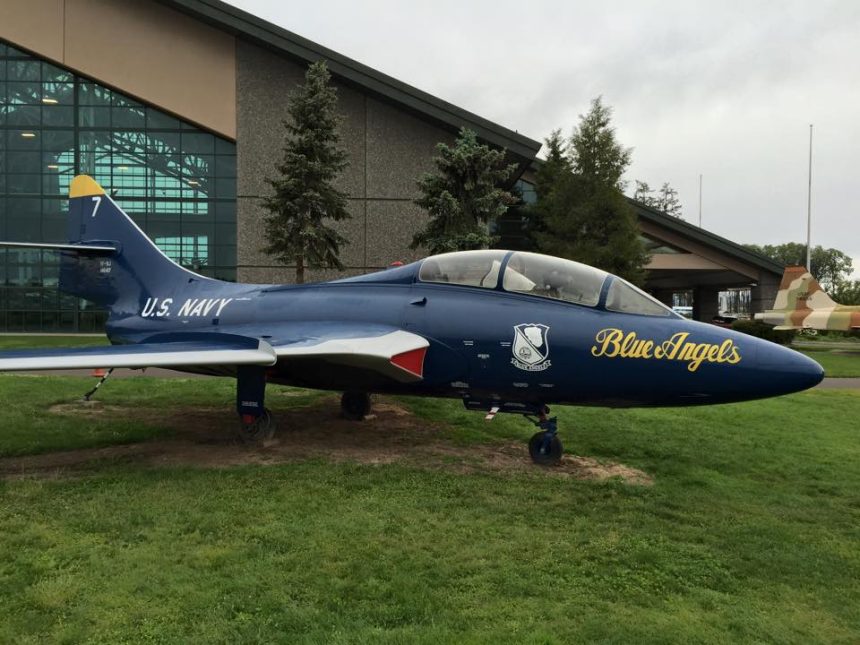
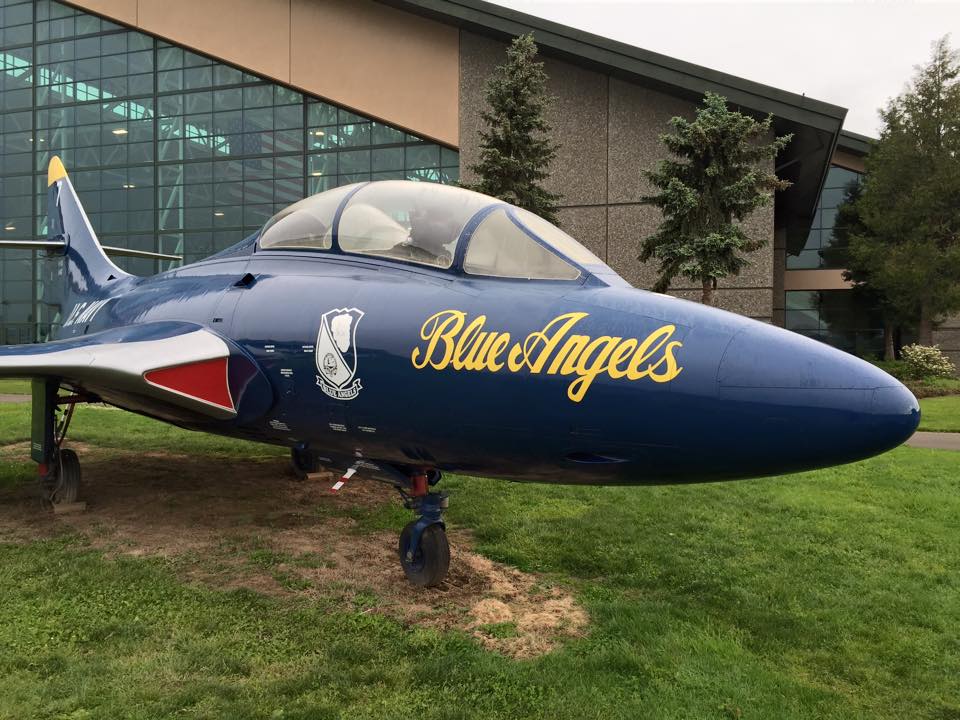
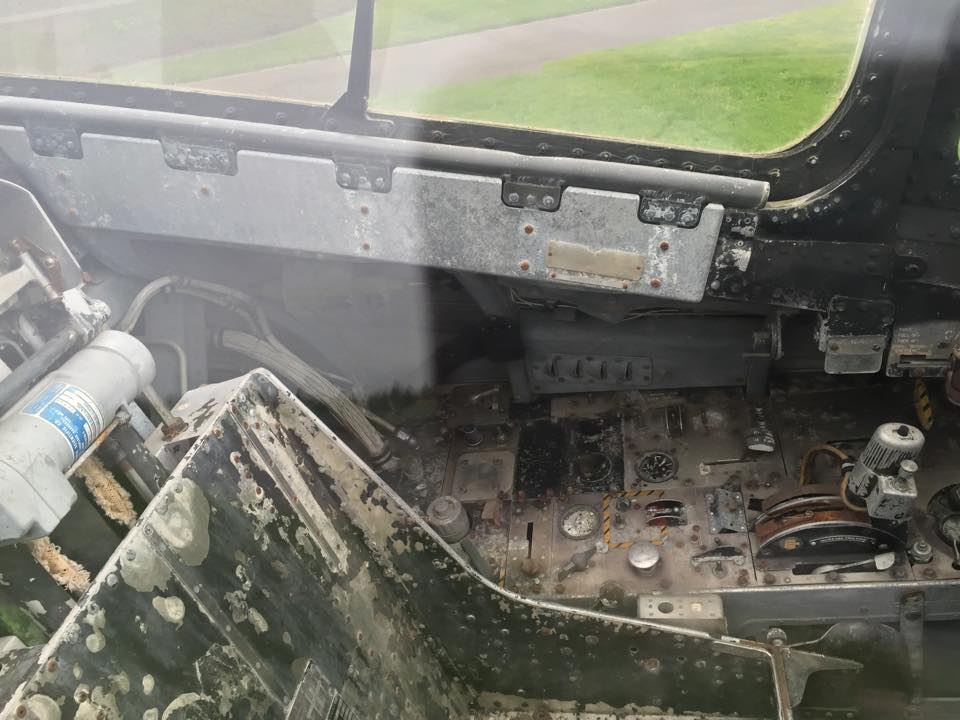
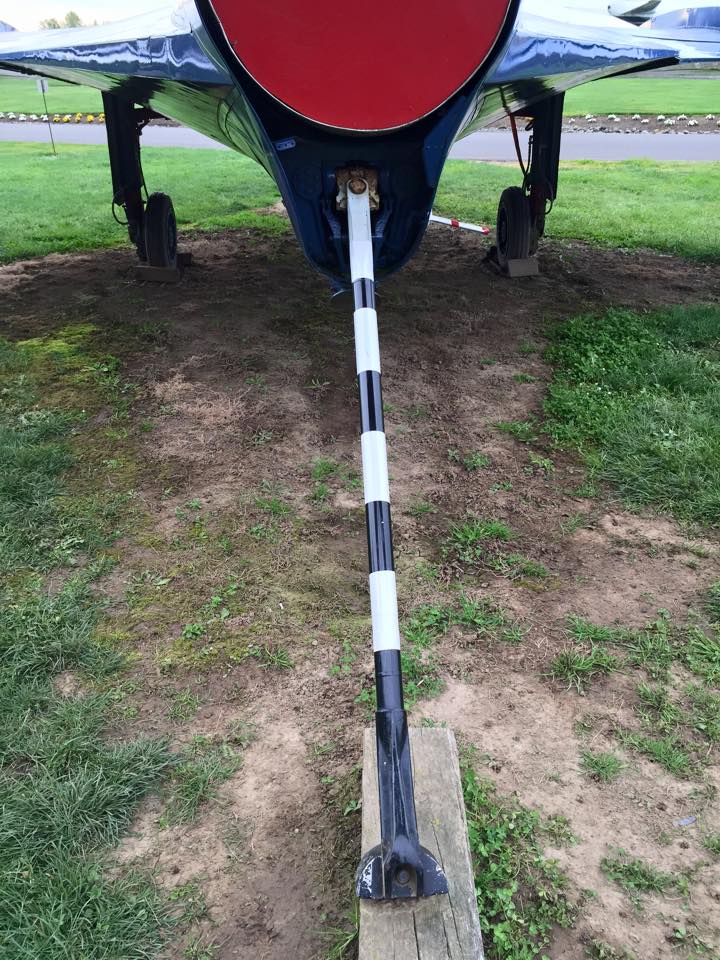
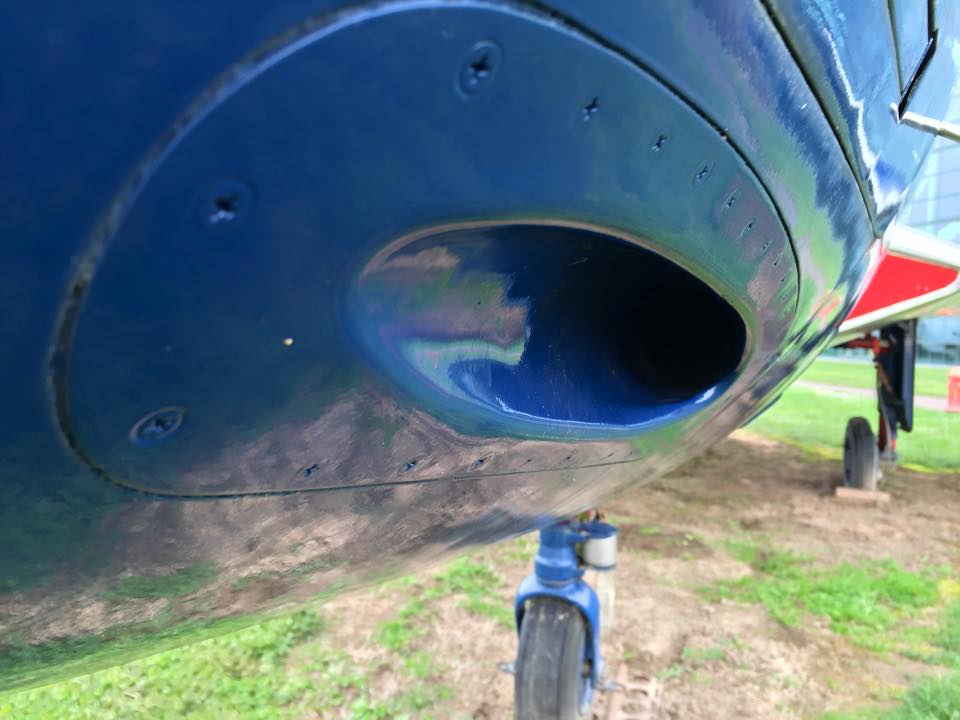
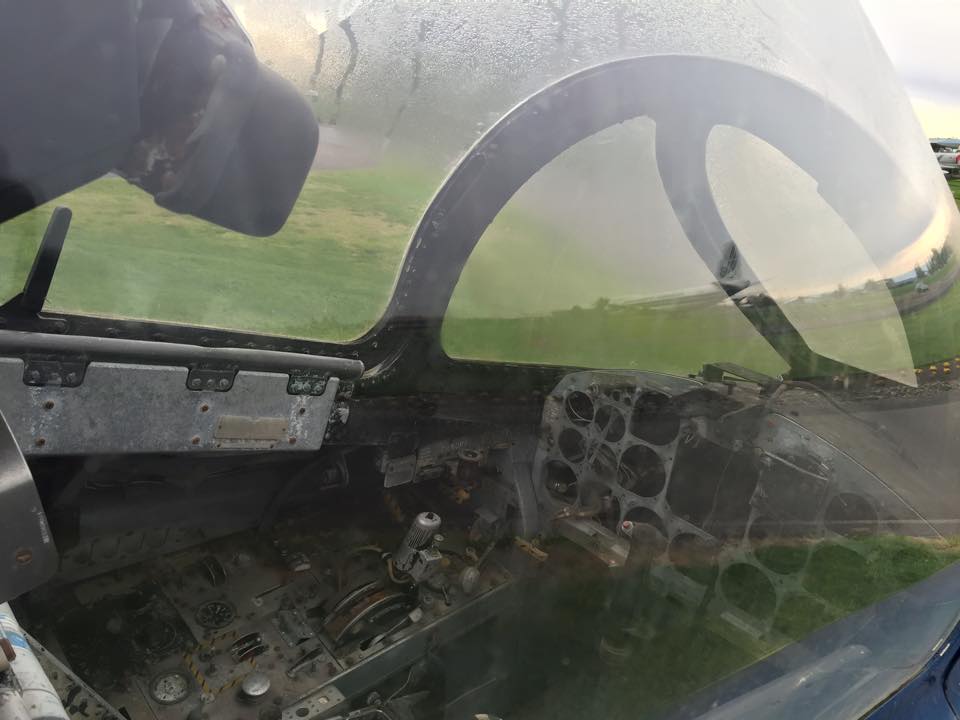
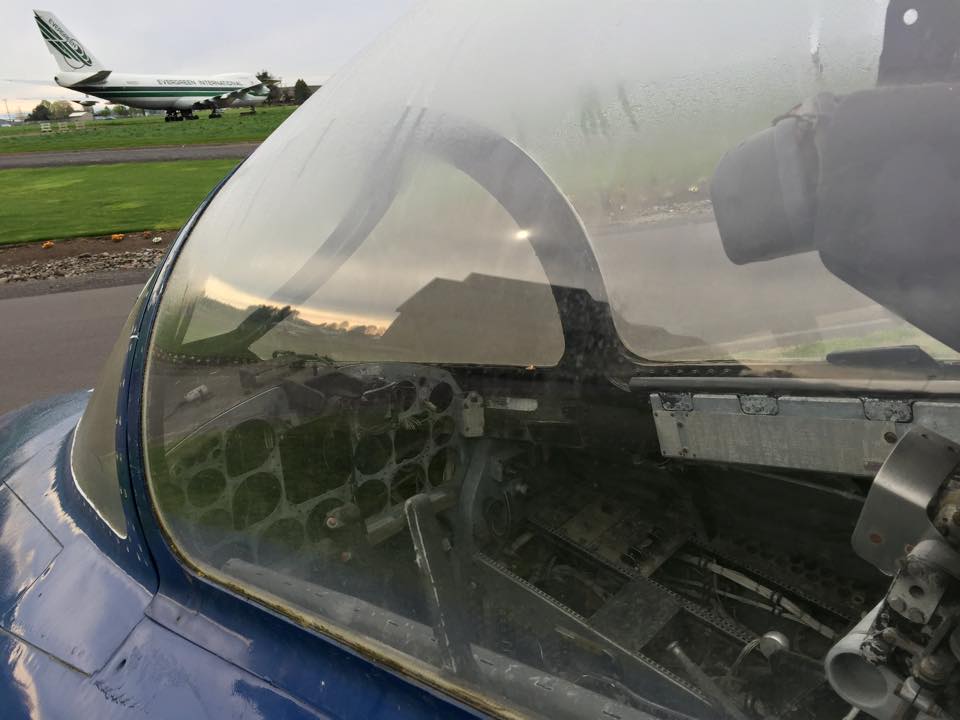
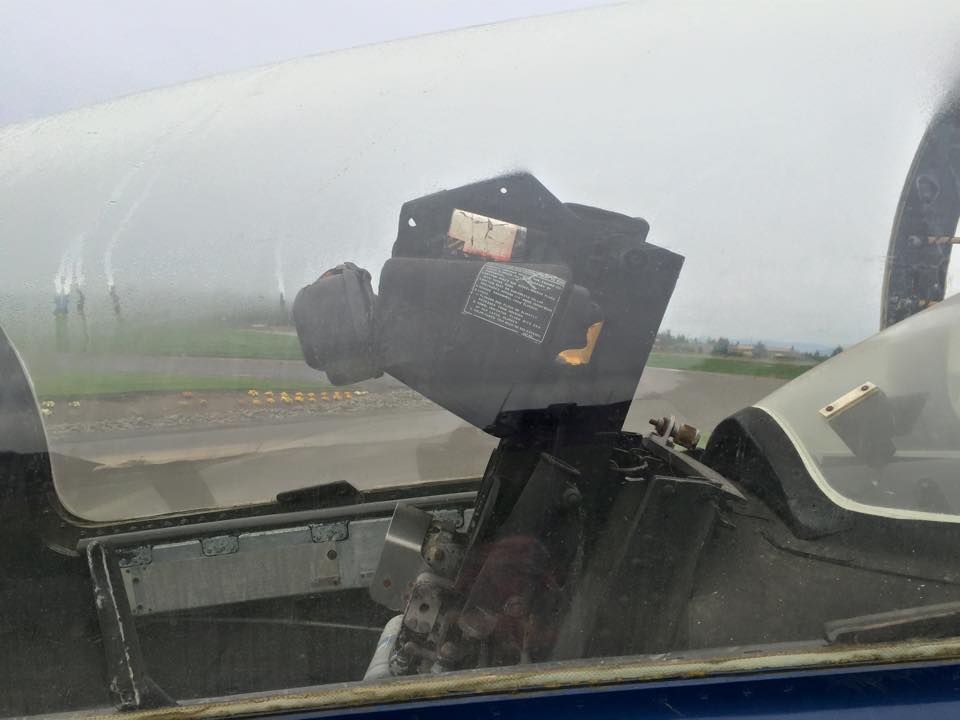
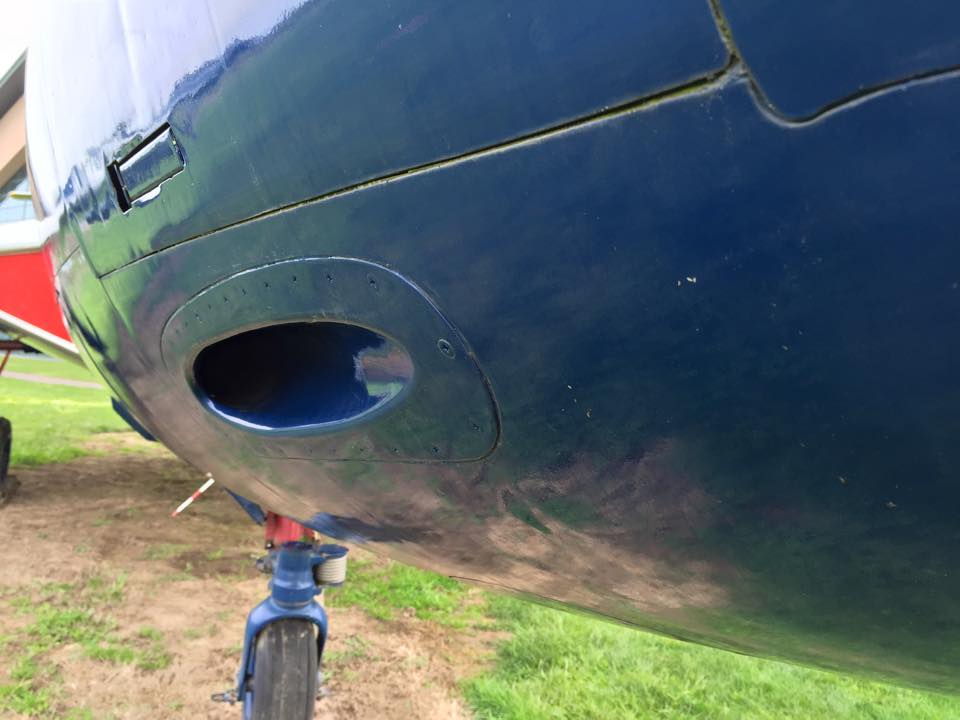
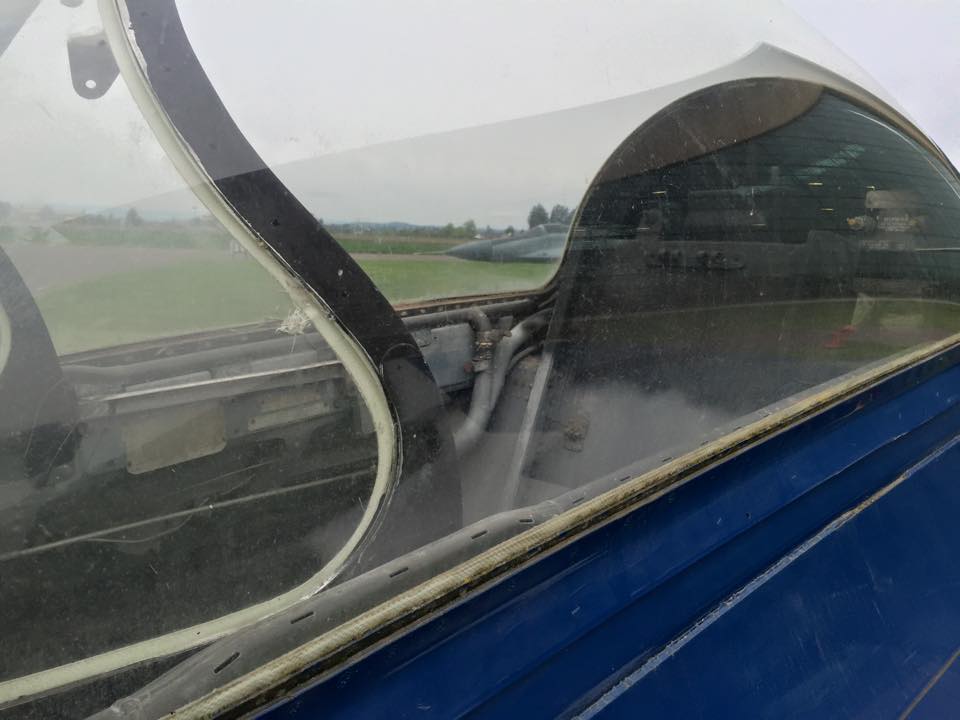
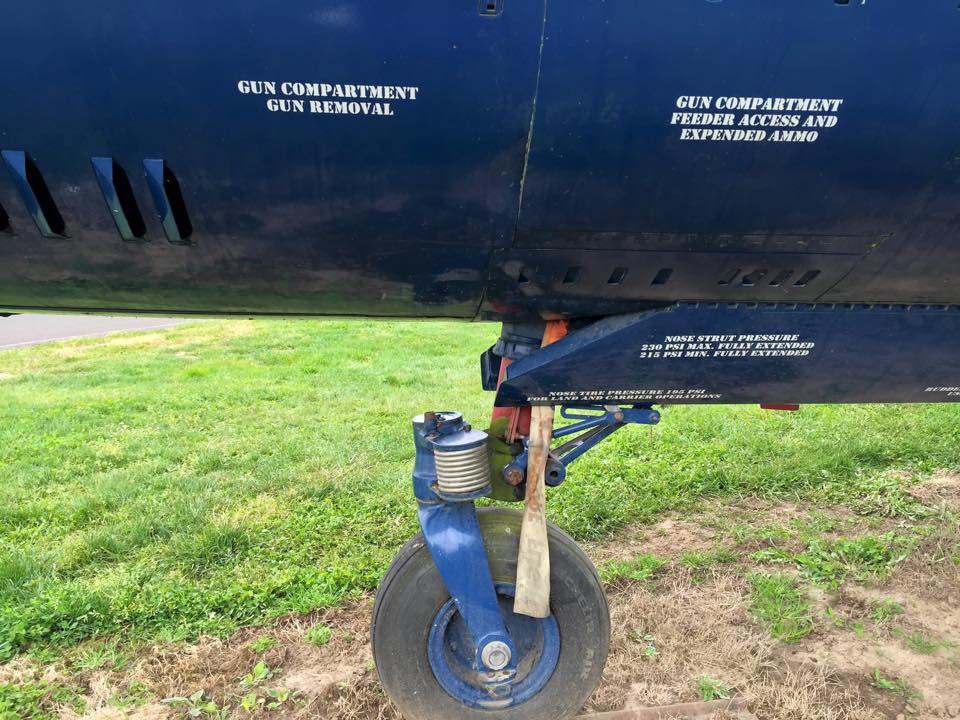
Grumman TF-9J (F9F-8T prior to 1962) Cougar, Bu. No. 146417. The TF-9J was a trainer version of the F-9 that was introduced in 1951. Powerplant: Pratt & Whitney J48-P-8A. Armament included: two 20 mm cannons, six 5-inch rockets, four Sidewinder air-to-air missiles, two 1,000 lb. bombs. This aircraft is now on loan to Evergreen Aviation and Space Museum from the National Museum of Naval Aviation and is painted in the colors of the USN Blue Angels, who flew Cougars between 1955-57. My photos of this static aircraft.
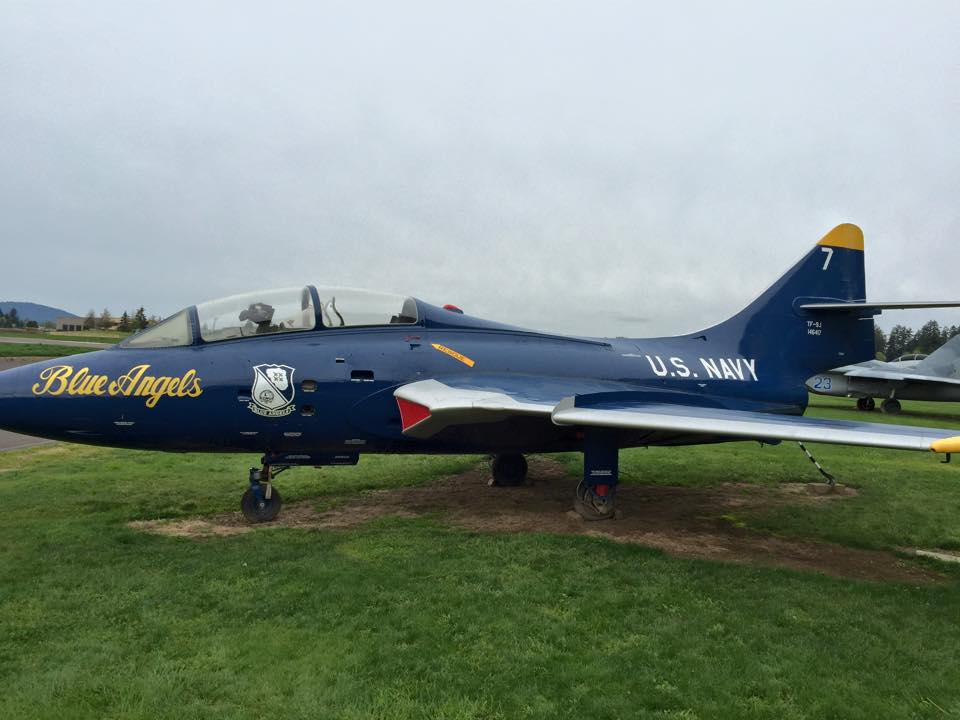
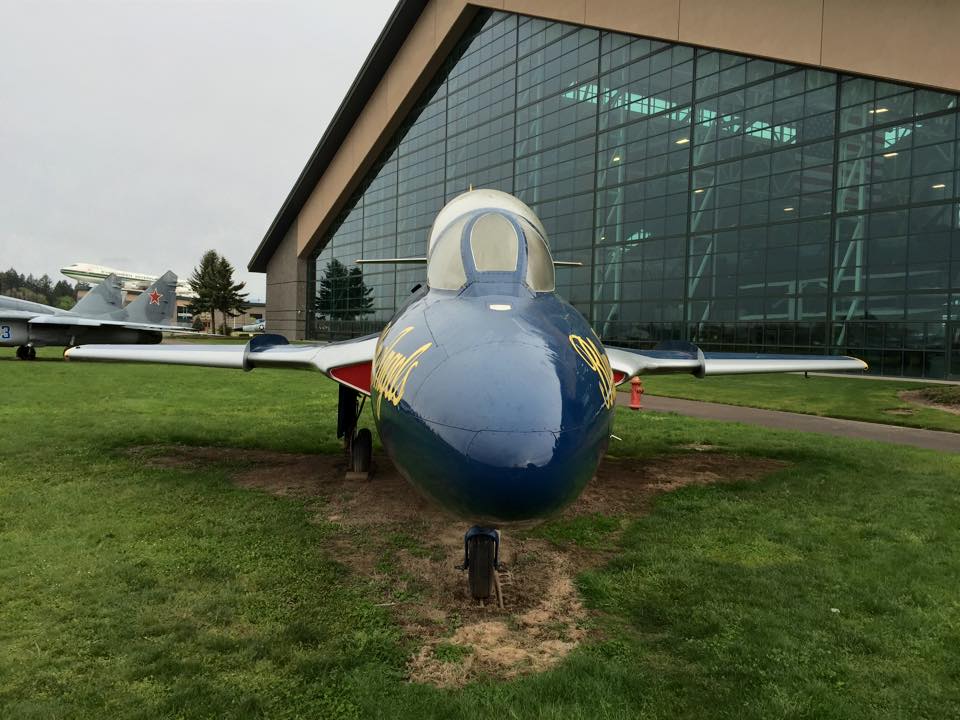
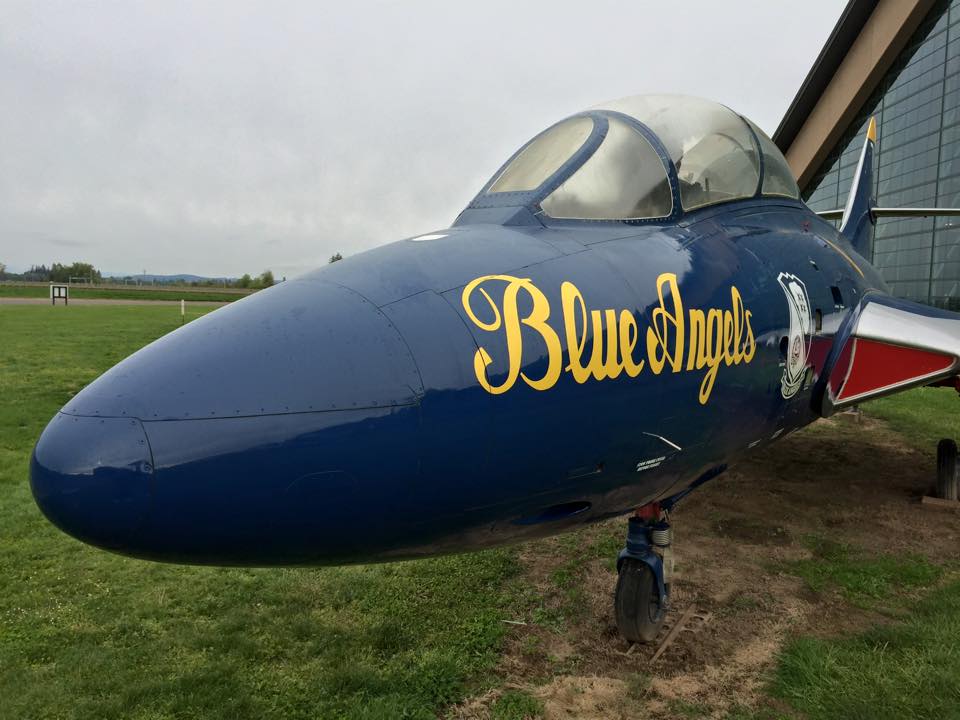
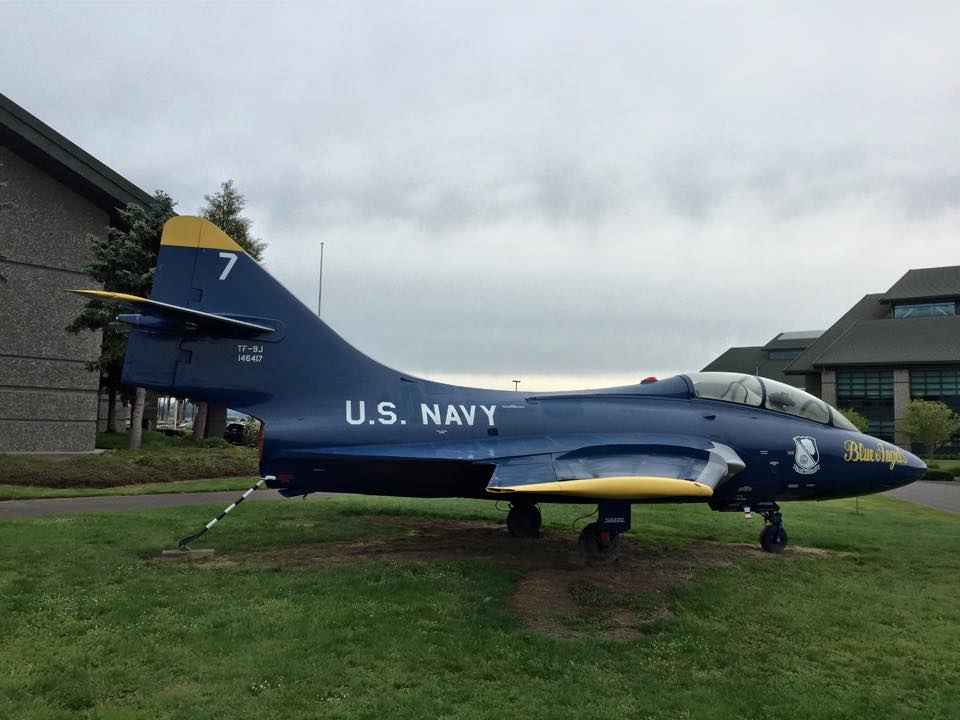
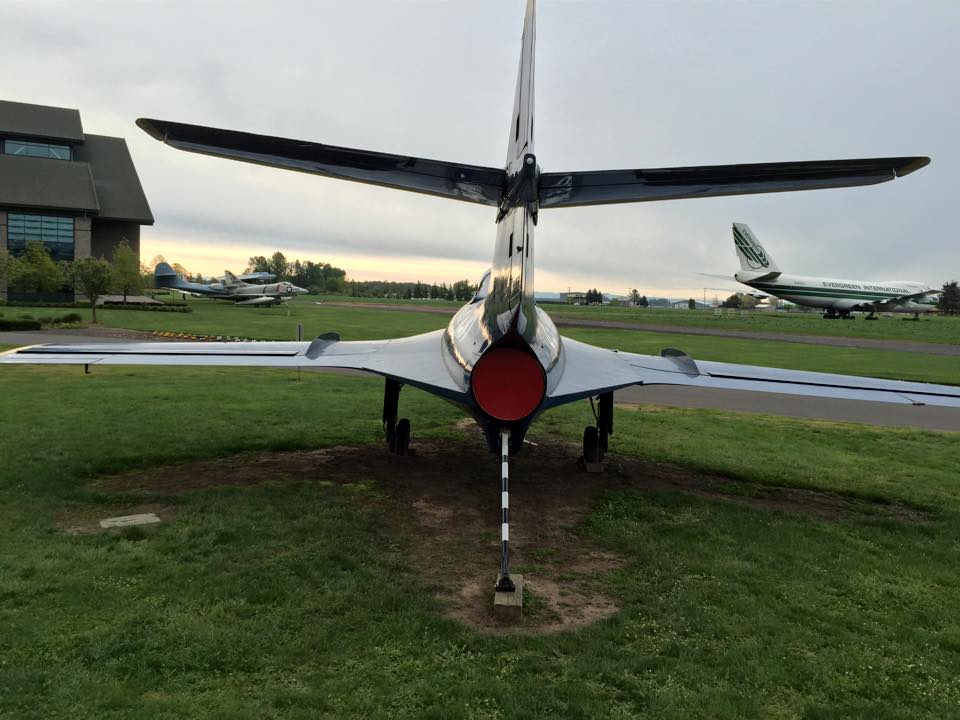
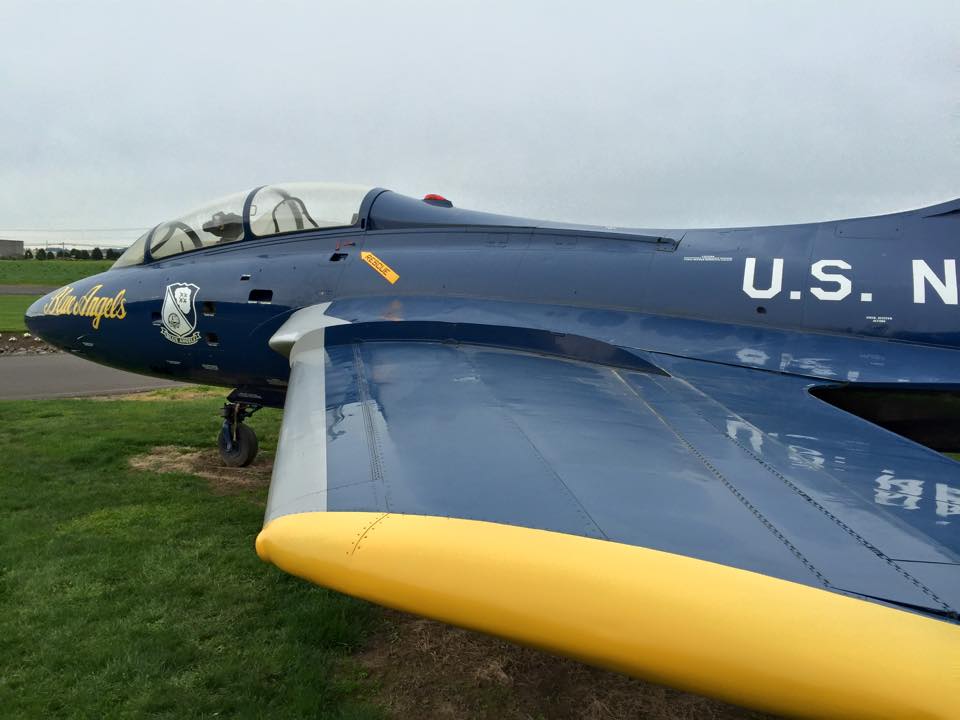
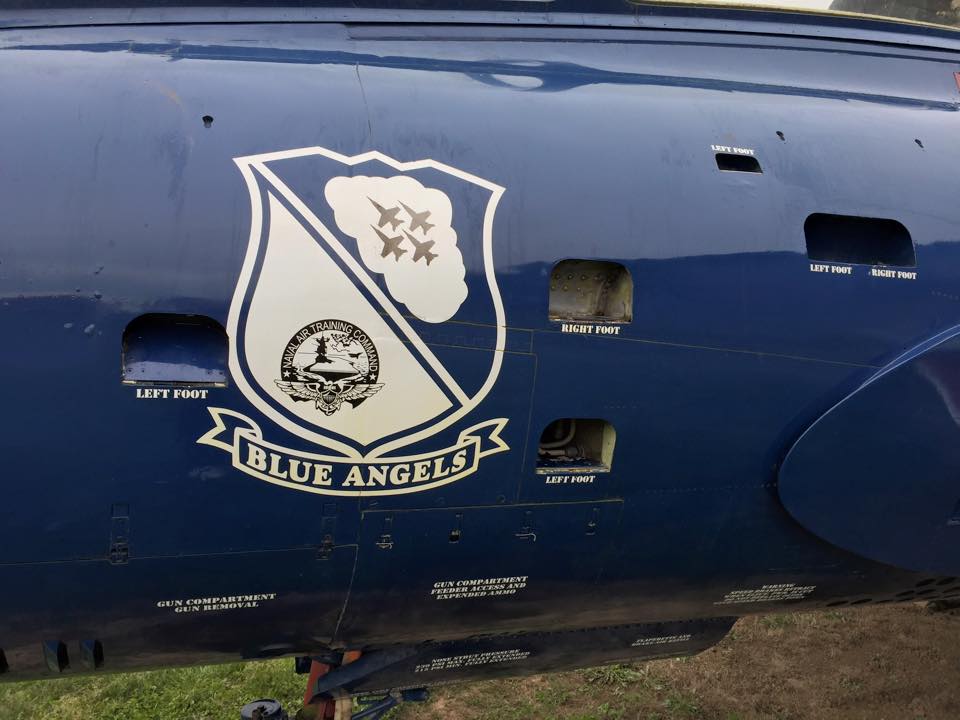
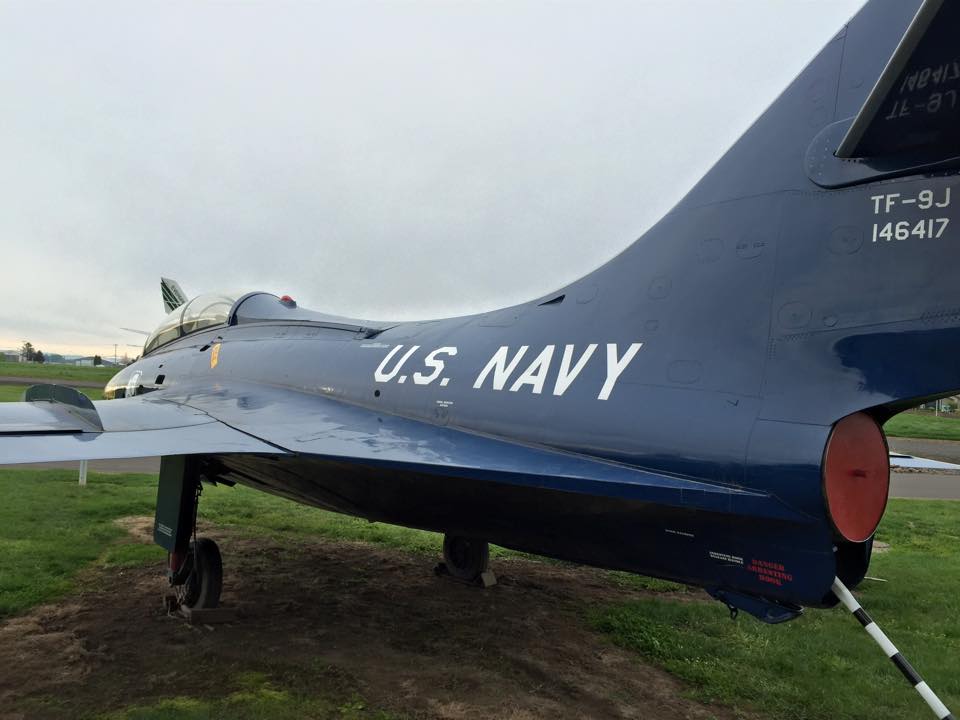
Editor’s notes: The Grumman TF-9J Cougar on display at the Evergreen Aviation and Space Museum, Bureau Number 146417, was flown by Training Squadron 25 (VT-25) with the fuselage code 3J-556. The Grumman TF-9J Cougar variants were the last examples of the F9F/F-9 lineage of the first jet fighters built by Grumman to remain in operational service with the US Navy. Later in its service life, BuNo 146417 had the fuselage code 3J-532 painted on. When the aircraft was decommissioned, it was initially kept in storage at NAS North Island, but was at one point brought to Lincoln, Nebraska, to be displayed at Pioneers Park, where a Goodyear-built FG-1D Corsair (Bureau Number 92085) had previously been. However, local accounts report that TF-9J 146417 never went on display in Pioneers Park but was kept in outdoor storage in the town of Beatrice, Nebraska, some 40 miles south of Lincoln. (More on that in this blog entry HERE)

Records on the aircraft are few, but by 2008, the aircraft was seen on display at the Evergreen Aviation and Space Museum, where it has been on display ever since. The aircraft is officially on loan from the National Naval Aviation Museum in Pensacola, Florida, and is painted in the colors of an F9F-8T/TF-9J flown by the Blue Angels, the U.S. Navy’s flight demonstration team. The Blue Angels flew F9F-6 and F9F-8 Cougars from 1953 until 1957, when they were replaced by the Grumman F11F Tiger. However, the Blue Angels would use a two-seat F9F-8T/TF-9J Cougar to fly VIPs and for press flights, as the other Cougars flown by the “Blues” were single-seat variants.
About the author
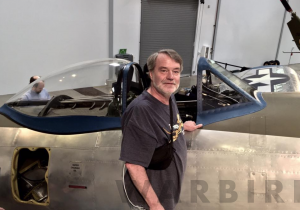 Randy Malmstrom grew up in a family steeped in aviation culture. His father, Bob, was still a cadet in training with the USAAF at the end of WWII but did serve in Germany during the U.S. occupation in the immediate post-war period, where he had the opportunity to fly in a wide variety of types which flew in WWII. After returning to the States, Bob became a multi-engine aircraft sales manager and, as such, flew a wide variety of aircraft; Randy frequently accompanied him on these flights. Furthermore, Randy’s cousin, Einar Axel Malmstrom, flew P-47 Thunderbolts with the 356th FG from RAF Martlesham Heath. He was commanding this unit at the time he was shot down over France on April 24th, 1944, and spent the rest of the war as a prisoner of war. Following his repatriation at war’s end, Einar continued his military service, attaining the rank of Colonel. He was serving as Deputy Wing Commander of the 407th Strategic Fighter Wing at Great Falls AFB, MT at the time of his death in a T-33 training accident on August 21, 1954. The base was renamed in his honor in October 1955 and continues to serve in the present USAF as home to the 341st Missile Wing. Randy’s innate interest in history in general, and aviation history in particular, plus his educational background and passion for WWII warbirds, led him down his current path of capturing detailed aircraft walk-around photos and in-depth airframe histories, recording a precise description of a particular aircraft in all aspects.