






By Randy Malmstrom
Since his childhood, Randy Malmstrom has had a passion for aviation history and historic military aircraft in particular. He has a particular penchant for documenting specific airframes with a highly detailed series of walk-around images and an in-depth exploration of their history, which have proved to be popular with many of those who have seen them, and we thought our readers would be equally fascinated too. This installment of Randy’s Warbird Profiles takes a look at Jack Erickson’s Lockheed Harpoon.
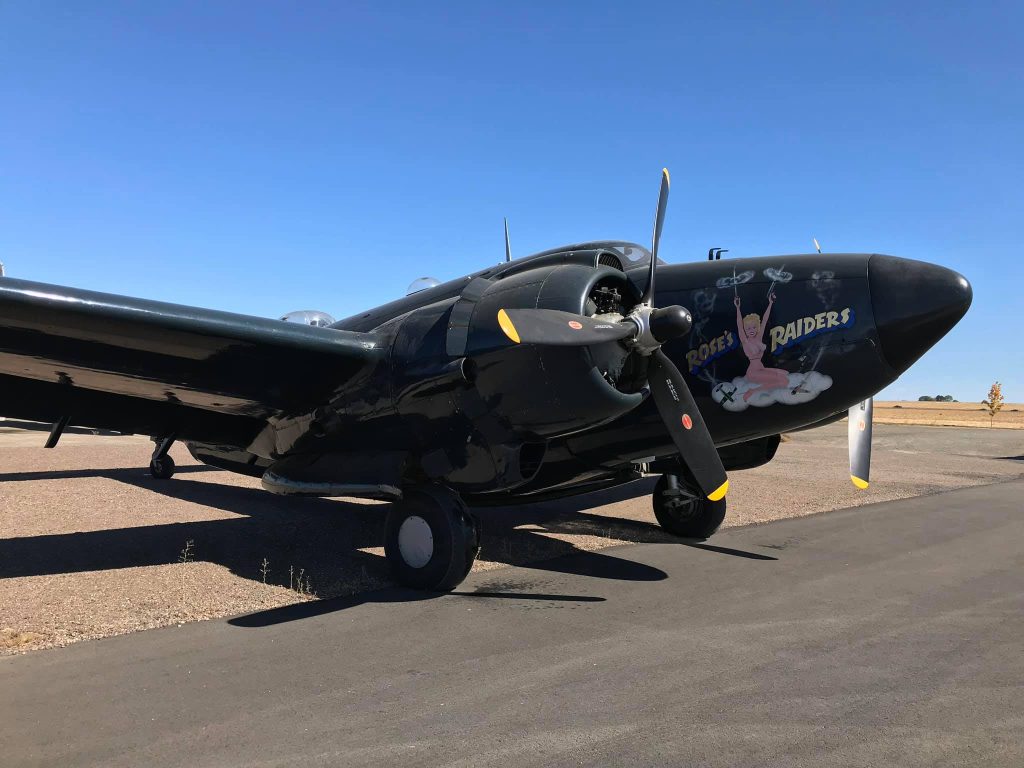
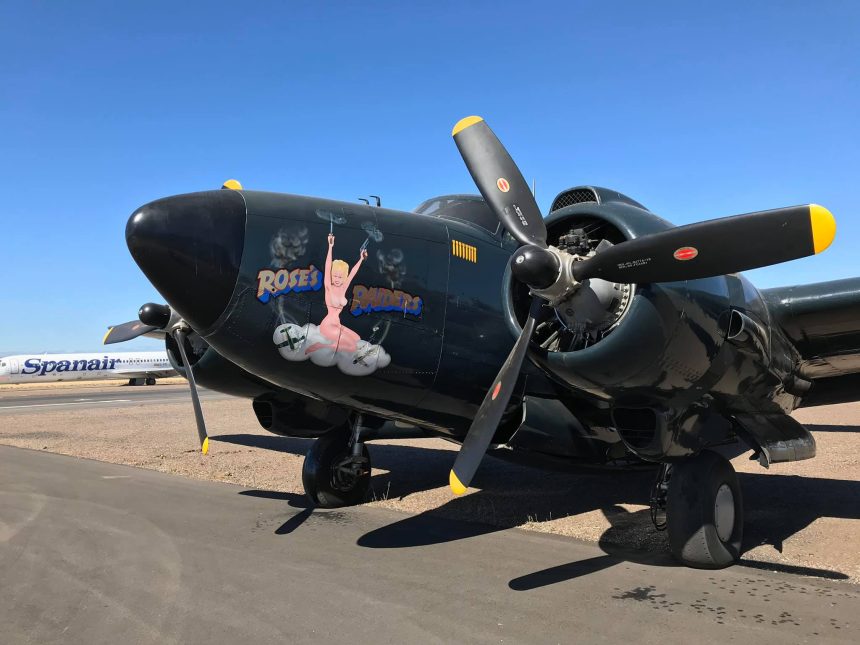
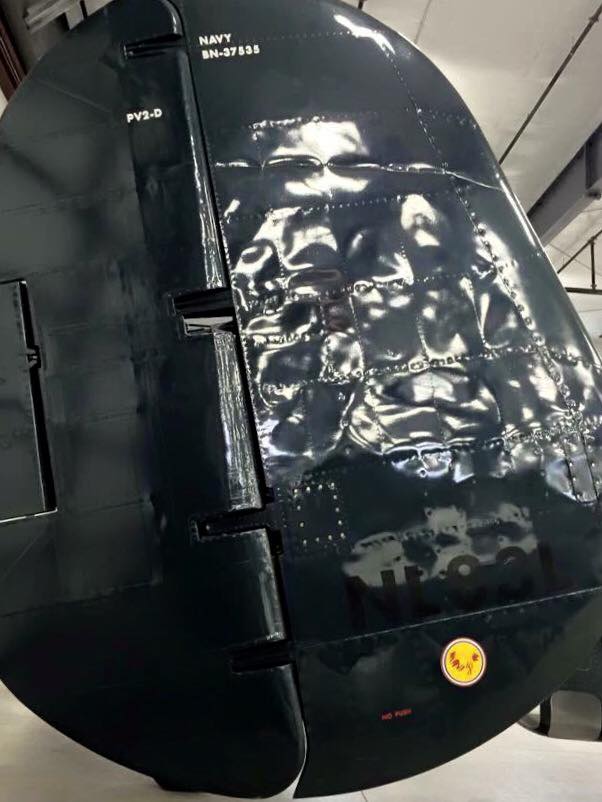
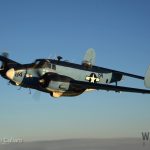
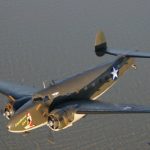
Lockheed PV-2D Harpoon, BuNo. 37535, c/n 15-1501, N83L. This particular aircraft was the first of 35 D variants. It served with the the U.S. Navy from several bases in the U.S. including NAS Alameda and NAS Cherry Park in California until stricken from the record and put into the Navy’s boneyard at Litchfield Park, Arizona, in December 1956.
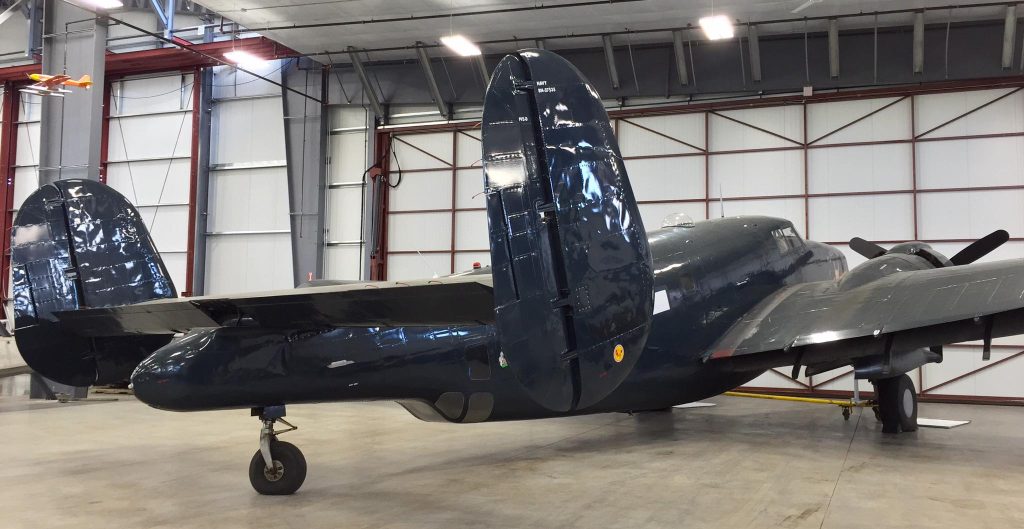
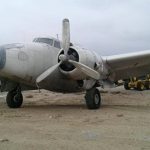
The following year, it began a civilian career with several owners and was used as a fire tanker and sprayer — including as fire service #29 at Medford, Oregon — during the years of the 1960s through the 1980s. It was restored at Wheelless Airport in Dothan, Alabama and ferried to Pearson Air Park in Vancouver, Washington.
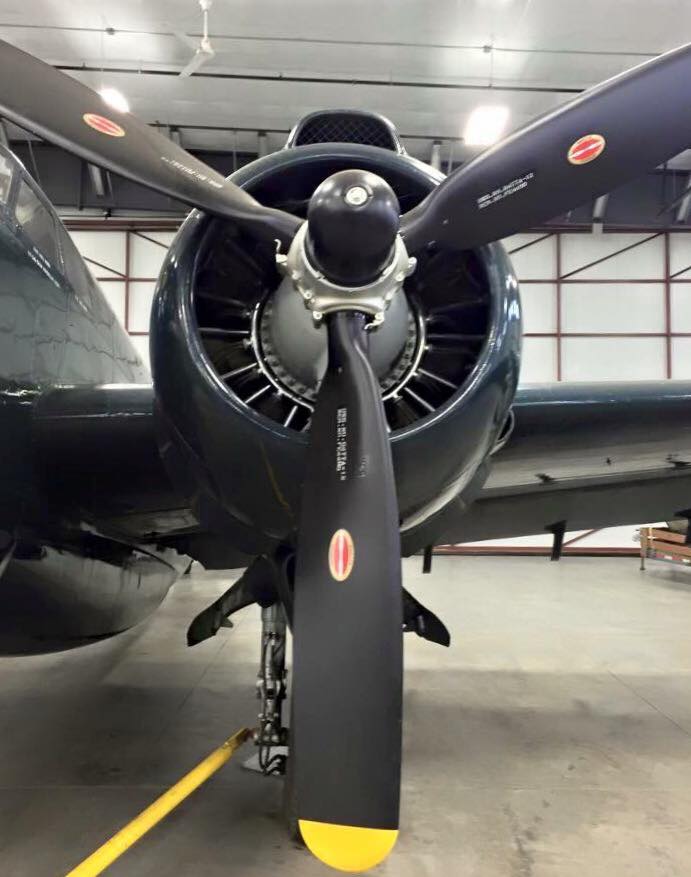
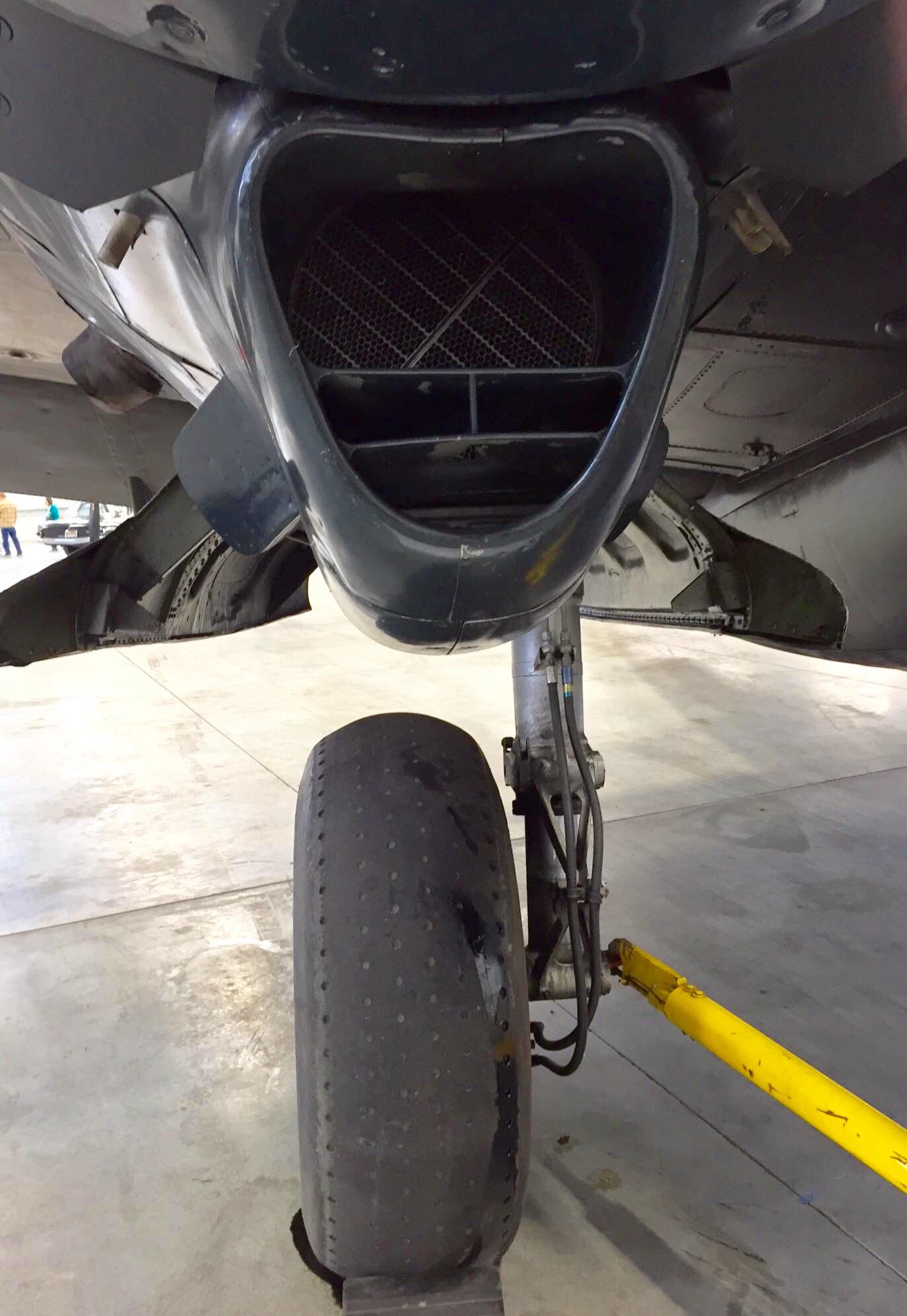
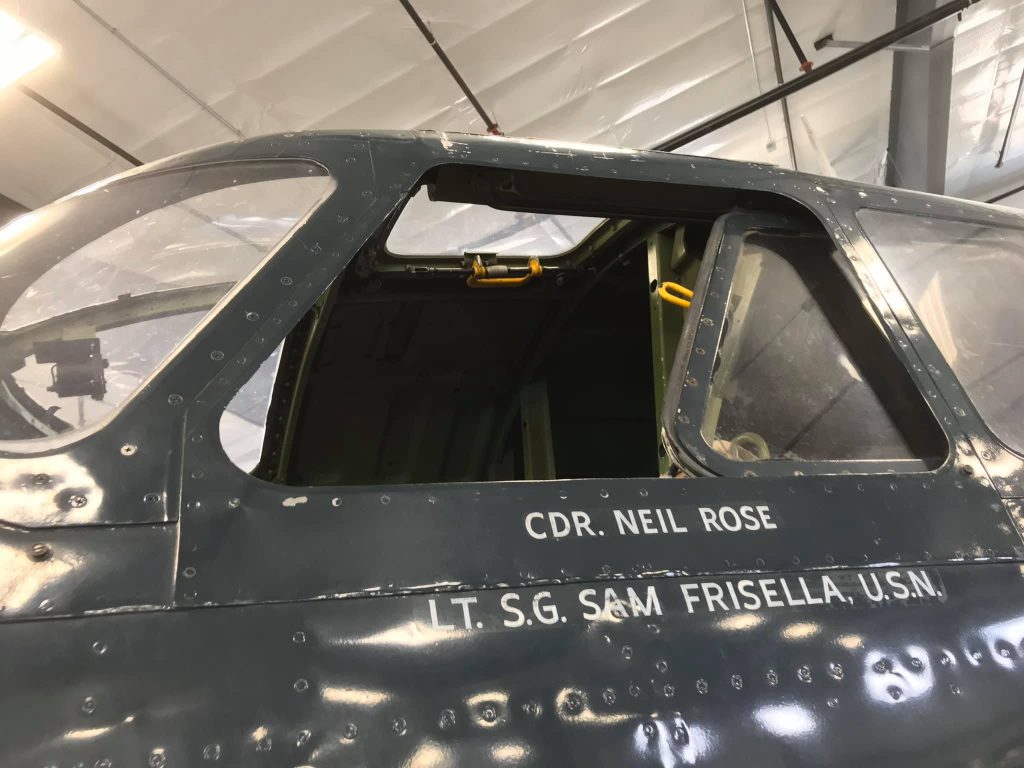
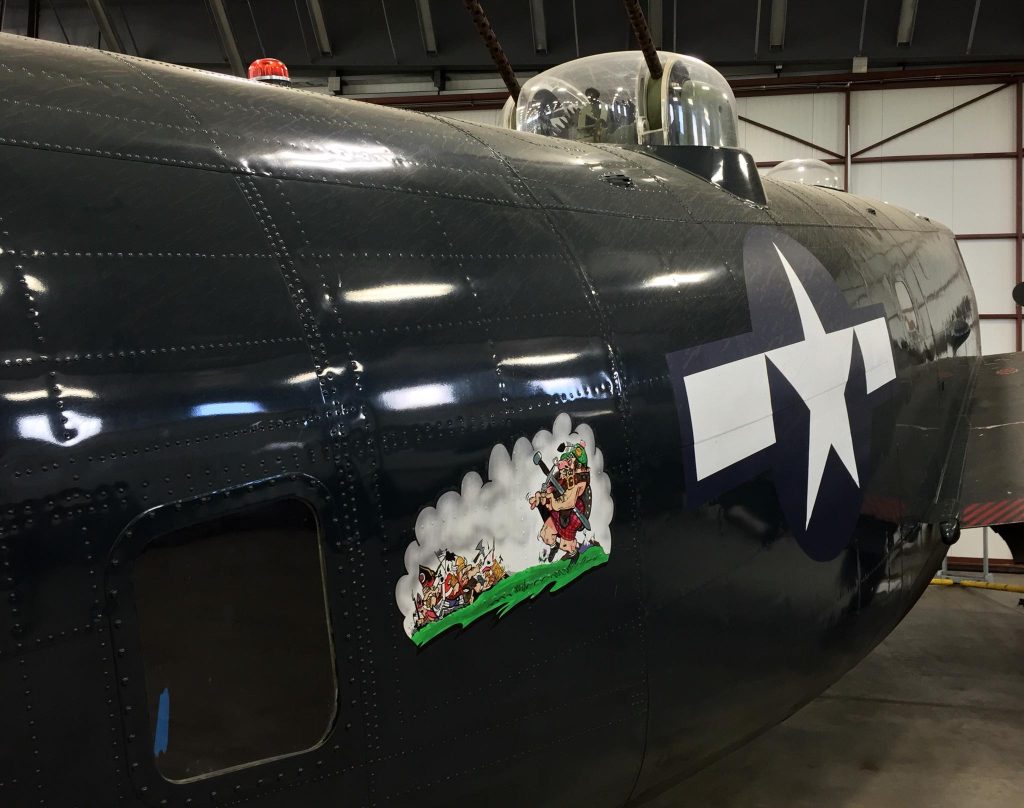
In 1999, it was acquired to become part of the Erickson Aircraft Collection now in Madras, Oregon and the current owner is P-38 LLC, one of Jack Erickson’s companies. Airworthy as I recall, but I have not seen it fly. The nose art Rose’s Raiders is in reference to its former owner Neil M. Rose of Vancouver, Washington.
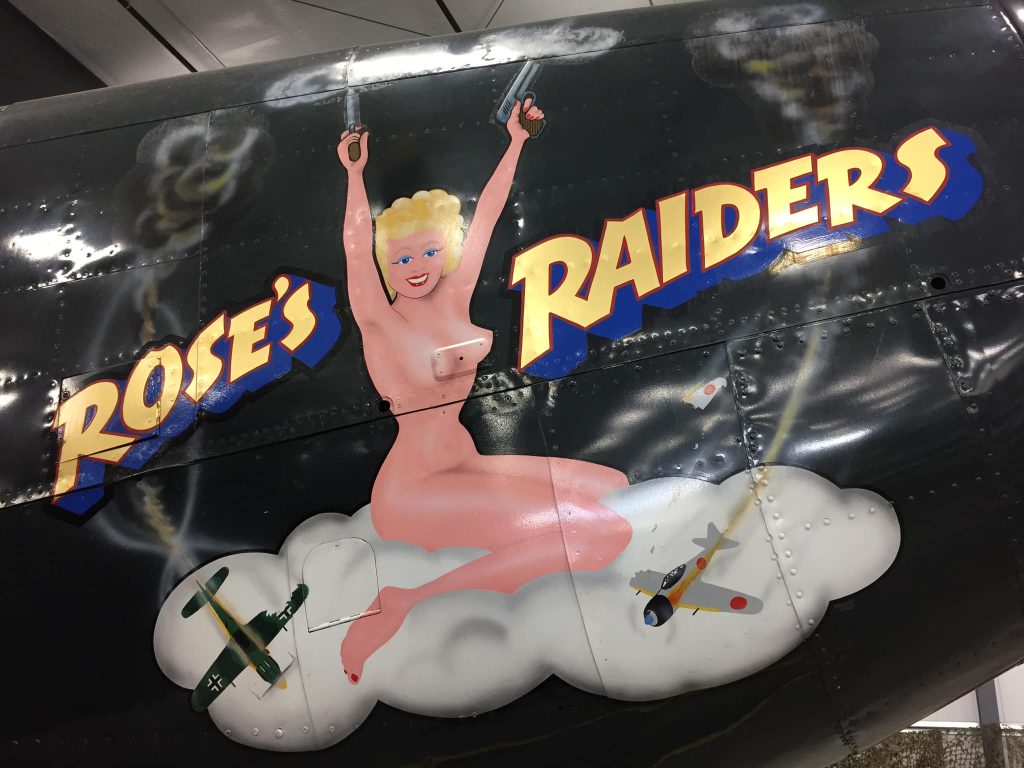
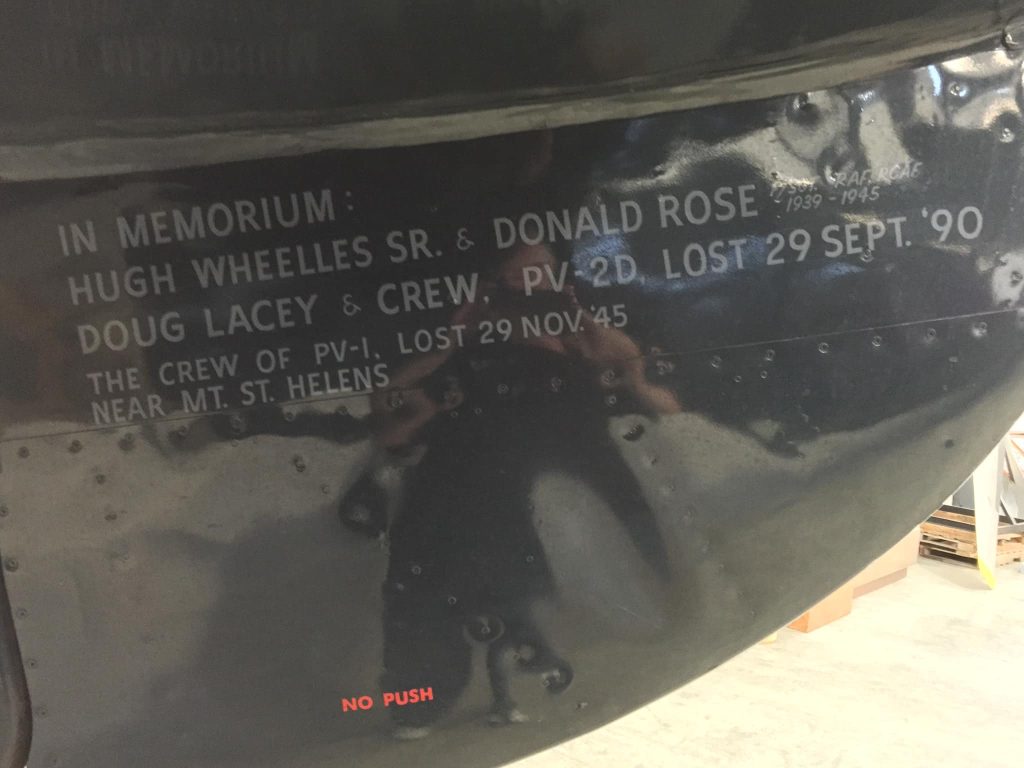
Also painted in memoriam to Royal Canadian Air Force bomb aimer Flight Sergeant Donald Irwin Rose of Stoney Mountain, Manitoba, 434 “Bluenose” Squadron (In Excelsis Vincimus), who was killed along with his fellow crew members on a raid over Berlin on January 28-29, 1944, in Halifax V LK649/WL-X.
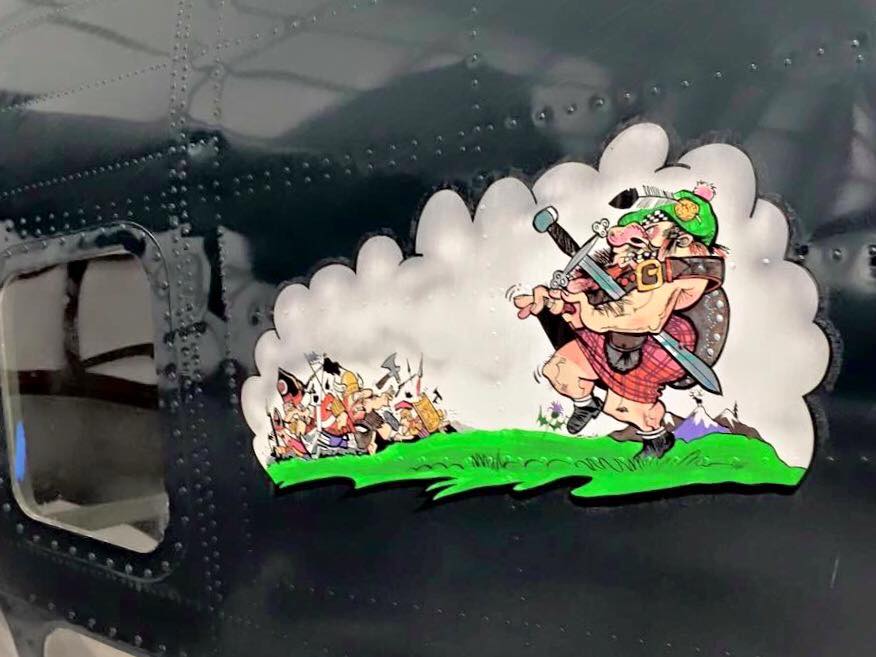
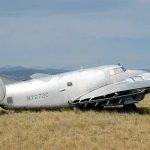
Markings also pay tribute to the Lockheed PV-2 c/n 15-1605, N7250C, lost with pilot Douglas Lacey and its 7 passengers in a crash on September 29, 1990, at Clear Lake, California, after taking off from the Sonoma County Airport. And to a PV-1 Ventura, #49459, that crashed November 29, 1945, five miles east of Mt. Saint Helens on a flight from Seattle, Washington, to Red Bluff, California (wreckage was found by hikers in early 1960).
This is not a full account of the development and history of the aircraft type. But it was a reconnaissance/anti-submarine patrol bomber built by Lockheed’s Vega Division, the Harpoon was a major redesign of the Lockheed PV-1 Ventura. Nicknames included the “Pregnant Pig” and the “Lexington” (U.S. Army Air Force). The designation “P” being for Patrol, and the “V” for the Lockheed manufacturer.
In June of 1943, the U.S. Navy placed an order for five hundred PV-2’s. The maiden flight of the new aircraft took place on December 3, 1943, but the aircraft’s first combat appearance was not until March 1945 in the Pacific Theater as revision “D.” Following the end of World War II, the Navy continued to fly the Harpoon in reserve squadrons until they were phased out by August 1948.
Numerous foreign military arms such as Italy, the Netherlands, Portugal and Peru acquired Harpoons after the war, and the aircraft was one of the first to equip the Japanese Maritime Self Defense Force (JMSDF) after that service came into being in July 1951 with a total of 17 aircraft being supplied. Several entered the civilian market and some were used as sprayers.
Powered by a pair of Pratt & Whitney R-2800-31 engines, the PV-2D typically carried nine .50 cal. machine guns: two fixed in an upper nose decking, three in an under nose pack, a pair in the dorsal turret, and two in a rear-facing ventral tunnel position.
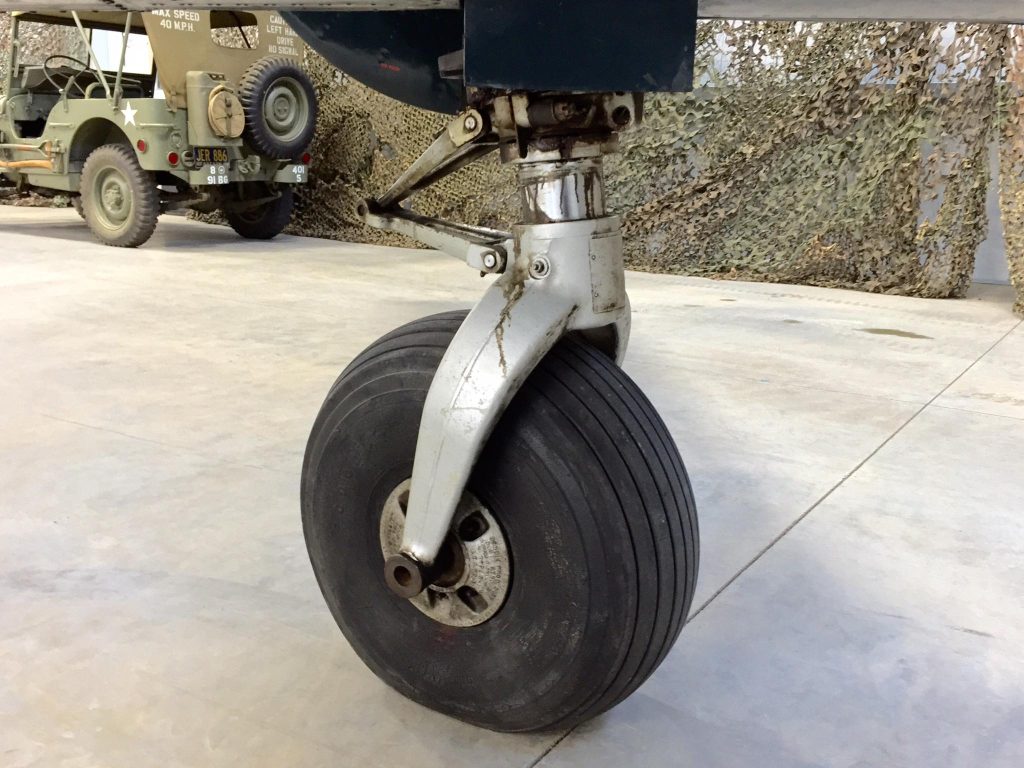
In order to accommodate a larger payload of up to 3,000 lbs. of bombs, depth charges or rockets, the bomb bay doors were designed with a bulge. The bomb bay could then carry a pair of Tiny Tim rockets completely enclosed.
About the author
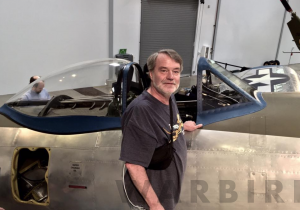 Randy Malmstrom grew up in a family steeped in aviation culture. His father, Bob, was still a cadet in training with the USAAF at the end of WWII, but did serve in Germany during the U.S. occupation in the immediate post-war period, where he had the opportunity to fly in a wide variety of types which flew in WWII. After returning to the States, Bob became a multi-engine aircraft sales manager and as such flew a wide variety of aircraft; Randy frequently accompanied him on these flights. Furthermore, Randy’s cousin, Einar Axel Malmstrom flew P-47 Thunderbolts with the 356th FG from RAF Martlesham Heath. He was commanding this unit at the time he was shot down over France on April 24th, 1944, spending the rest of the war as a prisoner of war. Following his repatriation at war’s end, Einar continued his military service, attaining the rank of Colonel. He was serving as Deputy Wing Commander of the 407th Strategic Fighter Wing at Great Falls AFB, MT at the time of his death in a T-33 training accident on August 21, 1954. The base was renamed in his honor in October 1955 and continues to serve in the present USAF as home to the 341st Missile Wing. Randy’s innate interest in history in general, and aviation history in particular, plus his educational background and passion for WWII warbirds, led him down his current path of capturing detailed aircraft walk-around photos and in-depth airframe histories, recording a precise description of a particular aircraft in all aspects.





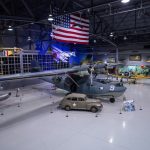

I have pictures of Rosie’s Raiders plane when it was on display at the NAS Tillamook air museum.
I have Picture of Rosie’s Raiders Plane with the engine #1 getting primed when it left Wheeless airport late 1980s. I would like to share.