







By Randy Malmstrom
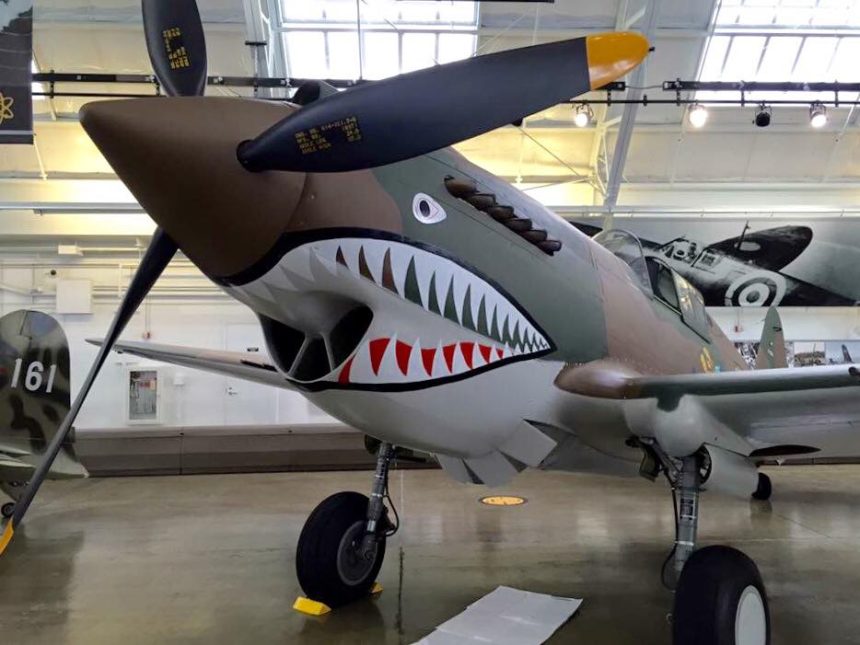
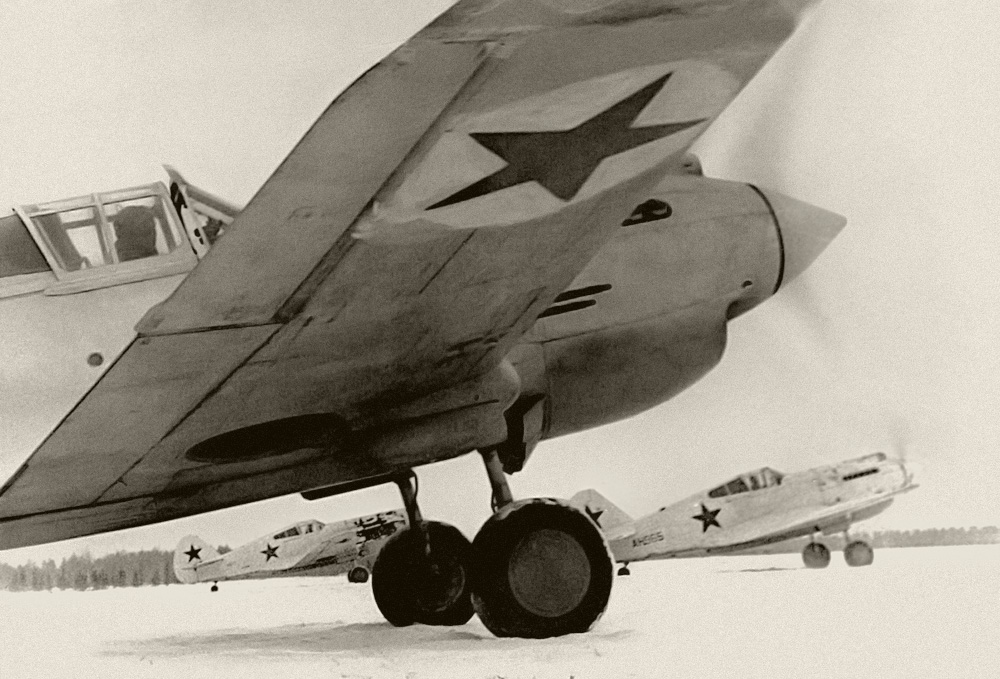
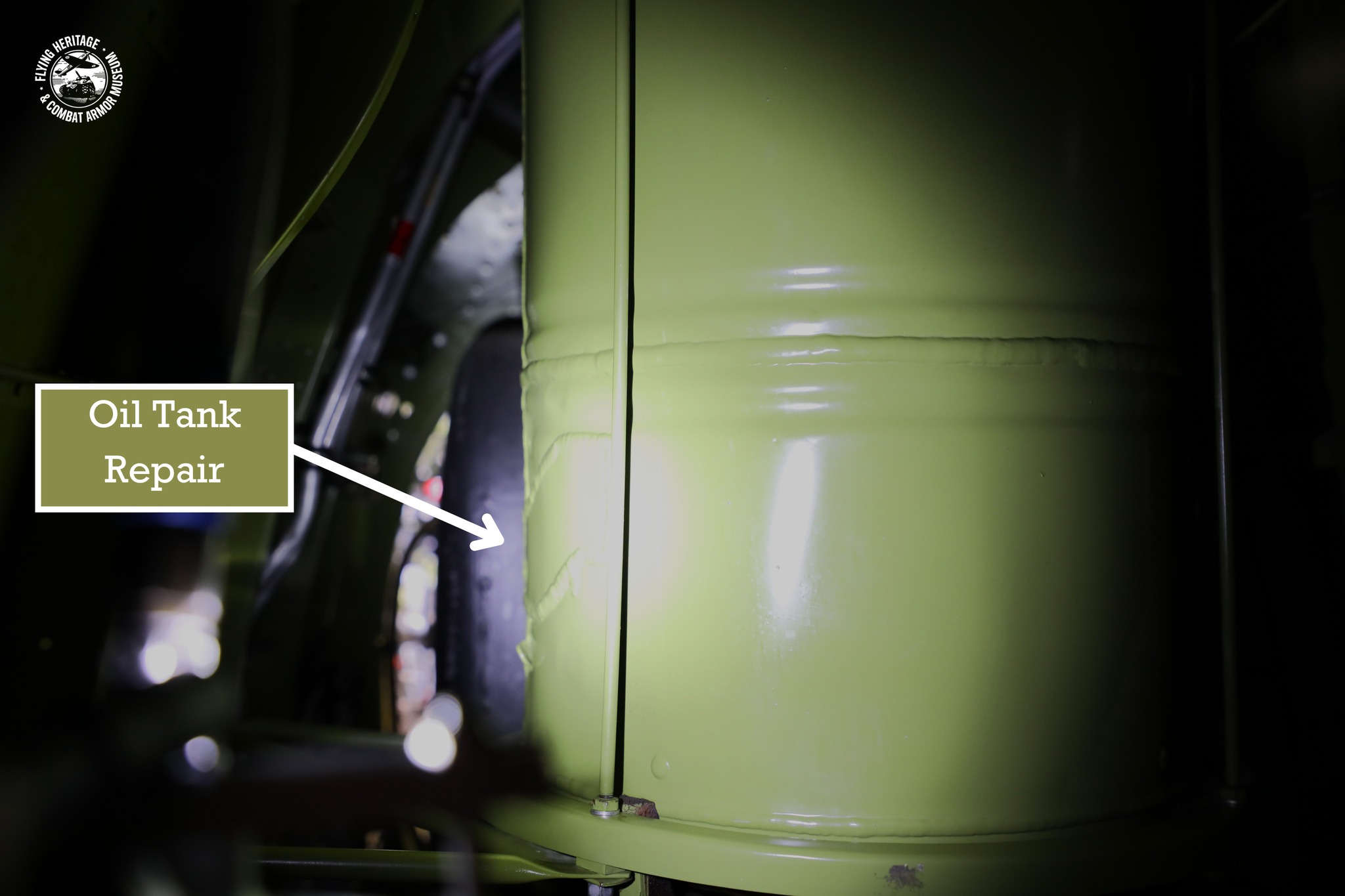
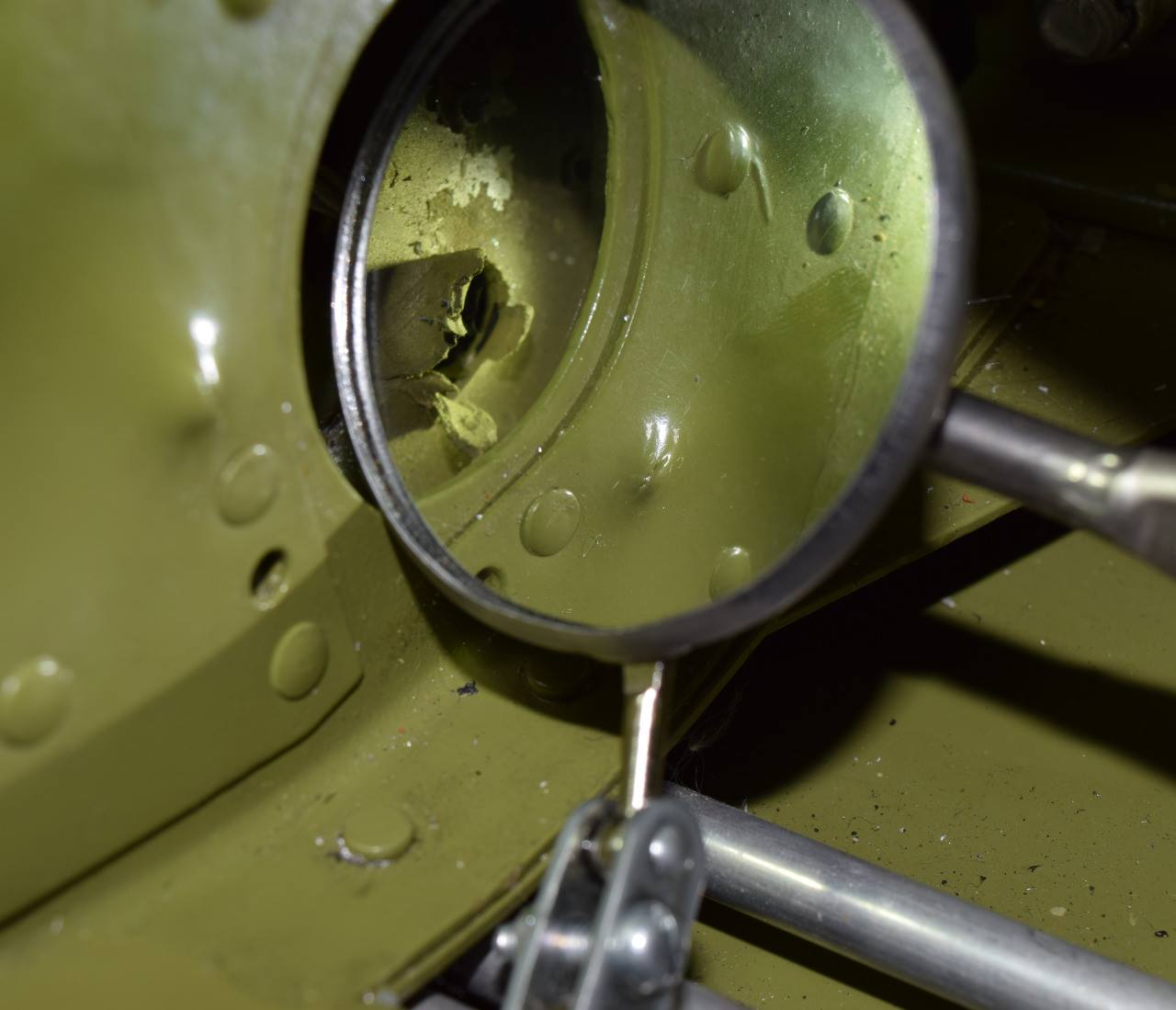
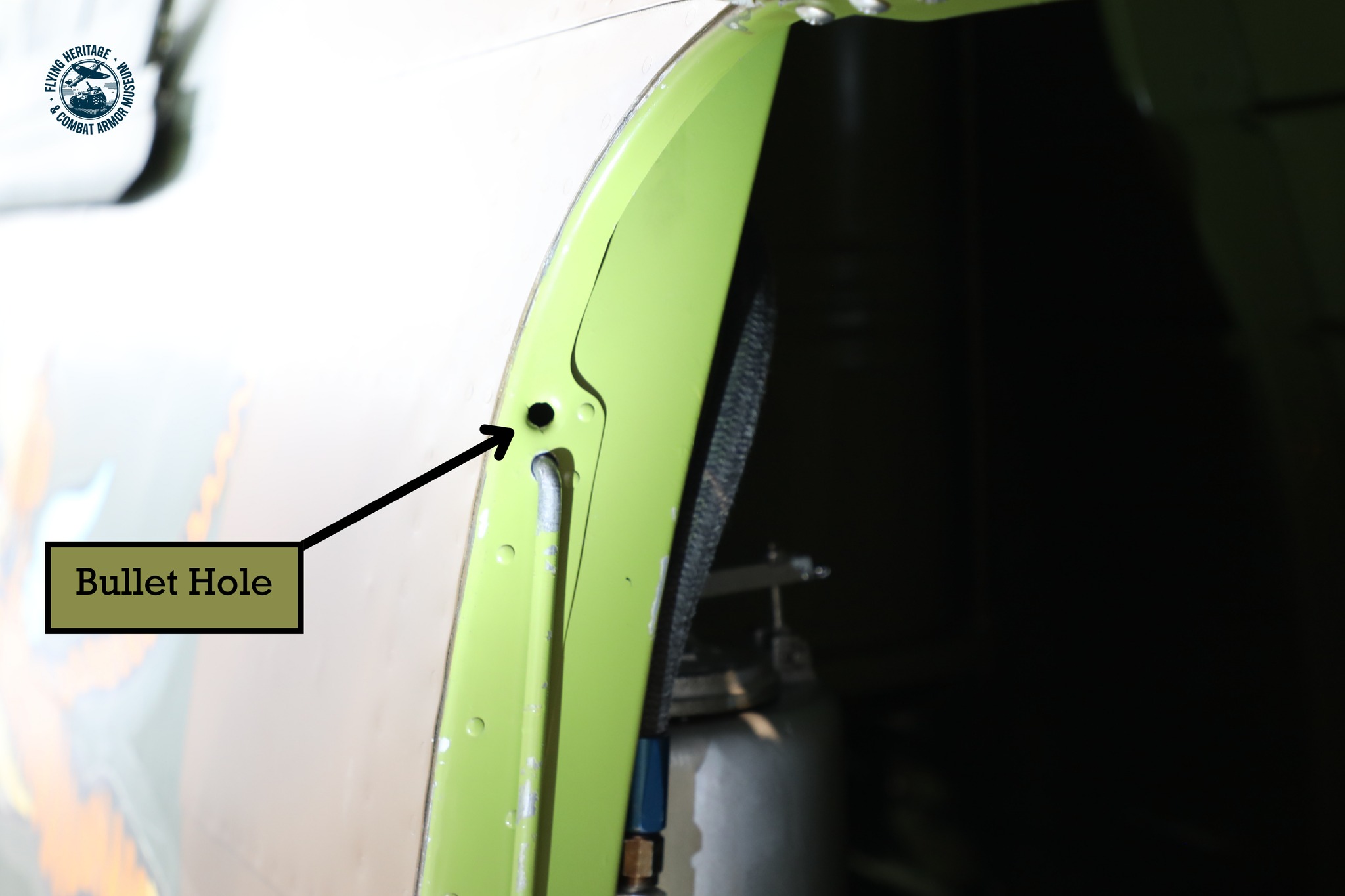
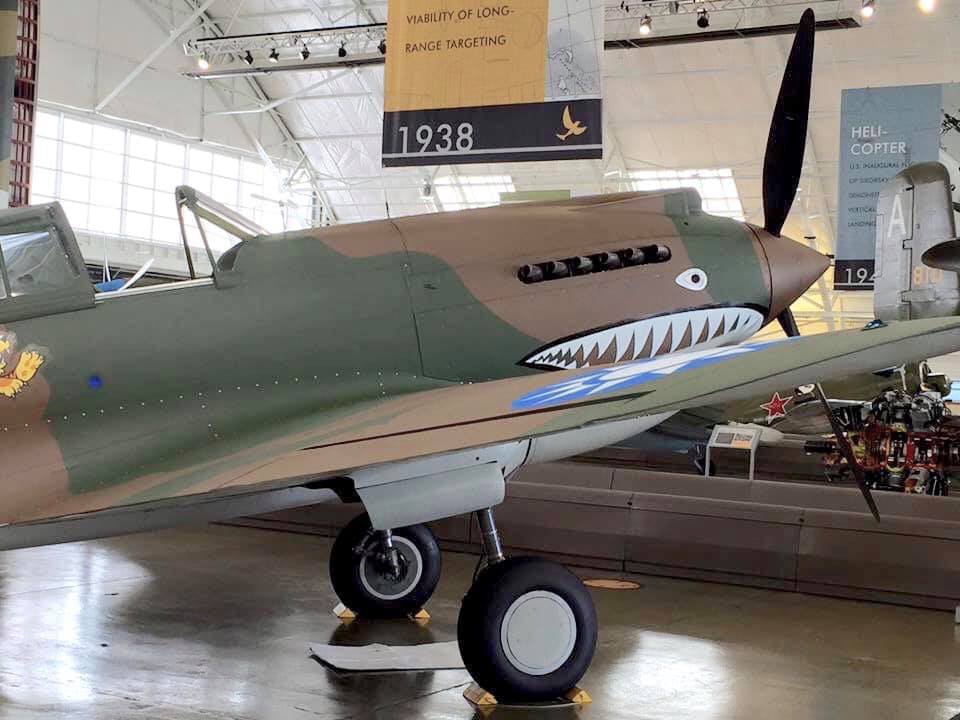
Curtiss P-40C Tomahawk Mk. IIB, N2689. This particular aircraft was built in the U.S. by the Curtiss-Wright Corporation in Buffalo, New York and purchased directly by the British Purchasing Commission and then given to the Soviet Union in 1941 under the Lend-Lease program (that program mandated that the equipment be returned, or at the very least, kept from falling into other hands). For nine months, the aircraft flew on the Karelian battle front with the 147th Fighter Regiment of the Fourteenth Army as #194. On September 27, 1942, while piloted by Maj. Ermakov, the oil tanker, was punctured by enemy fire, and it belly-landed near Murmansk, Russia, where it lay abandoned. It was found in the early 1990’s and had evidence of bullet damage, 22 holes in all, to the tail and wings (there is still evidence of fist-sized shell-hole repair below and to the right of the tail fin), and one small bullet hole has remained: through the forward former near the access door in the fuselage.
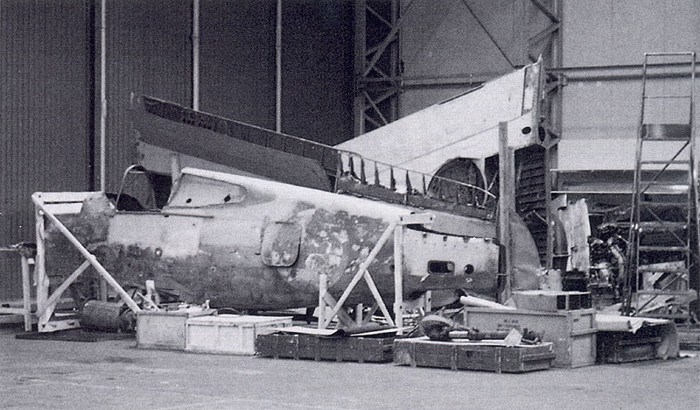
It went to the United Kingdom, where it was eventually purchased by Patina Ltd. and The Fighter Collection at Duxford, which in turn sent the aircraft to Steve Hinton and Fighter Rebuilders in Chino, California, for restoration in 1993. It was found to be in such good condition that a great majority of what makes up this restored aircraft is original. However, the lower cowling had to be remade, along with much of the bottom skin. Most of the data plates say P-40B, though it was brought up to C model standards on the assembly line. As an example, the fuel selector face is P-40B on the bottom (no belly tank position) and re-stamped with a drop tank position on the side up showing. Also, at some time during its combat life in Russia, the wings were exchanged with those of another aircraft.
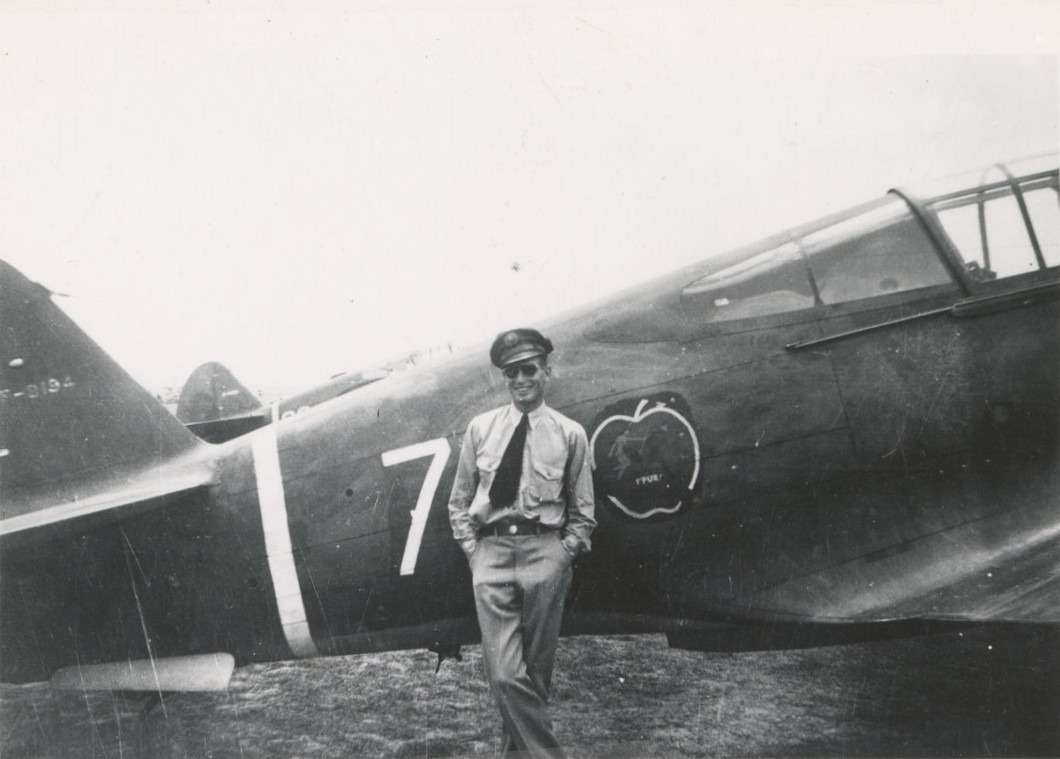
It is painted with American Volunteer Group (AVG) markings. As you may notice, the restoration paint job includes the historical accuracy in that the camouflage markings on the rudder and fairings do not all match up. During the assembly process before and during WWII, components for aircraft were either painted in manageable sections at the factory or arrived from different subcontractors and were assembled as received, including mismatched camouflage. The aircraft has the apple-shaped “1st Pursuit” (Eve following an AVG pilot).
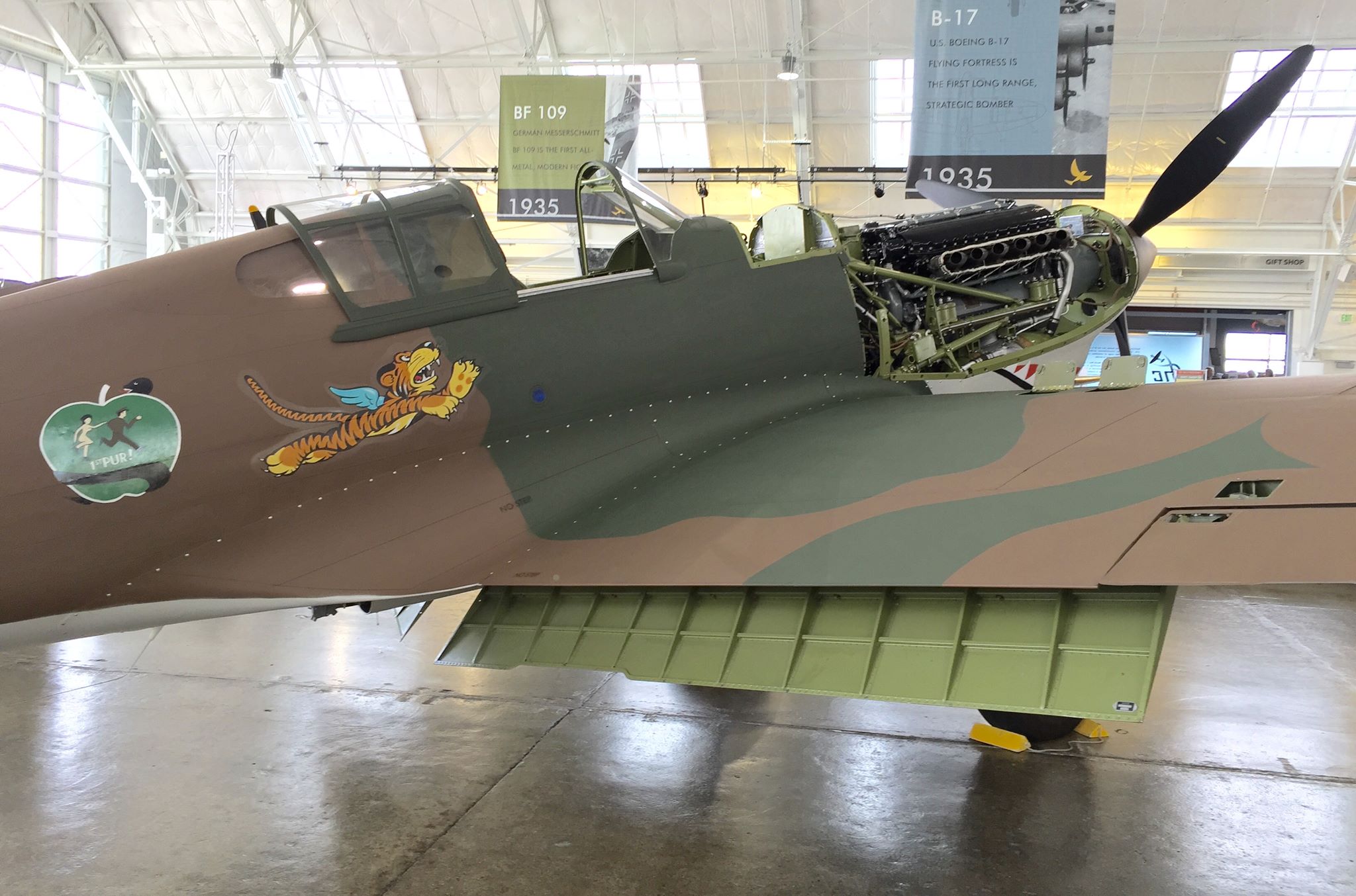
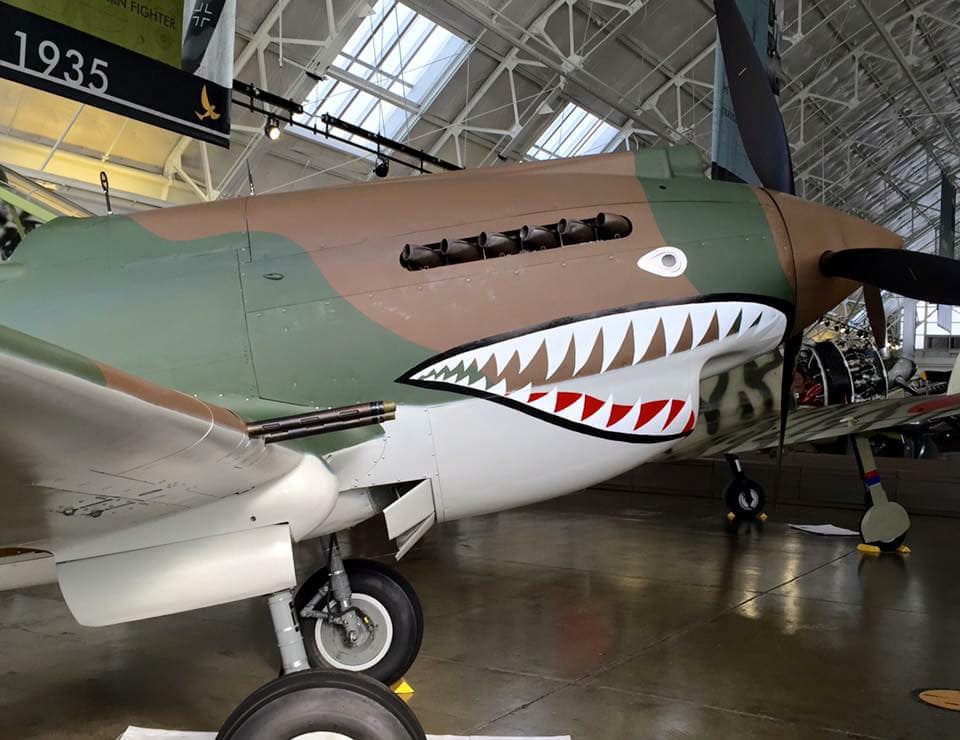
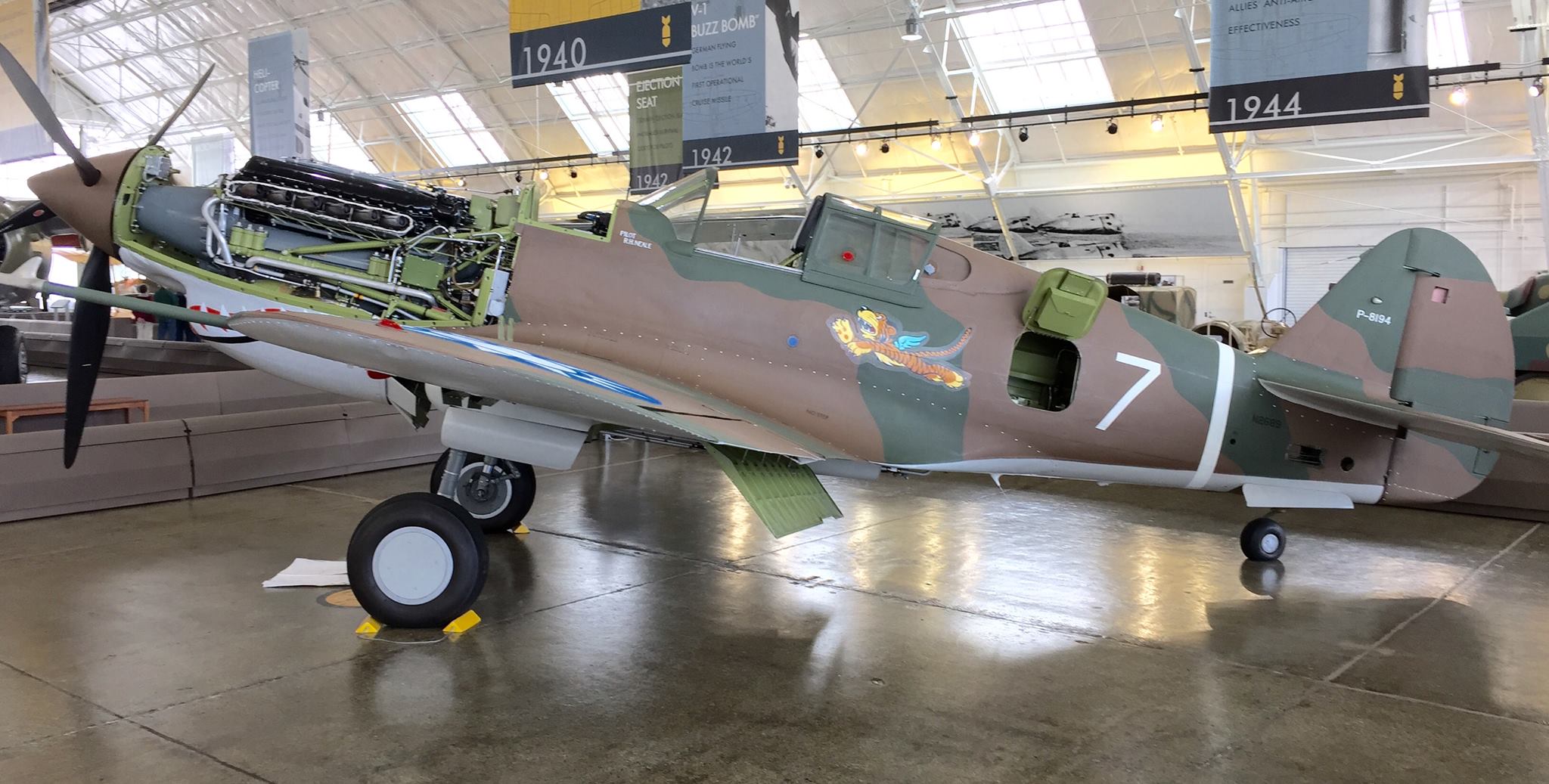
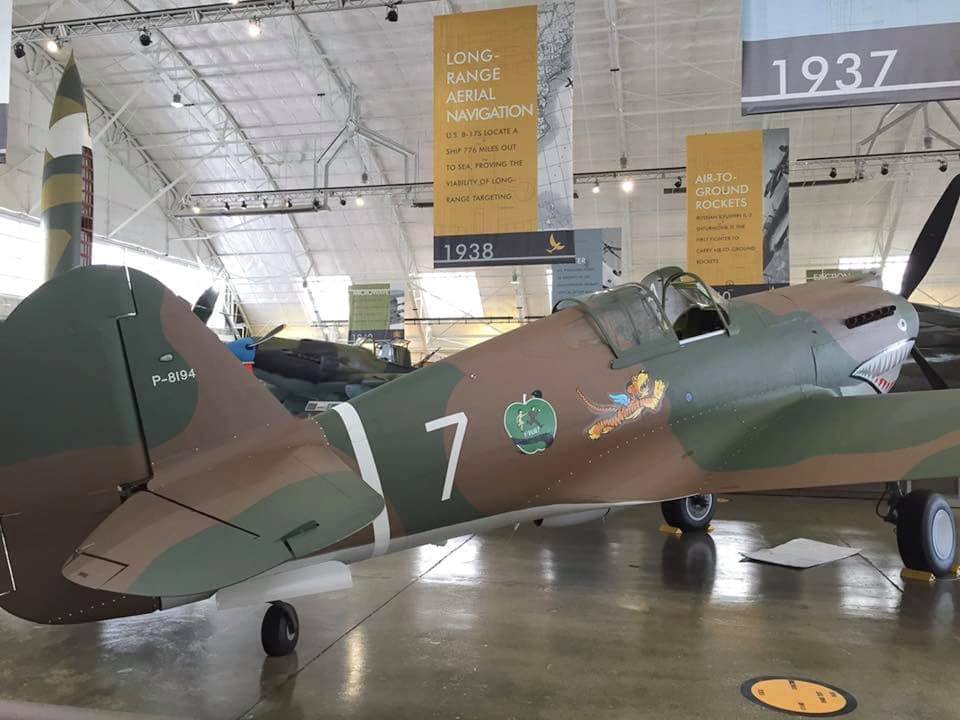
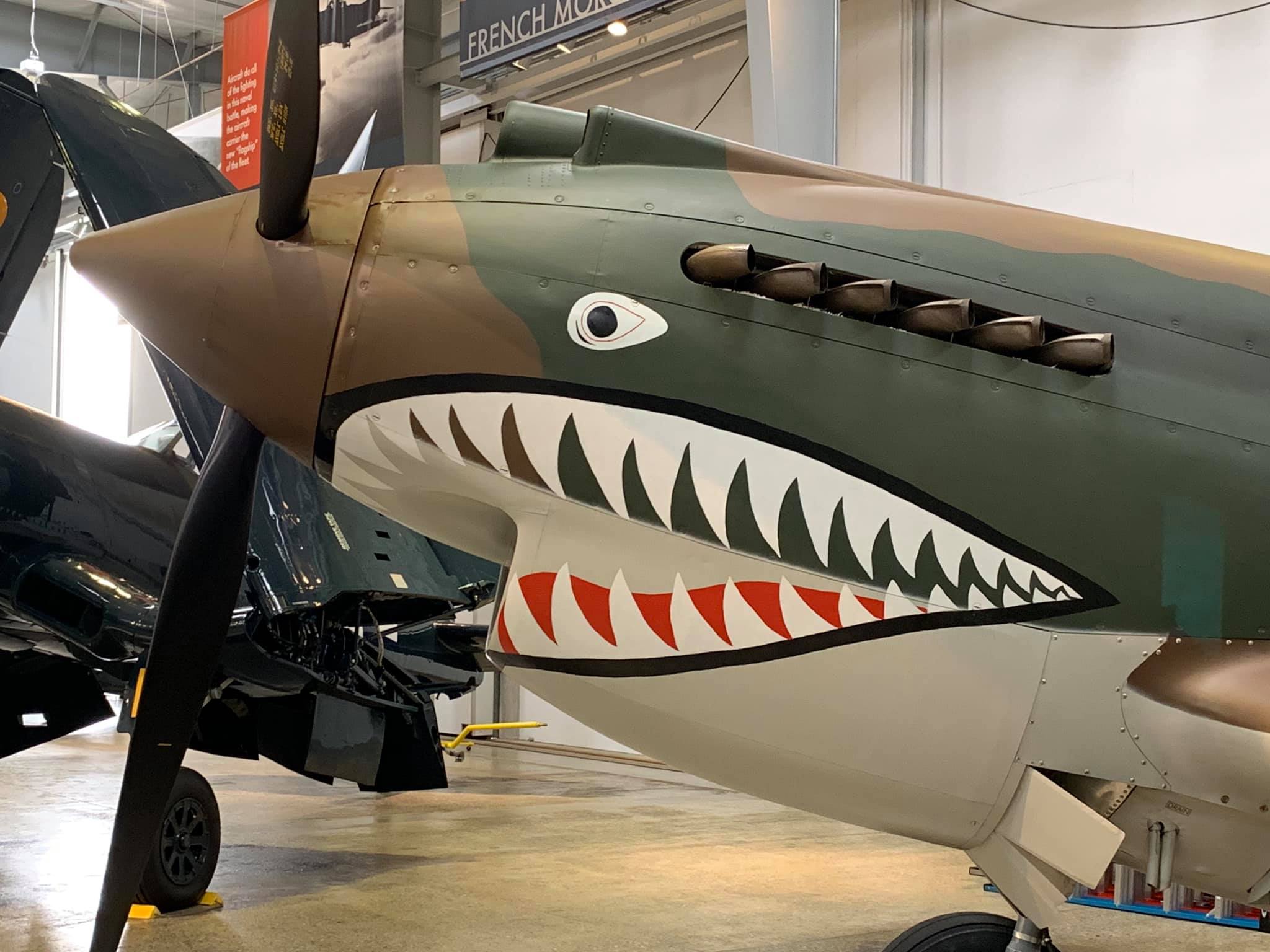
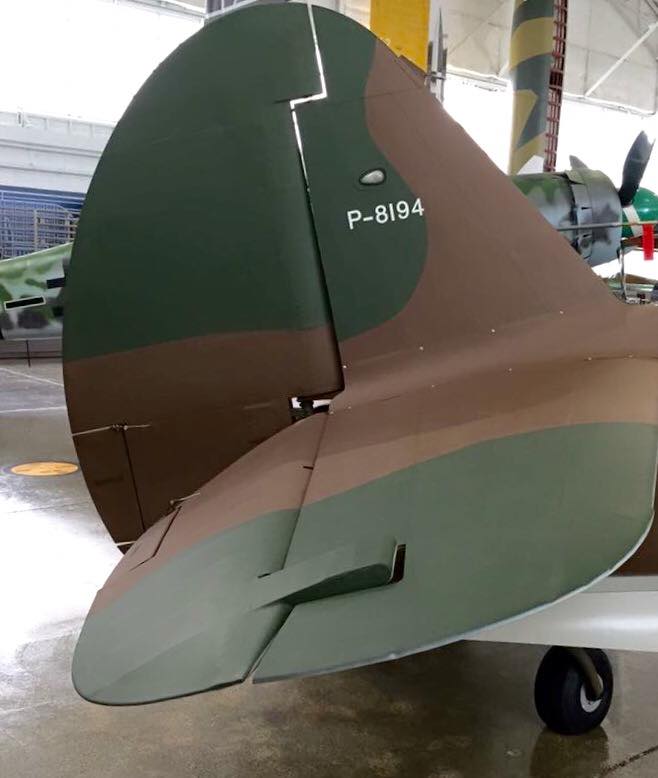
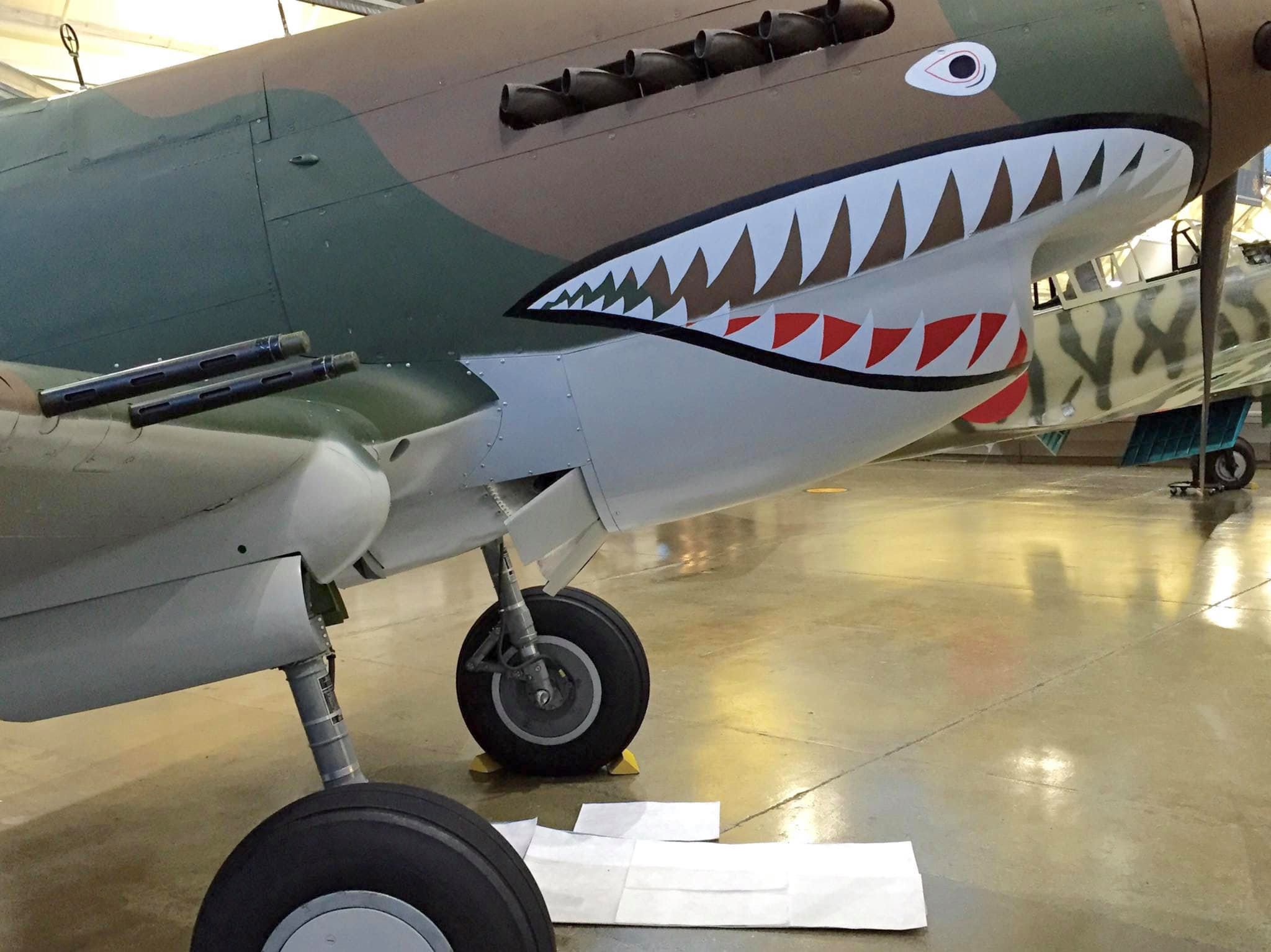
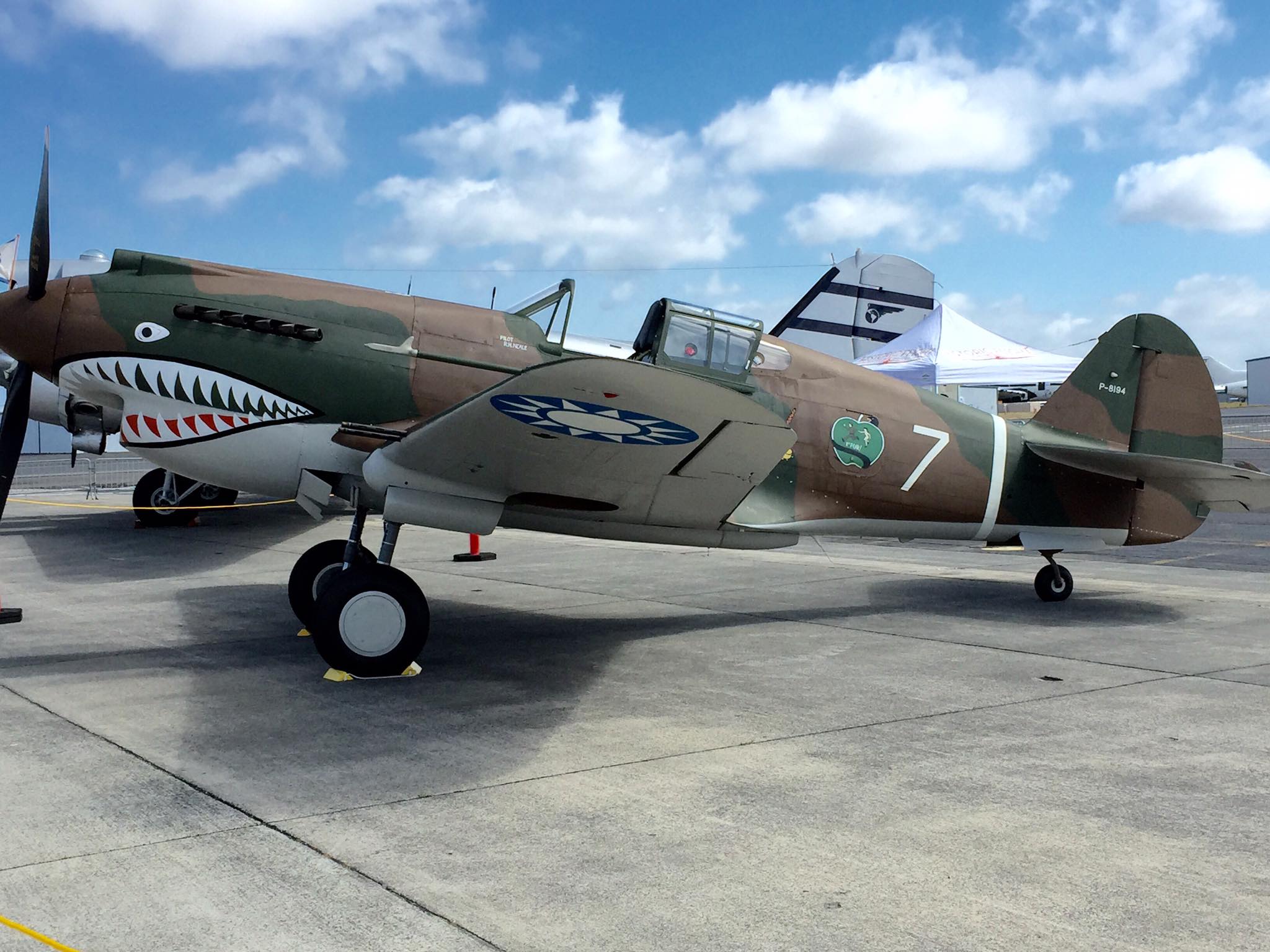
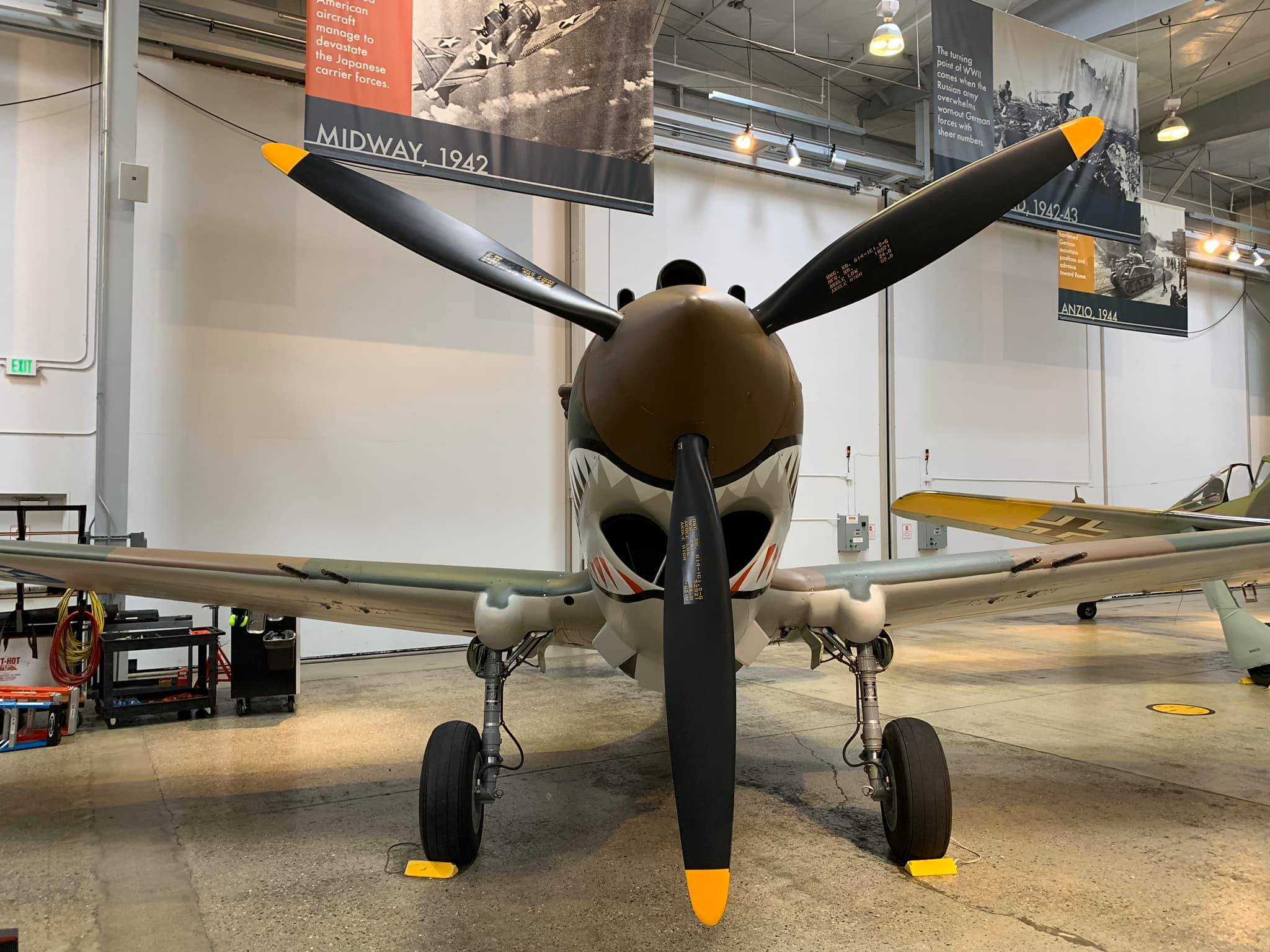
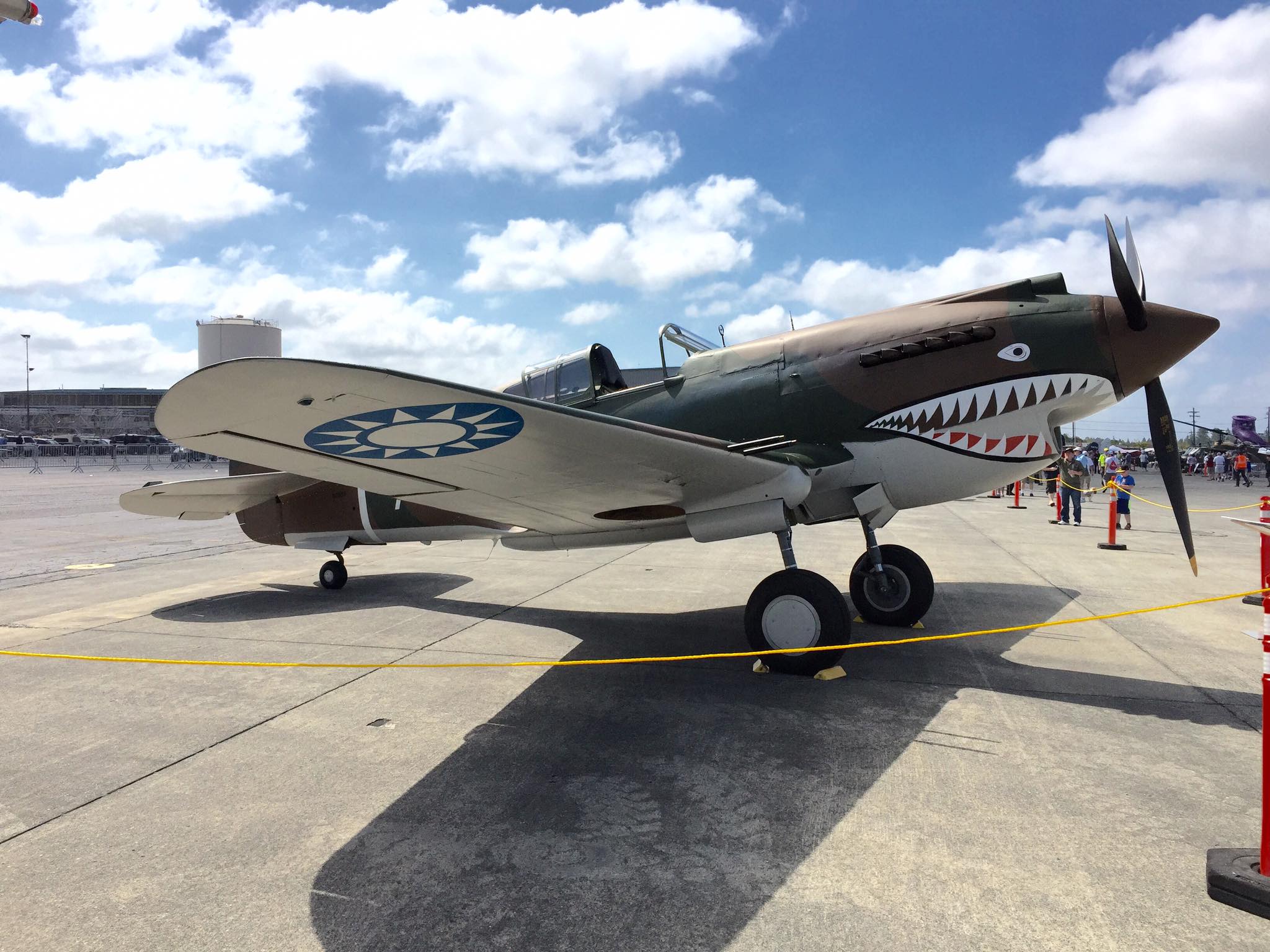
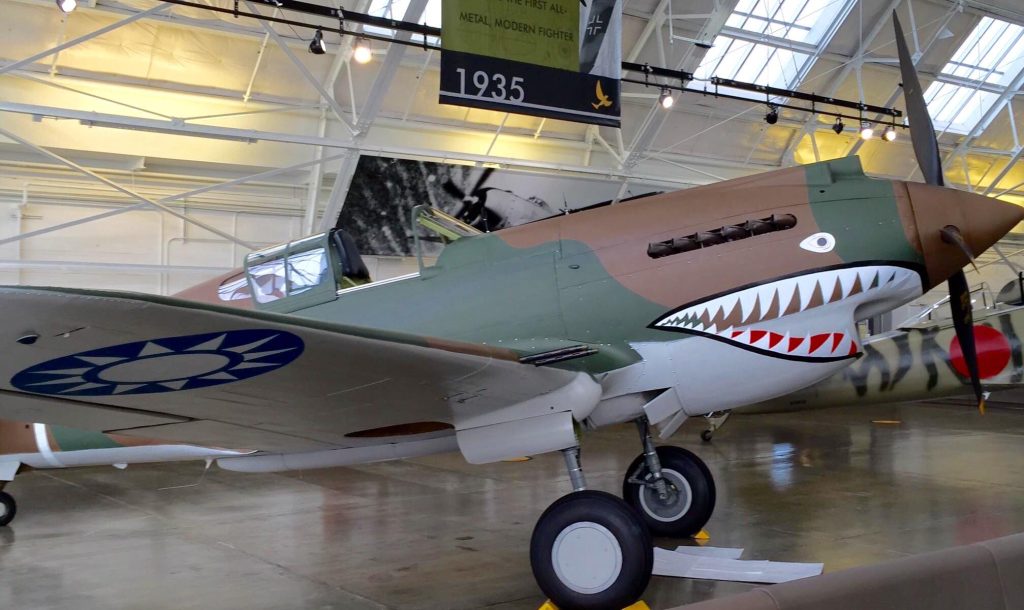
Steve Hinton first flew the restored aircraft in late 1998. In 1999, it was acquired by Paul Allen or one of his entities and was registered to Vulcan Warbirds Inc. (which he incorporated in 2004) and was based at Flying Heritage & Combat Armor Museum on Paine Field in Everett, Washington, until the collection shuttered its doors for good and was sold to the grandson of the Walmart founder. Powerplant: Allison V-1710-33. My photos and my YouTube flight links.
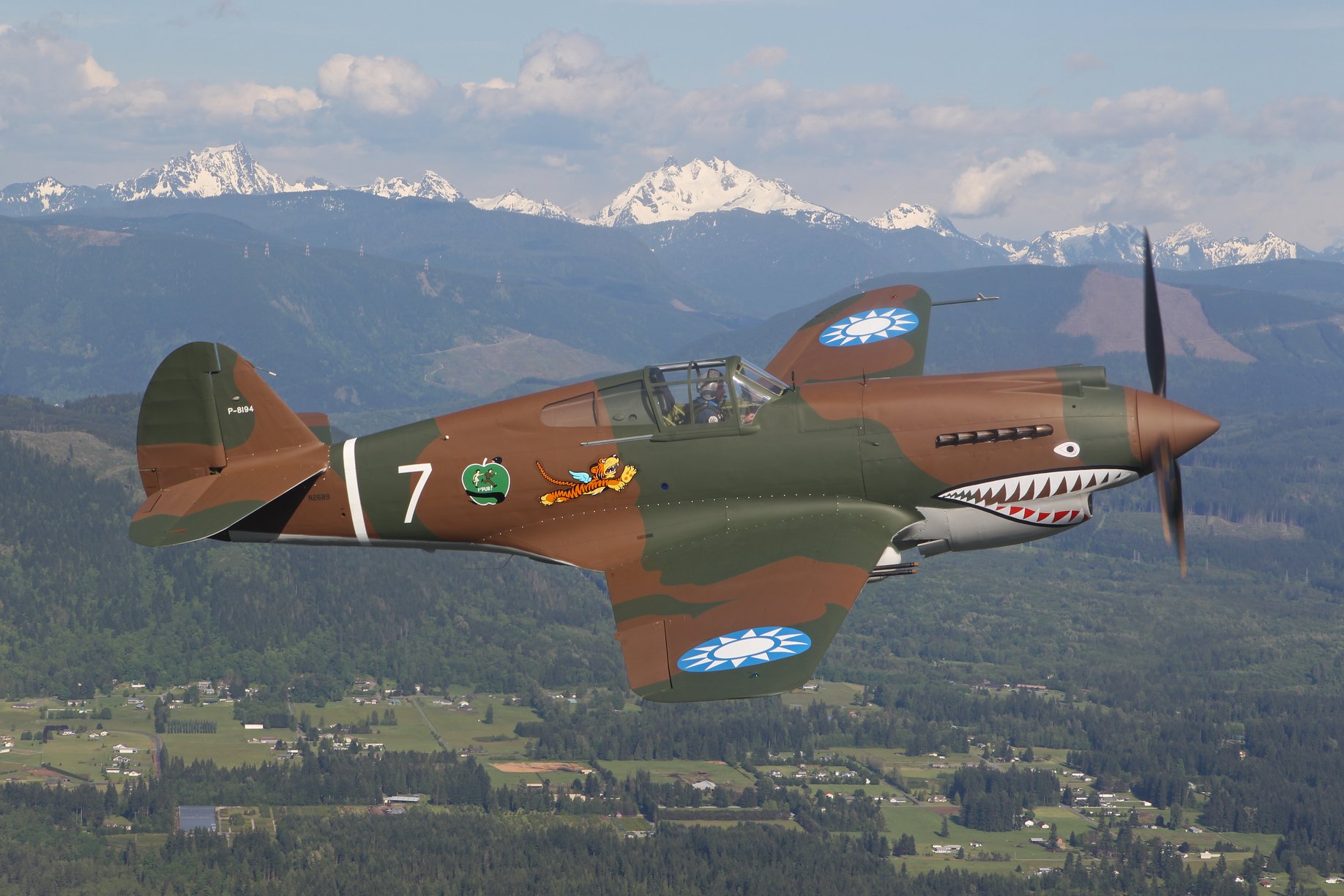
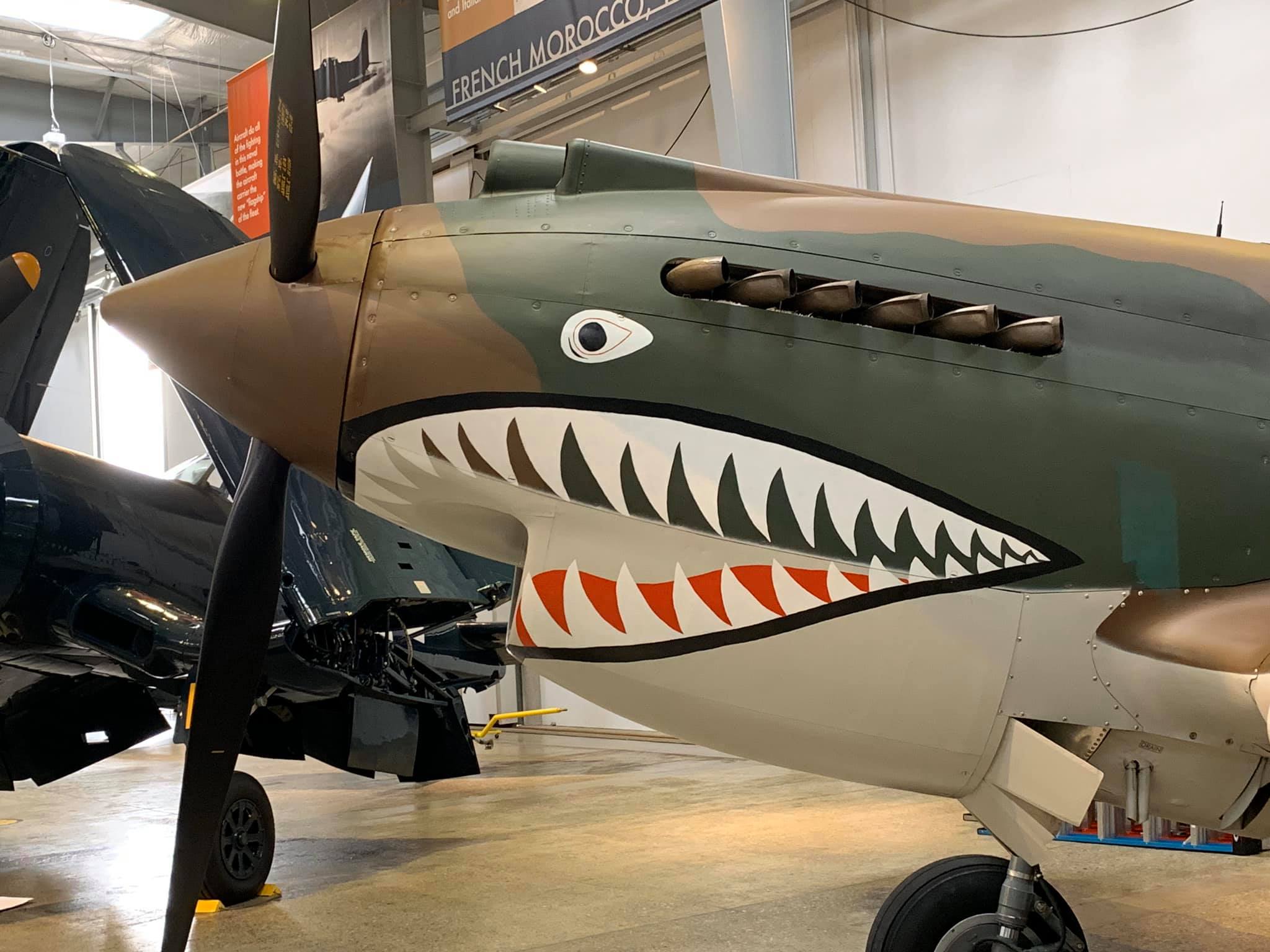
Briefly, the “Warhawk” was the name assigned to the P-40 as flown by the U.S. Army Air Corps. As far as I have determined, when the aircraft that were assigned to the American Volunteer Group (AVG) in 1941, the British agreed to exchange 100 of their “Tomahawk” IIBs that were on order for later model Kittyhawk Is. These were diverted to China, but U.S. law allowed only for cash-and-carry sales to belligerents. Central Aircraft Manufacturing Company (CAMCO) was formed to purchase these aircraft and “hire” the pilots and crew. This would make the aircraft P-40Cs, but AVG veterans assert that what they flew were P-40Bs – they were not equipped to carry 52-gallon drop tanks, nor bomb shackles, nor armor plating in front of the pilot, and the self-sealing fuel tanks had external, not internally mounted sealing material.
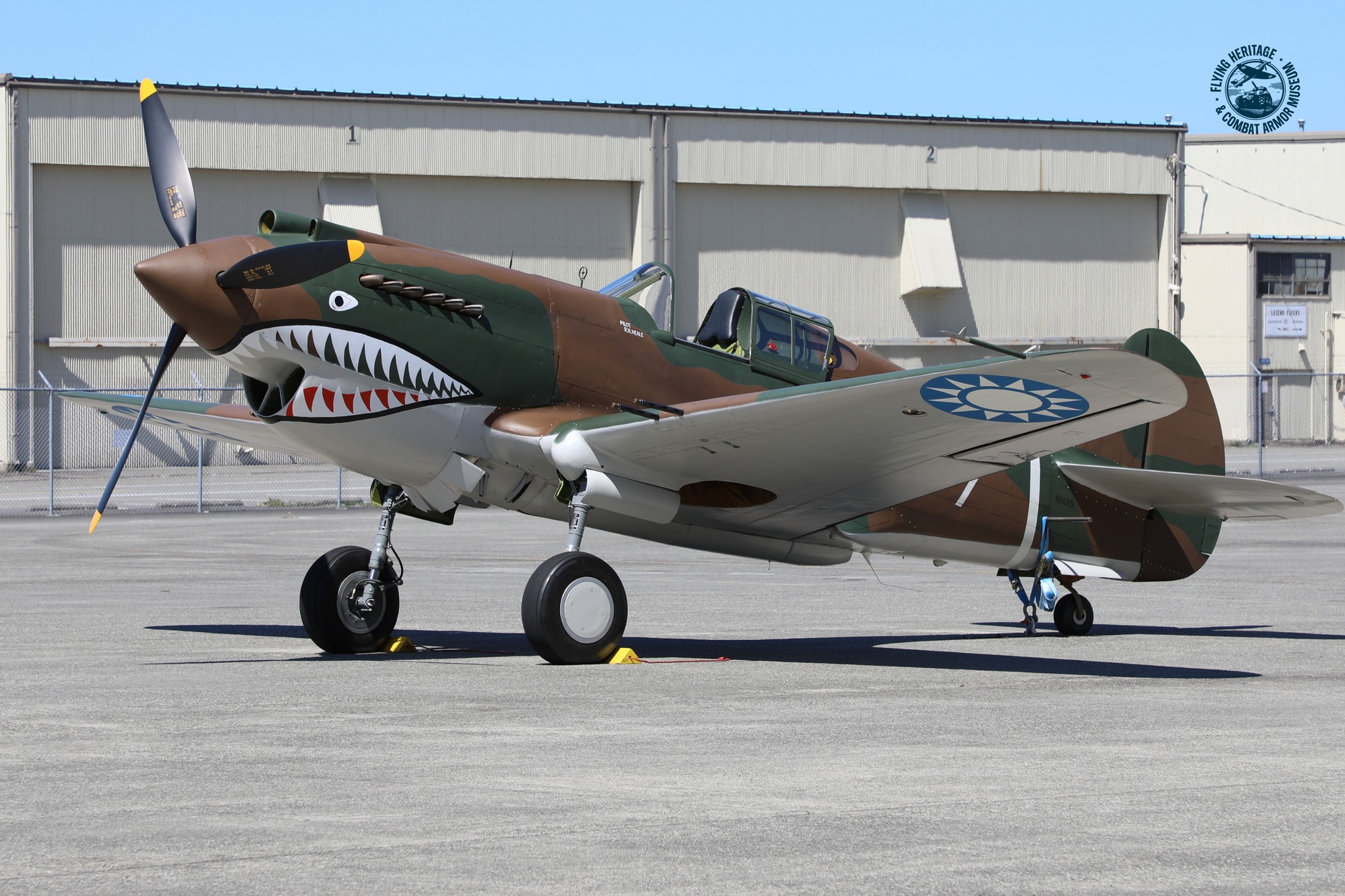
There is an angled plate of armored glass under the windscreen, and it has (what became abandoned) flare racks for M-78 parachute flares under the wings; the places for the racks under the wings have doors across them. The flares were used up to the C models. Specifications varied by model but included: an Allison V-1710-73 engine, three Browning .50 cal. machine guns in each wing, or two .50 cal. machine guns atop the cowling and a pair of .30 cal. in each wing. From what I have found, it is likely that the Curtiss plant substituted B models for British IIB’s and shipped them to China. Disney studio artists (paid by Walt Disney himself) Hank Porter, Roy Williams, Bill Justice, Van Kaufman, Ed Parks and George Goepper created more than 1,200 insignia for Allied aircraft, vehicles, vessels and bombs, including the “Flying V” in the P-40.
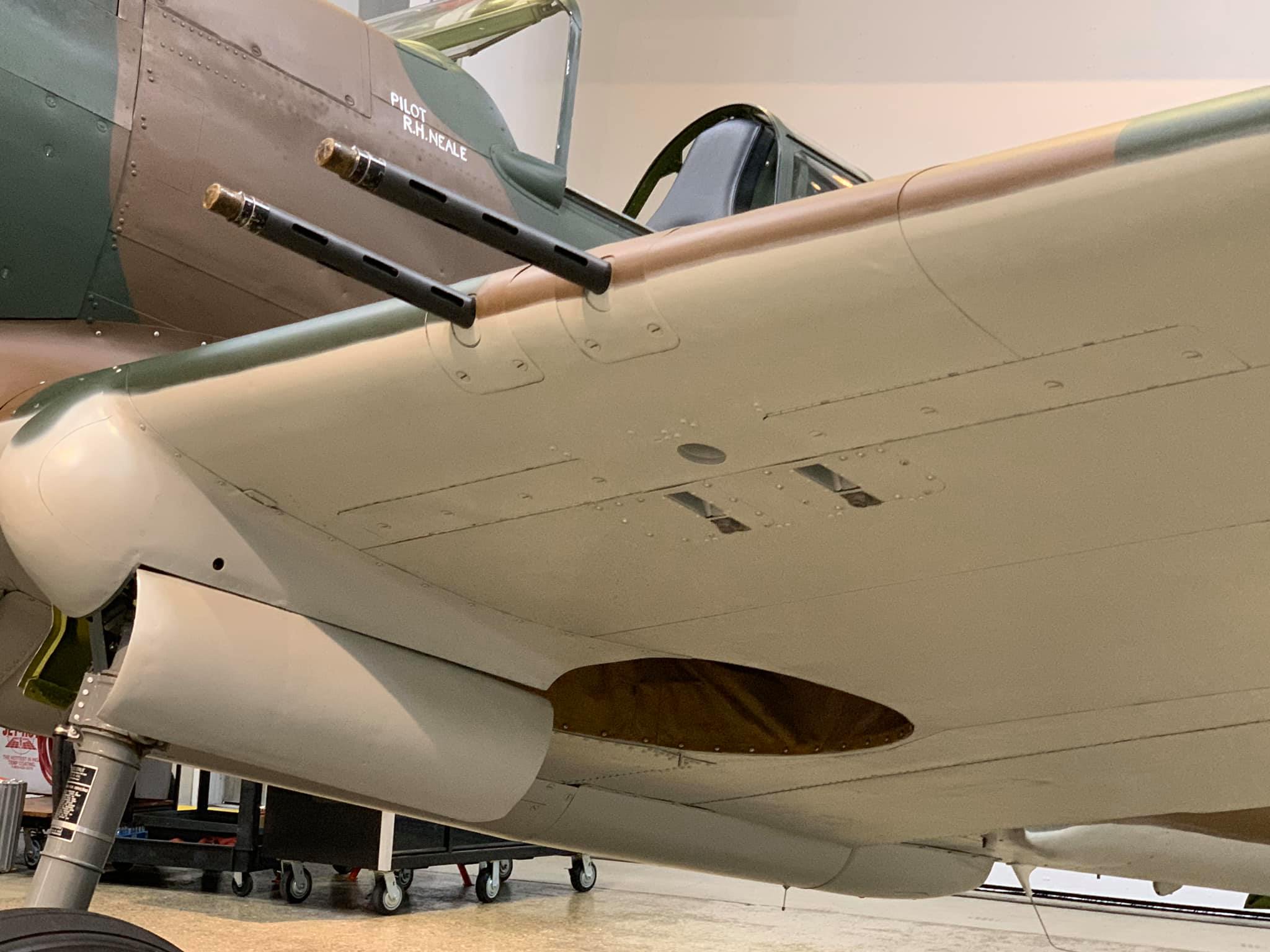
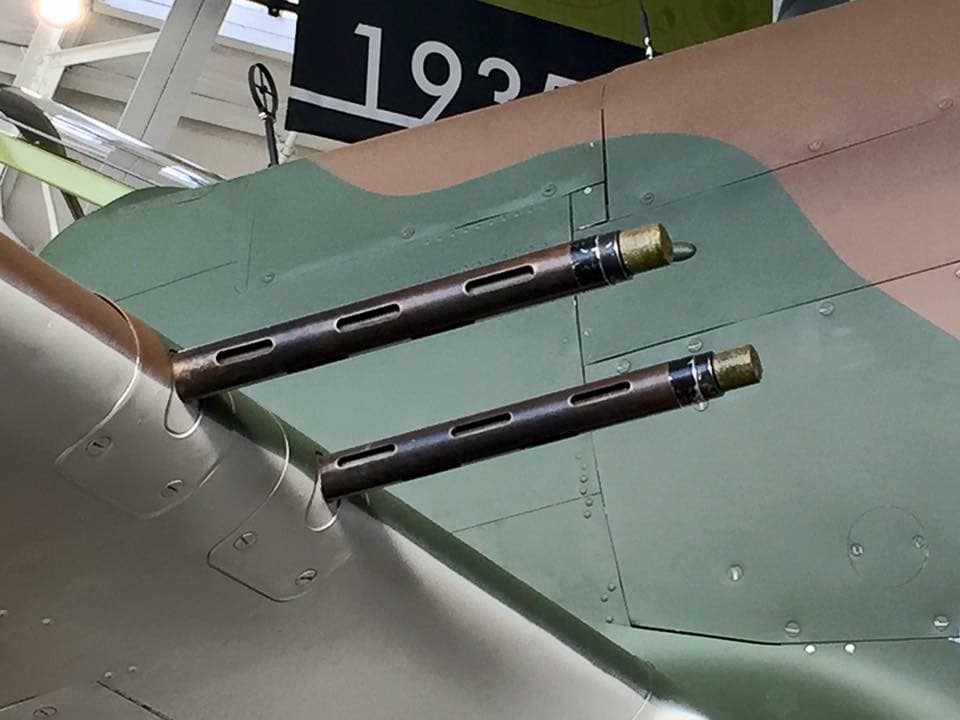
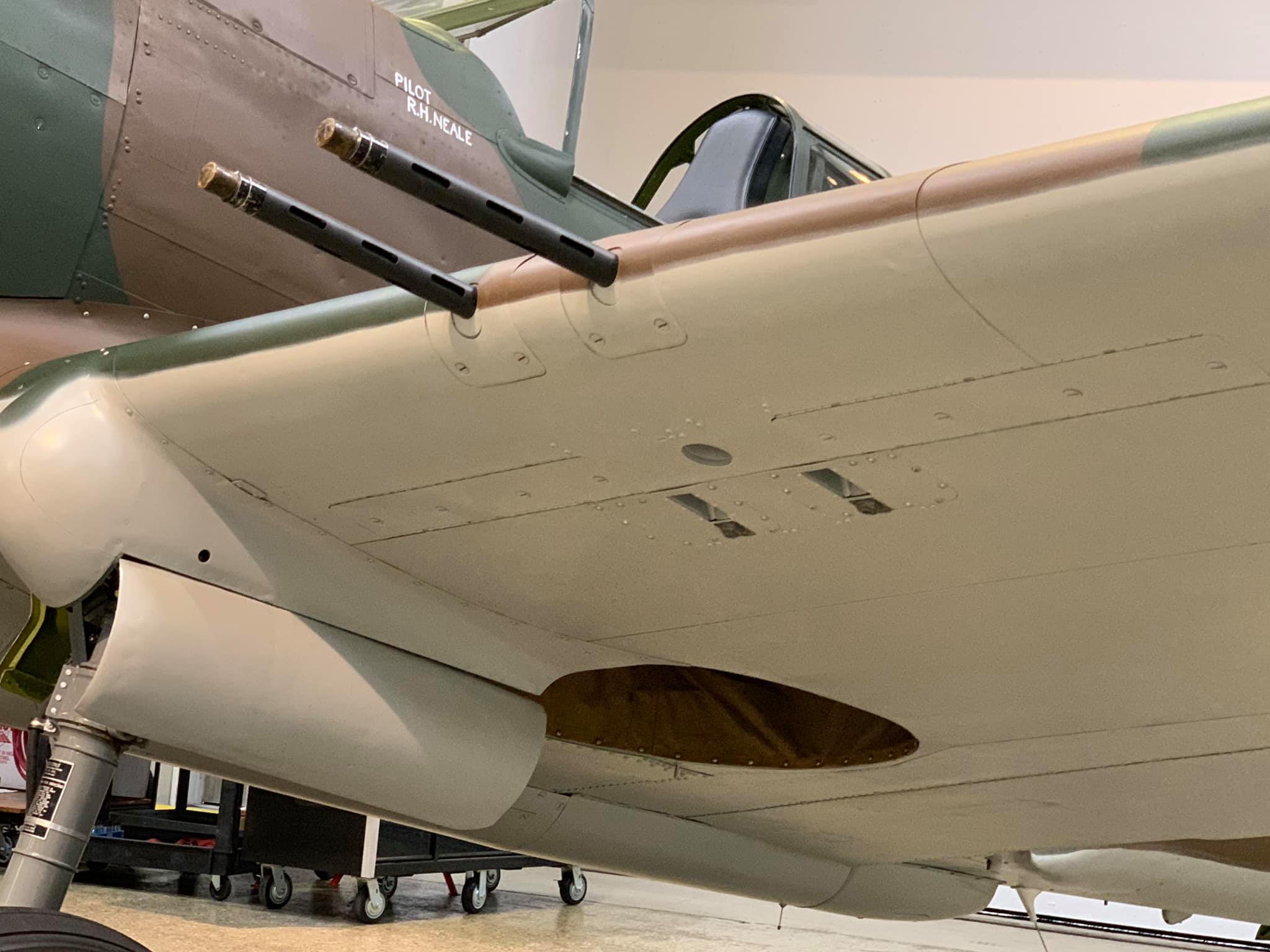
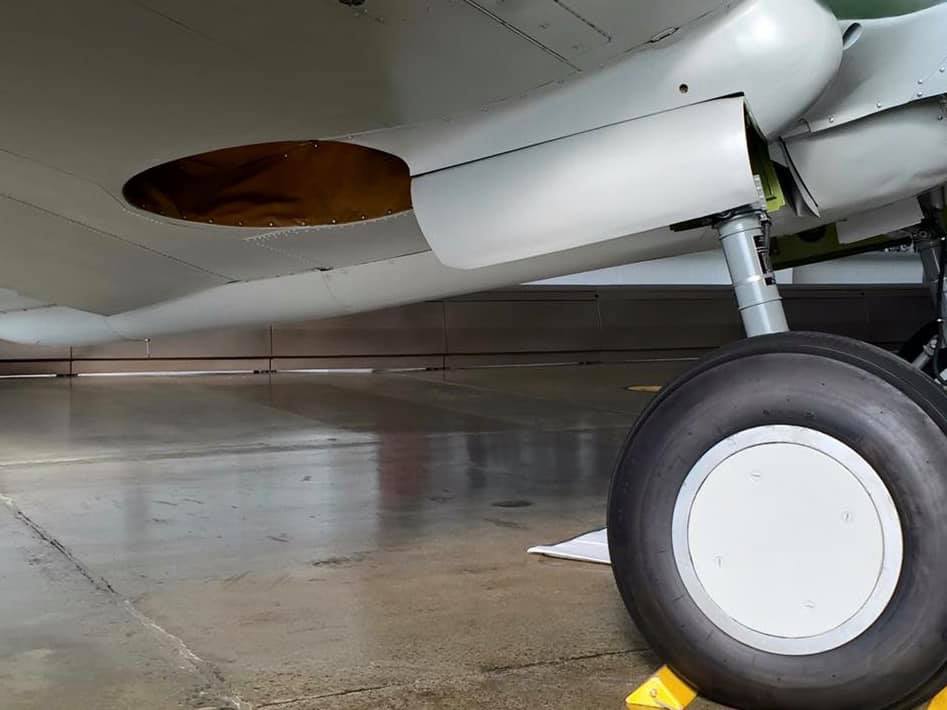
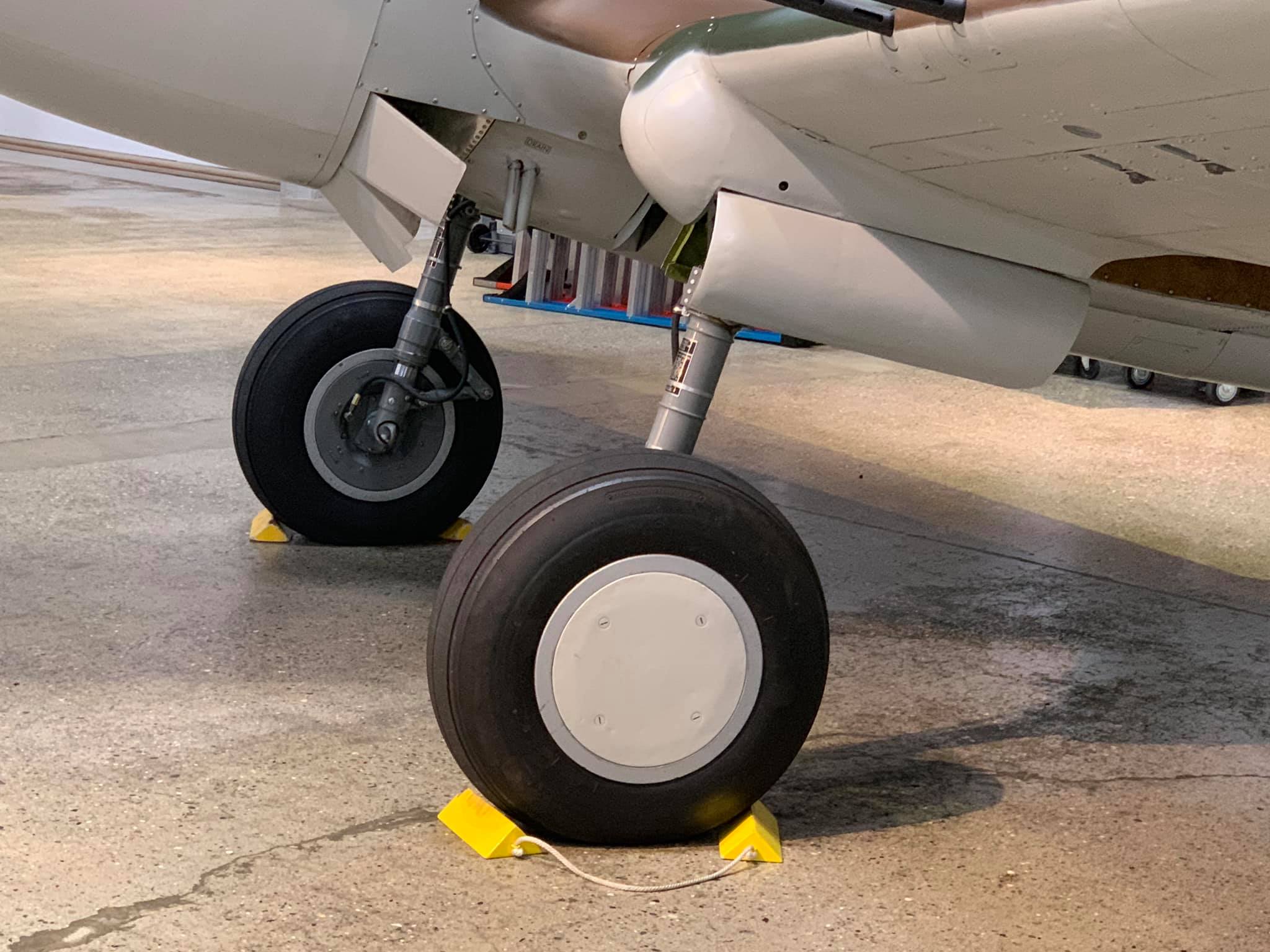
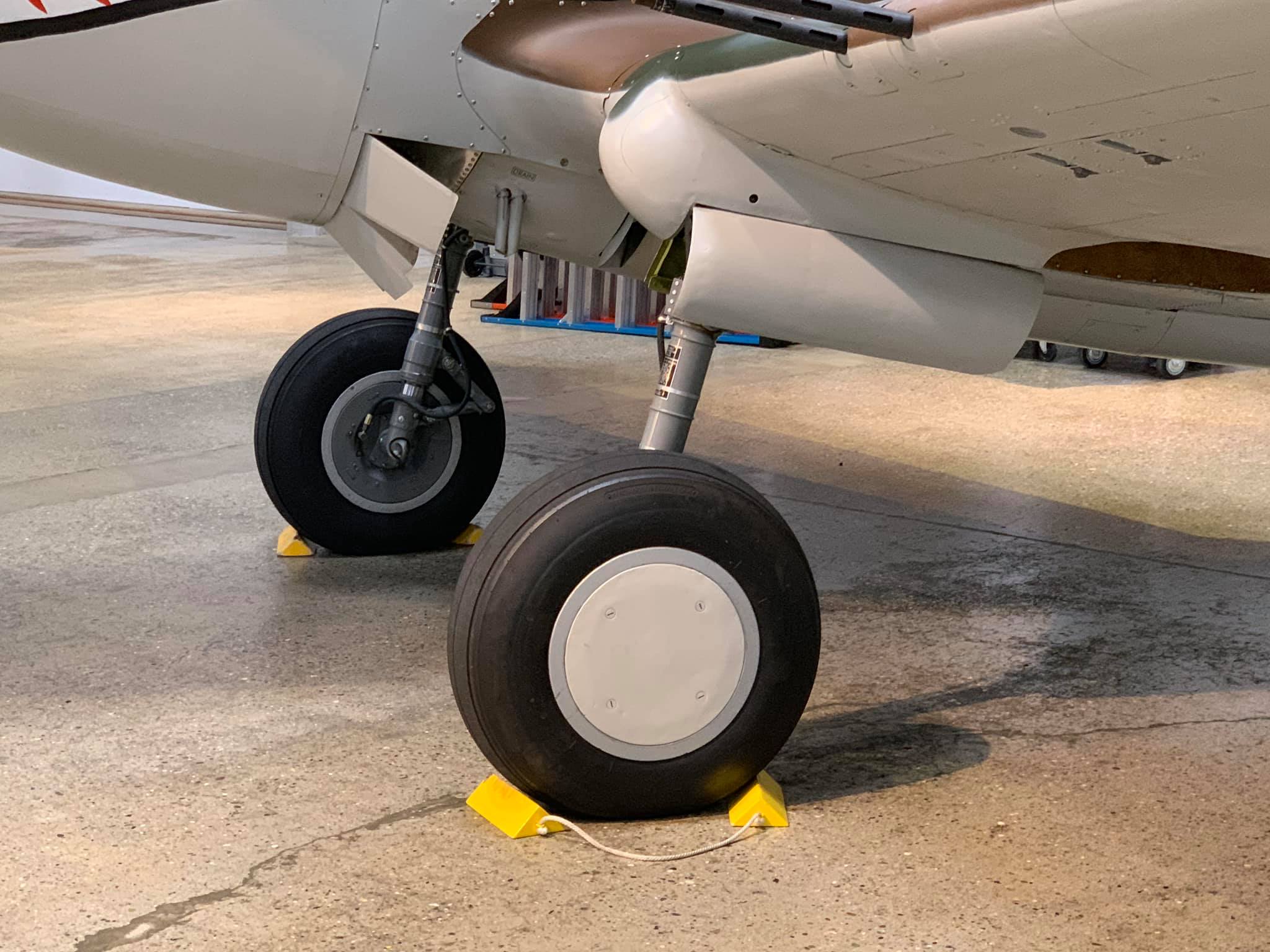
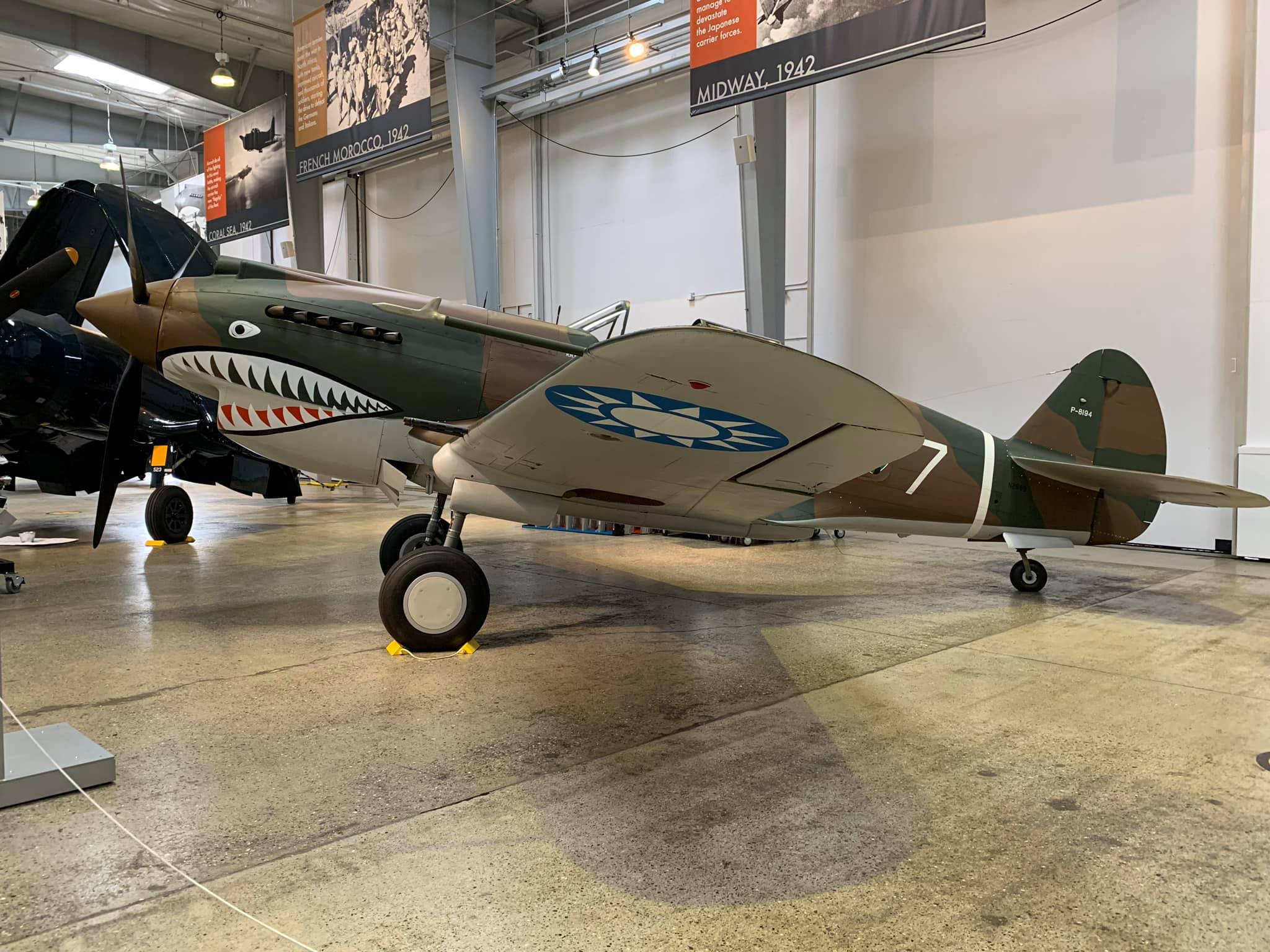
Editor’s notes: This P-40C was originally built at the Curtiss-Wright plant in Buffalo, New York, as construction number 16194, but despite being issued with the USAAC serial number 41-13390, it was not flown by any U.S. Army Air Corps units. Instead, the aircraft was purchased by the British government through the Lend-Lease program, identified as a Tomahawk Mk. IIB, and to be issued the RAF serial number AK935, but never flown by the RAF. Starting in September 1941, the British government began supplying the Soviet Air Force (Voenno-Vozdushnye Sily; VVS) with Curtiss Tomahawks and later with Curtiss Kittyhawks.
According to aviation historian Mark Sheppard, who helped recover the wrecks of numerous WWII aircraft from the former Soviet Union, the aircraft was shipped to Murmansk in early 1942 before being reassembled and flight-tested at Yagodnik Airfield near Arkhangelsk. Since the Soviets identified their P-40s by construction number, c/n 16194 became aircraft number 194 in the VVS. The aircraft was then assigned to the 147 IAP (147th Fighter Aviation Regiment), 14th Army. On February 5, 1942, Tomahawk Mk. IIB s/n 194 suffered an inflight engine failure and made a belly-landing at Murmashi airfield, just south of Murmansk. Pilot Senior Lt. N. V. Jurilin was unhurt, and the aircraft was repaired.
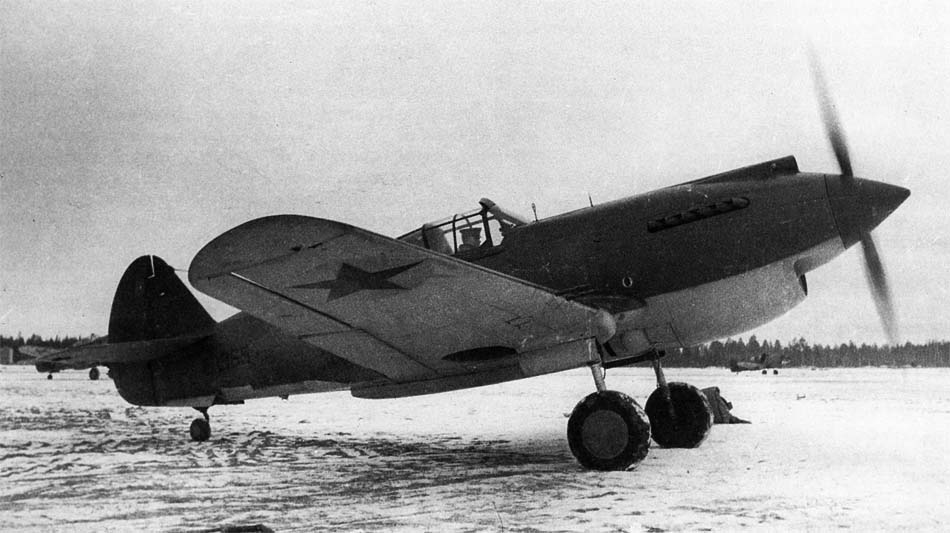
After this, Tomahawk 194 was reassigned to the 20 GIAP (20th Guards Fighter Aviation Regiment) on July 12, 1942. The 20th GIAP would be part of the 1SAD (Combined Air Division) on the Karelian Front during the defense of Murmansk. By this point, the aircraft’s fuselage had the number 53 painted on the sides aft of the cockpit. On September 27, 1942, the aircraft was one of nine P-40s of the 20th GIAP, along with five Hawker Hurricanes of 837 IAP and one Bell P-39 Airacobra of 19 GIAP that engaged in aerial combat with eighteen Bf-109s. During the engagement, the Soviets claimed three Bf 109s downed—though Luftwaffe records suggest damage to only one Bf 109F-4 of 7th Staffel, Jagdgeschwader 5 (7./JG5)—while the Soviets would lose two Hurricanes from 837 IAP and two P-40s from 20 GIAP. Of these, Major Ermakov of 20 GIAP was forced to make a belly landing in P-40C 194/53 near Murmashi, Murmansk Oblast. The aircraft did not appear on further records with the regiment but was not fully stricken from VVS documents until January 5, 1944.
Decades later, the wreck of P-40C c/n 16194 was rediscovered through satellite imagery in 1993. Inspection of the aircraft revealed little damage from the crash landing, save for the radiator chin cowl assembly, and that the gunsight and radio had been removed after the belly-landing, likely by the pilot or by Soviet ground crews. The aircraft was airlifted from the tundra by helicopter, dismantled, and then shipped to The Fighter Collection at Duxford Aerodrome, England. The aircraft was then shipped to Fighter Rebuilders at Chino Airport, California, where Steve Hinton and his team worked on restoring the aircraft to flying condition under the FAA registration N80FR.
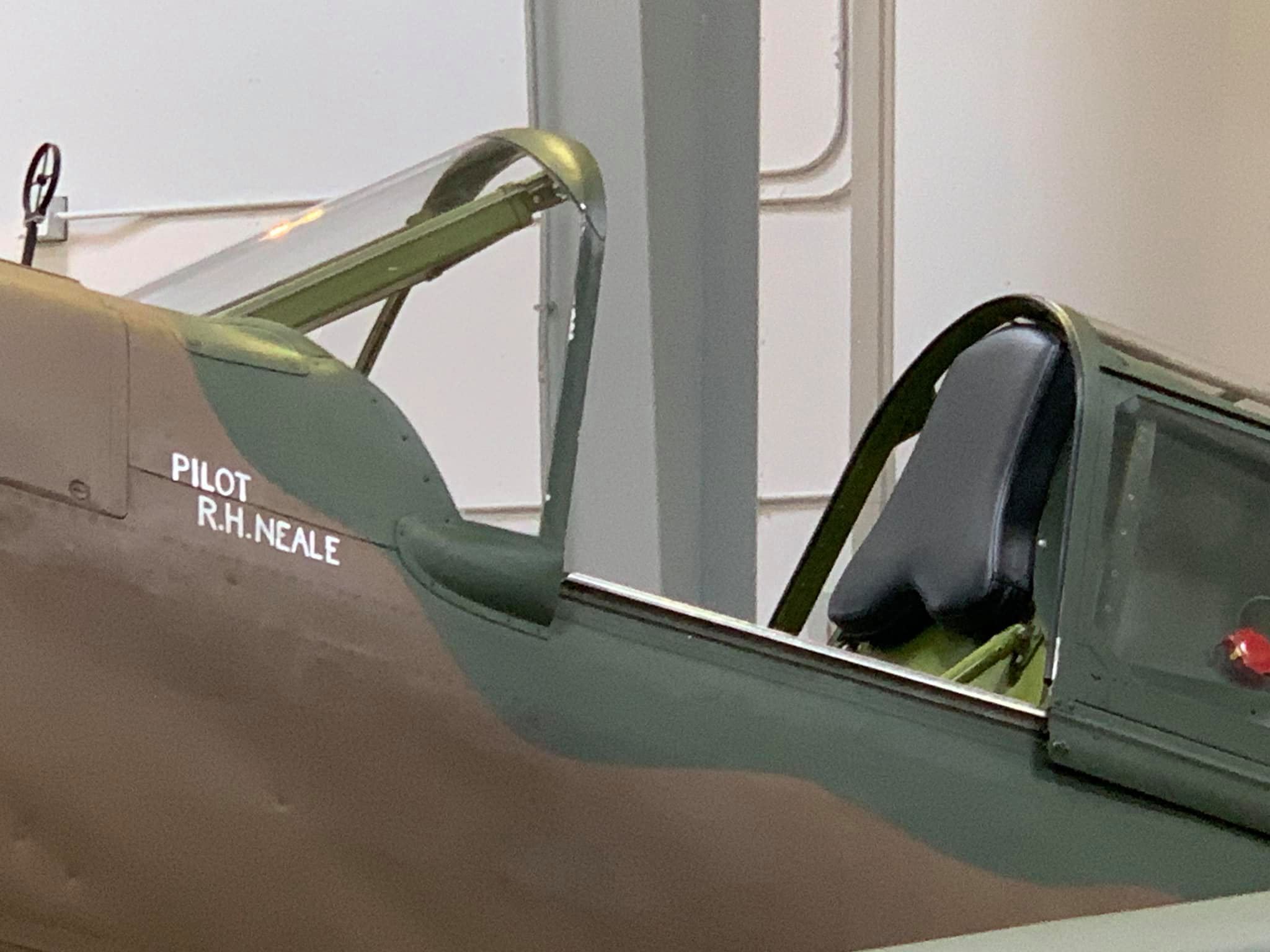
On September 3, 1998, the aircraft made its first post-restoration flight, with Steve Hinton at the controls. Though registered with the UK Civil Aviation Authority as G-TOMA, the Tomahawk was sold to Paul Allen, founder of the Flying Heritage Collection, in 1999, who had the aircraft registered as N2689, and originally painted as White 71 of the Third Squadron (Hells Angels), American Volunteer Group (AVG), better known as the Flying Tigers. Later on, it was repainted in the markings of P-40B s/n P-8194/White 7, the aircraft flown by Robert Neale, the leading ace of the Flying Tigers, with 13 aerial victories to his credit, and a member of the Flying Tigers’ First Squadron (Adam and Eves). Additionally, Neale was a local of the Pacific Northwest, having been born in Vancouver, British Columbia, but raised in Washington State. Today, P-40C Warhawk N2689 remains in airworthy condition at the Flying Heritage and Combat Armor Museum.
About the author
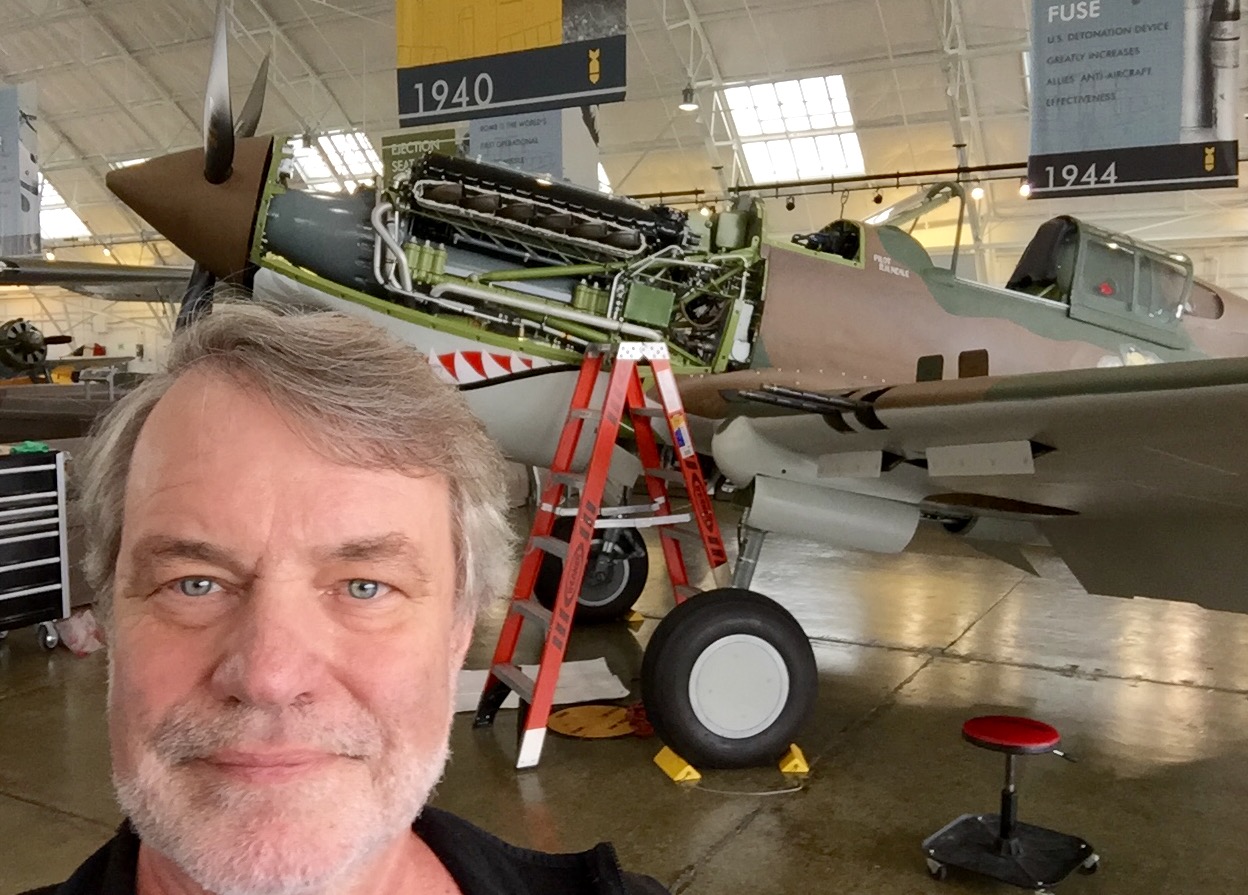
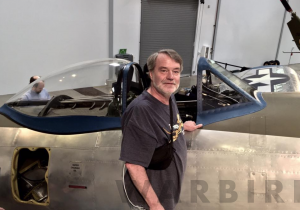
Randy Malmstrom grew up in a family steeped in aviation culture. His father, Bob, was still a cadet in training with the USAAF at the end of WWII but did serve in Germany during the U.S. occupation in the immediate post-war period, where he had the opportunity to fly in a wide variety of types that flew in WWII. After returning to the States, Bob became a multi-engine aircraft sales manager and, as such, flew a wide variety of aircraft; Randy frequently accompanied him on these flights. Furthermore, Randy’s cousin, Einar Axel Malmstrom, flew P-47 Thunderbolts with the 356th FG from RAF Martlesham Heath. He was commanding this unit at the time he was shot down over France on April 24th, 1944, and spent the rest of the war as a prisoner of war. Following his repatriation at war’s end, Einar continued his military service, attaining the rank of Colonel. He was serving as Deputy Wing Commander of the 407th Strategic Fighter Wing at Great Falls AFB, MT, at the time of his death in a T-33 training accident on August 21, 1954. The base was renamed in his honor in October 1955 and continues to serve in the present USAF as home to the 341st Missile Wing. Randy’s innate interest in history in general, and aviation history in particular, plus his educational background and passion for WWII warbirds, led him down his current path of capturing detailed aircraft walk-around photos and in-depth airframe histories, recording a precise description of a particular aircraft in all aspects.
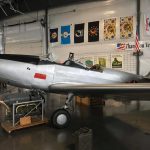
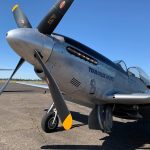
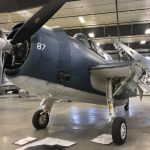

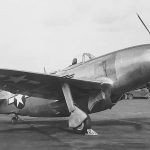






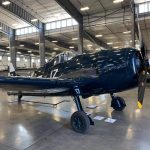



The Curtiss P40, a Great Aircraft; and of those models produced, to my mind, the best looking is the P40 B’s & C’s.
And, in the right hands, a match for any enemy aircraft.