





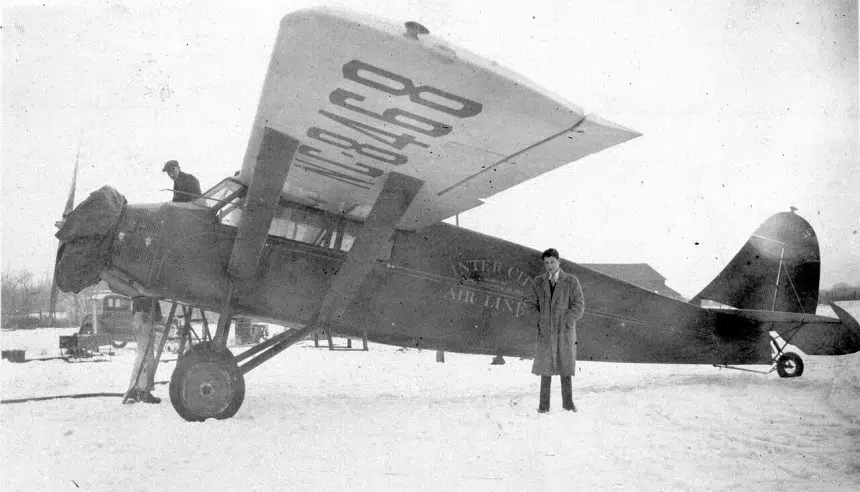


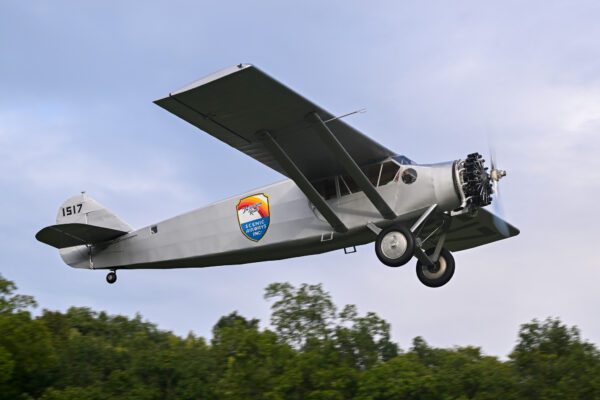
On this day in aviation history, 98 years ago (September 19, 1928), a Stinson SM-1DX Detroiter made the first flight of a heavier-than-air aircraft powered by a diesel engine. Piloted by L. M. Woolson and Packard chief test pilot Walter E. Lees, the modified Stinson demonstrated the potential of compression-ignition power for aviation. The SM-1DX was a specially modified version of the Stinson SM-1 Detroiter, a six-seat high-wing cabin monoplane originally developed in 1927. Instead of the Detroiter’s conventional gasoline-fueled radial engine, the SM-1DX was fitted with the experimental Packard DR-980, an air-cooled nine-cylinder radial diesel developed under the direction of Woolson with assistance from German engineer Hermann I. A. Dorner.

The historic flight took place at the Packard proving grounds in Utica, Michigan. Although diesel aircraft engines never displaced gasoline engines in widespread aviation use, Packard continued developing the DR-980 and achieved several notable accomplishments. In 1931, a production version installed in a Bellanca established an unrefueled endurance record of 84 hours and 33 minutes. The SM-1DX’s Packard DR-980 produced 225 horsepower at 1,950 rpm. For comparison, the closely related SM-1F Detroiter measured 32 feet 8 inches in length with a wingspan of 46 feet 8 inches. The SM-1F could reach 132 mph, cruise at 113 mph, had a range of 680 miles, and a service ceiling of 16,000 feet. The SM-1DX itself was a one-off conversion, making its significance less about production success than its pioneering demonstration of diesel power in flight.












First I’d heard of diesels aloft. On a long distance flight the weight of fuel saved would easily exceed the extra weight of the diesel. Shame that diesels were not pursued further. Diesels in 1928 were noisy and shook badly, not good news for passengers. In the event of a crash there is much lesser chance of a fire. The fuel tank would need be kept warm to save the fuel from solidifying at high altitude and barometric compensation to the injectors needs to be provided but I suppose this had already been thought of.