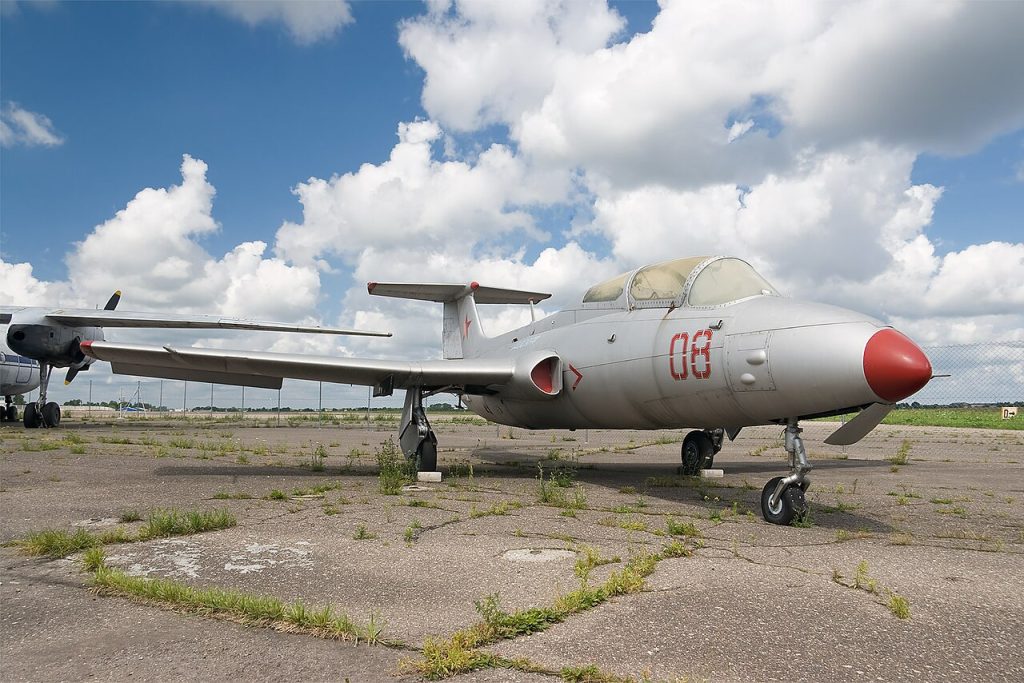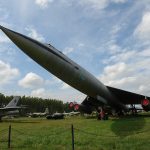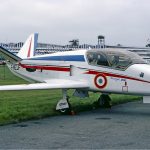
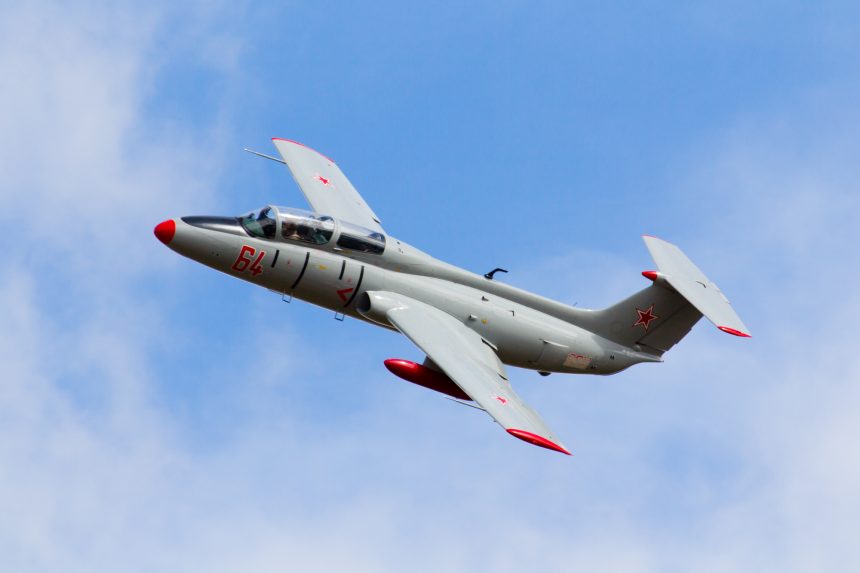

On this day in aviation history, 67 years ago (April 5, 1959), the Aero L-29 Delfin flew for the first time. Czech for “Dolphin”, the Delfin is a military jet trainer developed by Czechoslovak aviation manufacturer Aero Vodochody. The L-29 is known by NATO as the Maya, and it was the first Czech jet aircraft to be designed and built natively. Aero began developing the L-29 in response to a growing need for jet trainers in the Eastern Bloc. The prototype XL-29 first flew on 4/5/59, and after proving itself in flight testing, the L-29 was chosen as the standard trainer for the air forces of Warsaw Pact nations. Deliveries of the Delfin began in the 1960s.
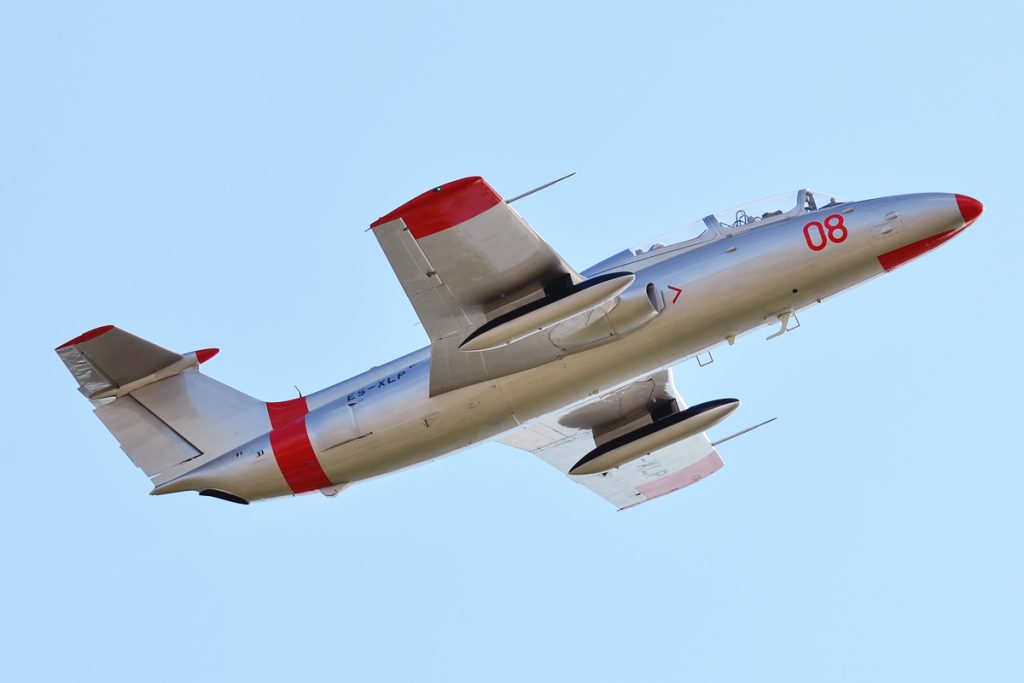
Between 1963 and 1974, 3,665 L-29s were manufactured, over 2,000 of which were delivered to the Soviet Union. This block of Delfins served as standard trainers for the Soviet Air Force. Both armed and unarmed variants of the L-29 were built and subsequently delivered to countries of the Council for Mutual Economic Assistance (COMECON), such as East Germany, Bulgaria, Hungary, and Romania. L-29s were also exported to Egypt, Syria, Indonesia, Nigeria, and Uganda, among others. In addition to serving as a training platform, the L-29 has been used in combat. The Nigerian Air Force flew the Delfin during the Nigerian Civil War of the late 1960s. In 1973, the Egyptian Air Force used L-29s against Israeli tanks during the Yom Kippur War.
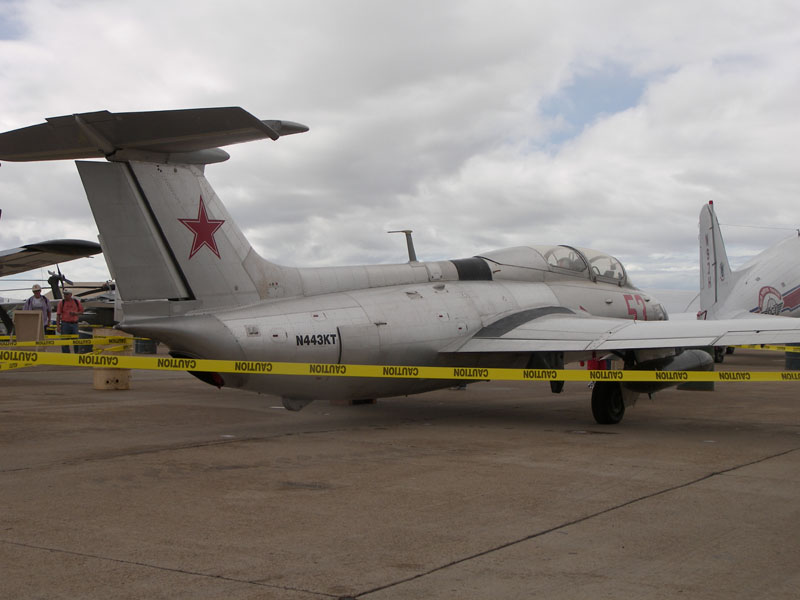
The Aero Vodochody L-29 is powered by a Motorlet M-701c 500 turbojet engine, which produces 1,960 pounds of thrust. L-29s can attain a maximum airspeed of 407 mph, and a service ceiling of 36,000 feet, with a 2,755 feet per minute rate of climb. Aero designed the Delfin to have a range of 482 nautical miles, with external fuel tanks. This range equates to a flight duration of 2.5 hours. The L-29 had two under-wing hardpoints that could be armed with two 7.62mm machine gun pods, eight air-to-ground rockets, or two 220lb bombs.
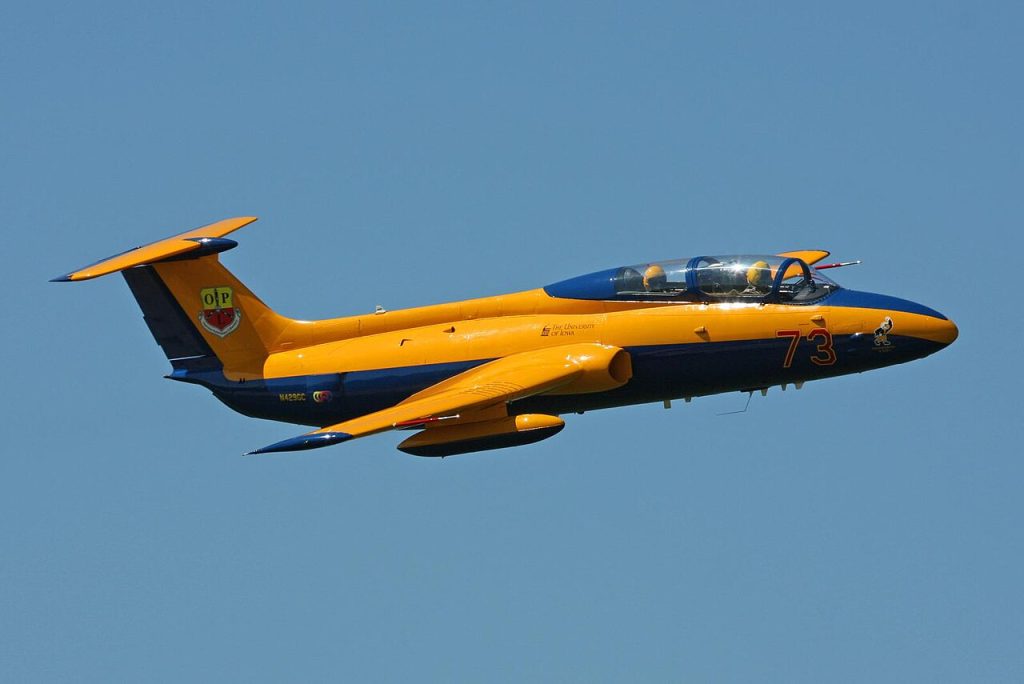
Many Aero L-29s survive today, and the aircraft is a popular commodity in the warbird and airshow industries. Additionally, the Delfin continues to serve in a limited military role with both the National Air Force of Angola (six L-29s still active, as of 2022) and the Army Air Section of Georgia (four L-29s in service, as of 2022).