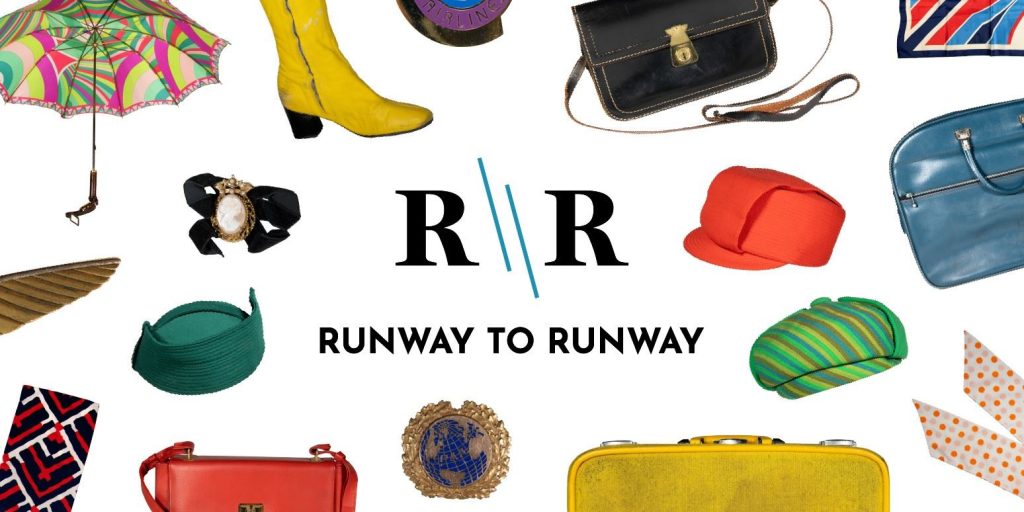

The Museum of Flight, Seattle, WA, is set to open a new exhibition on April 25 that looks at the history of flight attendant uniforms and what they reveal about the airline industry over time. The exhibit, titled “Runway to Runway“, brings together about 100 pieces, including uniforms, hats, handbags, and scarves. It runs through January 18, 2027, and is included with museum admission. A media preview is scheduled for April 23 from 11 a.m. to 1 p.m., with exhibit organizers available for interviews.
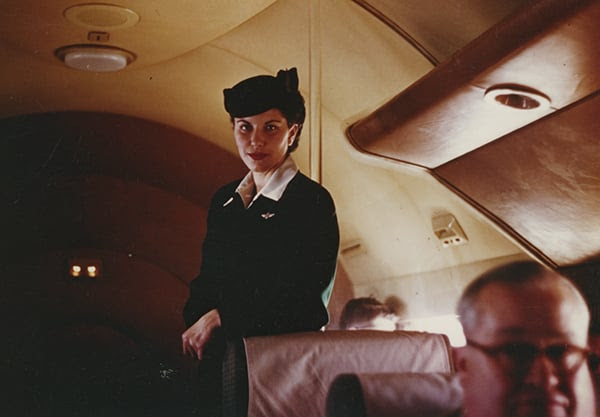
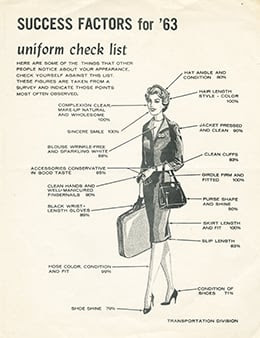
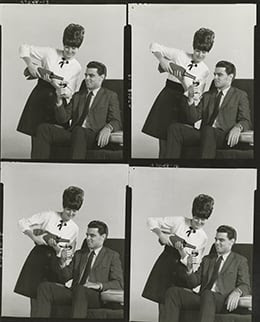
The display goes beyond style. While the uniforms reflect changing fashion trends, they also point to the realities of the job, including workplace expectations, gender roles, and racial barriers that shaped the profession. The exhibit introduces individual flight attendants through their uniforms and stories, including early Black flight attendants and one of the first male stewards at Continental Airlines, working at a time when the role was still largely seen as female.
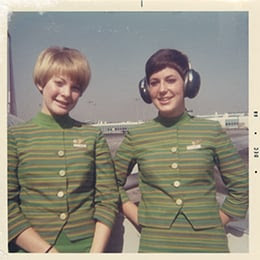
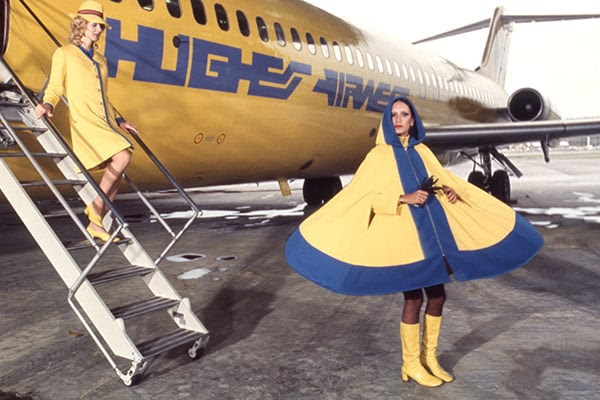
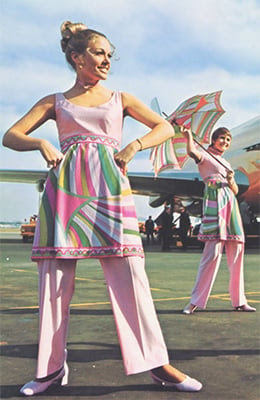
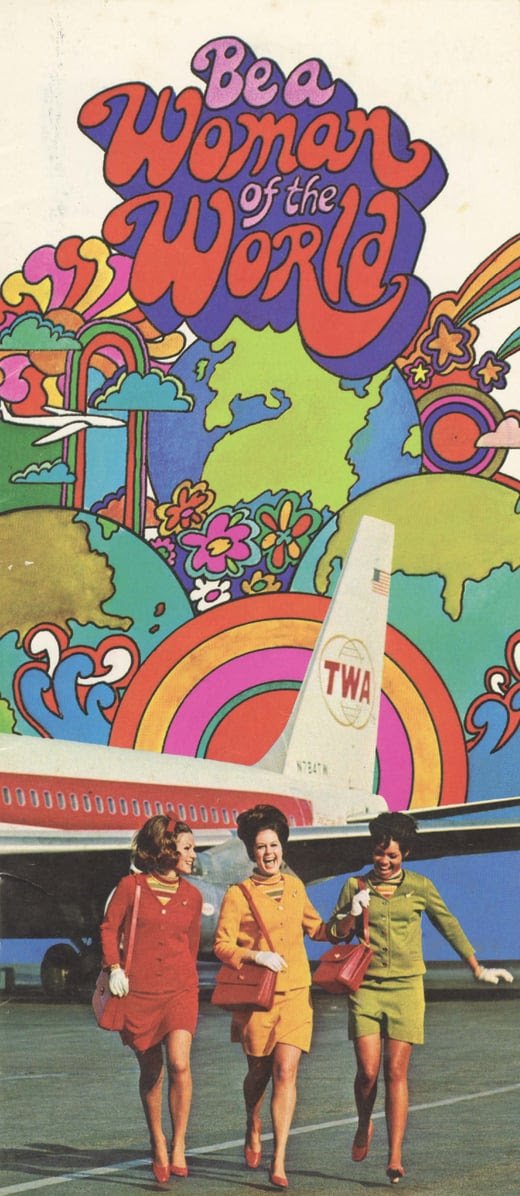
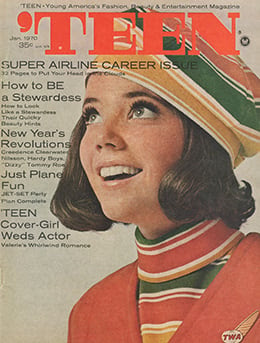
A total of 13 uniforms from eight airlines are featured, many from the 1960s and 1970s, when airlines began working with well-known designers to define their public image. Designers such as Emilio Pucci, Jean Louis, Valentino, and others contributed to uniforms that ranged from conservative looks to more experimental styles, including bold colors, capes, and even go-go boots.
The exhibition also includes a closer look at accessories that completed the uniform. A selection of airline-issued bags and purses reflects different branding approaches, from Alaska Airlines’ 1960s carpet bag inspired by earlier fashion to brightly colored designs created for Hughes Airwest and Braniff. Headwear is another focus, with 17 pieces on display ranging from early designs used in the 1920s to more unconventional items like clear plastic helmets and faux fur caps.
Scarves are presented as both functional and decorative pieces, with examples showing how airlines used patterns and color to reinforce their identity. Several designs from the 1970s and 1980s are included, highlighting how even small details played a role in shaping the look of airline crews. Together, the exhibit traces how flight attendants became the public face of airlines and how their uniforms were used to project everything from professionalism to glamour, depending on the era. For more information and to support The Museum of Flight, click on this link: www.museumofflight.org.